
Last updated: Apr 19, 2026
Spring in this area brings a recurring mix of hail, heavy rain, and wind that can strip away peace of mind faster than a bluebird forecast. Roof integrity in this climate is tested not just by age but by the storm sequence that rolls through in April and May. A missing shingle, a dented metal edge, or a granule-laced gutter can signal trouble that multiplies with every gust. Treat each storm as a potential turning point for your roof: the sooner you inspect, document, and act, the better your odds of avoiding long-term interior damage and costly repairs. When the skies clear, you should already be in motion-checking for sheen on ceilings, damp spots in attic spaces, and curled edges along the eaves. In this market, fast post-storm response isn't optional; it's a shield against cascading damage and a smoother path to an accurate insurance claim.
Kentucky insurers commonly want roof age records and pre-work photos, so having a robust before-and-after narrative is essential. Before the next hail or wind event hits, establish a routine of capturing current conditions in high-resolution photos and a dated video walk-through of the attic and exterior roof line. If a shingle tab is curling or a flashing seam looks compromised, document it in a clear, timestamped way. After a storm, prioritize the most obvious damage first: missing shingles, lifted underlayment, granule loss in gutters, and any signs of interior water intrusion. You should also photograph the surrounding property: damaged siding, downspouts misaligned, and yard debris that could slow a claim process. When you present your claim, your pre-storm visuals act as a baseline, demonstrating that the damage is recent and storm-driven rather than wear-and-tear. In this climate, you will likely be compared against the weather-driven wear curve, so precise records can shorten negotiation and help you recover faster.
The local contractor market shows unusually strong concentration in storm damage, emergency repair, and insurance-claims work, indicating that post-storm response is a primary roofing need in this area. That means you should expect a surge of responders within days after a major event. With demand so high, immediate triage matters: secure a temporary tarp to protect the interior from rain intrusion, and arrange a quick roof assessment from a contractor who specializes in storm damage rather than a general handyman service. When you call for help, ask for a storm-damage-focused inspection window, request a written assessment that details whether the damage is cosmetic or structural, and insist on an itemized approach to emergency repairs versus permanent replacements. Be ready to provide the insurer with your documentation bundle, including pre-storm photos and a current assessment. If you wait too long, the post-storm window closes and your claim may be scrutinized for cause and timing, slowing the recovery process.
Keep a simple, repeatable routine so you're not flustered after the next event: immediately note any new leaks or damp spots in the attic, photograph exterior roofing edges and flashing, and schedule a rapid roof inspection with a storm-damage expert. Have your insurance contact numbers and claim reference ready, along with your pre-storm documentation as a contrast to the new condition. If contractors have available openings, book a shoulder-season inspection to avoid the busiest weeks, but don't delay if there's active water intrusion. In this climate, a proactive stance isn't just prudent-it's essential for preserving the home's integrity and ensuring the claim process reflects storm-driven damage rather than age or prior neglect.
Find local contractors experienced in assessing and restoring roofs after hail, wind, and severe weather events.
United Contracting
(513) 500-6632 unitedcontractingky.com
5981 Peoples Ct, Burlington, Kentucky
4.9 from 12 reviews
United Contracting
(513) 500-6632 unitedcontractingky.com
5981 Peoples Ct, Burlington, Kentucky
4.9 from 12 reviews
At United Contracting, we proudly serve Jeffersontown, KY and nearby areas with top-tier roofing, siding, and masonry services tailored to protect and enhance your home. From precise shingle replacement and roof ventilation upgrades to siding reinforcement and hidden moisture damage repair, we focus on durability and energy efficiency. Our experienced bricklayers specialize in chimney restoration, fireplace rebuilds, mortar repointing, and advanced waterproof masonry sealing. Whether you're recovering from storm damage or planning a full exterior renovation, our trusted team delivers lasting craftsmanship and peace of mind. Contact us today for a free evaluation.

Crisp Roofing
(859) 525-7888 crisp-roofing.com
6283 Autumn Trail, Burlington, Kentucky
5.0 from 9 reviews
Crisp Roofing installs and maintains quality residential and commercial roofing systems in Greater Cincinnati and Northern Kentucky. We specialize in Roofing, Gutters, Siding, and more. Since 2003, Crisp Roofing has been committed to the roofing industry, our employees, and our customers and that is the reason we have been able to grow our business every year since we began. We are certified by the GAF and CertainTeed companies to install and maintain their roofing systems so you can be assured each job will be completed with the highest standards. Crisp Roofing is an active member of the Northern Kentucky Home Builders Association (HBANKY) and maintains an A+ rating with the Better Business Bureau (BBB).
Merrick Contracting
(513) 850-4140 merrickroofingllc.com
Serving
5.0 from 17 reviews
Merrick Contracting is a premier company specializing in insurance claims, residential and commercial roofing services. We are dedicated to providing customer service that is second to none. Merrick Contracting is a one-stop shop for all of your exterior needs. Siding, Gutters, etc., we have it handled. Whether you need a new construction project or need to replace an old or damaged roof, we offer complete roofing systems as well as roofing repairs. Let us show you why calling Merrick Contracting was your best call to care for your home or business.
Jones Remodeling & Roofing
(859) 331-3395 www.facebook.com
2540 Samantha Dr, Burlington, Kentucky
5.0 from 1 review
Family owned and operated remodeling and roofing company serving the Greater Cincinnati/NKY/IN area since 1970. We treat your home like it is our own. We specialize in roofing, siding, and windows.
Thompson Roofing
(859) 462-0181 thompsonroofingnky.com
Serving
5.0 from 146 reviews
Searching for the best roofing contractors in Northern Kentucky? Look no further because, at Thompson Roofing, we are committed to delivering top-notch services tailored to meet all your roofing needs in Campbell County, Kenton County, and Boone County in KY. Our team of experts is dedicated to ensuring your satisfaction with every project. Whether you require residential roof installation service, efficient roof repair service in your area, attic venting installation, or gutter installation, we've got you covered. We guarantee solutions for your needs. Choose us as we are one of the best roofing companies in Florence, KY and surrounding areas. Call us today for a detailed consultation and receive a free quote for your roofing projec...
Northern KY Roofing & Siding.
(859) 414-2705 www.northern-ky-roofing.com
Serving
4.9 from 294 reviews
Established in 1998, NKY Roofing & Siding Contractor offers residential and commercial roofing and siding services throughout Northern Kentucky. Their team of experienced professionals specializes in repairs, replacements, and installations using high-quality materials. NKY Roofing & Siding Contractor is committed to providing superior craftsmanship and customer satisfaction, ensuring your property is protected and looks its best. We only want the absolute best for you and your family, so please don't hesitate to call us to get a free quote!
Alpha Home Pros
(859) 251-8893 www.alphahomepros.com
Serving
4.9 from 23 reviews
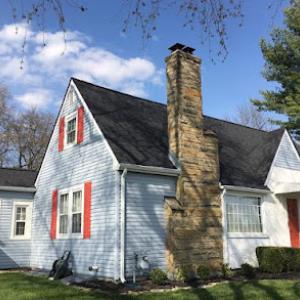
One of the most common concerns for homeowners and business owners is whether they can find a roof contractor they can truly trust. At Alpha Home Pros, we understand the importance of reliable roofing services. Since 2019, we have been providing top-notch roofing and exterior solutions for residential and commercial properties in Florence, KY and the surrounding area. Our team, backed by over 25 years of experience, is committed to delivering quality workmanship and unparalleled customer care. As a licensed and insured roofing contractor, we take pride in giving our customers peace of mind from start to finish. Our expertise spans a range of services tailored to meet your unique needs
Reyes Remodeling
(859) 777-4057 www.reyesremodelingnky.com
Serving
5.0 from 9 reviews
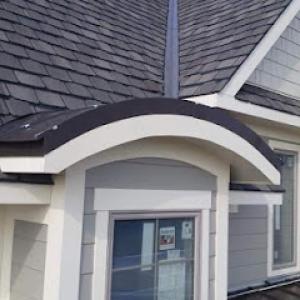
Reyes Remodeling is a family-owned business with more than twenty years of experience in the roofing industry. We are focused on providing the highest quality remodeling/roofing services, and we treat every project as if it were our own.
Commonwealth Roofing
(513) 654-6747 www.commonwealthroofing.com
Serving
5.0 from 10 reviews
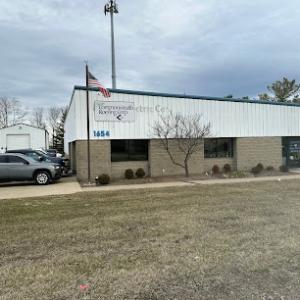
Commonwealth Roofing has been providing Safety, Service, and Quality – everyday since 1981. CRC provides comprehensive commercial and residential roofing services in Kentucky, Ohio, Indiana, Tennessee, and Illinois. We prioritize repairs over replacements, and offer a variety of roofing systems to meet your specific needs – whether you're a business owner or a home owner. We partner with top manufacturers like CertainTeed, GAF, TAMKO, and Carlisle – ensuring that every project is completed with the highest level of craftsmanship.
Fortress Solutions
(859) 328-6338 www.gowithfortress.com
Serving
5.0 from 172 reviews
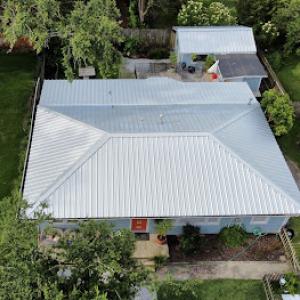
Fortress Solutions is a trusted roofing contractor based in Elsmere, KY, specializing in roof repairs, replacements, gutters, siding, and storm damage restoration. We proudly serve Elsmere, Erlanger, Florence, Independence, Covington, Cincinnati, Edgewood, Fort Mitchell, Fort Wright, Crestview Hills, Villa Hills, Newport, Fort Thomas, Taylor Mill, Norwood, Blue Ash, Reading, Finneytown, Union, and Burlington. With 20+ years of experience and easy financing options, we deliver expert service with integrity. Contact us today for a free estimate and 100% no-leak guarantee!
American Home Tech
(859) 869-4101 www.americanhometech.com
Serving
4.7 from 892 reviews
At American Home Tech, we are the best full-service contractor for your commercial and residential roofing, siding, windows, gutters, decks, and interior remodeling projects, including doors, kitchen remodels, bath remodels, and painting, throughout Florence, KY, Northern Kentucky, and Cincinnati, OH. We provide expert services at any budget and specialize in insurance claim replacements. We proudly offer free estimates and inspections on your project with a no-obligation guarantee. American Home Tech strives to stand behind our motto of “trust is just one thing we build well” with every project we complete.
Thoroughbred Roofing Florence
(859) 407-7905 www.thoroughbredroofinghomedesign.com
Serving
5.0 from 5 reviews
Thank you for checking out Thoroughbred Roofing & Home Design! We proudly serve Florence, Somerset, and Lexington, Kentucky. Whether you're ready to upgrade your home or need a few repairs, we have you covered. Some of our services include roof installation and repair, deck installation and repair, water mitigation, and water damage repair. Get a free estimate for roofing and home services near Florence, KY, today!
This area sits in northern Kentucky near the Cincinnati metro, where roofs face hot humid summers and cold winters rather than a single dominant season. That back-and-forth swing stresses shingles, underlayment, and flashings in different ways than you'd see farther south or north. Regular rainfall combined with winter freeze-thaw cycles means water management details-especially flashing around chimneys, dormers, and vent pipes, plus proper venting to balance attic moisture-matter more in Burlington than in milder climates. A roof needs to shed rain quickly after storms while also resisting the gradual wear from ice formation in the cold months. That combination guides both the choice of materials and how installations are approached.
Asphalt shingles remain a practical fit for a large share of local homes because they strike a balance between performance and cost for the climate described above. In Burlington, typical life expectancy for standard asphalt shingles sits around two decades to a little over two and a half decades under normal conditions. Homes in the area often feature roofs with moderate slopes and straightforward layouts, where asphalt shingles are easy to install with reliable granule retention and color options that hold up under sun exposure before the next round of weather cycles. For homeowners looking to maximize weather resistance without a major overhaul, asphalt remains a sensible baseline choice, particularly when paired with well-sealed flashings and a robust attic ventilation strategy.
Because Burlington experiences both heavy rainfall events and winter precipitation, the details of water management deserve careful attention. Flashing around chimneys, vent pipes, skylights, and transitions must be continuous and corrosion-resistant, with sealant or metal joints that resist hairline cracks during temperature swings. Attic ventilation plays a critical role in reducing condensation and preventing ice dam risk from meltwater refreezing at eaves and gutters. Ensure soffit vents, gable vents, and a ridge vent system work in concert to keep the attic near balanced temperatures. Properly designed drainage around roof edges and gutters helps prevent water backed up against fascia boards during intense storms. A Burlington roof inspection should verify that every penetrations' flashing is intact and that the gutter system is clear enough to keep water moving away from the home promptly.
Storm events in this region can deliver both wind-driven debris and hail impacts that leave subtle roof dimpling or granule loss. When a storm hits, a quick but thorough inspection is key, focusing on shingles at field edges, corners, and around protrusions, plus signs of accelerated granule wear in gutters and downspouts. If damage is suspected, documenting with clear photos and a dated written note can help with insurance communications. For homeowners facing a claim, gather evidence of prior roof conditions, recent weather patterns, and any preexisting issues to support the assessment. Fast post-storm response matters: arranging a temporary cover or tarp if warranted, then scheduling a professional inspection soon after allows mitigation of water intrusion and minimizes further interior risk.
A Burlington roof benefits from proactive maintenance that aligns with seasonal transitions. In spring and fall, you should check for loose or missing shingles, disturbed flashings, and signs of moisture intrusion in ceilings or walls. Clean gutters and downspouts at least twice a year, and after storms, to prevent standing water near the roof edge. Keep an eye on vent seals and attic insulation; ensuring adequate insulation and a tight attic seal reduces freeze-thaw stress and helps energy efficiency. By staying current with inspections and timely minor repairs, you extend the life of the roof and preserve the home's overall performance through Burlington's variable climate.
Asphalt shingles dominate Burlington because they balance cost with acceptable performance under the city's hot summers, cold winters, and regular rain. In practical terms, they are the easiest to install on most homes, and local crews are well-versed in the common roof pitches and attic ventilation found in the area. When choosing asphalt, look for architectural or dimensional shingles that offer better wind resistance and a longer warranty, which matters after a string of spring storms. Prioritize shingles with algae resistance for summers when humidity climbs, and confirm that the underlayment and flashing are sized for our weather pattern-especially around valleys and peak wind zones where hail can strike more frequently.
Metal roofing has a meaningful local presence in Burlington and can appeal to homeowners looking for better resistance to repeated weather exposure and lower maintenance over time. Metal panels shed water quickly, resist impact better than some composites, and tolerate freeze-thaw cycles without the same degree of joint problems seen in other systems. If choosing metal, consider standing-seam panels for the cleanest look and the strongest seam integrity. A key Burlington-specific note is to verify the substrate and attic ventilation are compatible with metal's thermal expansion, since our hotter summers can stress roof-to-wall connections. In practice, metal shines when a home has a straightforward roof shape and adequate attic clearance; complex layouts may increase installation time and cost but still pay off in longevity and fewer shingle repairs after a storm.
Clay tile, slate, wood shakes, and fiber cement exist in the market but are more selective choices in Burlington because storm exposure, structural load, and repair complexity can matter more here than in milder climates. Clay tile and slate bring distinctive aesthetics and long life, yet they are heavier and demand a stronger roof deck and careful lintel/edge detailing to handle snow loads and wind uplift. Wood shakes offer a rustic charm but are more prone to weathering and pest activity if not properly maintained, and they can be less forgiving after hail events. Fiber cement provides a middle ground with better impact resistance and durability than some composites, while still offering a lighter load than slate or clay. If a home has limited attic space or a stricter maintenance routine, these options require a candid assessment of what storm seasons can deliver in this area. For most Burlington homes facing hail risk and freeze-thaw cycles, leaning toward a proven asphalt or metal solution keeps maintenance practical and performance predictable, with selective use of premium materials reserved for specialty architectural goals.
The most popular roofing material in the US. Find pros who install, repair, and replace asphalt shingles.
United Contracting
(513) 500-6632 unitedcontractingky.com
5981 Peoples Ct, Burlington, Kentucky
4.9 from 12 reviews
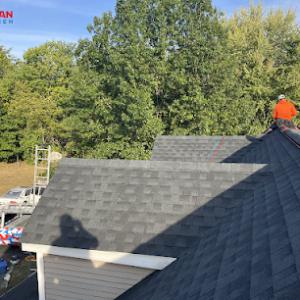
In this storm-prone Ohio River valley area, pricing for roof replacements moves with the weather calendar. Hail and wind events can tighten contractor schedules and push replacement timelines longer, especially for asphalt shingles and basic residential re-roofs. After a major storm, the window to line up crews narrows and materials can run short, so scheduling becomes a key cost driver even before any material choice is made. Tear-off logistics and debris cleanup matter more here than highly customized installations, so the local market tends to reflect those practicalities in the bottom line.
For Burlington homeowners, material choice largely defines the sticker shock and the ongoing maintenance profile. Asphalt shingles sit in a practical middle ground, roughly 320 to 520 USD per square. Metal roofing, favored for longevity and wind performance, typically runs 700 to 1100 USD per square. Clay tile, with its heavier footprint and curb appeal, moves from about 900 to 1600 USD per square. Wood shingles or shakes land around 550 to 900 USD per square, while slate sits higher at 900 to 1700 USD per square. Fiber cement shingles are often a balanced option at 450 to 800 USD per square. These ranges reflect typical Burlington homes and the logistical realities of local re-roof projects, including removal and cleanup in the post-storm window.
Strong spring and early summer hail events can cascade into longer timelines for project commencement and completion. Expect crews to book out days or weeks in busy periods, and factor in potential delays caused by heavy cleanup or material backorders. The local market prioritizes getting a solid, weather-resistant roof back on quickly to curb further interior exposure, so realistic scheduling should include buffer days for transport, staging, and daily weather windows. When choosing a contractor, prioritize clear communication about the sequence: tear-off, disposal, deck inspection, underlayment, and final installation-each step carefully sequenced to withstand Burlington's freeze-thaw cycles.
Get a clear picture of your project costs upfront - no commitment required.
Northern KY Roofing & Siding.
(859) 414-2705 www.northern-ky-roofing.com
Serving
4.9 from 294 reviews
A full re-roof typically requires attention to paperwork rather than being treated as a simple maintenance item. In this market, a permit helps sort out utility clearances, proper eave and peak detailing, and material overlap that can survive Boone County's wind and hail bursts. The local process is not something to shortcut; rushing through a plan review often leads to delays that linger through peak storms. Expect to align your project schedule with the building department's review cadence, which can stretch if the workload is heavy or if details aren't fully resolved at submission.
The building department generally expects roofing plans and contractor licensing information before work proceeds on a full replacement. That means you or your contractor should have documentation ready that shows deck repair or replacement needs, underlayment type, venting layout, flashing method, and any changes to attic insulation. Verifying credentials and referencing code-compliant details early can prevent back-and-forth that slows approval and exposes you to weather exposure risk longer than necessary.
Burlington projects are typically closed out with a final inspection focused on underlayment, flashing, and venting, with inspectors confirming that these foundational elements are correctly installed and sealed. The final look isn't the only test; the inspection checks for proper termination at walls, chimney, and roof-to-wall transitions, plus attic ventilation compatibility. Plan for this step after the roof is set, but before any interior damage concerns escalate.
Plan review timing can vary with department workload, so align expectations with your contractor about potential holds tied to paperwork. If storms press, permit review can become a bottleneck, making a pre-storm consultation especially valuable. Keeping a clear line of communication with the building department and your contractor reduces the risk of surprise delays and helps ensure a safer, code-compliant re-roof.
In this storm-prone Ohio River valley, Kentucky's insurance environment doesn't show a statewide pullback, but Burlington homeowners still need strong documentation because adjusters often review scope closely after hail and wind claims. Robust records help you protect the full scope of the damage and avoid later disputes over what was included or excluded.
Pre-loss photos are especially useful in Burlington because many claims arise from weather events that can affect broad neighborhoods at once. A clear set of images showing the roof's condition before any incident helps you demonstrate existing wear versus new damage. If you don't have recent pictures, capture wide angles of the entire roof, attic insulation, and nearby gutters after a heavy storm to document any rapid changes.
Roof age records matter in this market, so Burlington homeowners should keep installation dates, prior repair invoices, and inspection notes accessible before filing a claim. An organized file with dates helps you establish baseline condition and supports your case when the claim covers multiple years or when previous workmanship is questioned.
After a hail or wind event, assemble clear damage photos of shingles, vents, flashing, and gutters. Note dates and times of the storms, and collect any contractor or diagnostic reports. Maintain a log of conversations with neighbors or condo associations if the damage appears widespread; this supports the narrative of widespread impact that can influence adjuster findings.
When meeting the adjuster, present your pre-loss photos, the roof age records, and a concise damage summary. Stay aligned on the documentation you provide, and keep copies of every received document. This approach helps ensure the scope aligns with actual conditions in your neighborhood after the event.
In Burlington, winter temperatures swing from freezing to above freezing, which can open flashing joints and stress shingle edges during repeated cycles. Ice damming is a real risk when snow melts unevenly and refreezes along eaves, pushing against underlayment and flashing. The result is small leaks that mimic bigger problems after every thaw. If gutters are clogged or downspouts are misaligned, meltwater can back up under shingles, silently widening gaps. You'll want to inspect for lifted edges after each cold snap and look closely at valleys where ice tends to form. A local neighbor would tell you: catch the early signs, because once flashing joints start to separate, water intrusion follows fast and quiet.
Spring is a high-risk period because heavy rain and hail can stress already-weathered surfaces into active leaks or accelerated granule loss. Even minor hail can nick shingles, creating micro-cracks that soak through during subsequent showers. In Burlington, a quick post-storm walk around the roof line is prudent: check for shiny asphalt patches, loose granules in gutters, and any new staining on the ceiling inside. Valleys, vent penetrations, and chimney flashings are prime trouble spots; a stiff wind can loosen loose edges and allow water to creep into attic spaces. If you hear distant hail on a tin roof, inspect the immediate surroundings for damp patches that weren't there a week prior.
Autumn leaf buildup in Burlington can trap moisture in valleys and around penetrations, hiding trouble until the next inspection or storm. When leaves accumulate, they hold dampness against flashing and shingles, accelerating rot and encouraging moss or mold growth. Valleys can become saturated and remain damp longer into winter if debris blocks drainage paths. A practical approach is to remove leaves from the roof line and gutters in mid-fall, then recheck after storms. Leaving debris unchecked invites slow-creep damage that shows up only after the next big wind or rain event.
In this city's storm-prone Ohio River valley climate, flashing and venting are the most common leak culprits after hail, wind, and freeze-thaw cycles. After a heavy rain or a storm, start with a careful scan of roof penetrations: plumbing vents, exhaust vents, skylight frames, and chimney bases. Check around vent collars for torn or lifted flashing, and look for any gaps where metal meets shingles. On re-inspection, confirm that step and counter-flashing are still properly seated and sealed, especially where the roof plane transitions into valleys or flat sections. If flashing shows any corrosion, misalignment, or cracking sealant, plan a targeted fix rather than a full roof replacement. In mixed rooflines, the closer look at transitions becomes even more critical because leaks often run from a flashing to the eave and then down to interior ceilings.
The contractor market tends to see meaningful activity around skylights and chimneys, plus flat or low-slope roofs, which are technically more challenging to seal and maintain. For skylights, verify the sealant around the curb and the flashing where the unit meets the roof. Replace dried sealant and re-check shingle-to-flashing contact after storms. Chimneys demand attention to the base flashing and mortar joints; even small cracks can channel water inward when pressure-driven rain hits from heavy winds. Low-slope and flat sections, common on Burlington homes, require precise edge detailing and adequate drains. Ensure the plays between membrane and shingle layers are continuous and free of punctures or loose laps. If you notice recurring damp patches along these areas after storms, it's typically a sign that the detail work needs a professional reflash or re-seal rather than a full roof tear-off.
On homes with overlapping roof planes, the main field of shingles often holds up better under rain, but penetrations and transitions shoulder the risk. After heavy rain, trace any water mark back toward drain lines and flashing transitions to identify the exact leak source. Low-slope pockets and ridge/valley intersections deserve extra attention; these zones are especially susceptible to ice damming and wind-driven water. Create a simple inspection habit: review flashings at every major transition and document any movement, loose nails, or degraded sealant. In Burlington's climate, proactive targeted fixes at these vulnerable spots reduce the chance of mid-season leaks and preserve the integrity of the longer-term roof system.
Find specialists in TPO, EPDM, and built-up flat roofing systems for residential and commercial properties.

After a storm surge, Burlington homeowners often face a flood of contractor options. Prioritize firms with proven experience in full tear-offs, thorough cleanup, and tight scheduling after weather events. Ask for lists of recent storm-related projects, including the number of days from start to finish and how debris was handled. A contractor that can articulate a concrete plan for clearing streets and driveways, containing dust, and coordinating with neighbors will minimize post-storm headaches. Check whether crews are equipped to manage full tear-offs without leaving exposed decking overnight, and verify they follow a consistent process for inspecting gutters, penetrations, and flashing during the job.
Local markets vary between rapid responders and longer-established outfits with steady communication. In Burlington, the best choice balances speed with a proven track record and clear lines of contact. Request a dedicated project supervisor and a written schedule with milestone dates. Ask how weather delays will be handled and how updates will be shared (text, email, or on-site briefings). Pay attention to how the contractor explains roofing material choices, which helps ensure the team isn't rushing through a material install or skipping recommended steps. Favor firms that provide a single point of contact for questions, photos of progress, and post-install walkthroughs.
Warranty offerings exist in the local market but are not the sole deciding factor. Look for firms that provide comprehensive workmanship documentation, including before-and-after photos, a detailed scope of work, and a clear warranty on labor and workmanship. Confirm how any wind or hail claims will be addressed, who handles claim-related communication, and how long the warranty remains in effect. A well-documented process reduces confusion when questions arise months after installation.