
Last updated: Apr 19, 2026
Chelmsford homeowners deal with cold winters with snow and repeated freeze-thaw cycles, which are a primary driver of roof aging and leak development. The constant shifting from ice to water and back creates stress at the edges of shingles and around flashing. When water inches under the surface and refreezes, it pries apart seams and allows more moisture to intrude. This cycle is not cosmetic-it's a creeping fail that weakens the roof deck and accelerates aging in a way that becomes obvious only after a heavy thaw or a big ice dam forms.
Winter ice dams and snow load are identified local seasonal risks and can both damage roofing materials and delay replacement work. Ice dams block proper drainage, causing meltwater to back up under shingles and into eaves, soffits, and ceilings. The pressure from heavy snow can bend and crack ridge lines, pull flashing away from joints, and push gutters loose. When the dam forms, water finds the path of least resistance, often traveling through nail heads and around fasteners, which invites rot into the attic insulation and plywood decking. In short, the risk isn't just a leak; it's a cascade of deck and edge failures that complicate any future replacement.
Freeze-thaw cycling in this part of Massachusetts can worsen deck softness and shingle edge failure after water gets beneath aging roofing. As ice expands within small gaps, wood and underlayment lose rigidity, creating spongy or sagging deck areas that undermine a sound roof plane. The longer those conditions persist, the higher the chance that fasteners loosen and shingles lift at the edges. Once shingles begin to lift, the exposed underlayment is vulnerable to wind-driven rain and sun exposure, accelerating deterioration. If the attic feels damp or smells musty after a thaw, that moisture is signaling deeper damage that needs attention before the next cold snap.
Look for granular loss along rake edges, curling shingles at the eaves, and stains on interior ceilings directly below the attic. Ice dam formation near gutters is a red flag, especially after a heavy snow event followed by a quick warm spell. Bubbling paint, warped plywood, and drafty closets or bedrooms around the highest ceiling zones point to compromised decking. If the roof feels soft when walking on it or you notice a spongy underlayment, treat those sensations as urgent indicators of compromised structure.
Act now to inspect for ice dam damage after the latest thaw and before the next snowfall. Prioritize clearing gutters and downspouts to restore drainage, but never chip away at ice dams from the edge of the roof where you could cause more damage. Schedule a professional assessment to verify the deck's strength, test for moisture in the attic, and confirm the integrity of flashing and valley protection. If aging roofing shows widespread edge failure or soft decking, prepare for a targeted replacement window that minimizes exposure to harsh weather and prevents repeated winter damage.
Replacement projects follow a practical rhythm in this area, leaning toward late spring through early fall. That window aligns with drier soils, lower mold risk, and more moderate temperatures that keep shingles and underlayment from becoming brittle in cold snaps. The goal is to complete most work before the first hard freezes, when ice dam pressure can complicate both installation and later performance. If you map out the steps with your contractor, you can expect the heavy lifting-tear-off, decking checks, and shingle installation-to flow in a steady pace without the complications that winter weather brings. Scheduling shifts in the late spring can also help you avoid the steepest spring storms and the bite of early summer heat that can stress fasteners and sealants.
In Chelmsford, spring storms and rain create a local risk of leaks during open-roof phases if scheduling slips. If a late-winter thaw turns into a wet spell, a partially completed roof can allow water intrusion into attic spaces and ceiling planes. A practical approach is to target dry spells for the heavy lift phases, with contingency days set aside for wind-driven rain events. Your crew should plan tarping and temporary waterproofing as a standard precaution, even during planned dry stretches. Communication matters here: confirm rain thresholds that trigger temporary closure of exposed decking and how long a partial roof should stay open between operations to minimize exposure. Having a clear plan helps prevent moisture-related damage while keeping the project on track.
Fall wind and storm activity can disrupt project timing as homeowners try to finish work before winter returns. Here, the emphasis shifts to tightening the last sections, verifying ventilation, and ensuring all flashing details are properly sealed in before the first frost. A careful phase-out of material storage on site reduces weather exposure risk as daylight shortens. The crew should verify attic insulation edges and shingle overhangs, so lingering cold air does not infiltrate the eaves or soffits. By coordinating a firm finish target and back-up dates for potential autumn storms, a Chelmsford roof replacement can reach a reliable, wind-resistant close before winter ice dam pressure reappears on older lines.
Get a clear picture of your project costs upfront - no commitment required.
Adam Vaillancourt Roofing & Gutters
(978) 396-4214 www.adamvroofing.com
200 Turnpike Rd #2, Chelmsford, Massachusetts
4.9 from 168 reviews
Adam Vaillancourt Roofing & Gutters is Chelmsford’s go-to roofing contractor, proudly serving Northern Massachusetts in areas such as Andover, Haverhill, and more. We specialize in residential and commercial roof replacement, roof repair, and roof maintenance—including asphalt shingles, flat roofing, and premium metal systems. Our team uses top-quality materials and industry-best installation practices to protect your home for the long haul. We also offer expert gutter solutions with Gutter Shutter® systems, professional roof cleaning and rejuvenation, skylight repair and replacement, and attic ventilation services. With a reputation built on trust, craftsmanship, and customer-first service, Adam Vaillancourt Roofing is committed to you.
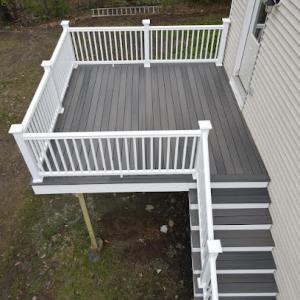
Merrimack Roofing & Construction Group
(978) 545-0050 www.merrimackroofingcontractors.com
15 Alpine Ln, Chelmsford, Massachusetts
5.0 from 21 reviews
Merrimack Roofing & Construction Group provides roofing services, bathroom remodeling, kitchen remodeling, and basement remodeling services, custom home builds and more in Middlesex and Essex counties, MA.
Wicked Smart Exteriors
(978) 551-7484 www.wickedsmart-exteriors.com
68 Byam Rd, Chelmsford, Massachusetts
4.8 from 23 reviews
We are a full service roofing company that handles everything from small repairs to full roofing system.
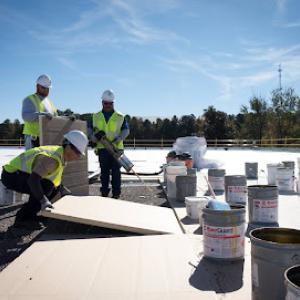
CentiMark Corporation
(978) 513-3300 www.centimark.com
101 Brick Kiln Rd Ste 10, Chelmsford, Massachusetts
4.6 from 12 reviews
CentiMark, with an office location in Chelmsford, MA, is a premier commercial roofing contractor serving Boston and numerous states across New England, including Maine, New Hampshire, Rhode Island and Vermont. Our specialization lies in superior roof installation, repair, maintenance and replacement services. We're well-versed in addressing the unique roofing issues posed by the New England climate, such as heavy snowfall, ice dams and high winds. Utilizing cutting-edge techniques and top-tier materials, our team ensures your roof's resilience and longevity against these regional challenges. With CentiMark, you're not just hiring a roofer, you're partnering with a team dedicated to superior service and exceptional results.
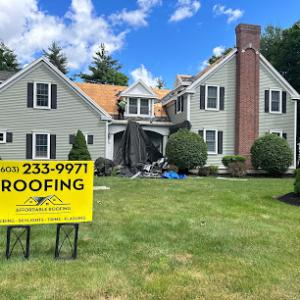
Affordable Roofing / Gutters
(603) 233-9971 1affordablebuilders.com
Serving
5.0 from 26 reviews
Affordable Roofing has provided years of quality service to our customers. We are a family-owned and operated business, based in Nashua, NH. We serve the entire Southern New Hampshire and Northern Massachusetts. Our team sells and installs Residential and Commercial roofing of all types.
Mighty Dog Roofing
(978) 634-5611 www.mightydogroofing.com
Serving
4.9 from 318 reviews
Call us today to learn more!
JM Exteriors Roofing Siding
(978) 635-6536 jmroofingsiding.com
Serving
5.0 from 143 reviews
🏠 JM Exteriors Roofing Siding is your go-to expert for top-quality roofing and siding services in Lowell, MA, and nearby areas. We combine experience, professionalism, and attention to detail to protect and beautify your home. From roof repairs to siding installations, we ensure durable results with exceptional care and craftsmanship. Let us bring your vision to life! Call today for your FREE estimate and experience the difference of working with a dedicated team.
Express Roofing
(978) 256-2333 expressroofer.com
Serving
4.9 from 273 reviews
At Express Roofing, we often come across clients who neglect to have regular maintenance done on their roofs. Usually, the damage that we have to repair ends up costing them a lot more than they would have spent on maintenance costs. Can you remember the last time that you had maintenance done on your roof or the siding of your house? If you can’t then you should contact us as soon as possible. At Express Roofing, we are proud to be the most reliable roofing contractor in Westford! Our company was established in 1985, meaning that we have over 30 years of experience. That makes a huge difference it comes to our quality. Our services include Westford roofing, replacement windows, and vinyl siding.
Jcr Pro Winner Construction
(978) 726-8003 jcrprowinnerconstruction.com
Serving
5.0 from 35 reviews
Welcome to JCR Roofing! Your comprehensive destination for home protection and improvement At JCR Roofing, we take pride in offering a complete range of services to strengthen and beautify your home. Discover what we can do for you: Roofing From quick repairs to complete installations, trust our roofing expertise to provide you with maximum durability and style. We protect what you love most with superior quality roofs. At JCR Roofing, our commitment is to provide you with: -Proven industry experience - High-quality materials - Trained and professional staff -Customized solutions for every customer Trust us to strengthen and beautify your home. Contact us today for a free inspection and find out how we can make your home
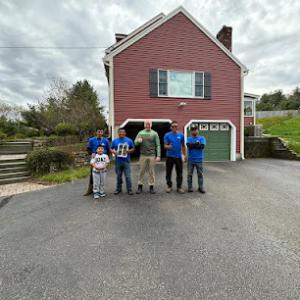
Rangers Roofing & Services
(978) 726-0171 rangerservicesincma.com
Serving
5.0 from 37 reviews
Rangers Roofing & Services is a trusted roofing contractor in Lowell, MA serving homeowners and businesses throughout Greater Lowell. With 10+ years of experience, our licensed & insured team delivers residential roofing and commercial roofing: roof repairs, roof replacement, new roof installation, storm damage restoration, flat roofing, asphalt shingles, flashing, ventilation, leak detection, and roof inspections. We also install siding and seamless gutters. Need help with an insurance claim? We document damage with detailed photos, provide a clear repair quote, and can be on-site with the adjuster. Bilingual service: English & Español. 24/7 emergency roofing available. Local roofing company - free estimates. Call now for fast service.
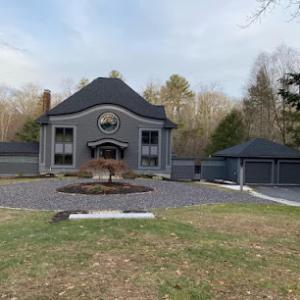
Apex Roofing & Restoration
Serving
4.9 from 263 reviews
We understand that replacing a roof is a sizable investment in your property. Apex offers quality service with 30 years worth of experience. We offer a 25 year workmanship warranty and look forward to helping you with your next roofing project! If you're planning to visit the showroom, please call ahead so we can have someone ready to assist with any roofing needs.
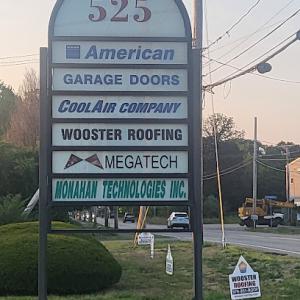
Wooster Roofing
(978) 851-7663 www.wooster-roofing.com
Serving
4.9 from 230 reviews
Wooster Roofing provides Roof Repairs, Shingle Roofs, Flat Roofs, Ice Dams, Attic Ventilation, Skylights and Chimney repairs. 40+ Years Experience to the Tewksbury, MA and surrounding area.
Chelmsford's residential roofscape features a mix of asphalt shingles, metal roofing, clay and concrete tiles, wood shingles or shakes, and synthetic or composite shingles. The typical regional climate-with Merrimack Valley freeze-thaw cycles, winter snow loads, and the pressure of ice dams-shapes how each material performs across the years. Asphalt shingles remain a common choice for many homes, but the surrounding conditions demand attention to underlayment, flashing, and ventilation to prevent moisture-related problems as temperatures swing between extremes. Heavier systems such as clay and concrete tile occupy a portion of the market, yet their winter performance hinges on structural suitability and careful design to resist extra winter weight and potential freeze-thaw cracking.
Asphalt shingle roofs fit a broad portion of the region's re-roofing market, which makes understanding installation details crucial. In areas with repeated freeze-thaw cycles, the underlayment beneath the shingles must be robust and appropriately rated for cold conditions. Flashing around chimneys, vents, and skylights should be continuous and well-sealed to deter ice dams from forming at edges and penetrations. Ventilation is a key factor: a well-ventilated attic helps keep the roof deck closer to outdoor temperatures, reducing condensation and ice dam risk. Look for ridge and soffit ventilation that provides a steady air flow, especially on roofs with moderate to steep pitches where snow can linger. Proper installation-good nailing patterns, moisture barriers, and sealants rated for winter performance-can extend the life of an asphalt system in this climate.
Clay and concrete tiles bring durability and a distinctive aesthetic, but their heavier weight requires careful structural verification before replacement or installation. In a Massachusetts climate, winter freeze-thaw cycles can affect tiles and their fastenings differently than asphalt. Ensuring the roof frame can support the added mass and that fasteners are appropriate for tile systems reduces risk of crack propagation or uplifts during wind events and heavy snows. Tile roofs benefit from a continuous waterproof underlayment and properly designed eaves and parapets to manage snow shedding and moisture ingress. If clay or concrete tiles are in the mix, confirm the roof deck, fascia, and substructure are prepared for winter cycling and substantial snow loads.
Wood shingles or shakes offer a traditional look but demand meticulous maintenance to resist moisture intrusion and decay over time, especially after repeated thaw cycles. Synthetic or composite shingles provide a climate-friendly alternative with improved moisture resistance and often lower maintenance; they can perform well with solid ventilation and proper flashing. Metal roofing stands out for superior snow-sliding behavior and resilience to freeze-thaw cycles when installed with appropriate underlayment and attic ventilation. For all lighter options, ensure compatibility with existing roof geometry, edge details, and insulation to manage condensation and ice dam risk effectively.
In a region with harsh winters, the best roof material strategy balances weight, structural capacity, and the ability to manage moisture and ice dams. Prioritize roofs with robust underlayment, well-sealed flashing, and thoughtful ventilation regardless of the chosen material. A careful assessment of existing roofing geometry, attic insulation, and roof-edge details helps maximize performance during Chelmsford winters and reduces the risk of winter-related damage.
Asphalt shingles sit in a practical middle ground for most Chelmsford homes, with typical costs around $350 to $750 per square. Metal roofs carry a higher up-front price, often $700 to $1,400 per square, while clay tile runs $1,000 to $2,300 per square and concrete tile sits around $900 to $1,800 per square. Wood shingles or shakes are usually in the $550 to $1,100 per square range, and synthetic or composite shingles fall roughly between $450 and $900 per square. These figures reflect the town's mix of aging New England rooflines and newer homes, where choices and local labor affect the bottom line. In practice, the right material balance depends on how long you plan to stay in the home, the roof's slope, and whether you're seeking long-term durability against freeze-thaw cycles.
Chelmsford's robust re-roofing market means projects often involve tear-offs rather than simple overlays. Tear-offs add labor and disposal costs, but they're generally the safer option when the decking is unknown or aging. Expect higher costs where crews must strip multiple layers, repair sheathing, or upgrade underlayment to meet modern performance standards. Overlay scenarios can still happen, but they're less common here, especially on older homes with potential ice dam vulnerability. Your contractor should assess decking condition and provide a clear scope that details removal, disposal, and any decking repairs.
Winter damage spikes local costs due to urgent demand and constrained scheduling windows. Freeze-thaw cycles can reveal bad decking only after tear-off begins, sometimes prompting back-to-back visits or expedited inspections. Timing around colder months also affects project coordination and labor rates, so anticipate price shifts if a replacement is staged for late autumn or early spring. If an ice dam episode has compromised the roof edge or attic ventilation, plan for a thorough upgrade rather than a quick fix, to prevent recurring damage during the next winter.
To manage costs, gather several bids that clearly itemize tear-off, disposal, decking repairs, underlayment, flashing, and ventilation upgrades. If a sudden winter repair is needed, be prepared for possible price spikes driven by demand and scheduling. A well-documented plan that aligns with the home's existing roof geometry and attic conditions helps keep the project on track and minimizes surprises when crews open up the decking.
Don't let upfront costs delay a critical repair - these contractors offer payment plans to fit your budget.
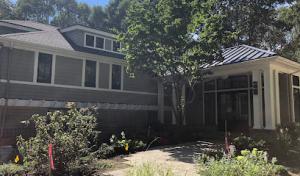
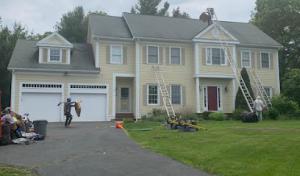
A full roof replacement usually triggers a Building Permit. This isn't just a formality-missing the permit can create delays that ripple into the heart of winter, when ice dam risk and freeze-thaw cycles threaten newly exposed decking. The permit process ensures structural work, ventilation, and flashing meet the town's safety standards, especially on older homes with diverse rooflines common to the area. Expect the permit to be reviewed with care, and understand that obtaining authorization early helps avoid weather-driven setbacks.
Permit applications are handled by the Town of Chelmsford Building Department. The department scrutinizes plans for proper eave and ridge ventilation, underlayment, and flashing details that matter when snow and ice intensify dam pressure. In practice, submissions should include updated roof plans, contractor information, and any required structural notes. The timing of approvals can vary, so it's wise to align your project timeline with potential queue times rather than rushing to start just before a forecasted freeze. Keeping the department's requested documentation complete-and promptly responding to any requests-helps keep the project moving.
Inspections are typically scheduled during tear-off and again after completion. The first inspection confirms that tear-off work didn't compromise decking and structural elements, and that new underlayment and ventilation are installed to spec. The final inspection verifies that roofing material is properly installed, flashings are secured, and penetrations are properly sealed. Processing times and fees vary by project scope, so anticipate a window between permit issuance and the first on-site check. If weather compresses the schedule, coordinate closely with both the contractor and the Building Department to avoid delays that could leave work exposed to winter conditions.
Don't assume a permit is optional or that a verbal agreement with a contractor suffices. In this climate, timing is critical: starting a tear-off without proper approval can halt work and force rescheduling around snow events. Ensure the project team knows the inspection cadence and has access for timely visits. And keep all permit paperwork accessible on-site; a missing document at inspection time can trigger re-visits that push critical windows into unsafe, ice-prone periods.
Massachusetts insurers generally cover legitimate weather-related roof damage, but this region's freeze-thaw cycles and ice dams often push claims into a tighter documentation window. When a winter leak reveals a problem, adjusters will look beyond the obvious patch and probe for how the roof held up under repeated freezes and thaws. The concern is not only what failed, but how preexisting wear may have contributed to the failure during a single storm or seasonal cycle.
Chelmsford homeowners should expect adjusters to request detailed contractor estimates, photos, and clear evidence separating storm damage from preexisting wear. A thorough photo trail-before, during, and after events-helps illustrate the timeline of damage, including any ice dam activity observed on gutters and flashing. Contractors should supply itemized estimates that align with the observed condition, with notes on the specific climate factors at play in a given season. Consistency between the photos, notes, and estimates reduces the chance of delayed or disputed payouts.
Prior-condition documentation matters in this market because insurers may scrutinize older damage discovered during winter leak investigations. If a roof has seen prior issues-soft spots, curling shingles, or flashing concerns-before a recent freeze, make sure those conditions are documented with dates, photos, and any prior assessments. This helps avoid ambiguity about what is new damage versus ongoing wear and supports a fair settlement when winter damage triggers a claim.
Connect with contractors who help homeowners navigate the claims process from damage assessment to final approval.
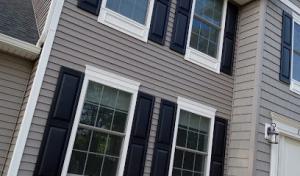
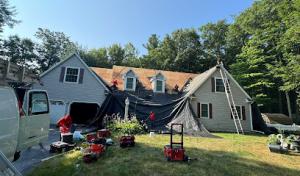
Local contractor signals show frequent demand for skylight work, indicating roof penetrations are a meaningful repair category in Chelmsford. When a skylight leaks, the first checkpoints are flashing seals, curb mounting, and the surrounding shingles. In practice, you should inspect the boot around roof vents and any sealant transitions after freeze-thaw cycles, as ice buildup tends to pry loose flashing first. For homeowners, a proactive approach means budgeting for a targeted repair of penetrations rather than a full roof replacement when only a skylight or vent flashing shows signs of failure. Use matching sealants and clamps that tolerate cold exposure, and confirm proper shingle overlap to keep runoff from pooling at the curb.
Chimneys are a common repair focus on the older New England stock, where flashing failures often appear before full replacement is planned. Keep an eye on step flashing along the chimney chase, counter-flashing integrity, and the seal around mortar joints. In practice, a focused chimney repair can stop ice dam buildup at the joint where heat loss and wind-driven moisture converge. When a contractor flags flashing as the culprit, expect a reseal and a reflash with corrosion-resistant metal, plus repointing of adjacent masonry if stone or brick shows spalling or loose mortar.
Flat-roof capability is present in the local contractor base, making low-slope sections on additions, porches, and mixed-roof homes a practical local concern. Pay attention to seams, penetrations, and drainage, since standing water freezes quickly in the winter. Practical steps include inspecting edge details, ensuring proper ballast or insulation for cold-weather resilience, and planning for targeted repairs rather than a full roof overhaul when the bulk of the system remains sound.
Ice dams and freeze-thaw damage drive the timing of repairs in a typical Chelmsford cycle. Establish a fall pre-winter inspection to catch vulnerable areas around skylights, chimneys, and low-slope zones. After heavy storms or rapid temperature swings, schedule a quick follow-up check to prevent small leaks from becoming bigger issues before spring.
Find specialists in TPO, EPDM, and built-up flat roofing systems for residential and commercial properties.
Adam Vaillancourt Roofing & Gutters
(978) 396-4214 www.adamvroofing.com
200 Turnpike Rd #2, Chelmsford, Massachusetts
4.9 from 168 reviews