Last updated: Apr 19, 2026
Cold winters with repeated freeze-thaw cycles take a toll on roof edges and flashing in a way that milder parts of Massachusetts do not see as often. When ice forms against fasteners, edge seals, and step flashing, it can pry apart seams and create micro-leaks that only show up after a thaw. The combination of Harsh winter conditions and occasional quick warm-ups means shingles near eaves and valleys experience more daily stress than you might expect. In addition, warm, humid summers in the Merrimack Valley increase attic moisture load. A roof system that breathes well in summer will resist premature aging; roofs with ventilation problems tend to show shortened shingle life, higher attic temperatures, and greater mold risk. This is not just a theoretical concern-it's a pattern seen across many local homes after a few seasons of hot, humid weeks followed by cold snaps.
Shingle edge sealing and flashing details are the first lines of defense against water intrusion in this climate. In Billerica, those edge seals can degrade faster if summer moisture saturates the attic and then freezes at night. Poorly integrated chimney or stack flashing, low-profile step flashing in valleys, and misaligned drip edges become recurring trouble spots after repeated cycles. Look for hairline cracks near fasteners, lifted shingles at the eaves, and any visible corrosion on metal flashing. Moisture buildup in the attic tends to show up as dark attic stains, a musty odor, or stained soffit boards-symptoms that the ventilation system isn't moving enough air to balance humidity peaks.
Ventilation problems are often the quiet culprits behind shortened shingle life. If attic insulation and venting are undersized or improperly balanced, warm, moist air gets trapped, accelerating deterioration of the roof deck and the underside of shingles. In summer, that trapped heat pushes up roof temperatures, stressing the shingle laminate and the sealant over time. In winter, trapped moisture condenses and then re-freezes at edges and fasteners, aggravating edge seaming and flashing joints. A well-vented attic keeps temperatures closer to the outdoor average, reduces ice dam risk in shoulder seasons, and slows the aging process for every roof component.
1) Start with a ventilation assessment. Verify that intake and exhaust vents are balanced and unobstructed. If intake is blocked by insulation or debris, create an opening plan that preserves insulation value but allows air to circulate freely.
2) Upgrade or repair flashing at vulnerable points. Prioritize chimney and vent flashing first, then step flashing along walls and where the roof meets a dormer or skylight. Use continuous aluminum or stainless flashing with properly sealed joints and, where needed, replace old nails with corrosion-resistant fasteners.
3) Re-seal shingle edges where you see compromised sealant or lifted tabs. Use compatible sealants at intersections with flashing but avoid over-sealing, which can trap moisture.
4) Address eave and rake protection. If you observe recurring edge damage, consider a larger drip edge and reinforcing edge sealant along the entire perimeter to reduce moisture intrusion during thaw cycles.
5) Plan for seasonal checks. Schedule a mid-winter inspection if possible, and a post-winter check to catch early signs of ice damming or flashing failure. Quick intervention after a thaw reduces the risk of widespread damage.
If you notice persistent moisture in the attic after storms, recurring leaks around chimneys or vents, or visible corrosion on metal flashing, a local roofer with experience in Billerica's climate should evaluate the system. Emphasize a plan that targets ventilation improvements and proper flashing replacement, not only shingle installation. The local emphasis on ventilation and flashing means that a replacement project is judged less on the new shingles alone and more on whether those critical details are corrected and integrated into the overall roof system.
Regional severe storms and hail events can create sudden damage in this area even when the roof looked serviceable before the storm season. Hail can crack shingles, dent metal panels, or punch through flashing, and exposed underlayment can start soaking in within hours of a hit. If you notice damp ceilings, dark stains along eaves, or granules washing from gutters after a storm, treat it as an active leak until a professional can verify otherwise. Do not wait for a dry forecast to act-small breaches become large, cold-weather problems fast when temperatures plummet or snow flies. Prioritize securing the leak with a temporary patch that covers the affected area and protects interior detailing, attic spaces, and ceiling drywall from active water intrusion.
Tarping is not a cosmetic step; it is your first line of defense when a storm-damaged roof cannot be immediately repaired. In this market, contractors are in high demand for emergency response, so delaying tarps can turn a manageable leak into a costly interior problem. Keep a dry-in plan ready: a weatherproof tarp, appropriate fasteners, and clear access to the affected roof section. When securing tarps, extend coverage well beyond the visible leak and seal edges with roof cement or compatible sealant to avoid wind-driven leakage. After a storm, inspect the tarp daily, especially after windy weather, and replace damaged tarps promptly to prevent further water infiltration. If attic insulation becomes wet, address it quickly to minimize mold growth and odor concerns.
Winter snow and ice can delay permanent repairs in this area, making temporary dry-in work more important after active leaks. Plan for a sequence that prioritizes stopping the flow first, then addressing insulation and ventilation concerns that can worsen freezing conditions inside the attic. If gusty winds drive moisture under the roof line, ensure that the tarp sits flush and that any identifying ridge or flashing gaps are sealed to prevent snow accumulation in the exposed leak area. When temperatures swing above and below freezing, temporarily tarped leaks should be monitored for ice dam formation and backed by quick, on-site drying measures to prevent further interior damage.
The contractor market here shows especially strong demand for emergency response and storm-damage work, indicating homeowners often need fast leak control before full replacement decisions are made. Arrange a same-day or next-day inspection to document the extent of damage with photos and notes, then implement rapid corrective steps: secure leaks with tarps, ventilate the attic if safe to do so (to slow condensation and mold risk), and deploy temporary patches on exposed flashing and compromised shingles. If the attic or ceiling sounds hollow or water is actively dripping through multiple roof planes, treat the situation as urgent and escalate to a professional quickly. The goal is to cap ongoing water intrusion, protect insulation and interior finishes, and buy critical time until a full replacement plan can be executed.
When you can't wait, these contractors offer fast response times to stop leaks and prevent further damage.
Action Roofing
(978) 726-9709 www.theactionroofing.com
19 Hamilton Ave, Billerica, Massachusetts
5.0 from 83 reviews
Since 2000, Action Roofing has provided Billerica MA homeowners with quality roofing maintenance repair, and replacement services. We take pride in our local reputation, and our customer-centered approach is the foundation of our business. At Action Roofing, all of our professionals are licensed by the State of Massachusetts and trained through GAF, a trusted leader in the roofing industry. We prioritize the timely and efficient completion of all projects, and we provide complete job site cleanup. With our 25-year non prorated GAF Golden Pledge installation warranty, you can be confident in the roofing services we provide. Contact us today at (978) 726-9709 for your free roofing estimate.
Dempsey Roofing
(978) 808-6678 dempsey-roofing.com
7 Richardson St, Billerica, Massachusetts
5.0 from 119 reviews
Licensed and Insured. In business over 35 years. Offering the following services: asphalt shingles, rubber roofing, roll roofing, chimney repair, and snow and ice removal." Offering the following services: asphalt shingles, rubber roofing, roll roofing, chimney repair, and snow and ice removal.
Timothy Jenkins
108 River St, Billerica, Massachusetts
5.0 from 27 reviews
We strive to be better than the competition. Please consider us for your next roofing, siding, deck or any other home improvement project you have in mind! We handle asphalt, rubber, and standing seam metal roof installation and repairs, skylight installation, chimney repointing and flashing, vinyl and cedar siding installation and repairs, window, door, and gutter installation, pressure treated deck building, and much more. We promise to deliver the best service!
Zhumas Construction
(351) 277-2738 zhumasconstructionsincs.com
100 Treble Cove Rd, Billerica, Massachusetts
4.6 from 156 reviews
Zhumas Construction is a roofing contractor in Billerica, MA servicing Lowell, Burlington, Acton, and nearby areas. Our roofing company offers residential roofing, commercial roofing, roof repair, asphalt shingle roofing, and many more. We focus on providing good services to our clients with exceptional service with the highest quality products at a fair price, we will work to get the job done right. We have industry affiliations and certifications such as Master Shingle Applicator Certainteed. If you want to experience how your most trusted Billerica roofing company embraces our motto “Build your Dreams with Us”, call us now for a free estimate!
Adam Vaillancourt Roofing & Gutters
(978) 396-4214 www.adamvroofing.com
Serving
4.9 from 168 reviews
Adam Vaillancourt Roofing & Gutters is Chelmsford’s go-to roofing contractor, proudly serving Northern Massachusetts in areas such as Andover, Haverhill, and more. We specialize in residential and commercial roof replacement, roof repair, and roof maintenance—including asphalt shingles, flat roofing, and premium metal systems. Our team uses top-quality materials and industry-best installation practices to protect your home for the long haul. We also offer expert gutter solutions with Gutter Shutter® systems, professional roof cleaning and rejuvenation, skylight repair and replacement, and attic ventilation services. With a reputation built on trust, craftsmanship, and customer-first service, Adam Vaillancourt Roofing is committed to you.

Couto Construction
(978) 404-7607 www.coutoconstruction.com
Serving
4.9 from 52 reviews
Couto Construction is the most-trusted home exterior renovation serving Tewksbury, MA and surrounding areas since 1987. A family-run business they are a one-stop shop for all your home's exterior needs, specializing in roof replacement and repair, siding, windows, doors, gutters, and attic insulation. Their team of certified contractors brings decades of expertise ensuring top-quality results that last. They use only the best materials and back their work with a peace-of-mind 50-year warranty. Get a free inspection and estimate and Couto Construction will work closely with you to understand your needs and budget, ensuring a smooth and stress-free home exterior remodeling experience.
Wooster Roofing
(978) 851-7663 www.wooster-roofing.com
Serving
4.9 from 230 reviews
Wooster Roofing provides Roof Repairs, Shingle Roofs, Flat Roofs, Ice Dams, Attic Ventilation, Skylights and Chimney repairs. 40+ Years Experience to the Tewksbury, MA and surrounding area.
Twin Metals Roofing
(978) 663-2563 www.twinmetals.com
Serving
4.9 from 27 reviews
Twin Metals Roofing installs all types of new roofing including: asphalt shingles, metal roofs, copper roofs and rubber roof materials. Our roofers have many years of experience, continually striving to maintain open and frequent communication with our customers to make them aware of all dates, times, and details. Our staff is always available to answer any questions you have throughout the construction process.
Northeast Home & Energy
(508) 709-6642 northeast-home.com
Serving
5.0 from 15 reviews
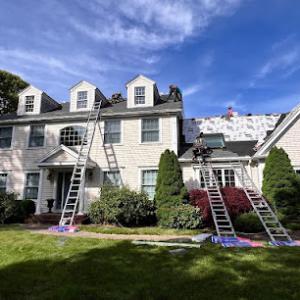
Roofing Contractors serving residential and commercial customers in Bedford, MA since 1980. Northeast Home & Energy specializes in roof repair, roof replacement, energy-efficient replacement windows, vinyl siding, and attic & wall insulation. We are a top A+ rated, elite installer roofing company for roof repair and replacement and have always prided ourselves on outstanding quality craftsmanship and the personal attention we give to every client. Our business was founded upon responsive, professional home improvements for all of our neighbors. We treat your home as if it were our own.
R. A. Carlo
(617) 908-0287 www.racarloroofing.com
Serving
4.8 from 21 reviews
R. A. Carlo prides itself on quality work, not quantity and we will never be satisfied until our clients, many of whom are our neighbors, are 100% satisfied. We guarantee it. The longstanding relationships we have with our customers are a result of our dedication to quality and customer service in all aspects of our company. R. A. Carlo is a Roofing Company in Bedford, MA who specializes in Roofing, Roofing Repair, Residential Roofing, Commercial Roofing, Metal Roofing, Asphalt Roofing, Skylight Installation, and many more Roofing Services. You won't find a better Roofing Contractor around. Contact Bob at (617) 908-0287 for more information today!
D&G Roofing & Siding
(781) 265-2435 dandgexteriors.com
Serving
5.0 from 73 reviews
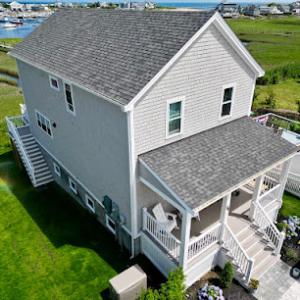
D&G Exteriors is a residential and commercial roofing contractor, gutter installer, siding contractor, window and door installer and deck builder. We specialize in full replacements and large residential projects. Proudly serving the greater Boston area with the best in customer service, integrity and professionalism, from the North Shore to the South Shore. Insured and licensed.
Senco Home Services
(978) 647-3626 sencohomeservices.com
Serving
4.5 from 45 reviews
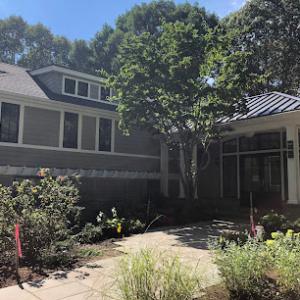
At Senco Home Services, our mission is to use our expertise and experience to give you peace of mind in a comfortable home. We believe that everyone deserves to live in a beautiful and comfortable home, and we are doing our part to make that happen. With high-quality workmanship and affordable finance options, you can have your dream home with Senco. From minor jobs like gutter repair to major projects like roof replacement, we do it all at Senco. We have specialized teams of experienced professionals for every job, so you know that you are always getting the best people for the job. From simple installs to complex repairs, we’ve got your back!
Asphalt shingles are the dominant practical choice for most homeowners in this market. They align with the area's common residential re-roofing workload and fit well with the skilled labor that local crews most frequently rely on. In Billerica, where winter temperatures swing between freezing and thawing, asphalt shingles offer a forgiving mix of cost, ease of installation, and repair familiarity for nearby contractors. When selecting asphalt, look for a product with good granule retention and a compatible underlayment system that helps control moisture and heat transfer as the seasons change. Ventilation and flashing become especially important during full replacements to prevent ice dams and attic moisture buildup, so coordinate closely with the contractor on these details.
Metal roofing presents a compelling option for homeowners who prioritize snow shedding and a long service life. In this climate, metal can reduce ice buildup along eaves and reduce overall weight on the structure, which is advantageous for older or heavier roof assemblies. However, installation quality matters more here, because fewer local crews specialize in metal than in asphalt. The best results come from a metal system that includes proper deck prep, accurate panel fastening, and well-sealed flashing transitions around chimneys, skylights, and walls. If considering metal, ensure the chosen installer demonstrates completed residential projects in similar weather cycles and provides a thorough assessment of ventilation and attic air flow to maintain performance.
Tile options-clay or concrete-and wood shakes or shingles exist in this market, but they remain more niche. They can offer distinctive curb appeal or longer intervals between major replacements, yet crew availability, repair matching, and scheduling can be less predictable than with asphalt. Decorative and structural considerations come into play: clay and concrete tiles add weight and may require structural checks, while wood shakes demand seasoned maintenance to resist moisture and freeze-thaw effects. In practice, these choices tend to require more planning and a higher level of specialized craftsmanship, so verify that the contractor can source compatible replacements and has reliable access to the specific material unless the project scope is intentionally limited to an established color and profile.
Synthetic or composite shingles provide a middle path between the affordability of asphalt and the potentially longer life of specialty products. They can deliver improved resistance to thermal cycling and UV exposure, which matters in humid summers mixed with freezing winters. Availability and lead times can vary, so it helps to identify local crews who have installed these products on projects with similar exposure. Matching repair materials down the line is a practical concern, especially if a niche option like tile or shake was initially chosen elsewhere in the neighborhood. If a homeowner leans toward synthetic shingles, pairing the decision with a robust ventilation strategy and properly detailed flashing remains essential to prevent premature wear from moisture intrusions.
In Billerica, the best roof type often comes down to balancing local climate realities with the home's structural realities and the contractor's local expertise. Ventilation and flashing receive heightened emphasis during full replacements because proper attic airflow and watertight transitions help mitigate the cycle of freeze-thaw damage that accelerates wear. For most homes, asphalt remains the straightforward, reliable choice that matches the majority of local crews' capabilities, while metal offers a targeted option for snow-prone sites or homeowners seeking longevity. Tile, wood shake, and synthetic products can be suitable in certain designs and budgets but require careful scheduling and dependable local sourcing to maintain consistency with existing repair and color-matching expectations.
In this part of the Merrimack Valley, winter freezes and spring moisture drive scheduling pressure. When a late-season thaw, nor'easter, or storm-driven demand hits, crews and materials can tighten up, and that squeeze shows up as higher bids and shorter windows to complete a full replacement. Asphalt shingles and metal roofs tend to be the most common choices for local homes, and their pricing reflects the typical local job mix. Tile systems-clay or concrete-remain specialty installs that usually command a premium and longer lead times.
Asphalt shingles sit in the most price-competitive tier, with a broad local range that aligns closely to the city's weather realities. Metal roofing, though pricier upfront, can offer longer life and stronger wind performance, which can be appealing for storm cycles. Tile systems, whether clay or concrete, represent more specialized work and higher material and labor costs in this market. Use the per-square ranges as a floor and ceiling when you're getting estimates: asphalt and metal should be your primary benchmarks, while tile remains a specialty line item that will push the overall project cost higher.
Budget estimates should account for winter and spring timing, when crews may face delays due to snow, melt cycles, or damp conditions that slow installation. Scheduling pressure from Merrimack Valley demand can compress labor availability and push up day-rate costs, especially if a project must be staged around storms. When a project relies on a quick turnaround to avoid further interior moisture risk, installers may price expedited completion accordingly.
A full replacement in this area often hinges on the final inspection, and corrections to ventilation or flashing can add cost, time, and a required rework window before sign-off. If the plan includes upgrading soffit vents or adjusting ridge ventilation to meet the house's attic volume, factor that into both material and labor lines. The ultimate budget should anticipate a potential adjustment phase where flashing details are revisited to satisfy inspection criteria and avert warranty concerns.
Get a clear picture of your project costs upfront - no commitment required.
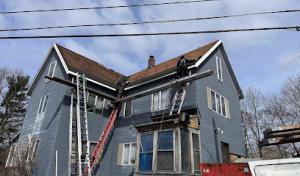
Action Roofing
(978) 726-9709 www.theactionroofing.com
19 Hamilton Ave, Billerica, Massachusetts
5.0 from 83 reviews
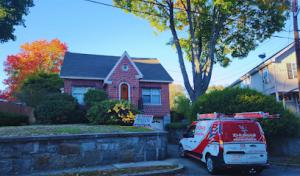
Zhumas Construction
(351) 277-2738 zhumasconstructionsincs.com
100 Treble Cove Rd, Billerica, Massachusetts
4.6 from 156 reviews
A building permit is typically required for a full roof replacement, with the local building department issuing the permit. Getting the paperwork right from the start helps avoid delays that can stretch into inconvenient weeks. In this climate, where full roof work often coincides with winter-prep or spring thaw, securing approvals early helps ensure ventilation plans and flashing details are reviewed alongside surface choices. The department will expect a clear plan for attic ventilation, exhaust terminations, and flashing transitions around dormers, vents, and chimneys.
Billerica requires a final inspection, and compliance review includes ventilation and flashing details rather than only surface appearance. That means inspectors will look closely at how soffits, ridge vents, and attic baffles are installed and whether attic insulation remains properly protected. Expect the inspector to verify that roof features match the approved drawings, and that any flashing around valleys, skylights, and roof-to-wall interfaces is continuous and properly sealed. A concise record of the ventilation strategy, including intake and exhaust balance, can prevent a second round of corrections.
Project timelines in Billerica can be extended by inspection scheduling and by any corrections the inspector requires before final approval. If a response to an inspection item comes back late, scheduling conflicts or weather gaps can push your project beyond the initial target date. Plan for potential re-inspections if flashing issues or ventilation adjustments are flagged. Coordination between the roofing crew, the permit holder, and the inspector helps keep the process smooth. In seasonal cycles, aim to align the roof replacement window with milder periods to reduce the chance of weather-driven delays and to ensure ventilation and flashing meet the stricter final standards that come with a full replacement.
Massachusetts homeowners in Billerica commonly have wind and hail coverage available, but insurers may closely review whether a replacement was truly storm-related. If a claim is filed for roof damage, you should anticipate questions about the timing and cause. Insurers want to see a clear link between the event and the damage, so the local weather pattern-in particular, harsh winter winds and hail-needs to be documented with credible evidence. Misattributing age-related wear or preexisting flaws as storm damage can lead to denial or partial payment.
Insurers may request photos of the existing roof, installation method details, and material specifications, so Billerica homeowners benefit from documenting conditions before tear-off. Take clear, dated photos of visible damage, attic ventilation, flashing, and the overall roof slope. Record the original shingle type, underlayment, and any past repairs. A simple pre-loss note describing attic ventilation and any signs of condensation or ice damming can help explain how freeze-thaw cycles accelerate wear when ventilation is inadequate.
Adjusters in Massachusetts may coordinate with local inspectors, making Billerica permit records and evidence of code-related ventilation or flashing upgrades especially useful during claim review. If prior upgrades exist-such as higher-quality flashing around chimneys or improved ridge vents-have those details ready. In situations where ventilation or flashing failures are suspected, the claim might hinge on whether upgrades were implemented to address known local climate stresses. Clear, organized evidence reduces back-and-forth and supports a fair settlement.
Chimneys are a frequent source of leaks in this market, and that pattern shows up in Billerica homes with older brick or stone chimneys perched over asphalt or metal roofing. The key issue is flashing around the masonry seam and where the chimney base meets the roof deck. During a full replacement, expect the crew to reflash the chimney and inspect the parging or crown for cracks. Don't assume the existing flashing will hold up; the combination of cold winters and humidity accelerates deterioration, so meticulous detailing around the chimney is nonnegotiable.
Skylights in this area are often aging or mismatched to the roof. Locally, skylight service is highly active, meaning many homeowners plan repairs or replacements in tandem with roof work. When a full roof install, or a major repair, is scheduled, check the skylight flange, curb, and flashing integration with the new roof. A poorly integrated skylight can create hidden leaks that show up after a heavy thaw or rapid warm spell.
Because inspections emphasize flashing details, penetrations like chimneys and skylights deserve extra scrutiny during full replacements. Have the contractor document the flashing method used at each penetration, including step-flashing around the chimney and a continuous seal atop skylight mounting. In Billerica, a well-coordinated approach pairs chimney flashing upgrades with the surrounding roof deck and insulation checks to avoid repeat leaks after winter cycles.
Find contractors experienced in skylight installation, flashing, and leak repairs to bring natural light into your home.
Action Roofing
(978) 726-9709 www.theactionroofing.com
19 Hamilton Ave, Billerica, Massachusetts
5.0 from 83 reviews
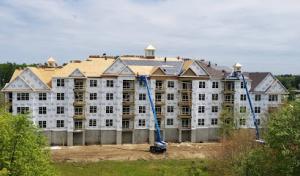
Dempsey Roofing
(978) 808-6678 dempsey-roofing.com
7 Richardson St, Billerica, Massachusetts
5.0 from 119 reviews
Timothy Jenkins
108 River St, Billerica, Massachusetts
5.0 from 27 reviews
In Billerica, flat and low-slope roofing is a real specialty, especially on additions, porches, garages, and mixed-use structures. These sections tolerate less slope and more moisture retention, which means the wrong combination of ventilation and flashing can shorten service life. The recurring weather pattern-spring thaw, heavy rains, and frequent freeze-thaw cycles-puts extra emphasis on how these surfaces drain and dry.
Low-slope areas commonly hide problems behind skylights, adjacent parapets, transitions to steeper roofs, and overhangs. Condensation and moisture accumulation are more likely if attic ventilation isn't paired with proper soffit and ridge intake. Pay particular attention to the interface where the low-slope section meets a steeper roof, where flashing often leaks first after winter. Gutters and downspouts feeding these zones can clog, backing water onto the membrane and accelerating wear.
Spring thaw and heavy rains are a bigger scheduling and moisture-management problem on low-slope sections than on simple steep-slope roofs. Water tends to pond on flat surfaces, finding any seam, lap, or fastener gap to exploit. Ice dam remnants from winter can push water toward flashing details, especially around transitions and penetrations. Ensure the membrane remains continuous and that any deck drainage is clear before the first thaw of the season.
Homeowners should separate the condition of low-slope sections from the main shingle roof because replacement timing and material choices may differ. A low-slope replacement often benefits from different underlayment and flashing details than steep-slope areas, and the roof deck may have different ventilation needs. Regular inspection should treat these zones as distinct systems with their own maintenance schedule.
Find specialists in TPO, EPDM, and built-up flat roofing systems for residential and commercial properties.
Adam Vaillancourt Roofing & Gutters
(978) 396-4214 www.adamvroofing.com
Serving
4.9 from 168 reviews