
Last updated: Apr 19, 2026
The cold, swinging between frigid snaps and milder spells creates a stubborn pattern of ice backup at eaves, especially on older homes with uneven attic insulation and ventilation. In hilltop and valley neighborhoods, parcels with exposed roof edges bear the brunt, and the result is frequent ice dam formation that pushes meltwater under shingles and into soffits and wood sheathing. For homes with steep pitches and a long history of wood framing, those vulnerabilities show up quickly as moisture travels along attic planes and down into ceilings below.
After a harsh winter, the most relented points are flashing around chimneys and stacks, where valleys intersect, and at roof-to-wall transitions. Soffit vents that once drew air through the attic can clog with dust, insulation fibers settle into eaves, and gutter edges may sag or detach, creating a damming effect that concentrates ice along the drip edge. The frequent freeze-thaw cycles push water under the shingle line or into edging hardware, and the wood framing underneath can swell, warp, or rot if moisture lingers. On steeply pitched roofs, these issues tend to surface in the upper gables where wind-driven snow shifts and refreezes near the eaves. In short, more flashing checks, more valley scrutiny, and more attention to gutter edges are needed after winter.
Late-winter roof work can be delayed by snow cover and icy access, so a safe, temporary leak stabilization plan is essential. If there is active leakage, place a clean bucket under the drip in the attic space, and protect the interior with a tarp or plastic sheeting secured to the framing or joists. Remove standing ice near accessible eaves with non-metallic tools to avoid damaging flashing, but only if it can be done safely. Do not attempt to chisel through ice on gutters or along the drip edge without traction and proper footing. If interior moisture has penetrated, consider a temporary interior enclosure with plastic sheeting and dehumidification to slow further damage while scheduling a repair.
Inspect attic insulation and ventilation to reduce heat buildup that fuels ice dams. Look for areas where insulation gaps allow warm air to escape into the attic near the eaves. Ensure soffit vents are clear of insulation and that baffles are in place to maintain a clear path for air to reach the ridge vent or gable vents. Check flashing along the roof's edge, at valleys, around dormers, and at chimney surrounds for corrosion, loose fasteners, or lift that could let meltwater track behind shingles. Clean and secure gutters and downspouts, ensuring water can flow away from the foundation without backing up at the eaves.
If the roof shows signs of damaged flashing, compromised valleys, or water intrusion into the attic or ceiling, scheduling professional evaluation is essential. A qualified roofer can verify roof-edge integrity, reseal flashing, replace damaged shingles, and address any compromised decking. Because late-winter work may be constrained by snow and ice, arrange temporary stabilization promptly, then plan a full repair or replacement as soon as conditions permit and access is safe.
Develop a targeted maintenance routine that emphasizes attic insulation balance and continuous ventilation, with annual checks on flashing, valleys, and gutter edges. Consider upgrading attic insulation where gaps are found and ensuring adequate intake and exhaust ventilation to minimize warm-air buildup. Regular pre-winter inspections can catch issues before they become active ice dams, reducing the risk of repeated freeze-thaw damage on older, steep-roofed homes.
Seasonal thunderstorms in north central Massachusetts bring wind-driven rain and hail that can damage shingles, ridge caps, and metal flashings on homes with older roofs. In the hill and valley terrain around the area, those gusts hit with unusual intensity on exposed slopes and ridge lines, testing roof seams and edge detailing more than sheltered façades. The rapid freeze-thaw cycles that follow violent downpours can aggravate micro-cracks, lifting, and granule loss, turning small hits into noticeable wear over weeks. In practice, a single thunderstorm season can reveal preexisting vulnerabilities that were barely visible after last year's mild weather. You may notice loose shingles, dented metal flashings, or small leaks that worsen after the next storm if a quick fix isn't pursued.
Homes perched on exposed elevations around Fitchburg face stronger wind effects than streets tucked into denser blocks. That means ridge lines, hips, and vent flashings are prime trouble spots after a storm, especially with hail or driving rain. If your roof slopes toward an open yard, street, or tree line, expect more immediate stress at the edges and around transitions to copings and chimneys. Gable ends and dormers on hillside properties often bear the first visual signs of wind damage-curling shingles, lifted tabs, or scuffed ridge caps. On the other hand, shaded or more sheltered facades can conceal damage until a thorough inspection uncovers latent moisture intrusion. Treat every interior stain or attic chill as a potential clue to a hidden exterior breach.
Because winter damage and summer storm damage can overlap, Fitchburg homeowners need photo documentation that separates long-term wear from sudden storm loss when filing claims. Start by photographing the overall roof line from multiple angles, then zoom into suspected impact areas: ridge caps, vents, edges, and any flashings around chimneys. Take dated shots after each significant event and compare to previous photos if you've kept them. When damage is found, note the date, wind direction, hail size if identifiable, and any accompanying rainfall. This visual trail helps distinguish wear from a storm incident and supports a clearer claim narrative for your insurer. Keeping a simple roof journal with dates and brief observations can save headaches during the claim process.
Find local contractors experienced in assessing and restoring roofs after hail, wind, and severe weather events.
Eyles Contracting
(978) 422-3342 www.eylescontracting.com
65 Airport Rd, Fitchburg, Massachusetts
4.9 from 126 reviews

Five star roofing contractors
(917) 673-2840 fivestarroofingcontractorsinc.com
Serving
4.4 from 14 reviews
Eyles Contracting
(978) 422-3342 www.eylescontracting.com
65 Airport Rd, Fitchburg, Massachusetts
4.9 from 126 reviews
Eyles Contracting is your trusted roofing and exterior renovation expert serving Fitchburg and Central Massachusetts since 1988. We specialize in residential and commercial roofing, gutters, skylights, roof repairs, and storm damage restoration. With 37 years of experience, we’re committed to high-quality workmanship, honest communication, and reliable service. From full roof replacements to emergency repairs, our videos showcase real jobsite footage, helpful tips, and customer success stories. Proudly serving Fitchburg, Leominster, Sterling, and surrounding areas.
Red Dog's Roofing
(978) 625-9150 www.reddogsroofing.com
216 Daniels St Unit 1, Fitchburg, Massachusetts
4.8 from 265 reviews
Red Dog’s Roofing is a company dedicated to providing professional service and solutions. Founded on the principles of integrity, professionalism, and exceptional customer service, Red Dog’s Roofing has established itself as a trusted name in the roofing and exterior renovation industry. We believe in giving back to the community, and are engaged in local initiatives. One example is our ground-breaking, in-depth training program for the next generation that encompasses both professional and crucial life-skills. Our focus is to give the youth today a positive direction for tomorrow. We are your neighbors, friends, and trusted roofing and exterior project experts. Protect your home with generations of experience.
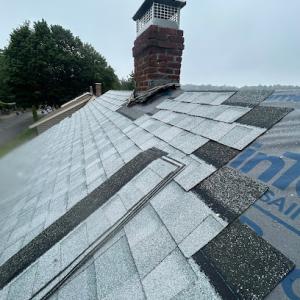
W Oliveira Construction
(978) 790-1938 www.woliveiracorp.com
Serving
5.0 from 16 reviews
Ours is a well-esteemed construction company in Leominster, MA, where we are dedicated to turning your vision into a tangible reality. Whether it’s a simple roof repair or a complex carpentry project, our skilled team delivers unparalleled results. Using top-quality materials, we ensure your project is not only built to last but also elevates the aesthetics and functionality of your property. Moreover, our top-notch gutter services in Leominster, MA, are designed to protect your home from water damage, preserving its structural integrity. From installing a new gutter system to repairing a damaged one, we have you covered. With us, you can ensure the proper functioning of your gutters. So, if you need our expert assistance, call us today.
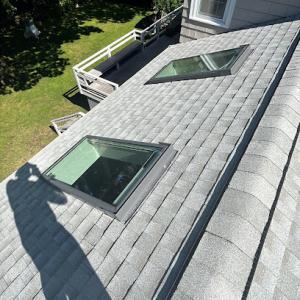
Synergy Skylights & Roof Replacement
(978) 233-1622 www.synergyskylights.com
Serving
4.9 from 187 reviews
Synergy Skylights and Roofing provides expert skylight installation, replacement, and repair, along with full roof replacement services using premium materials and certified crews. As a VELUX Signature Skylight Specialist and GAF Certified roofing contractor, we deliver long-lasting results with trusted products. We proudly serve homeowners across New England, with a strong focus in Central Massachusetts including Shrewsbury, Westborough, Northborough, Hudson, West Boylston, and Boylston. Our team is also trusted by homeowners in Holden, Acton, Sudbury, Wayland, and Weston for high-end roofing and skylight solutions backed by expert workmanship and personal service.
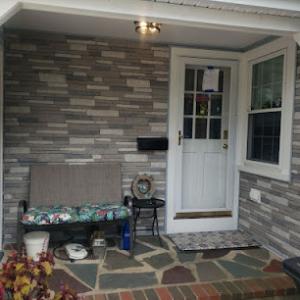
Capital Roofing
(508) 507-7444 capitalroofingma.com
Serving
5.0 from 8 reviews
Capital Roofing has over 20 years in experience, with great customer service. We specialize in Asphalt Roof Replacement/Installation, Repairs, Rubber Roof Replacement/Installation, Skylight Replacement/Installation. Vinyl Siding, James Hardie Cement Fiber Siding Installation/Replacement, Wooden Siding Installation, PVC Trim Replacement.
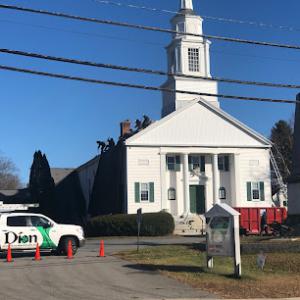
Dion Roofing & Remodeling
(978) 602-3977 dionroofing.com
Serving
5.0 from 227 reviews
Local Roofer and References. 50 Year Golden Pledge Warranty Fully Licensed, Insured, GAF Master Elite Certified Installer. "Outstanding communication, responsiveness, service and quality."
Qualified Roofing
(978) 413-5436 www.qualifiedllc.com
Serving
4.9 from 104 reviews
Qualified is a Family owned Roofing business with over 40 years experience. We are Open 7 days a week for your convenience! We specialize in Shingle Roofing, Rubber Roofing, Slate Repairs and Roof Repairs on Residential Homes and Commercial Properties. Qualified Roofing will offer you high quality professional workmanship, excellent customer service keeping you in constant communication through the entire process. Qualified Roofing maintains a professional roofing license and is fully insured. We offer FREE estimates all year round and will provide you with possible options you may have available. Thank you for your time and we look forward to serving you as our customer!

Five star roofing contractors
(917) 673-2840 fivestarroofingcontractorsinc.com
Serving
4.4 from 14 reviews
- COMMERCIAL ROOFING SYSTEMS. - INDUSTRIAL ROOFING SYSTEMS. -RESIDENTIAL ROOFING SYSTEMS. ROOF INSPECTIONS. WE PROVIDE 24 HOUR EMERGENCY ROOF LEAK SERVICES.
Royal Construction & Roofing
Serving
4.1 from 14 reviews
Why we are the best in the roofing and construction business. We're not just doing a job, we're building relationships!
Empire Building Construction
(774) 223-0898 empirebuildingcorp.com
Serving
5.0 from 42 reviews
At Empire Building Construction, we specialize in transforming homes with expert craftsmanship and premium materials. From roofing and home renovations to kitchen and bathroom remodels, our team delivers projects that enhance comfort, style, and property value. Whether you need roof repair, basement finishing, complete remodeling, siding, gutters installation, or deck builders we combine efficiency and quality to exceed expectations. ✅ Licensed & insured contractors 🏠 Serving Massachusetts with reliable, affordable solutions.
Onyx Roofing
Serving
5.0 from 13 reviews
Serving greater Gardner area. Offering free estimates, 50 year warranty, affordable pricing and financing available. Fully licensed and insured.
Callahan Roofers
(978) 509-0630 callahanrooferspepperell.com
Serving
5.0 from 47 reviews
Callahan Roofers is known for dependable work that keeps homes and businesses protected year-round. The team takes on everything from small, targeted repairs to complete roof replacements, always focusing on precision and durability. Before any work begins, they assess the condition of the roof carefully and explain the options so customers can make informed decisions. Many clients appreciate the straightforward communication, the organized workflow, and the clean finish once the job is complete. Callahan Roofers delivers roofing solutions designed to handle years of weather while maintaining a polished appearance.
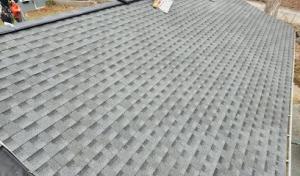
Asphalt shingles fit much of Fitchburg's existing housing stock because many homes are older, pitched, and built for traditional shingle roof assemblies. This combination makes asphalt shingles a reliable, ready-made upgrade that works with your home's typical roof slope and framing. When selecting asphalt, choose 30-year or longer options with good granule adhesion and a robust ice-dam resistance profile. Pay attention to shingle color and albedo; lighter shades help reduce heat buildup in attic spaces, which can indirectly affect moisture movement in winter. For homes with visible valleys or a long stretch of eaves, consider architecturally shaped shingles to better align with roof geometry and reduce transitions that can trap meltwater.
Metal roofing can perform well in a snow and freeze-thaw climate, but detailing at penetrations, snow shedding areas, and transitions matters on older homes and additions. If you choose metal, plan for properly sealed flashing around chimneys, vent stacks, and skylights, and ensure there are clear snow-shedding zones away from walkways and entry points. On older structures or additions, you may need to adjust rafter ties, underlayment continuity, and edge drip details so the system remains watertight through repeated freeze-thaw cycles. Metal can be a long-lasting option, but the installation tolerances for vintage eave lines and existing ridge lines require a qualified installer who understands the quirks of a late century roof deck and its fasteners. Look for a panel layout that minimizes exposed seams at transitions and emphasizes proper insulation beneath to reduce condensation risks.
Heavier materials such as clay and concrete tile are less typical for the region's older housing stock and may require structural review before replacement on Fitchburg homes. These tiles can demand stronger framing, upgraded rafter spans, and sometimes reinforcement of load-bearing walls to handle the weight. If your existing attic access or ceiling joists show signs of stress or deflection, you should obtain a structural assessment before selecting tile. Tile brings durable performance in dry climates, but in winter the expansion and contraction around penetrations and at vents can create cracks if the substrate isn't perfectly uniform. On homes with limited attic ventilation, tile roofs can complicate moisture management, so plan for improved venting and a continuous underlayment system that remains effective across long, cold periods.
Across all materials, the primary local concern is ice dam formation during severe winters. Prioritize a roof assembly that provides continuous underlayment, proper flashing at eaves and cant strips, and adequate attic insulation with an air barrier. In older homes, retrofit may be necessary to ensure a tight envelope that minimizes meltwater rerouting into eaves and returns, which feeds ice dam risk. When evaluating options, discuss with the contractor how each material interacts with existing roof geometry, snow drift patterns, and corner or valley detail, so the system you choose resists the freeze-thaw cycle without creating new failure points.
When you're budgeting a roof replacement, the local price picture is shaped by material choice and the realities of older homes with multiple layers or compromised decking. In this area, asphalt shingles typically run about 450 to 750 USD per square, while metal roofs come in around 700 to 1200 USD per square. If you're considering clay tile, expect roughly 1200 to 2000 USD per square, and concrete tile typically 1000 to 1600 USD per square. Wood shingles or shakes fall around 900 to 1500 USD per square, with synthetic or composite shingles a more affordable 500 to 900 USD per square. These ranges reflect Fitchburg's hilltop exposure, winter severity, and the mix of aging structures common on many neighborhoods.
Costs in this area often rise on older homes where a tear-off reveals multiple layers, deteriorated roof decking, chimney flashing issues, or ventilation upgrades needed to address winter moisture problems. If you discover delaminated decking or rotten rafter tails, add measured repairs rather than a simple cover. Flashing around chimneys and valleys tends to be a more frequent trouble spot here, given freeze-thaw cycles that push and pull at seams. Expect the final bill to include not only the new roof but any decking repair, flashing replacement, or added ventilation upgrades that improve long-term performance against ice dams and moisture infiltration.
In Fitchburg, straightforward re-roofing on common pitched residential roofs tends to price more predictably, especially when the attic is well-ventilated and there are no hidden layers. Scheduling pressure after winter leak season or after summer storm events can affect labor availability, so plan ahead if you're aiming for a spring or summer replacement. If you're balancing cost against performance, synthetic or composite shingles offer a mid-range option, but on an older home with a history of ice dam issues, higher-end materials like metal or high-performance asphalt can mitigate long-term damage from freeze-thaw cycles.
Don't let upfront costs delay a critical repair - these contractors offer payment plans to fit your budget.

A full re-roof in Fitchburg typically requires a building permit issued through the city's Building Department. The permit process is designed to ensure that the work complies with local codes, especially given the area's hilltop and valley exposures and the winter freeze-thaw cycles that stress old sloped homes. Start the permit application early, and plan to provide details about roof sheathing, underlayment, flashing, and ventilation plans. The department will want to see a clear scope of work and materials, plus a plan for safe access and debris containment during the project.
Inspections in Fitchburg occur during and after the roofing work to verify installation, ventilation, and code compliance, followed by final sign-off. Expect at least one rough inspection while the new roof is being installed and a follow-up after all components are in place. The inspector will check that underlayment and starter courses are properly installed, fastener patterns meet code requirements, and the roof edges, penetrations, and skylights are flashed correctly. Because these inspections are designed to catch issues that could lead to moisture intrusion and ice dam problems, accuracy in detailing is essential.
Because ventilation is part of the inspection focus, attic airflow and related roof assembly details matter during permit review and final approval. In older homes with steep pitches and mature insulation, attic ventilation needs to be adequate to prevent condensate and ice dam formation. Expect the plan reviewer to look for a balanced intake and exhaust strategy, proper baffles or vented soffits, and an adequately vented ridge or alternative exhaust to maintain attic temperatures that minimize snowmelt-driven moisture at the eaves. If the home already has mixed-scale ventilation challenges, address them in the permit submittal with a clear attic vent map and a description of how the new roof will maintain or improve airflow.
Prepare to document attic conditions, existing rafters, and the compatibility of insulation with the new roof system. Provide manufacturers' installation instructions, warranty information, and a venting diagram that shows how the assembly meets air flow requirements across the roof line. Coordinate with a licensed contractor who understands local weather patterns and the importance of moisture control for older housing stock. After a final inspection, ensure that any required corrections are completed and that the final sign-off is secured before the project is considered complete.
In the hill-and-valley feel of this area, insurers commonly want solid records of roof condition before and after each season. Gather dated photos from winter and summer storm periods, including close-ups of missing shingles, flashing gaps, ice dam salt lines, and interior staining where attic vents or ceilings show moisture. Those images help establish whether damage appeared suddenly after a storm or reflects longer freeze-thaw wear and deferred maintenance. Store copies in a place you can access quickly, and keep a simple timeline that notes dates of heavy snowfall, thaw cycles, and any visible changes on your roof and interior spaces.
Adjusters may closely review whether shingle loss, leaks, or interior staining originated from a single storm event or from ongoing exposure to freeze-thaw cycles. This distinction matters in Fitchburg's climate, where repeated freeze-thaw cycles during harsh winters can mimic the look of a singular hail strike or wind event. If moisture appears along ridges, underlayment failure, or flashing joints, the adjuster will look for corroborating storm timing and any signs of prior maintenance gaps. Having clear records that separate a storm-driven incident from chronic deterioration can directly influence how the claim is evaluated.
Roof age, warranty status, and contractor documentation carry weight in negotiations over hail or wind-related losses. If the roof is nearing end-of-life or if visible wear matches years of exposure, be prepared to show warranty transfers, recent professional inspections, and repair invoices. In this market, a well-documented history from a licensed contractor-covering shingle type, flashing condition, and ventilation status-can strongly affect outcomes when insurers assess eligibility and scope.
Keep a running record of weather events linked to roof exposure, including dates and weather conditions. After a significant storm, perform a careful, noninvasive inspection and note any new issues, then photograph them promptly. If a contractor has recommended specific repairs or replacements, obtain written estimates and a concise summary of findings. Clear, organized evidence that ties damage to identifiable events-and distinguishes it from routine wear-will make the claim itself more straightforward to process. In Fitchburg, where winters test aging roofs, timely, precise documentation is especially valuable.
Older homes with masonry chimneys are common in the area and create predictable flashing challenges during freeze-thaw cycles. Expect recurring points where masonry meets the roof deck to loosen, crack, or trap ice. Inspect the chimney flashing at least twice a year, paying attention to parging, caulk lines, and the base flashing where the chimney meets the shingles. If you see gap openings or rusted metal, address them promptly to prevent water intrusion as temperatures swing from freeze to thaw.
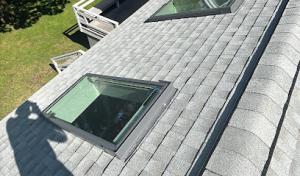
Skylights and other roof penetrations are higher-risk details in Fitchburg. Snow buildup and ice dams can lift or tear aging seals, curb flashings, and surrounding shingles. Before winter, check the skylight curb for built-up ice margins and ensure the flashing is continuous around the perimeter. In spring, look for condensation stains or staining near penetrations that indicate slow leaks. When replacing a skylight, choose units with reinforced curb details and install continuous flashing that extends onto securely fastened decking.
On older roofs, transitions between original rooflines and later additions are common trouble spots. These areas can hide compromised decking or uneven one-piece flashing. Inspect transition points for sagging shingles, inconsistent granule loss, or gaps where water can pool. If a conversion or roof tie-in exists, verify that step flashing, counter-flashing, and drip edges are continuous across the seam. Plan maintenance around these joints to avoid missed leak signals during thaw cycles.
Create a simple seasonal checklist focused on masonry flashing, skylight seals, and transition seams. In late fall, verify ice and water shield coverage is continuous around penetrations and along eaves in vulnerable sections. After heavy snowstorms or thaws, recheck for lifted sealant or displaced flashing. Prompt attention to small signs prevents major moisture issues later.
Find contractors experienced in skylight installation, flashing, and leak repairs to bring natural light into your home.
Eyles Contracting
(978) 422-3342 www.eylescontracting.com
65 Airport Rd, Fitchburg, Massachusetts
4.9 from 126 reviews
Synergy Skylights & Roof Replacement
(978) 233-1622 www.synergyskylights.com
Serving
4.9 from 187 reviews
In this market, you'll find a high demand for leak stabilization, tear-off, and final installation. When you call, ask how soon a crew can be on site for emergency stabilization, and how the timeline looks for a full tear-off and complete reroof. A realistic plan should map out each phase from temporary protection to inspection, with specific dates or a narrow window. Confirm what happens if winter weather or a mid-project freeze-thaw cycle interrupts the schedule, and how the contractor communicates changes.
Cleanup matters in dense residential neighborhoods and older properties with driveways, porches, and landscaping close to the footprint. Request a written approach to debris containment, ladder safety, and daily cleanup after each workday. Ask how they protect cars, porches, and plantings, and whether tarps or edge protection are used to minimize shingle granule and nail fallout. A practical crew will stage materials away from the house to prevent ice dam material from migrating into gutters and openings.
Given the number of emergency and storm-response contractors active locally, you should compare warranty terms, scope details, and whether the crew regularly handles older-home flashing and ventilation corrections. Ensure the bid clarifies what is covered for ice-dam mitigation, flashing replacement at valleys and chimneys, underlayment integrity, and any ventilation retrofits. Clarify what constitutes a complete job versus partial repairs, and how long workmanship coverage lasts.
Before signing, ensure the contractor reviews your attic ventilation, insulation, and roof slope. A thoughtful assessment will identify potential ice-dam triggers, misaligned flashing, and poor-soffit venting that could fail after a thaw. Favor local crews with documented experience on older, pitched homes and competence in coordinating flashing fixes with gutter and drip-edge work for long-term reliability.