
Last updated: Apr 19, 2026
Watertown's cold winters and repeated freeze-thaw cycles are a primary roof-life driver, especially on older homes with uneven attic insulation and ventilation. When heat leaks into the attic unevenly, snow sits on the roof longer and then refreezes at the eaves, forming ice dams that push moisture under shingles and into walls. Dense prewar housing and many older rooflines in the area often include dormers, valleys, and chimney intersections that become common ice-dam and flashing trouble spots. Those features concentrate heat and create narrow channels for meltwater to back up, bypassing aging flashing and creating slow leaks that worsen during heavy snows or rapid thaws. The result: interior staining, ceilings and drywall damage, and long-term rot if not addressed promptly.
Snow loads and refreezing at eaves can accelerate shingle edge wear, loosen flashing, and expose leak paths before homeowners notice interior staining. In Watertown, steep historic roofs meet flat or low-slope sections near dormers and chimneys, producing multiple potential failure points. A single warm afternoon followed by a freeze can lock moisture into the roof edge, then a late-season thaw floods the interior as ice jams back up. This isn't just a cosmetic issue: compromised shingles and flashing can lead to faster deterioration of roof deck and surrounding structures, requiring more invasive repairs down the line.
Look for a combination of indicators: damp spots or staining on ceilings at exterior walls, especially near chimneys, valleys, or dormers; icicles forming along eave edges that extend into the gutter area; visible shingle edges curling or lifting; and granule loss in gutters or on the ground near the foundation. If attic access reveals warm spots, bent or compressed insulation, or standing humidity even on cold days, heat loss is likely contributing to dam formation. In dense prewar housing, these symptoms often appear in a patchwork pattern across multiple roof sections rather than in a single location.
First, clear snow from the roof where safe to do so, focusing on eaves and around dormers, valleys, and intersections with flashing. Use a roof rake with a long handle rather than climbing onto the roof, to minimize fall risk and damage to brittle shingles. Redirect attic warm air by ensuring soffit vents and ridges are open and unobstructed; this reduces heat buildup that drives thawing. If you notice active leaks, place temporary protective measures such as buckets under the stain paths and tarps over any exposed interior spots to limit water intrusion while scheduling a professional assessment. Avoid pounding the roof or forcing ice with improvised tools, which can fracture shingles or damage flashing.
Addressing ice dams in this area requires a two-pronged approach: improve attic insulation and optimize ventilation to keep the roof colder during freezing conditions, and repair or upgrade flashing where aging components create failure points. Older homes with dormers, valleys, and chimney intersections benefit from targeted flashing upgrades, heat-escape prevention around penetrations, and careful sealing where roof planes meet walls. In Watertown, enhancements to attic insulation and venting can dramatically reduce the frequency and severity of ice dam formation. Consider upgrading attic soffit vents, installing baffles to maintain proper airflow above insulation, and ensuring attic kneewalls or concealed spaces are insulated to prevent heat leakage into roof assemblies.
Develop a seasonal check routine focused on vulnerable edge details: eaves, valleys, dormers, and chimney intersections. After heavy snow events, inspect gutters and downspouts for ice build-up and ensure proper drainage away from the home's foundation. When warm spells arrive, recheck attic insulation and venting gaps, especially around any noticeably warmer attic zones. Keep an eye on interior ceilings near exterior walls for early staining and dampness, addressing these promptly to prevent progressive damage. In this climate, proactive, annual attention to insulation, ventilation, and flashing integrity is the best hedge against costly water intrusion and rapidly escalating repairs.
Watertown's housing stock presents an unusually broad material mix for a compact town. Asphalt shingles are practical for most homes, but on older and architecturally distinctive properties, slate, clay tile, concrete tile, copper, and fiber cement shingles play a meaningful role. The local contractor signal mix shows real demand for both asphalt shingle work and tile roofing, indicating homeowners here are not dealing with a single-material market. That variety matters when selecting a replacement or a repair strategy, because each material responds differently to climate, software-driven attic ventilation, and the freeze-thaw cycles that stress roofs in this area.
In dense, older neighborhoods near the Charles River, you'll see steep historic roofs alongside low-slope sections on porches, additions, multifamily buildings, and mixed residential-commercial structures. Asphalt shingles remain the default for many single-family homes due to balance of cost, ease of installation, and repairability. For properties with distinctive facades or historic fabric, slate or fiber cement shingles offer a closer architectural match and longer service life, while clay or concrete tiles suit homes with the structural support to bear heavier loads. Copper is a frequent choice for accents, flashing, or select sections where durability and a patina finish matter. In some multi-unit or modernized structures, low-slope sections are common enough to demand careful detailing at penetrations and along transitions to steeper main roofs.
The older stock tends to show wear at flashing around chimneys, skylights, and ridge lines, where freeze-thaw cycles force moisture movement. Slate, clay tile, and concrete tile require solid roof decks and precise attic ventilation to prevent delamination and long-term leaks; where ventilation is inadequate, those materials can fail more quickly under winter stress. Copper, while durable, can still suffer from hidden fastener corrosion or improper flashing sealant at valleys if not installed with attention to expansion and contraction. Asphalt shingles, though resilient, can deteriorate along eaves and in the drip-edge region when ice dam formation is persistent, a common issue in Watertown winters. Fiber cement shingles combine some resilience with ease of repair, but improper substrate preparation or moisture trapping beneath the siding can create hidden problems over time.
Ice dam risk sits high in Watertown due to cold snaps and mixed roof geometries. The most reliable defense is a balanced approach: ensure attic insulation and ventilation are adequate to keep the roof deck warm enough to reduce snow melt at the eaves, while sealing penetrations and improving flashing at perimeters, skylights, and transitions. For mixed-material roofs, prioritize high-quality flashing details around material junctions, and verify that fasteners and sealants accommodate material movement with seasonal temperature shifts. Regular inspections after heavy snow or mid-winter thaws help catch early signs of water intrusion before damage spreads.
In Watertown, spring rain events and summer thunderstorms bring wind-driven leak conditions that often expose vulnerable flashing around chimneys, skylights, and roof-wall transitions. When rain hits hard and winds push rain under edges, the first minutes matter. If you notice actively leaking water indoors or staining on ceilings, prioritize securing a fast dry-in. That means stopping active infiltration at the most obvious entry points-tighten or add temporary coverings over flashing penetrations, lay down tarps over exposed roof sections, and create a dry air path to reduce interior damage. The goal is to prevent water from traveling along roof lines into walls and living spaces before a permanent fix can begin.
The local contractor market shows a very high prevalence of emergency repair and quick-response positioning, reflecting how often homeowners need immediate leak control rather than waiting for a full replacement. When a storm hits, expect crews to arrive with tarps, sealants, and quick-flash options. Have a clear, reachable contact plan: a central idea is to keep the area safe, identify the most vulnerable penetrations, and request an on-site assessment that prioritizes leak control over cosmetic fixes. If a roofer suggests a temporary dry-in, document the exact scope and timing, and confirm how long the protection will stay in place while weather holds or while a longer-term plan is arranged.
Seasonal storm interruptions can affect active roofing jobs in Watertown, making temporary dry-in protection and scheduling discipline especially important. Use UV-rated tarps or heavy-duty construction plastic secured with roofing nails, screws, or weighted edges-not flimsy plastic that can tear in wind. Seal around chimney and skylight flashing with approved sealants and self-adhesive flashing tape as a stopgap. Protect interior ceilings by placing buckets and towels under drips, and create a clear path for contractors to access the problem area without tracking water through the house. If a ladder setup is needed, ensure it's stable and anchored away from strong gusts.
Active projects facing spring and summer weather must balance progress with protective measures. Coordinate with the contractor to establish a staged dry-in plan that aligns with weather windows and forecast risk. Confirm that temporary protections stay in place during rain events and that inspections occur promptly after storms to assess flashing, seals, and penetrations. A disciplined schedule reduces interior damage and avoids backsliding on previously completed roof edges.
You can lower exposure by pre-inspecting flashing around chimneys and skylights, ensuring gutters are clear, and noting any areas where wind-driven spray seems to impact the roof edge. Before a storm, secure loose materials on the roof and lay down secondary protection in high-risk zones. If a leak starts, act quickly to block the path of water indoors and contact a local roofer for an urgent assessment focused on leak control and durable dry-in protection.
Find local contractors experienced in assessing and restoring roofs after hail, wind, and severe weather events.
Storm Works Roofing & Restoration
(844) 786-7696 www.stormworksroofing.com
Serving
4.8 from 143 reviews
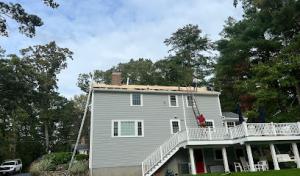
Rain & Shine Masonry, Foundation Waterproofing, Chimney Repairs, Boston
(617) 370-5212 www.rainandshinemasonryandconstruction.com
Serving
4.7 from 21 reviews
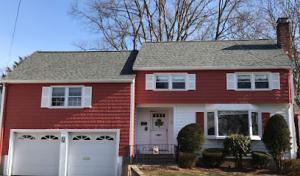
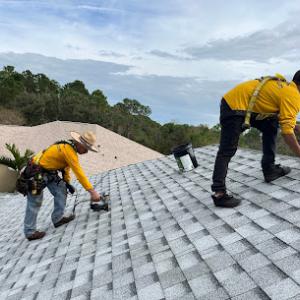
Fowler Brothers Roofing
(617) 474-6189 fowlerroofmargate.com
63 Pleasant St suite 28, Watertown, Massachusetts
5.0 from 41 reviews
Fowler Brothers Roofing is known for going the extra mile to protect your home or business. Our team brings a family tradition of craftsmanship and integrity to every project, whether you need a small repair or a full roof replacement. We start with a thorough inspection, walk you through your options, and handle every detail so you feel confident at each step. Customers appreciate our clear communication, tidy work, and the respect we show for every property. When you call Fowler Brothers Roofing, you get experienced professionals who care about lasting quality and your peace of mind.
Newton Roofing Residential
(617) 244-9901 www.newtonroofingresidential.com
69 Howard St, Watertown, Massachusetts
4.4 from 21 reviews
I founded Newton Roofing Residential on two principals, treat our customers with respect and stand behind our work. Whether its a new roof, a simple repair, or just would like to deal with an honest, professional, quality-orientated roofing company. You’ve found your roofer. Newton Roofing Is a woman owned, professional roofing contractor serving our neighborhood area with a hands on approach and over 32 years of roofing management experience. Consider hiring Newton Roofing for all your roofing project. When you support a local business, you are supporting your neighbors and your local economy. Thank you for your business. Founder and CEO Toni Bryan Newton Roofing Residential 69 Howard Street Watertown, MA, 02472 Tel: 617- 244-9901
Storm Works Roofing & Restoration
(844) 786-7696 www.stormworksroofing.com
Serving
4.8 from 143 reviews
Belmont, MA, boasts of various roofing contractors that offer an array of services but none parallel the experience and quality provided by Storm Works Roofing & Restoration As a premier roofing contractor in the area, we have set the benchmark for excellence in both residential and commercial roofing projects. While there are many who provide roofing services, what sets Storm Works Roofing & Restoration apart is our sheer dedication to every project. Whether it's a new roof or a repair job, our team ensures that every home is treated with utmost care and precision. Serving all of New England with quality roof repair services for over 30 years! Schedule a free estimate with the expert roofers at Storm Works Roofing & Restoration today.
Rain & Shine Masonry, Foundation Waterproofing, Chimney Repairs, Boston
(617) 370-5212 www.rainandshinemasonryandconstruction.com
Serving
4.7 from 21 reviews
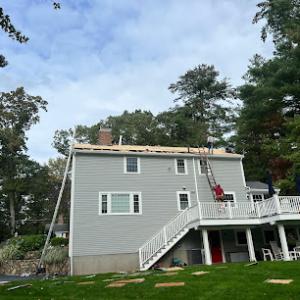
Rain and Shine Masonry and Construction provides roofing services, foundation repair, waterproofing, and masonry services in Boston, MA, and the surrounding areas.
Premiere Roofing & Remodeling
(781) 646-0051 premiereroofing.com
Serving
4.8 from 24 reviews
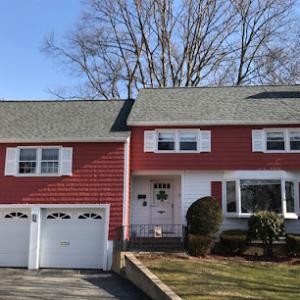
Premiere Roofing & Remodeling, LLC is a fully licensed and insured roofing company, based in Arlington, MA. We have been providing residential roofing services to Massachusetts homeowners since 2005, with over twenty years of experience to take on any size residential roofing project. Each project has the owner on-site, making certain that each project is completed efficiently. Our mission is to provide our valued customers with quality service on each project. Owner, Jim, takes pride in always being available for his customers for each and every job the team completes. Jim answers your phone calls, comes to the site for an estimate, and is onsite for each job from beginning to end. Call the Massachusetts roofing experts today!

Daniel Fox Roofing
(617) 965-1294 foxroofinginc.com
Serving
5.0 from 48 reviews
Daniel Fox Roofing is a full-service roofing contractor in Newton, serving the Metro West & Greater Boston areas. When you need a roof repair or roof replacement, there is no better company to call than Daniel Fox Roofing! We've been fixing and replacing roofs in Newton for more than 40 years. Danny works with all types of roofs, from common asphalt shingle roofs to exotic materials like slate, copper, or clay tiles. Plus gutters, flashings, and other aspects of your roof. Your job will be handled professionally, on time, and within budget. Call me today for a free quote.
OneGuard Roofing
(781) 999-1745 oneguardroofing.com
Serving
5.0 from 25 reviews
OneGuard Roofing is Roof Repair and Replacement Contractor in Lexington MA and surrounding cities. We specialize in Asphalt roof shingle repair replacement, Flat Roof repair replacement, EPDM Rubber roof repair, metal roofing, Chimney flashing repair, skylight repair and replacement and gutter installation. We do fix roofs right from first time.
Certified Roofing Systems
(617) 958-8659 certifiedroofinginc.com
Serving
4.9 from 123 reviews
Serving businesses since 2006, Certified Roofing specializes in roof coatings, full roof restorations, and commercial roof replacements for Metal, TPO, Flat, PVC, Single-Ply roofs across Massachusetts, including Newton, Boston, Medford, Malden, Cambridge, Brookline, Somerville, Waltham, Quincy and nearby. 🏗️ We work with metal, PVC, TPO, EPDM rubber, and flat roofs, using top-quality Gaco Products for lasting protection. 🏢 We provide excellent roof replacement and installation solutions for all types of commercial and industrial buildings. ✅ Get a Free Thermal Drone Inspection and Free Commercial Roof Estimate today! 📞 Call 617-958-8659 or book online. Quality, reliability, and energy-efficient solutions for your business! 🌟

Ranch Roofing
(866) 298-4393 ranchroofing.com
Serving
5.0 from 114 reviews
When Ranch Roofing was born, with four employees two decades ago, the mission was to provide residential roofing services to home owners with only Ranch-Style homes. Bob O’Sullivan, President and founder, had the idea that if he could perfect a roofing system on one single style home, he could build customer relationships with consistent quality installs. Today, Ranch Roofing has grown to a trusted expert in the Boston roofing community that provides roofing installation on all styles of houses in Arlington, Cambridge, Lexington, Newton, Belmont and surrounding communities in the greater Boston area. We are proud to be known for quality work.

Roof Right Now Boston
(781) 971-8131 boston.roofrightnow.com
Serving
4.8 from 22 reviews
Roof Right Now wants to give Boston area homeowners a better roofing experience. In less than 5 minutes you can trace your roof and create your own roof estimate online. No meeting required.

Baxter Roof Repair & Installation
(617) 655-7503 baxterroofrepaircambridge.com
Serving
5.0 from 25 reviews
Baxter Roof Repair & Installation provides trusted, professional roofing services for homeowners and businesses throughout Cambridge. Our experienced team specializes in comprehensive roof inspections, accurate leak detection, shingle and metal repairs, full roof replacements, and preventative maintenance. We use premium materials and industry-approved installation techniques to deliver durable, weather-resistant results. Whether you’re dealing with storm damage, aging roofing components, or planning a roof upgrade, you’ll receive precise assessments, transparent pricing, and responsive scheduling. Cambridge property owners count on Baxter for dependable craftsmanship and expert roofing care tailored to their needs.

RB Farina Roofing
(781) 648-5446 www.farinaroof.com
Serving
4.8 from 524 reviews
RB Farina Roofing has been providing top-quality roofing services in Arlington, Massachusetts, for over 41 years. As a trusted roofing company, we specialize in roof installation, repair, and maintenance for both residential and commercial properties. In addition to roofing, we offer expert gutter services, including gutter cleaning and siding solutions to enhance your home’s protection and curb appeal. Our experienced team is committed to delivering reliable, long-lasting results with exceptional customer service. Whether you're in need of roof repair or a complete roof replacement, choose RB Farina Roofing—your trusted roofing contractor in Arlington, Massachusetts.
Watertown's cost range spans from about $400 to $900 per square for asphalt shingles, $900 to $1700 for clay tile, $800 to $1500 for concrete tile, $1800 to $3500 for slate, $3000 to $6000 for copper roofing, and $500 to $900 for fiber cement shingles. On older homes, those numbers can shift upward once tear-off reveals multiple roof layers, aging decking, and intricate trim work tied to historic styles. For steep historic roofs you might see higher labor intensity, while low-slope sections in multifamily blocks can push up the crew time needed for waterproofing and detailing. In Watertown, the cost picture isn't just about material price; it's about how the roof interacts with winter freeze-thaw cycles and interior risk from ice dams.
Tight lot lines, dense neighborhoods, staging constraints, and permit-related scheduling can affect labor efficiency in Watertown more than on larger suburban parcels. When a tear-off reveals multiple layers, the age and condition of decking matter. Aging decking may require stronger fasteners, more inspection time, or even partial replacement, which adds to the bottom line. Detailed trim work and historic-style flashing around chimneys are common here and add both material and labor costs. If clay or slate is chosen for an older, character-rich roof, expect a premium for careful handling and seam work to preserve the look while ensuring long-term performance.
For a planned replacement, map out the likely sequence: estimate first the number of layers to remove, then assess decking and flashing needs. If copper is considered for longevity, plan for higher upfront costs but longer service life, which matters in freeze-thaw conditions that stress flashing and joints. Fiber cement provides a balanced option for cost-conscious projects without sacrificing durability in Watertown's climate. If a project includes complex chimney flashing or custom trim, add a contingency for trim fabrications and precise detailing. In the end, rigging and staging will influence crew efficiency, so locked-in delivery windows and clear access improve the bottom line.
Get a clear picture of your project costs upfront - no commitment required.
Storm Works Roofing & Restoration
(844) 786-7696 www.stormworksroofing.com
Serving
4.8 from 143 reviews

A full roof replacement in Watertown typically requires a permit through the Town of Watertown Building Department. The process is streamlined through the town's online portal, so you can start the project from home and track status without multiple trips to town hall. Before submitting, have your contractor provide the scope of work, construction details, and any necessary documentation for the project type. In neighborhoods with dense, older housing close to the Charles River, plan for any required adjustments tied to existing structures, such as stairlike rooflines or chimney flashing that may constrain the replacement work. Because Watertown places emphasis on preserving safe build practices for freeze-thaw cycles, expect questions about underlayment, ventilation, and flashing details as part of the permit review, not merely the visible shingles.
Watertown commonly handles permit applications online, which helps families coordinate scheduling around winter weather and busy contractor calendars. The digital submission system keeps permit status visible, so you can coordinate inspections without waiting for in-person updates. When you apply, the town review will look for language in the plan set that demonstrates proper underlayment installation, a vented attic or roof cavity, and properly detailed flashing at valleys, chimneys, skylights, and rake edges. In older homes with steep historic sections, the reviewer will scrutinize whether the new roof assembly integrates with any existing ventilation paths and whether the underlayment meets current code for freeze-thaw resilience. Having a clear line of communication with your contractor and, if needed, a local roofer familiar with Watertown's common roof types helps ensure the submittal aligns with what the inspectors expect.
Inspections in Watertown are conducted during and after installation, with attention to underlayment, ventilation, and flashing details rather than just the finished shingle surface. The inspector will verify that the underlayment is properly lapped and sealed at eaves and valleys, that the roof vents, soffits, and attic fans are correctly placed and functioning, and that flashing around chimneys, dormers, and vent penetrations is continuous and properly sealed. Be prepared for an intermediate inspection after the roof deck and underlayment are installed, followed by a final inspection once the entire system is in place and the shingles are secured. Because winter conditions can mask latent deficiencies, ensure the site is kept clear for access and that temporary heat or drying measures are in place if inspections occur during colder spells. In Watertown, coordinating with your contractor to align the sequence of tearing off, deck inspection, and installing a watertight sealant layer will help keep the project moving smoothly and reduce the risk of ice dam issues once the new system is in place.
Massachusetts insurers commonly expect thorough roof-claim documentation, and homeowners should be prepared to provide photos, scope details, and permit records. Start with a clear timeline: what happened, when you first noticed leaks, and how the damage progressed through winter thaw and spring storms. Include close-up shots of missing shingles, flashing gaps, ice dam evidence, and interior staining. A simple, organized folder or cloud drive with labeled files helps you present a coherent story if the claim moves from emergency repair to a full replacement.
Adjusters may ask for permit verification and contractor licensing information, which makes organized paperwork especially important when a project moves from emergency repair to full replacement. Have copies ready of any contractor estimates, material lists, and a brief description of the scope from the roofer. If a leak spurted after a storm, note whether ice damming or flashing failures were contributing factors, and include photos that corroborate the timeline. Clear, professional presentation reduces back-and-forth and helps keep the claim on track.
Seasonal weather losses can create claim backlogs in the region, so homeowners benefit from documenting damage immediately after winter leak events or spring and summer storms. Don't let a late-season claim fade. Early photos, prompt contractor notes, and a concise summary of each affected area-attic, ceiling, wall-can keep the process moving even when the mail or adjusters are busy. In dense neighborhoods near the river and older roofing stock, a precise, well-timed file is your best defense against delays.
Connect with contractors who help homeowners navigate the claims process from damage assessment to final approval.
Storm Works Roofing & Restoration
(844) 786-7696 www.stormworksroofing.com
Serving
4.8 from 143 reviews


Late spring through early fall is the preferred replacement window in Watertown because winter snow, freeze-thaw cycling, and summer thunderstorm interruptions all complicate installation quality. When crews work in this span, shingles, underlayment, and flashing can cure properly, and contractor schedules align with dryer days. If a job must start in shoulder seasons, plan for longer drying and possible staging delays to accommodate shifting weather. This reality matters most on the older, dense housing stock where steep historic roofs meet low-slope multifamily sections.
Spring in Watertown can bring heavy rain and occasional hail, so homeowners planning work after winter damage should expect weather-related scheduling shifts. Have the roof area cleared and gutters ready before crews arrive, and set aside accessible egress routes for material drops. Protect any landscaping and exterior finishes that border vulnerable eaves, as spring storms can push debris and moisture toward the attic and soffit zones. If hail or strong rain is forecast during a planned installation, discuss contingency timing with the contractor to minimize water intrusion risk.
Fall leaf drop and seasonal moisture changes can worsen ventilation and gutter-related issues on Watertown homes just before winter ice-dam season begins. Ensure gutter systems are cleaned and aligned to promote proper drainage, and verify attic ventilation remains balanced as days shorten. Address any signs of insufficient soffit or ridge venting now, since poor ventilation compounds ice-dam risk once temperatures drop. A well-timed inspection during autumn helps prevent last-minute surprises when the first cold snaps hit.
Coordinate a dry-weather block for critical stages: roof removal, flashing replacement, and final roof covering. If a storm gap arises, prioritize sealant and temporary protection over nonessential trim work. Keep access points clear for trucks and deliveries, and confirm that interior spaces protected by tarps and drop cloths stay dry during the work window. These targeted steps align with Watertown's climate realities and typical housing layouts.