
Last updated: Apr 19, 2026
When a spring storm rolls through Genesee County, you need a plan that starts the moment the wind or hail stops. Inspect the roof top-to-sill plate for obvious damage: missing shingles, dented metal, or loose flashing. If you spot any downward drips inside or water marks on the attic ceiling, treat it as urgent. A fast, temporary seal- tarps or heavy-duty plastic- can prevent further water intrusion while you arrange a professional assessment. In Davison, where storm repair demand spikes after hail or damaging winds, acting quickly protects interior rooms, insulation, and personal belongings.
Cold, snowy winters in this area turn small storm-created vulnerabilities into active leaks as snow sits on the roof and then melts during freeze-thaw swings. Pay attention to ice dam formation along eaves and gutters after storms. If you notice water intrusion near soffits or along interior walls during thaw periods, don't wait for a full replacement to become urgent- prompt leak response and a roof inspection can stop minor issues from escalating into substantial damage.
Local contractor signals show a high volume of storm damage, emergency repair, and insurance-claims work in this market. That means many homeowners need quick post-storm roof assessments rather than only planned replacements. If a storm hits and you're unsure about the condition of the roof, schedule a same-week inspection. Early eyes can identify loose or damaged components, wind-stripped shingles, or compromised underlayment, which reduces rule-out time for insurance documentation and speeds up decisions about temporary fixes versus full re-roofs.
After a damaging event, time your insurance communication to reflect actual needs rather than convenience. Document the damage with clear photos from multiple angles, dated notes, and a concise description of what failed and when. Keep a running log of any interior signs of leaks, a timeline of the storm, and all contractor communications. When you contact the insurer, present the inspection findings and your temporary repair plan. In this market, insurers often request a professional assessment to process a claim quickly, so align your appointment with an experienced local roofer who understands Davison's typical damage patterns from hail, wind, and heavy snow.
If the damage is isolated and timely repairs can prevent further intrusion, arrange for an emergency assessment and temporary measures first. For more widespread or repeated leaks, you may need a broader solution that addresses underlayment, ventilation, and flashing integrity. In this climate, storm-driven repairs frequently evolve into more extensive work should a claim be approved. The goal is to secure a careful assessment, document the damage thoroughly, and establish a clear timeline with both the insurer and the contractor so that the repair or replacement plan proceeds without weather-induced delays.
Keep a weather eye on forecasts and storm advisories, then act within 24 to 48 hours of a significant event. Schedule a storm-damage inspection with a local contractor who can provide rapid assessments and work with insurance documents. If leaks appear, prioritize temporary containment to protect interiors and prevent compounding damage. Maintain copies of all communications, photos, and inspection reports in a ready-to-share file for insurance purposes. In a market where post-storm assessments are common, having a trusted local assessor lined up ahead of the next hail or wind event accelerates recovery and reduces downtime for your home.
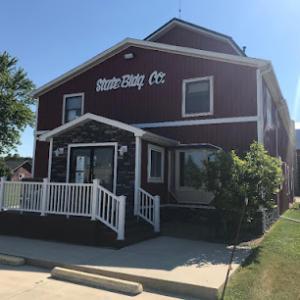
State Building Company
(810) 653-1560 www.statebuildingcompany.com
3494 N State Rd, Davison, Michigan
4.1 from 30 reviews
Frank Lamp Sr. was the original founder of State Building in Davison, Michigan. Frank started the business in 1955 in Taylor, Michigan. State Building Company is now in its second generation of the Lamp family, as Frank passed the business on to his son, Scott Lamp. Scott has owned and operated State Building Company since the mid 1990s, and it remains one of the most respected and recognized remodelers in Genesee and surrounding counties.
Hect Home Improvement
(810) 243-3303 hecthomeimprovementllc.com
Serving
5.0 from 111 reviews
Hect Home Improvement is the premier Roofing Contractor located in Flint, MI. With over 25 years of experience, we offer Roof Repair and Roof Replacement services. We specialize in Residential Roofing, using quality materials like Shingles, Metal and slate. We offer the best roof ventilation solutions. Here you have easy roof financing options. This makes your roof installation hassle-free. Located at 4487 Richfield Rd, our team of Certified Roofing installers ensures efficient, high-quality service. Trust us for all your roofing needs. We offer emergency roof repairs, siding, and gutter installations as well. All our work comes with a lifetime warranty for your peace of mind. Call or text us today for a free inspection and estimate.
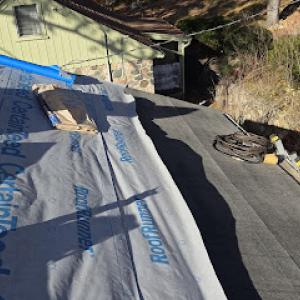
True built home pros | Roofing Contractor in Macomb & Oakland County | Best Roofer
(586) 634-1452 www.truebuilthomepros.com
Serving
5.0 from 22 reviews
True Built Home Pros is a trusted 24-hour roofing contractor proudly serving Macomb Township and Clinton Township, MI. We specialize in roof repairs, shingle roofing, roof replacements, and storm damage restoration for residential properties. Our experienced team delivers reliable, affordable, and high-quality roofing solutions designed to protect your home year-round. Whether you need emergency roof repair, new shingle installation, or a full roof replacement, we are available 24/7 to get the job done right. If you’re looking for a dependable local roofer in Macomb County, contact True Built Home Pros today for fast service and expert results.
The Exterior Zone
Serving
4.9 from 90 reviews
From day one, we envisioned ‘The Exterior Zone’ as a family of individuals with a passion for excellence, providing our clients with one turn key solution for all of their Exterior Renovation Projects. With the expertise to eliminate complexity, do it right the first time, provide consistent communication, and the comfort of knowing your zone is protected by one; We strive to give our clients a Premium Experience. Today, our clients know they can trust our hard-earned reputation for excellence on any Roofing, Siding, Gutters, Door, Painting or Insulation project. Servicing Oakland, Lapeer, & Macomb with over 15 years of experience! Your Zone. Our Passion. A PREMIUM EXPERIENCE!
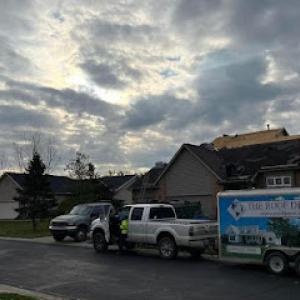
The Roof Depot
(586) 707-7663 www.lapeerroof.com
Serving
4.8 from 66 reviews
The Roof Depot is a locally trusted roofing company known for dependable service and quality workmanship. Our team helps homeowners and businesses with everything from new installations to repairs, always focusing on long-term durability and clear communication. We work with metal roofs, shingle systems, residential and commercial projects, and also offer siding services when customers want to update or protect their property. If you’re dealing with storm damage or sudden leaks, our crew provides insurance-supported repairs and fast emergency help any time of day. Reach out to The Roof Depot for reliable roofing and repair solutions you can count on.
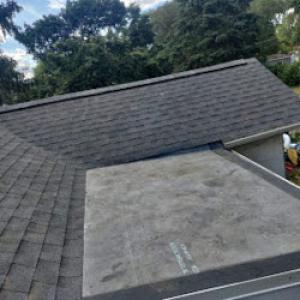
Rainwaters Roofing
(810) 447-5638 rainwatersroofing.com
Serving
4.9 from 22 reviews
Rainwaters Roofing, LLC is a reputable roofing company known for its high-quality services and customer satisfaction. With years of experience in the industry, they specialize in residential and commercial roofing solutions. Their services include roof installation, repair, replacement, and maintenance. Rainwaters Roofing prides itself on using top-notch materials and employing skilled professionals to ensure durable and reliable results. They prioritize customer communication and strive to exceed expectations on every project. Additionally, the company is known for its commitment to safety and adherence to industry standards. Overall, Rainwaters Roofing, LLC is a trusted choice for anyone in need of roofing services.
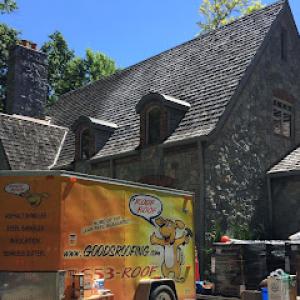
Good's Roofing
(810) 653-7663 goodsroofing.com
Serving
4.7 from 421 reviews
Over the time we’ve been in business, we have earned a reputation as not just a company, but also a team of people, that you can trust. We pride ourselves on our technical expertise as well as our promise to treat each home as it if were our own. And this is precisely why our clients continue to use us time and time again. All of our technicians are fully trained and certified to carry out work needed, and we emphasize continual education for all of our staff to make sure our solutions remain cutting-edge. If you’re looking for help with your roofing needs, you’ve come to the right place!
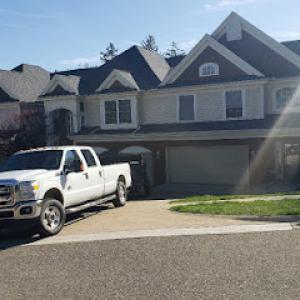
Pro Star Exteriors
(810) 223-7242 prostarexteriorsmi.com
Serving
4.6 from 34 reviews
Roofing Contractors serving Flint, Lansing, Ann Arbor, and Saginaw We proudly apply more than 15 years of experience with roof repair and window repair to all of our projects, allowing those in our community to fall in love with our results. For quality customer service and unparalleled results, turn to our roofing company. We are large enough to tackle any major project, yet small enough to work side-by-side with home and business owners to ensure they get exactly what they need. Get in touch with us today for a pricing estimate.
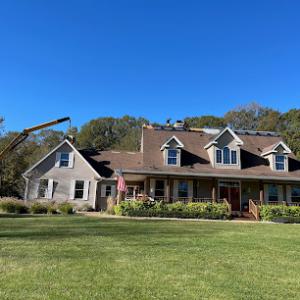
Andy's Roofing
(810) 762-5958 www.andysroofinginc.com
Serving
4.5 from 119 reviews
Andy's Roofing has been installing roofs in South East Michigan for over 30 years. We are a Michigan based Company & Fully Licensed & Insured. Residential & Commercial roofs- For your homes roof we install shingle, metal or flat roofs. We are a Certainteed Gold Star contractor with over 300 options to choose from. Our commercial roof division installs & repairs commercial roofs. We use Versico Certified Commercial Flat-roof systems. White Rubber, TPO, PVC, EPDM and Spray Foam Systems. Serving Flint, Burton, Grand Blanc, Davison, Flushing, Mount Morris, Goodrich, Fenton, Hartland, Holly & Ortonville For a Free Estimate-Call a professional licensed Michigan roofing company. Call Andy's Roofing. Andys Roofing ...The Proof is in the Roof.
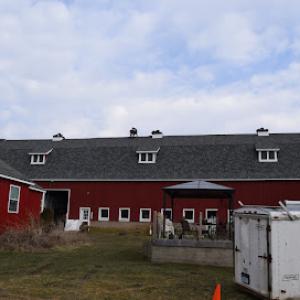
Affordable Exteriors Roofing Specialist
(810) 280-7376 affordable-exteriors.com
Serving
5.0 from 15 reviews
We believe in providing you with a quality roof at an affordable price! We do inspections, installation, and repair. Call us today for a free estimate!
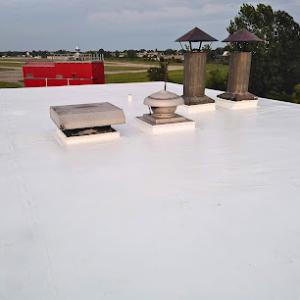
By The Square
(248) 881-5408 bythesquare.net
Serving
5.0 from 46 reviews
""By The Square Roofing specializes in commercial and industrial roofing. We focus on solving roofing challenges with expert knowledge and installation experience. From flat roof repairs to full replacements, we offer reliable solutions tailored to your b
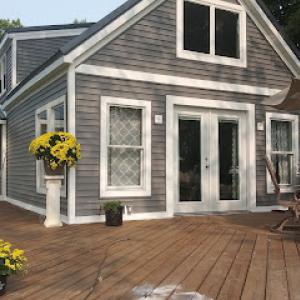
Pro Metal Michigan Roofing LLC & Seamless Gutters
(810) 775-7239 www.prometalmichiganroofingllc.com
Serving
4.9 from 54 reviews
If you're considering a metal roof, look no further than Pro Metal Michigan Roofing & Seamless Gutters. Our metal roofing contractors specialize in affordable, beautiful, and durable metal roofing. Whether you're upgrading an old roof or want to add a touch of style, we'll make sure the installation process is smooth, and the materials can withstand the elements.
If a new roof is on your radar, the best replacement window typically lands in late spring through early fall. Winter freezes and heavy snow in this area can delay tear-offs and complicate installation conditions. By aligning with a milder stretch, you reduce the risk of shingles or underlayment being unsettled by unexpected frost, and you gain dependable drying conditions for roof bedding, underlayment, and flashing. Plan for calm weather blocks and allow a window where temperatures stay above freezing for most of the day, especially during shingle setting and fastener coordination. In practice, that means coordinating with a contractor early enough to secure crews before late spring storms, but not so early that cold snaps push work into delays.
Repeated freeze-thaw cycles in this part of Michigan accelerate wear around flashing, penetrations, and shingle edges. The mechanism is straightforward: moisture works into small openings, then freezes and expands, stressing the sealant, metal flashing joints, and edge fasteners. Over multiple cycles, this can lead to slow leaks or fast-track failures around attic vents, plumbing stacks, and chimney transitions. When planning replacement, you want to target a window with consistent above-freezing days and minimal snow cover on the roof deck to avoid hidden ice dams and to ensure proper insulation and ventilation during installation. If you detect surface granule loss, loose flashing, or staining near penetrations after a thaw, treat that as a marker to schedule promptly while the weather cooperates.
Autumn wind and rain in Davison can complicate material handling and dry-in timing, so homeowners trying to finish before winter often face tighter contractor schedules. Strong gusts can buffet shingles, membranes, and underlayment edges, increasing the risk of lifts or misalignment during installation. Wet days slow the application of roof compounding layers and affect sealant curing around vents and chimneys. If a fall project is pursued, anticipate a compressed calendar and coordinate hauling, staging, and roof-top moves with the crew to prevent weather-driven delays. Consider pre-cutting and pre-fabricating as much as possible when your local autumn forecast shows unsettled conditions, and ensure crews have a contingency plan for a mid-sequence weather interruption. Communication with the contractor about expected fall weather patterns helps keep the project on track and ready for the first hard frost.
Review your roof's vulnerable spots-flashing joints, penetrations, and the roof-to-wall transitions-and flag them for prioritized attention during the replacement. If a hail or wind event has occurred, document damage promptly and schedule a storm-damage assessment to avoid insurance timing bottlenecks that can push work into less favorable weather windows. When choosing a replacement window, prefer late spring through early fall blocks, but remain flexible to accommodate longer dry spells-especially if autumn forecasts show heavy winds approaching installation dates. Keep a clear line of communication with your contractor about anticipated weather, crew availability, and staging limitations, so the project can adapt quickly without compromising the roof's long-term performance.
In this area, asphalt shingles and metal roofing are the most locally relevant upgrade paths. The snow, moisture exposure, and summer heat shape how each option performs year after year. Asphalt shingles sit on many of the older homes in town, and when installed with proper attic ventilation and a robust underlayment, they seal well against Davison's freeze-thaw cycles. The challenge is ensuring the shingle seal and drip edge stay effective through rapid temperature swings and heavy snow loads. Metal roofing, by contrast, brings a different set of strengths to the table: its potential for faster shedding of snow, durability against hail, and generally lower maintenance after installation. In a market where storms and rapid repairs are common, metal can be a realistic choice for homeowners who want to minimize repeat leaks and call-backs.
Given the local mix of temperatures, moisture, and sun exposure, installation quality becomes a deciding factor for asphalt shingles. The sealing strip must activate properly, the attic venting has to be adequate to avoid condensation, and the underlayment needs to resist moisture migration during heavy rains or rapid thaws. Poor ventilation in an attic can lead to accelerated shingle aging, curling, and premature granule loss, especially on steeper pitches or roofs facing intense afternoon sun. For metal roofs, the connection details, fastener spacing, and flashing around chimneys and vents are what keep performance stable through snow accumulation and wind-driven rain. A well-installed metal system shows resilience in Genesee County conditions, with fewer callbacks related to leaks or loose panels after a harsh winter or a severe hail event.
Storm damage in this area often involves impact from hail and wind, followed by rapid moisture intrusion if the roof isn't fully weather-tight. For asphalt, prioritize matching shingles with a quality sealant and verify attic ventilation during any storm repair or retrofit to prevent moisture buildup. For metal, focus on panel integrity, coating condition, and the status of ridge and exhaust terminations, since these details govern snow shedding performance and corrosion resistance over time. In any case, speak with a local contractor who understands Genesee County weather patterns and the typical house elevations found in Davison. A contractor who can tailor underlayment choices, venting strategies, and fastener considerations to your roof's pitch and exposure will deliver the most durable result for the neighborhood's climate realities.
In this market, Davison experiences noticeable price and availability shifts after hail storms and strong winds. Emergency calls spike, insurance paperwork slows the queue, and labor becomes tighter for a few weeks. Homeowners who plan ahead tend to lock in crews earlier in the season, reducing the risk of delays when the next round of hail hits. Prices can creep up briefly during peak repair windows, so understanding a realistic timeline helps avoid last-minute sticker shock.
Basic asphalt shingles aren't simply the cheapest option; they're the most common in this area because they blend readily with older homes and can be installed quickly when time is tight. Expect a typical cost range around 350-700 USD per square for asphalt shingles, depending on product line and local crew availability. If a longer service life and better wind resistance are priorities, many neighbors compare asphalt against metal systems first, since metal often pays for itself over time with fewer wind-driven repairs and faster installation during tight schedules.
Metal roofing, while higher up front, offers a different risk profile after severe weather. Davison homes with metal can resist hail impacts and wind better, and the labor pool for metal installs can tighten less dramatically in some seasons, though it still follows the same storm-driven demand pattern. Metal generally falls in the 600-1200 USD per square range, reflecting the durability and the premium materials. For homeowners watching long-term value, metal is a common pivot point when lining up insurance timelines with roofing needs.
If the roof is a larger, more distinct project or the home has a design that accepts heavier materials, clay or concrete tiles become contenders. Clay tiles typically run 1200-1800 USD per square, and concrete tiles 800-1500 USD per square. These options offer notable durability and a different aesthetic, but they bring heavier handling, longer installation windows, and sometimes higher logistical costs during peak demand.
Less common but still relevant are wood shingles/shakes and slate. Wood shingles/shakes generally sit around 500-1100 USD per square, while slate can range from 1300-2400 USD per square. These materials demand special crews and longer install times, making them more sensitive to scheduling and the storm-repair market's rhythms.
When choosing between asphalt and metal as a first pass, map out a two-step decision: (1) confirm the expected wind and hail exposure for your roof's orientation and age, and (2) line up two preferred contractors who can prioritize your project if insurance timelines shift. Because the Davison market is competitive for affordability, you'll often see solid all-around value from asphalt with a clear upgrade path to metal if you anticipate a longer payoff period from insurance timelines or anticipate repeat hail seasons. For any material, prepare for the administrative steps that accompany a storm-repair timeline, so that you're ready to move quickly once the insurer's documentation and scheduling align.
Get a clear picture of your project costs upfront - no commitment required.
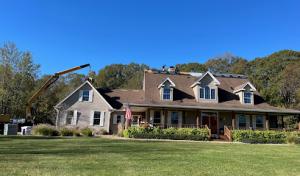
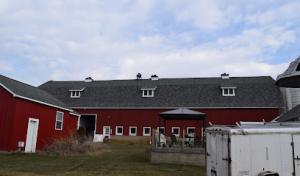
Affordable Exteriors Roofing Specialist
(810) 280-7376 affordable-exteriors.com
Serving
5.0 from 15 reviews
In Davison, a residential re-roof typically requires a building permit issued through the local building department serving this Genesee County jurisdiction. The permitting process helps ensure that a project adheres to current code requirements and that the installation will perform safely for the region's freeze-thaw winters and snow loads. Expect to file basic project details, including the scope of work and the proposed roofing material, and to receive a permit decision from the building department. A small permit fee is common, and depending on the project scope, a plan-check review may be requested if the re-roof involves broader changes beyond replacing shingles.
If the scope is straightforward-simply replacing roofing material over existing underlayment with minimal alterations-the plan-check review may be brief or not required. More extensive changes, such as upgrading roof ventilation, modifying eaves, or altering roof penetrations for HVAC or skylights, can trigger a formal review. The plan-check process can help identify venting and attic insulation improvements that support Davison's harsh winters and help prevent moisture-related issues after a storm. Prepare to share diagrams or product details when requested, so the plan reviewers can confirm compatibility with local codes and climate considerations.
Inspections are commonly scheduled at work milestones and focus on underlayment installation, ventilation strategy, nailing patterns, and overall code compliance rather than solely on the finished surface. Expect an inspector to verify that underlayment is correctly installed with appropriate overlaps and fastener spacing, that attic ventilation remains effective with proper intake and exhaust, and that the chosen fasteners and nailing pattern meet the applicable roofing code. In Davison's freeze-thaw environment, flashing detail around chimneys, vent pipes, and wall connections gets particular scrutiny to prevent leaks during winter. The final inspection confirms that the roof installation aligns with permit conditions and local requirements.
Coordinate timing with weather windows to avoid long delays, since heavy snow seasons and storm periods can impact inspection availability. Have all manufacturer installation instructions on-site, along with permit paperwork and any plan-check notes, so inspectors can quickly verify compliance. If storm repairs are involved, ensure documentation of damage and any temporary measures are accessible, as some insurers and the city may request them as part of the permit record. Clear access to the attic and roof, plus a defined path for ladder placement and material staging, helps the process move smoothly.
Michigan is a frequent hail- and wind-claim environment, so homeowners should expect insurers to want dated photos, inspection notes, and a clear record of roof condition after storms. In Davison, the first 24 to 72 hours after a storm matter: capture the extent of visible damage, note surrounding conditions, and keep a simple timeline of when leaks appeared or worsened. The goal is to show a coherent sequence from storm event to current roof state, not a recollection after months of weathering. If a contractor is contacted, request a written assessment with date stamps and identifiable comparison photos to anchor the claim.
Adjusters in this market may review prior claim history and inspect for whether damage is storm-related versus long-term wear, which matters in a climate where freeze-thaw deterioration is common. In Davison, where freeze-thaw cycles tug at shingles and flashing, it's crucial to document not only what failed, but when those failures began and how they progressed after a major storm. Storm-related gaps, lifted edges, or granule loss that align with a single event carry more weight than issues that look chronic. Be prepared to explain scheduling or seasonal patterns that might influence wear, and supply notes from any independent roof assessments that tie to a specific storm timeline.
Coverage terms and deductibles can be influenced by broader Michigan insurance conditions, making documentation and prompt post-storm inspection especially important in Davison. Delays in reporting can complicate coverage decisions, while a thorough packet may help preserve options for repair or replacement. Insurers may request access to the property for quick inspections, so coordinate with the adjuster to arrange a time that minimizes stress and exposure to weather. Clear records-and a swift, organized response-can reduce the risk of misinterpretation during the claim review.
After a storm, prioritize securing the property to prevent further damage while keeping detailed records of any temporary measures. In Davison, weather can swing quickly, so note the date of the next freeze or heavy precipitation and plan a follow-up inspection. If a claim is filed, arrange for a certified roofer to provide a dated, written assessment that aligns with the photos you took, ensuring the report reflects the present condition and the storm's likely impact. Having a consistent, transparent record helps navigate the often delicate balance between hail, wind, and winter deterioration in this market.
Connect with contractors who help homeowners navigate the claims process from damage assessment to final approval.
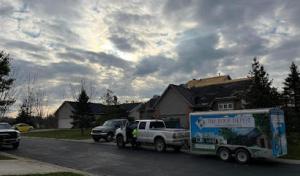
In a freeze-thaw climate, roof penetrations and transitions are common trouble spots because moisture intrusion expands during winter temperature swings. When rain, snow, and melt cycle through Davison's winter, even small gaps around vents, chimneys, or skylights can widen, inviting leaks that travel unseen along decking. Those signs often show up as a stain far from the original intrusion, a telltale reminder to inspect from above and below.
Local contractor signals show recurring homeowner demand around skylights and chimneys, suggesting flashing-related leak work is a meaningful part of the repair market. Skylight decks and chimney bases are exposed to repeated freeze-thaw stress, so thin metal bases and worn boot flashing fail first. If you notice condensation inside the skylight or water streaks on interior walls after a thaw, the flashing deserves a careful look, not a quick seal.
Snow accumulation followed by melt events in Davison can expose weak flashing details faster than in milder climates, especially on older re-roofed homes. Snow acts like a lid holding moisture on the roof longer, then rapid melt drives water to any seam. Roofs with multiple penetrations or older underlayment show the weakness first along valleys and step flashing where shingles meet vents.
A practical approach is to seasonally check around skylights, chimneys, vent stacks, and where roof planes change direction. Look for lifting shingles, torn flashing, or rusted metal edges. When a leak is suspected, tracing it from interior signs to the exterior clues helps avoid chasing the water's path into new damage. Timely flashing repairs save bigger problems when winter returns.
Protective measures now can reduce later damage, such as ensuring boot flashing sits flush and sealing gaps around vents. In this climate, small leaks today can become attic damage after a thaw and wind event.
Find contractors experienced in skylight installation, flashing, and leak repairs to bring natural light into your home.
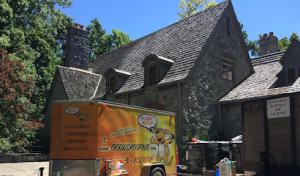
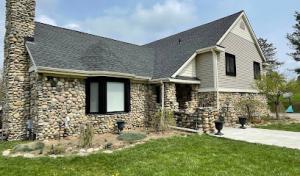
Flat and low-slope roofing is not the dominant roof type in this market, but it remains relevant for additions, porches, garages, and some mixed-use or commercial-adjacent structures. When a home includes these transitions, the low-slope sections become a critical link to the main pitched roof and require careful attention during storms and after winter damage.
Davison's snow, standing moisture risk, and freeze-thaw cycles amplify problems on low-slope sections. Water tends to pool on flat or near-flat surfaces, pushing on edge details, penetrations, and seams. Membrane aging, flashing wear, and curb interfaces are more likely to show issues after a harsh winter or a hail event. Treat any signs of standing water, slick patches, or smoothing of granules on adjacent pitched areas as a signal to inspect the low-slope system specifically.
Because the local contractor market includes flat-roof specialists, it's practical to engage a pro who can evaluate low-slope transitions tied into the main roof rather than relying on a general roofer. When inspecting, look for blisters, mismatched or damaged seams, pooled water near penetrations, and rusted metal flashings at parapets or edges. Pay close attention to skylight boots and transition membranes where moisture can migrate into attic spaces.
During dry days, run a careful visual check along the low-slope areas for continuity of the membrane seams and flashings. After a rain or rapid snowmelt, check for damp patches in the attic above the low-slope zones or signs of interior water staining near the transition points. If you notice even small irregularities, schedule a targeted low-slope assessment to prevent leaks from becoming larger issues.
Find specialists in TPO, EPDM, and built-up flat roofing systems for residential and commercial properties.
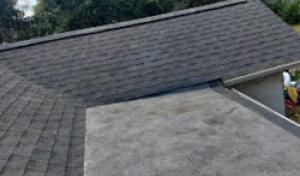
In Davison, a project after a hail storm or winter blow-off tests more than shingles alone. Homeowners notice that cleanup, nail patterns, and ventilation setup matter as much as the material chosen, because the local freeze-thaw cycle can expose gaps. Expect crews to tailor their work sequence to weather windows, not just product spec sheets.
When assessing crews, look for consistency in nail placement, fastening method, and trash containment. A practical check is to walk the roof with the crew lead after the first day and again at completion. Confirm that attic ventilation is addressed during installation, with proper intake and exhaust balance to support long life of shingles or metal.
Local hiring signals show homeowners value quick response and affordability, but the market also includes long-established and family-owned firms that compete on trust and follow-through. Favor crews that maintain on-site supervision, problem-solving, and a chain of communication for storm repair timelines.
Manufacturer-backed warranty offerings are present but not universal, so homeowners should verify whether warranty protection depends on certified installation standards. Ask whether the installer provides registration with the shingle or metal maker, and whether a workmanship warranty backs labor for a stated period.
Practical steps to verify a crew's reliability include requesting written references from recent storm-related jobs, inspecting local project photos, and confirming that cleanup is included in the contract. Also ask about how the crew handles ventilation, flashing, and snow load considerations to protect against future leaks.
In Davison, you'll benefit from vendors who combine prompt response with follow-through, because storm season and winter demands don't stop at a shingles decision. Ensure your contract spells out warranty terms, installation standards, who to contact if a problem arises.