
Last updated: Apr 19, 2026
Swartz Creek roofs endure a two-part stress cycle that is unique to this area. In winter, heavy snow loads press down while freeze-thaw movement works the edges and flashing of the roof system. As soon as the clock ticks toward spring, the cycle shifts to harsher weather-hail, thunderstorms, and rapid warming and cooling-that hammer shingles and flashing where weakness exists. This progression means problems aren't isolated to a single event; they compound and reveal themselves as the season changes. The risk is not only damaged shingles but compromised edges, flashing, and attic ventilation that become vulnerability points during the next freeze.
Local replacement timing is strongly influenced by the need to avoid entering winter with compromised shingles, flashing, or roof edges. If any component shows signs of aging or damage before heavy snow, delaying a full replacement increases the chance of ice damming, leaks, and structural stress once temperatures drop again. In practical terms, a roof plan that leaves flashing or edge failures unaddressed through late fall invites expedited deterioration through December and January. Timely replacement or repair that finishes before mid-fall reduces the odds of moisture intrusion during winter storms and keeps the rest of the roof from facing back-to-back freeze-thaw cycles.
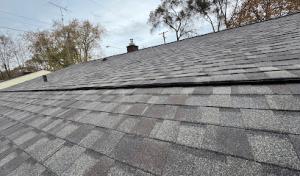
The most locally relevant damage patterns are edge and flashing stress from winter conditions and shingle impact damage after spring storms. Look closely at the eaves, rake edges, and roof-to-wall transitions. If edge metal is lifted, curled, or separated, or if flashing at chimneys, vents, and valleys shows gaps, those are red flags that require remediation now. After a severe spring storm, inspect for random dents, punctures, or loose shingles along the upper third of the roof where hail tends to strike hardest. These are not cosmetic; they signal moisture pathways that can worsen rapidly with continued exposure.
During the thaw, you may notice accelerated granule loss, discolored streaks on interior ceilings, or damp attic insulation near the corners of the roof deck. If the attic shows any condensation patterns or there is a musty odor, treat the situation as a high-priority alert rather than a cosmetic issue. Immediately address any signs of moisture intrusion around vents, chimneys, and skylights, as these areas are common failure points when winter edges have already weakened the system.
If you detect edge or flashing damage, do not delay. Schedule a professional assessment that focuses on ventilation wrap and flashing continuity, as the local permit process emphasizes final inspection of these elements on full re-roofs. In the meantime, protect roof penetrations with temporary sealing and ensure debris is cleared from eaves and gutters to prevent ice dam buildup when cold weather returns. After a strong spring storm, perform a targeted check of shingle edges along the perimeter and around all flashings; any displaced or damaged shingle tabs should trigger a prompt repair or replacement plan.
Keep an eye on: lifted edge shingles, misaligned flashing along the joints, exposed nail heads near the roof's edge, granule buildup in gutters, and sudden interior staining after rain or snowmelt. If any of these appear, treat them as urgent signals that the roof is tipping toward failure under the next freeze-thaw cycle or a future storm event. The goal is to keep the roof sealed and ventilated so that the interior remains dry through Swartz Creek's distinctive weather patterns.
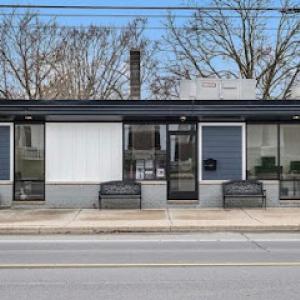
TruEco Construction - Roofing
(810) 880-7663 truecoconstruction.com
8127 Miller Rd, Swartz Creek, Michigan
4.9 from 80 reviews
TruEco Construction - Roofing is based in Swartz Creek MI, is a trusted and reliable roofing, siding and gutter company. With a focus on eco-friendly practices, we are committed to providing exceptional roofing services, gutter installation, and vinyl siding solutions. As Michigan's choice, we pride ourselves on delivering top-notch craftsmanship and superior customer service. Experience peace of mind knowing that our skilled team will transform your home with quality materials and precision workmanship. Trust TruEco Construction - Roofing for all your roofing, siding, and gutter needs.
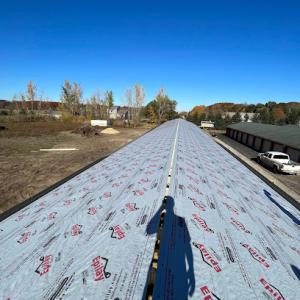
Platinum Quality Roofing & Siding
(810) 316-8977 www.platinumqualityroofs.com
7299 S Fork Dr, Swartz Creek, Michigan
4.9 from 120 reviews
Platinum Quality Roofing & Siding is your trusted roofing contractor serving Michigan and surrounding areas. We specialize in roof replacements, deck building, siding installations, and comprehensive building restorations. Our skilled professionals can handle insurance claims, perform detailed roof inspections, and promptly install new roofs. Whether you need a complete replacement or minor repairs, we are equipped to tackle any roofing or exterior project. Contact us today and experience unparalleled quality, craftsmanship, and customer care.
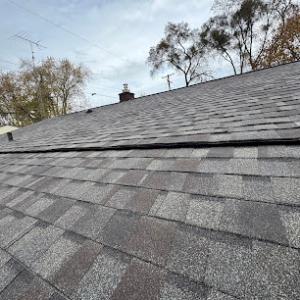
Vertex Roofing
(810) 243-4480 vertexroofingsolution.com
6385 Reid Rd, Swartz Creek, Michigan
5.0 from 30 reviews
Vertex Roofing Solutions is a local family-owned business serving Genesee, Livingston, Oakland, Lapeer, and Shiawassee County, with Residential and Commercial Roofing & Siding projects. We specialize in storm restoration, which includes helping our clients restore their homes and buildings following a storm event.
Sherriff Goslin Roofing Flint
(800) 933-1906 www.sherriffgoslin.com
Serving
4.8 from 103 reviews
With more than 100 years of experience, Sherriff-Goslin is one of the most respected and trusted roofing contractors in the region. As an Atlas Pro® Diamond Level Contractor, they prioritize quality and professionalism, providing unparalleled services for residential homes, farm buildings, barns, and churches. Sherriff-Goslin provides free roof inspections, roof repairs, and high-quality roofing systems coupled with an industry-leading 10-year free service guarantee. From start to finish, Sherriff-Goslin ensures the quality of your finished roof, the preservation of your property, and your satisfaction with the roofing experience.
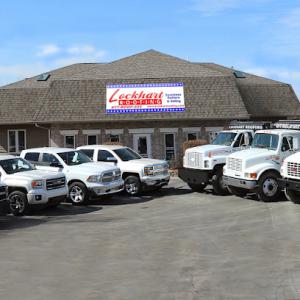
Lockhart Roofing
(877) 766-3033 www.lockhartroofing.com
Serving
4.8 from 310 reviews
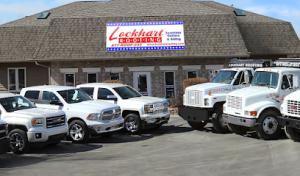
Lockhart Roofing is a family owned and operated residential and commercial roofing company that has been servicing Flint and the Mid Michigan areas since 1982. We also offer seamless aluminum gutters and commercial gutters.
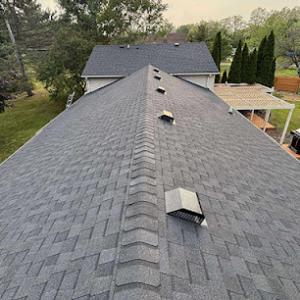
Ideal Roofing
(810) 258-0500 idealroofingco.com
Serving
4.9 from 55 reviews
Ideal Roofing is Flint's trusted roofing company serving all of Genesee County. We provide FREE roofing estimates, expert repairs, and complete roof replacements. With 30+ years of Michigan experience, we offer 24/7 emergency leak response, storm damage repair, and flexible financing. Locally owned, fully licensed & insured. Call for your free estimate today!
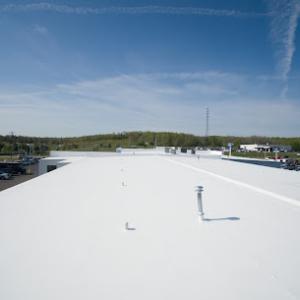
Maxim Commercial & Residential Roofing
(810) 768-7663 www.maximroofs.com
Serving
4.8 from 67 reviews
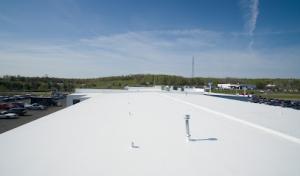
Call For Your Free Estimate For a Roofing Installation! At Maxim Commercial Roofs, we specialize in high-quality, long-lasting commercial roofing solutions across Oakland, Macomb, Wayne, Genesee, Livingston, Washtenaw, Monroe, Ingham, and Jackson Counties. As a Certified Platinum Contractor with Duro-Last, we take pride in delivering superior workmanship, energy-efficient systems, and industry-leading warranties to our clients-backed by a name trusted nationwide. Whether you manage a retail complex, industrial facility, warehouse, school, hospital, or government building, our experienced team is equipped to handle any size project with professionalism, precision, and integrity.
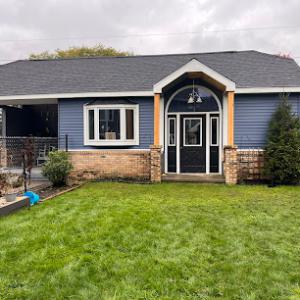
Dave Murphy Builders
Serving
4.7 from 31 reviews
For over two decades, Dave Murphy Builders has been building and restoring homes and businesses with quality and care. As a full-service construction company, they handle everything from roofing and siding to remodels and additions. Specializing in residential and commercial projects, their expertise includes roof repair, replacement, and cleaning, as well as metal and vinyl siding installation. Storm damage restoration is also a specialty, covering roofing, siding, gutters, and other exterior fixtures. Dave Murphy Builders also offers complete home inspection services. Trust their experienced team to answer your call and bring your vision to life.
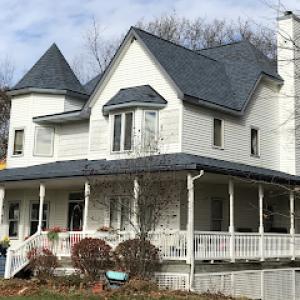
Reliant Roofing
(810) 692-6913 reliantroofingllc.com
Serving
4.8 from 20 reviews
Reliant Roofing is here to serve all of your Roofing & Siding needs- especially when storms hit. Our experienced team can guide you through the insurance claim process. We are a team of certified professionals who tackle everything from complex large projects to smaller-scale jobs. We are fueled by our commitment to excellence, we go the extra mile to make sure our clients are completely satisfied. Reliant Roofing is your one-stop-shop for Roofing, Siding, and Gutters.
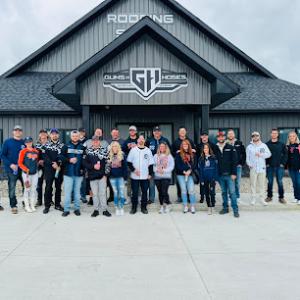
Guns N Hoses Roofing & Siding
(810) 226-0400 gunsnhosesllc.com
Serving
4.9 from 566 reviews
Guns N Hoses Roofing & Siding is a full-service roofing company serving the greater Flint, Michigan area. Our mission is to provide quality roofing, siding, & gutter services at a great price. With decades of experience in the roofing & siding industry, our team of professionals has the knowledge & expertise to handle all your roofing needs. Our services include residential & commercial roof installation & repair, siding installation & repair, gutter cleaning & installation, and other home exterior services. Our team is experienced in all types of roofing materials & systems, including flat roofing & metal roofing, separating us from the competition. We offer FREE roofing & siding estimates, so contact today to protect your home!
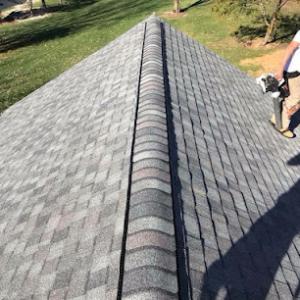
Advanced Exterior Solutions & Repairs
(810) 498-7004 www.advancedexteriorsolutionsandrepairs.com
Serving
4.8 from 35 reviews
At Advanced Exterior Solutions & Repairs, we've combined our passion for craftsmanship with 35 years of trade experience to create a family-owned business dedicated to providing unparalleled service. As Mid-Michigan's premier roofing and water management provider, we offer by-appointment services tailored to your needs, ensuring prompt and efficient solutions for your roofing and water shed concerns. Trust in our expertise and personalized approach for satisfaction guaranteed results, because we believe your home's protection is our priority.
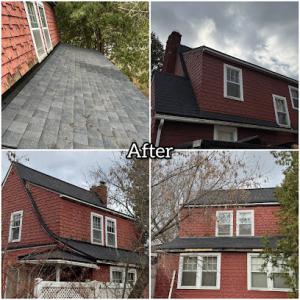
Cimple Home Construction
Serving
5.0 from 41 reviews
Your Trusted General Contractor for Exterior Transformations. Cimple Home is the leading General Contractor company dedicated to making your home improvement dreams a reality. We specialize in Roofing, Siding, Gutters, & Concrete. With years of industry experience, our team ensures every project is completed on time and within budget. At Cimple Home we prioritize customer satisfaction, clear communication, and excellence in every detail. Contact us today with your next project.
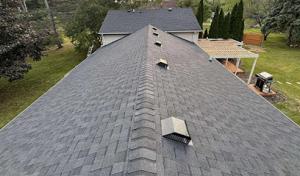
Asphalt shingles are the dominant practical choice locally because they handle the mid-Michigan cycle of hot summers and cold winters well when the rest of the system is solid. If ventilation and underlayment are strong, asphalt can ride out the freeze-thaw cycles that stress this area's roofing. The key is ensuring there's a clear path for attic air to move and a dry, reliable underlayment beneath the shingles. In your home, check that soffit vents align with ridge vents, and that a quality synthetic underlayment is installed with proper nailing patterns. When a storm hits and you're weighing replacement after damage, you'll want to confirm that the roof deck is dry and the insulation is intact before laying new shingles. Swartz Creek homes often feature standard attic spaces; keep an eye on sagging or blistering shingles after hail events, and plan re-roofing only after the roof is fully dry and any structural or flashing issues are addressed. In practice, asphalt remains the most flexible, cost-effective option for the typical Swartz Creek roof, especially when combined with diligent ventilation and a robust underlayment.
Metal roofing has an active specialist presence in this market and is relevant for homeowners prioritizing snow shedding and long-term durability in mid-Michigan weather. If a winter with heavy snows or rapid thaw cycles is a concern, metal can reduce ice dam risk by providing a sturdier, continuous barrier and smoother snow removal. In practice, metal excels when the roof deck and flashing are properly prepared, and careful attention is paid to expansion joints and fastener sealing to handle temperature swings. For storm damage situations, metal can be a forgiving option if installed with proper attic ventilation and a moisture barrier. The material's weight load is different from asphalt, so the surrounding structure and supports should be checked during a full re-roof plan. If you live where summer heat can exaggerate expansion and contraction, ensure the chosen profile allows for appropriate thermal movement and that edge detailing is sealed against wind-driven rain. In this climate, metal can provide long-term security against repeated hail impact, but installation quality matters as much as the material itself.
Tile, slate, and wood products exist in the material mix here, but their higher weight, cost, and repair complexity make them more specialized choices than standard asphalt re-roofing. Clay and concrete tiles bring excellent longevity and hail resistance in some configurations, but the added weight demands a reinforced structure and careful mechanical attachment details. Slate delivers timeless aesthetics with superb durability, yet the brittleness of slate pieces can complicate repair after storms, and installation costs scale quickly. Wood shingles or shakes offer a distinctive look and can perform well with proper maintenance, but they demand regular upkeep to resist moisture absorption, warping, and insect exposure. For Swartz Creek homes, these options are most sensible when the roof structure is already designed for heavy materials, and when budget allows for ongoing maintenance and selective replacements rather than a simple, standard re-roof. In the context of storm-driven replacements, tile and slate can extend roof life if the deck and ventilation are prepared to handle the added weight, but the complexity of repairs after damage makes them a less predictable path than asphalt or metal unless the homeowner has a clear plan and dedicated service support. When these materials are installed, ensure that flashing details and ventilation are integrated into the overall system, since final inspection often focuses on flawless flashing and proper venting as much as on the material itself.
In this market, replacement cost is most often driven by the type of roofing material chosen and the scope of work required beyond laying new shingles. Asphalt shingles represent the typical replacement tier for a standard home, with pricing that sits around the middle of the market. When budgeting, think of asphalt shingles as the baseline for a full re-roof, and use the per-square figures provided to anchor expectations: a typical asphalt job lands in the lower-to-mid range for Swartz Creek, with higher-end products stepping up quickly. Local projects commonly price out near the asphalt tier unless a homeowner requests premium materials or a more complex roof geometry.
Regional storm events can push prices upward in a hurry. After a hailstorm or a heavy thunderstorm season, demand spikes for emergency inspections, tear-offs, and full re-roofs across the area. If you experience damage in spring or late winter, expect surge pricing for materials, crews, and expedited scheduling. Planning ahead for the first window of dry weather can help stabilize costs, but be prepared for a tight market if a warm spell brings a flurry of re-roofs into the queue.
Final installation details matter here more than in many other markets. Ventilation corrections are a frequent necessity on full re-roofs, and improper or undersized ventilation can become a long-term durability issue. Flashing replacement is another common driver of cost, especially where older structures show corrosion or where valleys and transitions require careful detailing to prevent leaks. Tear-off work is a notable factor as well; removing and disposing of existing shingles adds labor and disposal fees that can push the total beyond a simple material replacement. Because the city requires final inspection of installation details, these elements tend to be reflected in both the proposal and the schedule, making it important to budget for the full scope rather than just the new shingles.
Per-square cost ranges provided should guide early budgeting. Asphalt shingles occupy the most common replacement tier, typically yielding the most predictable pricing and a straightforward installation cadence. Metal roofing, clay tile, concrete tile, wood shingles or shakes, and slate offer longer-term durability but come with higher per-square costs and additional structural considerations. If a higher-end material is pursued, plan for a proportionally larger impact on tear-off durations, ventilation adjustments, and flashing details to ensure a code- and seal-perfect result at finish.
Get a clear picture of your project costs upfront - no commitment required.
Maxim Commercial & Residential Roofing
(810) 768-7663 www.maximroofs.com
Serving
4.8 from 67 reviews
A permit is typically required in Swartz Creek for a full re-roof. Before any shingle pull or new roof stack goes up, you should plan a quick call or visit to confirm the permit path with the City of Swartz Creek Building Department. They handle the paperwork, timing, and any local nuances related to your street, home style, and existing ventilation setup. Knowing the process upfront helps prevent delays when you're ready to start, especially after a winter or spring storm that might make you want to move quickly.
The City of Swartz Creek Building Department is the local authority that issues roofing permits for this work. Their role goes beyond a stamp; they'll review critical elements that affect long-term performance, including how the roof layers will tie into existing soffits, vents, and attic space. It's helpful to have your contractor provide a simple plan that shows exact roof area, vent locations, and any changes to flashing around chimneys, skylights, or dormers. This clarity helps the inspection go smoothly and reduces the risk of needing rework after the final check.
A final inspection is required after completion, with attention to proper installation, ventilation, and flashing. In Swartz Creek, inspectors will look closely at how insulation and ventilation balance with the new roof to avoid winter condensation issues and ice dam formation. Proper flashing around roof penetrations-vents, stacks, and skylights-needs to be integrated with the underlayment and shingles in a way that resists wind-driven leaks common in Michigan springs. If there's any retrofit of attic vents or soffit louvers, ensure those details are visible and accessible for the inspector.
To streamline the process, arrange access for the inspector during the final walk-through and keep copies of all permits, plans, and any manufacturer installation sheets. If your home has a nonstandard roofline or a history of prior repairs, discuss these specifics with both the contractor and the Building Department early. A well-documented permit path and a thorough final inspection help ensure the new roof delivers reliable protection through Swartz Creek's freeze-thaw cycles and spring storm exposure.
Michigan insurers commonly want documentation of roof condition, and claim outcomes can be affected by prior roof age and material type. In this area, carriers are used to the mid-Michigan freeze-thaw cycle, spring hail, and the sudden thunderstorm deluges that sweep across open neighborhoods. The more you can show what happened and when, the more your claim can stay on track. A claim file that reads like a timeline-storm date, observed damage, actions taken-reduces ambiguity and helps prevent disputes over whether damage existed before the event.
In Swartz Creek, homeowners should expect adjusters to rely on inspection findings, photos, estimates, and potentially an on-site visit after storm events. The adjuster will usually begin with a roof-specific assessment to determine whether hail impact, wind uplift, or winter-related wear contributed to leaks or shingle loss. Photos taken before and after the storm can be decisive, especially if the roof has visible age-related wear that could complicate coverage decisions. If an on-site visit is requested, make sure the contractor you trust is present to provide a professional, itemized assessment that your adjuster can reference.
Because statewide weather-related damage patterns and code considerations influence claims, local homeowners benefit from documenting hail, wind, and winter-related damage as soon as it appears. Start with a dated record of the damage witnessed, including the exact location on the roof and any interior signs such as water stains or attic condensation. Gather contemporaneous evidence: weather reports for the storm window, contractor or roofer assessments, and copies of any temporary repairs. The moment you notice damage, take clear photos from multiple angles, and capture the general roof condition as well as the affected area. Keep a running log of communications with the insurer and with any contractors.
A trusted local roofing contractor who understands Swartz Creek's typical roof ages and materials can be invaluable. Have a professional inspection that focuses on ventilation and flashing-areas emphasized in the city's final inspection expectations for full re-roofs. When you submit your claim, attach the contractor's findings and a detailed written estimate that aligns with the observed damage. If the adjuster questions a pre-existing condition or a non-storm-related issue, rely on the dated documentation and the objective contractor report to support your position. In the end, the claim's resilience often rests on thorough, timely documentation rather than on luck when spring winds or winter freeze-thaw cycles revisit the roof.
Connect with contractors who help homeowners navigate the claims process from damage assessment to final approval.
Platinum Quality Roofing & Siding
(810) 316-8977 www.platinumqualityroofs.com
7299 S Fork Dr, Swartz Creek, Michigan
4.9 from 120 reviews
Vertex Roofing
(810) 243-4480 vertexroofingsolution.com
6385 Reid Rd, Swartz Creek, Michigan
5.0 from 30 reviews
Even in a predominantly residential pitched-roof market, local contractor signals show meaningful demand for flat or low-slope work. Freeze-thaw cycles push water into joints, penetrations, and transitions more than open-field shingle areas. Spring storm exposure can deliver sudden deluges that overwhelm marginal drainage, making careful detailing at skylights and low-slope sections crucial.
Skylights sit at a common point of trouble where flashing meets the roof plane. In this market, flashing transitions around curb-mounted units and deck penetrations are a practical concern for homeowners. When a skylight leaks, the first steps are to inspect the curb flashing, shingle-to-flashings seam integrity, and any sealant degradation. Look for condensation on the interior pane as a sign of behind-the-flashing moisture, and check the counterflashing as well as the bug screen and curb top cap for gaps or lifting after winter.
Low-slope drainage areas become more vulnerable during thaw cycles and spring storms. Pay attention to valleys, seam roofs, and any sections where the slope dips toward a joint or parapet. Small pooling can indicate inadequate pitch, clogged drip edges, or compromised edge flashing. In practice, verify that counterflashing on valleys is intact, edge metal is securely fastened, and any roof-to-wall transitions maintain a continuous seal. If signs of water intrusion appear near penetrations or along the eave line during a thaw, plan a targeted inspection and timely resealing before the next freeze.
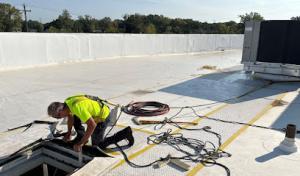
Find specialists in TPO, EPDM, and built-up flat roofing systems for residential and commercial properties.
Platinum Quality Roofing & Siding
(810) 316-8977 www.platinumqualityroofs.com
7299 S Fork Dr, Swartz Creek, Michigan
4.9 from 120 reviews
Weather Shield Roofing Systems | Flint, MI
(616) 243-4040 weathershieldusa.com
Serving
4.9 from 14 reviews
In this area, after a storm or when a leak is active, the local market rewards quick response. You should screen contractors on how fast they can assess damage, lay out a plan, and start temporary measures if needed. Responsiveness isn't just convenience-it's about limiting further damage through calcium-filled freeze-thaw cycles and spring hail. When you call, note how clearly the contractor communicates a timeframe, what immediate steps they propose, and whether they offer to document the damage for insurance discussions.
Cleanup is a major homeowner expectation here. Re-roofs leave mess-nails, shingle scraps, and stray debris-and reputable crews treat it as part of the job, not an afterthought. Ask for a written cleanup protocol: daily debris removal, floor protection for interior spaces, and a final teardown sweep with a magnet to catch metal shavings. A solid contractor should also explain how they manage waste and where they haul it. If the crew lacks a dedicated cleanup plan, you'll pay for the deficiency later in time and potential damage to landscaping and vehicles.
Swartz Creek homeowners encounter a mix of long-established, family-owned outfits and residential-focused roofers. The best choice isn't the loudest salesman; it's the team with steady re-roofing experience and a proven post-storm follow-up. Look for a contractor who can show recent re-roof projects, particularly after severe weather, and who has a local service footprint for follow-up visits. Check references from neighbors with similar house styles, and ask how they handled ventilation and flashing on previous jobs to ensure the final inspection will be smooth.