
Last updated: Apr 19, 2026
Clarkston sits in north Oakland County where cold winters, repeated freeze-thaw cycles, and snow accumulation make ice-dam prevention a primary roofing concern. When a roof is repeatedly chilled and warmed, meltwater refreezes at eaves and overhangs, creating rigid ice dams that push water behind shingles and into soffits, fascia, and ceilings. In this climate, you cannot treat ice dams as a rare nuisance; they are a predictable, seasonal risk that demands proactive measures before the storms arrive.
In these woods and along the lake pockets, snow tends to linger on steep minds and shaded sections much longer than on sun-facing surfaces. The result is concentrated weight where the attic breathes the least and where gutters fill with ice. The long north-facing slopes on many Clarkston homes stay icy well after the rest of the roof has thawed, which traps moisture and extends the period when interior leaks may form. Repeated cycles of freeze and thaw stress the underlayment, shingles, and flashing, shrinking life expectations and increasing the odds of hidden damage behind walls and around chimneys. When snow piles up, small flaws become big problems fast.
The heavily wooded neighborhoods slow snow melt and create cool microclimates on the roof. That shade is a double-edged sword: it preserves the cold long enough to form ice dams, but it also means that any warm spell won't deliver a thorough drying of the roof surface. Where north-facing or heavily shaded sections stay damp, moisture can wick into the roofing assembly, saturating insulation and turning minor flashing gaps into continuous leaks after a storm. In lakeside pockets, lingering moisture from meltwater pools can find its way around poorly sealed penetrations, so even modest defects deserve quick attention. The consequence is a more fragile roof deck and a higher risk of interior staining and ceiling seepage in the attic and upper rooms.
Small flashing defects-bare spots, loose step flashing, or improperly sealed penetrations-are amplified by winter conditions. When ice damming concentrates water at the eaves, those weak points act like gutters for water inside the roofline. Within the sheltered nooks of a wooded street, moisture may travel longer paths before drying, so those leaks can appear far from the original intrusion point. If you notice damp spots along interior ceilings or walls near exterior penetrations, treat it as a potential ice dam symptom rather than a standalone water leak. The green light to act is immediate: investigate the attic insulation, seal around pipes and chimneys, and confirm that roof-to-wall transitions are properly flashed and sealed before the next freeze.
Start with a proactive inspection before heavy snows return. Look for uneven decking, moisture staining, and loose or missing shingle tabs near eaves and along steep sections. Clear gutters and downspouts, but avoid prying into ice dams yourself if they are thick; hire a professional with experience handling ice dam removal safely. Improve attic ventilation and insulation where gaps allow warm attic air to reach the roof deck, reducing melt cycles that feed dams. Consider exterior measures like upgrading flashing around penetrations and ensuring proper drip edge alignment to direct water away from fascia. In wooded neighborhoods where shade dominates, plan maintenance around seasonal sun angles to maximize drying potential after storms, and schedule more frequent checks in late winter and early spring when lingering moisture is most common. Quick, decisive action now can prevent costly interior leaks once spring thaws begin and the next round of storms rolls in.
These tree-dotted lanes and steep residential roofs in Independence Township mean wind-driven storms and hail events arrive with a bite. You're more likely to see wind and hail claim scenarios than the cliché hurricane or wildfire losses. The mix of storm forces can hit shingles, flashing, and underlying decking in close sequence, especially after a late-winter or early-spring blow. When the skies go loud, your roof faces a two-front risk: direct shingle damage and the collateral damage from branches or limbs brushing and puncturing vulnerable spots.
In Clarkston, mature trees surround most homes, so a single storm can produce both impact loss and puncture damage. Shingle impact may leave flat, visible bruises or granule loss, while a limb can gouge flashing, vents, or the edge of the roof line. Ice and snow build-up on a steep slope can back up at eaves, creating ice dams that trap meltwater and force leaks into soffits and the attic. After a storm, a homeowner should expect a patchwork of damage: some shingles displaced or curled, some flashing bent or lifted, and some hidden moisture issues behind interior ceiling stains. This is not a clean, one-spot fix; it's a layered assessment.
Michigan insurers expect a complete picture before they dive into a claim. If you want the best chance of a thorough, fair resolution, document early and often. Start with a clear photo set that shows the overall roof, the attic, and any interior signs of moisture. Capture close-ups of any bruised shingles, lifted flashing, or visible gaps around vents. Gather scope notes that map damaged zones, and keep a record of weather events and dates. Material specifications-what you have and what you'll replace-help your adjuster see the true scope. Having permit records and contractor notes ready can speed review and reduce back-and-forth. In short, build a chronological, image-rich dossier that proves both the storm's impact and the necessary remediation. This is the backbone of a credible claim when storms hit the tree canopy here and the wind turns to ice.
Before the next windstorm, walk the roof edge with a sturdy ladder and note any loose shingles, lifted flashing, or damaged sealant. After a storm, inspect the attic for unusual dampness, mold scent, or staining that crawls from the roof toward the center of the home. If you notice signs of mixed damage, prioritize addressing the flashing and vent penetrations first, then plan a full roof assessment with a trusted local roofer who understands the region's winter-load realities and the tree-driven wear patterns. Acting quickly, with solid documentation, puts you in the strongest position to recover fully.
Find local contractors experienced in assessing and restoring roofs after hail, wind, and severe weather events.

Roofing & Beyond
(248) 657-4144 roofingandbeyond.com
Serving
5.0 from 136 reviews
We specialize in Roof Replacement and Roof Repairs!

Olax Master Roofing
Serving
5.0 from 33 reviews
Welcome to Olax Master Roofing, your go-to roofing experts. With 20+ years of experience, we prioritize quality and customer satisfaction. Our certified team ensures expert craftsmanship using top-tier materials for durability. From inspections to installations, we offer comprehensive, timely, and affordable roofing solutions. Fully licensed and insured. Trust Olax Master Roofing for reliable, transparent, and customer-centric roofing services. Contact us for a free consultation. 🏠🔨✅
MI Roof Pro
(248) 499-3527 clarkston.miroofpro.com
Serving
5.0 from 28 reviews
Discover MI Roof Pro, the premier woman-owned, family-operated roofing contractor based in Clarkston, MI. Delivering high-quality roof installations, repairs, and commercial roofing solutions to homes and businesses in both Clarkston MI and Traverse City, MI. With our unwavering commitment to craftsmanship and customer satisfaction, we prioritize your unique roofing needs. By utilizing premium materials and advanced techniques, we ensure the durability and longevity of your roof. MI Roof Pro boasts a team of experienced professionals who will guide you through each project phase, guaranteeing impeccable results and top-tier service. Trust in our expertise and industry-leading warranties to safeguard your property.
180 Contractors Roofing & Siding
(248) 573-3897 180contractors.com
Serving
5.0 from 241 reviews
Need a reliable roofing contractor in Metro Detroit? 180 Contractors is your award-winning, family-owned choice for roof replacement, roof repair, siding, windows, gutters, entry doors and attic insulation. From our Waterford headquarters we serve Oakland, Livingston and Wayne counties—including Waterford, Troy, Novi, Clarkston, Brighton and Howell—with certified Atlas & GAF installations backed by the Directorii $20K guarantee. Homeowners rave about our same-day quotes, flexible financing and spotless clean-up. Fully licensed, insured and A+ rated, we treat every house like our own and deliver craftsmanship that lasts.
Gold Medal Roofing of Michigan
(248) 440-7985 www.goldmedalroofing.com
Serving
4.9 from 242 reviews
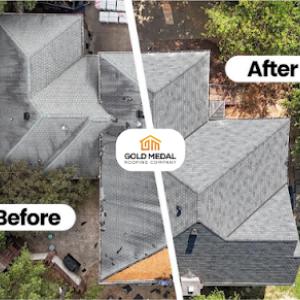
Gold Medal Roofing Company assists thousands of homeowners in getting roof repairs, or a completely new roof, through the insurance claims process. Let our team of licensed roofing contractors walk you through the process and help save you thousands of dollars! Book a FREE inspection today! We can do residential and commercial. Asphalt, flat roof materials and metal roof systems.
BCM Roofing
Serving
4.9 from 334 reviews
Discover top-tier roofing solutions with BCM Roofing, your trusted full-service roofing contractor, serving Southeast Michigan since 2005. Specializing in residential and commercial roofing, we we ensure your property remains secure and energy-efficient. From residential storm damage roof repair to commercial roofing solutions, including flat and membrane systems, our expertise guarantees quality. Enhance your home with gutter, siding, and skylight installations or transform your space with composite decking. Our company offers a 50 year workmanship warranty, giving you peace of mind regarding knowing that your home is getting the best protection possible.

Goral Construction
(248) 804-6933 goralconstructionllc.com
Serving
5.0 from 147 reviews
Goral Construction is a trusted, locally owned roofing and exterior contractor serving Waterford Township, MI and surrounding Oakland County communities. We specialize in roof replacement, roof repair, and storm damage restoration, including hail and wind damage roofing projects. Our team works with homeowners and insurance companies to handle insurance roof replacements, making the process smooth and stress free. We also provide professional siding installation and repair, gutter installation, and exterior restoration services. Whether you need emergency roof repair after a storm or a full roof replacement, we deliver quality workmanship, honest communication, and reliable service. Free inspections and estimates are available.

Saint Roof
(248) 800-7663 www.saintroof.com
Serving
4.9 from 64 reviews
We are Saint Roof. A roofing company who cares for your roof. We’re proud to be a proven 5-Star Roofing Company who is relied upon for both repairs and replacements. We’ve been working on roofs for 35+ years and have served thousands of homeowners. Our leak-proof roof systems are tried and tested. We’d be honored to help you. Call us today! Let’s talk about your roof!

The Gutter Guys & Gals of Michigan
(248) 509-9362 www.gutterguysandgals.com
Serving
4.6 from 47 reviews
When it comes to premier gutter service for homes and businesses, The Gutter Guys and Gals of Michigan has you covered. We can handle any gutter service that is needed, including gutter installation, gutter replacement, and gutter cleaning. Our team serves residential and commercial customers across Southeast Michigan.
Craftsman Exteriors
(517) 763-3205 craftsman-exteriors.com
Serving
5.0 from 7 reviews
At Craftsman Exteriors, we prioritize quality, transparency, and customer satisfaction. With expert craftsmanship, flexible financing, and a hassle-free process, we make roofing, siding, and gutter projects easy from start to finish. Trust us to protect your home with durable materials, honest guidance, and top-tier service.

Roofing Solutions
(248) 599-9637 roofingsolutionsmi.com
Serving
4.9 from 27 reviews
We specialize in residential and commercial roofing, siding, gutters, gutter protection, repairs and exterior wood damage. Call for your free estimate.
D & D Gutters
(248) 431-6243 www.danddgutters.com
Serving
4.9 from 28 reviews
At D&D Gutters in Davisburg, MI are your local experts in Gutter Installation and Replacement. As the leading Gutter, Fascia, and Soffit Contractor in Davisburg, we also offer Downspout services and rain chains installation at affordable prices. Our commitment to quality has made us the go-to company for gutter related services for over a decade to Davisburg, Oakland County, and the surrounding areas. Ready for a superior gutter solution? Call D&D Gutters today!
Asphalt shingles are the practical default for the steep-sloped suburban housing stock that dominates the area around Independence Township. They're straightforward to install, easy to repair after localized storm damage, and replaceable in sections without a total roof tear-off. When snow builds up and ice dams form, you'll find that asphalt shingles in good condition shed snow predictably and provide a solid surface for ice-and-water barriers along eaves and roof-edges. Choose a high-quality, algae-resistant asphalt shingle with a reinforced laminated profile to maximize wind resistance and durability in exposed, snowy winters. Pay attention to proper attic ventilation and a complete underlayment system to keep the sheathing dry during mid-winter freeze-thaw cycles. In homes with multiple ridges or cross-gables, consistent shingle color and a well-sealed valley detail help prevent wind-driven leaks at the joints.
Metal roofing earns strong consideration for homes facing heavy snow and wind, because its smooth surface tends to shed snow more readily than traditional shingles. In this market, metal can reduce the chance of ice buildup along eave lines and at roof penetrations. However, the metal needs thoughtful detailing at valleys, around chimneys, and at snow-management points like crickets or diverters on more complex rooflines. For newer subdivisions with varied roof geometry, pay particular attention to integration with existing skylights, dormers, and gutter systems. Proper sealants, metal-to-metal fasteners, and a comprehensive drip edge installation are essential to prevent leaks at joints. If a roof features a combination of slopes or intricate transitions, a professional who understands Clarkston's winter conditions should verify that the panel laps, fastener spacing, and sealant choices will hold up to seasonal temperature swings and wind-driven storms.
Clay tile, concrete tile, and slate are available options in the area, and they bring a distinct look and long life. Yet these heavier assemblies can trigger structural review in Independence Township because load verification may be required before approval. If a home has an older or lighter-framed structure, or if the existing ceiling structure isn't already reinforced for a heavier roof, a structural engineer's assessment is a prudent step before committing to these materials. In Clarkston's snow-prone environment, the weight of dense tile or slate must be balanced against the roof's original design loads, and revised rafter spans or additional supports may be needed. If the project proceeds, ensure that the installation includes a precise assessment of snow retention at hips and valleys, plus proper underlayment and snow guards where the slope geometry invites heavy snow accumulation. For properties in tree-dense areas, verify that tile or slate trim details won't snag branches or shed debris into gutters, as that can compromise drainage during rapid thaw cycles and ice dam formation.
Homes with complex rooflines common in newer township developments often feature multiple angles, dormers, and junctions. In such cases, prioritize continuous underlayment to bridge small gaps at hip-to-valley transitions, and install robust leak barriers at penetrations where wind-driven rain can force water inward. Regular seasonal inspections after winter storms can catch micro-cracks or fastener loosening before a small issue becomes a leak-driven problem. In all scenarios, a well-sealed perimeter, clear eave overhangs, and reliable ice-damming controls are central to keeping a roof performing well through Michigan's harsh winter days.
In this part of Independence Township, pricing for re-roofs follows the same material tiers you'd expect, but with local twists. Asphalt shingles run roughly from 350 to 700 USD per square, a value driven by suburban Oakland County labor costs and the common detached single-family layouts with garages, dormers, valleys, and chimney penetrations. Metal roofing sits in the 800 to 1300 USD per square range, reflecting higher material costs and the need for precise detailing around dormers and peaked roof lines. Clay and concrete tiles arrive between 1000 and 1800 USD per square and 900 to 1600 USD per square, respectively, which aligns with the demand for longer-lasting protection on steeper slopes and in snow-prone winters. Wood shingles or shakes typically fall from 650 to 1100 USD per square, catching a premium for the authentic look on mature, tree-shaded homes. Slate, the premium option, lands around 1100 to 2100 USD per square, a commitment many Clarkston homeowners consider when targeting extended lifespans and high wind resistance. These ranges reflect not just material, but the regional labor market and the tendency toward larger, more complex rooflines in this neighborhood.
Tree cover matters here in two ways. First, debris accumulation demands extra site protection, with tarps, containment, and careful cleanup to protect landscaping, decks, and wooded lots. Second, the volume of branches and needles increases the likelihood of fastener corrosion and faster wear on flashing, amplifying the need for meticulous detailing and potential extra trips for service after storms. Both factors push tear-off and cleanup labor upward compared with simpler, box-shaped roofs. Winter storms introduce a separate pressure, since snow load and ice dam prevention require careful scheduling and robust installation methods; when a post-storm backlog hits, crews may have limited availability, nudging prices higher due to surge labor and shifted timelines.
If you want a concrete sense of value, asphalt remains the baseline for most Clarkston homes for cost-to-performance. Metal offers strong wind and snow shedding, with higher upfront costs but potentially lower long-term maintenance. Tile options (clay or concrete) trade near-term weight and cost for superior longevity and thermal mass, which can help with ice dam dynamics in cold snaps but may require structural consideration on older homes. Wood shingles provide a traditional aesthetic but require ongoing maintenance and can complicate attic venting in tight roof cavities. Slate delivers enduring beauty and excellent durability, yet its price is the most variable and often driven by local sourcing and labor specialty.
Given the seasonal swing in this area, aim to schedule re-roofs in late spring or early fall when weather is milder and crews can avoid the peak post-storm backlog. If a winter storm hits, understand that pricing can drift upward as crews ration scarce manpower and prioritize urgent repairs; planning a project window with a contingency helps. For tree-rich lots, request a dedicated debris-management plan and protective measures for landscaping and decks, and confirm the crew's experience with chimney penetrations and valley work to minimize leaks during heavy snow melt.
Get a clear picture of your project costs upfront - no commitment required.


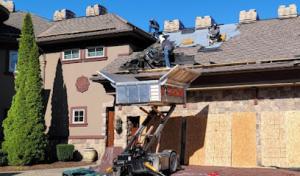
Getting a roof done in this area runs through Independence Township's building department rather than a standalone city code office. That means before you lift a shingle, you should expect a formal review process, not a casual approval. A full re-roof typically requires a building permit, and the project will move through the local building department with inspections along the way. The process is designed to verify that the new roof system is anchored to the home properly, that underlayment and flashing are installed to expected standards, and that any structural considerations are adequately addressed for the date of installation.
If you are replacing the entire roof with any major material, plan for a permit and for the inspections tied to it. Inspections occur at key milestones: once underlayment is down or rough-in is installed, and again at final completion. These checks are not cosmetic; they are the opportunity for the inspector to confirm that the roof decking, fasteners, and attachment methods meet code expectations given the local climate conditions-snow loads, ice dams potential, and wind-driven events. Even if the project seems straightforward, the review helps prevent costly rework down the line and protects the structure against hidden failures.
Heavy roof systems-like tile or slate-may draw added scrutiny for structural capacity or wind-load considerations before approval. In this climate, where trees canopy much of the neighborhood and winter storms can drive significant loading and wind events, the township is vigilant about ensuring the framing and deck can handle the proposed system. If your home has an older or smaller structure, be prepared for questions about framing, rafter spacing, and potential reinforcement. The review may prompt you to bring in a structural assessment or to adjust fastener patterns and attachment details to satisfy the inspector.
Start by contacting the Independence Township building department early in the planning stage to confirm required forms, documentation, and any supplemental drawings for the proposed roof. Have your contractor provide a clear scope of work, including material specification, attachment methods, insulation and underlayment details, and an anticipated timeline. Expect follow-up requests if the plan triggers questions about wind loads or snow-related performance. Failing to secure the permit or skipping inspections can lead to stop-work orders or non-compliant work that complicates future repairs or resale. Keep records of all permit numbers, inspection dates, and correspondence for reference as the project progresses.
The Michigan insurance environment here treats wind and hail claims with seriousness, but there is no broad statewide insurer pullback reshaping the roofing market. In practice, a Clarkston home with a steep, tree-blocked roof faces a mix of covered events and wear from seasons. When a storm hits, your claim should focus on storm-driven damage that exceeds ordinary aging, not just cosmetic issues. The goal is to document what happened to the roof under the storm's force and how it affected vulnerable areas such as eaves, valleys, and chimney flashing.
Local claim success often depends on organized documentation because adjusters may compare storm-related damage against age-related wear on older suburban roofs. Start with a concise timeline of the event, then collect photos, videos, and notes showing the affected components. Keep dated images of shingles, flashing, gutters, and attic signs of moisture. Save contractor assessments and any written communications. A well-organized file makes it easier to demonstrate that specific damage aligns with the storm, not just the house's age or prior repairs.
Permit records, dated photos, and material specifications are especially useful when homeowners are replacing only part of a storm-damaged roofing system or disputing repair-versus-replacement scope. If a partial replacement is necessary, include product specs for the new material and a clear plan for integrating it with the existing roof. This helps avoid gaps where wind-driven leaks can sneak in, particularly on steep slopes with mature tree cover.
Share photos before any work begins, plus a written scope from the contractor that notes shingle type, flashing details, and underlayment. Keep a record of all communications and field questions from the insurer. When in doubt, request a second opinion from a local roofer who understands how Michigan winters and storms impact Clarkston homes.
The market is dominated by steep-slope residential roofs, yet many local homes include low-slope sections over additions, porches, or attached garages. These transitions don't shed water the same way as the main roof, and when snowmelt starts, water can back up where low-slope membranes meet shingle rooflines, walls, or chimney areas. This isn't just a minor nuisance-water can work its way into eaves, sagging joints, and interior walls if the details aren't right.
During thaw cycles, a low-slope addition can act like a catching basin. Ice dams may form at the interface where the flat or gently sloped roof meets a taller shingle section, pushing meltwater toward fasteners, flashing, and the interior edge of the membrane. If a garage or porch roof isn't properly integrated with proper drainage and drainage paths, you'll see staining, dampness along interior ceilings, and occasional damp spots that don't track with a single heavy rain. In these homes, the wall and chimney details become frequent trouble spots because water can back up against penetrations and sealants that aren't designed for repeated freeze-thaw cycles.
Look for intentional transitions where the low-slope corner meets the shingles with continuous drainage planes and compatible flashing. Ask contractors to demonstrate how meltwater will travel off the low-slope face without backing up into the main roof's edge. Focus on robust edge detailing at walls and chimneys, with redundant flashing and sealed joints that tolerate winter contraction. When a contractor notes flat-roof specialization, treat it as a useful skill set, but verify it with a plan that treats the addition and garage sections as a connected system, not as an afterthought. Regular inspections after heavy snows or thaw events help catch trouble before interior damage begins.
Find specialists in TPO, EPDM, and built-up flat roofing systems for residential and commercial properties.
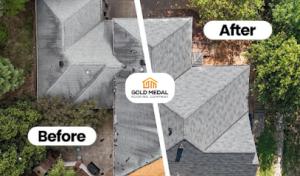
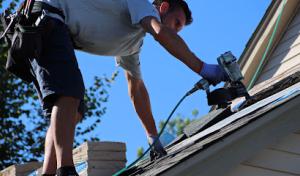
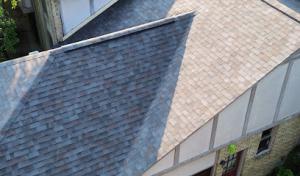
Snow loads, ice dam risks, and wind-driven leaks converge on steep-sloped roofs here, especially after heavy storms. Homeowners screen for contractors who can answer promptly, mitigate leaks quickly, and manage debris cleanup in wooded lots where branches and needles clog gutters and valleys. Look for clear communication about on-site protection, tarping, and immediate containment steps to keep attic spaces dry while the rest of the work is scheduled.
The local contractor base features many long-established, family-owned firms. That pattern often translates to steady accountability, familiar crews, and a shared understanding of common Clarkston conditions-like how a mature tree canopy can drop frequent debris on roof edges and how sudden temperature swings affect shingle performance. When screening, value proven track records in this market, not flashy novelty services. Request testimonials tied to real storm events and local homes that faced ice dam challenges.
Residential re-roofing clearly dominates this market, so expect most reputable firms to excel at replacement work rather than bespoke new-build systems. Homeowners should prioritize crews who can assess existing deck integrity, ventilation, and insulation as part of a reroof plan. A sound replacement approach accounts for snow load paths, ensures proper ice-dam protection, and integrates underlayment and drip-edge strategies that suit Clarkston winters.
Wooded properties demand attention to debris control during and after the job. Screen for contractors who plan for ladder access, gutter protection, and post-work site cleanup that leaves no stray branches or shingle granules on driveways or lawns. Ask how crews protect landscaping and rainwater drainage during installation, and confirm cleanup timelines align with impending weather windows.
Finally, prioritize contractors who demonstrate a practical understanding of snow load implications and ice dam prevention in binding detailing, attic ventilation, and heat-barrier considerations. A tested plan for winter readiness helps ensure a roof that resists leaks when the next storm hits.