Last updated: Apr 19, 2026
Lake Orion roofs are exposed to cold winters with snow and repeated freeze-thaw cycling that can open shingle seals, stress flashing, and worsen small leaks. The seals on asphalt, synthetic, and metal panels tighten and loosen as temperatures swing above and below freezing, which means tiny gaps get amplified after every storm. When snow sits on the roof or in gutters, water can back up and find unseen pathways for entry. By mid-winter, a minor roof wrinkle or nail pop can turn into damp attic spots or a discolored ceiling before anyone notices it from the living space below. The practical signal to act is sharp: if you notice irregular ice dams, frosting along the eaves, or damp patches after a thaw, you're already seeing the quiet crack in the system. Do not wait for a visible drip to show up in the attic; the next freeze-thaw cycle will only intensify the damage.
Spring and summer hail storms and heavy rainfall in Southeast Michigan are a major local trigger for roof damage inspections and replacement scheduling changes. Hail leaves pocked shingles, dented metal, and bent flashings that may not fail immediately but erode protective layers over time. After a severe storm, a thorough roof inspection should be scheduled within days, not weeks, to identify lifted granules, compromised seals, or scuffed flashing that could allow moisture to migrate into the attic. In the heat of summer, elevated sun exposure on cracked seals accelerates wear, so any blistering or curling of shingles warrants prompt attention. Thunderstorm winds can lift edges or loosen ridge caps, creating narrow racetracks for water to track along if left unchecked. The rule here is simple: a storm aftermath is not the time to rely on a casual glance. A trained eye should confirm there are no hidden penetrations or vent stack leaks that could threaten insulation and interior walls.
Fall wind events combined with leaf debris matter in Lake Orion because clogged valleys and ventilation pathways can turn minor weather damage into attic moisture problems before winter. Leaves accumulate in gutters and downspouts, forcing water to back up and seek the path of least resistance. Debris in roof valleys can trap moisture, which accelerates shingle deterioration and invites algae or moss growth in shaded spots. Ventilation pathways clogged by litter or insect nests prevent proper moisture exchange in the attic, increasing condensation and the risk of mold-particularly on older roofs with vent booting showing signs of aging. Before the first hard freeze settles in, a focused cleanup and inspection are essential. Pay attention to flashing joints around chimneys and dormers, where wind-driven rain can seep in if seals have been compromised. If damp or musty odors appear in the upper living areas after a windy, wet spell, treat it as a warning flag and arrange a rapid assessment.
Start with a targeted roof check after any storm, particularly following hail or heavy rain. Look for curled, chipped, or missing shingles, granule loss in gutters, and signs of moisture in attic insulation or along rafters. Inspect flashings at chimneys, vents, skylights, and valley seams for lifts or gaps. Clear clogged gutters and ensure downspouts direct water away from the foundation; blocked drainage magnifies attic moisture risks in winter. If any irregularities exist, contact a local roofing professional for a thorough inspection and a documented assessment. Get a written report that highlights current damage, suspected hidden issues, and recommended next steps, because in this climate, small problems escalate quickly once winter arrives. Schedule fall checks and spring inspections as part of a proactive maintenance plan to reduce the likelihood of emergency repairs when a storm surge hits. The sooner those warnings are verified and documented, the better the chance of preventing major interior damage once temperatures swing again.
In Lake Orion, asphalt shingles and metal are the workhorse choices you're likely to see on most homes. The local contractor market concentrates on these two because they balance durability, installation speed, and supply locally. Tile and slate remain far less common here, and when they do show up it's usually on larger, custom homes or for specific aesthetic or heritage reasons. If you're planning a reroof in this market, expect most bids to center around asphalt shingles and metal first, with tile or slate as a specialized option that commands higher pricing and scheduling considerations.
Asphalt shingles sit in a comfortable middle ground for Lake Orion projects. The typical per-square range is from about 350 to 600 USD, depending on shingle quality, underlayment, and the extent of any ventilation or flashing work required. Metal roofing runs higher, with bids commonly in the 600 to 1100 USD per square neighborhood. The gap reflects material durability, installation complexity, and the potential for stronger wind resistance in Michigan's storm seasons. If you're choosing clay or concrete tile, you'll see broader swings: tile can span 900 to 1800 USD per square for clay and 1000 to 1800 USD per square for concrete, while slate holds the top end at roughly 1500 to 3000 USD per square. Synthetic or composite shingles land around 320 to 640 USD per square, sitting between asphalt and the pricier options.
Lake Orion's seasonal pattern pushes many reroofs into late spring through early fall. That window aligns with better weather, but it also coincides with storm-driven demand after hail or high-wind events. When a hailstorm or wind event hits, reputable local crews can book quickly, and prices can spike due to tighter scheduling. If you experience a weather-driven rush, you may see bids that aren't far from the upper ends of the listed ranges, especially for projects that require careful debris management, insurance document handling, and expedited material delivery. If you're budgeting, plan for the peak season to tighten schedules and nudge installations toward the higher side of the per-square ranges.
Most Lake Orion homes feature steeper pitches compared to flatter averages elsewhere in the region, a factor that raises labor time and safety considerations. Steeper reroofs often push projects toward the upper end of the per-square ranges, particularly if additional work is required to meet code-focused ventilation and flashing corrections during replacement. A common scenario is upgrading attic ventilation, addressing ridge and eave flashing, and ensuring proper boot sealing around vent stacks. These steps, while adding some cost, are prudent in a climate marked by freeze-thaw cycles and seasonal temperature swings, helping prevent premature shingle lift or moisture ingress.
When you start collecting bids, frame discussions around the two most active options-asphalt shingles and metal-while keeping a contingency for spikes during late spring to early fall. If your home has a notably steeper roofline or you anticipate needing enhanced ventilation and flashing corrections, discuss those specifics up front and ask how each contractor allocates that work within the per-square pricing. For tile or slate, expect longer lead times and higher complexity; confirm installation sequencing, substrate condition, and rock-solid underlayment requirements before committing. A clear, locally informed plan helps you compare apples to apples as Lake Orion weather stays true to its seasonal pattern.
Storm Guard Roofing of Metro Detroit North
(248) 712-3097 www.stormguardrc.com
180 Engelwood Dr # J, Lake Orion, Michigan
4.9 from 66 reviews
Storm Guard of Metro Detroit North specializes in roof replacement and repair for homes, churches, and office buildings. As a fully licensed, insured, and locally owned business, we stand behind our work with a five-year labor warranty. Our mission is to restore properties after storm damage while providing peace of mind. We handle everything from inspections to working with insurance companies, ensuring a stress-free process. The Storm Guard “Way” means delivering top-quality craftsmanship, using premium materials, and putting clients first. Whether you need repairs or a full replacement, we’re here to help. Call today for a free inspection and protect your property with confidence!
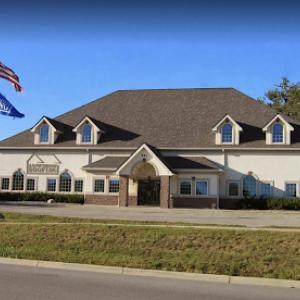
Lake Orion Roofing
(248) 393-0055 www.lakeorionroofing.com
881 Brown Rd, Lake Orion, Michigan
4.8 from 254 reviews
Over 37 years in business providing high quality roof installations backed up by thousands of customer references. We've always valued honesty & integrity to insure our customers are completely satisfied. Top Rated & Reviewed when it comes to installing your roof system. We're focused on details & have the experience! Fully Licensed & Insured with Financing available.
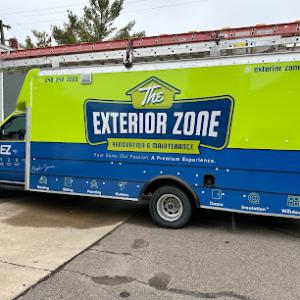
The Exterior Zone
180 Engelwood Dr # E, Lake Orion, Michigan
5.0 from 17 reviews
From day one, we envisioned ‘The Exterior Zone’ as a family of individuals with a passion for excellence, providing our clients with one turn key solution for all of their Exterior Renovation Projects. With the expertise to eliminate complexity, do it right the first time, provide consistent communication, and the comfort of knowing your zone is protected by one; We strive to give our clients a Premium Experience. Today, our clients know they can trust our hard-earned reputation for excellence on any Roofing, Siding, Gutters, Door, Painting or Insulation project. Servicing Oakland, Lapeer, & Macomb with over 15 years of experience! Your Zone. Our Passion. A PREMIUM EXPERIENCE!
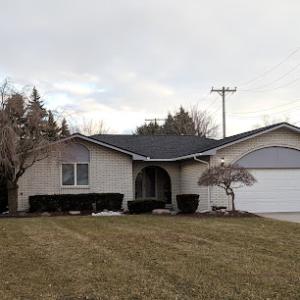
Dunrite Roofing & Siding
(248) 393-5000 dunriteroof.com
2563 Orbit Dr, Lake Orion, Michigan
4.3 from 28 reviews
Dunrite Roofing has been working hard for three generations to provide you our ultimate goal: 100% customer satisfaction. Locally owned and operated for 25+ years, contact us today for a free estimate and see why so many of your neighbors and friends refer Dunrite.
Starrs Roofing
(248) 693-2000 starrsroofing.com
499 N Axford St, Lake Orion, Michigan
4.5 from 20 reviews
With over 50 years of combined experience, Mike Starrs and Mike Murphy branched out on their own with the opportunity to service their own communities on their terms with a focus on integrity, excellence, and fair value in mind. "If a job is worth doing, it's worth doing right."
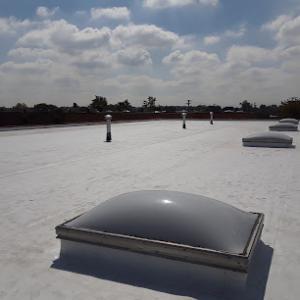
OTC Roofing & Sheet Metal
(248) 884-7688 www.otcroofing.com
220 Engelwood Dr Unit A, Lake Orion, Michigan
5.0 from 6 reviews
OTC Roofing and Sheet Metal is a commercial and industrial roofing company specializing in single-ply membrane and standing seam metal roof installations and repairs. Roof services are provided throughout the states of Michigan and South Carolina. With decades of experience and a dedicated staff at hand, we assure to fulfill and exceed all your roofing needs. Now providing 24/7 emergency roof assistance
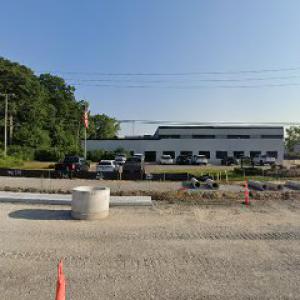
Royal Roofing
(248) 276-7663 www.royal-roofing.com
2445 Brown Rd, Lake Orion, Michigan
2.7 from 36 reviews
Royal Roofing Company is a commercial and industrial roofing contractor serving clients nationwide. Our services include Commercial & Industrial Roofing, Sheet Metal, Wall Panels, Green Roofs, ROOFGARD Inspection and Maintenance, and Restoration. Royal Roofing has been in business since 1951 and has experience with all of the top-quality commercial roofing systems available in today's marketplace, from all of the major manufacturers.

Roof Maxx of Southeast Michigan
Serving
4.6 from 218 reviews
At Roof Maxx in Rochester Hills, MI, we extend the life of your asphalt roof by up to 15 years with our innovative, all-natural soy fusion technology. Founded by roofing experts Mike and Todd Feazel, we offer an affordable, sustainable alternative to roof replacement. Our treatments restore your shingles’ flexibility and durability, saving you money and reducing landfill waste. Enjoy peace of mind with our five-year transferable warranty and commitment to protecting both your roof and the environment. Contact us today for a free, no-obligation estimate and see how Roof Maxx can rejuvenate your roof!
SureGuard Roofing & Maintenance
(248) 364-4444 www.sureguardroofing.com
94 S Washington St, Lake Orion, Michigan
5.0 from 1 review
For over 30 years, SureGuard Roofing and Maintenance has been providing customers with roofing replacement and repair in Oakland, Macomb, South Lapeer, and West Genesee counties. Our family owned company was founded on the principle of providing the highest possible standard of customer service and workmanship. We tailor our solutions to fit the needs of each of our clients. Our founder, Tony Saferian, started SureGuard Roofing and Maintenance focused on the customer first and foremost. Tony recognized that so many companies in the area were only interested in one thing: money. There was a need in our service area for a company of integrity, trust, and dependability who would treat residential and commercial clients with the utmost respect
Bennett Remodeling
(248) 212-3456 www.bennettremodeling.com
Serving
5.0 from 30 reviews
Bennett Remodeling is a locally owned exterior remodeling company specializing in roofing, siding, and gutters. We proudly serve homeowners across Oakland County, Lapeer County, Macomb County, and Genesee County, Michigan. You work directly with the owner from start to finish for honest recommendations, clear communication, and quality workmanship. No stock photos, no fake reviews, and no high-pressure sales tactics—just real results from a contractor you can trust. Call today to schedule your free estimate or request a same-day no-contact quote through our website.
Paramount Roofing
(586) 690-0227 paramountbuildinginc.com
Serving
4.9 from 210 reviews
Paramount Roofing is dedicated to delivering outstanding quality at competitive prices. Our goal is to create long-term value by building trusting relationships with our customers. Our roofing specialists are certified to attend to any siding, insulation, gutter or roofing repair you need. With a focus on personal service and a commitment to integrity, our team is the best choice for any project you have.

Roofing Army
(248) 326-2020 roofingarmy.com
Serving
5.0 from 140 reviews
Roofing Army provides expert asphalt and metal shingle roofing services in Oakland and Macomb counties, MI. From free inspections to durable installations with premium shingles, we deliver reliable, long-lasting results. Backed by labor warranties and a trusted team, we ensure your home is battle-ready.
Orion Township requires a building permit for most roof replacements, and the process is not treated as a no-paperwork job. The local approach centers on documenting the project details and the contractor's credentials before any work begins. This means the homeowner should verify licensing, insurance, and the contractor's ability to meet township standards ahead of the start date. Because the permit hinges on accurate information, gather your project scope, including roof size, shingle type, and a brief description of technique, so the permit review can proceed without delay. Expect a clearer path when the contractor you hire is prepared with this documentation.
Before work starts, you or your contractor must submit the project particulars and contact information to the Orion Township building office. The submission should include the address, type of roofing material, and a basic plan showing access points and anticipated staging for the job. The township looks for a licensed contractor with current registrations and proof of insurance. If the contractor's documentation is incomplete or outdated, delays can occur and the project may not move forward until the paperwork is rectified. Keep a shared folder with your permit package so you can reference approvals, inspections, and any requested amendments throughout the project.
Inspections in this jurisdiction are commonly tied to installation milestones. Typical checkpoints include underlayment installation, flashing details around valleys and penetrations, and roof ventilation or soffit vents. Plan to have access for the inspector at the specified milestones; missed windows can stall progress and complicate permit compliance. Coordinate with the contractor to set aside blocks of time for inspections and to ensure that interior access or attic space is ready if needed for vent and attic air-flow reviews. If an issue is noted during an inspection, address it promptly so the project does not drift off the approved timeline.
Stay proactive by compiling all requested documents in a single package and keeping them up to date. If a change to the scope occurs after permit approval-such as shifting from asphalt shingles to metal-the change may require a permit amendment or a new review. Communicate any changes to the township early and obtain written confirmation of approvals from the inspector or building official. When coordinating with the contractor, confirm who will accompany you to inspections, what access is needed, and how long each inspection is expected to take. This locally grounded process helps ensure the roof replacement progresses safely, compliantly, and with minimal surprises during the Lake Orion-style winter and storm cycles.
The Southeast Michigan storm pattern brings hail and wind events that reliably spike roofing claim activity in this area. That means homeowners frequently encounter more than a single shingle peel-back after a heavy gust or hail shower. The local market treats these seasons as predictable cycles, with insurers recognizing the seasonality and the repeat nature of damage from storms that sweep across Orion Township. In practical terms, that translates to a higher likelihood of claim scrutiny and a stronger emphasis on documenting the full decline of a roof system, not just the obvious surface impacts.
Michigan carriers serving this area tend to want a complete picture up front. Photo sets should cover the entire roof surface, valleys, chimney flashing, and any adjoining flashing details. A roof condition report from a licensed contractor helps establish the baseline, especially when winter freeze-thaw cycles have hidden wear. Contractor estimates should reflect both replacement and repair needs, including attic and ventilation considerations, so the claim can be evaluated as a whole rather than a surface-only diagnosis. In practice, a thorough, organized submission can streamline the adjustment process and reduce back-and-forth delays that often come with storm-related claims.
Code-compliant ventilation and attic details can become part of the claim and the replacement discussion locally, so documentation should cover more than just visible shingle impact marks. Measures such as attic air sealing, intake and exhaust vent placement, and insulation condition often influence both the claim outcome and the long-term performance of the new roof. Photos should include attic spaces and any signs of moisture intrusion, condensation, or ventilation gaps. For homeowners, having a clear, dated record of diagnostic findings from both the roof and the attic helps protect against later dispute and supports a more accurate replacement plan.
Connect with contractors who help homeowners navigate the claims process from damage assessment to final approval.

Storm Guard Roofing of Metro Detroit North
(248) 712-3097 www.stormguardrc.com
180 Engelwood Dr # J, Lake Orion, Michigan
4.9 from 66 reviews
Lake Orion Roofing
(248) 393-0055 www.lakeorionroofing.com
881 Brown Rd, Lake Orion, Michigan
4.8 from 254 reviews
Dunrite Roofing & Siding
(248) 393-5000 dunriteroof.com
2563 Orbit Dr, Lake Orion, Michigan
4.3 from 28 reviews
Asphalt shingles fit the Lake Orion market because they align with the strongest local contractor specialization and the city's freeze-thaw and hail-driven replacement cycle. Homeowners often see rapid service response from crews who know how to address ice dam risks, venting issues, and storm-related impacts with these familiar panels. The common pattern here is straightforward installation, solid warranty support, and a broad installer network that keeps repairs timely after heavy snows or hail events. If you want a durable, predictable option that local crews consistently handle well, asphalt shingles remain a reliable foundation for a home in this climate. The practical choice is to match shingle granule performance with underlayment and attic ventilation that mitigate moisture buildup during warming spells followed by late-season freezes.
Metal roofing is a meaningful local option in Lake Orion, especially for homeowners prioritizing snow shedding and durability through repeated winter weather swings. The bright advantage is quicker snow release, which reduces ice dam potential and minimizes the risk of weight-bearing snow buildup on steep or long roof runs. Metal can stand up to hail more consistently than many traditional shingles, a benefit when seasonal storms roll through Orion Township with gusty winds and hail claims. A careful metal selection focuses on galvalized or coated aluminum options for coastal-like exposure inland, plus standing-seam designs that shrink maintenance cycles. For residents tracking winter cycles, metal commonly pairs with robust snow guards, proper insulation, and precise flashing in transitions around chimneys and vents. The result is a roof that maintains its integrity longer in the face of repeated freeze-thaw pressure.
Clay tile, concrete tile, and slate appear in the material mix for this city, but they are not strongly reflected in local specialty demand, suggesting homeowners may face a narrower pool of installers and repair specialists. If such materials are pursued, expect a smaller local pool of craftsmen with specific experience in high-load tiles and careful roof-to-wall detailing. The trade-off is you may encounter longer lead times for installation, higher risk of brittle failure in extreme cold snaps, and a steeper learning curve for on-site repairs after hail. In this climate, these materials can offer striking curb appeal and long service life when paired with meticulous attic ventilation and precise roof deck support. If you choose one of these options, you'll want to verify the installer's track record with freeze-thaw cycles and ensure they have ready access to compatible underlayment and fasteners designed for Michigan winters.
The most popular roofing material in the US. Find pros who install, repair, and replace asphalt shingles.
Storm Guard Roofing of Metro Detroit North
(248) 712-3097 www.stormguardrc.com
180 Engelwood Dr # J, Lake Orion, Michigan
4.9 from 66 reviews
Dunrite Roofing & Siding
(248) 393-5000 dunriteroof.com
2563 Orbit Dr, Lake Orion, Michigan
4.3 from 28 reviews

Skylight work is a meaningful specialty in this local market, and leak tracing around roof penetrations is a recurring homeowner concern. Small gaps at skylight curbs often widen after a few freeze-thaw cycles, even when the surrounding shingles look sound. Start with a careful exterior check during a dry day: look for whitening caulk lines, loose flashing, or misaligned curb tiles. On the interior, follow any damp marks up to the ceiling or toward the ceiling deck, not just directly under the skylight. If condensation is persistent, the culprit may be a marginal seal around the curb or a compromised flashing bend. In practice, a patient tracing process, moving from the skylight outward to the adjacent shingles, reveals whether the path of water is seeping down the interior wall or traveling along the curb itself.
Chimney-related work shows up strongly in the local contractor landscape, which fits older Southeast Michigan homes where flashing transitions often become leak points after winter movement. Inspect the chimney crown for cracks and the step flashing where it meets the roof deck. Freeze-thaw cycles can pry up or fracture flashing over time, creating a persistent drip that travels along the chimney chase and into the attic. Pay attention to the interface where chimney flashing meets the shingles: splayed or lifted metal, corroded nails, or deck movement during heavy snows signal a needed reflash or sealing.
In Lake Orion, freeze-thaw cycling can widen small gaps at skylight curbs, chimney flashing, and other penetrations long before broad field-shingle failure is obvious. This means early diagnostic checks after winter or heavy freeze periods are prudent. Track moisture trails from the attic toward the penetrations, and document any seasonal changes to nails, flashing, or sealant. A methodical, stepwise inspection reduces mystery and targets the real leak source quickly.
If tracing reveals multiple penetrations or movement in flashing, or if interior staining persists after resealing, schedule a pro audit. A local roofer with skylight and chimney specialty will confirm whether flashing needs resealing, flashing replacement, or crown repair, and can coordinate a targeted fix that minimizes disruption to the surrounding roof area.
Find contractors experienced in skylight installation, flashing, and leak repairs to bring natural light into your home.
Dunrite Roofing & Siding
(248) 393-5000 dunriteroof.com
2563 Orbit Dr, Lake Orion, Michigan
4.3 from 28 reviews
Starrs Roofing
(248) 693-2000 starrsroofing.com
499 N Axford St, Lake Orion, Michigan
4.5 from 20 reviews
In this market, speed and cleanup often weigh as heavily as price. After a storm, you'll notice crews sweeping through neighborhoods with trucks and tarps, but you want a crew that sticks around to finish the job properly and tidy the site. Rushing can leave loose fasteners, exposed edges, or debris that invites secondary damage when the next freeze-thaw cycle hits. Look for contractors who clearly outline a realistic schedule, protect landscaping, and commit to a thorough final walkthrough before leaving.
The long-established, family-owned firms that populate Lake Orion typically earned their place by steady reliability, fair communication, and practical repairs that stand up to our winters. You'll find fewer specialty "luxury" pitches here, and more focused crews who know the common roof types you see in Orion Township houses-from mid-century shoulders to newer caps. A solid local reference chain matters, because neighbors passing through storms expect a known response pattern: prompt assessment, transparent next steps, and a crew that doesn't vanish after the first rain.
Because storm claims often require documentation, hire a firm that can manage the paperwork without you chasing receipts. A dependable roofer should provide clear written scope, weather-safe staging notes, and a concise ledger of what was done, when, and with what materials. In a township where verification can impact approvals and timelines, this capability matters more than a flashy pitch. Choosing a contractor who handles the administrative load alongside installation keeps your project on track and reduces surprises after the first winter thaw.
Get a clear picture of your project costs upfront - no commitment required.
Dunrite Roofing & Siding
(248) 393-5000 dunriteroof.com
2563 Orbit Dr, Lake Orion, Michigan
4.3 from 28 reviews