
Last updated: Apr 19, 2026
Grand Blanc's cold winters and repeated freeze-thaw cycles mean ice damming and shingle edge damage are a primary local roofing concern. As meltwater refreezes along the eaves, gutters, and flashing, you can wake up to crunchy overhangs, lifted shingles, and patches where the adhesive layer strains under weight. The edge of the roof takes the brunt, and once that vulnerable strip starts to fail, underlayment and deck board exposure follow. When you're facing stubborn icicles and damp spots near the soffits, the problem isn't just cosmetic-water can travel inward, seeking the path of least resistance through attic vents and rafter bays.
Snow load, refreezing meltwater, and seasonal temperature swings in the Grand Blanc area often turn small flashing or ventilation issues into interior leak complaints by late winter. A loose boot, cracked step flashing at a chimney, or a marginal ridge vent can transform a routine snow year into a weather-driven emergency. If you notice damp spots on ceilings after a warm day followed by a deep freeze, inspect attic insulation and ventilation balance-blocked or inadequate intake and exhaust create condensation that accelerates deck deterioration. Do not overlook the perimeter edge details where flashing meets the shingles; those joints are the first lines of defense against water intrusion.
Replacement planning in Grand Blanc is commonly pushed toward late spring through fall because winter conditions interfere with tear-off, sealing, and inspection scheduling. When ice, snow, and freezing temperatures lock up the roof, crews lose reliable working conditions for removing old material and installing proper underlayment and ventilation. Your roof is more vulnerable during a cold spell when decks are slick and synthetic underlayment can become stiff. Waiting too long to address damaged flashing or edge failures increases the likelihood of interior leaks, attic mold growth, and accelerated deck rot that complicates a future replacement.
Spring storms bring heavy winds and rapid temperature swings that test weakened seams and vent penetrations. If a storm rips shingles loose, reveals exposed decking, or sends a cascade of granules into gutters, treat it as a priority repair window. In Grand Blanc, those events aren't rare; they're expected. A rapid response to exposed decking or torn flashing reduces the risk of interior water intrusion during the freeze-thaw cycle that follows the storm. If you see new stains, develop a plan to stabilize the roof quickly, then schedule a thorough inspection to determine whether a full or partial replacement is warranted.
Spring storms and hail are a recurring trigger for roof inspections and insurance-backed repair discussions. After a heavy squall or hail event, signs may appear on the surface quickly-dents, granule loss, or shingle curling-but damage can hide in the underlayment and decking until a thaw or a wind gust exposes it. Winter's freeze-thaw cycles leave roofing edges more fragile, so a stormy spring doesn't just add new wear; it can aggravate existing vulnerabilities. When every storm hits, the risk of a small issue turning into a costly repair increases, especially for aging roofs that already show wear from several seasons. The key is to initiate a timely, professional assessment the moment weather events are fresh in memory and records are needed for insurance review.
Michigan insurers serving Grand Blanc typically require photo documentation, adjuster review, and evidence separating new storm damage from older wear or prior patching. Photos should be clear, dated, and cover from multiple angles: the entire roof, evidence of hail impact, flashing, vents, and any exterior damage that could be tied to the same event. It helps to capture close-ups of damaged shingles or granule loss alongside your overall roof line. Prepare a short timeline of the events and any prior patches or repairs that could confuse the claim. An adjuster will compare these images with your claim notes and with the roof's documented age and prior conditions. The goal is to establish a clear link between the latest storm and the observed damage, not preexisting conditions masquerading as new issues.
Because Grand Blanc sees both winter damage and spring storm events, homeowners often need a professional assessment that distinguishes hail strikes, wind lift, and long-term aging on the same roof. A thorough evaluation should identify hail impact patterns (dimpled or bruised surfaces), wind uplift signs (shingles lifted at corners or edges with torn underlayment), and aging indicators (granule loss, curling, and compromised flashing). A trained roofer will note whether damage could reasonably be tied to a specific storm or if it aligns with wear from years of sun exposure and temperature cycling. This distinction matters for coverage decisions and your ability to move from repair to replacement if needed.
Act quickly after a storm, but with a plan. Immediate photo documentation, scheduling a licensed inspection, and compiling a brief damage narrative can streamline the claims process. If a claim is filed, coordinate with the insurer to avoid delays caused by questions of concealment or patchwork that could blur damage origin. If the assessment reveals a mix of hail, wind, and aging, present a unified plan that addresses the most critical weak points first-typically the roof's edge, valleys, and any compromised decking-while keeping in mind the potential for a broader replacement if warranted by condition and future storm risk.
Request a same-season professional roof assessment after a significant spring storm or hail event. Ensure the inspector provides a written report detailing damage types, locations, and a suggested path forward. Prepare the photo package with dated images and a concise damage timeline. When meeting with the insurer, present the professional assessment to define whether repairs address new storm damage or long-standing wear, and outline a clear mitigation plan for minimizing future risk and ensuring your roof's integrity through the next freeze-thaw cycle. Keep a steady record of communication, estimates, and any subsequent observations from independent audits to support the claim and the repair or replacement decision.
Connect with contractors who help homeowners navigate the claims process from damage assessment to final approval.
Elite Roofing Group
(888) 734-9766 eliteroofinggroup.com
2467 E Hill Rd STE B, Grand Blanc, Michigan
4.2 from 48 reviews
By The Square
(248) 881-5408 bythesquare.net
Grand Blanc, Michigan
5.0 from 46 reviews
""By The Square Roofing specializes in commercial and industrial roofing. We focus on solving roofing challenges with expert knowledge and installation experience. From flat roof repairs to full replacements, we offer reliable solutions tailored to your b
Homezone Windows & Roofing
(810) 344-9500 www.gethomezone.com
8127 Industrial Park Dr, Grand Blanc, Michigan
4.5 from 588 reviews
With almost two decades of roofing experience, 10,000+ Michigan Happy Homeowners, and a BBB Accredited A+ rating, Homezone Windows and Roofing is the premier roofing and window company in Michigan. Established in 2009, and with a team of the industry's leading contractors with decades of experience, we're dedicated to delivering unparalleled service to all Michigan homeowners. We provide the highest quality residential roof repairs and replacements, window replacement, and patio door replacement services. From our free 360 degree Roof Inspection to our warranties (that actually mean what they say), we won't just protect your home, but protect you and your family for years to come.
Lockhart Roofing
(877) 766-3033 lockhartroofing.com
2290 E Hill Rd STE 102, Grand Blanc, Michigan
5.0 from 19 reviews
Lockhart Roofing is a family owned and operated residential and commercial roofing company that has been servicing Grand Blanc and the Mid Michigan areas since 1982. We also offer seamless aluminum gutters and commercial gutters.
Rainwaters Roofing
(810) 447-5638 rainwatersroofing.com
5279 E Maple Ave, Grand Blanc, Michigan
4.9 from 22 reviews
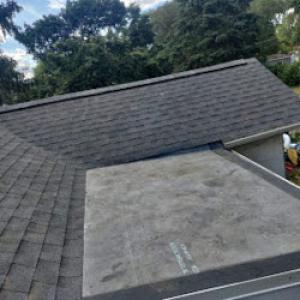
Rainwaters Roofing, LLC is a reputable roofing company known for its high-quality services and customer satisfaction. With years of experience in the industry, they specialize in residential and commercial roofing solutions. Their services include roof installation, repair, replacement, and maintenance. Rainwaters Roofing prides itself on using top-notch materials and employing skilled professionals to ensure durable and reliable results. They prioritize customer communication and strive to exceed expectations on every project. Additionally, the company is known for its commitment to safety and adherence to industry standards. Overall, Rainwaters Roofing, LLC is a trusted choice for anyone in need of roofing services.
Elite Roofing Group
(888) 734-9766 eliteroofinggroup.com
2467 E Hill Rd STE B, Grand Blanc, Michigan
4.2 from 48 reviews
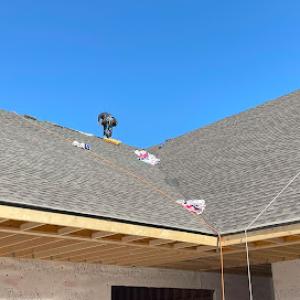
Elite Roofing Group is the leading roofing company in Grand Blanc, MI, and the surrounding area. We proudly offer roof replacements, gutter guards, and siding services in Grand Blanc, MI! Contact us for all your roof repair needs. Elite Roofing Group promises to provide an individually designed, professionally installed roofing system. We take pride in each roofing project, from privately owned homes to industrial complexes, and guarantee our customers satisfaction. Our team has years of experience with roofing services and a reputation for quality. Elite Roofing Group has expanded nationwide and serves clients in Grand Blanc, MI. Get your roofing project started with Elite Roofing Group with a free roofing service estimate today!
Good's Roofing
(810) 653-7663 goodsroofing.com
Serving
4.7 from 421 reviews
Over the time we’ve been in business, we have earned a reputation as not just a company, but also a team of people, that you can trust. We pride ourselves on our technical expertise as well as our promise to treat each home as it if were our own. And this is precisely why our clients continue to use us time and time again. All of our technicians are fully trained and certified to carry out work needed, and we emphasize continual education for all of our staff to make sure our solutions remain cutting-edge. If you’re looking for help with your roofing needs, you’ve come to the right place!
Barrett Roofing
(248) 245-5602 barrettroofing.net
Serving
4.9 from 61 reviews
Specializing in storm damage, we will guide you through the claim process, advocate on your behalf with your insurance company, replace your roof using exceptional materials and stand behind our work. As a family owned business, we take pride in our workmanship, our employees and provide exceptional customer service. We are your trusted residential roof professionals providing services to Michigan and all surrounding areas including Oakland, Genesee, Livingston, Lapeer, Saginaw and Washtenaw Counties.
Andy's Roofing
(810) 762-5958 www.andysroofinginc.com
Serving
4.5 from 119 reviews
Andy's Roofing has been installing roofs in South East Michigan for over 30 years. We are a Michigan based Company & Fully Licensed & Insured. Residential & Commercial roofs- For your homes roof we install shingle, metal or flat roofs. We are a Certainteed Gold Star contractor with over 300 options to choose from. Our commercial roof division installs & repairs commercial roofs. We use Versico Certified Commercial Flat-roof systems. White Rubber, TPO, PVC, EPDM and Spray Foam Systems. Serving Flint, Burton, Grand Blanc, Davison, Flushing, Mount Morris, Goodrich, Fenton, Hartland, Holly & Ortonville For a Free Estimate-Call a professional licensed Michigan roofing company. Call Andy's Roofing. Andys Roofing ...The Proof is in the Roof.
Statewide Construction & Roofing
(248) 640-0695 statewideconstructionandroofing.com
Serving
5.0 from 96 reviews
Since 1994, Statewide Construction has stood as a trusted name in both residential and commercial roofing services. Our unwavering commitment to excellence is evident in every project we undertake. We begin by replacing any compromised roof decking, laying a strong foundation for the work ahead. We then add or update the ice and water shield, followed by the introduction of new roofing underlayment, adding a secondary line of defense against leaks and safeguarding the decking from moisture. The installation of high-quality shingles is paramount to us, accompanied by essential additions like the drip edge, flashing, and contemporary roof venting systems. Each project culminates with a meticulous final inspection of the work and the site.
Maxim Commercial & Residential Roofing
(810) 768-7663 www.maximroofs.com
Serving
4.8 from 67 reviews
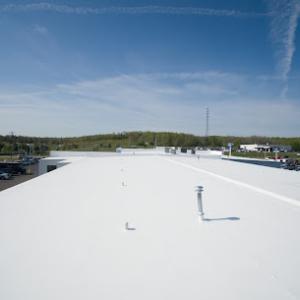
Call For Your Free Estimate For a Roofing Installation! At Maxim Commercial Roofs, we specialize in high-quality, long-lasting commercial roofing solutions across Oakland, Macomb, Wayne, Genesee, Livingston, Washtenaw, Monroe, Ingham, and Jackson Counties. As a Certified Platinum Contractor with Duro-Last, we take pride in delivering superior workmanship, energy-efficient systems, and industry-leading warranties to our clients-backed by a name trusted nationwide. Whether you manage a retail complex, industrial facility, warehouse, school, hospital, or government building, our experienced team is equipped to handle any size project with professionalism, precision, and integrity.
Pro Star Exteriors
(810) 223-7242 prostarexteriorsmi.com
Serving
4.6 from 34 reviews
Roofing Contractors serving Flint, Lansing, Ann Arbor, and Saginaw We proudly apply more than 15 years of experience with roof repair and window repair to all of our projects, allowing those in our community to fall in love with our results. For quality customer service and unparalleled results, turn to our roofing company. We are large enough to tackle any major project, yet small enough to work side-by-side with home and business owners to ensure they get exactly what they need. Get in touch with us today for a pricing estimate.
B.H.I Home Improvements
(810) 423-5813 www.bhiroofingpros.com
Serving
4.9 from 121 reviews
We are a local owned family home improvement company in the family business since our great grandfather started in the 1920’s . We specialize in roofing, windows, siding, seamless gutters, decks, bathrooms and kitchens. We are fully licensed and insured. We are very much qualified for being able to handle your next home improvement project from a small home repair to a complete remodel! We offer a free, no-obligation estimate! For all homeowners, we offer guaranteed financing!
In this area, asphalt shingles are the dominant practical choice because they fit the typical residential stock and there's broad local contractor availability. When a storm rolls through Genesee County, costs in Grand Blanc can rise quickly as re-roofing, emergency repairs, and insurance estimate work surge across the region. The local climate-hard freezes, heavy snows, and rapid thaw cycles-means the final bill often hinges on more than the visible roof surface. Ventilation fixes and decking replacement can become part of the scope once tear-off begins, changing the final cost picture.
Asphalt shingles are the common-sense default here, especially for homes built in the last few decades. The cost range you'll see locally is roughly 350 to 650 USD per square, depending on shingle type, warranty, and installation specifics. In calmer springs, that price holds steady, but after a heavy storm or a mid-winter freeze, crews may need to address additional decking or underlayment upgrades, which nudges the total higher. If the attic ventilation isn't ideal, a retrofit during tear-off helps prevent future ice dam risk and can influence labor time and material needs.
Metal roofing runs from about 700 to 1100 USD per square here, a price spread that reflects panel profile, coating, and installation complexity. In homes with multiple roof facets or poor framing conditions, the actual cost can climb as fast as the snow melts. Clay tile sits in a higher range, roughly 1100 to 1900 USD per square, and concrete tile from about 900 to 1600 USD per square; both are less common for many Grand Blanc neighborhoods due to weight, compatible deck reinforcement, and long-term maintenance under freeze-thaw cycles. Wood shingles and synthetic options offer similar ranges, but the localized concern remains: ice dam risk, ventilation adequacy, and possible decking replacement during tear-off can shift the scope and price.
When planning, start with a clear assessment of decking condition and underlayment needs, since those are frequently revisited after snow events and thaw cycles. If storm activity is anticipated or has just occurred, budget for a cushion above the base material cost to cover potential decking repairs and ventilation upgrades. For most homeowners in this area, choosing asphalt shingles keeps options flexible and lines up with the broadest installer pool, helping avoid delays that can compound costs after a storm. Keep in mind that the local rhythm-wet springs, icy winters, and occasional rapid weather swings-often dictates scheduling windows that influence labor rates and availability.
A full roof replacement in Grand Blanc typically requires a permit through the City of Grand Blanc building department. This process is designed to ensure decking, underlayment, and ventilation meet local standards before the project proceeds. Planning ahead helps avoid delays when the crew shows up with materials and the weather windows are favorable for a winter or spring project.
The permit process commonly includes an inspection after decking and underlayment are exposed or installed, followed by a final inspection at completion. Expect the inspector to verify that the roof deck is structurally sound, that the underlayment is properly installed, and that any retrofit or venting work complies with current code and climate-specific needs. In Grand Blanc, this often means confirming adequate attic ventilation and addressing any gaps that could contribute to ice dam risk during freeze-thaw cycles.
The city may require corrections tied to ventilation compliance or other discovered deficiencies before the roofing permit can be closed out. Common Grand Blanc concerns include ensuring soffit, ridge, and gable ventilation work together to maintain breathability in the attic space and to reduce condensation under the roofline. If the inspection flags missing or improper attic vents, or if decking moisture or nail patterns raise questions, plan for timely remediation so the permit can move toward final clearance.
To minimize disruption, coordinate with the contractor to align decking and underlayment exposure with the first required inspection window. Have readily accessible documentation, such as permit numbers, stamped drawings, and any manufacturer installation guides, so inspectors can verify that materials and techniques meet Grand Blanc standards. If ventilation components require adjustment, address these changes promptly to keep the project on track and avoid extending the permit timeline during seasonal freeze-thaw periods.
The freeze-thaw cycle and heavy winter snow in Genesee County shape the choice of roof in Grand Blanc. Ice dams and moisture intrusion are real risks when ventilation and underlayment aren't up to snuff, especially after rapid thaws. The dominant roofing materials in the area-asphalt shingles, metal roofing, clay tile, concrete tile, wood shingles or shakes, and synthetic or composite shingles-appear across many neighborhoods, from newer homes to older ranches. In this market, asphalt remains the most broadly serviceable option because local contractor specialization is strongest in shingles and re-roofing rather than niche premium systems. Heavier systems like clay and concrete tile are less common in the local contractor market, so homeowners considering them should account for narrower installer availability in and around Grand Blanc.
Asphalt shingles are the default in most Grand Blanc homes for a reason: they install quickly, perform well with proper underlayment and ventilation, and contractors typically have ready access to compatible underlayment, ice-and-water shield, and attic ventilation components. In freeze-thaw cycles, properly sealed shingles help minimize water infiltration, while good attic ventilation reduces condensation that can lead to mold growth and decking rot. If you want a balance of performance, cost efficiency, and serviceability with local crews, asphalt shingles stay a dependable choice for most two-story and ranch designs common in the area.
Metal roofs offer excellent resistance to ice dams and heavy snow buildup, and they shed snow more predictably, which can lessen frozen water backup. In Grand Blanc, metal is a solid option where homeowners want a longer service life or a modern aesthetic, but it requires careful detailing at the eaves, ridges, and penetrations to maintain effective ventilation and prevent ice dam formation. Local crews with metal installation experience can deliver rapid replacement if a winter storm creates damage.
Clay and concrete tile bring exceptional durability in dry conditions and a distinctive look, but they are heavier and require structural considerations and careful flashing details. Access to qualified installers around Grand Blanc is more limited for these systems, and adjustments to decking and strapping may be necessary. If considering tile, plan for a careful assessment of attic ventilation, underlayment choice, and compatible flashing to handle cold-season movement.
Wood shingles and shakes provide character but demand meticulous maintenance to resist moisture, warping, and mold in damp winters. They tend to need more frequent inspections for signs of splitting or cupping after freeze-thaw cycles. In Grand Blanc's climate, wood options perform best when paired with a robust ventilation strategy and high-quality underlayment to prevent moisture buildup.
Synthetic or composite shingles can offer enhanced durability and improved resistance to freeze-thaw stress while maintaining familiar installation practices. They align well with the local contractor network that already services asphalt, and they can provide extended lifespans with consistent performance in cold conditions. If a home already equipped with asphalt-compatible venting and underlayment is exploring an upgrade, synthetic options can be a practical, installer-friendly path.
Across all materials, the critical elements in Grand Blanc are proper decking condition, correct underlayment, and solid ventilation. Ensure attic ventilation is matched to the roof's design to minimize condensation and ice dam risk. When considering replacement after a storm or during seasonal upkeep, confirm that the chosen material and its installation details are compatible with the local climate realities and with available local crews who understand the area's cold-season demands.
Ventilation is a notable issue in Grand Blanc because the city's inspection process may flag ventilation compliance during roof replacement. If soffit vents, ridge vents, or attic baffles aren't paired correctly with your attic insulation, you can face delays or re-work once the deck is exposed. Ensure the underside of the roof line breathes properly and that venting paths aren't blocked by old insulation or knotty substructures. Small oversights become pressure points during the final walk-through.
Freeze-thaw conditions in Grand Blanc make decking condition especially important, since trapped moisture and repeated winter cycling can expose hidden substrate problems during tear-off. Beneath the shingles, inspect for soft spots, cupping, or delamination that only show up after the snow and ice recede. If decking is compromised, moisture can migrate into the attic and living spaces through perforations and seams, magnifying winter damage and complicating a clean replacement.
Common leak investigations in the local market often center on flashing transitions, chimney areas, and skylight penetrations after winter and spring weather stress. Pay close attention where roof planes meet walls, around brick or siding connections, and at vent stacks. After storms, a fast check for glassy or lifted flashing, cracked sealant, or mismatched shingle laps can prevent a small leak from becoming a costly interior issue.
When you walk the roof, look for powdery or dark staining near any transition point, loose or missing fasteners, and any granule loss along the eaves. A cautious mind at the first sign of moisture in the attic-especially after the thaw-can save you from creeping damage. Document suspect spots and plan a targeted assessment with a reputable local roofer who understands Grand Blanc's seasonal rhythms and the way ice dams form along common roof lines.
Find contractors experienced in skylight installation, flashing, and leak repairs to bring natural light into your home.
Elite Roofing Group
(888) 734-9766 eliteroofinggroup.com
2467 E Hill Rd STE B, Grand Blanc, Michigan
4.2 from 48 reviews
Statewide Construction & Roofing
(248) 640-0695 statewideconstructionandroofing.com
Serving
5.0 from 96 reviews
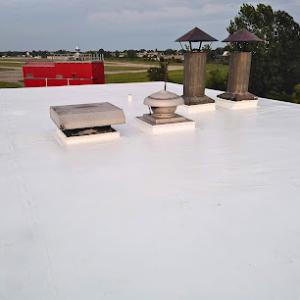
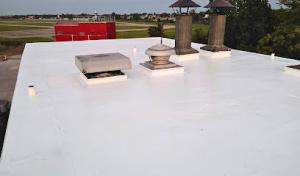
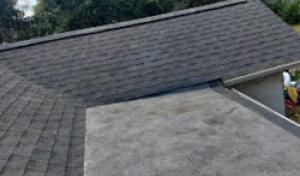
Flat and low-slope roofing is an active specialty in the Grand Blanc market even though the city is primarily known for residential pitched-roof replacements. Low-slope sections demand careful attention because their performance isn't as forgiving as steeper pitches when temperatures swing. In practice, these areas bear the brunt of freeze-thaw cycles, which can push water into seams, edges, and flashing if drainage isn't optimized.
On homes and accessory structures, low-slope sections are more vulnerable to standing water, snow retention, and drainage issues during freeze-thaw periods. That means that mucky debris and misdirected meltwater can linger longer, creating a steadier path for ice dam development along parapets and auras of flashing. Autumn leaf buildup and moisture in Grand Blanc can worsen drainage performance on low-slope roof areas before winter freeze conditions set in. The combination of wet leaves, early cold snaps, and heavier snows creates a challenging window where small imperfections become major problems.
Begin by inspecting the drainage plan for each low-slope area: ensure there are no sagging sections, and confirm that outlets and scuppers are clear of debris. Clear autumn leaves from adjacent eaves and edges to reduce moisture pooling as temperatures dip. Keep the perimeter flashing intact and look for signs of lifted seams or loose fasteners after strong autumn winds. If visible water ponds after light rain, prefer a professional assessment to determine if the system is truly draining or if a capillary path exists that could lead to ice buildup.
When fall moisture sits in the roof deck, the risk of water wicking into insulation rises during freeze-thaw transitions. Prioritize a targeted inspection of low-slope zones before harsh winter conditions begin. Prioritize prompt resealing of compromised seams or flashing and address any drainage bottlenecks now to minimize ice-dam pressure once temperatures drop. For accessory structures, treat low-slope areas with the same scrutiny given to main-roof sections to prevent cumulative water intrusion.
Find specialists in TPO, EPDM, and built-up flat roofing systems for residential and commercial properties.
Rainwaters Roofing
(810) 447-5638 rainwatersroofing.com
5279 E Maple Ave, Grand Blanc, Michigan
4.9 from 22 reviews
Late spring through fall is the preferred replacement window because weather tends to be more predictable for installation quality and city inspection coordination. Start planning as soon as the ground thaws and before the heavy heat of July drives working conditions up. A seasoned crew will target dry stretches of 3-5 days for the key climbs, nailing, and underlayment work, then allocate the remaining days for final detail work. In this climate, avoiding the deep freeze and heavy snows reduces the risk of shingle misalignment and ice-related complications during installation. If a sudden warm spell arrives in May or September, treat it as a bonus slot rather than a guarantee, and confirm crew availability for those windows.
Spring in Grand Blanc is intense on roof-related decisions. Winter damage becomes visible as the snow recedes, and hail discoveries can trigger a wave of insurance activity and assessments. Before scheduling replacement, walk the roof with a trusted contractor to identify decking issues, flashing failures, or ventilation gaps that winter exposure may have exposed. Expect a tighter lead time for inspections and material deliveries as insurers and adjusters coordinate, so aim to lock in a start date as soon as the contractor signs off on necessary repairs. If ice dam risks were observed during January and February, address ventilation and insulation improvements early to prevent repeat damage.
Autumn projects need tighter scheduling because falling leaves, moisture, and approaching freeze conditions can complicate drainage checks and final punch-list work. Begin two to four weeks before the first hard frost is expected to ensure leaf debris is cleared and gutters are prepared for a proper drainage test. Pay attention to attic ventilation and attic access for blower tests, since moisture buildup from late-season rains can mask underlayment issues. Build in a small buffer for weather delays and ensure the crew has a clear plan for temporary protection of exposed portions during overnight freezes. If a punch list is needed, keep it concise and prioritized to avoid lingering items that freeze or deteriorate as temperatures drop.