
Last updated: Apr 19, 2026
Brighton's cold winters with repeated freeze-thaw cycles create a perfect setup for ice damming. When the attic and roof deck aren't properly insulated and ventilated, heat rises to the roof and melts snow near the eaves. That meltwater refreezes at the overhang, backing up under shingles and into the decking, attic, and sometimes drywall inside the home. In this climate, ice dams aren't just a nuisance-they're a symptom of moisture cycling that, if left unchecked, can lead to rot, mold, and interior damage. The result is a slow, hidden failure that shows up as staining, warped decking, or shingles that look fine but fail once the next big freeze hits.
Spring thaw and rain in Brighton can expose hidden decking damage that was trapped under winter snow and ice. Pay attention to staining along soffits and ceilings in rooms near the roof line, followed by soft or spongy decking feeling from the attic side. Ice dams often leave a telltale ridge of dammed water at the eaves after a thaw, with shingles that appear buckled or cracked near those areas. If you notice ice buildup along the gutter line lasting into late spring, consider it a flashing and underlayment red flag. Early signs like warped plywood, peeling interior paint, or musty attic smells are clues that moisture has penetrated where it shouldn't.
Local final inspections emphasize underlayment and ventilation, which directly affect how well a new roof handles Brighton's winter moisture cycling. A roof isn't truly protected by shingles alone. A high-quality, properly installed underlayment acts as the first barrier against water intrusion when ice dams form. Paired with a balanced attic ventilation strategy-adequate soffit, ridge, or powered vents to keep roof temperatures close to the outside air-you reduce the bounce-back of heat into the roof deck. Without good ventilation, warm attic air accelerates snow melt, feeding larger dams and more extensive damage. For homes with vaulted ceilings or limited attic access, special attention to intake and exhaust flow becomes even more critical.
Start with an assessment of insulation in the attic. You want a continuous envelope with a clear line of defense from exterior cold to the interior living space. If insulation stops short of the roof deck or if there are gaps around vent stacks, you create heat pockets that promote melt near the eaves. Seal attic penetrations with proper sealant and baffles to ensure air follows the intended path from soffits to ridge vents. In areas where insulation is sparse, consider upgrading to reach a target R-value appropriate for Michigan winters. Look for a licensed contractor who emphasizes a comprehensive approach: improved underlayment, proper flashing behind any dormers or skylights, and a vented soffit system that truly breathes.
Winter is a test season-stubborn ice dams can reappear year after year if the system isn't fully addressed. After heavy snows, clear gutters and downspouts of ice and debris to prevent dam formation. If you have metal or tile roofing, inspect flashing around chimneys and roof penetrations for gaps or loose fasteners, since these areas are prime leakage points once ice begins to back up water. In spring, besides a typical roof inspection, request a careful assessment of decking trusses and plywood for signs of water infiltration and any delamination. A proactive homeowner keeps a close eye on attic moisture, ensures vapor barriers remain intact, and schedules a professional evaluation when staining, musty odors, or unexpected attic warmth appears during mild days.
Brighton homes sit in a climate that brings sharp freeze-thaw cycles and lake-effect snow, which can aggravate wind- and hail-related roof damage. After a severe storm, damage may be hidden under shingles or edges, and ice dams can hide completed roof failures until a thaw exposes leaks. Acting quickly reduces further interior damage and makes documentation more reliable when you file a claim. If you've just weathered a heavy wind or hail event, assume there could be unseen damage and inspect with a critical eye for lifted shingles, granule loss, dented metal, loose flashing, and compromised vent boots. Do not delay addressing obvious leaks or roof depressions, since snow and ice can intensify problems during the next cold snap.
In Michigan, hail and wind roof claims are common, making storm documentation especially relevant for Brighton homeowners after severe weather. Start with clear, date-stamped photos from multiple angles, both close-up and wide, showing any lifted tabs, cracking, or gaps around penetrations. Take a dated video walkaround to capture the overall condition and note areas that show water intrusion in the attic or ceilings. Keep a weather log for the storm window, including wind speeds if available and any hail reports from local stations. Create an annotated map of impacted areas on the roof and attic to streamline the claims review.
Insurers in this market typically expect before-and-after photos plus a licensed contractor assessment when reviewing Brighton-area roof claims. A professional evaluation helps verify the extent of damage and ties it to the recent storm rather than age-related wear. Arrange a prompt, licensed contractor inspection, and obtain a written assessment that documents the condition before and after the storm, including photos of damaged flashing, underlayment, and ice dam-related indicators. Keep all correspondence with the insurer centralized and organized, so when the adjuster arrives, you can present a cohesive case that reduces back-and-forth and accelerates the process.
Claim activity can affect premiums after significant hail events in Michigan even though broad insurer pullbacks are not typical. If a claim is filed, document every contact, note claims adjuster timelines, and track the progress of the settlement. Be prepared to provide a detailed scope of repairs and a timeline for completion to minimize the risk of temporary fix expectations becoming long-term gaps, especially as winter approaches. If you're offered a settlement, weigh the cost of immediate, proper repairs versus delaying for another storm, because lingering vulnerabilities can worsen ice dam risks and accelerate roof deck deterioration during freeze-thaw cycles.
Begin with a thorough roof and attic inspection after a storm, focusing on wind-related lift, hail impact, and ice dam indicators. Gather before-and-after photos and schedule a licensed contractor assessment promptly. Communicate clearly with your insurer, providing organized documentation and a precise repair scope. If damage is discovered, implement temporary measures like tarping or other leak-control steps to protect your home while you finalize the claim and schedule permanent repairs. Keep winter in mind; prioritize fixes that restore proper ventilation and underlayment to reduce future ice dam risk as temperatures swing.
Find local contractors experienced in assessing and restoring roofs after hail, wind, and severe weather events.
Pure Energy Roofing Company
(810) 626-5606 pureenergyroofing.com
5942 Whitmore Lake Rd Suite B, Brighton, Michigan
5.0 from 38 reviews
Precision Roofing Services
(517) 393-9386 www.precisionroofingmi.com
6870 Grand River Ave, Brighton, Michigan
4.6 from 12 reviews
Roofing PD
(517) 798-8583 www.roofingpd.com
5073 Canterbury Dr, Brighton, Michigan
4.9 from 264 reviews
Roofing PD is a family owned roofing business from Howell, Michigan servicing Livingston and surrounding counties.
Pure Energy Roofing Company
(810) 626-5606 pureenergyroofing.com
5942 Whitmore Lake Rd Suite B, Brighton, Michigan
5.0 from 38 reviews
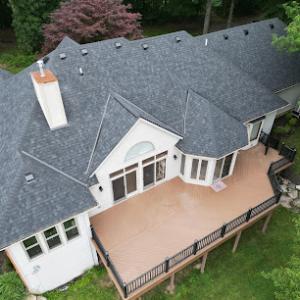
Pure Energy Roofing is a family-owned and operated roofing company based in Brighton, MI, serving all of Southeast Michigan, including Ann Arbor. Owned by Adrian Beavers and Matt Masters, we specialize in roof replacement, roof repair, hail and storm damage repair, gutter replacement, and attic insulation. As an Owens Corning Certified Contractor, we are committed to using high-quality materials and providing personalized, reliable service. We pride ourselves on our integrity, transparency, and dedication to the community. Trust Pure Energy Roofing for all your roofing needs and experience top-notch service from a local business that cares.
Spirit Roofing
(810) 225-6500 www.spirit-roofing.com
60 Summit St, Brighton, Michigan
5.0 from 24 reviews
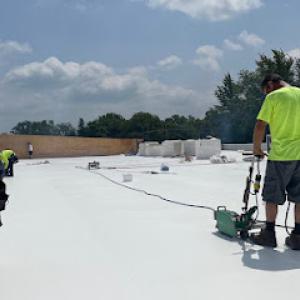
Commercial Flat and Metal Roofing out of Brighton Michigan.
Burke's Roofing
(734) 662-5556 www.burkesroofing.com
6100 Marcy St, Brighton, Michigan
5.0 from 14 reviews
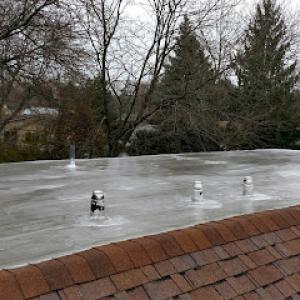
Family owned business with over 25 years of roofing experience servicing Livingston and Washtenaw Counties. We provide service for all roofing needs, residential and commercial. High quality roofing expertise with great customer service.

MTD Construction
(810) 206-3162 mtdconstruction.net
126 Summit St, Brighton, Michigan
4.3 from 6 reviews
Our Michigan commercial roofers design commercial roofing solutions that best fit your needs. As a full-service roofing company, we can do annual inspections, fix your roof leaks, perform preventative maintenance, and do full installations. Contact us about your commercial roofing needs today.
Cornerstone Roofing
(248) 870-0587 www.cornerstoneroofingmi.com
Serving
4.7 from 37 reviews
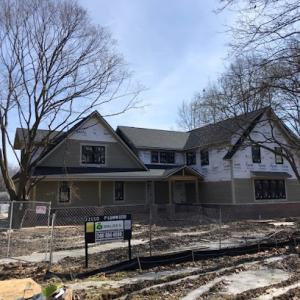
Cornerstone Roofing is a licensed roofing contractor serving West Bloomfield, Bloomfield Hills, Farmington, and the surrounding areas. The mission of Cornerstone Roofing is to build a relationship of a superior value and lasting quality for our customers. We know how much your home means to you. You can depend on our business methods that have been crafted and tested continuously over the past two decades and ensure lasting value for your home.
Tri-County Roofing & Siding
(810) 220-2363 www.homeadvisor.com
353 Becket Dr #5, Brighton, Michigan
3.7 from 3 reviews
LEAK REPAIRS - Repairs on Flashings,Valleys,Chimneys,Fireplaces,Air Vents,Pipe Flashings. KEEPING OUT THE RAIN FOR OVER 30 YEARS!! We also provide recovery service from Storm or Wind Damage to your home and will work with your insurance company to ensure the best results.
On Top Roofing
(248) 845-1884 ontoproofingmi.com
Serving
4.9 from 235 reviews
We are the premier roofing contractor and our team specializes in storm damage and insurance claims. We serve all of Southeastern and Central Michigan and with over 20 years of experience, we are equipped to handle all of your roofing needs. Put our trusted and dedicated team to work for you, give us a call today!
ABC Roofing & Remodeling
(810) 991-1128 abcroofingllc.com
Serving
5.0 from 72 reviews
ABC Roofing and Remodeling, located in Howell, Michigan, specializes in delivering outstanding roofing and remodeling services. With a blend of expertise and craftsmanship, ABC Roofing and Remodeling provide unparalleled solutions for homeowners and business owners throughout Oakland and Livingston counties. Their services range from minor repairs to insurance projects and complete replacements for your roofing, windows, siding, and gutters. Experience exceptional service and quality at ABC Roofing and Remodeling.

Ethical Exteriors
(517) 404-7606 ethicalexteriors.com
Serving
4.9 from 117 reviews
Ethical Exteriors is a reputable roofing contractor offering high-quality services to residential and commercial clients. With a strong commitment to excellence, the team ensures each project is conducted with professionalism and precision, achieving an A+ reputation. They provide a wide range of shingles and energy-saving options, along with attic insulation services for enhanced energy efficiency. The company emphasizes skilled training and meticulous standards at competitive prices. Contact them to deliver the right roofing solution for your home.

Ferguson Roofing
(517) 545-3362 www.fergusonroofinginc.com
Serving
4.6 from 69 reviews
Ferguson Roofing is a full-scale roof maintenance and installation contractor located in Howell, MI. We specialize in a wide variety of services including roof repairs, ventilation installation, roof cleaning, and gutter cleaning. Give us a call today to see how we can help you with your roofing needs!
R&R 360 Construction Services
Serving
5.0 from 73 reviews
R&R 360 Construction Services is a trusted Owens Corning Preferred Contractor delivering expert roofing and property restoration solutions in Howell, MI, and surrounding areas. As a full-service, licensed contractor, we serve Livingston, Oakland, and Wayne Counties with advanced roofing systems, CertainTeed vinyl siding options including shakes and board-and-batten, and durable Trex decking. Our team uses drone aerial inspections and 3D home design renderings to provide accurate evaluations and informed project planning. From emergency storm response to planned upgrades, we work with all insurance carriers, offer flexible financing options, and deliver fast, reliable service focused on protecting and enhancing your property.
Spring and fall are the reliable windows for roof work in this area, avoiding the winter installation limits and the peak summer heat. The goal is to complete a job before the deep freeze arrives and before summer heat softens underlayment or dries shingles too quickly. In practice, this means scheduling when days are consistently above freezing and temperatures stay moderate enough to handle underlayment and adhesive products without rushing through a fragile installation.
Spring rain and thaw cycles can complicate tear-offs and decking inspections. As shingles come off, soft or wet roof decking may become apparent, which can delay or adjust the plan. A cautious approach is to build in extra lead time for weather delays in early spring or after warm spells end. Conversely, fall weather brings its own timing pressure: storms and early snowfall can compress the work window, so a well-planned sequence matters, from debris removal to final inspections, to ensure a dry, secure finish before winter.
In Brighton, the rhythm of spring thaws often reveals decking weaknesses that weren't evident in the late winter. If soft spots or damp plywood show up after the old roof is exposed, the schedule should allow for deck repair or replacement before shingles go back down. Ventilation becomes critical in both spring and fall, because a properly vented roof helps manage attic heat in the last weeks of summer and prevents condensation issues as air turns cooler. Ensure attic baffles, soffit intake, and ridge vents are considered during the tear-off phase so the new roof breathes correctly from day one.
Fall brings stubborn leaf buildup and storm debris that can clutter the worksite and complicate a clean tear-off and reinstallation. Plan for a robust cleanup routine each day, including attic access pathways and gutter protection to minimize material tracking indoors. Scheduling flexibility is valuable in autumn, as windy days and sudden storms can interrupt progress. Building a buffer into the plan helps prevent rushed work that could compromise shingle alignment or underlayment coverage as temperatures cool.
If a replacement is anticipated in spring, prepare for a wait-and-see approach on decking, then finalize underlayment and ventilation once any moisture concerns are resolved. In fall, lock in the sequence early: protect existing structure, address decking repairs if needed, install underlayment and ventilation, then complete shingles with attention to colder-start adhesion and sealant performance. The goal in both seasons is a clean, dry install that keeps the roof assembly tight against the region's freeze-thaw stress.
Asphalt shingles are the dominant practical choice in this market, favored for a balance of cost, ease of installation, and compatibility with typical Brighton homes. However, their performance hinges on quality installation, especially under repeated Michigan freeze-thaw cycles. Proper nailing, adequate ventilation, and a solid underlayment arrangement are essential to resist interior leaks as shingles flex and contract with the cold. In homes with older attics or limited ventilation, you may see faster shingle deterioration or hail damage that escalates under heavy snow loads. When choosing asphalt, prioritize a proper attic venting plan, a watertight drip edge, and continuous ridge or soffit ventilation to reduce ice dam risk during midwinter thaws.
Metal roofing is used in this market for its snow-shedding properties and long-term durability, which can be appealing in Brighton's snowy winters. The metal's smooth surface helps shedding ice and reduces the likelihood of heavy ice buildup, but detailing around fasteners, flashing, and ventilation matters greatly in cold-weather expansion and contraction cycles. In freeze-thaw conditions, the metal panels and closures need precise alignment and high-quality sealants to prevent gaps where ice can form. Pay particular attention to edge detailing near chimneys and skylights, where improper flashing can become a focal point for ice dams. A well-sealed, well-ventilated attic remains crucial to keep metal roofs performing reliably through long winters.
Clay tile, concrete tile, synthetic/composite shingles, and slate are available in this market, but their weight and winter behavior require closer scrutiny. Heavier systems demand structural assessment to ensure the existing framing can handle the load, especially after a heavy snow event. Winter performance depends on how well the roof system integrates underlayment, ventilation, and snow management details. Clay and concrete tiles can be prone to cracking if movement is not properly accommodated, and slate requires precise installation to avoid fragile failure under freeze-thaw cycling. Synthetic or composite options can offer improved impact resistance and lighter weight, but still need compatible underlayment and flashing that accommodates cold-weather movement. In Brighton, a tailored assessment considers the local snowfall patterns, potential ice dam development, and the attic's ventilation efficiency to determine whether these heavier or more specialized materials are appropriate for a given home.
Asphalt shingles in this area typically run from about 350 to 650 USD per square, depending on the quality of the shingles and the complexity of the roof. In spring thaw or after winter damage, costs can push higher if decking needs replacement or extensive underlayment work is required. For many Brighton homes, a straightforward tear-off and re-shingle project sits at the lower end of that range, but a steep pitch or multiple penetrations can nudge the price upward. Budget for underlayment upgrades and adequate ventilation to prevent future ice dam issues, especially in freeze-thaw winters.
Metal options often land between 800 and 1300 USD per square. The local freeze-thaw cycles make metal appealing for longevity and ice dam resistance, but installation can be more sensitive to roof geometry and attic ventilation. If a spring inspection reveals hidden damage or foam or insulation adjustments are needed, material costs may rise toward the higher end. Scheduling becomes tighter after a severe storm, so expect potential lead times and coordination with the crew to fit a narrower window.
Clay tile climbs into the 800 to 1500 USD per square range, with Brighton homes sometimes leaning toward the higher side due to roof complexity and the need for specialized support during tear-off and reinstallation. After a harsh winter, you might see additional costs from repairing decking or reworking framing to support tile weight. Tile installations also demand meticulous sealing and ventilation detailing, which can influence overall pricing during peak spring repair periods.
Concrete tile generally sits around 600 to 1100 USD per square. This material handles cold snaps reasonably well but is heavier, so structural assessment matters. If spring thaw exposes damaged decking or requires reinforced substrates, expect costs to move up. In busy seasonal windows following hail or high-wind events, scheduling and labor availability tighten, potentially delaying progress and affecting the final timeline and price.
Synthetic or composite options typically run from 450 to 900 USD per square. They offer good ice dam resistance and a lighter weight compared to tile or slate. Brighton-specific concerns-like rapid temperature shifts and need for precise underlayment-can nudge total costs if extra detailing or higher-quality underlayment is chosen after a winter reveal. Seasonal demand can squeeze crews, so securing a slot early helps lock in a lower price.
Slate remains the premium choice, generally from 1000 to 2000 USD per square. In this market, a slate installation demands exacting workmanship and careful staging, especially if spring thaw uncovers decking or structural issues that require reinforcement. Because slate projects are more susceptible to weather-driven scheduling complexities, plan for potential delays and higher labor costs during peak storm season.
Don't let upfront costs delay a critical repair - these contractors offer payment plans to fit your budget.

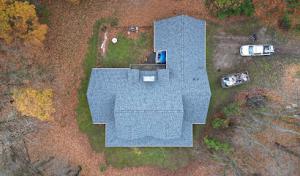
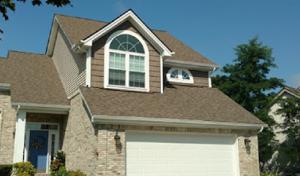
Most full re-roofs in the Brighton area require a building permit before work begins. This is not something to skip or delay, because the city inspects for safety and compliance with local codes that address freeze-thaw cycles and snow loads. Before the first nail goes in, you or your contractor should pull the permit and coordinate with the building department. The permit submission typically includes project details and a site plan from either the homeowner or contractor. Make sure the plan shows roof dimensions, material type, anchor points, and any ventilation or underlayment changes. In a town with inland Livingston County winters and lake-effect snow, the site plan helps the inspector confirm that eave edges, valleys, and attic access are accounted for.
Carefully document the scope of work to avoid back-and-forth delays. The site plan should mark existing roof features that will be removed or replaced, roof penetration notes for vents and plumbing stacks, and a layout drawing that reflects any attic openings or baffles. If a contractor is handling the permit, require a lightweight, clear copy of the plan for your records. The local demand for proper venting and underlayment is high here due to freeze-thaw risk, so include details on underlayment type, attic ventilation strategy, and fastening method as part of the plan. Clear, thorough documentation helps the building department process the permit without unnecessary holds.
After installation, the building department schedules an on-site inspection and a final review focused on underlayment, ventilation, and fastening. On inspection day, expect reviewers to verify that the underlayment lies flat and properly overlapped, that venting is unobstructed, and that fasteners meet code spacing and corrosion standards. If the inspector flags gaps in ventilation or improper fastening, address those items promptly to avoid re-inspection delays. Keeping the permit records and plan ready will help the final review go smoothly, especially in a climate where winter performance hinges on careful detailing.
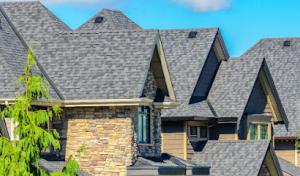
Skylights are a common target for leaks because they sit at a weak seam between roofing material and the penetration, a point Brighton's contractors know well. Skylight work is a meaningful specialty in this market, with many local crews offering custom flashing and precise fitting. In winter, snowfall and thaw cycles push water against those flashing transitions, testing seals and valley joints. If the curb, flange, or nail line shows any compromise, you may notice water staining, ice dams at the base, or drips inside ceiling corners. Regular, proactive inspection of skylight flashings-not just the glass-can prevent far messier repairs later.
Chimneys bring a second, equally stubborn set of problems. Older homes often have multiple flashing transitions where brick, siding, and roof meet, all of which can shift with freeze-thaw cycles. Chimney cricket or counter-flashing may fail over time, allowing water to track down behind siding or into the attic. In this market, chimney-related roofing work appears frequently, underscoring how common it is to need resealing, re-flashing, or even replacing sections of step-flashing along the chimney chase. If you notice moss buildup on the chimney shoulder or damp ceiling patches near the chimney line, treat it as a warning.
In the harsh Brighton winters, snow rests on the roof longer, and meltwater refreezes at eaves and around penetrations. That pattern accelerates deterioration at skylight and chimney interfaces. The practical steps are targeted: keep gutters clear to avoid ponding, verify that any new flashing is properly integrated with the roof deck, and address small gaps before ice begins to form. A careful contractor can document flashing condition and recommend targeted resealing rather than broad, disruptive replacements.
Find contractors experienced in skylight installation, flashing, and leak repairs to bring natural light into your home.
Roofing PD
(517) 798-8583 www.roofingpd.com
5073 Canterbury Dr, Brighton, Michigan
4.9 from 264 reviews

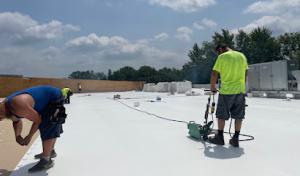
Flat and low-slope roofing is an active specialty in Brighton, with many homes featuring additions, porches, or attached garages that sit alongside steeper main roofs. The combination creates an ongoing need to evaluate drainage, underlayment, and ice-dam risk in a single project. During freeze-thaw cycles, standing water on low-slope sections can refreeze and back up into edges or penetrations, especially where gutters are undersized or downspouts channel meltwater toward vulnerable facades.
Low-slope sections in Brighton homes are more vulnerable to spring thaw, snowmelt, and ice damming because water circulation slows on flat profiles. When a porch roof or garage roof pools water, the weight of ice can stress seams and flashing. Homeowners should look for signs of moisture staining near penetrations, loose flashing, or irregular staining along ledger lines. Regular inspection after storms helps catch problems before leaks develop.
A mixed roof system often requires coordination between steep-slope replacement and low-slope retrofit. You want a contractor who can integrate underlayment, drip edge, and vapor barriers across both terrains, choose compatible fasteners, and ensure uniform insulation continuity. In Brighton, confirm that attic ventilation plans account for winter air leakage paths that can drive condensation into low-slope spaces.
When planning maintenance or a rebuild, map drainage paths from every roof section, including detached garages. Prioritize proper slope on low-slope corners and ensure gutters and downspouts are sized for winter flows. Consider a single project approach to reduce cold-weather exposure and improve overall attic and ceiling dry times during the melt season. An eye toward ventilation helps Brighton homes avoid interior frost and pine the ceilings during cold snaps. If a retrofits adds insulation in the attic, rafters, or kneewalls, keep air barriers continuous across transitions between steep and low-slope areas. Finally, document every detail of a mixed-system job-materials, slopes, and flashing transitions-so that future crews maintain the protective envelope when performing repairs after heavy snows. Keep drainage clear year-round.
Find specialists in TPO, EPDM, and built-up flat roofing systems for residential and commercial properties.
Roofing PD
(517) 798-8583 www.roofingpd.com
5073 Canterbury Dr, Brighton, Michigan
4.9 from 264 reviews
Spirit Roofing
(810) 225-6500 www.spirit-roofing.com
60 Summit St, Brighton, Michigan
5.0 from 24 reviews

MTD Construction
(810) 206-3162 mtdconstruction.net
126 Summit St, Brighton, Michigan
4.3 from 6 reviews
Brighton homeowners are hiring primarily for re-roofing rather than niche luxury work, so the crew's ability to manage the job, clean up thoroughly, and respond quickly matters more than flashy service menus. When you call a crew, listen for concrete timelines, a simple plan for staging materials, and a written commitment to daily cleanups. A responsive crew will treat your leak urgency as a priority rather than a nuisance.
Long-established, licensed, insured, family-owned, and locally owned firms are visible in this market, and trust grows from proven local track records. Ask for a handful of recent Brighton-area addresses, then drive by to see the workmanship and talk to the homeowners if possible. Gauge whether the crew has realistic expectations for snow and freeze-thaw cycles, and how they handle attic ventilation and underlayment choices during re-roofing.
During an on-site assessment, expect the crew to outline how they will protect landscaping and gutters, what materials will be used, and how they manage waste and debris. Ask about a temporary moisture plan for winter conditions, especially if the project overlaps with snow. A solid plan includes a clear sequence of steps, a daily target, and a documented cleanup protocol that leaves the property tidy at the end of each day.
Choose a crew that assigns a single point of contact for schedule changes, warranty questions, and follow-up service. Ice dam prevention is a priority in this climate, so confirm they will address attic ventilation, underlayment quality, and flashing in a manner consistent with seasonal risks. Finally, confirm what post-installation support looks like and how quick they are to respond if a leak shows up during thaw cycles.
After hail or strong winds many carriers expect a clear, detailed snapshot of the roof's condition. In this market, a quick photo without context can slow a claim, so you should gather evidence that ties weather events to actual damage. In the Livingston County area, freeze-thaw cycles and lake-effect snow can complicate assessments, making precise documentation essential. Prepare a simple but thorough record: note the date of the storm, the approximate time, and what parts of the roof were affected. Keep a running list of visible issues and when they first appeared.
A written assessment from a licensed contractor carries weight with adjusters, who often compare it against storm photos and the project scope. In Brighton, where roof systems endure harsh winters and potential ventilation concerns, the report should clearly state the roof's condition, evidence of hail impact, and any underlying failures in underlayment or attic ventilation. Include measurements, photographs, and a concise summary of recommended repairs. This professional input helps prevent gaps between what was observed on-site and what the claim seeks to cover.
Maintain date-stamped storm photos that show roof surfaces, gutters, and exterior features before damage changes. Interior leak evidence-stains, moisture logs, or attic condensation-should be dated and correlated with the storm event. When claim reviewers see a tight timeline, they can distinguish event-related damage from age-related wear. Organize records by date and source, and keep both digital copies and prints in a weather-resistant file, so nothing is lost if communication with the carrier stretches over weeks.