Last updated: Apr 19, 2026
Winter here brings cold snaps, heavy snow, and the repetitive grind of freeze-thaw cycles. That pattern is the primary driver of shingle wear, flashing movement, and leak development on homes in the village areas and newer subdivisions alike. Ice that forms along eave lines can create a dam at the roof edge, forcing meltwater to back up under shingles and into the attic. The result is accelerated wear on protective layers and unexpected interior damage when leaks finally break through. Your roof isn't just dealing with a storm; it is negotiating a daily cycle of warming and refreezing that constantly tests sealants, vents, and flashing over time.
Replacement work is most reliable when the snow and ice are out of the way, which means a window from late spring through early fall. Winter tear-offs suffer delays from snow accumulation, ice buildup, and cold-weather safety restrictions. In this climate, a rushed job in mid-winter often leads to less thorough flashing resealing, imperfect heat venting, and higher chances of new ice dams forming right after installation. A well-timed project in the warmer months helps ensure the roof deck is dry, attic insulation is accessible, and all penetrations can be sealed with the proper ventilation strategy before the next season tests the system again.
Ice dam risk isn't just about snow; it's about attic heat loss meeting refreezing at the roof edges. If the attic is poorly insulated or vents are blocked, heat rises and melts snow at the top surface. The meltwater runs toward the colder eaves and refreezes, creating a dam that can lift shingles and push water under flashing. In homes with older dormers or retrofit attic spaces, you'll often see a mismatch between insulation depth and air leaks. Addressing these gaps isn't optional: it reduces the energy burden on the roof and lowers the odds that a small leak becomes a major restoration project after a freeze-thaw cycle.
Begin with a careful inspection after major storms, looking for lifted shingles, loose or split flashing near chimneys and valleys, and any signs of water staining in the attic or along ceiling seams. If you notice increased icicle formation along the eaves during stubborn cold snaps, that's a red flag that meltwater isn't draining properly, not just a cosmetic winter feature. Plan a targeted attic assessment focusing on insulation levels, air sealing around penetrations, and vent placement to ensure airflow keeps the roof edge warm enough to minimize refreezing. In practice, proactive maintenance now reduces the frequency and severity of freeze-thaw damage when the season tightens its grip again.
Spring hail and wind events deploy a sudden wave of roof damage inspections and insurance activity that can flood local schedules. In village-era homes and newer subdivisions alike, a fast-moving storm can leave dented shingles, lifted flashing, and loosened valleys that aren't obvious from the ground. The pace of claims can spike quickly after a big event, so recognizing the signs and initiating documentation without delay matters.
Hail impact scars on shingles, granule loss along the eaves, and dented metal vents or gutters are not always obvious from ground level. After a windstorm, look for lifted shingles, loose edge shingles, and disturbed sealant around vent pipes and chimneys. If your attic feels unusually hot or drafty, that can indicate shingles or underlayment damage beneath the decking. In Northville, where winter freeze-thaw cycles already stress roof systems, these issues may develop or worsen during the spring storm season. The moment you suspect damage, you should plan a thorough inspection and start documenting every detail to support a claim.
Michigan's roof-claim environment routinely includes documentation requests and adjusters sent after a reported loss. You have to be prepared with a clear, organized record. Take dated photos from multiple angles inside and outside the attic, the eaves, and around penetrations. Capture any hail hits on siding and photos of damaged gutters that could signify roof impact. Note the date and time of the storm, the path of the wind if you can, and any witnesses who observed the damage. Keep a simple damage diary: what you saw, when you saw it, and who you spoke with. For a credible claim, show the progression of damage from the storm through any temporary fixes you implement and the condition of the roof over subsequent days.
Insurers may send an adjuster after a reported loss, and the assessment may focus on both visible damage and potential hidden issues in the underlayment or decking. Your goal is to provide a transparent, complete picture. Have your photos organized by date and area, your storm diary ready, and a list of any prior maintenance or repairs. Clarify whether there was a freeze-thaw cycle that could have exacerbated minor pre-existing wear. If gaps in documentation exist, don't delay the claim-coordinate a rapid re-inspection with your contractor or an independent inspector to confirm and record results.
Because storm demand can spike locally after spring events, you benefit from documenting damage quickly before contractor schedules tighten. Start with a professional inspection that can distinguish impact damage from pre-existing wear caused by age or prior weather. Use that report to guide your conversations with the insurer and to support a timely claim decision. In neighborhoods with mixed housing stock, from older village roofs to modern subdivisions, consistent, early documentation helps prevent disputes about scope and repair priority. If you suspect ice dam-related wear alongside wind and hail, flag that intersection early so the adjustment can address both roof surface and associated interior risk.
Find local contractors experienced in assessing and restoring roofs after hail, wind, and severe weather events.
Leak Pro Roofing & Skylight
(734) 905-7198 leakproroofing.com
8325 Chubb Rd, Northville, Michigan
5.0 from 65 reviews

Choice Home Improvement
(734) 422-0600 www.choicewsr.com
533 Rouge St, Northville, Michigan
4.3 from 74 reviews
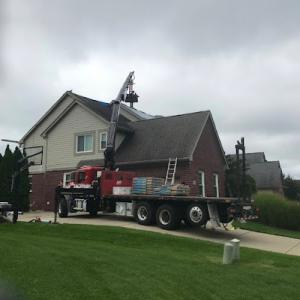
Leak Pro Roofing & Skylight
(734) 905-7198 leakproroofing.com
8325 Chubb Rd, Northville, Michigan
5.0 from 65 reviews
Leak Pro Roofing & Skylight, LLC is a locally owned and operated roofing company offering full shingle roof replacements, roof repairs, flat roof services, and custom skylight replacements for both residential and commercial properties. Leak Pro Roofing & Skylight, LLC is fully licensed and insured, proudly serving communities throughout Southeast Michigan, including Ann Arbor, Livonia, Canton, Saline, and the greater Metro Detroit area—as well as southern regions like Dundee, Milan, Petersburg, Ida, Adrian, and Blissfield.

Home Genius Exteriors
(313) 751-8607 homegeniusexteriors.com
22260 Haggerty Rd #360, Northville, Michigan
4.7 from 206 reviews
Elevate your home with Home Genius Exteriors, setting the standard in Detroit and surrounding areas by offering full-service solutions for roofing, siding, windows, doors, gutters and insulation. We support our veterans and communities by supporting local and national charitable organizations through our Home Genius Cares initiative. With an Owens Corning® Platinum Preferred designation, we also offer flexible payment options, industry leading warranties and a wide range of premium products tailored for your home. It’s time for a different experience, entrust your next home project to a genius and schedule your free inspection today!

Choice Home Improvement
(734) 422-0600 www.choicewsr.com
533 Rouge St, Northville, Michigan
4.3 from 74 reviews
Choice Home Improvement’s extensive range of home improvement services offered to Metro Detroit, makes us your best choice for any project, large or small. Our customer’s satisfaction with their completed projects is a testament to the knowledge of our employees and quality of our craftsmanship. We aggressively incorporate the best practices of the construction industry into our service offerings, developing many of these alternatives through continuous innovation. We believe that quality is the result to careful planning and execution. By pre-qualifying and continually evaluating the work of our employees, we insure the most exceptional quality of our work, products, and services can provide Metro Detroit. Contact Us for a FREE estimate!
Sargent Roofing
(800) 465-7460 www.sargentservices.net
235 E Main St #105b, Northville, Michigan
5.0 from 7 reviews
Welcome to Sargent Roofing, your trusted experts in roof replacement, siding replacement, and gutter services across Southeast Michigan. We specialize in gutter cleaning and gutter guard installation, offering a 25-Year No Clog Guarantee with the purchase of our premium gutter guards—so you’ll never clean your gutters again! Our roofing services come with a 25-Year No Leak Guarantee, providing long-lasting protection for your home. We proudly serve Northville, Novi, Plymouth, Livonia, Farmington, Farmington Hills, Canton, Wixom, and all of Southeast Michigan. At Sargent Roofing, we are dedicated to delivering clear communication, exceptional service, and unmatched integrity in every project.
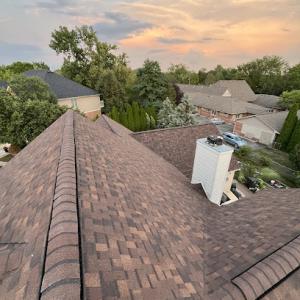
Yates Construction
(734) 596-8590 www.yates-construction.com
Serving
5.0 from 103 reviews
Yates Construction is a Roofing Contractor located in Northville, MI. We specialize in Roof Replacement, 24-hr Emergency Roof Repair, Flat Roof Replacement (EPDM, TPO, PVC), Gutters, Leaf Protection, Storm Damage, Siding, Windows, Skylights, Ventilation Inspections, and other home projects. At Yates Construction, we specialize in a comprehensive range of services, including roofing, siding, windows, and gutter installation to name a few. We take pride in delivering durable, high-quality solutions tailored to meet the unique needs of each homeowner. Beyond installations, we offer thorough attic and ventilation inspections to ensure your home remains energy-efficient, safe, and comfortable year-round. Call us today!
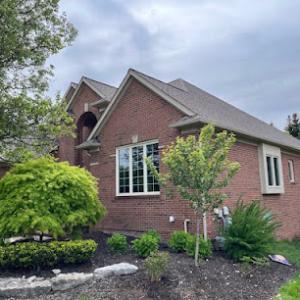
Renaissance Roofing
(734) 495-0996 www.renaissanceroofinginc.com
Serving
4.9 from 112 reviews
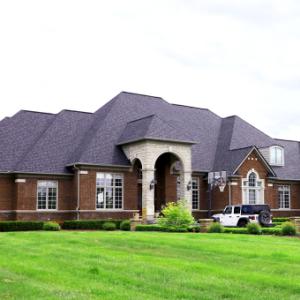
Renaissance Roofing has opened a new location in Plymouth, Michigan to better serve our customers throughout Metro Detroit. Providing Wayne County, Washtenaw County and the Southeast Michigan area with roofing services for over 25 years, we are the foremost experts in roof replacement, roof repair, new roofing systems, solar shingles installation, home insulation, and troubleshooting for more complicated situations. We pride ourselves on quality workmanship and satisfied customers. Our goal, and the goal of all our employees, is to earn and maintain your complete satisfaction. We continue to earn top awards and certifications annually for roofing installation, training, and customer service from our roofing partner, GAF.
Paramount Roofing
(734) 356-3361 paramountbuildinginc.com
Serving
4.9 from 184 reviews
Paramount Roofing offers outstanding roofing services in Romeo, MI. You can always rely on us and trust us when it comes to your roofing, as we have certified professionals that always aim to deliver top-tier results. We opened in 2013, and have proudly built a reputation as the best roofers in the area. Our focus is on personal service and everyone on our team is committed to providing exceptional roofing services. Our ultimate goal is to create trusting, lasting relationships with all our clients. We achieve this by getting the job done right the first time and making sure you are 100% satisfied with our services. If you're looking for a roofer in Romeo or the surrounding areas, we invite you to discover why we are the top option!
Storm Guard of Plymouth MI
(734) 215-6613 www.stormguardrc.com
Serving
5.0 from 159 reviews
Storm Guard of Plymouth is your trusted local roofing and restoration contractor in Plymouth, MI, proudly backed by America’s largest roofing franchise. We specialize in high-quality exterior services, including residential and commercial roofing, windows, siding, gutters, and exterior painting. With a focus on craftsmanship and customer satisfaction, we provide expert assistance for storm damage restoration and insurance claims to ease your repair process. Our team is dedicated to protecting and enhancing your property with durable, long-lasting solutions. Contact Storm Guard of Plymouth today for a free, no-obligation estimate!
Billy's Roofing
(734) 945-5700 billysroofing.com
Serving
5.0 from 44 reviews
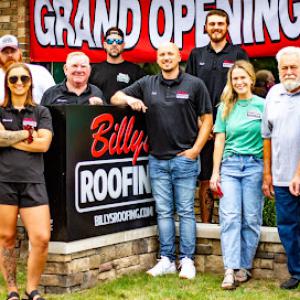
Billy’s Roofing is a family-owned roofing contractor with a showroom in Plymouth, serving homeowners across western Metro Detroit and Southeast Michigan since 1988. We specialize in residential roof replacement, storm roof repair, roof inspections, commercial roofing, and gutter replacement—backed by a 12-year labor warranty and up to 50-year shingle coverage. From Plymouth, we commonly serve areas like Northville, Novi, Farmington Hills, Ann Arbor, and surrounding communities. Request a free estimate today.
RoofAdvisor
(844) 766-3238 roofadvisor.com
Serving
4.8 from 152 reviews
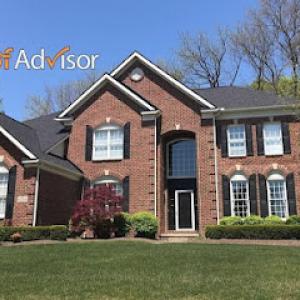
RoofAdvisor is a full-service roofing contractor serving SE Michigan in cities like Plymouth, Troy, Ann Arbor, Brighton, and Rochester Hills. We specialize in roof replacement, fast and reliable roof repair, and multi-family roofing services. What sets RoofAdvisor apart is our advisory approach. Every project starts with a detailed roof inspection so we can recommend the right roofing system based on your home, budget, and long-term maintenance goals. We work with top manufacturers and offer enhanced warranty options that many contractors cannot provide. If you need roof replacement or roof repair in Plymouth, MI or surrounding areas, contact RoofAdvisor today to schedule a free roof evaluation.

Home Exteriors of Michigan
Serving
5.0 from 260 reviews
Since 2014, Home Exteriors of Michigan has been a trusted provider of comprehensive exterior solutions for homes across Southeast Michigan. Specializing in top-quality roofing, siding, and professional gutter services, our skilled contractors are equipped to handle everything from minor repairs to full replacements. We focus on long-lasting value, high-quality craftsmanship, and a stress-free project experience from start to finish. Contact us today for a free estimate!
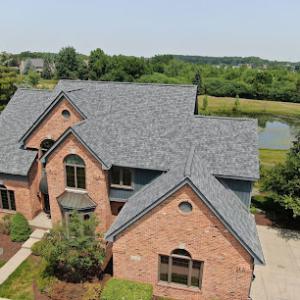
Mighty Dog Roofing of Ann Arbor
(734) 977-0934 www.mightydogroofing.com
Serving
4.9 from 88 reviews
When it comes to your home’s exterior, Mighty Dog Roofing delivers top-of-the-line services matched with the neighborly customer care our clients have come to love. Our team of skilled experts will conduct a free, detailed inspection of your home, treating it as our own. Whether your home needs a simple repair or a full roof replacement, expect to receive the transparent guidance you deserve. Whatever the case, our team will work to meet your safety and budget needs. We take pride in operating with quality materials, hiring skilled roofers, and providing our customers with a high-quality experience. See for yourself; our reviews say it all. Schedule your free, home inspection today!
Northville's dominant replacement market spans asphalt shingles, metal, clay tile, concrete tile, synthetic/composite shingles, and slate, creating a wide local cost spread by material type. In this climate, you'll see a broad range reflected in the local crew availability and material delivery windows. Asphalt shingles remain the most common option for homeowners watching budget, but the cost spread tightens as you move to heavier or more durable materials. For a homeowner assessing options, it helps to pair your structural needs with the weather pattern here-freeze-thaw cycles and occasional winter ice dam exposure drive short-term price fluctuations that can shift the overall project total.
Asphalt shingles sit at the most budget-flexible end of the spectrum, with typical per-square costs in the clear low-to-high range for a re-roof. Metal roofing usually lands higher, capturing improved longevity and wind resistance but with a steeper upfront outlay. Clay tile and concrete tile push the price further still, reflecting heavier weight and specialized installation needs. Synthetic/composite shingles offer a middle ground, blending durability with moderate cost. Slate sits at the high end, driven by weight, cutting accuracy, and labor intensity. The standard price bands you'll see in Northville align with these ranges, but expect some premium in periods of rapid demand following severe storms or busy late-spring to early-fall windows.
Costs in Northville can rise when storm-driven demand increases labor pressure during the short late-spring to early-fall replacement window. If a neighborhood experiences a cluster of storm damage, crews may be booked out or charge a premium for expedited scheduling. Planning ahead to your preferred installation window can help stabilize pricing, but the reality remains that local crews juggle both safety concerns and tight access during the season. If you're weighing options, this factor nudges you toward choosing a material with a shorter installation timeline or with readily available local crews.
Heavier materials such as slate, clay tile, and concrete tile can increase project complexity compared with asphalt shingle re-roofing, which is the most budget-flexible option in this market. Weight affects not just the roof structure but the crane or lift capacity, scaffold setup, and traffic flow around the home. In addition, clay tile and concrete tile demand careful underlayment and roof deck preparation, which adds to labor time and installation precision. If the existing structure shows age or signs of settlement, upgrading fasteners, underlayment, and venting becomes more likely-and that raises the total cost beyond the material price alone.
When you price out options, start with a base asphalt shingle quote for a sense of the ground truth, then layer in the incremental cost for heavier or longer-lasting options. Remember that synthetic/composite shingles can offer a practical compromise between price and longevity, especially in a climate with freeze-thaw stress. For slate, clay tile, or concrete tile, add a contingency for structural assessment and potential deck reinforcement, since these materials demand more sophisticated framing and lifting logistics. Finally, keep in mind that storm-driven windows can compress supply and extend labor timelines, which may influence both price and scheduling more than any single material choice.
In Northville, a full roof replacement requires a building permit. The permit is typically pulled by the contractor before any work begins, not after the fact by the homeowner. That means you should expect a scheduled pre-work meeting where the contractor lays out the permit-approved scope, timelines, and the required notices. If a project proceeds without a permit, the city can impose stop-work orders, fines, or mandatory rework to bring the job into code compliance. Your best path is to confirm in writing that the contractor has secured the permit before any shingle disposal or ladder work starts, and to keep a copy of the permit on site for the duration of the project.
Inspections in this market usually occur during installation and again after completion. Rough checks focus on underlayment quality, flashing integrity around chimneys and vents, and the adherence to the approved nailing schedule. Final inspections confirm that materials and workmanship meet local code and the permit plans. If inspectors find gaps-such as improper fastener patterns, missing drip edges, or misaligned flashing-the contractor may be required to pause work and correct the issues before moving forward. Because Northville experiences winter freeze-thaw cycles, inspectors pay particular attention to details that influence water intrusion and ice dam risk. Expect some back-and-forth if weather pushes work outside the ideal window, or if the permit scope changes mid-project.
Working with a contractor who understands the Northville climate and older housing stock is essential. Before any permit is pulled, review the proposed underlayment type, flashing materials, and nail spacing, and ensure they align with local expectations. Ask for a pre-installation walkthrough with the inspector or building department if possible, so you know exactly what will be checked at rough and final stages. Keep a clear line of communication with the contractor about inspection appointments, required corrections, and when the city expects to see completed work. If a snag arises-such as a roof line with historic detailing or a tight permit timeline during Michigan's shorter reliable roofing season-document changes in writing and obtain updated permit data and inspection notices to avoid missteps.
Asphalt shingles are a dominant material in Northville, and their performance is closely tied to winter conditions. Over repeated freeze-thaw cycles, shingles can become brittle, especially after years of exposure to cold snaps and fluctuating temps. That brittleness increases the risk of cracking and curling, which can open channels for moisture intrusion during snowmelt. Aging also leads to wind uplift, particularly in exposed ridges or suburban areas with occasional high gusts off open fields. Granule loss accelerates with freeze-thaw stress, dulling surface protection and leaving asphalt more vulnerable to sun and moisture in spring. When evaluating a roof in these conditions, prioritize shingles with proven cold-weather performance and check for signs of previous wind uplift or granule loss around valleys and edge locations. Regular inspections after heavy snows or thaws can catch small issues before leaks show up in living spaces.
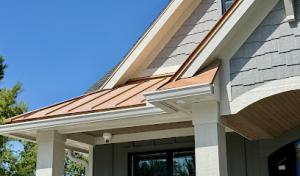
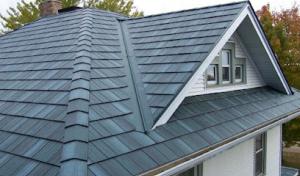
Metal roofing is a local option for homeowners prioritizing snow shedding and long-term durability. The smooth surface helps snow slide off more readily, reducing ice dam formation on certain roof shapes. However, summer expansion and contraction can be a factor in Northville's mixed seasonal pattern, so installation should account for adequate fasteners, panel spacing, and proper sealant detailing to prevent leaks as temperatures rise and fall. In residential settings, the choice of metal thickness and coating matters: a robust coating resists corrosion while the panel profile influences how heat moves and how much attic heat is transferred into the home. Ensure flashing and seams are well-sealed, and discuss with the installer how the system will behave across a full annual cycle to minimize squeaks, panel distortion, or loose fasteners after harsh winters.
Slate, clay tile, concrete tile, and synthetic/composite products do appear in the Northville market, but their weight and structural demands require careful planning. Heavier materials demand a stronger substructure and precise framing details, especially on older village homes where existing decking may not be rated for newer tile weights. Detailing around chimneys, skylights, and roof-to-wall transitions is more complex with these products, and repair work can be significantly more intricate than with asphalt or metal. Installer experience matters greatly here-choosing a contractor with a proven track record in local winters and a portfolio of Northville projects reduces the risk of cracking, leakage, or improper support that could fail under freeze-thaw stress. Synthetic or composite shingles can offer a middle ground, but still require careful evaluation of attic ventilation, underlayment compatibility, and edge detailing to withstand repeated cold cycles.
Explore specialists in steel, aluminum, and standing seam metal roofs built to last 50 years or more.
Rhino Brothers Roofing & Construction
(734) 648-5535 rhinobrothersroofing.com
Serving
4.7 from 26 reviews
In this Michigan insurance environment, hail and wind losses regularly influence roofing decisions and claim timing for your home in Northville. The local market shows some underwriting tightening, but not a broad sustained insurer pullback across the state. That means documentation quality matters more than panic about market exits. Being prepared with clear records helps keep the process steady when a claim is filed during Michigan's short reliable roofing season.
After a roof loss, insurers may require photo evidence, contractor findings, and an adjuster review before approving a full replacement scope. Start with high-resolution photos taken from multiple angles, including close-ups of damaged shingles, flashing, and ridge lines. Maintain a simple, dated log of when damage occurred or was observed, and note any freeze-thaw cycles that followed the event. For Northville homes in older village areas and newer subdivisions alike, distinct wear patterns exist, so be prepared to explain whether damage aligns with a single event or ongoing wear from freeze-thaw cycles.
Independent contractor evaluations often carry weight when the adjuster reviews the claim. Obtain a written assessment from a trusted local roofer that outlines the observed damage, estimated scope, and any necessary repairs beyond the immediate event. If a contractor flags potential underlayment or decking concerns, request a concise, itemized report. Clear measurements, photos, and plainly stated findings help prevent back-and-forth and keep the claim moving toward a full replacement where appropriate.
Expect communications to move through photo submission, contractor notes, and adjuster review in a stepwise process. Your timeline may hinge on the insurer's ability to verify damage and align it with your policy's replacement provisions. Having all elements ready-photos, contractor reports, and a simple chronology-reduces delays caused by missing information and supports a smoother decision on scope.
Keep digital copies of all documentation, including prior maintenance records and any weather-related damage notes. If a claim is opened during winter, arrange for temporary measures to protect the roof from further moisture while the claim is processed. Communicate clearly with your insurer about any observed deterioration since the loss event, and use locally trusted contractors who understand Northville's roof assemblies and typical wear from freeze-thaw cycles. This practical approach helps ensure your proof aligns with what the adjuster needs to approve an appropriate replacement scope.
Connect with contractors who help homeowners navigate the claims process from damage assessment to final approval.
Leak Pro Roofing & Skylight
(734) 905-7198 leakproroofing.com
8325 Chubb Rd, Northville, Michigan
5.0 from 65 reviews
Choice Home Improvement
(734) 422-0600 www.choicewsr.com
533 Rouge St, Northville, Michigan
4.3 from 74 reviews
Skylights and chimneys sit on the roofline where cold air and steam meet, and in this climate the flashing around those penetrations takes a longer, harsher beating. Northville's freeze-thaw cycle pushes moisture into seams, freezes it, and then expands it. Over the years, that cycle can loosen tar, sealant, and metal flashing where you least expect it. A small suspicion can grow into a slow drip that appears only after a heavy snowfall or a sudden thaw. If your home has an older skylight curb or a chimney that's been reworked, that legacy can show up as a stubborn leak years after installation.
Look for irregular stains around the inside ceiling near a skylight or chimney chase, as well as a damp ridge along the ceiling cabinets. On the roof, you may notice hairline cracks in sealant, scupper corners that pull away, or metal flashing with painted edges that look bubbled or peeled. In practice, a contractor's eye will measure not just the visible patch but the surrounding metal, joints, and counter-flashing against the counter-flashing. The evidence usually travels down the line, with wet insulation and a musty odor that won't clear after a dry spell.
Rough and final inspections in this market verify that the flashing is installed and tied into the roof correctly. That makes penetration detailing a code and performance issue, not just a maintenance item. The consequences of overlooking proper flashing can include recurring leaks, warped ceiling materials, and accelerated aging of roofing components around the skylight or chimney. If something seems off during a seasonal check, addressing it early saves more invasive fixes later.
Proactive maintenance hinges on checks that focus on penetrations. Inspect skylights and chimneys after freeze-thaw cycles, especially if you notice icicles, frost on flashing, or damp spots inside. Keep flashings clear of debris, trim overhanging branches, and have any peeling sealant resealed with materials rated for climates. When in doubt, a roofer should recheck the flashing detail.
Find contractors experienced in skylight installation, flashing, and leak repairs to bring natural light into your home.
Leak Pro Roofing & Skylight
(734) 905-7198 leakproroofing.com
8325 Chubb Rd, Northville, Michigan
5.0 from 65 reviews
Choice Home Improvement
(734) 422-0600 www.choicewsr.com
533 Rouge St, Northville, Michigan
4.3 from 74 reviews
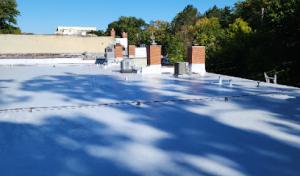
Flat- and low-slope roofs in this area face a winter that tests drainage and a summer that can push underlayment movement. Northville's snow load and repeated thaw cycles create ponding risk after melts, which stresses flashing and edge details. In practice, this means your low-slope assembly should be designed with ample slope toward drains, robust sealing at transitions, and a careful brand of underlayment that can tolerate freeze-thaw cycles without delaminating. In neighborhoods with newer homes and flatter roof lines, this pressure is compounded by seasonal heat that can shift materials enough to compromise water-tightness around penetrations.
On flat roofs, the drainage margin is a critical line of defense during thaw periods. Keep scuppers and edge channels clear of debris and snow pack, especially near transitions to ridge vents or parapets. Flashing at roof-to-wall connections should be carefully integrated with proper end-dams and continuous sealant choices that resist temperature swings. Look for signs of movement in metal flashings after heat waves or cold snaps, and address any loose or cracked sealant promptly. If you note a persistent low spot, consider reworking the deck with a slight, code-compliant fall toward the drainage path to prevent long-term ponding.
A semi-annual inspection cadence works well here: post-thaw in late winter/early spring, and after the heat of midsummer. During inspections, focus on membrane edges, seam tapes, and any penetrations for HVAC or plumbing. After heavy snows, check for ice dams forming along joints, as trapped meltwater can back up under the membrane. For homeowners, keep a simple log of edge membrane condition, any uv cracks across the surface, and the condition of roof-to-wall sealants. If you notice increased dampness or staining on interior ceilings during melt cycles, schedule a professional assessment promptly to prevent deeper substructure damage.
Find specialists in TPO, EPDM, and built-up flat roofing systems for residential and commercial properties.
Leak Pro Roofing & Skylight
(734) 905-7198 leakproroofing.com
8325 Chubb Rd, Northville, Michigan
5.0 from 65 reviews
Rhino Brothers Roofing & Construction
(734) 648-5535 rhinobrothersroofing.com
Serving
4.7 from 26 reviews
The local market favors crews that can handle re-roofing quickly and affordably, with a practical focus on rapid response and dependable turnaround. Northville homeowners typically encounter established, residential-focused teams rather than high-end, niche outfits. That mix matters because a contractor with steady scheduling and clear communication will minimize disruption during the short reliable roofing window each winter and spring.
When evaluating options, look for neighbors who have used the same family-owned or small, local firms and ask who actually does the work. Firms with a long local track record tend to balance price against service quality and responsiveness. Seek a contractor who assigns a dedicated crew capable of coordinating tear-off and shingle replacement in a single project, rather than subcontracting to multiple parties. Confirm that the crew will manage erosion and plantings around driveways and landscaping during tear-off, not just the roof itself.
Cleanup is a major signal of a trustworthy crew in this area. A practical Northville approach uses a finished-work checklist that includes clearing nails, protecting hardscape, and tidying up debris daily. Ask about how fencing, tarping, and material staging will be handled to shield lawns and shrubs, especially during a thaw when moisture and debris can trap ice against the siding and foundations.
Strong communication matters more than flashy marketing here. Homeowners benefit from crews that provide a clear timeline, confirm inspection points during the job, and offer a reasonable plan for incident response if weather delays occur. In this market, the best crews respect established routines, respond quickly to questions, and deliver predictable progress without sacrificing safety or workmanship.
Get a clear picture of your project costs upfront - no commitment required.
Choice Home Improvement
(734) 422-0600 www.choicewsr.com
533 Rouge St, Northville, Michigan
4.3 from 74 reviews