Last updated: Apr 19, 2026
Cold, snow-filled winters create repeated freeze-thaw stress on roof coverings and flashing. In your area, water can seep into tiny gaps when temperatures swing above and below freezing, then refreeze as ice along eaves and in gutters. That freezing and thawing cycle weakens flashing seams and roofing joints, especially on older homes with worn valleys or marginal underlayment. The result is a higher chance of leaks, interior moisture intrusion, and accelerated wear on shingle lines where debris and ice slow drainage. This is not a rare event here; it is a practical, recurring risk that can catch you off guard after a heavy snow year.
Ice dam risk is a practical concern in this part of southeast Michigan, especially after snow accumulation followed by daytime melting and overnight refreezing. When snow melts during a warm day, water flows toward the eaves and refreezes as it reaches the colder edge of the roof. That dam prevents proper drainage, forcing meltwater to back up under shingles, into overhangs, and toward attic spaces. Signs to watch for include staining on ceilings near exterior walls, softened or curling shingle edges, and patches of ice that persist along gutters long after storms pass. If there is a noticeable area where ice forms consistently at the eave, that is a telltale cue that flashing or ventilation may be underperforming and needs inspection. In Plymouth, even a small ice dam can cascade into costly interior damage if left unchecked through the spring melt cycle.
Start with the attic and the top of the wall vents. Look for hidden heat escape that can accelerate ice dam formation; areas with poor insulation or ventilation will push heat into the roof deck, intensifying melt at the eave. Inspect flashing around chimneys, skylights, and vent pipes for corrosion, loose fasteners, or lifting edges. Consider the condition of valleys where water flow concentrates during heavy rain or rapid thaw. If snow remains on the roof for longer than a day after a melt event, it's a red flag that drainage paths are slowing, and the roof is bearing extra stress.
Replacement scheduling in Plymouth is typically best from late spring through early fall because dry conditions and moderate temperatures improve installation quality. Plan ahead for a window when days are consistently above freezing and nights stay reliably cool but not frigid. A quieter, drier season reduces the risk of storm-related setbacks and allows shingles to seat properly, gutter systems to be cleared, and flashing to be sealed without rapid weather shifts. If damage is discovered during the late-winter to early-spring thaw, prioritize temporary mitigation-such as removing ice buildup along eaves and ensuring attic ventilation-so crews can execute a full replacement during the optimal window without racing against returning freeze-thaw cycles. In practice, a proactive approach in the months after the peak of winter reduces the chance that storm-driven water intrusion coincides with the busiest repair season.
Storm season in this area storms into town with a vengeance-summer hail and high winds that slice through the village area and suburban rooftops alike. Hail can bruise shingles you can't see from the ground, and high winds can lift edges or strip loose granules. In Plymouth, those "quiet" afternoons can quickly turn into a rush of claim activity as neighbors notice missing shingles, granules in gutters, or dark patches showing through. If a storm hits, treat any sudden roof changes as an urgent signal to start documenting right away. The goal is to capture the condition before crews, debris removals, or rain wash away evidence.
Insurers in this market will want before-and-after photos, roof age, and installation details when reviewing storm-related roof claims. Take clear, timestamped photos from ground level and from the ladder, ensuring you capture the entire roof line, and close-ups of damaged shingles, lifted edges, granule loss, and any visible sagging or flashing gaps. Photograph the attic after a storm-look for daylight leaks around penetrations and damp spots on insulation. Keep a simple, dated log of each event, noting the wind speed you experienced (when possible) and the time of day. If you can, arrange for an independent rooftop assessment soon after a storm, so your documentation aligns with a professional opinion about the extent and cause of the damage.
Summer hail storms in Plymouth often arrive without much warning, and high winds can produce rapid, visible damage that insurance companies scrutinize closely. The key is readiness: have a trusted roofer's contact on file, know your insurer's preferred process, and maintain a current record of your roof's age, material type, and last major repair. When a claim is filed, insurers will look for consistency between the report, photos, and the roof's documented history. Delays from demand spikes or backlogs can stall otherwise straightforward repairs, so initiating the claim promptly after a verified event helps keep the timeline on track.
After a storm, inspect from a safe vantage point and limit interior risk by placing a tarp over exposed areas only if you can do so without stepping on a weak surface. Contact a reputable local contractor who understands Plymouth's common housing stock and the typical wear on asphalt and synthetic shingles. Ensure the contractor provides a detailed assessment that includes the roof's age, installation specifics, and any previous repairs. When you file, submit the contractor's report alongside your photos to fortify your case. Keep all correspondence organized, and respond promptly to any requests for documentation. Being methodical now reduces the chance of disputes later and speeds the restoration of your roof.
Find local contractors experienced in assessing and restoring roofs after hail, wind, and severe weather events.
Storm Guard of Plymouth MI
(734) 215-6613 www.stormguardrc.com
352 N Main St Suite 4A, Plymouth, Michigan
5.0 from 159 reviews
Paramount Roofing
(734) 356-3361 paramountbuildinginc.com
963 W Ann Arbor Trail, Plymouth, Michigan
4.9 from 184 reviews
Billy's Roofing
(734) 945-5700 billysroofing.com
1270 S Main St, Plymouth, Michigan
5.0 from 44 reviews

Storm Guard of Plymouth MI
(734) 215-6613 www.stormguardrc.com
352 N Main St Suite 4A, Plymouth, Michigan
5.0 from 159 reviews
Storm Guard of Plymouth is your trusted local roofing and restoration contractor in Plymouth, MI, proudly backed by America’s largest roofing franchise. We specialize in high-quality exterior services, including residential and commercial roofing, windows, siding, gutters, and exterior painting. With a focus on craftsmanship and customer satisfaction, we provide expert assistance for storm damage restoration and insurance claims to ease your repair process. Our team is dedicated to protecting and enhancing your property with durable, long-lasting solutions. Contact Storm Guard of Plymouth today for a free, no-obligation estimate!
Paramount Roofing
(734) 356-3361 paramountbuildinginc.com
963 W Ann Arbor Trail, Plymouth, Michigan
4.9 from 184 reviews
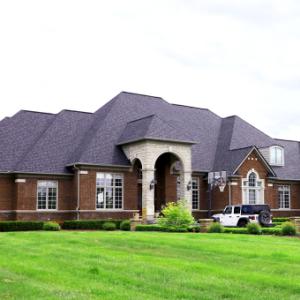
Paramount Roofing offers outstanding roofing services in Romeo, MI. You can always rely on us and trust us when it comes to your roofing, as we have certified professionals that always aim to deliver top-tier results. We opened in 2013, and have proudly built a reputation as the best roofers in the area. Our focus is on personal service and everyone on our team is committed to providing exceptional roofing services. Our ultimate goal is to create trusting, lasting relationships with all our clients. We achieve this by getting the job done right the first time and making sure you are 100% satisfied with our services. If you're looking for a roofer in Romeo or the surrounding areas, we invite you to discover why we are the top option!
Renaissance Roofing
(734) 495-0996 www.renaissanceroofinginc.com
15113 Northville Rd, Plymouth, Michigan
4.9 from 112 reviews
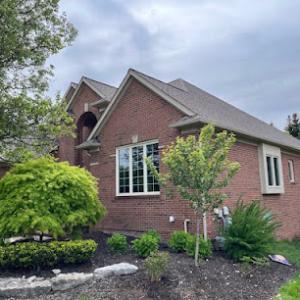
Renaissance Roofing has opened a new location in Plymouth, Michigan to better serve our customers throughout Metro Detroit. Providing Wayne County, Washtenaw County and the Southeast Michigan area with roofing services for over 25 years, we are the foremost experts in roof replacement, roof repair, new roofing systems, solar shingles installation, home insulation, and troubleshooting for more complicated situations. We pride ourselves on quality workmanship and satisfied customers. Our goal, and the goal of all our employees, is to earn and maintain your complete satisfaction. We continue to earn top awards and certifications annually for roofing installation, training, and customer service from our roofing partner, GAF.
Billy's Roofing
(734) 945-5700 billysroofing.com
1270 S Main St, Plymouth, Michigan
5.0 from 44 reviews
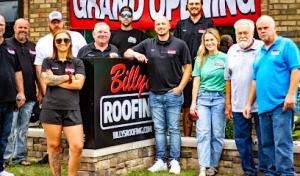
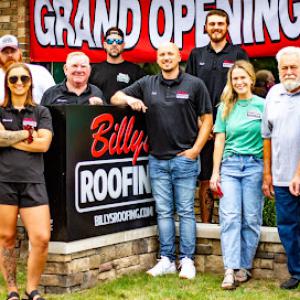
Billy’s Roofing is a family-owned roofing contractor with a showroom in Plymouth, serving homeowners across western Metro Detroit and Southeast Michigan since 1988. We specialize in residential roof replacement, storm roof repair, roof inspections, commercial roofing, and gutter replacement—backed by a 12-year labor warranty and up to 50-year shingle coverage. From Plymouth, we commonly serve areas like Northville, Novi, Farmington Hills, Ann Arbor, and surrounding communities. Request a free estimate today.
RoofAdvisor
(844) 766-3238 roofadvisor.com
41920 Joy Rd, Plymouth, Michigan
4.8 from 152 reviews
RoofAdvisor is a full-service roofing contractor serving SE Michigan in cities like Plymouth, Troy, Ann Arbor, Brighton, and Rochester Hills. We specialize in roof replacement, fast and reliable roof repair, and multi-family roofing services. What sets RoofAdvisor apart is our advisory approach. Every project starts with a detailed roof inspection so we can recommend the right roofing system based on your home, budget, and long-term maintenance goals. We work with top manufacturers and offer enhanced warranty options that many contractors cannot provide. If you need roof replacement or roof repair in Plymouth, MI or surrounding areas, contact RoofAdvisor today to schedule a free roof evaluation.
Plymouth Roofing & Siding
(734) 280-3574 plymouthroofingsiding.com
186 N Main St, Plymouth, Michigan
4.4 from 11 reviews
Starting a new roof installation is a significant step, and Plymouth Roofing & Siding is here to guide you through it. Whether it’s a new construction or adding a new roof to an existing building, our expert roofing services are unmatched. We provide thorough consultations to understand your needs and recommend the best solutions. Each new roof is a testament to our dedication to quality, built with precision and care to ensure longevity and durability.

Home Exteriors of Michigan
Serving
5.0 from 260 reviews
Since 2014, Home Exteriors of Michigan has been a trusted provider of comprehensive exterior solutions for homes across Southeast Michigan. Specializing in top-quality roofing, siding, and professional gutter services, our skilled contractors are equipped to handle everything from minor repairs to full replacements. We focus on long-lasting value, high-quality craftsmanship, and a stress-free project experience from start to finish. Contact us today for a free estimate!
Roof Advance
(734) 219-4988 roofadvance.com
Serving
5.0 from 14 reviews
Ever since Roof Advance first started out in 1996, we knew that we wanted to provide a level of service that would let customers know they their biggest investment was in trusted hands, and that we’d take care of their homes as carefully as we would our own. That commitment to quality has definitely paid off in the form of many industry awards, perfect 5 star reviews, and a long and growing list of satisfied homeowners.

Genesis Construction
(734) 375-6103 www.roofingwithgenesis.com
Serving
5.0 from 16 reviews
At Genesis Construction, we take a customer-centric approach to everything we do. Serving the Detroit Metro area, our goal is to build long-lasting relationships with our customers by providing exceptional service and quality workmanship. Our expert roofing team has decades of experience and stays up to date on industry trends and cutting-edge techniques to deliver a roof that is built to last. We specialize in commercial and residential roofing, gutter installation and repair, and damage restoration.
Certified Home Improvement
(734) 522-1601 www.chiroofing.com
Serving
4.6 from 129 reviews
Keep your property safe from the elements with roofing services from Certified Home Improvement, LLC, a roofing, siding, windows, and gutter contractor expert based in Canton, Michigan. For 20 years, our team has specialized in these installations for residential and commercial customers. With decades of experience under their tool belts, our highly trained and experienced technicians continually educate themselves on the latest roofing materials and techniques.
MacDermott Roofing
(734) 422-1990 www.macdermottroofing.com
Serving
4.9 from 201 reviews
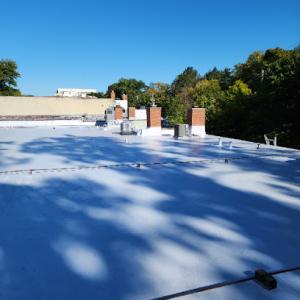
MacDermott Roofing: Southeast Michigan's Commercial Flat Roof Experts. Thanks for stopping by! With 45 years on the job, McDermott Roofing is Southeast Michigan's trusted source for commercial flat roof installation and repair. Talk to us before you replace your roof! Unlike those who rush to replace, we first assess your roof to determine if repairs can effectively extend your roof's lifespan at a fraction of the cost. Why Choose Us? Built in Michigan, for Michigan: Locally manufactured solutions tailored to our environment. Flat roof specialists: Extensive knowledge of all flat roof materials & techniques. Duro-Last Platinum Contractor since 1995: More than 10 million square feet installed!
J K Home Improvement
(734) 464-6346 www.jkhomeimprovement.com
Serving
4.5 from 24 reviews
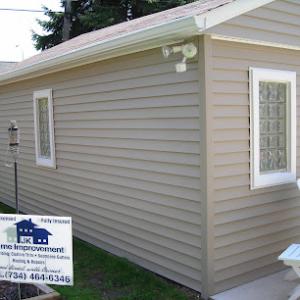
JK Home Improvement specializes in siding and trim to gutters, roofing, doors, and windows. We're ready to help with all of your home improvement needs. JK Home Improvement, established in 1977, is a family company built by Jeff, Bill, and Andy Kondrath. Over the past 40 years, JK Home Improvement has satisfied thousands of homeowners with quality home improvement. Whether you are looking for vinyl siding, custom trim, roofing, gutters, or replacement windows and doors, JK Home Improvement is a company you can trust.
Asphalt shingles are the dominant practical choice for the area's suburban detached homes and the local contractor market that handles frequent re-roofs. They balance straightforward installation with respectable durability through freeze-thaw cycles typical of Michigan winters. For most homeowners, asphalt shingles offer reliable ice-dam tolerance when paired with proper attic ventilation and adequate overhang to shed water away from the fascia. When selecting, look for heavier weight bundles and warranties that cover wind and hail exposure common to seasonal storms.
Metal roofing is present locally and can appeal to homeowners planning for snow shedding and long service life in southeast Michigan conditions. Metal panels or standing-seam systems excel at shedding ice and minimizing the risk of water backing up under shingles during rapid freeze-thaw transitions. They respond well to existing roof-framing and can be a strong match for homes with steep pitches or architectural features where a clean, modern look is desired. If choosing metal, ensure the installation detail addresses runoff into gutters and proper flashing around chimneys and dormers to prevent pinhole leaks after heavy snow events.
Clay tile, concrete tile, synthetic/composite shingles, and slate exist in the market but are more specialized choices that require attention to structural load, detailing, and contractor availability. Clay and concrete tiles bring long life and distinctive curb appeal but demand solid structural support and careful spacing to manage freeze-thaw stress. Synthetic or composite options provide a lighter-weight alternative with varied aesthetics and improved impact resistance, yet still need compatible underlayments and flashing details for Michigan winters. Slate offers premium longevity and a refined appearance, but weight and cost, along with a narrow pool of experienced installers, limit its practicality for many homes here.
When evaluating options, focus on the balance between local weather demands and the home's existing roof structure. In homes with limited attic ventilation or marginal insulation, even the best material can underperform if ice damming is frequent. Pay attention to underlayment quality, ventilation strategy, and proper flashing around valleys, chimneys, and skylights. For homes near larger trees or with frequent hail exposure, choose products with proven impact resistance and consider layered protection in vulnerable areas. Availability of skilled local installers matters; a material's performance hinges on correct installation as much as the material itself.
In Plymouth, the re-roofing market moves quickly, especially after storms or during busy seasonal windows. Established crews who can respond fast tend to command a premium, and you'll often see shorter lead times versus more rural areas. When estimating, expect variability based on crew availability, material logistics, and the storm surge tempo around the downtown and historic-district pockets. This means higher bids can appear during peak demand, but experienced local teams often deliver more predictable timelines and fewer call-backs than national outfits.
Material choice drives the bulk of the cost per square. Asphalt shingles remain the most economical option, but metal, concrete tile, and slate bring notable cost differences. In Plymouth's climate-where freeze-thaw cycles amplify stress-investing in higher-performance options can reduce long-term maintenance. For standard asphalt, you'll typically see a wide spread around the low-to-mid range, whereas metal and specialty products push toward the upper end. Synthetic/composite shingles offer a middle ground with decent durability and a moderate price point. Historical areas and older houses often favor durable, low-surge options (like certain metal or synthetic products) to curb repeated repairs.
Decking repairs, chimney flashing, and ventilation upgrades commonly add to the job in the central and near-historic neighborhoods. Access can be tighter, and some homes may require temporary shoring or careful debris management to protect period detailing. If you're dealing with old decking, expect additional material and labor hours, and plan for possible roof edge repairs or soffit upgrades. In newer subdivisions, crews typically move faster with standardized decks and simpler flashing details, which can translate to lower overall labor costs.
Spring's moisture, summer storm interruptions, and autumn leaf buildup influence scheduling and crew efficiency. Spring rains can push crews into tighter windows, delaying material delivery or necessitating extra tarping and weatherproofing. Summer heat and storms may interrupt progress, while fall leaf buildup demands thorough cleaning and inspection to ensure drainage paths remain clear. For best results, coordinate inspections and start dates to align with a stretch of dry, mild weather, avoiding peak storm weeks when possible.
If timing and local crew availability are balanced with material choice, a well-planned replacement in this market tends to deliver predictable outcomes with fewer surprises when the first heavy ice dam season returns.
Get a clear picture of your project costs upfront - no commitment required.
Storm Guard of Plymouth MI
(734) 215-6613 www.stormguardrc.com
352 N Main St Suite 4A, Plymouth, Michigan
5.0 from 159 reviews
Billy's Roofing
(734) 945-5700 billysroofing.com
1270 S Main St, Plymouth, Michigan
5.0 from 44 reviews
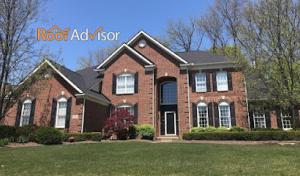
A full roof replacement typically requires a permit through the local building department before work begins. This isn't just a box to check; it's a safeguard against the kind of issues that show up after winter storms or during a hail event. Think of the permit as a written handshake with the community's safety standards, ensuring the project aligns with the climate realities of this area and the aging housing stock common to the village-adjacent neighborhoods. Starting without a permit can trigger delays, fines, and the need to pause work until the proper paperwork is in place.
The local process generally involves submitting project details and then scheduling inspections during and after installation. Gather basic information about the roof's scope, venting changes, underlayment, and any attic modifications. A common pitfall is missing documentation or vague plans-these slow down approval and can push your project into the replacement window pushed by freeze-thaw cycles. After submission, expect a review period, followed by at least one on-site inspection while work is in progress and another once the job is complete. Keeping a clear line of communication with the building department helps prevent surprises.
Inspectors in Plymouth commonly verify fastening, ventilation, and overall code compliance, and may request photos or added documentation. Fastening details matter for wind uplift and the seasonality of ice dams, especially on steeper pitches or parts of the roof with limited top-venting. Proper attic ventilation and a continuous ventilation strategy reduce moisture buildup that compounds freeze-thaw damage. The inspection may prompt adjustments if underlayment, flashing, or vent placement doesn't meet code requirements. Be prepared to provide photos showing key stages: decking, underlayment, starter and ridge components, and any ventilation work.
Timing matters, because the right sequence of permits and inspections can influence insurance scrutiny after a storm or hail event. Delays in getting approvals can shorten the window for effective weather-based scheduling, potentially exposing the project to winter interruptions or moisture intrusion. Schedule this aspect early in planning, and keep the contractor's permit card and inspection dates handy to avoid last-minute friction.
Before contacting a contractor, check with the building department about required forms and any local amendments to the standard process. Keep a detailed project timeline and contact information for inspectors on hand. If a request for additional documentation comes, respond promptly to keep the project moving and to prevent weather-related hold-ups that can complicate a replacement in a climate defined by freeze-thaw cycles.
In Michigan's claim environment, roof age can materially affect payout treatment, with some policies applying depreciation or limiting coverage on older roofs. That reality hits local homes where aging shingles, sheathing, and underlayment meet winter freeze-thaw cycles and summer hail. When a storm or ice dam incident occurs, an insurer may scrutinize whether an existing roof is near the end of its expected life or has preexisting wear. Understanding that dynamic helps a homeowner prepare for a more challenging claim review than a pristine roof would warrant.
Material compatibility matters during claim review, which is especially relevant when homeowners patch older systems instead of replacing full roof sections. Plymouth houses often feature mixtures of shingles and aging underlayment, sometimes with partial repairs after spring storms. If a patch leaves mismatched materials or splices across a critical area, the adjuster may question the short-term fix and request a full replacement to restore uniform performance. The safest approach is to align patch decisions with the roof's remaining life and to consider systemic replacement when the overall integrity is compromised by age or repeated freeze-thaw damage.
Keeping installation records, dated damage photos, and any warranty documentation is particularly useful in this market because adjusters often review workmanship history and warranty context. When a hail storm or an ice dam event occurs, a clear record of what was originally installed, who performed upgrades, and when those upgrades happened helps establish whether current damage stems from a new event or lingering wear. A homeowner who can present a cohesive history reduces ambiguity and supports a more accurate assessment of what the roof can safely and reliably endure in the years ahead.
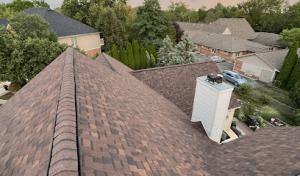
In this area, chimney-related roof work is notably common, reflecting many homes with masonry penetrations that need flashing attention. Start with a careful visual scan of where a chimney meets the roof: look for any puckering or lift in shingles at the base, rusting joints, and any mortar gaps that could allow water to intrusion. Plan a targeted flashing inspection during dry days, and treat any sealant failures as a priority, since freeze-thaw cycles can widen gaps quickly. If a chimney crown shows cracking, address it before the next cold snap to prevent ice dams from following the brickline into the attic. When resealing, choose a one-piece flashing solution that tolerates temperature swings rather than a quick patch that will fail in a thaw.
Attic insulation and ventilation matter in Plymouth because poor thermal control contributes directly to winter ice dam formation and uneven roof temperatures. Check for adequate venting near soffits and a clear exhaust path through the attic space. Insulation should fill rafter bays without compressing and without creating gaps near eaves where warm attic air can melt snow on the roof edge. A simple attic health check includes verifying that access hatches are well sealed and that baffles are in place to maintain airflow behind the insulation. If insulation goals aren't met, small upgrades now can reduce ice dam risk later without a full re-roof.
Skylight service is a meaningful local specialty, making leak-prone curb and flashing details a realistic concern during replacement planning. Inspect skylight curb sealing and the surrounding shingles for any lifting or cracking. During replacement, insist on a continuous, properly installed curb flashing system with high-quality sealant transitions that tolerate freeze-thaw cycles. Verify that the skylight flashing overlaps the roof flashing to channel any incidental water toward the exterior, and plan for a thorough, systematic reseal if a pane replacement is needed.
Find contractors experienced in skylight installation, flashing, and leak repairs to bring natural light into your home.
Storm Guard of Plymouth MI
(734) 215-6613 www.stormguardrc.com
352 N Main St Suite 4A, Plymouth, Michigan
5.0 from 159 reviews
Paramount Roofing
(734) 356-3361 paramountbuildinginc.com
963 W Ann Arbor Trail, Plymouth, Michigan
4.9 from 184 reviews
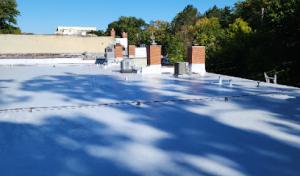
Flat and low-slope roofing is a smaller but active specialty in Plymouth, relevant for additions, porches, multifamily sections, and some commercial properties. When a house adds a sunroom, a covered porch, or an attached garage with a flat or nearly flat deck, the roof details shift from simple shingle envelopes to a carefully designed membrane system. In these contexts, the goal is to create a continuous, watertight plane that can handle movement from temperature swings without leaking at fasteners or seams.
Spring thaw and heavy rains in this climate make drainage performance and membrane detailing more important on low-slope sections than on steep-slope main roofs. You should prioritize a properly pitched underlying surface, generous slope towards eaves, and no ponding areas. In Plymouth, a reliable low-slope setup often relies on a reinforced membrane or built-up system with a top-surfacing that resists hail impact and UV exposure. Slope transitions from the main roof to the low-slope portion require careful detailing to avoid water tracking around joints, penetrations, and edge flashings. Regular checks after snowmelt help catch micro-leaks before interior damage occurs.
Mixed-roof homes in this market often need separate material strategies for the main house and attached garage or rear addition. A unified look matters, but the weathering patterns differ: the low-slope sections see more ice dam risk when overhangs are limited, while the main roof endures more thermal cycling. Practical approaches include selecting a durable membrane compatible with adjacent shingle or tile materials, ensuring color and texture transition are deliberate to retain curb appeal, and detailing fascia, drip edge, and gutter integration so water moves cleanly away from the foundation. For attached garages or additions, consider independent ventilation and insulation strategies to prevent condensation issues that can travel from the garage into living spaces.
Find specialists in TPO, EPDM, and built-up flat roofing systems for residential and commercial properties.