
Last updated: Apr 19, 2026
Canton homeowners face a sharply seasonal roofing challenge: ice dams in the heart of winter and wind-driven hail exposure as spring arrives. This township sees a pattern where problems cluster by season rather than streaming steadily through the year. In practical terms, that means you should plan for a high risk cycle: heavy, freezing precipitation creating ice dams, followed by rapid temperature swings and a humid, windy spring that can strip shingles and expose underlayment. The rhythm is predictable enough to time inspections and preventive steps, but unforgiving if you wait for visible symptoms to appear. Your attic layout, ventilation, and insulation quality play a pivotal role in how quickly winter moisture translates into roof damage. If attic moisture isn't being managed, every freeze-thaw cycle accelerates deterioration of asphalt shingles and can push minor issues into costly repairs once warmer storms roll in.
Ice dams form when warm attic air leaks into the roof deck and melts a shallow layer of snow, which refreezes at the eaves. In Canton, that pattern worsens during prolonged cold snaps followed by even brief warm spells when people still rely on attic heat rather than conditioning the roof. The result is interior leaks, stained ceilings, and wood rot that sometimes goes unnoticed until a heavy spring rain tests the roof's integrity. Prevention hinges on two practical steps you can act on now: ensure your attic is well ventilated and properly insulated, and address any observed attic moisture sources without delay. A meticulous seal around penetrations, updated attic baffles, and a verified insulation depth appropriate to your attic space can dramatically reduce the ice dam risk. When you do see ice buildup at the eaves, don't assume it's harmless. It can trap meltwater against the roof deck, leading to shingles curling, underlayment degradation, and fascia damage that snowball into leaks.
As the snow melts and the humid air returns, Canton's wind patterns shift, and high-quality roof coverings take a direct hit from hail and gusts. The township's claim activity in wind and hail events is a reminder that roofs here need to endure more than seasonal beauty-they endure real weather stress. Wind-driven hail can nick, puncture, or crack shingles, especially if the roof is already weakened by winter moisture or if the flashing around chimneys, vent pipes, and along the eaves isn't solid. A fast, decisive response after a hail event is critical. Look for bruising on shingles, granule loss, and any softened edges or torn seals around flashings. If you notice suspicious damage after a storm, treat it as urgent, because hidden damage can compromise roof performance and ventilation in ways that only show up after the next cold spell or heat spike.
In the Detroit metro insurance environment, wind and hail events commonly trigger roof claims, so post-storm photo documentation and contractor damage assessments are especially important here. After a major event, take broad and close-up photos of every roof plane, every vent, and all flashing components. Focus on edge damage, sealant wear, and any displaced shingles or granule loss. Keep a dated, organized record of what you captured and compare those images to pre-storm photos if you have them. Share clear, labeled images with your chosen contractor and insurer, and request a written assessment that documents the structural and underlayment conditions observed. If you notice water stains or damp insulation in the attic after a storm, treat it as an urgent red flag and arrange an inspection as soon as safe access is possible.
If you suspect damage during or after a storm, do a rapid interior check for signs of leaks-stains, soft ceiling spots, or damp insulation. Schedule a professional roof inspection promptly, prioritizing areas around hips, valleys, flashing, and penetrations where damage tends to accumulate. Ask for a careful evaluation of ventilation and underlayment in light of Canton's cold-warm cycles, because these components determine how well the roof holds up through repeated freeze-thaw and humid summers. Finally, develop a quick-response plan with your contractor for storm aftermath: how to secure damaged areas, what temporary measures you can implement to minimize water intrusion, and what documentation you'll assemble for any insurance review. The aim is clear: reduce risk now, so you're not facing escalating repairs when the next season signals a shift in weather patterns.
Asphalt shingles are the dominant roofing material in Canton, making shingle aging, seal strip performance in summer heat, and granule loss after freeze-thaw cycles the most common homeowner concerns. In subdivisions with uniform lots and closely spaced homes, a leaky or aging roof tends to stand out quickly, especially after a harsh winter and a hot Michigan July. The typical pitched roof over a standard 2×4 frame means you'll be dealing with the same wear patterns as your neighbors, so a timely inspection after severe storms or hail is a smart move. With that in mind, think of your roof as a layered system: shingles, the underlayment, flashing, and attic ventilation all work together to move heat and moisture out of the attic and away from the roof deck.
Warm, humid summers accentuate attic heat buildup, which can soften asphalt seal strips and accelerate aging of shingles at the corners and ridges. In Canton's freeze-thaw cycles, granule loss is not merely cosmetic; it reduces UV protection and can expose the asphalt beneath to faster degradation. After a storm, look for lifted shingles, curled edges, or granules washed into gutters or downspouts. In wind-prone years, look for lifted tabs along the eaves or near dormers where wind channels can pry shingles up. The most reliable early warning is a roof that feels consistently warmer inside the attic during the hottest days; that heat usually signals ventilation gaps or moisture buildup that needs attention before any flashing or underlayment fail.
Ventilation is not a luxury; it's a lifespan extender for asphalt roofs in this climate. If the attic feels stuffy or consistently warm in summer, check intake vents at the soffits and exhaust vents near the peak. A balanced flow helps prevent moisture from condensing on the underside of shingles during humid summers and reduces ice dam risk in late winter. Ensure that attic insulation is sufficient and evenly distributed to keep the roof deck closer to the outdoor temperature, which reduces thermal cycling that can loosen seal strips. In homes with vaulted or unusual attic shapes, consider a licensed inspection to confirm that baffles, soffit intake, and ridge venting are properly aligned for Canton's summer humidity and winter cold.
Since this area is reroofing-driven, most homeowners are evaluating replacement options for existing pitched shingle roofs rather than pursuing specialty systems from scratch. When planning a reroof, align the project with seasonal weather windows that minimize exposure to the worst freeze-thaw swings. Early fall is often ideal for allowing the roof to dry before the snow, while spring offers a window after winter moisture has abated. If you observe signs of significant granule loss, curling, or damaged seal strips after a severe storm, addressing those issues sooner rather than later can prevent more extensive interior damage and extend the usable life of the new shingles.
The most popular roofing material in the US. Find pros who install, repair, and replace asphalt shingles.

Horizon Roofing & Construction
(734) 585-7160 horizonroofingconstruction.com
Serving
5.0 from 78 reviews
Rapid Roofing
(734) 875-8373 rapidroofing.com
5700 S Sheldon Rd, Canton, Michigan
4.6 from 246 reviews
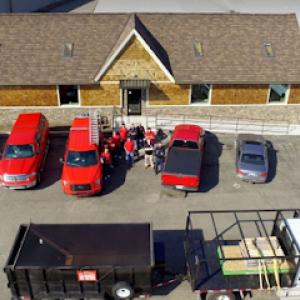
Rapid Roofing installs most roofs in just a day, with a full warranty. And we always offer fast, prompt delivery and exceptional customer service. Trust Rapid Roofing, the #1 rated roofer in your hometown of Canton or Ann Arbor, MI for over 30 years. We’re your neighborhood roofing contractors, recognized for delivering fast roofing services, installing new roofs in about one day, offering lifetime warranties and affordable financing arrangements, and serving residential and commercial roofing customers.
Tittle Brothers Construction
(734) 767-1002 tittlebrothers.com
Serving
4.7 from 27 reviews
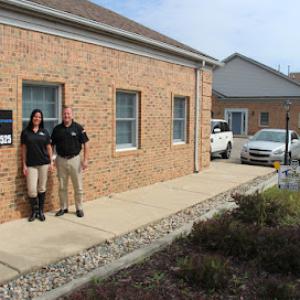
Tittle Brothers Construction is a family-owned and operated general contractor providing a full range of home remodeling and renovation services, along with commercial services. Since 2002 we have helped thousands of our neighbors with home remodeling and renovation projects that bring comfort, convenience and added value. Drive through our any nearby neighborhood and you’ll see many Tittle Brothers roofs protecting families from the weather, along with beautiful siding, energy efficient windows, durable masonry walls and walkways – any number of home improvements on almost every block! One reason we have become successful is our total commitment to customer service. We base our company on honest, open communications with our customers.
All That Roofing & More
(734) 338-8359 allthatroofing.com
Serving
5.0 from 60 reviews
All That Roofing & More is a Roofing Contractor located in Livonia, MI. We offer Roofing Services, Vinyl Siding, Gutter Services, Window Replacement, Home Improvement, Roof Repair, Roofing Quotes, Gutter Installation, and other Roofing Contractor Services. At All That Roofing & More, we take pride in our craftsmanship, attention to detail, and customer satisfaction. Your roof is our priority - contact us today for roofing solutions that go above and beyond. Call us today for more information and services!

Horizon Roofing & Construction
(734) 585-7160 horizonroofingconstruction.com
Serving
5.0 from 78 reviews
Horizon Roofing and Construction brings over 25 years of experience to homes in Northville, Michigan. This family-owned company offers a comprehensive range of services, including repairing old roofs and new roof installation. Horizon also can replace siding and install new window. Horizon focus lies on craftsmanship, ensuring both the beauty and functionality of your home's exterior. Horizon prides themselves in making a weatherized, functional and safe environment inside and outside your home.
Roofing Restoration
(734) 755-9498 roofingrestoration.squarespace.com
Serving
5.0 from 118 reviews
Roof repair & replacement. Insurance claims specialist. Siding, Gutters, Gutter guards,
Certified Home Improvement
(734) 522-1601 www.chiroofing.com
Serving
4.6 from 129 reviews
Keep your property safe from the elements with roofing services from Certified Home Improvement, LLC, a roofing, siding, windows, and gutter contractor expert based in Canton, Michigan. For 20 years, our team has specialized in these installations for residential and commercial customers. With decades of experience under their tool belts, our highly trained and experienced technicians continually educate themselves on the latest roofing materials and techniques.
Gable Roofing & Sheetmetal
(734) 904-7957 www.gableroofingco.com
Serving
5.0 from 24 reviews
Roofing for Those Who Care - By Those Who Care At Gable Roofing & Sheetmetal in Ann Arbor, we take immense pride in being a premier provider of roofing, siding, and gutter services for both residential and commercial clients. Our commitment to excellence ensures that every installation and repair we perform meets the highest standards of quality, durability, and customer satisfaction. Roofing Services in Ann Arbor -Roof Installation -Metal Roofing -Cedar Roofing -Slate Roofing -Roof Repair -Roof Maintenance Expert Siding Services -Fiber Cement Siding -ACM Panels -Rainscreen panels Why Choose Gable Roofing & Sheetmetal? -Experienced Professionals -Customer Satisfaction -High-Quality Materials -Local Expertise
Roof Advance
(734) 219-4988 roofadvance.com
Serving
5.0 from 14 reviews
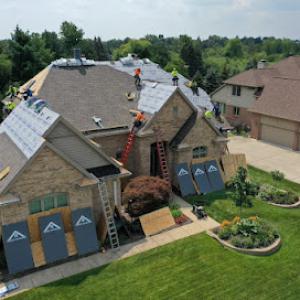
Ever since Roof Advance first started out in 1996, we knew that we wanted to provide a level of service that would let customers know they their biggest investment was in trusted hands, and that we’d take care of their homes as carefully as we would our own. That commitment to quality has definitely paid off in the form of many industry awards, perfect 5 star reviews, and a long and growing list of satisfied homeowners.
RoofAdvisor
(844) 766-3238 roofadvisor.com
Serving
4.8 from 152 reviews
RoofAdvisor is a full-service roofing contractor serving SE Michigan in cities like Plymouth, Troy, Ann Arbor, Brighton, and Rochester Hills. We specialize in roof replacement, fast and reliable roof repair, and multi-family roofing services. What sets RoofAdvisor apart is our advisory approach. Every project starts with a detailed roof inspection so we can recommend the right roofing system based on your home, budget, and long-term maintenance goals. We work with top manufacturers and offer enhanced warranty options that many contractors cannot provide. If you need roof replacement or roof repair in Plymouth, MI or surrounding areas, contact RoofAdvisor today to schedule a free roof evaluation.
Roof Proof
(734) 431-1698 www.roproof.com
Serving
5.0 from 2 reviews
We are Licensed and Insured contractor with approximate 20 years in home improvement. We provide best customer service and serve high quality roof replacement with extended warranties.
Victors Home Solutions
Serving
4.8 from 4613 reviews
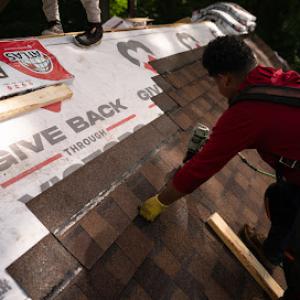
From our free 21-Point Roof Inspection to our 50-Year Leak Free Guarantee, we’ll protect your home and family for years to come. With almost two decades of roofing experience and a BBB Accredited A+ rating, Victors Home Solutions is the superior roofing and home improvement company across Michigan, Ohio, Kentucky, and Indiana. We provide the highest quality workmanship for residential roof repairs and replacements, vinyl windows, seamless gutters, and attic insulation services.
Billy's Roofing
(734) 945-5700 billysroofing.com
Serving
5.0 from 44 reviews
Billy’s Roofing is a family-owned roofing contractor with a showroom in Plymouth, serving homeowners across western Metro Detroit and Southeast Michigan since 1988. We specialize in residential roof replacement, storm roof repair, roof inspections, commercial roofing, and gutter replacement—backed by a 12-year labor warranty and up to 50-year shingle coverage. From Plymouth, we commonly serve areas like Northville, Novi, Farmington Hills, Ann Arbor, and surrounding communities. Request a free estimate today.
A full reroof in this area is typically treated as a formal project that requires a building permit through the township, not a casual contractor-only job. That means you'll need to coordinate through the Canton Township permit process, provide accurate project details, and ensure the work meets local code and inspection standards. The township keeps a close eye on ventilation, flashing details, and underlayment, particularly during cold-winter, humid-summer cycles where improper installation can lead to ice dam risk and moisture problems. Start the process early, since paperwork and plan reviews can influence scheduling and weather-related timing.
Canton Township uses a digital permit portal that streamlines how homeowners and contractors submit reroof applications and track approval status. Expect to upload project plans, roofing material specifications, and venting details, along with any manufacturer installation instructions that pertain to flashing and underlayment. The portal provides real-time status updates, so you can monitor each step from submission through plan review, permit issuance, and inspection milestones. Communicate clearly with your contractor about portal access and any required supplementary documents to avoid delays.
Roof inspections in Canton commonly include a rough-in inspection during installation and a final inspection after completion. The rough-in focuses on initial layout, roof ventilation strategy, flashing plane integration, and underlayment coverage. Inspectors will verify that attic vents, soffit intake, ridge vents, and baffles align with Canton's climate demands to prevent moisture buildup during the heating season. The final inspection verifies that all penetration flashings are sealed, exhausts and intakes are correctly vented, and the overall roof assembly adheres to code and manufacturer specs. Plan for both inspections in the project timeline and ensure the contractor schedules them with the township in advance.
In Canton's climate, inspection scheduling typically presents a 1-3 day window, depending on weather and inspector availability. Cold snaps or rain can push timing, so align reroof work with anticipated dryer, milder days to reduce the risk of ice-related complications and to keep installation materials performing as designed. If snow or heavy frost is anticipated, discuss contingency timing with the contractor and the township, since improper batching of underlayment or laps in flashing during a freeze-thaw cycle can create stubborn ice dam issues that complicate both installation and subsequent inspections.
Because ventilation, flashing, and underlayment are recurring inspection focal points, the practical path to a smooth permit experience is thorough coordination between you, the roofer, and the township. Ensure the contractor submits detailed venting plans, confirms underlayment type and fastener schedules meet code, and follows best practices for winter-ready installation. Keep access clear to the roof and attic space for inspectors, and maintain open lines of communication with the permit portal notifications so you're not surprised by any additional requests or correction items that might arise during rough-in or final review.
In Canton, storm activity and the Detroit metro's seasonal surge can tighten labor after major weather events. That means even common reroofs shift from a predictable schedule to faster-paced, limited crews. Your budget should anticipate not just material price, but how scheduling pushes labor costs during peak demand periods.
Asphalt shingles are the local baseline, generally running 350 to 700 USD per square. Metal roofing is a step up, typically 700 to 1200 USD per square. Wood shingles or shakes come in around 600 to 1000 USD per square. Synthetic or composite shingles sit roughly 500 to 1100 USD per square. Concrete tile falls between 900 and 1600 USD per square, while clay tile ranges from 1000 to 2000 USD per square. These figures reflect Canton's reroof demand, where storm-driven scheduling surges can tension pricing beyond the simple material sticker price.
Final project cost in Canton can differ notably from the bare material price because each reroof must address ventilation, flashing, and underlayment details to handle cold winters and humid summers. The work plan may require upgrading or replacing existing venting, reclaiming attic air flow, and ensuring a continuous drip edge and snow-blocking strategy. If the existing roof deck shows rot or requires structural tweaks, that adds labor hours and material underlayment, pushing costs higher even within your chosen material.
If you're prioritizing quick restoration after a hail event, asphalt shingles offer speed and cost predictability, but metal can yield longer life in Canton's freeze-thaw cycles. Tile options (concrete or clay) bring durability but require precise ventilation and underlayment coordination due to heavier weight and complex flashing. Synthetic shingles balance cost with performance and can smooth out some winter wear concerns. In all cases, plan for a realistic window of time when crews are in high demand, and expect that installation details driven by Canton's climate can materially change final cost beyond the list price.
Get a clear picture of your project costs upfront - no commitment required.
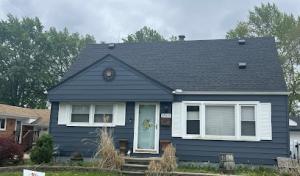
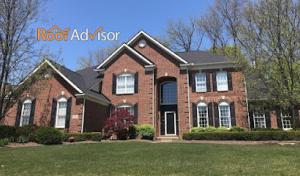
Storms drive most wind and hail claims in this metro area, and Canton sits squarely in the middle of that activity. Insurance teams expect solid documentation: photo sets that capture the roof's condition before and after a event, contractor estimates grounded in known material and workmanship standards, and clear notes on post-damage condition. If a claim starts with a hail dent or wind lift, the expectation is to see the full story in pictures, not as an afterthought once interior damage shows up months later. The emphasis on accurate, complete records means your first steps after a storm should lean toward careful documentation rather than lingering in uncertainty.
Adjusters reviewing Canton-area roof claims commonly evaluate storm photos and post-damage assessments, making early documentation more important than waiting for visible interior leaks. In practice, that means you should photograph exterior flashing, underlayment exposed at any edges, attic ventilation, and any signs of moisture intrusion right away. Clear, timestamped images help prevent later disputes about when damage occurred or how severe it was. A timely contractor estimate that aligns with the photos and a concise damage narrative can keep the process from bogging down as inspectors compare your roof's condition to standard Canton construction practices.
Claim outcomes for Canton homeowners can vary based on policy-specific factors such as depreciation and replacement cost value, which directly affects whether repair or full replacement is financially realistic. If a claim hinges on depreciation, you'll want to understand how your policy handles recovery after construction is completed and whether the insurer adjusts based on actual cash value versus replacement cost value. Realistic expectations come from early, thorough documentation and a clear line of communication with the adjuster, rather than waiting for slower signals like interior moisture to appear.
Connect with contractors who help homeowners navigate the claims process from damage assessment to final approval.
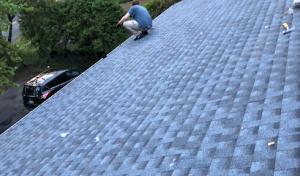
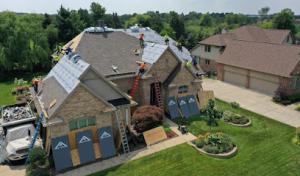
Winter in this area brings pronounced freeze-thaw cycles that stress shingles, underlayment, and flashing. Snow accumulation adds weight and can mask damage until a melt cycle loosens lifts and leaks. If a sudden thaw follows a heavy snowfall, inspect for exposed fasteners and ice dam formation at eaves and along valleys. Replacement work planned for late winter should account for limited daytime temperatures, slower material handling, and the risk of new ice dams forming during the first warm spell. If damage is extensive, emergency repairs to shore up critical flashing and insulation may be necessary, but a full roof replacement is best timed for a window with sustained above-freezing days to ensure proper adhesion and seal.
Spring in this area brings wind-driven hail and heavy rainfall that can compromise roof integrity quickly. Missing shingles, lifted tabs, or compromised underlayment are common after severe spring storms. If a roof shows signs of damage after a hail event, prioritize an inspection to determine whether replacement should be accelerated or can wait for a calmer stretch. Spring roofing work should plan around possible wind advisories and wet conditions that affect ladder safety, material handling, and ventilation installation. Staging the project to avoid peak storm weeks reduces the risk of weather-related delays and interior exposure.
Summer heat can affect shingle adhesion and the curing of sealants, so placement and nailing must follow temperature guidelines. In Canton, dry, hot days can speed up installation but may demand early starts and midday shading to protect crews. Ensure adequate ventilation and attic access to prevent heat buildup that can compromise new decking or underlayment. Autumn leaf buildup starts early enough to interfere with drainage; address clogged gutters and clogged valleys before leaves pile up, so water flows freely toward downspouts and away from the eaves.
Autumn brings varied weather, with the risk of early snow and persistent leaf litter. Plan reroofing after leaf fall is complete but before first heavy snowfall. Coordination with weather windows helps keep installation on track and minimizes the chance of wind-driven disruptions that can damage an exposed roof surface.
In Canton's subdivision-heavy neighborhoods, flashing isn't just a cosmetic detail-it is what keeps the roof system sealed through Michigan's swings from warm, humid summers to cold, snowy winters. Local inspection practice treats flashing as a fail point if it isn't properly integrated with valleys, chimneys, skylight perimeters, and underlayment. A small lapse here can become a long-term leak pathway that shows up only after a heavy thaw or spring rain. When a roofer spots compromised flashing, it's usually not because it looks ugly, but because the underlying metal or sealant has shifted with freeze-thaw cycles. Take extra care where the roof meets walls, vents, and fixtures, and verify that openings are fully integrated with compatible sealants and flashing pans. Poor flashing invites slow moisture intrusion that can remain hidden until the first significant melt, turning a minor repair into a larger, more disruptive job.
Canton's humid summers demand ventilation that moves air across the attic space, reducing moisture buildup that otherwise lingers and threads through sheathing and underlayment. Without adequate intake and exhaust, moisture can condense in the hot months, inviting mold, wood rot, and prematurely aged decking. In winter, good ventilation helps minimize ice dam risk by keeping roof temperatures more uniform and reducing the thickness of snow packs that linger at the eaves. A well-planned venting strategy doesn't get much attention until it's wrong, but once a homeowner notices attic heat or condensation, the consequences are clear: reduced roof life, higher energy costs, and more frequent repairs. The inspection emphasis on ventilation is practical and consequential in this climate.
Skylight penetrations deserve extra scrutiny because leak diagnosis after snow, ice, and spring rain events can be mistaken for broader field-shingle failure if flashing details aren't checked carefully. Canton's winters push skylight flanges, pans, and side seals to their limits, especially where attic heat affects surrounding shingles. When reviewing skylights, confirm that step flashing transitions smoothly to the skylight curb, that sealants remain flexible in cold months, and that the surrounding shingles have solid, watertight integration with no gaps. A small overlooked seam here can mimic the signs of a larger roof issue once spring rains start.
Find contractors experienced in skylight installation, flashing, and leak repairs to bring natural light into your home.
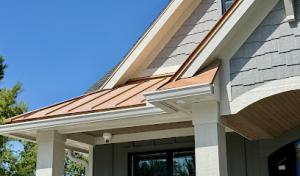
Many Canton reroof projects start with bidders who promise fast response times, straightforward cleanup, and affordable upfront pricing. The market leans toward quick turnarounds that fit busy house schedules, but the best outcomes come from crews that also emphasize solid workmanship and reliable follow-through after the install. Long-established, family-owned firms have a meaningful presence, and that matters in a township where permit follow-through, inspection coordination, and warranty responsiveness can outlast the install day itself. When talking with candidates, ask about how they handle weather delays, storm-season demands, and coordinating with the county inspectors who routinely scrutinize ventilation, flashing, and underlayment during cold-winter, humid-summer cycles. A contractor that understands the cantilevered sections, valleys, and roofing details common to Canton's older and newer homes is more likely to deliver a durable solution.
Look for teams that can point to local projects with similar roofing materials and exposure to Detroit-metro wind and hail activity. Strong referrals from neighbors, and the ability to illustrate site-specific work around masonry penetrations, tell a lot about reliability. The contractor should be comfortable communicating with homeowners during snowmelt or thaw when icicles, ice dams, and attic condensation can recur. Expect clear explanations about how flashing around chimneys and masonry stacks will be integrated with underlayment and ventilation plans. Warranty responsiveness should be described as a living commitment, not a one-day guarantee.
Chimney-related work appears often enough to make flashing around masonry penetrations a practical screening topic. Ask how the contractor treats chimney and vent flashings for long-term performance, especially after wind-driven rain or freeze-thaw cycles. Inquire about the chosen underlayment and ventilation strategy, since Canton's climate tests both cold-winter efficiency and humid-summer comfort. The contractor should be able to outline a plan that minimizes ice dam risk, maintains attic balance, and coordinates with local inspectors to ensure everything from drip edges to ridge vents is properly installed. A solid team will provide a realistic project timeline, answer maintenance questions after installation, and stand behind the workmanship as seasons change.