Last updated: Apr 19, 2026
Winter in this part of the region routinely brings a bright stack of snow followed by freeze-thaw cycles. That pattern is a prime mover for ice-dam formation at eaves, where heat from the attic melts roof ice, refreezing at the colder edge and pushing water back under shingles. In older homes, the attic often hides a patchwork of insulation, uneven ventilation, and legacy flashing that don't cooperate with winter demands. Flashing around chimneys, skylights, and roof-to-wall transitions can become a leak path after a heavy melt-and-freeze sequence, especially if those details were installed decades ago or have settled with house age. The result is a slow creep of moisture that shows up as staining, peeling paint, or damp spots on ceilings long after a storm has passed.
A mixed bag of attic insulation means hot spots and cold spots can coexist, sending warm air to places it shouldn't go and leaving other spots underinsulated. Uneven ventilation compounds the problem: eaves and soffits may pull in air sporadically, while ridge vents or dormer cavities fail to match. When ice dams form, water can follow those hidden routes, traveling along underside of roofing layers until it finds a weak spot. In Dearborn, that hidden wear is common on older stock, where attic access is cramped and every retrofit is a little more complex. The result is a winter leak path that isn't obvious from the ground and only reveals itself after a thaw-prone stretch or a late-season ice dam buildup.
Replacement work often gets pushed toward late spring through early fall, because winter conditions complicate tear-off, drying, and inspection scheduling. That timing reality matters: if a roof is showing signs of freeze-thaw damage or repeated ice dam damage, waiting through December to assess can let minor issues become major repairs. The hidden wear on flashing, underlayment, and vent details can escalate quickly once a thaw reintroduces moisture behind layers that were supposed to shed it. In practice, this means you should prioritize a focused winter risk check-whether you're planning a full roof replacement or targeted repairs-so you aren't surprised by a sudden leak when spring rains start.
Engage a local contractor who understands Dearborn's aging roofscape and the way ice dams behave on older homes. Start with a careful walkaround after a thaw: check for new brown staining on ceilings, damp spots near interior walls, or any peeling paint near rooflines. Have the contractor verify attic insulation levels, verify venting configuration, and inspect flashing at valleys, chimneys, and dormers for gaps or loose segments. If a roof is nearing the end of its life or shows repeated winter leakage, plan for a comprehensive approach that addresses insulation, ventilation, and flashing together, rather than patching individual symptoms. Acting now reduces the risk of winter-related damage spreading to interior ceilings and walls during the next freeze-thaw cycle.

Level Up Improvement
(313) 287-9525 levelupimprovement.com
3042 Academy St, Dearborn, Michigan
5.0 from 128 reviews
We are a family-owned Roofing, Siding, and Window contractor that is local to the Metro Detroit area. We have experience installing and managing projects on homes across Southeast Michigan.
Mill Connection Home Improvement
(313) 215-2186 www.millconnectionhomeimprovement.com
21720 Morley Ave, Dearborn, Michigan
4.9 from 60 reviews
Experienced and reliable roofing contractor serving Southeast Michigan. We specialize in providing high-quality roofing solutions for both residential and commercial properties. Our team of skilled professionals is committed to providing exceptional customer service and ensuring your roof is protected for years to come.
NorthWest Construction
(313) 277-7676 www.nwconst.com
21521 Donaldson St, Dearborn, Michigan
4.5 from 99 reviews
Terry Burke has been a Roofing Contractor for over 25 years. His Roofing Company in Dearborn, Michigan has provided a roof over many friends and neighbors heads in Metro Detroit. Northwest Construction is family-owned business and and business and we pride ourselves on our Integrity, Quality Workmanship, and Reputation. We are A+ Certified member of the Better Business Bureau and have received Angie's List "Super Service Award" in each of the last SIX years!

Roofing Dearborn
(313) 209-6350 roofingdearborn.com
3200 Greenfield Rd #300, Dearborn, Michigan
5.0 from 4 reviews
Roofing Dearborn offers a variety of roofing services in the Dearborn Michigan area. From small roof repair work to larger, complete new roof installation in Dearborn Michigan we can help! We offer free consultations on roofing projects. Call us today to learn more about our roofing services in Dearborn Michigan at 313-209-6350
AllPoint Construction
(734) 407-7110 allpointconstructionmi.com
Serving
4.6 from 642 reviews
AllPoint Construction is Metro Detroit’s trusted choice for quality home improvements, from expert roofing and siding to kitchen & bath remodels and custom additions. As a family-owned company, we take pride in craftsmanship, integrity, and creating spaces you’ll love for years to come. Whether you need a reliable roofing contractor after a storm, energy-efficient windows, or a dream kitchen makeover, our team is here to make it happen. Call today for your free estimate and experience why homeowners across Downriver and Southeast Michigan choose AllPoint Construction to build, repair, and remodel with confidence.
BHM Remodeling
(248) 467-6059 www.bhmremodeling.com
Serving
5.0 from 6 reviews
BHM Remodeling in Howell, MI provides dependable residential and commercial roofing services backed by skilled craftsmanship and quality materials. Our team handles roof leak repair, roof leak detection, roof installations, and roof replacement with precision and efficiency. We focus on durability, safety, and customer satisfaction, delivering results that stand the test of time. Whether it’s a minor repair or a full roof upgrade, our experienced professionals ensure every project meets the highest standards. Known for reliability and integrity, BHM Remodeling is the trusted choice for expert roofing solutions throughout Howell and surrounding communities.
Chucks Roofing Company
(313) 386-8962 chucksroofingcompany.com
Serving
4.9 from 184 reviews
At Chuck's Roofing Company, we provide expert roofing and siding services to homes in Lincoln Park, MI, and the surrounding areas. As a trusted roofing contractor, we specialize in roof installations, repairs, and siding solutions designed to protect and enhance your property. Our team is committed to delivering exceptional craftsmanship and durable results that stand up to the elements. Trust our roofing company and siding contractors to keep your home beautiful, secure, and weather-resistant for years to come.
Gabriel’s Roofing Construction
(248) 383-3449 www.gabrielsroofingconstruction.com
Serving
4.9 from 96 reviews
Your trusted home Improvement expert for a lifetime. We pride ourselves on presenting the best quality replacement Roofing, Gutters, Vinyl siding, Windows. We install these products in your home as if we were putting them into our own. Should those products ever need service, we will always be there to take care of any problems. It’s our lifetime guarantee.
Advantage Roofing & Construction
(313) 986-1877 advantageroof.us
Serving
5.0 from 57 reviews
We are a full service commercial and residential roofing, siding, gutters and general building and home maintenance and installation company.
Kroll Construction
Serving
4.4 from 583 reviews
Kroll Construction offers a full array of home repair, renovation and improvement services, all delivered using top quality products and materials, installed with professional craftsmanship and responsive customer service. Our services include roofing, siding, windows, gutter and gutter protection, and kitchen and bath remodeling. Our goal is to make your home improvement project a rewarding and enjoyable experience from start to finish, whether you are installing the kind of windows that local homeowners prefer, or are dreaming of completing the best kitchen remodeling in the Michigan area.

Garden City Roofer
(734) 224-5646 www.roofingandsidingdetroit.com
Serving
5.0 from 36 reviews
Garden City Roofer goes beyond roof repair and replacement. They offer a comprehensive suite of exterior home services, including roof rejuvenation, siding installation, gutter cleaning and repair, and insulation, including spray foam. Their service area extends beyond Garden City to encompass Westland, Dearborn Heights, Livonia, Plymouth, and more.
Big Al's Roofing
Serving
4.9 from 74 reviews
ROOFING & ROOF INSTALLATION OF LIVONIA, MI. Big Al’s roofing is a family owned and operated business. With over 29 years in the business. We are rated A+ through the BBB and we never sub-contract out work.
Spring hail events in this area can leave bruising on asphalt shingles that isn't obvious from ground level but later reveals itself as you inspect the roof up close. Those bruises can compromise surface strength, slow to show up, and complicate insurance decisions when a claim is filed. In Dearborn's older housing stock, that hidden damage often travels with freeze-thaw cycles, undermining the roof deck, underlayment, and even flashing over time. The lesson is to look beyond cosmetic dings and watch for soft spots, granule loss, and darkened streaks that develop after a storm. Documenting these signs promptly helps create a clearer story for the claims process and for any subsequent replacement decisions.
Michigan claim activity in this market is driven mainly by wind, hail, and ice-dam damage rather than a statewide insurer pullback. That means how a roof looked before the storm and how it was documented after the storm can influence coverage decisions just as much as the visible damage. In practice, this translates to a need for thorough, organized evidence: clear photos showing damaged areas from multiple angles, notes about the roof's overall condition before the event, and a dated account of when the hail and wind occurred. The quality of that documentation often matters more than whether a particular insurer is actively writing new policies at the moment.
Dearborn homeowners should expect an adjuster to review the claim with a careful eye for hidden and subsurface wear. Preserve photos of the roof surface, but also keep interior documentation that can corroborate the storm's impact-insulation signs, attic ventilation observations, and any ceiling or drywall issues that correspond to roof failures. Create concise roof-condition notes with dates and weather details drawn from local forecasts and incident reports. After a storm, set up a simple photo log that captures the roof around the eaves, vents, flashing, and any signs of ice dam damage that persisted into spring thaw. This record becomes a practical reference when timelines stretch due to weather-driven surges and adjusters rotate through case queues.
Early, targeted documentation helps prevent delays. Photograph the ridge line, flashing intersections, and vent boot details, then compare to earlier images if available. Note any ice dam remnants in the attic that align with interior staining or moisture intrusion. If leaks are suspected, prioritizing a professional inspection that can isolate whether water ingress stems from wind-driven damage, hail bruising, or freeze-thaw stress can salvage valuable evidence for the claims process. In the end, a well-documented, clearly dated account reduces ambiguity and supports a more accurate assessment of repair versus replacement needs.
Find local contractors experienced in assessing and restoring roofs after hail, wind, and severe weather events.
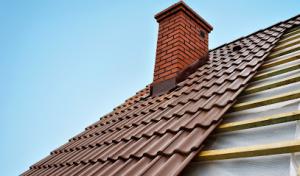
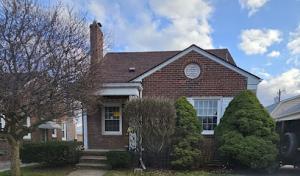
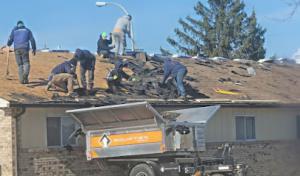
For the classic Dearborn roof, asphalt shingles are the practical default. They align with the area's reroof-heavy housing stock and the local contractor base that most commonly markets shingle work. This material handles freeze-thaw cycles reasonably well when paired with proper underlayment, adequate attic ventilation, and well-seated flashing. In neighborhoods with older homes, you'll often see asphalt roofs that have stood up to decades of Michigan winters, making shingles a predictable, maintenance-friendly choice for a large share of houses.
Metal roofing is present but less common locally, making it a more specialized option compared with standard shingle replacement. If you're weighing metal, plan for a longer installation window and confirm that the contractor can manage the flashing transitions over existing penetrations and dormer details. A metal roof can shed ice and snow more efficiently, which matters in deep winter months, but it requires a compatible deck, precise fasteners, and attention to structural support that might differ from a typical shingle job. Availability of skilled local installers is another factor to consider.
Clay tile and concrete tile exist in the market but remain niche choices in this area. They demand careful attention to structural load, flashing transitions at wall and roof intersections, and the ability to source experienced tile specialists. Synthetic or composite shingles provide a middle ground, offering enhanced durability and a lighter footprint than traditional tile, while staying compatible with standard underlayment and venting practices found in Dearborn homes. Slate is the most specialized option here, prized for longevity but requiring exacting installation and a strong support structure to prevent long-term warping or stress cracking under freeze-thaw cycles.
Older homes often carry unique challenges: uneven framing, limited attic space for ventilation, and legacy underlayment types. The best material choice considers not only climate resilience but also the existing roof geometry, chimney or vent stacks, and flashing transitions. In many Dearborn projects, the most durable long-term results come from a material that installers can seamlessly integrate with the house's current venting and drainage plan, while still providing robust protection against ice dams and hidden storm wear.
Late spring through early fall is the typical replacement window for a roof in this area. That stretch aligns with milder weather and a steadier crew rotation, but it also means seasonal demand can tighten schedules after winter damage and spring storms. When a storm or freeze event has already pushed multiple jobs into the same week, you'll notice delays. Plan ahead by budgeting a realistic span for project kickoff, especially if a tear-off is required and your crew needs to sequence multiple trades-insulation, underlayment, ventilation, and flashing updates all come into play before the new roof goes on. In practice, that means selecting an install start date well before peak summer demand and locking in a backup plan with the contractor.
Material choice drives the base price, but on older homes in town, the figure can rise quickly if decking needs repair, ventilation corrections are required, or flashing updates are needed to pass focus areas that inspectors frequently check-underlayment, venting, and flashing. Asphalt shingles stay the most common starting point and are the most economical option, but even they can creep higher if the decking has softened or water intrusion has been suspected. Metal roofing offers longer life and durability against freeze-thaw cycles, but initial costs are notably higher. Tile and slate bring premium price tags and substantial weight, often necessitating structure and ventilation assessments upfront. Synthetic or composite shingles sit in the middle, offering resilience without the premium price of natural materials. In older neighborhoods, paying for a deck repair or added ventilation can push the total above the basic material range, so budgeting with a contingency for these scenarios is wise.
Because this climate cycles through freeze-thaw seasons, the timing of roof work matters. If the job overlaps with stretches of heavy rainfall or rapid temperature swings, you may see delays in shingle seating and flashing installation. Skilled crews will stage work to minimize ice dam risk during the first warm days of a thaw and complete ventilation and flashing updates in the same pass as the new roof installation to prevent a return trip. When you compare bids, ask each contractor to itemize decking repair, venting corrections, and flashing updates separately so you know where any added costs originate and how they influence the overall schedule. A clear plan helps keep the project moving from tear-off through the final inspection and reduces the chance of hidden storm wear resurfacing after the job is done.
Don't let upfront costs delay a critical repair - these contractors offer payment plans to fit your budget.

Level Up Improvement
(313) 287-9525 levelupimprovement.com
3042 Academy St, Dearborn, Michigan
5.0 from 128 reviews
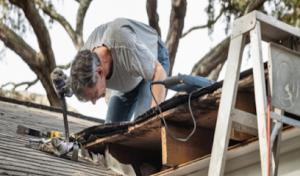
Most re-roofs in this area require a building permit through the City of Dearborn Building Department rather than being handled as permit-free maintenance. The process starts with gathering this city-required permit and submitting the necessary paperwork. That package centers on the contractor details, a clear project scope, and any notes about underlayment, venting, and flashing that will be part of the work. It is important to have the contractor's license information, insurance, and a concise description of the planned materials and sequence ready. Local inspectors will reference this information to judge whether the project meets current code and Dearborn's specific expectations for older housing stock.
The local process typically involves completing inspections at rough-in and final stages. Rough-in inspections verify that the underlayment is properly installed, that roof vents and exhausts are in the correct locations, and that flashing details around chimneys, valleys, and penetrations are in place as planned. The final inspection confirms that all components are completed to code and that the roof system is secure and weather-tight. Plan your schedule so that the permit review and these inspections can be coordinated with weather windows and any necessary around-the-home adjustments, such as attic access or exterior work on trim and fascia.
Homeowners should anticipate roughly 1-2 weeks from application to final approval, though actual timing depends on department workload and the completeness of the submission. A thorough package with clear diagrams showing venting strategy, underlayment type, flashing locations, and sealing details tends to move smoother through the queue. Be prepared for possible follow-up questions from the Building Department and have the contractor respond promptly to avoid delays. During peak seasons, inspections may be spaced out or require re-inspection visits, so building in buffer time is prudent.
Coordinate with the contractor to pin down exact dates for rough-in and final inspections early in the project. Confirm any required approvals for adjustments to venting or flashing once the roof line is opened but before shingles are installed. Keep a centralized file of permit numbers, inspector contact information, and any notes from prior projects on similar home styles in the neighborhood. This helps ensure the flow stays steady and minimizes surprises when the inspector arrives.
In Dearborn, insurers commonly request photos and roof-condition reporting for wind, hail, and ice-dam claims before settlement decisions are made. That means you should prepare clear photos that show the overall roof, any visible damage, and close-ups of suspect areas like lifted tabs, granule loss, or stained underlayment. Keeping a simple, dated record of the roof's condition before and after events helps the adjuster see where stress has occurred, especially on older shingles and metal edges that are common on the region's housing stock.
Because claim cycles in Michigan are weather-driven, Dearborn homeowners may face slower responses after regional storm clusters even when coverage remains available. If a neighborhood experiences back-to-back storms, the insurer's desk may queue requests, photographs, and inspections in a way that stretches out timelines. Prepare for longer than usual processing windows after heavy wet seasons or rapid thaw periods, and avoid assuming a delayed response signals a denial or neglect.
Documentation is especially important when damage is subtle, such as hail bruising, lifted tabs, or leak staining that appears after freeze-thaw events rather than during the storm itself. Ice dams and the resulting interior staining can emerge days later, making it essential to capture both exterior and interior indicators. Include attic condensation patterns and any discoloration on ceilings, as these details can corroborate a gradual envelope failure rather than a single瞬events-only claim.
Begin a simple documentation routine after a storm: take wide, mid, and close-up photos from multiple angles; note the date and general weather conditions; keep color photos of any granule loss or rusted flashing; and maintain a log of any interior leaks or staining patterns that develop after thaw cycles. If you suspect wind or hail damage but see no obvious signs, document the absence of damage too-the insurer often weighs both presence and absence of conditions when evaluating a claim.
Skylight leaks are a recurring concern in older Dearborn homes, where skylight curbs and flashing meet aging roof decks. When ice damming and freeze-thaw cycles push on the curb, small gaps can become steady leaks. Start by tracing the leak from the interior to the roof edge, then inspect the skylight curb for rusted or loose flashing, degraded sealant, and any misalignment with the surrounding shingles. Reflash and reseal with materials compatible with older underlayment layers, and consider a curb replacement if the flashing shows corrosion or compression.
Chimney lines and masonry intersections are another common trouble spot. In older houses, step flashing at these intersections often settles or folds, and mortar joints can crumble. Inspect the vertical chimney flashing, the kickout at the chimney base, and the mitered corners where two planes meet. Repair tuckpointing as needed, reseal flashing seams, and add counterflashing if the existing setup is aged. When masonry shows cracking, address it promptly to prevent water from wicking into the roof edge.
Flat and low-slope areas do appear in Dearborn additions, porches, and mixed-roof layouts, even if they aren't the dominant roof type. Drainage must be clear, and any low-slope deck should have a dedicated membrane. Ensure the transition from high-slope shingles to a flat section is clean, with a compatible seam detail and proper edge termination. Use a drainage plan that directs water to existing gutters and downspouts, and verify that membrane laps are sealed against wind-driven ice.
During post-winter checks, look for damp attic insulation, stained decking, and wet spots along skylines of hips, ridges, or valleys. Use a moisture meter on suspected spots and trace any interior stains back to an exterior leak source. Document suspect flashing, cement, or flashing-to-shingle intersections so a pro can confirm where an intervention is needed. Keep an eye on metal gutters and snow guards where ice can back up onto the roof edge, and plan proactive repairs before a late-wall freeze makes leaks worse. That attention saves interior chaos.
Find contractors experienced in skylight installation, flashing, and leak repairs to bring natural light into your home.
Gabriel’s Roofing Construction
(248) 383-3449 www.gabrielsroofingconstruction.com
Serving
4.9 from 96 reviews