Last updated: Apr 19, 2026
In this neighborhood, winter is less a single event and more a relentless cycle. Repeated freeze-thaw cycling can open shingle seals, widen flashing gaps, and turn small penetrations into active leaks by late winter. Asphalt shingles, common on many early- and mid-century homes, are especially vulnerable when temperatures yo-yo around freezing. The ice inside the shingle layers pushes on seals during the day, then contracts at night, loosening granules and compromising the protective layer. By the time the first thaw comes, those tiny vulnerabilities have multiplied into visible trouble: staining along decking, sporadic drips, and the first hints of moisture creeping under the edge of the roof. This is not a single storm event; it's a sustained stress pattern that accrues over months.
In this part of southeast Michigan, snow cover, attic heat loss, and refreezing at eaves line up to create a practical ice dam threat. The heat leaking from an attic warms the roof deck, causing snow to melt near the center of the roof while the edges stay frozen. When meltwater refreezes at the eaves, it forms a dam that redirects water back under shingles and underlayment. Over a long winter, that backflow finds any flaw-gap between flashing, a compromised boot seal, a cracked vent pipe or a missing shingle corner-and uses it as a doorway for leaks. The damage isn't just cosmetic; it can shed decking fibers, stain the underside of roof sheathing, and silently undermine structural components if caught late. The stubborn part is that most homeowners discover the problem not during installation season, but after winter when thaw periods expose those hidden flaws. That delayed discovery means damage can be well underway before it's obvious.
As a homeowner, you should treat late-winter and early-spring inspections as urgent. Look for staining on the underside of roof sheathing visible from attic access, damp spots along interior ceilings, and the first signs of peeling paint or warped wallboard near exterior walls below the attic. Gutter edges are common early-warning flags; damage here often signals water has been tracking along the fascia and into the gutter line, even if the interior remains dry for now. Exterior cues include lifted shingles at the edges, cracked flashing around vents or chimneys, and a sudden uptick in shingle granule loss in gutters. In older homes with mixed material roofs, ensure you check transitions where tile or metal sections meet asphalt, because those junctions carry the most risk for seepage after a harsh winter.
If you're approaching the end of winter and still have snow on the roof, it's prudent to remove heavy snow carefully from the eaves and around near-attic penetrations to reduce the risk of rapid refreezing. Prior to the first warm spell, perform a thorough attic inspection to identify fast-warming areas: insulation gaps, attic hatch air leaks, and vent stack seals that could be contributing to heat build-up. Establish a regular post-winter inspection routine, focusing on flashing seams, roof penetrations, and any observed staining along the decking. When thaw periods begin, monitor any water staining or damp spots you notice and act quickly, because early leaks often reveal themselves as the weather warms. If damage is suspected, coordinate a targeted inspection of the roof's most vulnerable zones-around chimneys, dormers, skylights, and transitions between different roofing products. Quick, targeted repairs can prevent a small leak from turning into a larger, more disruptive consequence when the next freeze cycle hits. Consider a professional evaluation to assess shingle seal integrity, flashing gaps, and the condition of underlayment, especially in roofs with older materials or mixed roofing components. The goal is to intervene before moisture saturates the decking and accelerates interior damage on ceilings and walls. In Dearborn Heights, vigilance during the transition from winter to spring is the most reliable defense against the slow, creeping effects of freeze-thaw and storm-driven stress.
Spring and early summer thundershowers in this area bring rapid, pressure-filled changes to roofs. Hailstones the size of marbles or larger, driven by strong winds, can devastate shingles, flashings, and gutters in minutes. The result is a mix of visible and hidden damage that surfaces days or weeks later as leaks or moisture intrusion. The urgency is real: a quick, systematic check after each torm can prevent minor damage from turning into major failures when the freeze-thaw cycle kicks in again. Pay attention to sudden attic humidity, musty odors, or stained ceilings as red flags.
Michigan homeowners insurance commonly covers standard wind and hail damage, so local storm events often lead to photo documentation, contractor estimates, and adjuster visits. After a large event, you should gather short, clear photo records of all roof areas, including shingles, flashing around chimneys, vents, and valleys, plus any visible gutter damage. Keep a dated log of storm dates, wind speeds if available, and any leaks inside the house. When the adjuster reviews the claim, your well-organized evidence speeds the process and helps ensure the scope matches the actual needs.
Because damage may be functional rather than obvious from the ground, Dearborn Heights homeowners often need close inspection of shingles, flashing, gutters, and soft metal after storms. Look for granular loss on shingles, unusual flattening, cupping, or crack lines near edges and valley areas. Inspect flashing around chimneys and vents for lifted corners or gaps. Check gutters and downspouts for denting, bending, or loose hangers that could direct water toward the fascia. Don't forget the soffits and under-eave areas where wind-driven rain can creep in. A careful, localized assessment often reveals the weak points that a casual scan would miss.
Spring and early summer hail events create a window where prompt triage matters. If you find damage, initiate documentation immediately and contact a local roofing professional who understands the seasonal cycle and how freeze-thaw pressure compounds weak spots. In Dearborn Heights, the combination of older housing stock and the spring-summer storm pattern means that even a small, dry-looking patch on the roof can conceal water channels that worsen with temperature swings. A measured plan for patching, temporary protection, and a full replacement discussion should follow within days of the storm, not weeks.
In the days after a storm, perform a focused walkthrough with a flashlight during daylight to spot hidden cracks and lifted edges. Photograph any areas of concern from multiple angles, especially along hips, valleys, and transitions to gutters. If you notice any interior dampness or stained ceilings, treat those as urgent signals and arrange a professional inspection promptly. Keep all storm-related receipts, which helps when coordinating with the adjuster and contractor. This approach minimizes downtime and protects the home's structure as temperatures fluctuate and the next thaw cycle arrives.
Find local contractors experienced in assessing and restoring roofs after hail, wind, and severe weather events.
Gabriel’s Roofing Construction
(248) 383-3449 www.gabrielsroofingconstruction.com
Serving
4.9 from 96 reviews

Level Up Improvement
(313) 287-9525 levelupimprovement.com
Serving
5.0 from 128 reviews
We are a family-owned Roofing, Siding, and Window contractor that is local to the Metro Detroit area. We have experience installing and managing projects on homes across Southeast Michigan.
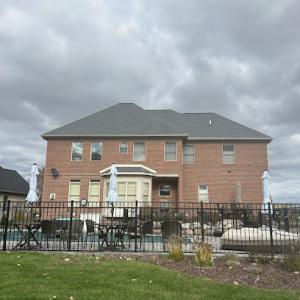
Mill Connection Home Improvement
(313) 215-2186 www.millconnectionhomeimprovement.com
Serving
4.9 from 60 reviews
Experienced and reliable roofing contractor serving Southeast Michigan. We specialize in providing high-quality roofing solutions for both residential and commercial properties. Our team of skilled professionals is committed to providing exceptional customer service and ensuring your roof is protected for years to come.
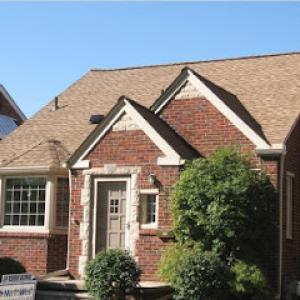
NorthWest Construction
(313) 277-7676 www.nwconst.com
Serving
4.5 from 99 reviews
Terry Burke has been a Roofing Contractor for over 25 years. His Roofing Company in Dearborn, Michigan has provided a roof over many friends and neighbors heads in Metro Detroit. Northwest Construction is family-owned business and and business and we pride ourselves on our Integrity, Quality Workmanship, and Reputation. We are A+ Certified member of the Better Business Bureau and have received Angie's List "Super Service Award" in each of the last SIX years!
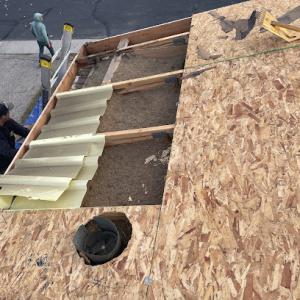
Gabriel’s Roofing Construction
(248) 383-3449 www.gabrielsroofingconstruction.com
Serving
4.9 from 96 reviews
Your trusted home Improvement expert for a lifetime. We pride ourselves on presenting the best quality replacement Roofing, Gutters, Vinyl siding, Windows. We install these products in your home as if we were putting them into our own. Should those products ever need service, we will always be there to take care of any problems. It’s our lifetime guarantee.

Kroll Construction
Serving
4.4 from 583 reviews
Kroll Construction offers a full array of home repair, renovation and improvement services, all delivered using top quality products and materials, installed with professional craftsmanship and responsive customer service. Our services include roofing, siding, windows, gutter and gutter protection, and kitchen and bath remodeling. Our goal is to make your home improvement project a rewarding and enjoyable experience from start to finish, whether you are installing the kind of windows that local homeowners prefer, or are dreaming of completing the best kitchen remodeling in the Michigan area.

Garden City Roofer
(734) 224-5646 www.roofingandsidingdetroit.com
Serving
5.0 from 36 reviews
Garden City Roofer goes beyond roof repair and replacement. They offer a comprehensive suite of exterior home services, including roof rejuvenation, siding installation, gutter cleaning and repair, and insulation, including spray foam. Their service area extends beyond Garden City to encompass Westland, Dearborn Heights, Livonia, Plymouth, and more.
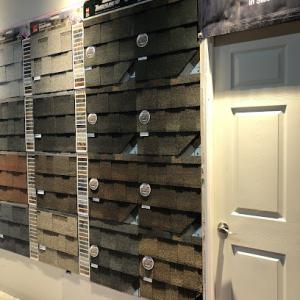
Big Al's Roofing
Serving
4.9 from 74 reviews
ROOFING & ROOF INSTALLATION OF LIVONIA, MI. Big Al’s roofing is a family owned and operated business. With over 29 years in the business. We are rated A+ through the BBB and we never sub-contract out work.
BTG Gutters
Serving
5.0 from 35 reviews
We install Gutters, Downspouts, Gutter Guards, and Metal Fascia Trim. BTG Gutters is a Father & Son small business installing Seamless Gutters all across Michigan. Based in Garden City and operate often in Livonia, Westland, Wixom, and Farmington Hills. Match to any of our 50 Colors we have available for your project. Heavy focus on making sure you are satisfied with our work before we collect payment or leave the jobsite. This week estimate, next week installation.

AllPoint Construction
(734) 407-7110 allpointconstructionmi.com
Serving
4.6 from 642 reviews
AllPoint Construction is Metro Detroit’s trusted choice for quality home improvements, from expert roofing and siding to kitchen & bath remodels and custom additions. As a family-owned company, we take pride in craftsmanship, integrity, and creating spaces you’ll love for years to come. Whether you need a reliable roofing contractor after a storm, energy-efficient windows, or a dream kitchen makeover, our team is here to make it happen. Call today for your free estimate and experience why homeowners across Downriver and Southeast Michigan choose AllPoint Construction to build, repair, and remodel with confidence.
Advantage Roofing & Construction
(313) 986-1877 advantageroof.us
Serving
5.0 from 57 reviews
We are a full service commercial and residential roofing, siding, gutters and general building and home maintenance and installation company.
Chucks Roofing Company
(313) 386-8962 chucksroofingcompany.com
Serving
4.9 from 184 reviews
At Chuck's Roofing Company, we provide expert roofing and siding services to homes in Lincoln Park, MI, and the surrounding areas. As a trusted roofing contractor, we specialize in roof installations, repairs, and siding solutions designed to protect and enhance your property. Our team is committed to delivering exceptional craftsmanship and durable results that stand up to the elements. Trust our roofing company and siding contractors to keep your home beautiful, secure, and weather-resistant for years to come.

Kearns Brothers
(888) 355-6700 www.kearnsbrothers.com
Serving
4.7 from 851 reviews
Since 1986, our business has operated upon our core values of honesty, integrity, value, and dependability. We are continually grateful to serve clients in Southeastern Michigan utilizing the most highly skilled professionals in the trade marketplace. Kearns Brothers is a nationally recognized and awarded premier home improvement company.
Late spring through early fall is the preferred reroofing window in this area because it reduces weather delays and installation risk compared with winter conditions. When you plan around May through September, crews can work with more predictable temperatures and fewer freeze-thaw cycles that crack shingles and loosen fasteners. This means less risk of shingle fractures during handling and fewer days lost to ice, slush, or short advance warm spells that can soften materials too much. If spring hail or early summer storms poke at your roof, the window still stays open, but the best bets are days that stay consistently above freezing and don't swing back to cold nights.
Warm, humid summers in this region affect shingle handling and sealing, making timing important for both workmanship and long-term performance. In heat, shingles can become malleable and sealants cure faster, so crews often schedule longer days with strategic breaks to prevent overheated rolls or sheets from warping. Humidity can challenge attic ventilation during installation, so a properly ventilated attic helps; inadequate ventilation can trap moisture and compromise the new roof's initial performance. Plan installs for mornings when possible, and ensure those crews have a clear plan to keep bundles dry and organized so materials don't absorb extra moisture during peak humidity.
Demand can spike after storm clusters in the area, which can stretch scheduling and push homeowners to book replacements soon after damage is confirmed. Storm wind and hail events in late spring through summer can create a surge in appointments, sometimes with tight turnarounds to address leaks and interior damage. If a cluster hits, be prepared for a few weeks of higher availability pressure as local crews shift priorities to rising urgent needs. Having a practical, slightly earlier start date in the late spring window can help secure a reliable crew and reduce the risk of delays when the next storm cycle rolls through.
When you're ready to move, start by inspecting for visible hail impact and missing granules, then document with photos to share with multiple contractors. Compare openings in the roof deck and attic to spot hidden leaks before they travel to living spaces. If possible, align the replacement with a stretch of stable weather in late spring or early fall, and coordinate with neighbors who may also be scheduling, since nearby homes often trigger shared access logistics for equipment and debris containment. Prioritize clear communication with the crew about attic ventilation and temporary containment so that the project proceeds smoothly from tear-off through final sealant cure.
Get a clear picture of your project costs upfront - no commitment required.
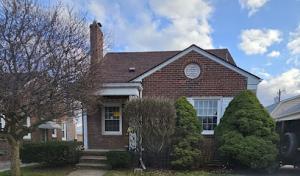


Asphalt shingles remain the practical backbone for most homes in this area. They align with the older Detroit-area housing stock you see across Dearborn Heights and match the replacement-focused contractor base that homeowners rely on after spring hail and summer storms. When a roof needs attention after a harsh winter, asphalt installers are typically the most available option, which helps minimize downtime between damage assessment and re-cover. In this climate, asphalt shingles handle the repeated freeze-thaw cycles with a tested, familiar performance profile. For upkeep, look for architectural or 3-tab varieties that offer a balance between integrative aesthetics with existing homes and robust wind resistance, which matters after strong storms. Routine inspections after the thaw period are especially valuable to catch early granule loss or loose shingles before moisture penetrates underlayment.
Metal roofing appears in this market, but far less commonly than asphalt, making it a more specialized choice here. For homes facing repeated freeze-thaw stress and the thunderstorm season, metal can deliver excellent longevity and resistance to impact from hail. The larger upfront commitment is balanced by a potential long-term value, especially on newer or re-roof projects where installation windows can be tighter due to weather windows in spring and fall. The local pool of metal installers tends to be smaller, so scheduling and lead times can vary. If choosing metal, consider standing-seam panels for a clean look that sheds snow and ice efficiently, and confirm compatibility with existing roof geometry. Proper insulation and ventilation during installation help preserve indoor comfort through Michigan winters, reducing condensation risk in attic spaces.
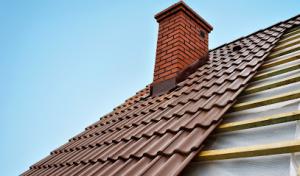
Tile systems (clay or concrete), cedar shakes, and high-quality synthetic products exist in this market but occupy a niche role. Expect fewer installers with specialized equipment, and plan for more variation in lead times and installation practices. Tile and cedar bring distinctive curb appeal and excellent weather resistance when installed correctly, but they require careful assessment of existing roof framing, attic ventilation, and structural support. Synthetic shingles or composites can offer lower weight and comparable durability to traditional tiles, with potential advantages in installation flexibility. In a Dearborn Heights context, these materials tend to be selected by homeowners prioritizing unique aesthetics or long-term durability, understanding that the installer network will be smaller and timing somewhat more variable.
The region's typical winter freeze-thaw cycles and summer storm activity mean roof systems should emphasize durable underlayment, robust flashing details, and hurricane-grade edge protection where applicable. Whatever material you choose, ensure that the roof system integrates well with the existing dormers, vents, and chimney penetrations common on older Detroit-area homes. A well-matched color and profile can also help the home weather seasonal shifts with minimal impedance to drainage and ice dam risk. Maintenance routines should emphasize early seasonal inspections and prompt attention to any shingle or panel edges that show signs of wear after storms.
In this region, reroof pricing is highly sensitive to whether the job is a straightforward asphalt replacement or a specialty installation such as metal, tile, cedar, or synthetic roofing. A simple asphalt roof can keep costs predictable, while choosing metal, clay tile, or composite options drags the price higher quickly. The older stock common across the Detroit metro area means many homes have layouts and eave configurations that influence material waste, overhang work, and underlayment needs. In Dearborn Heights, the practical math hinges on the roof's pitch, complexity, and overall surface area, and not every project lines up with the same cost path. When you compare bids, check if the price includes tear-off, disposal, and a ridge vent plan, because those pieces vary by contractor and by the grade of material chosen.
Costs in Dearborn Heights can rise after regional storm demand surges, when emergency repairs, material ordering, and contractor scheduling become more competitive. Spring hail and summer thunderstorms often push crews into accelerated schedules, which can compress installation timelines and raise rush-hour labor premiums. If a storm creates a backlog, a straightforward asphalt replacement may still move ahead with standard timing, but specialty installs like metal or tile can face longer lead times for both materials and skilled crews. When planning, expect cycles where availability or pricing shifts over a few weeks as suppliers restock and crews rebook after peak weather events.
Asphalt Shingles: typically the most economical path, this option remains common for many Dearborn Heights homes with existing conventional decks. Metal Roofing: offers long life but comes with a higher upfront price, especially on complex shapes or cedar-fitted homes. Clay Tile and Concrete Tile: these materials bring distinct aesthetics and superior longevity but require reinforced roof framing and precise installation, which can raise both material and labor costs. Wood Shingles/Shakes: offer traditional appeal but demand careful maintenance in freeze-thaw cycles. Synthetic/Composite Shingles: aim to balance cost and longevity with easier installation on mid-priced projects. Specific ranges, per square, reflect the local mix of labor availability and material procurement, with asphalt generally lower and metal, tile, and cedar at a premium. Your final figure will hinge on roof complexity, existing structure, and the exact material mix chosen for your replacement.
Don't let upfront costs delay a critical repair - these contractors offer payment plans to fit your budget.

A reroof generally requires a building permit in Dearborn Heights. This isn't just a formality-it's a safeguard against weather-driven damage that can worsen if left unchecked. The permit process helps ensure that the replacement system, from underlayment to flashing, is installed to current code and designed to withstand the local freeze-thaw cycles and spring hail patterns. Skipping a permit can leave you vulnerable to citations, insurance hiccups, and a future repair that costs more after a sudden freeze or spring storm.
The City of Dearborn Heights Building Department typically expects the contractor or homeowner to submit the permit application and arrange required inspections. If a contractor handles the paperwork, confirm who will be the responsible party for coordinating inspections and providing any necessary documentation. If you're acting alone, have a clear timeline for applications, plan reviews, and the sequence of work to avoid penalties or delays that can stretch into the vulnerable late-wall and early-warm-season windows.
Inspections are conducted during and after installation, and final approval closes the permit once workmanship and code compliance are verified. During the job, inspectors will check underlayment spacing, nail patterns, and proper flashing at chimneys and vents, all of which matter when freeze-thaw cycles push against roof joints. After installation, the final inspection confirms that the work meets current structural and safety standards, reducing the risk of moisture intrusion during thawing days, summer thunderstorms, or rapid temperature swings.
Given the typical Dearborn Heights climate, anticipate that workmanship quality today saves you from costly redistribution after a tough winter or a hail event. Any deviations found in inspections should be corrected promptly, as unresolved issues can compromise your roof's longevity through multiple freeze-thaw cycles. Keep a clear line of communication with the contractor and the building department, and document every inspection milestone so the project moves smoothly from start to final approval.
Dearborn Heights homeowners typically deal with standard Michigan wind and hail claim frameworks rather than coastal or wildfire-specific insurance issues. For storms that bend shingles or punch through underlayment, the process follows common steps: file the claim, schedule a damage assessment, and work toward a settlement that covers necessary roof work and related interior damage. This market often sees a mix of open-air inspections and interior follow-ups, especially after a severe spring or summer storm.
For local claims, insurers commonly expect date-stamped photos, contractor estimates, and evidence separating storm damage from older wear tied to freeze-thaw aging. Start by photographing the whole roof from ground level and from ladders where safe, focusing on shingles that are cupped, curled, or missing, as well as any granule loss in gutters. Capture any interior signs of leaks in the attic or ceiling, including discoloration, mold, or soft spots. Assemble a written record of recent weather events and any prior repairs so the adjuster can see the timeline clearly. Having a dated, professional-looking set of photos helps keep the claim on track when decisions hinge on visible damage rather than conjecture.
Adjuster visits are typical for major roof claims in this market, so homeowners benefit from documenting exterior damage and interior leak evidence before temporary repairs obscure conditions. Before the visit, mark and photograph the most affected areas, noting skylights, dormers, or vents that show damage. Bring recent contractor estimates and a ledger of prior maintenance to illustrate improvements that already occurred or are overdue. During the visit, request a detailed, itemized scope of work and a clear explanation of how interior water intrusion will be addressed alongside roof elements. If the adjuster notes any exclusions, review them carefully with a contractor to confirm what can be reasonably added to the scope.
Connect with contractors who help homeowners navigate the claims process from damage assessment to final approval.
Gabriel’s Roofing Construction
(248) 383-3449 www.gabrielsroofingconstruction.com
Serving
4.9 from 96 reviews

In this area, the winter cycle of freeze and thaw pushes at seams, flashing, and joints long after a storm has passed. Hail and summer thunderstorms can accelerate wear, but the real telltale failures often show up as the seasons shift-shingle edges and flashing lose integrity first, followed by leaks around penetrations. Roofs with older Detroit-area stock tend to reveal stress at the chimney line, along valley intersections, and where masonry meets the roof plane. Planning for spring rain or early summer downpours means paying particular attention to any signs of moisture around chimneys, skylights, and vent stacks that might have absorbed winter stress.
The local contractor signal mix shows frequent crossover between roofing and chimney work, reflecting how chimney flashing and masonry intersections are a recurring concern on area homes. If flashing shows lifting or shifting after heavy winds or rapid temperature swings, it's a strong cue to inspect the surrounding masonry for cracks or spalling. Targeted flashing reseal and masonry repairs around the chimney can prevent cascading leaks that threaten underlayment, decking, and interior ceilings. A proactive approach keeps the roof plane healthier longer and reduces the chance of interior damage after a sudden storm.
Skylight repair appears as a meaningful specialty in Dearborn Heights, indicating that leak-prone roof penetrations are a real service category rather than a rare add-on. Assess skylight frames for sealant deterioration, edge joint gaps, and flashing continuity where the roof meets the curb. When degradation accumulates, it creates persistent drips that can mimic broader roof failure. Regular inspection of skylight seals during seasonal transitions helps catch small issues before they escalate to interior staining or mold concerns.
Gutter-edge stress from fall wind and debris is a practical local issue because flashing, drip edges, and drainage details often take damage before the main field of the roof fails. Inspect drip edges for bent metal or loose fasteners after storms, and verify that gutters are securely attached and sloped toward downspouts. Clogged or damaged edges can cause water to back up under shingles, accelerating deterioration at the eave line. Keeping these components in good repair guards against premature eave rot and helps the roof shed water more reliably during the melt-snow cycle.
Find contractors experienced in skylight installation, flashing, and leak repairs to bring natural light into your home.
Gabriel’s Roofing Construction
(248) 383-3449 www.gabrielsroofingconstruction.com
Serving
4.9 from 96 reviews
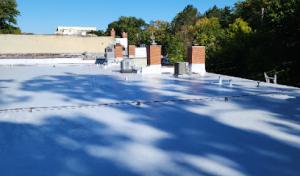
In Dearborn Heights, flat and low-slope roofing is a meaningful but secondary segment, supported by an active local specialist base rather than dominating the residential market. You'll see more of these roofs on modest flats and older houses where a low-slope addition or sunroom attaches to the main structure. Because the mix of residential and commercial activity is present here, low-slope systems matter locally even though pitched asphalt roofs remain the main homeowner concern.
Winter ponding, snow load, and freeze-thaw cycling line up to stress drains, seams, and edge details. When meltwater sits on a flat surface and refreezes at night, that cycle can crack or lift membrane edges and cause slow leaks that aren't obvious until a number of cycles have happened. Drain siting and function matter more in this climate, since clogged or sluggish outlets promote standing water. Seams and terminations at perimeter edges are frequent failure points, especially where flashing meets parapet walls or transitions to more vertical surfaces.
Develop a simple spring and fall inspection routine. After winter and before summer storms, walk the roof with a flashlight to spot standing water, pooled ice, or suspicious seam separations. Check drainage paths for blockage from debris, and verify that edge details and parapets have intact, properly sealed flashings. If a flat roof is accessory to a deck or outdoor living space, ensure flashing around penetrations-chimneys, plumbing vents, and skylights-still lays flat and locks into place.
Choose materials and membranes that handle freeze-thaw cycles without losing adhesion or becoming brittle. In areas with frequent thermal cycling, pay attention to flexible joint sealants and long, continuous edge details that minimize drain-induced movement. When in doubt, lean on a local specialist with experience in Dearborn Heights weather patterns to assess existing systems and recommend targeted improvements.
Find specialists in TPO, EPDM, and built-up flat roofing systems for residential and commercial properties.