Last updated: Apr 19, 2026
Storm season in this area brings warm-season thunderstorms and sudden wind events that can strip shingles in hours and spill leaks into ceilings before you even notice attic signs. In many neighborhoods, you see green lapped siding and flat roof lines; the response time matters because water can travel fast through an older postwar roof deck. If you notice active leaks, take swift action: move occupants away from stained ceilings, catch the drips with containers, and document every affected area with photos and timestamps. Keep a log of when rain started vs. when you noticed a leak, since insurers will ask for a timeline to separate storm-related damage from pre-existing wear.
When a storm hits, the first priority is stopping the water ingress long enough to prevent further interior damage. Garden City firms report a surge of demand for emergency repair crews after hail and high-wind events, and that demand often translates into faster temporary tarping or rapid decking and flashing stabilization. If shingles are missing or loose, or metal flashings are bent, arrange an immediate temporary fix to keep rain out. A sturdy tarp secured with waterproof underlayment beneath it can buy days or weeks, but it should be applied with careful attention to edge sealant and proper anchoring to survive the next gust. Do not delay this step while waiting for pricing or a full replacement plan; temporary protection is the bridge to a proper claim settlement and a complete re-roof when conditions permit.
Older postwar houses in this market commonly reveal underlying vulnerabilities only after a storm. Flashes around chimneys, vent pipes, and roof penetrations, as well as deck and fascia details, can suffer hidden damage that expands the scope of a claim. Leaks are often not isolated to the visible damaged area; rushing a partial fix can leave you with recurring problems after the next storm. Inspectments should focus on flashing integrity, vent boot condition, and any signs of decking softening or moisture intrusion in the attic. If you discover peeling flashing, corroded step flashing, or loose counter flashing, flag these as urgent items to your insurer and contractor. These components frequently drive how much of the roof must be replaced rather than merely repaired.
Locally, the market emphasizes contractors who specialize in storm damage and insurance-claim support. When choosing a responder, prioritize firms with a solid track record of documenting damage thoroughly, communicating clearly about claim scope, and coordinating efficiently with insurers to align timelines for emergency repair and full replacement. Start with a targeted inspection as soon as weather allows, ideally within a week of the event, to create a detailed, annotated report that tracks hail impact patterns, wind-driven damage, and any pre-existing vulnerabilities that the storm disclosed or worsened. Insurers generally rely on this documentation to determine whether a repair is sufficient or a full roof replacement is necessary under the policy terms.
In Garden City, many storm-impacted roofs reveal vulnerabilities that force a broader replacement plan after the initial emergency work. Because winter access can be limited, the window for completing a full replacement may stretch into the next warm season. Coordinate closely with your contractor to develop a staged plan: secure temporary protection to weather the interim months, finalize material choices, and schedule the roof replacement for the earliest feasible timeframe when temperatures and snow-free conditions allow safe, efficient work. Share a clear, written scope with your insurer that highlights any flashing, vent, or decking issues uncovered during the storm-damage assessment so that the claim reflects the true repair need rather than a partial fix. Stay proactive about follow-up inspections after the first replacement phase to ensure the project remains weather-tight through the next set of seasonal storms.
Asphalt shingles sit as the practical backbone of most modest postwar homes in this area. They're familiar, straightforward to install, and respond well to the typical pattern of heavy re-roofing that happens after spring storms and long Michigan winters. When a roof runs on the older assemblies common here, shingles offer a reliable, serviceable option that can be refreshed without turning the house into a renovation project. The practical choice in this climate is to view asphalt shingles as a long-term, repairable surface rather than a flashy upgrade.
The climate here wears on roofs in a few predictable ways. Freeze-thaw cycling accelerates granule loss, which can dull the roof's ability to shed UV and hold its protective layer. Brittle tabs can develop, especially on roofs that are already aging, making panels more prone to cracking under wind or hail. Ice-related edge wear is another common issue, as water expands in cracks and refreezes at the eave and rafter tails. In practical terms, that means you should watch for exposed felt at the edges, visible curling, or tabs that feel notably stiff or thin along the eave line after the first heavy freeze.
Storm-driven leaks can appear suddenly, but the underlying issue is usually deterioration that has been building for a few seasons. In this market, many homeowners opt to repair repeatedly after storms rather than commit to a full tear-off, especially on older roof assemblies. If you notice recurring patches or recurring damp spots after a hard rain, the math behind replacement shifts from "patch and patch again" to a more decisive re-cover or full re-roof, depending on the roof's age and the integrity of the underlayment. Pay attention to interior evidence like damp spots along the ceiling, especially in attic valleys or near chimney joints, which can signal concentrated leaks rather than random drips.
Edge wear and leaks tend to show up first where shingles meet the roof's perimeter, around valleys, and at chimney flashing. In these spots, ensure the seal strips and flashing appear intact and that the shingles' adhesive seals are still firm. If granules accumulate in the gutters or at downspouts, that's a sign the surface is thinning and needs closer inspection. In winter, ice dams can form when insulation or attic ventilation isn't up to snuff, pushing water under the shingles and into the attic. Addressing ventilation and insulation holistically will slow future damage and help the shingles last longer.
When you're evaluating an aging shingle roof, you're balancing stopgap repairs against a more comprehensive solution. If repeated patchwork is the pattern after storms, it is reasonable to pause and assess the overall health of the roof deck, underlayment, and the integrity of flashing. The goal is to minimize interior vulnerability while preventing escalating moisture issues that could compromise sheathing and ceilings. For a lot of homeowners, a well-planned replacement decision-timed to weather and wind seasonality-can prevent the kind of damage that leads to interior mold growth and costly interior repairs later on.
A straightforward maintenance routine matters here: clean gutters and downspouts regularly, inspect for loose or lifted shingles after wind events, and keep an eye on edges and flashings during spring thaw. Small, timely fixes beat larger leaks after the next storm. A practical homeowner approach is to treat asphalt shingles as a durable, workable surface that can be refreshed in place when possible, but with a clear plan for replacement when the age and condition of the roof assemblies no longer support cost-effective repairs.
The most popular roofing material in the US. Find pros who install, repair, and replace asphalt shingles.

Horizon Roofing & Construction
(734) 585-7160 horizonroofingconstruction.com
Serving
5.0 from 78 reviews
Big Al's Roofing
30913 Ford Rd #1804, Garden City, Michigan
4.9 from 74 reviews
ROOFING & ROOF INSTALLATION OF LIVONIA, MI. Big Al’s roofing is a family owned and operated business. With over 29 years in the business. We are rated A+ through the BBB and we never sub-contract out work.

Garden City Roofer
(734) 224-5646 www.roofingandsidingdetroit.com
Garden City, Michigan
5.0 from 36 reviews
Garden City Roofer goes beyond roof repair and replacement. They offer a comprehensive suite of exterior home services, including roof rejuvenation, siding installation, gutter cleaning and repair, and insulation, including spray foam. Their service area extends beyond Garden City to encompass Westland, Dearborn Heights, Livonia, Plymouth, and more.
BTG Gutters
30868 Dawson Ave, Garden City, Michigan
5.0 from 35 reviews
We install Gutters, Downspouts, Gutter Guards, and Metal Fascia Trim. BTG Gutters is a Father & Son small business installing Seamless Gutters all across Michigan. Based in Garden City and operate often in Livonia, Westland, Wixom, and Farmington Hills. Match to any of our 50 Colors we have available for your project. Heavy focus on making sure you are satisfied with our work before we collect payment or leave the jobsite. This week estimate, next week installation.
Kroll Construction
29017 Ford Rd, Garden City, Michigan
4.4 from 583 reviews
Kroll Construction offers a full array of home repair, renovation and improvement services, all delivered using top quality products and materials, installed with professional craftsmanship and responsive customer service. Our services include roofing, siding, windows, gutter and gutter protection, and kitchen and bath remodeling. Our goal is to make your home improvement project a rewarding and enjoyable experience from start to finish, whether you are installing the kind of windows that local homeowners prefer, or are dreaming of completing the best kitchen remodeling in the Michigan area.
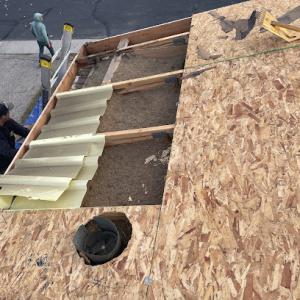
Gabriel’s Roofing Construction
(248) 383-3449 www.gabrielsroofingconstruction.com
Serving
4.9 from 96 reviews
Your trusted home Improvement expert for a lifetime. We pride ourselves on presenting the best quality replacement Roofing, Gutters, Vinyl siding, Windows. We install these products in your home as if we were putting them into our own. Should those products ever need service, we will always be there to take care of any problems. It’s our lifetime guarantee.

Tato Renovations
(734) 635-7045 tatoyardking.com
Serving
5.0 from 20 reviews
Tato Yard King Construction Specializes in Roofing and Landscaping.

Kearns Brothers
(888) 355-6700 www.kearnsbrothers.com
Serving
4.7 from 851 reviews
Since 1986, our business has operated upon our core values of honesty, integrity, value, and dependability. We are continually grateful to serve clients in Southeastern Michigan utilizing the most highly skilled professionals in the trade marketplace. Kearns Brothers is a nationally recognized and awarded premier home improvement company.
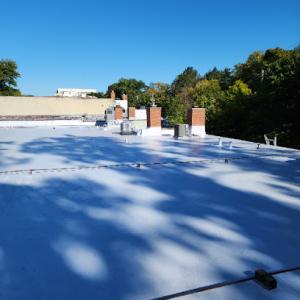
MacDermott Roofing
(734) 422-1990 www.macdermottroofing.com
Serving
4.9 from 201 reviews
MacDermott Roofing: Southeast Michigan's Commercial Flat Roof Experts. Thanks for stopping by! With 45 years on the job, McDermott Roofing is Southeast Michigan's trusted source for commercial flat roof installation and repair. Talk to us before you replace your roof! Unlike those who rush to replace, we first assess your roof to determine if repairs can effectively extend your roof's lifespan at a fraction of the cost. Why Choose Us? Built in Michigan, for Michigan: Locally manufactured solutions tailored to our environment. Flat roof specialists: Extensive knowledge of all flat roof materials & techniques. Duro-Last Platinum Contractor since 1995: More than 10 million square feet installed!
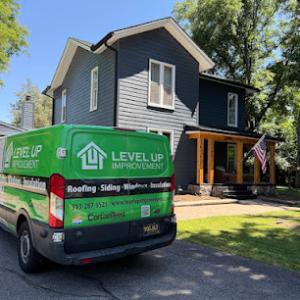
Level Up Improvement
(313) 287-9525 levelupimprovement.com
Serving
5.0 from 128 reviews
We are a family-owned Roofing, Siding, and Window contractor that is local to the Metro Detroit area. We have experience installing and managing projects on homes across Southeast Michigan.
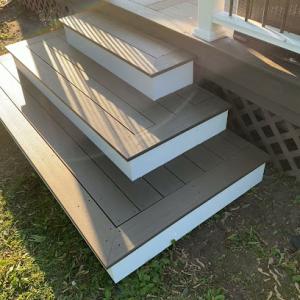
Leo's Construction & Remodeling
Serving
5.0 from 12 reviews
Leo's Construction and Remodeling is going on 10 years of providing superior construction skills for majority of home projects. We can handle all your home needs from finishing your basement to building you a beautiful composite deck to framing you a new home. Theres no job that we cant handle!

Sterling Construction & Roofing
(248) 802-3900 sterlingconst.com
Serving
4.8 from 343 reviews
Sterling Construction & Roofing has proudly served Southeast Michigan since 2017, providing expert residential and commercial roofing services from repairs and replacements to storm damage restoration. Based in Livonia, MI, our team also specializes in siding, seamless gutters, windows, doors, decks, and carpentry. Known for quality workmanship, fair pricing, and white-glove cleanup, we deliver durable solutions that stand up to Michigan’s harsh weather. Whether you need a new roof in Livonia or flat roofing for a Metro Detroit business, Sterling Construction is your trusted local contractor.
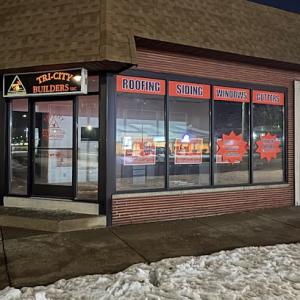
Tri City Builders
(734) 453-2222 tricitybuildersonline.com
Serving
4.7 from 78 reviews
As the top roofing contractor in Westland, Tri City Builders helps our community bring their building visions to life with expert craftsmanship and outstanding customer service from start to finish. Specializing in everything from roofing to siding, our priority is to ensure total customer satisfaction, meeting your needs, matching your style, adhering to your budget, and completing deliverables on time. With our expertise as a roofing contractor in Westland, we handle every detail with precision and care so that you can feel confident every step of the way. Trust Tri City Builders, the best roofing contractor in Westland, to expertly handle your project today!
In this community, a building permit is typically required for a full roof replacement, and the contractor usually files with the Garden City Building Department on your behalf. Before any nails go into the new underlayment, confirm with your contractor that the permit application includes the full scope of work, including ventilation adequacy, flashing details, and any attic access considerations. The permit must stay on-site for the inspections, so establish a clear plan with the contractor to keep the documents accessible during the job. If you are handling the process directly, make sure all contact information for the Building Department is current and that you have a traceable copy of the permit on the property.
Inspections in Garden City are commonly staged during the project, roughly once after underlayment is installed and again after completion. This sequencing matters for your project pace, especially when weather windows are tight and winter freeze-thaw cycles loom. Coordinate with the contractor so that the building inspector has timely access to the attic, the roof deck, and the installed ventilation components. If a weather delay pushes a stage back, work with the contractor to adjust the inspection timetable rather than letting the permit lapse or create a backlog.
During the first inspection, the focus is on underlayment, roof deck integrity, and basic ventilation setup. The inspector will look for proper nailing patterns, implement adherence to code minimums, and verify that the underlayment is continuous and unobstructed by protrusions. Any deficiencies found at this stage may require corrections before progressing. In a climate with freeze-thaw cycles, the ventilation and soffit-to-ridge balance is scrutinized to prevent moisture buildup in winter months, so expect questions and potential adjustments related to attic intake and exhaust.
The second inspection occurs after the roof is completed. At this stage, the inspector checks flashing details around chimneys, vents, skylights, and walls; verifies that drip edges and gutters are installed correctly; and confirms that ventilation detailing meets code requirements and manufacturer guidelines. If the department identifies issues, corrections must be completed on-site and re-inspected before the permit can be closed out. Keep a direct line of communication open with both the contractor and the inspector to resolve any discrepancies promptly.
The permit must remain on-site for inspections, so designate a single, easily accessible spot for all permit paperwork. If a temporary move is necessary due to access restrictions (for example, during intense wind events), notify the inspector in advance and document the change with the permit at the location where the inspection will occur. If the contractor changes midway through the project, ensure the new team has the updated permit and that any required amendments are filed quickly to avoid delays.
Before the project starts, confirm the planned inspection dates with the contractor and secure a contingency plan for weather-related interruptions. Ensure all ventilation components and flashing details align with both the Building Department's expectations and the manufacturer's installation instructions, since the department may request corrective work to these elements. By keeping the permit on-site, maintaining clear communication with the inspector, and scheduling inspections around the key milestones, the roof replacement stays on pace even through Garden City's typical spring rain and wind-driven storm pattern.
Provided local pricing runs about $350-$550 per square for asphalt shingles, $650-$1100 for metal, $1100-$1700 for clay tile, $900-$1400 for concrete tile, $600-$900 for synthetic/composite shingles, and $1500-$2300 for slate. In Garden City, those numbers reflect the mix of older homes with standard rafters and occasional, more demanding ventilation or flashing needs after winter and spring storms. Storm-driven demand surges across western Wayne County can push timelines and price swings when hail or high-wind events hit, so it's smart to plan ahead if a storm is forecast.
Residential roofs in this area sit on postwar real estate with flat to mildly pitched profiles in a windy, freeze-thaw climate. When a tear-off reveals decking repair or moisture damage, pricing can jump beyond the base per-square figures. Inspectors often require upgraded ventilation and flashing before final approval, especially on older structures. If you anticipate these issues, expect a step-up in cost and schedule, since crews may need to order materials or run additional workmanship to meet the local expectations for a lasting seal against Michigan winters.
Asphalt shingles stay the most common, especially for homes with standard framing and mid-range budgets, aligning with the lower end of the range. Metal roofs bring durability against wind and hail but sit toward the upper end of the price spectrum. Clay or concrete tile, while attractive, carry heavier installation considerations and cost that can exceed mid-range budgets. Synthetic/composite shingles offer a middle path with decent durability, whereas slate remains the premium option with the highest installed cost. In practice, local projects often balance initial cost against storm resistance and expected life, with more frequent storm exposure nudging families toward options that minimize callbacks and leaks.
Consider that storm-driven demand can tighten schedules after hail or wind events, when crews are booked weeks out. If a full reroof is needed, budget for potential decking repairs or upgrades to ventilation and flashing, because these often accompany older homes. For planning, align your bid with the per-square ranges above, add a contingency for decking work if inspection reveals damage, and reserve additional time for material delivery constraints in peak storm seasons.
Don't let upfront costs delay a critical repair - these contractors offer payment plans to fit your budget.
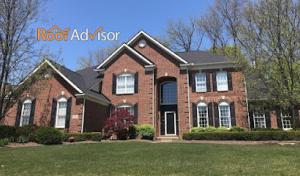
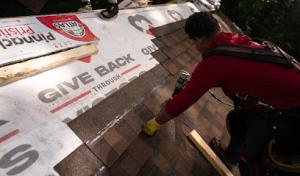
Michigan's pattern of repeated freeze and thaw is a relentless tester for small roof defects. In your home, tiny issues around shingles, flashing, and penetrations can balloon into leaks when water seeps in during a thaw, then refreezes and expands at the edges. Each cycle wears a little more at nail heads, sealants, and roof edge details. The result is a slow creep from a cosmetic problem to a full-on leak that pins you down during a storm. This isn't just a nuisance; it can damage sheathing and create hidden rot that undermines long-term durability if left unaddressed after the first warning signs.
As winter cracks open into spring, heavier rains and rising groundwater push water into areas that were tolerable in the cold. Tear-offs can be delayed by rain, mud, or slick decks, but letting a roof sit while moisture sits on vulnerable decks can expose the underside and interior to needless moisture intrusion. When projects are not tightly sequenced, you risk weeks of unprotected decking, which invites hidden rot and mold growth just beneath the surface. If a leak appears mid-project, the combination of wind-driven storms and ongoing thaw cycles can force emergency repairs that disrupt the entire schedule and escalate interior damage.
Autumn brings a thick leaf load that clogs gutters and valleys, then a quick shift to early snow. Moisture trapped behind debris can accelerate staining on decking and magnify ice dam risks at eaves and along hips. Cleanup timing matters: if debris remains when snow arrives, the resulting meltwater has fewer places to go, increasing the chance of backwater intrusion into fascia lines or along flashing. Inspection timing becomes tricky as gutters fill, making it harder to spot a small, failing seam before a larger leak develops with the first hard freeze.
If a persistent drip appears after a thaw, don't assume it will vanish with the next warm spell. Prioritize a focused inspection of shingles near any penetrations, flashing seams around chimneys, vent stacks, and skylights, and the edges where roofing meets the wall. Plan for tight sequencing of repairs to minimize prolonged exposure of decking and underlayment. And in the fall, clear leaves promptly and check drainage paths before snow sets in to keep water moving away from the roof structure rather than pooling and forcing entry through compromised points.
In this flat, postwar patchwork of neighborhoods, hail and wind claims are common enough that insurers treat the pattern as routine. Expect a thorough photos-and-dates process, with documentation of when the damage happened and how it progressed during the season. Endorsements and policy riders can shift coverage without much warning, so keeping current with your policy specifics is not a luxury-it's a practical part of planning your roof's response to a major hail or wind event.
When a storm hits, the claim path can slow as demand spikes and inspectors and adjusters juggle backlogs. Coordinating between the adjuster and your preferred contractor matters. You may need to provide detailed photos from multiple angles, close-ups of damaged fasteners, and a written timeline of the damage progression if water intrusion is involved. Delays aren't unusual, but timely, organized documentation can prevent miscommunications that stall decisions on replacement timing or scope.
Carriers in Michigan have adjusted coverage options in some cases after severe weather, which means review becomes part of roof planning rather than a one-off after a loss. Before a storm, confirm what your policy covers for replacement vs. repair, and whether there are advanced endorsements that could streamline a future claim. After a claim, be proactive: set up a clear line of communication with the adjuster, provide the requested evidence promptly, and keep contractor estimates aligned with any insurer-specific requirements so the timeline isn't derailed by mismatches.
Hail and wind damage can expose vulnerabilities in older roofs, so turn-to timing and documentation are your allies. Rely on methodical records, ready photos, and steady coordination with adjusters to navigate the storm-response landscape without letting a backlog drive you toward rushed decisions. This approach helps protect your home's integrity when Michigan's weather tests the roof's limits.
In this market, penetrations and masonry intersections show meaningful demand, especially around skylights and chimneys. The way a roof meets a brick or stucco chimney often creates a failure point, even when the rest of the field shingles are sound. Flat or low-slope sections over porches, additions, or attached areas are a real local service category, and these areas tend to leak when wind-driven rain or thaw cycles drive water toward edge flashing and transitions. On older homes, leaks aren't always in the middle of a plane of shingles; they cluster at the joints where the main roof meets a dormer, skylight curb, or a chimney cricket. Expect more activity where two roof planes converge or where a transition from a pitched main roof to a low-slope detail occurs.
When you suspect a leak, start by drying the area and catching drips to verify flow direction. Inspect the skylight flashing and chimney flashing for loose or lifted metal, missing sealant, or broken joints after a windstorm. Check the transition where the main roof meets the porch or addition; look for voids, deteriorated underlayment, or peeled shingles at that edge. If you see water staining on interior walls near a skylight or chimney, treat the surrounding flashing first before worrying about field shingles. For immediate protection, place a temporary tarping or leak barrier over the suspected area during a forecasted thaw or rain. Schedule a local contractor with proven skylight and masonry-intersection experience to reflash, reseal, or replace the problematic detail.
Ask for references that cover skylight and chimney work in older homes with low-slope transitions. Favor teams that demonstrate a clear plan for repairing transitions from main shingle roofs to detail areas, not just replacing the field shingles. Ensure they inspect the entire perimeter of any low-slope zones and verify that underlayment and flashing are appropriately integrated with the surrounding shingles. This targeted approach reduces repeat calls when spring storms arrive.
Find contractors experienced in skylight installation, flashing, and leak repairs to bring natural light into your home.
Gabriel’s Roofing Construction
(248) 383-3449 www.gabrielsroofingconstruction.com
Serving
4.9 from 96 reviews
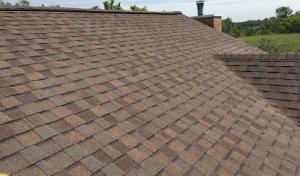
In Garden City, you'll find that metal, tile, synthetic/composite shingles, and slate exist in the supply chain, but the market shows far less specialization for these systems compared to standard asphalt re-roofing and storm repair. This means you should expect a smaller pool of crews who routinely handle premium materials, and those crews may rely on broader subcontractor networks. For homeowners, that translates into planning ahead for scheduling and recognizing that timelines can stretch when specialty work is involved.
Heavy systems like clay tile, concrete tile, and slate don't align as neatly with the typical postwar housing stock here or with the affordability-driven contractor market. Roof framing, decking, and insulation in many older homes were not designed with the extra load and mounting specifics of premium materials in mind. If a retrofit is considered, verify that the existing structure, attic access, and drainage can support the weight and that fasteners, underlayment, and flashing meet local wind and freeze-thaw demands. A careful assessment helps avoid surprises after minor leaks become bigger concerns.
If you're leaning toward premium systems, approach the project with a two-step mindset: first, confirm that a qualified installer can deliver a reliability-focused installation given local weather patterns; second, plan for longer coordination times and contingency steps should hail or high winds necessitate early mitigation during storm season. In Garden City, the emphasis remains on timely leak response, solid underlayment, and robust flashing details that withstand freeze-thaw cycles and spring rains, rather than on niche features that aren't well-supported locally.
Explore specialists in steel, aluminum, and standing seam metal roofs built to last 50 years or more.