
Last updated: Apr 19, 2026
Belleville roofs endure repeated winter freeze-thaw cycling that can open shingle seals, stress flashing, and worsen small penetrations before spring. The cycle is not a single event but a constant pressure that quietly pushes at sealants, nail heads, and vulnerable joints. When a small ice dam forms or a thermal move causes shingles to lift ever so slightly, water sneaks into micro-perforations you didn't know existed. By the time the first warm stretch arrives, those micro-tears have already grown into noticeable leaks or damp spots on ceilings. The danger is that this damage often hides under snowbanks and fascia trim until you're hit by a rapid thaw and sun.
Act quickly after a warm spell or a late-season warm-up. When the weather shifts back to cold, those exposed edges can refreeze and lock in damage. A proactive homeowner checks for stained drywall, damp attic insulation, or frost on the underside of roof sheathing. If you notice curling shingles, granule loss in gutters, or loose flashing along valleys and chimneys, that is a signal to treat the roof as fragile until it is inspected. Do not dismiss a minor drip or a soft, hollow sound when tapping shingles-these are early warnings of stress beneath the surface. In Belleville, winter's sting is not finished after snowfall; it lingers in the form of microcracks that broaden with each thaw.
Spring in this area brings the combination of hail and heavy rain, making late-winter damage harder to spot until leaks appear during the first strong storms. You may see shingles that look intact but have compromised seals around vent pipes, skylights, or chimney closures. Hail damage can manifest as dented or bruised shingles that weaken waterproofing over time, while heavy spring rain exploits any residual gaps to flood attic spaces or living areas. The season's pressure also tests underlayment-saturated or damaged layers lose their protective capacity just as they are asked to perform reliably through more storms.
A practical approach is to keep a close watch for interior signs after a rain event: new drips near ceiling corners, attic heat leakage hotspots, or sudden temperature-driven comfort issues (like rooms taking longer to cool or heat). Clear clogged gutters and downspouts promptly; water that fails to shed properly will back up and find new routes under the roof deck. Don't wait for a visible sag before acting. A small, early leak in spring can point to a more extensive problem that started in winter's harsh cycle.
Because this climate balances cold winters and warm summers, replacement timing matters more here than in milder climates; materials and underlayment performance can vary sharply by season. The optimal window is when the roof deck is dry, the attic is comfortable for inspection, and you can work outside without freezing conditions complicating nail and sealant adhesion. If you suspect substantial winter damage, scheduling a professional inspection in late winter or early spring ensures that the roofer can evaluate the full extent while trees are still bare and access is straightforward. Delays may allow micro-cracks to propagate during the heat of summer or through another round of freeze-thaw cycles, complicating future repairs and raising the risk of interior water intrusion.
If you sense trouble, arrange an inspection with a local pro who understands Belleville's unique exposure to seasonal stress. Ask specifically about shingle seal integrity, flashing conditions around chimneys and vents, and the performance of underlayment after winter. A rapid, targeted assessment can identify small problems before they escalate into large leaks. Keep a plan in place for prompt tarping or temporary containment if a storm is forecast and your roof shows signs of vulnerability. In this market, timely response protects your home from the swift, season-spanning effects of freeze-thaw and spring storm damage.
In this town where spring storms often come with sudden hail and heavy rain, your claim is only as solid as the evidence you can gather. Michigan insurers commonly want photo documentation, contractor quotes, and adjuster verification for storm-related roof claims affecting Belleville homes. If an issue is subtle, that pile of clear pictures and dated notes can be the difference between a fair settlement and a fight that drags on after the storm season. You are dealing with a market where the weather can change a roof's fate quickly, so gathering documentation during and after the event is not optional-it's essential.
Older roofs in this community may face stricter coverage treatment depending on policy terms, so homeowners need to document condition before and after spring storm events. Start with wide exterior shots showing the overall roof and gutters, then move in for close-ups of any telltale damage. Focus on impact marks, lifted shingles, flashing along chimneys or dormers, and any signs of accelerated granule loss. Inside, photograph stains on ceilings and walls that correspond to leaks, and note the exact time and date of any rainfall or hail events. Keep a running log of weather reports and any temporary fixes you apply to prevent further damage. This concrete trail of evidence helps align the claim with policy language that can hinge on timing and visible condition.
When it's time to file, your proof needs to be easy for a claims adjuster to verify quickly. Include dated photos with descriptive captions, a list of observed issues by roof section, and contractor quotes from reputable local roofers who have worked in this area before. Adjuster verification is a recurring request, so have a brief, professional summary ready that connects the observed damage to hail and heavy rain events that typically trigger claims in this region. If a prior assessment exists from a previous storm, attach that as well to show the progression of conditions over time. A clear, concise packet helps minimize back-and-forth and speeds up the response you rely on after the season's most impactful weather.
Impact marks, lifted shingles, flashing damage, and interior leak evidence are the indicators to document most aggressively. After a storm, check for dislodged fasteners or signs of moisture intrusion around vents, skylights, and chimney flashings. Even small, initially inconspicuous issues can become major leaks once repeated freeze-thaw cycles return. The combination of Michigan's spring weather and Belleville's housing stock means that early, thorough documentation protects you from late surprises and keeps your claim grounded in observable, verifiable damage. Remember that your claim file travels with you-from the moment of impact through the adjuster's review-so meticulous notes and images are your best allies.
Connect with contractors who help homeowners navigate the claims process from damage assessment to final approval.

Jimmy Roofing
(734) 444-5457 jimmyroofingmi.com
Belleville, Michigan
5.0 from 63 reviews
Jimmy Roofing is a company in Belleville, MI that offers affordable and quality roofing service. Contact us for more information and free estimates.
Great Look Renovations
(313) 218-6265 greatlookrenovations.com
28665 Elwell Rd, Belleville, Michigan
5.0 from 7 reviews
Great Look Renovations is a trusted, insured, and licensed roofing company with over 20 years of experience! We back up our work with a 15-year labor warranty in addition to our outstanding product warranties. As a CertainTeed Certified roofing company, our products are top of the line and come in many colors and shades. Contact us for a free roof inspection or to learn about our easy financing!

NorthGate Construction
(734) 340-3208 northgate-construction.com
Serving
4.8 from 428 reviews
Looking for the best roofing company near you? NorthGate Construction is the trusted roofing company in Canton, MI, specializing in insurance roofing claims and storm damage repair. When severe Michigan weather strikes, we provide fast, expert roof assessments, work directly with your insurance company, and install high-quality, durable roofs built to last. As your local roofing experts, we ensure a hassle-free process, maximizing your claim while delivering top-tier craftsmanship. Whether you need emergency roof repair or a full replacement, NorthGate Construction is the roofing company you can trust for superior service and results." This version improves keyword density while keeping the messaging clear and compelling. Let me know if yo
Victors Home Solutions
Serving
4.8 from 4613 reviews
From our free 21-Point Roof Inspection to our 50-Year Leak Free Guarantee, we’ll protect your home and family for years to come. With almost two decades of roofing experience and a BBB Accredited A+ rating, Victors Home Solutions is the superior roofing and home improvement company across Michigan, Ohio, Kentucky, and Indiana. We provide the highest quality workmanship for residential roof repairs and replacements, vinyl windows, seamless gutters, and attic insulation services.

1st Pitch Construction
(947) 941-2720 www.1stpitchconstructionllc.com
Serving
5.0 from 10 reviews
1st Pitch Construction is a locally owned and operated roofing company based in Livonia, MI, serving Northeast Michigan. With the owner present on every job site, we ensure easy communication and top-quality workmanship. We offer reliable project timelines and specialize in residential and commercial roof installations, roof restorations, and emergency roof repairs, including hail and storm damage. Trust our expert team for thorough roof inspections and exceptional service.
Rapid Roofing
(734) 875-8373 rapidroofing.com
Serving
4.6 from 246 reviews
Rapid Roofing installs most roofs in just a day, with a full warranty. And we always offer fast, prompt delivery and exceptional customer service. Trust Rapid Roofing, the #1 rated roofer in your hometown of Canton or Ann Arbor, MI for over 30 years. We’re your neighborhood roofing contractors, recognized for delivering fast roofing services, installing new roofs in about one day, offering lifetime warranties and affordable financing arrangements, and serving residential and commercial roofing customers.
Roofing Restoration
(734) 755-9498 roofingrestoration.squarespace.com
Serving
5.0 from 118 reviews
Roof repair & replacement. Insurance claims specialist. Siding, Gutters, Gutter guards,

A H Construction & Roofing
(734) 481-1983 www.ahconstructionco.com
Serving
5.0 from 212 reviews
A.H. Construction provides new roofing and roof repair services for residential homes and businesses in the Ann Arbor and surrounding area since 1987. When you choose A.H. Construction you can count on our licensed, bonded and insured team to give your roofing project the care, quality and attention to detail it deserves. Regardless of the size of your home roofing or roof repair project, we’re committed to keeping you 100% satisfied. Call us today for a free roofing estimate!
Barnett Roofing & Siding
(734) 397-8122 www.barnettroofing.com
Serving
4.6 from 66 reviews
Barnett Roofing & Siding is a trusted roofing construction contractor in Plymouth, MI, specializing in residential and commercial roofing, premium siding installation, and seamless gutter systems. With decades of local experience, we deliver durable, weather-resistant solutions tailored to Michigan’s climate. Our licensed and insured team ensures quality craftsmanship, from storm damage repairs to full roof replacements using top-tier materials. As a full-service roofing contractor, we prioritize customer satisfaction, timely project completion, and transparent pricing. Proudly serving Plymouth and surrounding Wayne County communities, we stand behind every job with industry-leading warranties. Contact Barnett Roofing & Siding to...

Horizon Roofing & Construction
(734) 585-7160 horizonroofingconstruction.com
Serving
5.0 from 78 reviews
Horizon Roofing and Construction brings over 25 years of experience to homes in Northville, Michigan. This family-owned company offers a comprehensive range of services, including repairing old roofs and new roof installation. Horizon also can replace siding and install new window. Horizon focus lies on craftsmanship, ensuring both the beauty and functionality of your home's exterior. Horizon prides themselves in making a weatherized, functional and safe environment inside and outside your home.
Detroit Roofers of Belleville
Serving
4.9 from 17 reviews
Detroit Roofers of Belleville proudly serves Belleville, Romulus, Wayne, Westland, and surrounding areas with expert residential and commercial roofing solutions. Whether you need a small repair, a complete roof replacement, or a new installation, our licensed and insured team delivers high-quality work built to last. We specialize in asphalt shingles, flat roofs, metal roofing, and more—each project supported by strong warranties and 5-star customer reviews. Property owners in Belleville rely on us for fair pricing, responsive service, and durable craftsmanship. When you want a roofing partner you can trust, choose Detroit Roofers of Belleville.
All That Roofing & More
(734) 338-8359 allthatroofing.com
Serving
5.0 from 60 reviews
All That Roofing & More is a Roofing Contractor located in Livonia, MI. We offer Roofing Services, Vinyl Siding, Gutter Services, Window Replacement, Home Improvement, Roof Repair, Roofing Quotes, Gutter Installation, and other Roofing Contractor Services. At All That Roofing & More, we take pride in our craftsmanship, attention to detail, and customer satisfaction. Your roof is our priority - contact us today for roofing solutions that go above and beyond. Call us today for more information and services!
Asphalt shingles remain the dominant practical choice in this market, thanks to quick installs and broad contractor familiarity. In Belleville, the sequence of freeze-thaw cycles and summer heat puts a premium on quality ventilation and proper attic soffit intake. When you're planning, choose a shingle with good granule adhesion and a stout nailing pattern, and verify that the roof deck is solid and dry before shingle laydown. A well-sealed edge and accurate hip and ridge venting reduce heat buildup and minimize ice-dam risk during the late-winter melt. In Belleville, you want an installation crew that understands how to maintain a watertight drip edge along transitions to gutters and chimneys, because even small gaps accelerate moisture intrusion during spring storms. Regular inspections after seasonal shifts help catch hairline gaps caused by freeze-thaw movement before they become leaks.
Metal roofing can excel here for snow shedding and long-term durability, especially on homes with standout peak lines or where a steep slope reduces debris accumulation. The key in this climate is detailing at flashing transitions and penetrations. Winter expansion and contraction can expose weak workmanship at valley and chimney joints, so insist on continuous sealant compatibility and proper counterflashing. Fasteners should be installed with backing plates where possible to minimize hole elongation from repeated freeze-thaw. A metal roof over plywood or OSB decking needs a solid, moisture-controlled underlayment and a vented attic space to prevent condensation and ice buildup. If a mid-winter storm hits, a properly installed metal roof should shed ice and snow efficiently, but any signs of loose flashing or loose panels deserve immediate attention to prevent leaks.
Clay tile, concrete tile, wood shingles, and synthetic composites exist in this market, yet their suitability hinges on how the home's structure handles winter moisture and spring storm patterns. Tile requires a robust deck and careful framing to resist cracking from freeze-thaw movement. Concrete and clay offer long life but demand precise installation to create proper drainage and prevent water pooling at overhangs. Wood shingles and shakes provide aesthetic value but can suffer from moisture-related warping and decay if not properly vented and sealed. Synthetic options offer improved weight options and moisture resistance, but installation quality and proper sealing at transitions remain critical. For any of these materials, ensure the roof system addresses ventilation, deck integrity, and correct underlayment to manage winter moisture without compromising performance in spring storm events.
In Belleville, the best approach is to align material choice with the home's structure and your willingness to maintain it through visible weather cycles. Perform a thorough inspection for deck rot, flashing integrity, and ventilation pathways before and after the harsh winter and the first spring storm. Choose crews that provide a clear plan for winter-related movement, and request a comprehensive warranty on both materials and workmanship. A well-mated combination of material type, proper ventilation, and high-quality flashing detail will minimize leaks during the late-wall and roof-edge transitions that stutter in spring thaws.
Preparation costs in this market follow the same arc you'd expect from inland Southeast Michigan: asphalt shingles start as the entry point, while tile systems sit at the top end. In Belleville, the price ladder typically runs from the low end of asphalt shingles around 350 USD per square up to the higher end of tile, with concrete and clay tiles commanding the most for a full replacement. When you look at metal roofing, you're in the mid-to-high range, often between 800 and 1,400 USD per square, depending on panel profiles and installation details. Synthetic or composite shingles sit between asphalt and metal, generally landing in the 550 to 1,100 USD per square range. Knowing these baselines helps you understand where your project lands before any extra work is added.
Local timing matters. After a harsh winter and during a spring storm sequence, costs can drift upward quickly. Storm periods create demand spikes for quick-response crews, emergency scheduling, and rushed material purchases. If your roof is leaking or a sudden hail event tears into shingles, you'll see not just higher material costs but scheduling premiums and expedited crew mobilization. In Belleville, that can translate to several hundred dollars more per square in some cases, especially if the contractor is juggling multiple urgent calls. If you're planning ahead, you can sometimes avoid the peak-rate window by scheduling in the calmer shoulder seasons, but a true emergency can override those savings.
Beyond the base material price, there are common factors that push totals higher. Tear-off of older roofing layers is a frequent consideration, particularly on homes with multi-layer history. Ventilation corrections and upgraded flashing are practical upgrades that protect the roof's long-term performance under Michigan's freeze-thaw cycles and spring moisture, and these can add a meaningful line item to the total. In addition, the sometimes-tangled issue of attic ventilation, ridge caps, and underlayment upgrades sits in the mix, especially on older Belleville homes whose ventilation may not have kept pace with modern shingle or metal systems. While these items aren't flashy, they're essential for durability in your climate and can move the final figure several hundred dollars above the material-only price.
When you're pricing, anchor your expectations to the local ranges and the season you're targeting. Asphalt is your best starting point if you want to balance cost with decent lifespan, while metal offers longer life with a higher upfront price. Tile systems deliver the strongest long-term durability for certain homes but come with the steepest initial investment. If a storm is on the calendar, plan a little extra in your budget for faster scheduling and potential surge fees, and treat any estimate as a lease on time as well as materials. Belleville homes with two-story profiles, complex flashings, or older decks typically push totals toward the higher end of the ranges, so have a buffer in mind when you compare bids.
Get a clear picture of your project costs upfront - no commitment required.

A full roof replacement in Belleville typically requires a permit from the local building department before work begins. The permit kickstarts a process that keeps your project aligned with the town's safety and zoning standards, especially important after harsh Michigan winters and during the spring storm season. Before applying, gather your project scope, photos of the existing roof, and your chosen roofing material. Being prepared helps the permit review move quickly, which is crucial when leaks pressure you to act after a late-season storm.
Belleville inspections may occur during and after installation, with attention to underlayment, ventilation, flashing, and nailing patterns rather than only the finished surface. Expect at least one mid-project check to verify that the roof deck is sound, the ventilation meets code, and the underlayment is installed consistently to handle freeze-thaw cycles. The inspector will look at how flashing joints tie into walls, chimneys, and vents, since improper details frequently lead to leaks once temperatures swing. Your contractor should coordinate access and keep the site tidy to avoid delays tied to scheduling inspections.
After the new roof is installed, a final inspection confirms the work complies with applicable codes and the permit is closed. In Belleville, the final review often verifies air barriers, attic ventilation, and the overall integrity of the nail patterns. If the inspector notes gaps or minor defects, a quick follow-up repair may be required before the permit is officially signed off. Treat this as part of the project timeline rather than an afterthought, because a delayed punch list can trigger additional scrutiny or re-inspection steps.
Belleville projects can face small permit fees and possible re-inspections if work pauses or the scope changes after the permit is issued. If weather interrupts work, or if the plan shifts from shingles to metal or another material, contact the permitting office promptly to update the records and avoid miscommunications. Keeping all amendments documented helps prevent delays and ensures the project proceeds under the same approved plan, safeguarding your schedule during the spring storm window when memory of last year's leaks is fresh.
Coordinate with your contractor to keep the permit package complete: current photos, product specifications, and a clear installation schedule. On the inspection day, have access prepared to the attic and ridge vents, as well as any attic baffles or soffit vents. A clean, organized site makes it easier for the inspector to verify details quickly, which is particularly valuable when spring rain or late-season freezes threaten progress. Maintaining open lines of communication with the building department can help address questions before they become hold-ups, ensuring your roof replacement proceeds smoothly through Belleville's seasonal rigors.
In Belleville, flashing details are a recurring vulnerability because freeze-thaw cycling can widen small gaps around penetrations and wall intersections. Around vent stacks, skylights, chimneys, and transitions to siding, even tiny gaps become conduits for water during thaws and spring rain. You will want to inspect these spots after the worst of winter and before the next heavy storm season. If you notice hairline cracks or loosened sealant, address them promptly. Delayed repairs here rarely stay cheap or quick.
Underlayment and ventilation matter more in Belleville than in milder markets because roofs must handle both snow-season moisture stress and summer heat buildup. Improperly vented attics allow attic moisture to condense on the underside of the roof deck, which accelerates deterioration and can push small leaks into larger problems. Ensure your attic has balanced airflow, and that the underlayment is intact beneath shingles where cold snaps contract and warm days expand materials. A well-ventilated roof deck buys you time when sudden spring squalls arrive.
Spring storm exposure in Belleville makes previously minor shingle damage, loosened ridge components, and compromised seal strips more likely to turn into active leaks. After big wind or hail events, examine ridges and edge shingles for looseness, curling, or lifted seams. Don't wait for a visible drip to act; a quick re-seal or resecurement now can stop a growing leak when temperatures swing from freeze to thaw and storms reload the atmosphere. If you spot new lifting after a storm, treat it as a warning sign rather than a cosmetic issue.
Find contractors experienced in skylight installation, flashing, and leak repairs to bring natural light into your home.
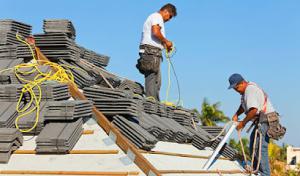
Belleville homeowners should expect insurers in Michigan to request detailed storm-loss documentation rather than approve roof claims from a simple verbal report. After a hail event or a severe wind day, gathering dated photos, vendor reports, and notes on the affected areas helps move the process along. Local storm seasons can bring a flood of claims, and insurers rely on concrete evidence to separate incidental damage from what deserves a replacement decision.
Adjuster site visits are a realistic part of the Belleville claims process when hail or wind damage is alleged. A trained adjuster will walk the roof, inspect angles and surrounding structures, and compare observed damage to wind and hail indicators reported by you or neighbors. Prepare a clear path of access to the roof and any attic or interior signs of moisture. If the roof is difficult to reach, coordinate safe access options in advance to avoid delays.
Because older roofs can face tougher coverage treatment under Michigan policy terms, Belleville owners should review depreciation, exclusions, and actual-cash-value versus replacement-cost language before a storm loss. Some policies apply depreciation to the roof value or limit coverage for aging components. Understanding whether your policy settles on actual-cash-value or replacement-cost can influence the timing and order of any repair plan. Have a candid conversation with the agent about how wear, material type, and recent repairs influence the claim outcome.
Keep a running log of storm dates, wind speeds reported by local stations, and any temporary measures taken to prevent further damage. When communicating with the insurer, quote your policy language where possible and reference the documented exterior and interior impacts. In areas prone to rapid spring weather shifts, timely reporting and organized evidence reduce back-and-forth and help restore a leaky roof more quickly.
When you start shopping for a roofer after a storm, the local market signals you'll notice are a strong demand for affordable re-roofing, fast response, and cleanup included after replacement work. In practice, that means asking for clear timelines, a straightforward cleanup plan, and a proposal that covers debris removal and tarp rental if weather shifts delay work.
You'll find many long-established, family-owned operators active in the area. Those who have stayed local through multiple storm seasons tend to value reputation and continuity, which shows up as punctual communication, consistent workmanship, and a willingness to stand behind repairs with follow-up visits. Look for a crew that has visible, repeatable processes and a track record in nearby neighborhoods with similar housing stock.
Because emergency repair and storm work are common here, you should verify who handles tarping, inspection follow-up, and any return visits after weather delays. Ask for a written plan that details tarp setup the moment a project starts or a weather window narrows, who will perform a mid-project inspection if rain interrupts work, and how quickly a return visit would be scheduled to address gaps or minor issues discovered during cleanup.
Choosing the right roofer also means confirming compatibility with your home's structure and material needs. If you're replacing in a freeze-thaw climate with spring storms, discuss how the contractor gutter installations, attic ventilation, and flashing tie into long-term performance. A dependable crew will walk you through what to expect at each stage, from tear-off to final clean, and how they coordinate with you to minimize disruption during the busy storm season.