
Last updated: Apr 19, 2026
In the Detroit-area weather pattern, Allen Park experiences winter freeze-thaw cycling, snow load, and spring wind or hail events as the main roof stressors rather than coastal or mountain hazards. The combination of repeated thaw-refreeze cycles and heavy early-season snows means shingles and underlayment take a beating long before most homeowners realize it. This makes storm-driven damage and latent wear look similar from ground level, so precise inspection and documentation are essential to avoid under- or over-repair.
Storm-related roof claims are common enough that insurers expect documentation distinguishing fresh storm damage from older wear. After a hail event or high-wind day, look for matted granules, ground-in debris on the gutters, and curved or displaced shingles with new lift at the edges. In contrast, old wear tends to show as widespread curling, granule loss concentrated in one area, or hairline leaks around vents and flashings that aren't tied to a single storm. Take date-stamped photos from multiple angles-roof, gutters, attic, and interior ceilings-within days of a event. Save any inspector notes, contractor assessments, and repair invoices with clear timestamps. When you file, present a concise chronology that separates yesterday's impact from months of gradual wear.
During late winter and early spring, freeze-thaw cycles make diagnosing leaks tricky, because ice dams can mimic storm damage while concealing it. Start with a thorough attic inspection during a dry spell: look for moisture staining, warped decking, and pinpoint condensation routes. On the roof, target areas around penetrations-chimneys, vents, and skylights-and the lower edge where ice and snow tend to shed. If you see lifted shingles, missing granules, or compromised underlayment near valleys, those are red flags that warrant professional evaluation before spring winds intensify.
Replacement timing in Allen Park is driven heavily toward late spring through early fall because cold-weather sealing, snow cover, and repeated thaw-refreeze conditions complicate both diagnosis and installation. If storm damage is confirmed, plan for a project that can start once temperatures rise enough for reliable sealants and adhesives, but with a fast enough mobilization to avoid late-season weather surprises. Consider the local pattern: a dry stretch in late spring is your best window to restore the roof without repeated exposure to freeze-thaw damage on new materials.
Build a concrete plan around three pillars: first, immediate stabilization to stop water intrusion and further decking damage; second, a precise assessment that differentiates new storm damage from existing wear; third, a clear, insurer-backed documentation package that includes date-stamped photos and dated contractor notes. If you're dealing with insurance communication, align your contractor's inspection notes to the storm event date, include a plain-language summary of findings, and request a formal damage appraisal that reflects the current season's stressors. Acting quickly with organized records reduces the risk of delayed or disputed claims when spring winds arrive and the thaw cycles resume.
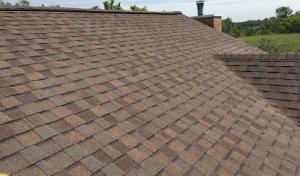
Asphalt shingles remain the dominant practical choice for Allen Park's mature, straight-forward homes. The contractor base that most frequently advertises shingle work aligns with common residential tear-offs here, so choosing asphalt shingles keeps scheduling and warranty work consistent with what neighbors expect. In this area, the climate brings humidity, winter ice dam risk, and repeated expansion-contraction cycles. Those conditions make granule loss, lifted tabs, and flashing-related leaks more relevant than sun-baked desert patterns. When selecting shingles, look for a product with good granule adhesion and durable seal strips that stay effective through freezing and thaw cycles. A shingle line with a sturdy micro-granule embedment and a solid resistance to wind uplift will help withstand blowing snow and thawing moisture that attack valley and eave areas most often.
In practice, the best choice prioritizes a conservative, proven installation approach rather than chasing flashy aesthetics. A standard 3-tab or architectural shingle can perform well if the roofing crew follows meticulous nailing patterns, proper valley treatment, and correct flashing at joints, vents, and chimneys. Because many homes in this market are straight-forward tear-offs rather than custom builds, the window for error is smaller; a precise job is more important than fancy detailing. Pay attention to alignment around eaves and rakes, and ensure that starter courses are correctly positioned to minimize exposed fasteners and potential lift points after cold snaps. In colder months, ice dam risk grows when shingles do not shed water promptly; confirm that gutters are clear and that downspouts direct meltwater away from the foundation. Choose a shingle line with proven sealant performance to resist lift during gusty winter storms and to re-seal promptly after minor wind events.
Maintenance in this region centers on ongoing granule retention and prompt repair of lifted tabs before moisture penetrates the underlayment. Inspect after heavy winter thaws and after spring storms when granules can wash away and reveal exposed asphalt. Create a simple visual checklist: look for missing or lifted tabs, damaged flashing, and any signs of moisture intrusion near vents and chimneys. When edging toward replacement, choose a shingle family with a robust warranty and a track record of performing through multiple freeze-thaw cycles. Keeping attic ventilation balanced helps reduce condensation-related problems that masquerade as shingle issues, so check for proper attic air flow as part of any inspection.
The most popular roofing material in the US. Find pros who install, repair, and replace asphalt shingles.
AllPoint Construction
(734) 407-7110 allpointconstructionmi.com
7420 Allen Rd, Allen Park, Michigan
4.6 from 642 reviews
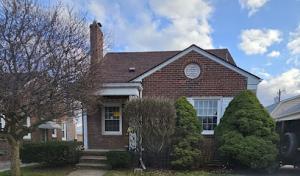
AllPoint Construction is Metro Detroit’s trusted choice for quality home improvements, from expert roofing and siding to kitchen & bath remodels and custom additions. As a family-owned company, we take pride in craftsmanship, integrity, and creating spaces you’ll love for years to come. Whether you need a reliable roofing contractor after a storm, energy-efficient windows, or a dream kitchen makeover, our team is here to make it happen. Call today for your free estimate and experience why homeowners across Downriver and Southeast Michigan choose AllPoint Construction to build, repair, and remodel with confidence.
Chucks Roofing Company
(313) 386-8962 chucksroofingcompany.com
Serving
4.9 from 184 reviews
At Chuck's Roofing Company, we provide expert roofing and siding services to homes in Lincoln Park, MI, and the surrounding areas. As a trusted roofing contractor, we specialize in roof installations, repairs, and siding solutions designed to protect and enhance your property. Our team is committed to delivering exceptional craftsmanship and durable results that stand up to the elements. Trust our roofing company and siding contractors to keep your home beautiful, secure, and weather-resistant for years to come.
Maloney Roofing & Renovations
6605 Park Ave suite 6, Allen Park, Michigan
5.0 from 2 reviews
Providing reliable home renovations at an affordable rate. Roofing, siding, gutters, windows, flooring and more. Call today for a free quote.
Advantage Roofing & Construction
(313) 986-1877 advantageroof.us
Serving
5.0 from 57 reviews
We are a full service commercial and residential roofing, siding, gutters and general building and home maintenance and installation company.
Avanti Construction
(734) 732-2985 avanticonstruction.org
Serving
5.0 from 14 reviews
We are a licensed and insured residential home improvement company dedicated to exceeding our customer's expectations. Our goal is to work with you in making your home improvement vision become reality. We also have a lot of experiance working with insurance companies and can help you navigate your home insurance claim to make sure you are getting everything you are entitled to. Having a contractor on your side can make all the difference and we are here to help relieve your stress and be your advocate for a fair and honest resolution. We are excited about helping make your home update dream project a reality. Call today 734-732-2985
BrightView Construction
(734) 512-6546 brightviewconstruct.com
Serving
5.0 from 58 reviews
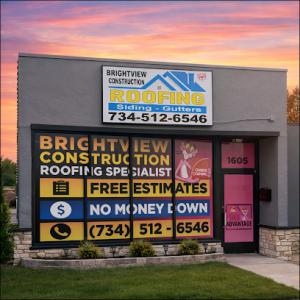
BrightView Construction is a trusted roofing company proudly serving Wyandotte, MI and the surrounding Downriver communities. As a skilled roofing contractor, the team specializes in roof repair, roof replacement, and emergency roofing services for both residential and commercial properties. In addition to expert roofing, the company offers siding solutions and professional gutter service designed to protect and enhance every structure. Committed to quality, BrightView Construction uses only premium materials and proven techniques to deliver long-lasting results that clients can rely on.
Level Up Improvement
(313) 287-9525 levelupimprovement.com
Serving
5.0 from 128 reviews
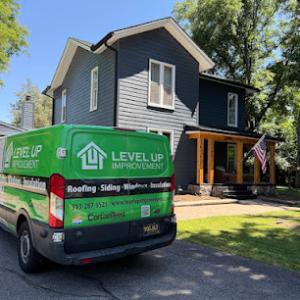
We are a family-owned Roofing, Siding, and Window contractor that is local to the Metro Detroit area. We have experience installing and managing projects on homes across Southeast Michigan.
NorthWest Construction
(313) 277-7676 www.nwconst.com
Serving
4.5 from 99 reviews
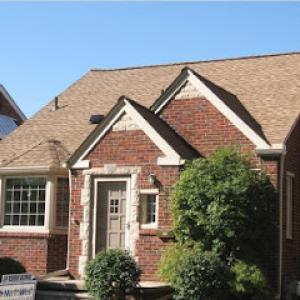
Terry Burke has been a Roofing Contractor for over 25 years. His Roofing Company in Dearborn, Michigan has provided a roof over many friends and neighbors heads in Metro Detroit. Northwest Construction is family-owned business and and business and we pride ourselves on our Integrity, Quality Workmanship, and Reputation. We are A+ Certified member of the Better Business Bureau and have received Angie's List "Super Service Award" in each of the last SIX years!
Mill Connection Home Improvement
(313) 215-2186 www.millconnectionhomeimprovement.com
Serving
4.9 from 60 reviews
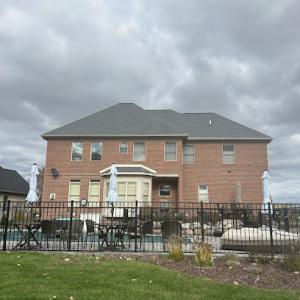
Experienced and reliable roofing contractor serving Southeast Michigan. We specialize in providing high-quality roofing solutions for both residential and commercial properties. Our team of skilled professionals is committed to providing exceptional customer service and ensuring your roof is protected for years to come.
Crown Pro Construction
(313) 346-4749 www.crownproconstruction.com
Serving
4.8 from 44 reviews
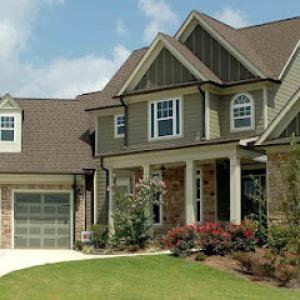
Crown Pro Construction offers a full range of services, including roofing, siding, gutters, windows, gutter protection systems, and specialty roofing throughout the Detroit Metro area.
Napier's Home Improvement
(734) 676-6557 napiersroofing.com
Serving
4.8 from 95 reviews
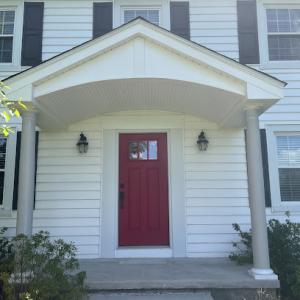
For over 40 years, Napier’s Home Improvement has been Downriver and Southeast Michigan’s trusted, family-owned roofing company—and the oldest in Downriver. Three generations strong, we’ve built our reputation on quality workmanship, honest pricing, and treating every home like our own. From small repairs to full roof replacements, we always start with a free on-site estimate because we believe in transparency and lasting customer relationships. Your roof protects your family, and we take that responsibility seriously—roofing is our family legacy. Thank you for supporting Napier’s Home Improvement. Contact us today to schedule your free on-site consultation!
RSW Home Construction
(248) 757-9279 rswhomeconstruction.com
Serving
5.0 from 4 reviews
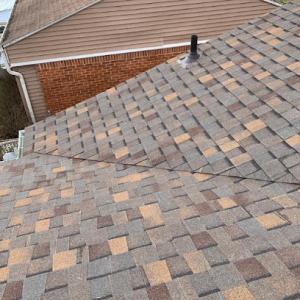
RSW Home Construction offers roof installation and roof replacement services to the Wayne County and Metro Detroit areas. Licensed & Insured with years of experience roofing in Michigan behind our belts. We take pride in our high level of customer service and promise to always provide top-notch services to our customers. We now proudly offer 10% off full roof installation and replacement services and are excited to get to know you and show you the quality of our workmanship, professionalism, and integrity. Get in touch with our professional team today for a free complimentary estimate and see for yourself why our customers choose RSW for their residential roofing needs.
In this market, pricing moves quickly when storms sweep through the Detroit metro and trigger a demand surge for tear-off labor, disposal, and faster scheduling. Allen Park's re-roofing-heavy environment means labor and crew availability can push costs higher on short notice, especially after regional storms. Material delivery timing and local crew utilization also influence final numbers, more so than exotic transport factors. When the crew needs to run extra shifts to finish a project before next weather windows, you'll see billable days creep up associated with the same roof size.
Asphalt shingles run about 350 to 650 USD per square, a range you'll see most homeowners encounter first. If you're choosing metal, plan for 750 to 1500 USD per square, which accounts for the weight, fasteners, and possible underlayment adjustments that often come with heavier systems. Clay tile sits at 1100 to 2000 USD per square, reflecting its weight, substrate needs, and longer installation times. Concrete tile typically ranges from 900 to 1500 USD per square, offering durability with a slightly lower weight profile than clay in many homes. Wood shingles or shakes are about 800 to 1200 USD per square, a choice that often requires attention to ventilation and roof deck condition. Synthetic or composite shingles run 700 to 1100 USD per square, delivering a balance of resilience and cost.
Costs in Allen Park can rise when storm demand spikes across the Detroit metro and when structural or venting corrections are uncovered during the inspection or after a storm-damaged roof is opened. Heavier materials can be a practical consideration if the existing structure isn't prepared for them, especially on homes built for lighter systems. If the roof needs extra attic ventilation or a thicker underlayment to handle freeze-thaw cycles, those add-ons will show up as line-item increases. In days following a big storm, crews may be in high demand and supply windows narrow, making quick scheduling costly but often necessary to prevent water intrusion.
Start with the basic material choice you're comfortable maintaining for years, then factor in the likelihood of forced timing changes after a storm. If your home is older and shows signs of ventilation or structural quirks, expect the possibility of permit-related corrections to surface during the project review, and plan a contingency for modest increases in those scenarios. In a storm-heavy market like this, building a small cushion into your project budget helps absorb the extra labor and disposal costs that spike when neighbors are all chasing replacement crews at once.
Don't let upfront costs delay a critical repair - these contractors offer payment plans to fit your budget.
AllPoint Construction
(734) 407-7110 allpointconstructionmi.com
7420 Allen Rd, Allen Park, Michigan
4.6 from 642 reviews
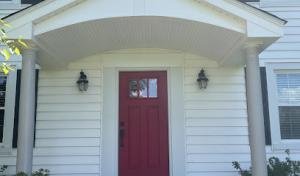
A full roof replacement in Allen Park typically requires a building permit through the City of Allen Park Building Department rather than being handled informally between contractor and homeowner. The city uses an online permit portal, and work should not proceed until the permit is approved. In practice, this means your contractor should initiate the permit request and you should verify that the address and project scope are accurately entered before any materials arrive or crews start. The portal is designed to capture essential project details, including the exact address, the scope of work, and contact information for the licensed contractor. Before kickoff, confirm that the portal shows an active permit and that the assigned permit number is on-site communication materials and invoices.
When applying, expect to provide concrete details about the property and the contractor. The permit process commonly requires the contractor's license information, proof of liability coverage, and a brief project plan that outlines the replacement, venting changes, and any structural work. Have the property address ready in full, including parcel identifiers if available, along with window and attic venting notes if venting changes are part of the project. If insurance documentation or storm-related repair notes are involved, keep those documents organized to present if the inspector or city staff request them during the process. The online portal helps streamline this, but accurate, complete information from the outset reduces the risk of delays.
Inspections normally occur after work begins and again at final completion. The initial visit typically focuses on material storage, safety practices, and compliance with the approved plan, while the final inspection confirms that the roof installation meets building code requirements and passes all permit conditions. In some cases, a follow-up review is required when venting changes or structural work is part of the project. If the project includes changes to roof vents or revised structural supports, be prepared for an additional review step, and coordinate with the inspector to schedule a convenient time window. Plan to have the permit number, contractor contact, and access for the inspector ready at each visit.
Coordinate timing with storm repair workflows so that the permit is secured before removal begins. Keep copies of the permit confirmation, inspection notices, and any amendments from the portal readily available on-site. If a setback arises-such as a need to adjust venting configuration or to address an unanticipated structural concern-contact the Building Department promptly and keep the contractor in the loop. Clear, proactive communication with both the inspector and the contractor helps ensure inspections stay on track and that the project proceeds without unnecessary delays.
Storm-driven roof impacts are common in this area's Downriver housing stock, and insurers frequently scrutinize how the damage aligns with a weather event. Approval for a full replacement often hinges on deductible size, photo evidence, and whether adjusters perceive signs of pre-existing deterioration. The risk in Allen Park comes when hidden moisture or slow leaks are mistaken for incidental wear rather than storm-caused damage. Your goal is to present a coherent story that connects the weather event to visible changes on the roof and inside the attic or ceilings.
Because homeowners are in an active storm-claim market, the documentation package should read like a clear, weather-driven timeline. Start with wide exterior shots that show the roof's overall condition and the surrounding environment, then move to close-ups of shingles, flashing, and any hail pockmarks or wind-stripped edges. Inside, capture interior leak evidence-stains, warped drywall, or damp insulation-aligned with the storm date. Keep a dated sequence that tracks the event from the day of impact to the first signs of moisture. A well-organized album with labeled images and a simple caption for each photo helps avoid ambiguity when the adjuster reviews the claim.
Contractor paperwork matters locally because insurers may request specific hail or wind damage documentation before authorizing replacement versus spot repair. Ensure the contractor's report explicitly links observed damage to the storm event, noting roof area affected, likely wind-driven uplift on gutters or flashing, and any pre-existing issues found during attic inspection. Request a detailed scope that differentiates temporary fixes from permanent repairs, and include material specs, installation notes, and a proposed timeline. If the contractor has prior experience with Allen Park adjusters, leverage that continuity to minimize back-and-forth and help the file move toward a clear decision.
Keep the claim file organized with a single, easy-to-navigate folder that includes a weather event date, incident descriptions, all photos with timestamps, and the contractor's assessment. When talking to the adjuster, present the timeline first, then reference the photo sequence, and finally point to the interior evidence that validates the roof's exterior findings. If discrepancies arise between what's seen on the roof and interior signs, document them promptly and request a re-inspection. The aim is to avoid delayed approvals by ensuring the narrative is consistent across exterior conditions, interior damage, and the weather event record.
Connect with contractors who help homeowners navigate the claims process from damage assessment to final approval.
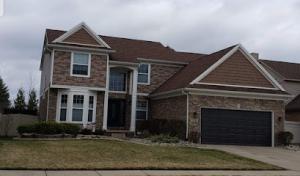
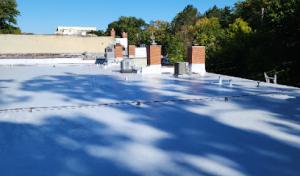
In the older residential pockets of this area, low-slope sections commonly show up on garages, porches, and additions even when the main house roof is pitched. These areas behave differently under storm-driven events and winter conditions, so treat them as a separate system from the main roof. A typical low-slope plane often uses a membrane underlayment and edge details that are designed to shed water toward a gutter or downspout rather than rely on a steep roof's drip edge. Expect more edge vulnerability where the roof meets fascia, and watch for details around skylights or vents that sit on these flats.
Detroit-area winters bring ponding, snow retention, and repeated freeze-thaw cycles. These conditions can expose membrane seams and edge details faster than on steeper roofs. After a heavy melt or a freezing night, check for damp spots along the low-slope edge, blistering in the center of the plane, and any signs of frost buildup near penetrations. During a thorough inspection, the contractor should peel back a bit of the edge membrane where accessible to confirm proper adhesion and to detect any moisture trapped under the waterproofing layer.
Drainage needs for low-slope sections differ from the main roof. Verify that the gutter system along the low-slope area is clear and has proper slope toward the downspout. Edge terminations should be checked for secure fasteners and clean termination at the fascia. Look for proper flashing at transitions to walls or parapets and ensure that any penetrations (vents, pipes, or skylights) have integrated flashing that resists ice damming.
When comparing bids, separate pricing and scope for low-slope sections from the main shingle roof. Materials, drainage details, and repair methods differ, so request a separate line item that spells out membrane type, flashing details, edge treatments, and recommended maintenance plan for these areas. A clear scope helps ensure adequate coverage if winter storms or freeze-thaw cycles reveal issues specific to the low-slope portions.
Find specialists in TPO, EPDM, and built-up flat roofing systems for residential and commercial properties.
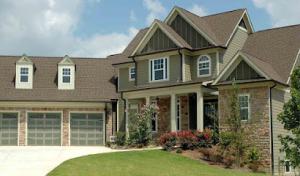
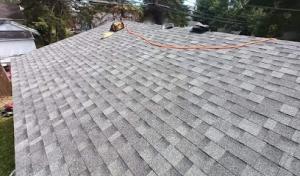
You will see a clear pattern in Allen Park: standard re-roofing with asphalt shingles remains the most common path, even as metal, tile, wood, and synthetic systems are available. The local contractor signal mix shows these alternatives are far less common than asphalt, so expect fewer nearby specialists who regularly install non-shingle systems. This can influence long-term service options, warranty handling, and the familiarity of local crews with storm-related damage claims. Understanding what your neighbors typically choose helps set realistic expectations for scheduling, inspections, and follow-up work after severe weather.
Metal can perform well in Detroit-area winters, offering snow shedding and durability that suit the seasonal freeze-thaw cycle. In practice, however, homeowners should anticipate a smaller specialist pool for metal installations and repairs. When you consider metal, check the contractor's portfolio for compatibility with your roof slope, attic ventilation, and any existing fascia or gutter systems. In Downriver settings, metal often requires precise seam treatment and careful integration with existing chimneys and skylights. If weather-related shingle damage occurs, metal crews may coordinate closely with asphalt specialists for mixed projects, so plan for potential staged work.
Clay and concrete tiles deserve extra scrutiny in this area because many homes were not originally built around tile roof loads. The heavier weight changes framing, decking, and fastener choices. If a tile option is attractive for aesthetics or longevity, a structural assessment becomes essential to confirm supporting members and roof sheathing can handle the load. In practice, this means more upfront evaluation and potential reinforcement work, which can extend timelines and influence restoration planning after a storm event.
When evaluating a roof, consider the climate-driven demands of cold winters and rapid freeze-thaw cycles. Metal and synthetic options can offer performance benefits, but the pool of specialists and the integration with existing structures matter. For any non-shingle choice, lean on local experience to verify that flashing, drainage, and ventilation strategies align with your home's specifics. A thorough inspection after a storm should document damage patterns typical to Allen Park-especially issues around vent stacks, parapets, and gutter connections-to support smooth insurance documentation and future maintenance.
Explore specialists in steel, aluminum, and standing seam metal roofs built to last 50 years or more.

Dayus Roofing Inc | Best Roofing Company in Windsor (Top-Rated Roofers Near Me)
(519) 737-1920 www.dayusroofing.com
Serving
4.8 from 114 reviews
In this market, chimney penetrations and skylight transitions are among the most stubborn leak points on older housing stock. Masonry penetrations in Allen Park homes carry the risk of moisture wicking through brick mortar and flashing if not properly detailed during roof work. When a storm damages the roof, those penetrations are often the first spots that show signs of trouble, even if the visible damage seems localized to shingles or decking. Recognize that the contractor you hire may be chasing multiple hidden paths for leaks, not just what's visibly exposed.
Detroit-area winters mean repeated movement and moisture exposure at joints around chimneys and skylights. Every time the temperature teeters around freezing, bricks and flashing shift slightly, and small gaps can open into meaningful leaks over time. The most durable repairs there rely on flashing that's integrated with proper step and counter-flashing, backed by sealed transitions at the skylight curb or chimney cricket. Poorly protected transitions invite slow leaks that trickle onto ceilings weeks after a storm, especially after a spring thaw when runoff is high.
When a roof is replaced after storm damage, skylight and chimney details should be documented separately so the repair scope isn't lost inside a basic shingle estimate. Your file should show the exact locations of each chimney flashing and each skylight curb, plus photos from multiple angles. This clarity helps both you and your insurer or adjuster when losses are evaluated, and it reduces the risk of a misunderstood scope that leaves future leaks unaddressed.
Chimney-related work tends to be in steady demand, reflecting the older housing stock in the area. If you're planning a roof replacement, factor in a dedicated assessment of these penetrations before the new roof goes on. Prioritize contractors who can demonstrate a track record with flashing details at chimneys and skylights, and who will map out a precise scope that preserves proper drainage and moisture barriers, rather than treating them as add-ons after the fact.
Find contractors experienced in skylight installation, flashing, and leak repairs to bring natural light into your home.
Gabriel’s Roofing Construction
(248) 383-3449 www.gabrielsroofingconstruction.com
Serving
4.9 from 96 reviews
Allen Park's contractor landscape is crowded and highly service-oriented, with homeowners repeatedly prioritizing affordability, cleanup, and quick response over boutique specialization. Long-established and family-owned firms are a visible part of the local market, and referrals or repeat neighborhood work carry real weight when choosing who to hire. In practice, you'll find that familiar names surface quickly through neighbors, church projects, and school programs, and those relationships matter when a storm pushes a crew onto a tight schedule.
Because permit handling and inspection coordination are part of the local process, Allen Park homeowners should favor contractors who routinely manage city paperwork and post-start plus final inspection scheduling. A reliable crew will outline who handles the permit trail, who coordinates the inspection timeline, and how you'll be updated as the project progresses. Ask for a clear point of contact, a documented schedule, and a plan for driving the process from start to finish, not just the labor and materials.
Start with references that reflect recent local work, especially projects in similar housing stock and setbacks. Look for crews with a steady response pattern-phone calls answered promptly, on-site visits scheduled within a few days of a storm event, and cleanup that includes thorough debris removal and floor protection. Confirm they maintain proper insurance coverage and hold active local licenses where applicable. In discussions, probe how they handle the inevitable weather delays typical in this climate and what contingency steps they use to protect finished surfaces, landscaping, and driveways.
Agree on a communication rhythm: who calls you with updates, how often you'll receive progress notes, and what triggers an on-site visit. For storm-damaged roofs and freeze-thaw wear, you want a crew that can schedule a quick start if needed, then move methodically through tear-off, repair, or replacement with minimal disruption to your daily routine. Clarify how they coordinate temporary protections if a rain event looms during work.
Get a clear picture of your project costs upfront - no commitment required.
AllPoint Construction
(734) 407-7110 allpointconstructionmi.com
7420 Allen Rd, Allen Park, Michigan
4.6 from 642 reviews
Maloney Roofing & Renovations
6605 Park Ave suite 6, Allen Park, Michigan
5.0 from 2 reviews