
Last updated: Apr 19, 2026
In this climate, cold winters bring snow and freezing temperatures that cycle through thawing and refreezing. Those freeze-thaw cycles hammer eaves, valleys, and flashing details, slowly pushing leaks deeper into the roof system. When ice damming forms, water backs up behind the dam and seeks any available seam or joint to leak into the attic or living spaces. On steeper roofs and older homes with masonry chimneys, the risk is especially acute because the flashing around chimneys and transitions between masonry and shingles often bears the first brunt of repeated freeze-thaw stress.
Ice damming doesn't just drip from the eaves; it travels where the roof deck has weaknesses or complex transitions. Valleys become pressure points, especially where multiple roof planes converge near skylights or dormers. Flashing that has warped, loosened, or was poorly integrated years ago tends to fail first as ice and water push against it from above. Chimney flashing is the telltale warning sign: if masonry signs moisture intrusion, or mortar joints bottleneck water toward the roof edge, the combined weight of ice and melted snow will find the path of least resistance through that transition. If you notice interior staining near ceilings or walls adjacent to a chimney, treat it as a flashing failure in progress.
When a thaw loosens ice buildup, targeted removal of ice and snow along the eaves can prevent dam formation. Use a long-handled plastic scoop or roof rake from the ground to minimize stepping on the roof in slick conditions. Do not cut channels through ice with metal tools-this can damage shingles. Create a small ice-free zone near the edge to reduce back-pressure, but avoid tugging on ice that surrounds fascia or flashing where you cannot see the full extent of the damage. Keep attic vents clear and ensure proper insulation and ventilation to slow repeat freeze-thaw cycles. If interior signs appear, place temporary tarps or buckets to manage ongoing leaks while arranging professional help.
Any damp area directly under a chimney interior wall or around the junction where masonry meets roofing is a red flag. Cracked or lifted flashing, loose shingles at the roof-to-chimney transition, or persistent ice buildup along valleys are urgent indicators that a professional should inspect before the next freeze. If multiple roof planes show staining or soft spots, schedule an emergency assessment rather than waiting for a summer downtime. Given the local market's emphasis on storm response, anticipate a quick mobilization window once a call is placed, especially after heavy snows or rapid warming.
Chimney-related work is a meaningful local signal; roofs with masonry-to-roof transitions require specialists who understand flashing details and masonry considerations. Seek contractors with proven experience in repair that addresses both flashing integrity and the broader roof-to-wall interface. Ask about recent winter emergency responses and whether they offer rapid-response service for leak events triggered by ice dams. Confirm they inspect the entire system-eaves, valleys, flashing, chimney flashing, and transitions-so that a single point of failure isn't glossed over in a rushed fix.
In the local housing mix, asphalt shingles sit alongside metal, clay tile, concrete tile, slate, and fiber cement shingles. This variety matters because each material behaves differently under Bernards Township's winter freezes and summer humidity. The dominant local material mix means that choosing a roof isn't about color or style alone-it's about how the roof moves, breathes, and handles moisture year round.
The winter pattern in this area brings snow, ice buildup, and rapid thaw cycles that stress underlayment and flashing. A roof that moves or leaks at flashing edges during a freeze can lead to significant interior damage fast. In summer, humidity concentrates moisture in underlayment and joints if ventilation isn't adequate. The right combination of underlayment, attic ventilation, and compatible flashing details becomes as important as the surface material itself. When deciding, consider how each option handles movement and moisture transfer across seasons, not just how it looks from the curb.
Asphalt shingles remain a practical baseline for steep, older roofs, offering a straightforward path to reliable water shedding and repairability. Metal roofing responds well to snow slides and can minimize ice dam formation where designed with proper eave overhangs and valley pans. Clay and concrete tiles provide a long lifespan but require a carefully reinforced structure and precise underlayment and flashing to accommodate their weight and expansion patterns. Slate offers durability and a classic aesthetic, yet its rigidity and weight demand careful framing checks and staggered installation details to prevent movement-induced failures. Fiber cement shingles blend durability with ease of installation, and they often suit mid-century estates where a lighter alternative to slate is preferred. The local mix means choosing a system that integrates well with existing chimneys, skylights, and transitions.
Flashing compatibility is crucial on steep roofs with multiple penetrations. The best outcomes come from combining an appropriate underlayment with a flashing strategy that matches the chosen material's movement characteristics. On heavier materials-slate, clay tile, concrete tile-extra attention to rafter framing and joist spacing is necessary, because these options can trigger closer structural review during reroofing in this township whenever unusual roof configurations exist. For flatter, low-slope sections or transitions to chimneys and skylights, ensure step flashing and continuous eave protection are installed to guard against winter moisture intrusion.
When evaluating options, prioritize systems that offer proven performance in mixed climates and that can be integrated with existing attic ventilation plans. For homes with complex rooflines or top-heavy materials, enlist a structural assessment before committing to a heavy roof change. A thoughtful combination of underlayment quality, flashing design, and attention to movement across seasonal cycles will give the best long-term resilience for a steep, older roof.
When estimating replacement costs, price is framed per square (100 square feet) using the ranges listed for each material. Asphalt shingles run from 450 to 800 USD per square, metal between 700 and 1200 USD, clay tile from 1000 to 1800 USD, concrete tile from 900 to 1600 USD, slate from 1100 to 2600 USD, and fiber cement shingles from 600 to 1000 USD. In steep or difficult-to-access sections of a roof, the per-square figure can drift toward the higher end due to extra labor, staging, and longer times to complete each section. In the winter-affected climate of this area, expect crews to allocate more setup and safety measures on higher pitches, especially when ice damming or snow load complicates access.
Many homes in the area are older, steep, and feature multiple chimneys and skylights, which elevate flashing labor and the overall staging time. A larger home with complex rooflines means more seams to flash and more edges to protect, so even two otherwise similar-looking roofs can diverge significantly in price once the details are counted. When a roof hosts several chimneys, clocking in additional vents, or curbs for skylights, the installer will need extra materials and meticulous flashing details to prevent ice damming and water intrusion during freeze-thaw cycles. In Basking Ridge, these factors commonly push the project toward the upper portion of the respective material range, particularly for clay or concrete tile on multi-story, high-visibility homes.
Seasonal demand spikes after winter storm damage and during rain-delayed spring schedules can affect labor availability and project timing in this market. If a storm deposits ice or snow on a steep slope, crews may need to stage longer for safety, use more protective coverings, and adjust sequencing to minimize disruption to interiors. That can translate into longer project windows and, occasionally, higher mobilization costs. If you're comparing bids, ask how each contractor plans around winter ice dam concerns and how they stage material deliveries for a multi-chimney estate. In practice, two bids with similar per-square pricing can diverge by a few thousand dollars once you account for the extra flashing, underlayment, and protection required for a complex, high-pitch roof.
Start with a realistic square-footage assessment, then translate it into per-square costs using the material ranges above. For steep roofs and houses with multiple chimneys or skylights, budget toward the higher end of the chosen material's range, and build in extra time for staging and flashing work. If weather windows slip, plan for potential delays and consider scheduling replacements in the shoulder seasons to reduce labor bottlenecks. A well-timed reminder to inspect all potential ice dam pathways and ensure proper attic insulation and ventilation complements the price-conscious planning every step of the way.
Panther Contracting
(201) 888-7224 panthercontractingllcnj.com
5 Lyons Mall SUITE #183, Basking Ridge, New Jersey
4.9 from 32 reviews
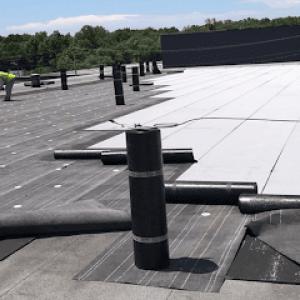
PANTHER CONTRACTING, has been roofing for the last 35 years and counting. We continue to provide services to make sure you and your family or company and employees are safe and leak free. From new roofs to repairs, we are ready for you. We offer free estimates. Give us a call today or email us. We are happy to help with residential and commercial needs! Commercial Roofing & Residential/Home Roofing Services, Repairs and Installation.
Basking Ridge GSC Roofing & Siding
(908) 633-0481 roofingcontractorbaskingridge-nj.com
Serving
5.0 from 64 reviews
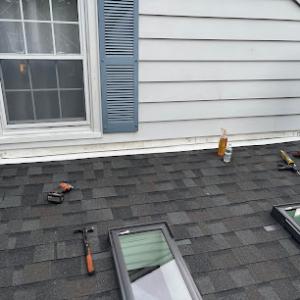
Basking Ridge GSC Roofing and Siding has 20+ years of experience, and offers top-notch roofing and siding services in Basking Ridge, NJ. Trust us for quality craftsmanship and reliable expertise in enhancing your home's exterior.
AW Roofing & Asphalt Tristate
(917) 942-0408 awroofingandasphalt.com
Serving
4.9 from 38 reviews
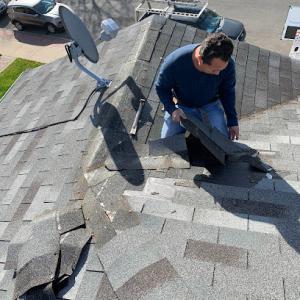
AW Roofing is a family-owned, South Jersey Based General Roofing Contractor, incorporated in 1987 in the State of NJ. We specialize and are certified in all roofing aspects for new construction and re-roofing. We have a proven history of completing challenging projects with quality craftsmanship on schedule.
Weathertite Solutions
(908) 484-7077 www.weathertiteroofs.com
Serving
5.0 from 15 reviews
Commercial roofing experts
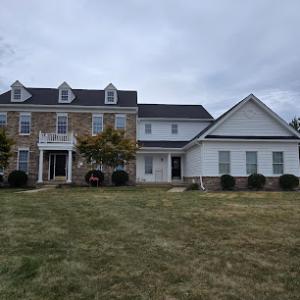
W.C. Construction
(908) 507-4710 www.wcconstructioncorp.com
Serving
5.0 from 279 reviews
Are you looking for a reliable roofing contractor? W.C. Construction in Bridgewater is here to make your home dreams a reality. Our roofing and Siding company offers trustworthy and stress-free services. Fully licensed and insured, we’ve received multiple awards for our quality work. Our team of skilled technicians specializes in roofing, siding, gutters, and all things construction. With 37 years experience we ensure a transparent process to achieve complete customer satisfaction in every project. Contact W.C. Construction today for all your construction and remodeling needs. Let us help you create the home you’ve always wanted. Call us now!
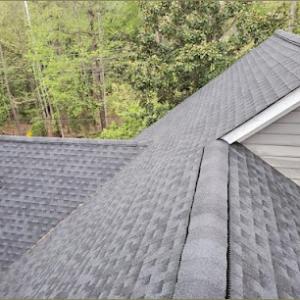
Hayes & Sons Roof Repair
(908) 224-4690 hayessonsroofrepair.com
Serving
4.7 from 54 reviews
Hayes & Sons Roof Repair is dedicated to providing timely, dependable, and cost-effective roofing solutions in Columbus and nearby areas.
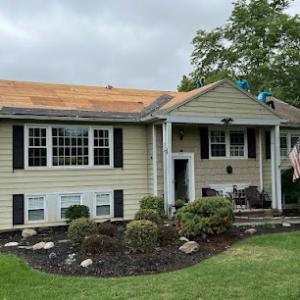
De Sousa Contracting
(973) 951-7748 www.instagram.com
Serving
5.0 from 102 reviews
Roofing General Contractor located in Union, NJ and servicing most of NJ. We also do siding, gutters, and much more.
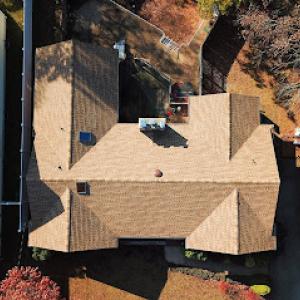
Proven Contracting of Bridgewater
(862) 358-4963 provencontractingnj.com
Serving
4.9 from 70 reviews
Since 2017, Proven Contracting of Bridgewater has been a trusted choice for homeowners across Somerset and Hunterdon Counties. As leading roofing, siding, and gutter specialists, they are committed to providing exceptional workmanship and outstanding customer service. Their skilled team delivers reliable solutions, from comprehensive roof replacements to essential repairs and emergency services. Whether you need an update to your home's exterior or a fix for a persistent leak, Proven Contracting provides the expertise and dedication to get the job done right.
CJM Professional Roofing
(973) 755-8491 cjmproroofing.com
Serving
5.0 from 105 reviews
CJM Professional Roofing, a family-owned and operated business since 2019, is your trusted roofing contractor in Middlesex, NJ. Certified by GAF, a renowned roofing manufacturer, and an expert in insurance claims restoration, their team goes above and beyond to provide high-quality roofing services with attention to detail, ensuring the beauty and longevity of your home's roof.

Select Roofing & Construction
(201) 757-6016 selectroofingnj.com
Serving
5.0 from 98 reviews
Select Roofing & Construction provides expert roofing, gutter, chimney, and siding services. We specialize in high-quality exterior home improvements designed to protect and enhance your property. Our experienced team is committed to delivering reliable craftsmanship and exceptional results for all your roofing and construction needs.
Royalty Exteriors
(973) 333-7234 royaltyexteriorsnj.com
Serving
5.0 from 104 reviews
At Royalty Exteriors, we are the trusted roof contractors near you, specializing in quality roofing and siding services that protect and enhance your property. As a reliable roof replacement company near you, we use top materials and expert craftsmanship to ensure long-lasting results. Whether you need a durable roof installation near you, dependable roof repairs, or stylish siding upgrades, our skilled team is here to deliver. With clear communication, dependable service, and a focus on customer satisfaction, we exceed expectations on every project. Choose Royalty Exteriors for roofing and siding solutions that bring durability, beauty, and value—because your home deserves the royal treatment. Call us now!
E&W Precision Roofing
(908) 380-8244 www.ewpreroofing.com
Serving
4.8 from 32 reviews
We Have the Solution for Your Roofing problems Are you facing issues with your roof? Whether it's a few missing shingles or the need for a complete roof replacement, we've got you covered! At E&W Precision Roofing, we specialize in providing top-quality roofing solutions tailored to your needs. Don't wait until minor repairs turn into major headaches. Our experienced team is ready to assess your roofing situation and offer you the best options to ensure your home stays safe and secure. *Contact us today for a free consultation, and let us help you protect your biggest investment!
Full reroofs in this area typically require permits through the Bernards Township Building Department rather than being treated as a no-paperwork job. The process starts with a permit application that outlines the scope, materials, and any structural changes. Because many homes in the township feature older, steep roofs with chimneys or skylights, the permitting reviewer will look closely at how the new roof will interface with existing flashings, penetrations, and drainage. Expect the plan review to verify that the proposed materials meet local code requirements for weather resistance and fire safety, and to confirm compatibility with any underlying roof deck or support structure. Documenting ventilation and underlayment choices helps prevent later disputes or delays. Since approval hinges on a clear description of the replacement, having product data sheets and installation details ready when you apply can smooth the path to approval.
Inspections are scheduled at key milestones and a final inspection is required to close out the roofing project. Typical checkpoints include a pre-rough inspection if any structural work is planned, a mid-construction inspection to confirm deck integrity and proper underlayment installation, and a final inspection once the roofing system is in place and all penetrations are sealed. In a town with freezing winters and pronounced ice dam risk, inspectors will pay particular attention to attic ventilation, flashing around chimneys and skylights, and the compatibility of the steep-roof layout with ice-dam prevention measures. Scheduling promptly and coordinating with the contractor for access during these times helps avoid delays. Keep a log of all material deliveries and installation notes, as this can expedite the final sign-off.
Structural changes or unusual roof configurations may trigger additional review, which is especially relevant for heavier replacement materials or nonstandard roof assemblies. If plans call for a heavier roof type or a nontraditional bracing setup, the Building Department may require structural calculations, revised framing details, or a review by a special inspector. Homes with tall chimneys, large skylight skylines, or complex valley layouts necessitate extra care in flashing detail and moisture management. In such cases, anticipate possible revisions to plans or additional inspections to confirm that the assembly remains safe under freeze-thaw cycles and potential ice dam development. Communicate any anticipated changes early with your contractor and the township reviewer to align on expectations.
Coordinate your permit application with your chosen roofing crew, ensuring they provide precise material specifications and installation schedules. Ask for a written checklist from the Building Department that enumerates required inspections and approval steps so timelines stay clear. If delays occur due to weather or access constraints, request guidance on rescheduling promptly to maintain permit validity and project momentum. In this town, a well-documented plan and proactive communication with both the Building Department and your contractor are your best defense against winter-related setbacks.
In Basking Ridge, the mix of wind, hail, and winter storms means roof claims can come along with every season's weather rollercoaster. Documentation quality often tilts claim outcomes, especially on older, steep-roofed homes where ice damming and flashing failures are more visible and consequential. Insurers in this market routinely want contractor estimates, date-stamped photos, and an adjuster review of roof age and material before approving replacement. Skimping on records can slow the process or invite disputes about what was damaged by a recent event versus what was wear from years of freeze-thaw cycles.
Because the winter climate couples with warm-season storm exposure, homeowners need records that clearly separate a sudden storm loss from longer-running wear. The steep ascent of many older houses with chimneys and skylights in Bernards Township means vulnerable flashing around skylights, chimneys, and dormers is a common flashpoint during heavy snows and wind events. A claim file that shows a single, storm-driven event alongside a history of prior leaks or repairs will help demonstrate that the damage extends beyond routine aging. Without that distinction, the adjuster may question whether the damage was the result of a specific storm or ongoing deterioration.
Prepare a chronological narrative of the roof's condition starting before the last winter season and through the most recent storm. Take date-stamped photos of all affected areas, focusing on ice dam formation, blown-off shingles, and flashing seams around chimneys, skylights, and vent pipes. Capture close-ups of damaged insulation or attic leaks, then show overall roof sections to place the problem in context. If a contractor has issued an estimate, ensure the document reflects the scope as of the storm date, with clear notes about any pre-existing conditions. Keep a simple log of maintenance records and prior repairs, and be ready to present this alongside the claim.
Coordinate with a trusted local roofer familiar with Bernards Township oversight and the typical aging profiles of regional roofs. Have them provide a scope of work and a material specification that aligns with the age and type of your roof, whether it's asphalt, metal, or a tile alternative common to the area. When filing, attach your contractor's written estimate, your date-stamped photo set, and a concise summary tying the storm event to the observed damage. The objective is a clear, defendable record that helps an adjuster quickly verify that the claim reflects a storm-driven loss rather than ordinary wear.
Connect with contractors who help homeowners navigate the claims process from damage assessment to final approval.
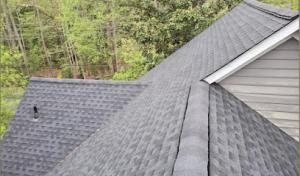
Skylight curb and flashing are a recurring homeowner concern in this market, with many aging skylights showing wear where cold snaps meet solar glare in the winter. When you inspect a skylight, start at the curb-look for hairline cracks in the flashing, settled shims, or gaps where the curb meets the roof plane. In places with steep pitches, wind-driven snow can lift a curb seam and push water under the flashing. Plan a careful reseal or curb rebuild if the flashing shows signs of corrosion or rust streaks along the base. Keep the flashing angled toward the slope and verify the sealant lines are continuous, not cracked or missing. Regular maintenance after heavy snows helps prevent ice damming from seeping under the skylight.
Chimneys remain a dominant feature of Basking Ridge homes, and their intersections with the roof are prime leak targets. The area where step flashing meets the chimney should have solid counterflashing installed by a skilled roofer, with companion sealant that remains flexible in freeze-thaw cycles. Look for rust-colored staining or loose flashing at the chimney apron, which signals water intrusion risk. Masonry joints should be inspected for spalling or mortar gaps that invite moisture behind the flashing. If you notice loose caps or cracked crowns, address those promptly to avoid deeper water intrusion into the roof deck.
Older and architecturally varied homes in this area often feature multiple penetrations and intersecting planes that create leak-prone transitions. Where two planes meet, errant ice dam formation can back up under shingles or tiles. Pay special attention to valleys, dead-vent pockets, and the junctions where dormers meet the main roof. Use continuous, properly sealed counterflashing behind any step flashing at transitions, and ensure all seals are compatible with the local climate's freeze-thaw cycles. For a long-lived repair, consider upgrading to flashing with compatible, flexible sealants rated for cold temperatures and repetitive icing. Regular checks after heavy snows can catch issues before they escalate into larger leaks.
Find contractors experienced in skylight installation, flashing, and leak repairs to bring natural light into your home.
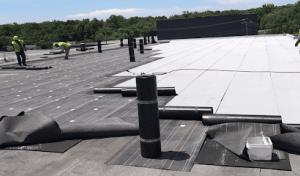
Flat-roof specialization exists but is not dominant in this area, so low-slope sections are more of a secondary concern than the citywide default. In typical Basking Ridge homes, you'll see low-slope areas on additions, porches, garages, or transitions between steeper main roofs and other structures. These pockets often carry the brunt of moisture migration and temperature swings, even when the main roof remains steep and well-protected. Understanding where these sections sit on your house helps you plan targeted protection without treating them like full-building flat roofs.
Ice damming and flashing failures become more consequential on steep, older systems, but low-slope sections can drive problems that affect the entire roof line. In winter, melting water can pond briefly on these areas, refreeze, and back up under edges and joints. Spring rain, paired with lingering ice, can overwhelm marginal flashing or undersized membranes more quickly than on steeper surfaces. Pay attention to transitions where a low-slope patch meets vertical walls or skylight flashing, as those junctions are common weak points on homes here.
Identify all low-slope pockets around the house and inspect for UV degradation, lifted shingles at the edge, or caved-in membrane edges. Look for dark staining along the edge of a parapet, pooling water after a storm, or wind-driven debris that bridges onto the membrane. Keep drainage paths clear, ensuring downspouts and scuppers empty cleanly. In advance of the heating season, verify that edge termination and flashing at transitions are intact, with sealant or metal hems properly seated to resist wind-driven rain.
Prioritize robust edge flashing and apron details where the low-slope meets steeper sections or abuts a wall. If a low-slope area has repeated moisture issues, consider upgrading to a thicker membrane or adding a suppressant layer at the transition to reduce movement during freeze-thaw cycles. Given the climate realities, ensure any penetrations-such as vents or skylights-are treated with time-tested sealants and reinforced flashings designed for seasonal temperature shifts. Regular mid-season checks after heavy rains help catch issues before they escalate.
Find specialists in TPO, EPDM, and built-up flat roofing systems for residential and commercial properties.
Panther Contracting
(201) 888-7224 panthercontractingllcnj.com
5 Lyons Mall SUITE #183, Basking Ridge, New Jersey
4.9 from 32 reviews
Basking Ridge GSC Roofing & Siding
(908) 633-0481 roofingcontractorbaskingridge-nj.com
Serving
5.0 from 64 reviews
Winter brings snow load and ice dam risk, making mid-winter replacement less predictable and increasing the need for temporary protection. When temperatures swing around freezing, shingles and flashing can contract and expand, which stresses existing seals. If you're contemplating work during a thaw or after a heavy storm, plan for intermittent stoppages and ensure crews have windproof tarps and adequate snow removal on the roof edge. A mid-winter project should emphasize preventive coverage to keep interior rooms dry during the melt and refreeze cycles.
Spring in this area often means rain and humidity that can slow tear-off schedules and complicate dry-in timing. Expect delayed upper-roof access when skies open up or when gutters are clogged from fall debris. For steep, older rooflines, crews may need to stage work from scaffolding and ladders longer than typical, so align expectations for persistent damp conditions. If a skylight or chimney flash needs sealing, plan extra time for proper curing in cooler, moist air and avoid rushing critical seal work.
Summer heat affects installation pace and material expansion, while fall wind-driven storms can interrupt work and complicate cleanup. Heat can soften asphalt and sealants, changing the timing of shingles' seating and nail gun efficiency. On steep slopes, crews may stagger daily heat breaks to protect both workers and materials. After a late-summer storm, verify that gullies, chimneys, and flashing receive a careful inspection before covering and sealing, to prevent return visits for fix work in autumn weather.
As leaves fall and the wind picks up, debris can hide vulnerable flashing details and valley corners. Schedule pre-winter inspections to verify that valley metal and step flashing are sound, and that ice-damming-prone areas like overhangs and chimney transitions are reinforced. A measured pace with clear weather windows helps ensure a secure dry-in before winter sets in.
The local market strongly emphasizes reroofing, quick response, and thorough cleanup, so homeowners here are clearly rewarding contractors who can manage occupied-home projects efficiently. When a steep, ice-prone roof is involved, delays and messy cleanup can create traction issues for residents and daily routines, so a contractor's ability to minimize disruption matters as much as the quality of the work. Look for a crew that demonstrates a practical plan for staging, safety, and immediately restoring access and curb appeal after every visit.
Long-established, family-owned firms are well represented, which suggests that reputation and continuity matter in hiring decisions. Ask for a few references with homes similar in age and roof type to your own, and inquire about how the company handled winter conditions, snow removal, and temporary heat or tarping during cold snaps. In this climate, a contractor who has repeatedly polished flashing details, shingle transitions around chimneys, and skylights tends to deliver more durable results when ice dam pressure resurges.
Manufacturer-certified, insured, and licensed signals are present but not universal, so homeowners should verify credentials rather than assume them. Request current certificates and policy details, then contact the insurer or manufacturer to confirm active coverage and past project eligibility. Pay attention to how the crew protects oddball features on older homes-chimneys, dormers, and steep pitches-since missteps here are the most costly when winter ice damming and flashing failures occur. A careful contractor will walk you through a site-specific plan, not just a generic sequence, and will document each step from teardown to final cleanup.