
Last updated: Apr 19, 2026
In this mix of tree-lined blocks and older brick-and wood-sided homes, the winter season brings aggressive freeze-thaw cycles that stress roofing materials at a neighborhood scale. Water that penetrates tiny gaps or micro-dissolved cracks expands as it freezes, then contracts with the thaw, widening those openings over time. In Scotch Plains, that cycle is constant enough to loosen shingles, lift edges, and push moisture toward vulnerable seams. The result is not a dramatic single failure, but a creeping wear pattern: granule loss on asphalt shingles, mid- panel hairline cracks, and accelerated aging on sun-exposed eave regions. Roofs with shallow slopes or flat sections in additions will feel the impact sooner, because water stands longer and freezes repeatedly. The stamp of freeze-thaw is most evident after mid-winter thaws followed by sudden cold snaps, when soft spots become active leaks or damp patches appear on ceilings below.
The local contractor mix signals a steady drumbeat of emergency repairs and storm damage work, and that reality translates directly to homeowners who face unpredictable weather. A late-spring windstorm or a summer thunderstorm can rip loose a few shingles or expose flashing where it doubles as a rain conduit. When a storm hits, leaks tend to show up quickly around chimneys, dormers, valleys, and roof additions that tie into older main roofs. In established neighborhoods, the combination of mature trees, occasional hail exposure, and weather-driven debris means gutters clog, downspouts back up, and water finds small paths into the attic. The immediate risk is mold growth, attic insulation saturation, and wood rot within reach of the interior. Action is urgent: identify active drips in the attic as soon as they appear, and arrange temporary tarping or quick shingle reseating to prevent further water intrusion while a permanent fix is planned.
Older homes in these districts often combine a steep-slope main roof with multiple transition points where new additions meet the original structure. Flashing around chimneys, dormers, valleys, and step-flash details is a common failure zone because these spots endure repeated freezes and rapid temp swings, plus the impact of heavy summer storms. The flashing can corrode, lift, or crack, creating recurring leaks even when the surface shingles look largely intact. In practice, this means you should watch for damp ceilings near interior corners, smoke stains or musty odors in upper rooms, and rust or gaps at metal transitions. Routine inspections should target these high-risk junctions, especially after seasonal storms or the first warm stretch following winter. Missing or deteriorated flashing invites moisture to slip beneath layers, bypassing surface aging and accelerating interior damage. Prioritize resealing and re-weatherproofing of these critical points to slow the spread of deterioration.
New Jersey's competitive insurance market still reflects claim pressure from wind and hail events, so Scotch Plains homeowners should expect carriers to scrutinize roof condition and documentation after storms. In practical terms, that means the insurer will look for evidence of both pre-existing wear and new storm-related damage. Roads and neighborhoods around older Union County housing stock can feature roofs that tell a story of several seasons at once-freeze-thaw cycles layering with a recent wind event. Be prepared for questions about the roof's apparent age, flashing integrity, and any earlier repairs that could affect coverage decisions.
Insurers may request detailed roof photos and post-claim inspections, which matters in Scotch Plains because many roofs show mixed age-related wear and storm-related damage at the same time. If a storm hits, start mapping trouble areas before filing: cresting ridges, torn shingles, lifted edges, and signs of granule loss on asphalt options. Take wide exterior shots that show the roof line and any visible attic or ceiling staining from leaks. Inside, note any damp spots, staining, or musty odors that correlate with roof lines or attic vents. After storms, timing counts; photos taken promptly support a clearer picture of what happened and when. When the adjuster arrives, have these photos organized by roof plane and cross-check with any prior roof work or known repairs.
The strong local presence of contractors advertising insurance-claim help and storm damage work shows that claim navigation is a practical part of roof replacement decisions here. If a claim focuses on storm damage, the adjuster will compare new damage against known wear patterns typical of Scotch Plains roofs. That often means a single roof section shows fresh impact marks or lifted shingles while other sections present aging wear. Document both elements clearly. Acknowledge that courts and adjusters expect a logical narrative: identify what likely failed because of the storm versus what signs point to long-term deterioration. Honest, comprehensive documentation reduces back-and-forth and speeds the process.
Storms tend to draw in contractors who advertise claim assistance, and that dynamic is common in this market. When contemplating a replacement, consider getting independent evaluations on multiple roof surfaces to establish a credible baseline for repair versus replacement. Obtain written assessments that link observed damage to recent weather events and note the roof's current condition independent of insurance needs. If a contractor provides an estimate as part of the claim, ensure the scope aligns with what the adjuster documented and avoid duplicating work that a normal replacement would already cover. Clear communication between homeowner, adjuster, and contractor helps prevent gaps that could delay settlement.
After a storm, establish a realistic timeline for documentation, assessment, and any temporary protection measures. Use durable, weather-ready methods to shield vulnerable areas while the claim is underway, especially on slopes prone to ice and wind-driven debris. Keep a record of all communications with the insurer and contractor, including dates, names, and core points discussed. In a town with mixed wear and recent storm impact, a careful, well-documented claim package not only clarifies coverage but also supports a durable, appropriate roof replacement strategy.
Connect with contractors who help homeowners navigate the claims process from damage assessment to final approval.
Garcia & Sons Roofing Company
(908) 460-8333 garciasonsleakdetection.com
Serving
4.8 from 75 reviews


Maximum Roofing
(732) 397-8201 sites.google.com
1587 E 2nd St, Scotch Plains, New Jersey
4.9 from 30 reviews
Maximum Roofing is a trusted roofing contractor serving New Jersey and New York, providing top-quality residential and commercial roofing solutions. We specialize in installations, repairs, and maintenance, ensuring long-lasting protection and durability. Businesses, builders, and property managers rely on us for cost-effective, large-scale roofing systems, while homeowners trust us for energy-efficient, weather-resistant roofs that enhance curb appeal. With honest pricing, expert craftsmanship, and premium materials, we deliver maximum quality, maximum durability, and maximum value—every time.
Garcia & Sons Roofing Company
(908) 460-8333 garciasonsleakdetection.com
Serving
4.8 from 75 reviews
Discover our precise leak detection solutions tailored to safeguard your property effectively.
Ak New Jersey Construction
(201) 620-1858 www.aknjconstruction.com
Serving
5.0 from 38 reviews
AK NJ Roofing is a family-owned and veteran-owned company dedicated to transforming the roofing industry in North Jersey and surrounding areas. We specialize in high-quality roof installation, replacement, and damage repair, ensuring long-lasting protection for your home. Our team is dedicated to delivering expert craftsmanship, durable materials, and exceptional customer service. Whether you need a new roof or repairs due to storm damage, leaks, or wear and tear, AK NJ Roofing is your trusted local roofing contractor near you.
ABC Contractor
(201) 281-7727 abccontractorllc.net
Serving
5.0 from 77 reviews
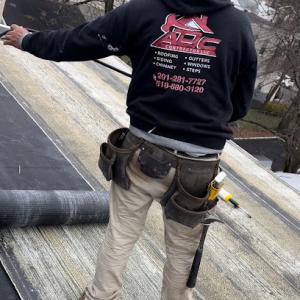
ABC Contractor is a company specializing in roofing, roof repair, flashing, and chimney work in and around New Jersey. We have a professional and experienced team focused on providing high-quality work, long-lasting solutions, and honest service. We perform leak repairs, shingle installation, flashing replacement, chimney maintenance, and all types of residential roofing work. Our commitment is to complete every project right and ensure customer satisfaction. Main Services • Roof Repair • Shingle Installation and Replacement • Chimney Flashing • Leak Sealing and Repairs • Chimney Maintenance and Repair • Roof Inspection • Emergency Leak Services
TS Roofing Contractor
(732) 201-6799 tsroofingcontractor.com
Serving
5.0 from 52 reviews
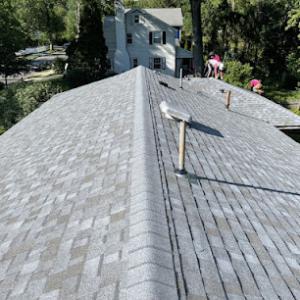
For quality residential roofing services and affordable roof replacement and roof repair near Avenel, NJ, call the most preferred provider - TS Roofing Contractor which has 20+ years of experience. Call us and get quality roofing service beyond your expectations.
Above & Beyond Exterior Remodelers
Serving
4.9 from 146 reviews
We pride ourselves in being a family-owned and operated business. We only partner with top manufacturers to ensure you have access to the industry’s best performance and warranties. True kindness and compassion fuels our client communication. We actually care about you — our customers. This is demonstrated in our large portfolio of quality projects. We always answer our phone when you call — even if there are challenges on the project. We’re not finished unless you are thrilled with the results of your home remodeling project.
Aaron Blake Commercial Roofing
(732) 669-7545 aaronblakecommercialroofing.com
Serving
5.0 from 52 reviews
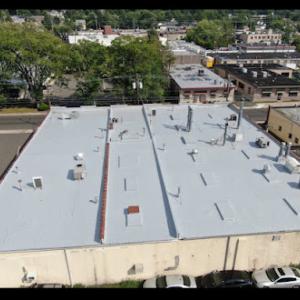
Why choose us? We take pride in our work and offer quality at a competitive price. We take the time to explain the issues you are having, what caused them, how to fix them, and what to do to prevent them in the future. Most roofers will usually tell you a replacement is your best option, when most of the time it isn’t needed, We offer thorough inspections and troubleshooting and offer the best solution for you! Whether it would be long-term repairs, restorations, or replacement!

JCX Slate & Metal Roofing
(908) 956-1779 jcxslateroofing.com
Serving
5.0 from 37 reviews
We provide Professional Slate & Metal Roofing Services in the New Jersey area.

Select Roofing & Construction
(201) 757-6016 selectroofingnj.com
Serving
5.0 from 98 reviews
Select Roofing & Construction provides expert roofing, gutter, chimney, and siding services. We specialize in high-quality exterior home improvements designed to protect and enhance your property. Our experienced team is committed to delivering reliable craftsmanship and exceptional results for all your roofing and construction needs.
Argyle Roofing
Serving
4.9 from 57 reviews
We are a full service, licensed and insured roofing company serving NJ for over 49 years. We are certified installers for GAF, the largest roof shingle manufacturer in North America, and pride ourselves on using only high-quality roofing materials but also highly skilled workmanship for your roof replacement and any of your other roofing needs.
Hammer Exteriors
(973) 442-6637 www.hammerexteriors.com
Serving
5.0 from 91 reviews
At Hammer Exteriors, we are proud to be a trusted Roofing Contractor in South Plainfield, New Jersey. Our team is dedicated to keeping your home safe and secure by providing expert roof repairs, replacements, and inspections. We know how important it is to protect your family from the elements, which is why we use high-quality materials and pay close attention to detail. Whether you need a small patch or a full roof upgrade, we will work with you to find the best solution for your home. As members of the South Plainfield community, we treat every project with the care it deserves. Call Hammer Exteriors today for reliable, friendly service you can count on.

Maita Home Improvement
(908) 405-7278 www.maitahomeimprovement.com
Serving
4.7 from 47 reviews
Maita Home Improvement is a NJ locally based company with 20+ years of roofing,, siding & gutters experience. Maita Home Improvement will service all your asphalt shingle roofing & vinyl siding installation and repair needs! We install, replace and clean aluminum gutters throughout all seasons. We are committed to providing our clients the Maita Craftmanship Guarantee of a completed job, done well , and at an honest & fair price. Additionally, we are a Timberline GAF Systems Plus Contractor, accredited with the Better Business Bureau & all projects are installed and completed according to building codes to ensure our clients feel confident when choosing us to work on their homes. Call us today for a free estimate!
Asphalt shingles remain the practical backbone for many homes in this area, especially on the older, tree-lined streets where gentle slopes and four-season exposure are common. Freeze-thaw cycling and summer humidity place extra emphasis on a solid ventilation plan, high-quality underlayment, and meticulous flashing around chimneys, vents, and skylights. In Scotch Plains, the roof system works best when the attic space is well-ventilated to move moist summer air and winter condensation out before it migrates to the decking. Pair that with an underlayment rated for freeze-thaw cycles and a careful seal at all penetrations, and asphalt roofs can hold steady through a long New Jersey season.
Metal roofs can handle temperature swings and the quick transitions between seasons more confidently than some lighter systems. In this market, a metal roof can be a durable option for homes that have mixed rooflines or half-hipped designs, which are common on the older suburban blocks. The key difference here is detailing around penetrations and transitions. Valleys, upslope-to-downslope intersections, and the points where metal meets traditional shingles or tile require precise flashing and compatible sealants. A well-executed metal installation with airtight closures at all joints helps prevent ice damming and wind-driven leaks during storms, while still allowing for expansion and contraction through fluctuating temperatures.
A number of homes in the area feature clay tile, concrete tile, slate, or fiber cement shingles, especially on midcentury and older builds that incorporated heavier materials in a time when aesthetics and longevity were prioritized. These options demand contractors comfortable with heavier or more brittle systems rather than a standard shingle tear-off approach. Clay and concrete tiles can withstand wind and sun when properly installed, but their weight requires careful structural assessment and precise integration with existing framing, gutters, and flashing. Slate offers exceptional longevity but is brittle and prone to fracture if foot traffic is mismanaged during maintenance. Fiber cement shingles provide a more tolerant alternative that mimics the look of slate or shake while offering better impact resistance. Each of these materials benefits from experienced installation, especially around transitions to low-slope sections, parapets, and chimneys where movement and temperature shifts are most disruptive.
Older Scotch Plains homes often feature a combination of roof types on a single structure. That means assessors and contractors should be prepared to tailor details to each section, rather than applying a one-size-fits-all method. Ventilation should be designed to serve the entire attic space, with insulation and vapor barriers matched to the most exposed areas. Flashing must be continuous and corrosion-resistant across material interfaces, and underlayment should be selected to complement each roof type while providing resilient performance during freeze-thaw cycles. For homeowners considering a roof upgrade or replacement, coordinating a cohesive plan that respects the existing linework and materials will yield the best protection against seasonal wear.
Material pricing in this area follows established per-square ranges, with your job often tightening up when an older roof requires deck work, chimney flashing, or careful tear-off and staging. Asphalt shingles typically run 350 to 550 per square. Metal roofing sits between 650 and 1100 per square. Clay tile tends to be 900 to 1700 per square, while concrete tile falls around 800 to 1400 per square. Slate is the premium option at about 1400 to 2800 per square, and fiber cement shingles land around 450 to 750 per square. When estimating, use these ranges as a floor and ceiling, then read your contractor's proposal for any line-item adjustments tied to the house's specifics.
Older Scotch Plains homes often carry surprises beyond a straightforward tear-off. If the deck plywood has softened or warped from years of freeze-thaw cycles, decking repairs add cost. Chimney flashing may require meticulous resealing or replacement to prevent leaks driven by shifting, humid air, and rainstorms. In established neighborhoods with mature trees, crews may need extra staging space, protective coverings, and careful access routes, all of which can nudge the price upward. Factor in potential ice dam mitigation if winters leave persistent freezing and thawing in the eaves.
Seasonal weather disruptions-winter, spring rains, and fall storm windows-tighten scheduling and labor availability in this market. That tightening can shift availability and slightly raise bids, especially for premium materials or detailed flashing work around chimneys and skylights. If timing is flexible, align the project with dryer windows and milder stretches to lock in favorable crews and stabilize material lead times. Weather considerations also influence tear-off sequencing and debris containment on older, denser lots.
When choosing material, start with the long-term performance expected in freeze-thaw cycles and storm events. Asphalt remains the most economical path, but if the roof already shows substantial decking wear or heavy storm exposure, a higher-end option with better shedding and durability may be more cost-effective over time. Always request a detailed breakdown that highlights deck work, flashing, tear-off, staging, and disposal so the numbers reflect Scotch Plains' unique climate and housing stock.
Get a clear picture of your project costs upfront - no commitment required.
Maximum Roofing
(732) 397-8201 sites.google.com
1587 E 2nd St, Scotch Plains, New Jersey
4.9 from 30 reviews
Garcia & Sons Roofing Company
(908) 460-8333 garciasonsleakdetection.com
Serving
4.8 from 75 reviews
When you're planning a full roof replacement on an older home in this area, the township expects a permit rather than treating it as simple maintenance. In Scotch Plains, the process starts with a building permit application that lays out the project scope clearly and includes contractor details. This isn't a formality to check off; it's the official record that your roof work is planned, the materials and methods are described, and the crew you've hired is accountable. If a portion of the project isn't described in the initial scope, you risk delays or a stop-work order once the township review catches the gap. A well-documented plan helps prevent surprise refusals or rework when the review path moves forward through the township review path.
Before anything begins, you must have a licensed contractor who understands the local climate and the conditions that come with brutal freeze-thaw cycles and storm-driven wear. The application requires contractor contact information, credentials, and a brief timeline. Ensure your contractor provides specification notes that address continuity with existing drainage details, attic ventilation, underlayment choices, and a plan for sealing around chimneys and vents that are common trouble spots on older homes. In Scotch Plains, the review path scrutinizes how the replacement will handle the four-season reality: sturdy fastening for winter gusts, vapor barriers for humid summers, and flashing details that resist repetitive freeze-thaw movement.
Once the permit is issued and construction begins, inspections become a routine part of progress. The building department may require inspections at different stages: framing, underlayment installation, shingle or panel installation, and final completion. Each stage has its own questions for the inspector, so keep your project log accessible and up to date. Inspections aren't a hurdle to trip over; they're the mechanism that ensures materials, fasteners, and installation practices meet local standards and climate-specific demands. If an issue is found, you'll need to address it before continuing, which can impact the overall schedule. Timely access for inspectors to the work site is essential once the project is underway.
The project isn't complete until final sign-off is issued by the building department. That sign-off confirms that the roof replacement complies with all applicable codes and that the work is properly performed for extended reliability through Scotch Plains' seasonal cycles. If you skip or rush inspections, you risk non-compliance and potential penalties or the need to redo portions of the work. A straightforward path through permit review and inspection helps protect your investment against the toughest conditions this neighborhood endures.
Chimneys and the intersection where masonry meets the roof are common leak points in older homes here. In this climate, freeze-thaw cycles push against brick and mortar, widening joints and lifting flashing where shingles meet the chimney base. Start by inspecting the chimney flashing from ground level after a heavy rain or a thaw. Look for shiny or bubbled metal, loose or missing sealant, and any dark streaks along the brick line that signal water intrusion. If you see deterioration, plan a targeted flashing upgrade rather than a full re-roof, focusing on counter-flashing integration with the chimney crown and correct step flashing along each shingle course. When hiring, prioritize crews with masonry experience and a proven track record with chimney interfaces in older homes.
Storm-driven winds and bulk up-and-down movements during freeze-thaw cycles stress the joints at masonry intersections. Pay attention to missing mortar along the top course near the flashing, spalling bricks, or hairline cracks that could channel water under the shingles. Addressing these issues early saves both the roof and the interior. A practical approach is to schedule a combined inspection after major storms and before winter, verifying that the mortar beds and flashing appear continuous and sealed. For porch, garage, or low-slope additions, treat the transitions as separate systems that age on a different cycle than the main roof-these areas often require their own flashing plan and material choices to prevent cross-flow leaks.
Skylight service is a frequent need in this market, so plan inspections to treat skylight curbs, flashing kits, and surrounding shingles as a distinct item during replacement planning. Inspect the curb for warping, fastener rust, and any gaps where the curb meets the roofing membrane. Check the flashing kit for proper sealant compatibility with local humidity and for any signs of movement after seasonal shifts. If replacing a skylight, ensure the curb is flashed with integrated drip edges and that the surrounding shingles are sealed to resist wind-driven rain. Because skylights sit on a mixed roof profile, verify that the surrounding shingles have adequate sealant and nail lines to prevent edge lift.
Flat-roof specialization is active locally, which suggests many properties include porches, additions, garages, or low-slope rear sections that age differently from the main pitched roof. Treat these areas as a separate roof surface during planning, with their own patching or membrane replacement schedule. Inspect for ponding and membrane seams, and confirm flashing continues up and over any shared edges with the main roof. When scheduling work, coordinate detail work around low-slope roofs to minimize channeling of water toward steeper sections and to align new flashing with the overall roof drainage strategy.
Find contractors experienced in skylight installation, flashing, and leak repairs to bring natural light into your home.
Garcia & Sons Roofing Company
(908) 460-8333 garciasonsleakdetection.com
Serving
4.8 from 75 reviews
Winter in Scotch Plains brings snow, ice, and consistently cold temperatures that can slow or pause roofing work. Tear-off days become risky when surfaces are slick or frozen, and sealing can struggle to set properly in freezing air. Crews may need to schedule shorter work windows to maintain safety, and you should expect possible weather-driven gaps between stages. If a major project stretches across winter, plan for potential delays around heavy snowfall days or freeze-thaw cycles that create microcracks in old shingles or leak-prone areas. Keeping transitions between phases flexible helps minimize backtracking and keeps materials from lingering in freezing conditions.
As March through May arrive, Scotch Plains often sees frequent rain and passing storms that interrupt open-roof schedules. Even a modest downpour can halt work on a roof, especially when crews are handling tear-offs and delicate underlayment. Storm gaps aren't just rain; humidity can affect sealant performance and cause temporary setbacks while waiting for drying periods. If a project begins in spring, build a realistic timeline with buffer days after heavy rain events and be prepared for multi-day pauses after substantial weather fronts. Scheduling inspections and material deliveries during drier midweeks can help maintain momentum.
Summer heat and humidity will naturally push installation pace, but heat can also stress asphalt shingles or metal panels and slow crews if equipment overheats. Hydration, shade breaks, and proper ventilation are essential for steady progress. In Scotch Plains, afternoons can bring abrupt heat spikes that require adjustments to early morning starts or adjusted cadence around peak sun. As fall approaches, high winds and autumn storms become more common. Those conditions accelerate wear on aging roofs and can squeeze timelines if crews encounter multiple storm days. Align your schedule with favorable dry spells and monitor forecasts for windows with moderate wind and lower risk of sudden weather swings.
Plan for a sequence that minimizes exposed decking during shoulder seasons, especially after a tear-off. Have a clear handoff plan between weather delays and installation steps, and confirm access for equipment and material storage in tree-lined neighborhoods where space is tighter. Clear communication with your contractor about anticipated seasonal gaps helps keep the project moving when weather shifts.
In this market, you'll notice contractors who advertise cleanup included and quick response times. Homeowners here prize jobsite control and fast leak handling, especially after a storm or during freeze-thaw cycles that stress older roofs. Look for a firm that communicates expected response times clearly and stacks cleanup into the project plan from day one.
Long-established, family-owned outfits with manufacturer certifications and clear licensing and insurance are common here. These firms often keep a visible, stable presence, which helps you verify their work history and customer references. Use this to build a short list and then verify actual project experience in Scotch Plains-style homes-older structures with complex rooflines, chimneys, and sometimes lower-slope sections.
Chimney flashing, low-slope tie-ins, and storm-related documentation frequently come up on Scotch Plains projects. Ask whether the contractor regularly handles chimney flashing repairs or replacements, and whether they manage tie-ins to existing low-slope sections without creating new leak paths. For storm work, request documentation of weather-related damage, a plan for rapid temporary protection if leaks occur, and a written sequence for staging repairs so you're never left without a weatherproof roof during the process.
Avoid outfits with inconsistent local references or vague project outlines. If a contractor struggles to cite recent Scotch Plains jobs with similar roof types, or cannot provide a reliable cleanup plan, reconsider. The best choice balances responsive service, solid local experience, and transparent, step-by-step project management tailored to older homes.