
Last updated: Apr 19, 2026
Somerville sits in Somerset County's Raritan Valley, where strong rain events and regional storm systems can create sudden leak calls and short repair windows. The mix of older homes with varied rooflines means a single misfit flashing or a compromised valley can cascade into rapid interior water intrusion. In this climate, freeze-thaw cycles after a storm can push existing damage from a minor drip into a major leak inside a matter of hours. The pattern isn't random: heavy downpours often arrive with wind gusts that lift shingles, blow off edge materials, or tear vent boots. Homeowners should treat every severe rain event as a potential trigger for urgent roof distress, not a routine maintenance moment.
When a storm delays a proper reroof, the priority is to keep water from soaking into living spaces. If you notice active dripping, pooling water on ceilings, or darkened spots along walls, prepare for fast action. Move furniture away from affected areas and place containers under drips. Do not wait for a roof failure to be obvious; small leaks can explode after a thunderstorm with gusty rain. Photograph the damage as soon as it's safe, focusing on the source of the leak, any ladder or roof entry points used, and the visible extent of interior staining. If the roof shows torn shingles or missing flashing after a weather event, treat it as an emergency for counterpart contractors who handle rapid tarping and leak control. In this market, emergency repair is a recognized specialty because time matters for preventing interior damage.
Tarping is the linchpin of fast leak prevention after a storm. A tight, well-secured tarp over the damaged area can buy critical hours or days while a plan for replacement is set. Look for contractors who explicitly offer rapid tarping and on-site assessment within the same business day. If a roofer recommends a temporary tarping strategy, ask for a written plan that specifies tarp size, securing method, venting considerations, and a timeline for covering vulnerable valleys or dormers. Ensure the tarp extends past the affected zone to prevent wind-driven edge lift during subsequent storms. Keep an alternate entry point in mind: sometimes a roof vent or attic hatch can be adjusted temporarily to reduce pressure on the leaking location. Never delay securing a leak when rain is imminent.
Storm claims in this region commonly require photos, roof age documentation, and contractor estimates. Build readiness by capturing a concise set of images: the exterior roof, the affected interior ceiling, attic conditions, and any nearby downspouts that feed water toward the leakage point. Note the date of the storm, the path of rain relative to your property, and any previous roof work that might influence current conditions. Collect age documentation for the roof deck and any known wear patterns, especially around valleys, flashing, and chimney bases. When calling for help, present a clear incident timeline, the extent of interior damage, and your best available photos. This approach helps the fastest responders prioritize tarping, leak containment, and subsequent reroof planning without chasing incomplete information.
In the wake of a major rain event, the focus shifts to planning for an eventual reroof that addresses both immediate vulnerabilities and long-term durability. Target older sections of the roof that bear the brunt of repeated storms and freeze-thaw cycles first, particularly around valleys, hips, and edge details. Consider a phased approach if the budget or weather window is tight: secure interim water protection now, then initiate a formal reroof plan with a trusted local contractor who understands the local storm patterns and housing stock. A proactive plan minimizes repeated emergency calls and reduces the risk of repeated interior water intrusion during the next heavy rain. Remember, rapid response now can protect insulation, ceilings, and personal belongings while a targeted, durable replacement is scheduled.
In this area, winter cold, humid summers, and spring storms shape how a roof behaves year to year. Asphalt shingles are the practical fit for much of the residential stock because they handle the cold winters and humid summers at a lower replacement frequency than tile or metal. When a quick return-to-waterproofing matters, asphalt can be shingled in a way that minimizes disruption to heating season and helps you ride out storm-driven leaks with faster repair options. Freeze-thaw cycling in Somerset County accelerates wear around shingle edges, flashing transitions, and penetrations, making material choice and underlayment quality more important than brochure lifespan claims. That means durable underlayment, well-sealed penetrations, and solid ventilation often carry more weight than flashy color catalogs in this climate.
Asphalt shingles are the default choice for most central New Jersey village homes because the installation is straightforward on existing roof decks, and repair crews are typically readily available after a storm. For Somerville's mixed housing stock, shingle roofs install with less structural disruption and can be upgraded incrementally if a restoration project is staged. If a leak pops up after a heavy rain or a freeze-drying cycle, asphalt tends to respond with faster patch work and easier detachment of damaged sections for replacement, which matters when time is a factor during storm season. Consider a high-quality underlayment and a secondary barrier at valleys and penetrations; in a freeze-thaw climate, that extra layer pays dividends in preventing edge delamination and water tracking.
Metal roofing offers excellent wind resistance and a longer service life, which appeals in storm-dominated seasons. However, metal's performance depends on proper substrate, panel overlap, and flashing detail-areas where improper detailing in older houses can lead to leaks around fasteners and transitions. If choosing metal in this area, ensure the deck is sound, add a robust underlayment, and verify attic ventilation to prevent condensation from forming under the metal panels during cold nights. For homes with shallow roof pitches or complex shapes, metal can require more precise installation to seal edge details and joints where storm-driven moisture can concentrate.
Clay and concrete tile systems bring exceptional longevity and a distinctive look, but heavier tile requires structural review on older homes common in central New Jersey villages before replacement is approved. If a roof originally designed for lighter coverings is considered for retrofitting, a structural assessment is essential to avoid late-stage reinforcement surprises. Tile's heavier weight, combined with freeze-thaw cycles, can stress connections and flashing-so reinforcement, proper batten spacing, and high-quality underlayment are critical. In many Somerville homes, tile is best reserved for structures with proven framing capability and a plan to address ventilation and attic temperatures that regulate moisture and ice dam risk.
In Somerville, plan for rapid response when storms hit: pair the chosen material with robust underlayment, vented an attic strategy, and accessible ingress for repairs. For asphalt, build a program for selective patching and quick panel replacements near flashing as soon as leaks appear. For metal, ensure flashing continuity at joints and penetrations to minimize the number of leak points during a surge. For tile, secure a pre-identified structural path and staged replacement approach to prevent mid-season delays. In all cases, verify that the roof's edge detail, chimney and vent flashings, and transitions are tight to reduce storm-driven leak pathways. This approach helps you navigate the flood-aware, freeze-thaw reality of this area with less disruption and faster recovery.
Typical local material ranges run about $300-$650 per square for asphalt shingles, $600-$1100 for metal, $900-$1700 for clay tile, $850-$1500 for concrete tile, $550-$900 for wood shingles or shakes, and $400-$750 for synthetic or composite shingles. Those figures reflect the mixed housing stock in flood-aware Raritan Valley settings, where older roofs meet modern expectations for lasting protection. When you start planning, use these ranges as your baseline and then drill down based on your home's specifics and the contractor's assessment.
Costs in Somerville can rise on older homes that need decking replacement, ventilation corrections, chimney flashing work, or structural review for heavier materials. If the deck is soft or sagging, or if the attic ventilation isn't doing its job during the freeze-thaw cycles, a reroof can quickly become a deck-and-flashings project rather than a simple overlay. Heavier options like clay or concrete tiles amplify those site conditions: rafters and supports may need reinforcement, and access for large tiles or tiles with unique shapes can slow progress. Expect a higher-than-average price tag when inspecting an aging structure that hasn't had recent decking or flashing work.
Pricing can also tighten after regional storm activity in central New Jersey, when emergency demand, scheduling pressure, and disposal logistics push reroof quotes upward. In the weeks following a significant storm, crews are in higher demand, dumpsters fill up, and disposal of storm debris adds cost. Short lead times can also bump labor rates. If you're facing a window right after a storm, plan for a potentially compressed schedule and a corresponding premium, even if the product itself isn't exceptionally costly.
Your material choice matters beyond the sticker price per square. Asphalt shingles remain the most economical and are commonly favored on mid-century bungalows and small-to-mid sized homes. Metal options bring higher upfront costs but can yield long-term savings with lighter weight and strong wind resistance typical of this area. Clay and concrete tiles offer excellent durability and a distinctive profile, but they require structural review and capable substructure due to weight. Wood shingles or shakes carry a rustic appeal but demand careful maintenance in humid summers and can be prone to decay if ventilation and drainage aren't up to par. Synthetic or composite shingles offer a middle ground: decent protection, lighter weight than tile, and a broader range of aesthetic options.
Start with a candid assessment of the current roof's condition: decking integrity, venting performance, chimney flashing, and any signs of aging in the underlayment. Bring in at least two local contractors who understand freeze-thaw behavior and the area's storm history; ask how they estimate decking repair, flashing work, and any structural checks for heavier materials. Request itemized quotes that separate decking, ventilation improvements, flashing, and disposal so you can compare apples to apples. If you're weighing tile options, get a structural engineer or seasoned roofer to confirm that the existing rafters and supports can handle the weight without costly retrofits. Finally, factor in the potential premium after a storm spike, and build a contingency into your budget for unexpected decking or flashing needs.
Alte Exteriors
(908) 526-2111 alteexteriors.com
3355 US-22, Somerville, New Jersey
4.8 from 239 reviews
Our team has a vast knowledge of all roofing products ranging from slate, cedar, metal, copper, skylights, flat and standing seam metal. While being deeply educated in our craft, we have one goal with each customer, that is to offer a customer experience with excellence without exception.
Levs Construction
(908) 393-4723 levsconstruction.com
143 W Cliff St, Somerville, New Jersey
5.0 from 39 reviews
As a reputable provider of quality roofing services in Somerville, NJ, Levs Construction is specialized in roofing and siding solutions for our residential customers as well as flat roof installation for commercial customers. Levs Construction is also a GAF Master Elite® roofer, which indicates the level of excellence we stand for in our trade. Whether you need residential roof repair or residential roof replacement or commercial roof coatings, you can trust us to deliver the best roofing and siding solutions for your unique needs. Contact us today to learn more.
Bentley Roofing Services
(908) 708-6310 bentleyroofingsomerville.com
50 Division St suite 315, Somerville, New Jersey
5.0 from 37 reviews
Bentley Roofing Services provides professional, high-quality roofing solutions for homeowners and businesses in Somerville. Our skilled team specializes in roof inspections, water leak detection, shingle, tile, and metal repairs, as well as complete roof replacements and preventative maintenance. We only use premium, industry‑standard materials and proven installation methods to ensure your roof withstands the elements for years to come. Whether you’re dealing with storm damage, aging components, or planning a roof upgrade, we deliver clear, honest assessments and upfront pricing. With fast, responsive scheduling and a commitment to exceptional workmanship, property owners in Somerville trust Bentley Roofing Services.
MFA Roofing
(908) 275-5068 www.mfallcroofing.com
Somerville, New Jersey
5.0 from 29 reviews
M.F.A. LLC provides new roofs, re-roofing, complete tear-offs, roof repairs, and asphalt shingles to the Hillsborough, NJ area. Serving Somerset County for 25 years.
MLM Home Improvement
Serving
4.8 from 26 reviews
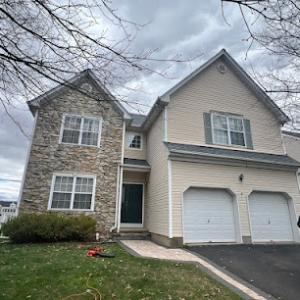
MLM Home Improvement is a premier storm restoration company specializing in full replacements for roofing, siding, and gutter systems. We offer free, no-obligation inspections and estimates to assess storm damage and provide transparent recommendations for replacement solutions. Our expert team is dedicated to delivering exceptional quality and service in every project we undertake.
Proven Contracting of Bridgewater
(862) 358-4963 provencontractingnj.com
Serving
4.9 from 70 reviews
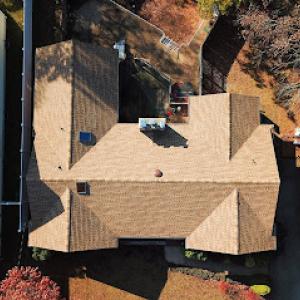
Since 2017, Proven Contracting of Bridgewater has been a trusted choice for homeowners across Somerset and Hunterdon Counties. As leading roofing, siding, and gutter specialists, they are committed to providing exceptional workmanship and outstanding customer service. Their skilled team delivers reliable solutions, from comprehensive roof replacements to essential repairs and emergency services. Whether you need an update to your home's exterior or a fix for a persistent leak, Proven Contracting provides the expertise and dedication to get the job done right.
Rivera Roofing & Remodeling
(908) 922-7360 riveraroofingsiding.com
Serving
5.0 from 128 reviews
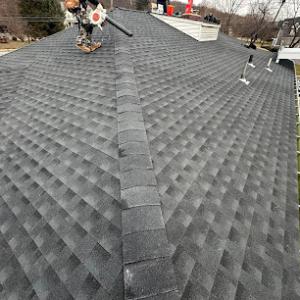
Get 35 years of unmatched quality for your remodeling needs. If you’re in the market for a new roof, our work speaks volumes. We provide references upon request & offer FREE estimates. See why 100's of happy homeowners choose us! At Rivera Remodeling, LLC we want to see you & your guests to love your home on the inside & the outside. Spring is the busiest season for roofing, call before it's too late! We Specialize in the Following: - Full Roof Replacement - Asphalt Roofs - Flat Roofs - Skylights - Attic Fans
Lasting Construction & Improvements
(908) 755-0111 www.lastingconstructionnj.com
Serving
4.9 from 79 reviews
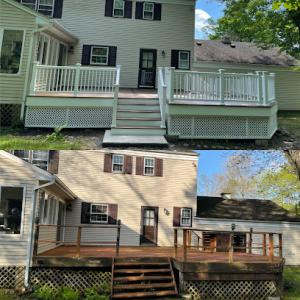
Lasting Construction, a fully licensed, insured, and certified company, is a family owned and operated business serving Northern and Central New Jersey. Many contractors say they are family owned and operated, but with us it is real. We are all related by blood or marriage. It is the family foundation that delivers true teamwork in the work we do for our roofing, gutter, and chimney home improvement customers.
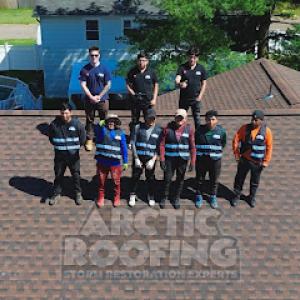
Arctic Roofing & Restoration
(888) 352-7284 arcticroofing.org
Serving
5.0 from 56 reviews
Arctic Roofing & Restoration is a top-rated roofing contractor based in Bridgewater, NJ, serving Somerset, Burlington, Monmouth, Middlesex, Ocean, and Mercer Counties. We specialize in roof replacement, roof repair, and storm damage restoratioN. We offer roof inspections, honest estimates, and insurance claim assistance. Our services include asphalt shingle roofing, flat roofing, siding, gutters, remodeling, & water mitigation. Whether you're paying out of pocket or filing a claim, Arctic Roofing ensures quality work and code-compliant solutions.
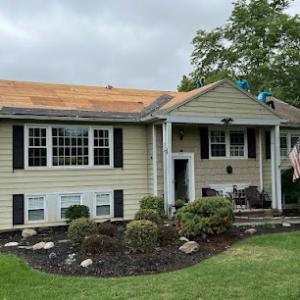
De Sousa Contracting
(973) 951-7748 www.instagram.com
Serving
5.0 from 102 reviews
Roofing General Contractor located in Union, NJ and servicing most of NJ. We also do siding, gutters, and much more.

Home Genius Exteriors
(732) 624-6442 homegeniusexteriors.com
Serving
4.8 from 651 reviews
Elevate your home with Home Genius Exteriors, setting the standard in New Jersey by offering full-service solutions for roofing, siding, windows, doors, gutters and insulation. We support our veterans and communities by supporting local and national charitable organizations through our Home Genius Cares initiative. With an Owens Corning® Platinum Preferred designation, we also offer flexible payment options, industry leading warranties and a wide range of premium products tailored for your home. It’s time for a different experience, entrust your next home project to a genius and schedule your free inspection today!
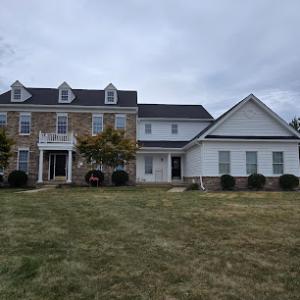
W.C. Construction
(908) 507-4710 www.wcconstructioncorp.com
Serving
5.0 from 279 reviews
Are you looking for a reliable roofing contractor? W.C. Construction in Bridgewater is here to make your home dreams a reality. Our roofing and Siding company offers trustworthy and stress-free services. Fully licensed and insured, we’ve received multiple awards for our quality work. Our team of skilled technicians specializes in roofing, siding, gutters, and all things construction. With 37 years experience we ensure a transparent process to achieve complete customer satisfaction in every project. Contact W.C. Construction today for all your construction and remodeling needs. Let us help you create the home you’ve always wanted. Call us now!
A full reroof generally requires a building permit filed with the municipal Building Department, and you should confirm whether the contractor is pulling it before work starts. Failing to secure the permit can lead to tickets, stop-work orders, or problems when you go to sell or refinance. The Building Department's eyes are trained on more than the finished look; they want to see that the underlying structure, flashing, and ventilation are sound and code-compliant. Do not assume a permit is automatic-verify in writing before any ladder is set.
Local inspections are typically conducted at rough and final stages, with particular attention to underlayment, ventilation, and any structural changes rather than only the finished shingle surface. At rough inspection, check that the roof deck is sound, underlayment is correctly installed, and hip and valley details are properly flashed. The final inspection confirms that all components meet current requirements and that attic ventilation paths are clear and functioning. Expect questions if new vents, fans, or roof penetrations were added, since those details matter for long-term performance in a freeze-thaw cycle.
Projects that change roof structure or add heavier roof systems can draw closer review during the permit process than like-for-like shingle replacement. Any alteration that affects load paths, attic access, or venting strategies will prompt additional scrutiny. If a contractor proposes adding weight through thicker tiles or a new rigid roofing assembly, plan for more detailed plans and possibly engineering approval. Knowing this ahead of time helps avoid delays and aligns expectations with what inspectors will require.
Start with a clear written project scope that notes underlayment type, ventilation plan, and any structural changes. Keep copies of permits, inspection approvals, and any engineered drawings readily accessible on site. Before work begins, have the contractor align on who requests inspections and the anticipated timeline so knock-on delays don't push you into a rushed finish. If you're unsure about a detail during planning, ask the Building Department for guidance on the specific roof type and assembly you're considering.
In the Raritan Valley, Somerset County winters bring pronounced freeze-thaw cycles that can shorten the safe window for a full roof replacement. When temperatures swing above and below freezing, new shingles and underlayment can't seat properly, and adhesive-backed materials may lose performance. Because of that, temporary leak control often becomes a practical necessity in colder months. If a tear-off is unavoidable, plan a tight, weather-aware sequence: stage materials to minimize exposure, deploy sturdy tarps or temporary flashing where possible, and coordinate a rapid dry-in from a window where temperatures stabilize above freezing. The goal is to keep interior levels dry while you wait for a clear spell to finish the replacement, rather than extending a leak-risk over a prolonged period.
Central New Jersey spring brings more frequent rain events, and that increases the risk of exposed-deck leaks when tear-off and dry-in are not tightly scheduled around weather windows. The trick is to align the most critical phases-tear-off, deck inspection, underlayment, and roof cover installation-with a solid forecast. If a stretch of dry days looks likely, commit to a compact sequence: remove, inspect decking for moisture or rot, install underlayment promptly, and complete the new surface. Keep a contingency plan for sudden showers, including protected storage space for materials and a ready backup crew or crew-hours to compress delays into a single dry-in block rather than spreading work across wet days.
Warm, humid summers affect shingle handling, crew pacing, and attic ventilation performance. Replacement timing isn't only about contractor availability; heat and humidity change how fast materials can be moved and laid, and how well attic ventilation operates during and after installation. Plan for cooler hours when possible, such as early mornings, to minimize heat stress on workers and avoid rapid drying conditions that can compromise sealants. Ensure attic ventilation improvements or retainers are coordinated with the replacement so the new roof doesn't trap excess humidity that could accelerate residual condensation or mold risk.
Create a tightly bounded window for each phase: teardown, deck inspection and repair, underlayment installation, and final shingle or tile application. Use weather monitoring to lock in the best 3-5 days of favorable forecast, and prepare a robust plan for contingencies like an unexpected cold snap or an abrupt late-spring storm. Communicate clearly with the crew about expected temperatures, humidity, and ventilation needs to keep the project on track and minimize interior disruption during the seasonal transitions.
In this market, chimney-related work is a notable part of the local contractor mix, which matters in Somerville because flashing failures often show up first where masonry meets aging roof systems. When inspecting a roof, start at the chimney chase, contrasting the masonry joints with the flashing transition to the main roof. Look for loose flashing, cracked mortar, and dried sealant transitions that can trap moisture and trigger leaks after freeze-thaw cycles. If a roofer spots rusted counter-flashing or gaps where step flashing meets the brick, plan for targeted repairs rather than a full roof replacement. Prioritize resealing and re-flashing during a dry window, then confirm you have proper weep holes and vented cap details to shed water and prevent ice dam build-up along the chimney line.
Skylight service is unusually common among local roofers, suggesting many homeowners need repairs at curb and flashing transitions rather than only field shingle replacement. When a skylight leaks, check the curb flashing first, then the surrounding shingles. A common issue is deteriorated or flashing mastic that has hardened and peeled away, allowing water to migrate into the curb joint. Replace compromised curb flashing, reseal the flashing perimeter, and ensure the skylight flange sits flush against the roof with a tight seal. If the skylight sits on a low-slope or flat section adjacent to a porch or addition, expect more frequent maintenance and a careful assessment of transition membranes.
Even in a pitched-roof market, local contractor signals show meaningful flat-roof specialization, reflecting the need to address porches, additions, and low-slope sections separately from the main roof. Inspect flat or low-slope areas for membrane integrity, edge detailing, and drain placement. Pay attention to any ponding that causes accelerated wear on flashing details at parapet walls or transitions to the main roof. When planning repairs, treat these zones as a distinct subsystem: reseal parapets, replace damaged flashing boots, and install or refresh a compatible membrane with robust edge cants to redirect water away from seams. Regular checks after heavy rains help catch failures before they creep into the living spaces.
Find contractors experienced in skylight installation, flashing, and leak repairs to bring natural light into your home.
Alte Exteriors
(908) 526-2111 alteexteriors.com
3355 US-22, Somerville, New Jersey
4.8 from 239 reviews
Levs Construction
(908) 393-4723 levsconstruction.com
143 W Cliff St, Somerville, New Jersey
5.0 from 39 reviews
Bentley Roofing Services
(908) 708-6310 bentleyroofingsomerville.com
50 Division St suite 315, Somerville, New Jersey
5.0 from 37 reviews
Storm-driven roof claims in this aging housing mix require careful record-keeping, because insurers scrutinize evidence differently after a major event. In this vicinity, date-stamped photos, prior repair records, and installation age information often influence how quickly a claim moves and how much of the repair is covered. Keeping a simple, dated sequence of images from the first sign of trouble through repair avoids confusion when an adjuster visits after a storm.
After a leak event, a contractor's estimate may be requested to separate sudden storm damage from older wear that accumulated during freeze-thaw cycles. Carriers frequently compare what happened during the latest deluge to the roof's longer aging pattern, so having clear notes on when shingles were replaced, underlayment added, or vents serviced on the roof can save disputes. For roofs already aged by freeze-thaw, this distinction can determine whether a repair is treated as emergency mitigation or as routine maintenance repair.
Because coverage standards vary by insurer and policy, homeowners should verify whether depreciation, matching, and interior water damage are handled differently before authorizing major work. Matching older shingles to new material can matter when a roof has mixed generations of shingles or different textures from previous repairs. Interior damage claims, including soaked ceilings or insulation, may be addressed differently depending on whether the loss is considered sudden or gradual, and whether the policy includes specific endorsements for water intrusion. When in doubt, request written confirmation from the adjuster about how these elements will be treated and what documentation will settle the claim.
To make a smooth process after a storm, assemble a single file with purchase records, warranty cards, and a log of each storm event that affected the roof. Store a copy of the installation date and every contractor estimate in a weatherproof location. If a renewal or reinspection is anticipated, keep the information organized so that your local contractor can provide precise, dated clarifications that support your claim. That preparation reduces surprises when the storm season arrives. Keep digital backups accessible for your insurer records.
Connect with contractors who help homeowners navigate the claims process from damage assessment to final approval.
Alte Exteriors
(908) 526-2111 alteexteriors.com
3355 US-22, Somerville, New Jersey
4.8 from 239 reviews
You need a contractor who treats storm-driven leaks and rapid reroof planning as a core capability, not an afterthought. The local market leans toward reroofing rather than new construction, so look for a team that demonstrates strong tear-off, flashing, and cleanup processes, not builders who only occasionally handle roofs. Ask for clear examples of past reroofs on similar houses, with notes on how they protected siding, windows, and foundation margins during wet, windy seasons.
Begin with the right team composition. A dependable Somerville roofer will bring a crew that handles total tear-off, roof deck assessment, and flashing integration around chimneys, skylights, and roof-to-wall transitions. Verify that proprietary flashing details align with the most frequent leak points on older homes in flood-aware zones of the Raritan Valley. Request a plan that shows material staging, weather contingencies, and a thorough post-work cleanup that leaves no nails or debris on tight residential lots.
Speed and control matter. Quick response to post-storm leaks minimizes interior damage, so ask about on-site response windows and a defined sequence for temporary containment if delays occur. Expect a written schedule that minimizes disruption, especially for row houses and homes with shared driveways. A reputable local firm prioritizes rapid tarp or temporary patching when needed, followed by a coordinated reroofing window that respects neighbor access and curb appeal.
Credentials and warranty matter more than flashy assurances. A meaningful share of local firms market long-established, family-owned pedigree and manufacturer-certified credentials. Seek proof of warranty support and a proven local track record, preferably with references from nearby streets that share similar weather patterns and housing styles. When discussing warranties, ensure the terms cover tear-off, deck inspection, flashing integrity, and leak prevention through multiple freeze-thaw cycles.