
Last updated: Apr 19, 2026
Bridgewater homeowners deal with cold winters and warm summers that create repeated freeze-thaw movement in shingles, flashings, and sealants. When temperatures swing above and below freezing, water that's trapped in tiny gaps freezes, expands, and widens those gaps. Over multiple cycles, flashing seams can lift, deck boards can flex, and sealants can lose adhesion. This means a roof that looks "okay" after a mild winter may show accelerated deterioration once spring storms arrive. The timing decisions that work here hinge on how the freeze-thaw sequence interacts with the spring storm window and the late-summer heat that can stress a fresh installation. Plan with the idea that a replacement job is not a single-day event but a window that preserves the roof's long-term performance.
Start by inspecting key problem areas: ridge lines, valleys, flashing along hips and chimneys, and any deck boards visible at eaves. Look for hairline cracks in sealants, signs of rust on metal flashings, and curling or cupping shingles. If there are soft spots on the deck, loose fasteners, or granule loss concentrated in certain sections, note those spots carefully. In Bridgewater's climate, the most telling signs often emerge after the first spring storms, when a weakened seal or lifted flashing becomes obvious as rain intensifies. If you notice multiple areas showing damage, it's a signal that waiting through another winter could compound the risk of leaks or more extensive deck-related work.
Spring storm season can expose roofs already weakened by winter, making leak discovery common just before many owners start planning replacement work. The practical aim is to complete the installation in a shoulder season with reliable, dry weather: late spring through early summer, or late summer into early fall if the forecast stays steady. That interval allows crews to address edge conditions, venting, and flashing with calm weather, reducing the likelihood of moisture intrusion during the swap. If a harsh late-spring storm is forecast, delay the start by a week or two rather than rushing a critical flashing or deck repair under duress. The goal is to avoid being in the middle of removing shingles while a downpour slides over a roof that still has open edges.
Fall wind events and debris buildup can disrupt late-season scheduling, so timing a replacement around Somerset County's seasonal weather swings matters more here than in milder markets. If you're targeting autumn, aim for a window early in the season before leaves, acorns, and wind storms peak. A spring replacement should be completed before the heaviest spring winds arrive, or you may contend with rapid re-soiling of a newly installed roof as it hardens. The practical approach is to select a window when the forecast offers at least seven to ten dry days in a row, with moderate temperatures that won't stress adhesives or sealants. If your home has multiple roof planes, align the crew schedule so deck access and flashing work on adjacent sections can be coordinated-this reduces repeated access through the same eave line and minimizes exposure to weather during critical sealant cures.
A targeted replacement plan emphasizes high-quality flashing and ventilation work, because these are the performance points most affected by freeze-thaw stress. Before the job, confirm that all attic ventilation is adequate to prevent condensation buildup under the new material, and verify that any skylight or vent flashing is integrated with a continuous breathability strategy. In Bridgewater, the ability to dry-in the roof during a short dry spell matters, since a wet underlayment in a chill morning can delay curing and lead to micro-leaks. Consider a deck inspection as part of the project scope: if the wooden substrate shows signs of cupping, softening, or water staining, plan for repairs or replacement of the deck sections before laying down new shingles or tiles. This is especially important if the deck area connects to dormers or flat extensions where moisture can pool and freeze.
After installation, schedule a follow-up inspection within the first few months to verify proper flashing integration, sealant performance at terminations, and ventilation operation. In Bridgewater's climate, a quick post-install check helps catch any early-stage issues triggered by a late-season cold snap or a strong spring shower. If any concerns arise-such as unexpected dampness around flashings or minor wind-driven uplift at ridge lines-address them promptly. A careful post-season review also reinforces the value of the replacement by ensuring the system remains robust through the next round of freeze-thaw cycles and seasonal swings.
When a storm rolls through Somerset County, you're most at risk from wind-driven leaks and hail impacts that can damage roofing fast. Local contractor signals show unusually strong demand for emergency repair and quick-response service, indicating Bridgewater homeowners often hire for active leaks rather than only planned replacements. That means a leak today isn't just a nuisance-it can escalate into attic and ceiling damage if not addressed within hours, not days. In practice, that urgency changes how you approach a storm plan: you want a trusted crew that can be on site quickly, diagnose the leak immediately, and outline a clear path forward with temporary protection that holds until a full fix can be done.
New Jersey roof claims in this area are commonly tied to wind, hail, and storm events, so post-storm photo documentation is especially important before temporary repairs alter the evidence. Take wide-angle and close-up shots of missing shingles, lifted edges, signs of granule loss, and any interior water intrusion. Photograph the point of entry where you see daylight or water on ceilings or walls. If you can safely reach the roof, document fascia, flashing, and peak cap integrity; however, never climb when you're unsure of ladder stability or weather conditions. The best practice is to call a reputable local contractor who offers emergency response to perform a no-surprise initial assessment and to help you document the damage in a way an insurer will recognize.
Because many Bridgewater contractors market storm damage help and cleanup, homeowners here are likely comparing response speed and damage documentation support after severe weather. Look for a company that can provide: a same-day triage call, on-site assessment within 24 hours, clear written next steps, and organized photo logs that include timestamps. Ask about how they differentiate temporary repairs from permanent fixes and whether they provide tarping or board-up services to prevent further interior damage. A reliable team should also help you prioritize repairs based on the severity of wind-driven damage versus hidden issues behind gutters and dormers.
Explain to your contractor that you need rapid containment and transparent progress updates, not vague promises. Request an itemized damage report that highlights what can be done immediately to stop leaks, what needs a full replacement, and what to expect if the season's weather windows constrain scheduling. In Bridgewater, the window between severe weather events often dictates timing for a proper fix, so clarity on escalation steps is essential. Ensure your chosen crew commits to documenting ongoing conditions after every rain event and to adjusting the plan if new damage appears. By leaning on fast response and meticulous evidence collection, you protect your home from a small leak becoming a larger, costlier crisis.
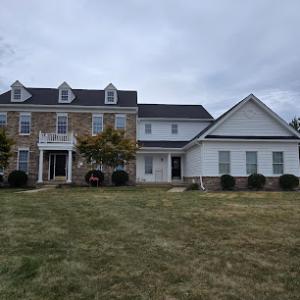
W.C. Construction
(908) 507-4710 www.wcconstructioncorp.com
1346 Washington Valley Rd, Bridgewater, New Jersey
5.0 from 279 reviews
Are you looking for a reliable roofing contractor? W.C. Construction in Bridgewater is here to make your home dreams a reality. Our roofing and Siding company offers trustworthy and stress-free services. Fully licensed and insured, we’ve received multiple awards for our quality work. Our team of skilled technicians specializes in roofing, siding, gutters, and all things construction. With 37 years experience we ensure a transparent process to achieve complete customer satisfaction in every project. Contact W.C. Construction today for all your construction and remodeling needs. Let us help you create the home you’ve always wanted. Call us now!
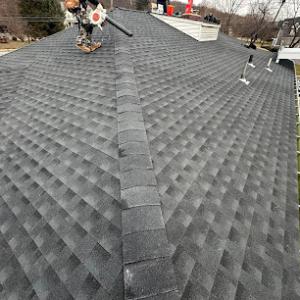
Rivera Roofing & Remodeling
(908) 922-7360 riveraroofingsiding.com
19 Vones Ln, Bridgewater, New Jersey
5.0 from 128 reviews
Get 35 years of unmatched quality for your remodeling needs. If you’re in the market for a new roof, our work speaks volumes. We provide references upon request & offer FREE estimates. See why 100's of happy homeowners choose us! At Rivera Remodeling, LLC we want to see you & your guests to love your home on the inside & the outside. Spring is the busiest season for roofing, call before it's too late! We Specialize in the Following: - Full Roof Replacement - Asphalt Roofs - Flat Roofs - Skylights - Attic Fans
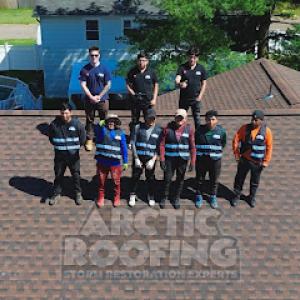
Arctic Roofing & Restoration
(888) 352-7284 arcticroofing.org
789 US-202 Ste 105, Bridgewater, New Jersey
5.0 from 56 reviews
Arctic Roofing & Restoration is a top-rated roofing contractor based in Bridgewater, NJ, serving Somerset, Burlington, Monmouth, Middlesex, Ocean, and Mercer Counties. We specialize in roof replacement, roof repair, and storm damage restoratioN. We offer roof inspections, honest estimates, and insurance claim assistance. Our services include asphalt shingle roofing, flat roofing, siding, gutters, remodeling, & water mitigation. Whether you're paying out of pocket or filing a claim, Arctic Roofing ensures quality work and code-compliant solutions.
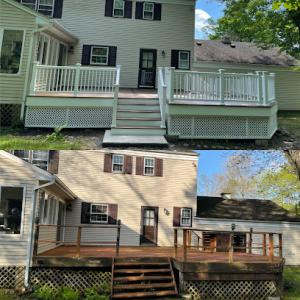
Lasting Construction & Improvements
(908) 755-0111 www.lastingconstructionnj.com
841 E Main St, Bridgewater, New Jersey
4.9 from 79 reviews
Lasting Construction, a fully licensed, insured, and certified company, is a family owned and operated business serving Northern and Central New Jersey. Many contractors say they are family owned and operated, but with us it is real. We are all related by blood or marriage. It is the family foundation that delivers true teamwork in the work we do for our roofing, gutter, and chimney home improvement customers.
Proven Contracting of Bridgewater
(862) 358-4963 provencontractingnj.com
641 Thruway Dr, Bridgewater, New Jersey
4.9 from 70 reviews
Since 2017, Proven Contracting of Bridgewater has been a trusted choice for homeowners across Somerset and Hunterdon Counties. As leading roofing, siding, and gutter specialists, they are committed to providing exceptional workmanship and outstanding customer service. Their skilled team delivers reliable solutions, from comprehensive roof replacements to essential repairs and emergency services. Whether you need an update to your home's exterior or a fix for a persistent leak, Proven Contracting provides the expertise and dedication to get the job done right.
MLM Home Improvement
1011 US-22 STE 102, Bridgewater, New Jersey
4.8 from 26 reviews
MLM Home Improvement is a premier storm restoration company specializing in full replacements for roofing, siding, and gutter systems. We offer free, no-obligation inspections and estimates to assess storm damage and provide transparent recommendations for replacement solutions. Our expert team is dedicated to delivering exceptional quality and service in every project we undertake.

NJ Roofing & Gutters
(908) 386-5096 njroofingandgutters.com
138 Sycamore Ave, Bridgewater, New Jersey
4.8 from 31 reviews
NJ Roofing and Gutters is a reputable roofing company operating in Bridgewater, NJ, with over 15+ years of experience. Our dedicated team specializes in delivering high-quality residential roofing services, including chimney installation, gutter installation, siding company services, masonry contractors, and skylight installation. As a leading roofer Bridgewater, NJ, and a prominent roofing company New Jersey, we take immense pride in our craftsmanship and customer satisfaction. Our mission is to be the go-to choice for all roofing needs in Bridgewater, NJ, and surrounding areas. With a focus on excellence, reliability, and professionalism, we are committed to providing top-notch roofing solutions to our valued clients.
Tyler Roofing LLC - Roof Replacement & Repair
(908) 722-9400 www.tylerroofingllc.com
789 US-202 Suite 103, Bridgewater, New Jersey
4.8 from 20 reviews
Since 2016, Tyler Roofing Roof Replacement & Repair has been a roofing contractor in Bridgewater Township, Somerset County, NJ, that offers roofing services, including professional installation, residential and commercial roof repair, roofing maintenance, siding installation, replacement windows, and gutter protection. Our team of NJ- and PA-licensed roofers is dedicated to providing the highest-quality work and service to ensure your satisfaction. We use only the best materials and equipment to ensure your project is completed on time and within budget. Whether you need a minor repair or a complete installation, we have the knowledge and experience to do the job correctly. Reach out to us today to schedule a free consultation.
Levs Construction
(908) 393-4723 levsconstruction.com
Serving
5.0 from 39 reviews
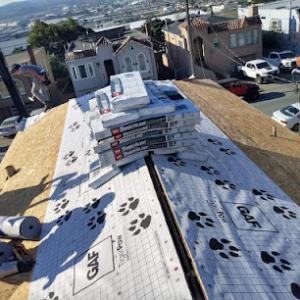
As a reputable provider of quality roofing services in Somerville, NJ, Levs Construction is specialized in roofing and siding solutions for our residential customers as well as flat roof installation for commercial customers. Levs Construction is also a GAF Master Elite® roofer, which indicates the level of excellence we stand for in our trade. Whether you need residential roof repair or residential roof replacement or commercial roof coatings, you can trust us to deliver the best roofing and siding solutions for your unique needs. Contact us today to learn more.
Bentley Roofing Services
(908) 708-6310 bentleyroofingsomerville.com
Serving
5.0 from 37 reviews
Bentley Roofing Services provides professional, high-quality roofing solutions for homeowners and businesses in Somerville. Our skilled team specializes in roof inspections, water leak detection, shingle, tile, and metal repairs, as well as complete roof replacements and preventative maintenance. We only use premium, industry‑standard materials and proven installation methods to ensure your roof withstands the elements for years to come. Whether you’re dealing with storm damage, aging components, or planning a roof upgrade, we deliver clear, honest assessments and upfront pricing. With fast, responsive scheduling and a commitment to exceptional workmanship, property owners in Somerville trust Bentley Roofing Services.
MFA Roofing
(908) 275-5068 www.mfallcroofing.com
Serving
5.0 from 29 reviews
M.F.A. LLC provides new roofs, re-roofing, complete tear-offs, roof repairs, and asphalt shingles to the Hillsborough, NJ area. Serving Somerset County for 25 years.
De Sousa Contracting
(973) 951-7748 www.instagram.com
Serving
5.0 from 102 reviews
Roofing General Contractor located in Union, NJ and servicing most of NJ. We also do siding, gutters, and much more.
Asphalt shingles dominate the local re-roofing market because they fit the area's suburban housing stock and the common practice of re-roofing over existing decks and underlayment systems. In Bridgewater, many dozens of homes rely on asphalt for a reliable blend of installation speed, performance, and accessibility for replacement projects rolled during the typical freeze-thaw cycles. When selecting asphalt, focus on a shingle with good granule adhesion and an aluminized or synthetic underlayment compatible with the Bridgewater climate. A contractor should verify proper attic ventilation and ensure the roof deck is dry and structurally sound before laying new shingles, especially after harsh winter conditions. The goal is a seamless transition from winter to spring, with a sealed seam and a watertight perimeter around chimneys, vents, and skylights to mitigate leakage during spring storms.
Metal roofing appears in Bridgewater projects more selectively, often where homeowners prioritize snow shedding, extended durability, and resilience through repeated freeze-thaw cycles. Metal panels or shingles can perform well in the face of heavy winter precipitation and fluctuating temperatures, but installation requires precision around flashing, deck preparation, and fastener sealing. Because metal expands and contracts with cold and heat, proper fastening patterns and attic ventilation become critical to long-term performance. If metal is chosen, ensure the contractor uses corrosion-resistant fasteners and finishes suitable for Northeast climates, and that flashing details around dormers, wall penetrations, and rake edges are integrated with the deck and underlayment system. Schedule careful coordination so snow guards and eave overhangs are addressed during the same project, reducing the risk of moisture intrusion during seasonal transitions.
Tile (clay or concrete), wood shakes, and synthetic/composite shingles exist in the local market, but the Bridgewater area has fewer contractors signaling these specialties compared with asphalt or emergency work. Tile and wood shake demand a stronger, properly vented roof structure and a deck that can bear the added weight, along with meticulous flashing and moisture management. Synthetic shingles offer a versatile option that can mimic other materials while delivering better moisture resistance; however, it remains essential to work with a contractor who understands how these products interact with Bridgewater's interior climate and typical attic ventilation. For any of these materials, vet the contractor's portfolio for local projects with similar climate stress, confirm compatibility with existing ventilation strategies, and insist on detailed flashing and deck integration plans to prevent leaks during heavy storms.
Bridgewater experiences pronounced freeze-thaw cycles, so timing a roof replacement to minimize repeated freeze-thaw damage is important. The ideal window tends to be when the ground is unfrozen, the attic has adequate ventilation, and the forecast shows a stretch of dry weather. Begin planning ahead for a replacement during seasons with moderate temperatures and low storm probability to reduce moisture buildup on the deck and underlayment. After a major storm, inspect for shingle lift, flashing gaps, or deck damage and address promptly to avoid leakage during the next thaw. A well-ventilated attic, properly sealed penetrations, and sound flashing details around chimneys, skylights, and vent pipes will help any material type perform reliably through Bridgewater's seasonal fluctuations.
In this market, your project price hinges on more than material type. Bridgewater cost planning should account for a scope review that often accompanies approvals and may uncover decking, ventilation, or flashing corrections that must pass inspection. When a roof is torn off, crews must protect the site and manage waste, so tear-off and debris disposal add meaningful value to the bottom line. Materials influence cost range, but the local rhythm of re-roofing, cleanup, and affordability drives prices toward practical balance: you're not just paying for shingles, you're paying for crew time, protection barriers, and proper flashing detail that holds up over freeze-thaw cycles.
Prices can rise after regional storm events when emergency demand surges across central New Jersey and contractors are pulled toward leak response and insurance-related work. Bridgewater homeowners often see price bumps in late winter and early spring, when cold snaps meet melting days and crews shift to urgent leaks. If you can time a replacement for a dry stretch between storms, you'll typically face steadier scheduling and more predictable waste-handling costs. Keep in mind that even small delays can shift a project's timeline into peak demand periods, where labor and material costs trend higher.
Asphalt shingles remain a common starting point, but the local climate favors options with solid freeze-thaw performance. Metal, clay, and concrete tiles add durability, yet each brings distinct handling and disposal considerations in a town with tight lot access on many homes. Synthetic or composite shingles often deliver a favorable blend of price and performance for Bootstrap-style re-roofs. When you compare, weigh tear-off, site protection, and disposal value alongside per-square material price to understand the full project economics.
The local market's heavy focus on re-roofing and affordability means contractors frequently bundle tear-off, site protection, and disposal into the overall quote. Ask for a clear breakdown: how many squares will be torn off, what protection measures will be used to shield landscaping and driveways, and how waste will be hauled away. A responsible scope in this market emphasizes clean work and predictable waste handling, helping you avoid surprise charges after the job starts.
Don't let upfront costs delay a critical repair - these contractors offer payment plans to fit your budget.
Proven Contracting of Bridgewater
(862) 358-4963 provencontractingnj.com
641 Thruway Dr, Bridgewater, New Jersey
4.9 from 70 reviews
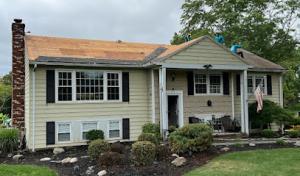

In this town, a full roof replacement is typically treated as more than cosmetic work. The Building Department generally requires a permit for a complete re-roof, and plan review is common before any shingle swap begins. You should expect that the permit process checks the project's scope, method, and sequence, not just the end result. Delays can come from needing corrected details or clarified schedules, especially if the project overlaps with other exterior work. When the permit is issued, the plans you submit should illustrate how the new roof will meet local standards for ventilation, flashing details, and deck integrity. Skipping steps or rushing through the paperwork can invite a stop-work order or additional inspections later on.
Inspections in this area routinely verify several critical elements before a project is accepted as compliant. The underlayment must be properly installed and protected from entry points for moisture. Ventilation is checked to ensure attic air flow supports long-term roof life and helps prevent rapid freeze-thaw damage in the winter months. Flashing around chimneys, vents, and walls is scrutinized to avoid later leaks that are often blamed on improper flashing in the first place. Structural elements, including any decking or support modifications, are reviewed to confirm the roof system is sound for the anticipated loads. Expect inspectors to walk areas that aren't visible from the ground, and to request corrections if any component doesn't align with the approved drawings. Compliance in Bridgewater isn't just about a fresh surface; it's about a system that endures the region's freeze-thaw cycles and storm events.
Projects that involve changes to ventilation or any deck work tend to trigger added review. If a replacement expands beyond a straightforward shingle swap, prepare for deeper scrutiny of how the attic will vent and how the new components will integrate with the existing deck structure. Changes to ridge or soffit ventilation, intake routes, or the placement of attic vents can prompt supplemental calculations or revised drawings. Deck work associated with the roof recovery may require structural reinforcement details or joist re-support notes. Anticipate a longer timeline and ready yourself for possible revisions to plans so that the final installation aligns with local expectations and the town's commitment to durable, properly ventilated roofs.
In this town, adjusters often request photos, storm-date evidence, and documentation showing the roof's condition before and after damage. You should prepare a simple, organized gallery: dated photos from the event, notes from any on-site inspections, and a clear sequence of what failed and what was replaced. Having those items ready can keep the process from dragging on during the busy season and reduce back-and-forth that delays repairs.
Some carriers have tightened underwriting in high-damage years, so owners replacing a roof should notify insurers promptly and keep proof of the completed work and prior mitigation. A quick heads-up can help avoid surprises if the claim is reviewed later. Keep copies of contractor confirmations, material receipts, and any temporary fixes that were used to reduce interior damage while waiting for a full repair.
Because storm-related roofing claims are active in this market, homeowners benefit from preserving damaged materials, contractor notes, and any temporary tarping records before permanent repairs begin. Do not discard shingles or flashing that were displaced. Store tarps and relative weatherproofing measures with dates and weather conditions noted. These details support the narrative of ongoing damage control and help an adjuster assess scope accurately.
Choose a contractor who understands the local climate realities and can deliver timely, well-documented work. Ask for daily progress notes and photos during the replacement. Request labeled photos showing venting, flashing, and edge details as work progresses. Clear communication about what remains from the original roof and what is replaced helps create a coherent before-and-after story that insurers can follow.
Once work is completed, gather a final set of photos showing the finished roof from multiple angles, plus a written summary of what was replaced and why. This documentation can smooth the final claim steps and support any future needs if residual weather events occur. Keeping orderly records now reduces friction should another storm test the roof later.
Connect with contractors who help homeowners navigate the claims process from damage assessment to final approval.
Arctic Roofing & Restoration
(888) 352-7284 arcticroofing.org
789 US-202 Ste 105, Bridgewater, New Jersey
5.0 from 56 reviews
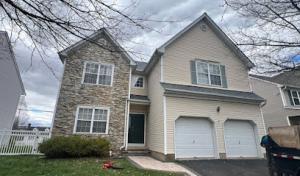
MLM Home Improvement
1011 US-22 STE 102, Bridgewater, New Jersey
4.8 from 26 reviews
Skylights in this area often signal leak-prone roof penetrations, and repairs are a recurring local service need rather than a rare add-on. When planning a roof replacement, expect the skylight casing, flashing, and around-the- skylight deck framing to be evaluated closely. Ensure the contractor inspects alignment, sealant aging, and any condensation-related staining that could indicate hidden attic moisture. In practice, treat skylight work as a core part of the scope, not an afterthought, and confirm that flashing transitions are cut and integrated with the roof plane to resist wind-driven leaks.
Chimney work is a familiar sight in the contractor landscape, reflecting older and mixed-age housing stock where chimney flashing frequently becomes part of a roof replacement. Before scheduling, review the chimney crickets, flashing surrounding the masonry, and any deteriorated mortar joints that could compromise the new roof edge. A successful installation wires the chimney into the roof with integrated flashing, drip edges, and proper clearances to discourage water seepage at wall intersections. Expect careful inspection of cap flashing and counter-flashing to prevent ice dam-related leaks during freeze-thaw cycles.
Bridgewater inspections emphasize flashing at penetrations and wall intersections more than markets with lighter oversight. Pay particular attention to vent pipes, plumbing stacks, and attic vents where flashing must seal cleanly with the deck and siding without creating recessed pools of water. The goal is continuous waterproofing from the roof surface into the wall line, with any compromised step or counter-flashing replaced as part of the replacement. Ensure the contractor uses compatible materials that resist corrosion and is meticulous about shedding water away from any deck edges.
During the project, expect a staged approach: sheathing assessment, then deck reinforcements if needed, followed by precise installation of underlayment and flashing at skylights, chimneys, and terminations. Insist on a final walkthrough that confirms no visible weep holes, no gaps around penetrations, and a dry finish along all wall interfaces. In this climate, a thorough, penetration-focused inspection is the best defense against mid-winter leaks and spring thaw surprises.
Find contractors experienced in skylight installation, flashing, and leak repairs to bring natural light into your home.
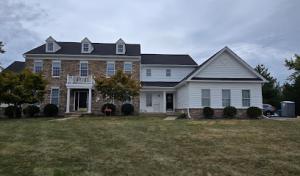
W.C. Construction
(908) 507-4710 www.wcconstructioncorp.com
1346 Washington Valley Rd, Bridgewater, New Jersey
5.0 from 279 reviews
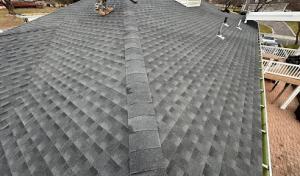
Rivera Roofing & Remodeling
(908) 922-7360 riveraroofingsiding.com
19 Vones Ln, Bridgewater, New Jersey
5.0 from 128 reviews
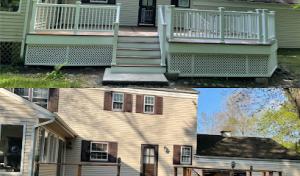
Lasting Construction & Improvements
(908) 755-0111 www.lastingconstructionnj.com
841 E Main St, Bridgewater, New Jersey
4.9 from 79 reviews
Flat-roof specialization is active in this inland Somerset County town, and that presence sits alongside a market still dominated by residential re-roofing. You'll find a meaningful share of low-slope sections on additions, porches, and some commercial properties. If you have a sunken porch or a first-floor addition with a flat or low-slope deck, expect the crew to treat that area as a separate detailing project from the main shingle plane. When planning, consider that dry-out and membrane longevity hinge on consistent drainage paths and edge detailing that align with the overall roof design, not just the visible surface.
Freeze-thaw conditions in this climate make drainage and membrane edge details especially important on low-slope roofs where standing water can amplify winter stress. You should verify that the flat or low-slope sections have properly engineered fall toward designated drains, with clear scuppers and edge metal that correctly overlaps the membrane. Pay attention to transitions between the main roof and any low-slope add-ons; failures often occur at the seam where a new membrane meets an existing roof. A meticulous installation plan will specify edge detailing, flashing continuity, and compatible cap sheets to resist wind-driven moisture infiltration during storms.
Owners with mixed-slope homes should expect replacement planning to differ between the main shingle roof and lower-slope sections that may need separate materials or detailing. In practice, this means you might stage two replacements or select materials that share a compatible warranty and thermal expansion properties. When the lower-slope areas are involved, ensure the contractor details flashing up the wall lines and around any penetrations to avoid cold-weather leaks. Coordination between the upper and lower sections is key to a seamless, long-lasting roof system that performs through freeze-thaw cycles and seasonal storms.
Find specialists in TPO, EPDM, and built-up flat roofing systems for residential and commercial properties.
Rivera Roofing & Remodeling
(908) 922-7360 riveraroofingsiding.com
19 Vones Ln, Bridgewater, New Jersey
5.0 from 128 reviews
Arctic Roofing & Restoration
(888) 352-7284 arcticroofing.org
789 US-202 Ste 105, Bridgewater, New Jersey
5.0 from 56 reviews
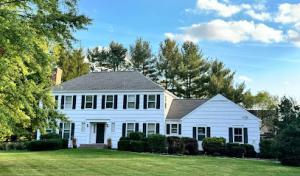
In this town, the market skews toward re-roof projects, so the most helpful conversations happen around tear-off logistics, cleanup, and protecting an occupied home. When speaking with crews, ask how they stage the tear-off (how many days, where waste will land, and how they prevent debris from entering gutters and landscaping). Confirm who is responsible for daily cleanup and how waste is removed, especially after a storm event that could push timing off schedule. Clear expectations about protecting the interior and the yard help avoid post-install surprises when temperatures flip from freeze-thaw swings to sudden rain.
Long-established and family-owned firms are common and can be a strength in this area, where neighborhoods often see the same crews return year after year. You'll want to weigh tenure and responsiveness alongside price. Look for a contractor who can provide a local reference list, ideally from similar homes and roof types, and who can demonstrate repeated on-time starts and finishes. A familiar team often means fewer surprises when the weather window narrows and scheduling becomes tight around storm timing.
Manufacturer-certified contractors are present, but not dominant in the local market. For premium material systems, it is worth checking installation credentials and warranty terms carefully. Ask for documentation that the crew has completed the specific system you plan to install, including any required training on flashing, underlayment, and ventilation details. In practice, this means requesting a written warranty recognition from the installer and ensuring that the warranty remains valid after any subcontractor work is completed.
Bridgewater's climate emphasizes how a project handles cold snaps and the cadence of inspections. A reliable contractor will outline a realistic replacement window that accommodates potential freeze-thaw delays and post-storm cleanup, with contingency plans for weather-related setbacks. Expect a clear sequence: tear-off with containment, inspection of decking for damage, flashing and ventilation checks, then the new roof installation, followed by a meticulous cleanup and canopy protection for any occupied interiors. This approach minimizes the risk of leaks during the critical first few freeze-thaw cycles.