
Last updated: Apr 19, 2026
In Piscataway, roofs endure a distinctive cycle: winter freeze-thaw cycling and snow load compress and crack shingles and flashing, then spring and early summer thunderstorms and hail accelerate wear. This creates a repeated pattern of seasonal stress rather than a single dominant hazard. A leak today may be a delayed effect from last winter, or a fresh intrusion from a storm that followed a dry spell. Knowing this rhythm helps you spot risks before they become costly failures: damaged shingles, lifted edges, compromised flashing at valleys and vents, and deteriorated sealant around dormers. Every time a thaw hits, check for hairline cracks along ridges and around flashing; after a hail event, inspect suspected impact points even if the roof looks intact from the ground.
Autumn Nor'easters and other high-wind events hit established neighborhoods with real force. Wind uplift is a real local concern, especially on aging re-roofs that are common in older Piscataway suburbs. Shingles may appear fine but can fail at fasteners or along the edge course, where wind-driven rain finds its way under the layers. If a storm runs hot and the wind picks up, you might see loose shingles or hear lifting along eaves and skylight edges. Treat any missing or lifted shingle as an urgent red flag: wind-driven moisture finds paths behind the facade, and attic or ceiling staining can show up hours to days later. Early intervention during or immediately after a wind event minimizes cascading damage.
The local contractor market shows unusually strong prevalence for emergency repair and storm damage work, indicating that leak response after storms is a primary homeowner need in this township. That means the moment rain starts dripping from an interior ceiling or you notice moisture around penetrations, the fastest path to damage control is decisive action. Wet insulation should not be left to dry; saturated material loses its protective function and invites mold. Quick tarping and securing loose areas can buy critical time until a repair crew can seal the roof properly. Keep the contact list of two trusted local roofers who specialize in storm response, and have a plan to communicate clearly the storm timing, affected areas, and any prior damage from previous seasons.
After a hail or high-wind event, perform a careful exterior walk-around with safety in mind. Look for cracked or displaced shingles, lifted flashing at valleys and chimneys, damaged vents, dented gutters, and hail marks on softer materials like fiber cement or wood shakes. From the ground, scan for any soft spots that may indicate underlying deck damage. Inside, inspect ceilings and walls near the attic access for fresh moisture, staining, or musty odors. If water ingress is detected, act quickly: cover the affected area with a water-impervious tarp, protect standing furniture and valuables, and minimize attic heat loss to slow further condensation. Document the damage with photos, noting approximate time of storm and visible entry points. This documentation helps the repair team prioritize the most urgent leaks.
When choosing a local contractor, prioritize responsiveness and proven storm-repair experience. Ask for references from nearby storms, and inquire about their process for temporary tarping, leak mitigation, and follow-up full-roof repairs. Ensure the contractor will perform comprehensive site assessment after the initial fix to prevent recurring leaks: this includes checking underlayment integrity, flashing continuity, and attic ventilation balance. In environments with frequent thaw cycles, you want a crew that sequences repairs to restore the roof's protective stack quickly and also plans for a more durable fix that resists moisture gain during sudden weather shifts. A reliable neighborly partner will provide updates, clear job scopes, and a realistic timeline focused on regaining a dry, stable attic and living space.
When you're budgeting after a storm or during a re-roof, the price per square (100 square feet) depends largely on material choice. Asphalt shingles run roughly 350 to 650 USD per square, a practical option for many older suburban homes with standard 3-in-12 to 6-in-12 pitches. Clay tile sits higher, from 800 to 1600 USD per square, and concrete tile typically ranges 700 to 1300 USD per square. For a more traditional look or regional upkeep, wood shingles or shakes run about 600 to 1100 USD per square. If slate is desired, expect 1200 to 2300 USD per square due to weight and specialty installation. Fiber cement shingles sit between 350 and 700 USD per square, offering a durable, lower-cost alternative that can mimic more expensive materials.
Storms in Central New Jersey tend to surge emergency demand and insurance-related replacement volume across the area, and Piscataway is no exception. After a significant wind or hail event, crews and materials can become scarce, which may push scheduling out and push unit costs upward for a window or two. In practice, that means if a claim hits during peak season, you might see longer lead times for materials and for the crew to start, with prices that reflect current demand rather than a calendar-based quote. Planning ahead for a storm season window can help lock in a material choice and a more predictable timeline.
Beyond the fundamental material cost, some projects require additional scope that affects price. In this area, ventilation improvements or underlayment updates are not uncommon on re-roofs, especially when older homes receive archive or moisture-related upgrades. These added tasks can shift the price up from the base material range, so it's wise to set aside a contingency for these items if a contractor flagges them as necessary. In condos or institutional properties along commercial corridors, larger square footage and more complex layouts frequently translate into higher per-square costs and longer installation timelines.
For a typical re-roof, start with the local material ranges and match them to your roof's size and pitch. In the wake of a storm, expect possible price bumps and tight scheduling, especially for full replacements that require safe disposal of damaged shingles and proper flashing work. If a project includes ventilation or underlayment work, allocate additional budget to cover those components. By prioritizing material selection early and understanding how regional activity can influence timing, you can align expectations with the contractor and minimize surprises once work begins.

Double D Construction
(732) 981-0800 www.doubledconstructionnj.com
480 Sidney Rd, Piscataway, New Jersey
4.9 from 198 reviews
Transform your home inside and out with home improvement services from Double D Construction. We have many satisfied customer referrals in your area, demonstrating our ability and long-term commitment to providing you the best price, product, and service experience available.
J&M Roofing
(732) 797-8646 jmroofingindustries.com
200 Centennial Ave, Piscataway, New Jersey
4.8 from 72 reviews
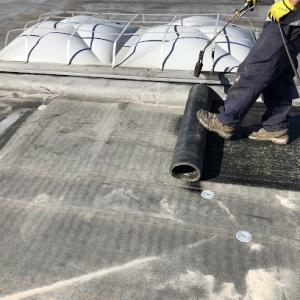
J&M Industries is a leading commercial roofing company serving New Jersey and New York. Known for our expertise and reliability, we offer a comprehensive range of roofing services, including installation, maintenance, and repair. With a commitment to quality and customer satisfaction, J&M Industries uses top-grade materials and the latest industry techniques to ensure durable and efficient roofing solutions for Commercial, Industrial and Residential Properties.
JC Contracting
(732) 648-7633 www.jccontracting.pro
13 Kate Terrace, Piscataway, New Jersey
4.6 from 16 reviews
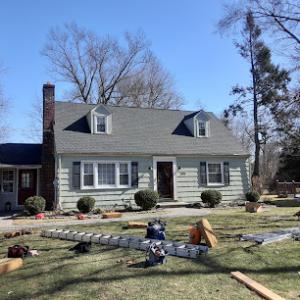
James is a master craftsman having over 30 years of roofing & experience in home improvements always delivers his promises with professionalism and expertise. There are NO salesmen working off a commission at JC contacting Therefore we have no need to upsell on products and or gaurantees our work and or reputation speaks for itself. Our installation process exceeds the manufactures specifications Whether it’s roofing or siding. When looking to hire a contractor, rest assured we are the very best.

Lifetime Construction
Serving
5.0 from 74 reviews
Since 2015, Lifetime Construction has been the premier choice for homeowners in Middlesex County, NJ. As a fully licensed and insured roofing and construction company, we specialize in a range of services, including expert roof replacement, emergency repairs, siding, and comprehensive storm damage restoration. Our commitment to excellence is evident in every project, where we combine high-quality materials with superior craftsmanship for results that are both durable and aesthetically pleasing. We are dedicated to providing fast, reliable, and professional service, ensuring your peace of mind from the initial estimate to the final inspection.
Best Choice Roofing
(908) 933-0033 bestchoiceroofing.com
Serving
5.0 from 61 reviews
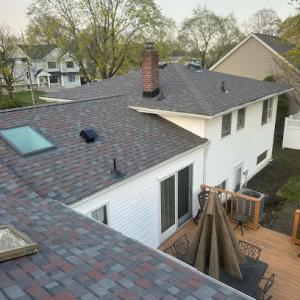
Best Choice Roofing is your trusted roofing expert and the Best Choice when it comes to choosing a Jersey Shore roofing company with a commitment to impeccable customer service and expert roof replacement, roof repairs, and custom roofing services. In business since 2009, Best Choice Roofing’s industry-leading contributions to the roofing industry include a customer-first mentality, a dedication to top-quality products and a leadership team focused on the growth of its people. Because of this framework, we have created a loyal base of customers all over the United States.
Aura Home Exteriors
(833) 498-0928 www.auraroof.com
Serving
5.0 from 104 reviews
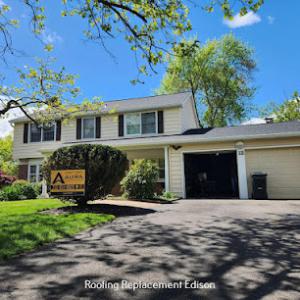
Aura Home Exteriors in Edison, NJ, specializes in professional roofing services, providing tailored solutions for roof replacement, repair, and installation. As a veteran-owned business, we emphasize transparency, accountability, and direct communication. Our team of skilled contractors uses top-quality materials from GAF, Owens Corning, Drexel, and CertainTeed to ensure durable and aesthetic results. We also offer siding, window, door, and gutter services to enhance your home's functionality and curb appeal. With a focus on safety, efficiency, and client satisfaction, we consistently deliver excellence and reliability, making us a trusted partner for your home improvement needs.
Certified Roofing Commercial Roofing
(201) 243-7575 www.certifiedroofingnj.com
Serving
5.0 from 22 reviews
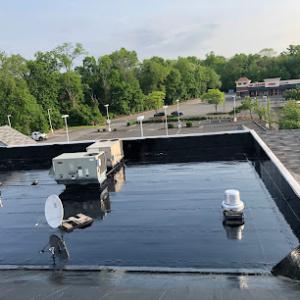
Certified Roofing & Gutters Is Your Premier Commercial Industrial & Residential Roofing Contractor Specializing In All Roofing Systems Certified Roofing Has Been In Business For Over 30+ Years Providing Excellent Services To Business & Home Owners Certified Roofing is family owned & Operated & We Offer Such Great Pricing & Affordable Roofing Systems For Either Repairs Or New Installation Contact Certified Roofing Today For Free Estimate Certified Roofing commercial Flat Roofing specialist EPDM TPO PVC Also specialist for roof Coatings Silicone Aluminum Gaco Epdm Coatings As Well
Penyak Roofing Since 1960
(908) 753-4222 penyakroofing.com
Serving
4.8 from 925 reviews
Since 1960, Penyak Roofing has been the go-to certified roofing contractor in Central NJ. We are a family-owned business, priding ourselves on providing the best roofing services. Whether you need residential or commercial roofing, our experienced team of roofers is equipped to handle roofs of all types. We’re not just another company; we’re your neighbors, offering top-notch roof repair and siding services. Trust us to protect your home or business.
Lincoln Roofing
(908) 307-1116 lincolngeneralconstruction.com
Serving
5.0 from 182 reviews
Lincoln Roofing is North Brunswick’s trusted roofing contractor for fast, reliable, and long-lasting roof solutions. We specialize in roof repairs, full roof replacements, leak detection, storm-damage restoration, and high-quality shingle, flat, and metal roofing. Our team delivers same-day inspections, fair pricing, and workmanship backed by warranty — all designed to keep your home safe, dry, and protected year-round. We proudly serve North Brunswick, South Brunswick, East Brunswick, New Brunswick, Edison, Somerset, and nearby Middlesex County. Call today for emergency repairs or a free estimate.
Truss Pro Construction
Serving
5.0 from 47 reviews
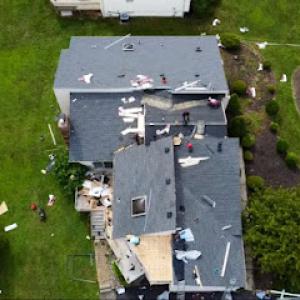
A construction and roofing company specializes in building, repairing, and maintaining structures, with a primary focus on the roof chimney siding gutters systems of buildings. The services include a range of activities related to the construction, installation, and upkeep of roofs, chimneys, siding, gutters which are essential for protecting a building from weather, maintaining insulation, and ensuring structural integrity.
Nivelo Construction
(732) 200-9520 www.niveloconstruction.com
Serving
4.9 from 31 reviews
If you are looking for a right roofing contractor in Edison New Jersey to repair, replacement or installation. sure you are in a right place, just trust us and give us an opportunity to show you, what your decision was the best choice to get right roofing company. Our experienced roofers team provide superior quality roofing, siding, skylight, chimney, gutter repair and installation services in your area. We use the highest quality materials to ensure your roof is durable and long-lasting. We also offer a variety of options to meet your specific needs and budget. Our technicians are highly trained and certified to provide you with a safe and efficient rofing repair or installation service. Contact us today for any roofing needs.

Accurate Contractors II
Serving
4.6 from 18 reviews
Specializing in Residential Roofing, Installation, Repairs, Siding and Gutters! As a locally-owned and operated roofing company, Accurate Contractors ensures that we provide exceptional and quality exterior services to all of our clients in the New Jersey, Pennsylvania, and Delaware tri-state area. When searching for roofing contractors near me, look no further than Accurate Contractors. We have almost 25 years of experience in the roofing industry, which gives you peace of mind knowing that we have the knowledge to take care of your next roofing project. Give us a call today for your free estimate at609-847-1501.
For a full roof replacement, a building permit is typically required rather than treating the project as no-permit maintenance. In this market, chasing permits promptly helps avoid delays during inclement weather or after a wind or hail event. The permit process also signals to the township that the work will meet local building codes and safety standards, which is especially important given the mix of older homes and institutional structures in the area. If a contractor brings up a maintenance-only approach for a full replacement, that should raise a red flag and prompt a closer check of the scope with the township.
In most Piscataway projects, the contractor handles the permit application through the township building department. This means the contractor is responsible for gathering the required documents, submitting plans, and coordinating any necessary plan reviews. It's wise for homeowners to confirm that their chosen contractor is familiar with the township's specific forms, submittal deadlines, and inspection scheduling windows. When a contractor is used who understands the local paperwork, it reduces the risk of misfiling or missing inspections.
Projects here commonly involve staged inspections that track progress at key milestones. From the deck or sheathing stage to underlayment and venting confirmations, every checkpoint is designed to catch issues before they become costly fixes. A final inspection is conducted when the project is complete to verify that the roofing system complies with current codes and that all components-such as flashing, vents, and attic ventilation-are properly installed. If the project deviates from the approved plans, the inspections may require adjustments or additional documentation.
Certain jobs require additional paperwork tied to venting and underlayment. For example, attic ventilation strategies or high-wind zone considerations might trigger extra permits or notes in the inspection records. Expect the township to ask for details on roof vent placement, intake and exhaust balance, and the type and installation method of underlayment. Having manufacturer specifications on hand for the chosen underlayment and venting products can speed approvals and reduce questions during reviews.
Clear communication with the township building department helps keep a replacement on track. Before the project starts, confirm the projected inspection timeline with your contractor and obtain the permit number. Share contact information for the site supervisor so the inspector can reach the right person if a question arises on the day of a visit. If weather or supply delays push work forward, request a quick status check to preserve inspection windows and avoid rework.
Prepare the site for inspectors by keeping access clear to the roof, attic, and any in-progress areas. Have the project scope, permit set, and any engineering or product data readily available for review. Document any changes from the original plan and keep a running log of inspections completed and dates scheduled. A well-organized approach not only smooths the process but also reinforces the reliability of the work to neighbors and future buyers.
Asphalt shingles are a dominant local choice, and a homeowner in this area often starts here for a reason. The humid summers can push shingle aging and underlayment wear to unfold a few years earlier than in cooler climates. When you're evaluating a replacement, look for heavier, dimensional shingles with good granule retention and a proven wind rating. Pay attention to the edge details around eaves and valleys, where humidity and seasonal rain tend to show up first. In practical terms, choose products with robust algae resistance and a reliable underlayment system, and plan for regular inspection after the warmest months to spot early wear.
Freeze-thaw cycling is especially relevant for brittle or heavy systems such as slate, clay tile, and concrete tile. Water intrusion into small defects can turn into bigger problems when temperatures swing. For slate or tile roofs, ensure proper slat or battens support and a redundant waterproofing layer beneath. Clay and concrete tiles require careful handling of ridge lines, hips, and penetrations to prevent cracks from movement during freeze-thaw cycles. If a tile roof is in your mix, expect more meticulous maintenance, including prompt replacement of damaged tiles and attention to flashing details around chimneys and skylights. In this climate, a proactive approach to inspection and targeted repairs helps prevent small issues from becoming leaks.
Wood shingles or shakes and fiber cement shingles appear in the local material mix, so replacement planning is not limited to basic asphalt-only comparisons. Wood products offer a natural look and decent longevity when properly maintained, but humidity and moisture can hasten aging unless treated and ventilated. If choosing wood, select treated or cedar options with a good moisture barrier and ensure adequate attic ventilation and a solid roof deck to minimize moisture buildup. Fiber cement shingles provide a durable, low-maintenance alternative with better resistance to moisture ingress than wood in humid summers, while still offering a distinct aesthetic. For either option, confirm compatibility with existing roof geometry, fastener choices, and ongoing maintenance routines.
In this market, the best choice balances climate demands with roof shape, pitch, and expected storm exposure. A steeply pitched roof with strong wind loads benefits from materials and fasteners that resist uplift, while flatter sections should prioritize a thorough underlayment and proper drainage. When evaluating after-storm conditions, prioritize flashing continuity, valley integrity, and the condition of ridge venting. The goal is a system that handles humidity, freezes, and seasonal temp swings without frequent repairs, while preserving the home's curb appeal across a mix of traditional and newer construction styles.
New Jersey's seasonal wind and hail environment means insurers will want detailed documentation of a roof's age, condition, and any storm-related damage before approving a claim. When a hailstorm or strong wind hits, you should gather records that show how the roof looked before the event and what changed after. Clear, date-stamped photos of shingles, flashing, vents, and the gutters help the binder understand whether the damage is newly created or part of longer wear. Keep notes about prior repairs and any leaks that developed in the weeks following the storm. Because the area experiences repeated weather events, the insurer will scrutinize whether reported damage aligns with recent conditions or with long-standing deterioration.
During an active claim, you are balancing protection for your home with a realistic view of what the roof can and cannot cover. Start by contacting the insurer promptly after a storm and request the claims process outline. Photograph any interior leaks and the exterior roof ridge and penetrations, then document the weather pattern that followed the event, since repeated cycles can influence outcomes. Expect the adjuster to visit; you can prepare by showing the date, type of damage, and any prior repairs. Do not let a contractor pressure you into signing before an adjuster's assessment, and avoid temporary patches that could conceal underlying issues. Keep a file of all communications, receipts for temporary protections, and a list of questions for the adjuster.
Because wind- and hail-driven damage often overlaps with ordinary wear, the line between old wear and new storm damage is where many claims hinge. Seasonal freeze-thaw cycles can mask true damage, especially on older roofs common in the area. Understand that a claim may be denied or limited if the damage is primarily due to age or improper ventilation rather than the latest event. Be wary of contractors who promise immediate, all-encompassing replacements without a verified damage assessment. A measured approach-document, verify, and compare findings from your roofer with the adjuster's report-protects you from mismatches in coverage.
For an adjuster visit, ensure access to the attic and roof line, and have your records ready: the original roof age, known prior repairs, and a clear timeline of the storm event. Time-stamped photos and videos from both exterior and interior views support the narrative. Bring notes on any leaks, interior staining, or attic condensation that appeared after the event. A calm, organized presentation helps the adjuster see the scope of potential damage more accurately.
If the outcome feels incomplete, request a written explanation of any denials or partial approvals. Some cases benefit from a second opinion, particularly when the claim intersects with broader weather damage versus pre-existing wear. In the aftermath, secure your roof to prevent further damage during future storms and keep the documentation file accessible for possible appeals or future comparisons.
Connect with contractors who help homeowners navigate the claims process from damage assessment to final approval.

Spring and fall are the sweet spots for roof work in this area. The weather tends to be more predictable, and you can dodge the harshest winter freeze-thaw cycles and the peak heat of summer. In those shoulder seasons, crews can install with fewer weather delays and less stress on underlayment and existing decking. If you're balancing a busy homescape with school schedules and travel, these windows usually align best with typical contractor availability.
Summer humidity can accelerate aging of asphalt-based components, so older roofs often show wear earlier than you'd expect-not always as leaks, but as brittle shingles and curling edges. Plan for a project that accounts for heat exposure on exposed underlayment and roof decks. If you're facing a mid-summer repair, you'll want to factor in longer daylight hours and heat protection for workers, plus extra attention to attic ventilation once the old roof is opened.
Winter replacements are possible, but they come with more weather delays and the need for temporary dry-in measures rather than a clean, full replacement window. If a leak drives the project in winter, expect shorter days and slower progress, plus potential snow and ice setbacks. The goal in colder months is to manage water intrusion safely while keeping the project moving when conditions allow.
After a wind or hail event, rapid assessment matters. Start with an on-site inspection to identify obvious damage-shingles, flashing, gutters, and vent penetrations. Document with photos, prioritize temporary measures to keep water out, and contact a local roofer who understands the area's typical damage patterns and seasonal constraints. Quick coordination helps minimize interior damage and re-roof downtime.
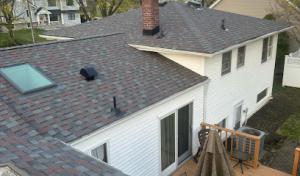
A Piscataway contractor signals meaningful local demand for skylight work, so your roof plan should treat skylights as a potential leak hotspot from the start. When a skylight is added or repaired, inspect the entire flashing transition where the skylight sits against the surrounding roof surface. In homes with older shingles or mixed roof materials, flashing gaps and degraded sealant are common failure points. During a storm response, focus on the curb flashing, the base of triangular skylights, and the intersection where the skylight meets vent pipes or chimney nearby. A careful reseal or re-flash with high-quality, weather-resistant sealant and matching metal flashing can keep wind-driven rain from triggering interior leaks.
Chimney work is highly visible in the local contractor landscape, fitting the older housing stock and mixed roof penetrations seen across established neighborhoods. Inspect the chimney cap, flashing, and counterflashing where it meets the roof surface. Freeze-thaw cycles can push flashing out of position, so look for hairline cracks in mortar joints next to the flashing as a warning sign. When replacing roofing in areas with tall or multi-flue chimneys, consider upgrading to a step-flashing pattern that accommodates seasonal movement. If masonry is aging, coordinate with masonry repair before or alongside any roof work to prevent later leaks around the chimney.
Flat and low-slope roofing is a real local specialty, reflecting Piscataway's mix of residential additions, multifamily sections, and institutional buildings. Prioritize proper drainage and edge detailing on these areas, since ponding water can worsen leaks after wind or hail events. Favor compatible coatings or membranes for low-slope patches, and verify all transitions to steep-slope sections are fully integrated with proper drip edges and edge channels. In storm responses, ensure the repair plan treats both the flat area and its perimeter, including any adjacent parapets or metal coping, to prevent quick recurring leaks.
Find contractors experienced in skylight installation, flashing, and leak repairs to bring natural light into your home.
Garden State Roofing Piscataway
(732) 936-7122 neighborhoodroofingllc.com
21 Brandywine Cir, Piscataway, New Jersey
5.0 from 32 reviews
Tony Balsamo & Son Roofing & Remodeling Specialist
(908) 256-9071 www.balsamoandson.com
5 Haywood Ave, Piscataway, New Jersey
5.0 from 29 reviews
In this market, speed after a storm matters almost as much as the repair itself. Homeowners value contractors who can stabilize leaks quickly and finish a thorough cleanup after tear-off, so avoid any team that leaves a mess or patches leaks without a solid plan. Local crews that arrive with tarps, debris containment, and portable containment for dusty work tend to be the most reliable in the aftermath of wind or hail events. A contractor that prioritizes a rapid on-site assessment and a clear, expedited temporary leak-control plan is especially important when freeze-thaw cycles threaten further damage.
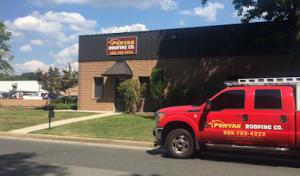
A long-standing presence in the area matters more than looks alone. In a permit-and-inspection environment, firms with a local track record-reliable follow-through, accessible warranty support, and a history of completed projects in nearby neighborhoods-provide peace of mind when questions arise years after a replacement. Look for company vehicles with recognizable signage, a staffed local office, and a portfolio of nearby projects. The ability to return for follow-up issues, or to coordinate with local inspectors, is a practical advantage in this market.
Manufacturer-certified and licensed status shows a baseline professionalism, but it is not the sole driver of choice. Prospective homeowners in this area weigh responsiveness and affordability more heavily, then consider certifications as a secondary signal of credentialed workmanship. Ask for clear explanations of the scope of work, material compatibility, and a realistic timeline. A firm that can balance rapid on-site stabilization with transparent communication and a clean tear-off without leaving debris behind tends to perform best when storms strike.
Focus on a contractor with a documented local presence, strong cleanup records, and a straightforward plan for stabilizing leaks fast. Verify they can provide a reliable, written timeline, a clear set of post-installation care instructions, and a practical method for addressing any lingering warranty questions.