
Last updated: Apr 19, 2026
South Plainfield's cold winters drive repeated freeze-thaw cycles that push and pull at shingle tabs, flashing joints, and underlayment transitions. When water in the shingles freezes, it expands and stresses the granule surface and the edges of tabs. In aging roofs, this movement can loosen tabs or crack sealants, creating tiny doors for moisture to sneak underneath. That moisture can then migrate to the attic or deck, where it may show up as damp insulation or staining along ceiling lines. If a roof already has loose granules from years of sun exposure, the extra weight and movement from freeze-thaw cycles amplify the risk of leaks just after a heavy thaw or a sharp cold snap.
Seasonal humidity followed by winter cold can reveal attic venting weaknesses that otherwise stay quiet through the rest of the year. Condensation forms when warm, moist air from living spaces rises into the attic and meets a cold underside of the roof deck. In South Plainfield homes, this is more than a cosmetic issue: trapped moisture accelerates wood rot, siding and fascia deterioration, and can corrode metal flashings. If attic baffles or soffit vents are blocked by insulation or debris, moisture-laden air has nowhere to escape, and you begin to see higher humidity levels, frost on the underside of plywood, and a shortened roof life overall. The telltale signs are a cool attic, damp insulation feel, and sudden moisture on attic joists after an evening temperature drop.
Many homes in this area are older suburban houses where aging penetrations, chimney flashing, and valley details become leak points after winter weather. Flashings around chimneys and vent stacks can corrode or fold inward with time, allowing warm attic air to escape and moisture to seep in during freezes. Valleys-where two roof planes meet-are especially prone to ice damming when meltwater refreezes at the eaves. Cracked or lifting sealant strips around vent pipes and skylights create convenient channels for water to reach the attic or ceiling joints with just a light rain or a fast thaw. Look for stained decking near chimney bases or along joints where copper or aluminum flashing has pitted or separated from the rooftop surface.
Walk the roof line with caution or hire a trusted local contractor to inspect for loose or missing granules, especially along the lower sections and eaves. Check the flashing at the chimney, vents, and along valleys for gaps, cracks, or lifted metal. In the attic, inspect for signs of moisture or frost patterns on the underside of decking, and verify that attic vents are clear and unobstructed by insulation or storage items. If you notice damp insulation, mildew smells, or sudden ceiling spots following a cold spell, treat those as urgent red flags rather than cosmetic issues. Moisture trapped behind underlayment or flashing transitions can compound over months, leading to faster deteriorations and more extensive repairs later.
Prioritize upgrades that strengthen the tough points identified by winter weather: replace compromised flashing around vents and chimneys with corrosion-resistant material, reseal cracked sealants, and ensure proper flashing transitions where valleys meet the roof deck. Improve attic ventilation by clearing blockages and sizing intake and exhaust vents to meet the home's square footage and roof pitch. Consider upgrading underlayment where the roof is aging and corrective repairs are already needed, as a refreshed layer can slow moisture intrusion during thaw cycles. In practice, these steps reduce the chance of attic condensation masquerading as a new roof leak and extend the life of shingles through repeated freeze-thaw cycles.
Spring storms raise the risk of wind-driven rain, lifted shingles, and debris impact from mature neighborhood tree cover. That combination can turn a small leak into widespread interior damage fast, especially on aging roofs where underlayment is worn and flashing has seen years of temperature cycling. The wind can peel back edges of shingles that look intact from the ground, exposing underlayment and decking to rapid moisture intrusion. On older homes in this area, ice dam pressure during thaw cycles can compound the effect, pushing water laterally toward ceilings and walls. Pay close attention to any raised granules in gutters, loose flashing, or shingle edges that appear blistered after a gusty storm.
If a storm passes with strong winds, inspect the exterior from ground level for missing or lifted shingles, damaged flashing at hips and valleys, and any odd gaps along the ridge line. Do not climb onto a compromised roof; a visual from the ground or a safe ladder setup with a partner is the prudent start. Document damage with photos, focusing on gaps around chimneys, vent boots, and eaves, plus any staining or moisture penetration inside attic spaces. If you notice active leaks indoors, place a bucket or towel under the drip and minimize further water entry by closing exterior doors or temporarily tarping from above if you know how to do so safely. In this area, rapid documentation helps a lot, because storm demand can spike locally, homeowners often need fast documentation before temporary repairs or full replacement scheduling.
Aging shingles and worn underlayment tolerate freeze-thaw cycles poorly, so proactive maintenance matters more here than in milder climates. Prior to the next heating season, recheck attic ventilation to ensure installations are not overdrawing or under-venting, which can drive condensation and rot. Inspect soffits and fascia for loose boards that could act as wind-catching surfaces or permit Water intrusion if flashing is imperfect. For homes with mature trees nearby, trim back branches that overhang the roof to reduce the risk of impact during storms and to lessen debris accumulation on the roof and gutters. Consider reinforcing vulnerable flashing around chimneys and vent pipes with matching sealant and carefully sealed joint compounds, especially at joints where shingles end and flashing begins. Keeping tree debris off the roof and out of gutters reduces moisture retention that can worsen freeze-thaw wear.
Because local demand during storm season can push repair timelines, have a clear, dated set of photos ready for your roofer and insurer. Your request should include a simple map of the affected areas, plus notes on any attic condensation or visible interior leaks. Start a prioritized list of repairs: immediate temporary fixes to stop water entry, followed by a plan for full replacement if decking or major flashing shows sign of rot or persistent leaks. When engaging a contractor, emphasize the need for proper wind-resistant fastening and flashing that stands up to the common gusts observed in spring storms. A prompt, organized packet can shorten downtime and help you move from damage assessment to repair scheduling with less stress.
Find local contractors experienced in assessing and restoring roofs after hail, wind, and severe weather events.
Hammer Exteriors
(973) 442-6637 www.hammerexteriors.com
450 Oak Tree Ave, South Plainfield, New Jersey
5.0 from 91 reviews
Penyak Roofing Since 1960
(908) 753-4222 penyakroofing.com
3571 Kennedy Rd, South Plainfield, New Jersey
4.8 from 925 reviews
Hammer Exteriors
(973) 442-6637 www.hammerexteriors.com
450 Oak Tree Ave, South Plainfield, New Jersey
5.0 from 91 reviews
At Hammer Exteriors, we are proud to be a trusted Roofing Contractor in South Plainfield, New Jersey. Our team is dedicated to keeping your home safe and secure by providing expert roof repairs, replacements, and inspections. We know how important it is to protect your family from the elements, which is why we use high-quality materials and pay close attention to detail. Whether you need a small patch or a full roof upgrade, we will work with you to find the best solution for your home. As members of the South Plainfield community, we treat every project with the care it deserves. Call Hammer Exteriors today for reliable, friendly service you can count on.
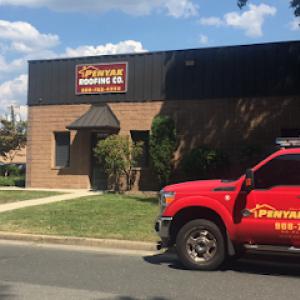
Penyak Roofing Since 1960
(908) 753-4222 penyakroofing.com
3571 Kennedy Rd, South Plainfield, New Jersey
4.8 from 925 reviews
Since 1960, Penyak Roofing has been the go-to certified roofing contractor in Central NJ. We are a family-owned business, priding ourselves on providing the best roofing services. Whether you need residential or commercial roofing, our experienced team of roofers is equipped to handle roofs of all types. We’re not just another company; we’re your neighbors, offering top-notch roof repair and siding services. Trust us to protect your home or business.

CentiMark Corporation
(732) 623-4220 www.centimark.com
105 Sylvania Pl A, South Plainfield, New Jersey
4.3 from 15 reviews
CentiMark in South Plainfield, NJ is a premier roofing company servicing all of New Jersey and the five boroughs of NYC - Bronx, Brooklyn, Manhattan, Queens and Staten Island. We address roofing issues that are unique to our area. Our experience with the harsh winters and hot summers ensures we can handle problems such as snow load capacity, ice damming and UV damage. Whether it's a small repair or a full roof replacement, our team of professionals is committed to providing top-notch service. Depend on CentiMark for all your roofing requirements, where excellence is synonymous with dependability.
A-1 USA Construction,LLC
(732) 522-5252 a1usaconstructionllc.com
Serving
4.9 from 28 reviews
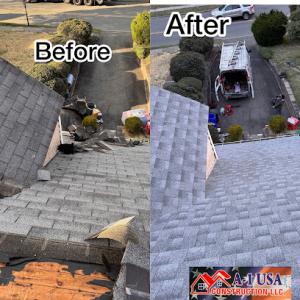
We specialize in Roofing,siding,Chimney brick repair , Gutters and Masonry services. Our highly-trained team is here to help you with all your construction needs. We provide a stress-free service and stick to the budget. And after all work is completed our team makes sure we clean up any post-construction debris. We specialize in: Roofing Services Gutters repair and installation Masonry Service Chimney Repair and installation
Aura Home Exteriors
(833) 498-0928 www.auraroof.com
Serving
5.0 from 104 reviews
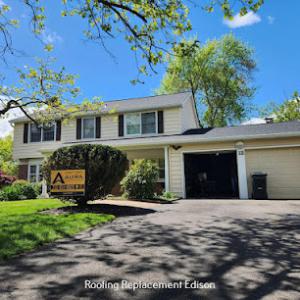
Aura Home Exteriors in Edison, NJ, specializes in professional roofing services, providing tailored solutions for roof replacement, repair, and installation. As a veteran-owned business, we emphasize transparency, accountability, and direct communication. Our team of skilled contractors uses top-quality materials from GAF, Owens Corning, Drexel, and CertainTeed to ensure durable and aesthetic results. We also offer siding, window, door, and gutter services to enhance your home's functionality and curb appeal. With a focus on safety, efficiency, and client satisfaction, we consistently deliver excellence and reliability, making us a trusted partner for your home improvement needs.
Nivelo Construction
(732) 200-9520 www.niveloconstruction.com
Serving
4.9 from 31 reviews
If you are looking for a right roofing contractor in Edison New Jersey to repair, replacement or installation. sure you are in a right place, just trust us and give us an opportunity to show you, what your decision was the best choice to get right roofing company. Our experienced roofers team provide superior quality roofing, siding, skylight, chimney, gutter repair and installation services in your area. We use the highest quality materials to ensure your roof is durable and long-lasting. We also offer a variety of options to meet your specific needs and budget. Our technicians are highly trained and certified to provide you with a safe and efficient rofing repair or installation service. Contact us today for any roofing needs.
Certified Roofing Commercial Roofing
(201) 243-7575 www.certifiedroofingnj.com
Serving
5.0 from 22 reviews
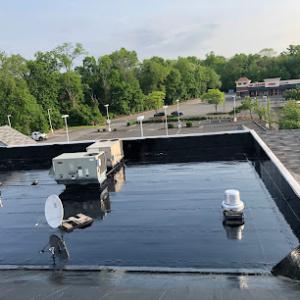
Certified Roofing & Gutters Is Your Premier Commercial Industrial & Residential Roofing Contractor Specializing In All Roofing Systems Certified Roofing Has Been In Business For Over 30+ Years Providing Excellent Services To Business & Home Owners Certified Roofing is family owned & Operated & We Offer Such Great Pricing & Affordable Roofing Systems For Either Repairs Or New Installation Contact Certified Roofing Today For Free Estimate Certified Roofing commercial Flat Roofing specialist EPDM TPO PVC Also specialist for roof Coatings Silicone Aluminum Gaco Epdm Coatings As Well
Bayshore Roofing
(732) 853-5153 bayshoreroofing-llc.com
Serving
5.0 from 58 reviews
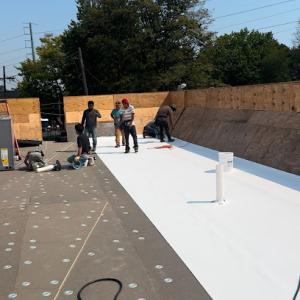
Bayshore Roofing has been delivering trusted roofing services since 1987, helping homeowners and businesses protect their properties with quality workmanship. Specializing in residential roofing, commercial roofing, roof repair, leak repair, flat roof installation, roof replacement, shingle repair, and flat roof repair, the team focuses on durable materials and proven installation methods. With decades of hands-on experience, Bayshore Roofing is known for reliable service, clear communication, and long-lasting roofing solutions designed to withstand harsh weather and everyday wear.
JC Contracting
(732) 648-7633 www.jccontracting.pro
Serving
4.6 from 16 reviews
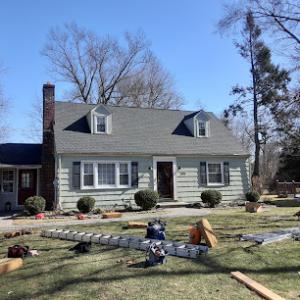
James is a master craftsman having over 30 years of roofing & experience in home improvements always delivers his promises with professionalism and expertise. There are NO salesmen working off a commission at JC contacting Therefore we have no need to upsell on products and or gaurantees our work and or reputation speaks for itself. Our installation process exceeds the manufactures specifications Whether it’s roofing or siding. When looking to hire a contractor, rest assured we are the very best.

Double D Construction
(732) 981-0800 www.doubledconstructionnj.com
Serving
4.9 from 198 reviews
Transform your home inside and out with home improvement services from Double D Construction. We have many satisfied customer referrals in your area, demonstrating our ability and long-term commitment to providing you the best price, product, and service experience available.
Momentum Home
3096 Hamilton Blvd B, South Plainfield, New Jersey
2.7 from 20 reviews
At Momentum Home, we’ve redefined renovation. With highly-skilled teams dedicated to helping you and your family every step of the way, we ensure a customer experience that is second-to-none. Premium Materials & Components We only utilize top-tier equipment that you’ll be able to rely on for decades after your home’s upgrade. Industry-Leading Quality We always promise high quality, sustainable workmanship with a lifetime warranty on your new system. Above Average Customer Warranty We stand by our products and service. All of our customers receive a minimum of a 30-year guarantee on the materials we use to renovate your home.
All Trade Construction
(201) 561-3672 alltradeconstructionllc.com
Serving
5.0 from 40 reviews
At All Trade Construction, we are dedicated to providing top-notch roofing, siding, chimney, masonry, and gutter services throughout New Jersey. Although our company is newly established, founded just one month ago, our team comprises seasoned professionals with years of experience in the construction industry. We bring fresh energy and modern techniques to every project, ensuring your home’s exterior is both beautiful and durable.
Asphalt shingles dominate the local scene because they fit the area's common suburban rooflines and offer the broadest local contractor availability. In aging homes, lightweight and straightforward installation matters when winter freeze-thaw cycles start to stress roof decks. A standard asphalt system is forgiving when flashing and underlayment are installed with attention to the eaves and valley intersections. For durability in our winters, emphasis should be on a well-sealed underlayment and proper attic ventilation to prevent ice buildup along the eaves. If you want a dependable, everywhere-available option that pairs well with existing dormers and extensions, asphalt remains the practical baseline.
Metal is present in the market but is still a more specialized install locally, which can affect crew availability and detailing quality. If you are considering metal, plan for precise measuring and trim work around chimneys, skylights, and vent stacks. Metal shines in areas with heavy wind or hail potential and provides excellent longevity, but the installation requires a skilled crew familiar with the local typical roof geometries. Choose a profile that minimizes the look of seams on traditional cape- and ranch-style roofs, and verify color matches that resist fading under winter sun. For aging homes with complex rooflines, a metal retrofit is most successful when the existing structure has solid support and compatible overhangs.
Clay and concrete tile appear in the local material mix, but their weight, flashing complexity, and occasional tile-specific permit scrutiny make them a more selective choice in this area. Clay and concrete tiles demand a reinforced structure to handle their heft. In a neighborhood with mixed ages of construction, some homes may require structural reinforcement before installation. Tile roofs offer distinctive curb appeal and good insulation, but the added weight means every rafter and connector should be surveyed by a qualified roofer. Custom flashing around chimneys and vents is essential to prevent leaks during freeze-thaw cycles.
Concrete tile follows the same considerations as clay, with additional mass and a broader palette of textures. The heavier weight amplifies the need for accurate attic ventilation to avoid condensation beneath the tiles. If a roof currently has long spans or complex transitions, ensure the substrate and support framing are updated to handle the load. Concrete tiles can be a durable, long-term option when winter conditions and freeze-thaw stress are top concerns and installation is done by a crew experienced with tile systems.
Wood shingles or shakes bring a traditional look but require rigorous maintenance in our climate. Freeze-thaw cycles can cause splitting or cupping if ventilation is insufficient and if moisture sits on the deck. In aging homes, wood requires careful flashing detail around valleys and penetrations to reduce leak risk. If choosing wood, expect closer attention to sealants and periodic refinishing to maintain wind and water resistance.
Synthetic and composite shingles offer a modern alternative with enhanced resistance to freeze-thaw wear. They can mimic the look of other materials while delivering improved dimensional stability. Installers with local experience will ensure flashing and underlayment choices align with the chosen composite system, especially around vents and chimneys. This option often pairs well with existing trim and fascia, providing a cohesive look while resisting seasonal movement.
In this area, storm season can push emergency or fast-turn replacements into busy periods, driving up lead times and prices. When a winter thaw intersects with a late fall reroof project, crews may be scarce and travel times longer, which translates into higher daily rates and compressed timelines. Plan for a longer window if a cold snap or a late-wallop storm threatens the schedule. For aging homes with strong freeze-thaw cycles, anticipate minor delays in supply shipments that can ripple into overall project timing. Budget guidance should include a contingency to cover these market-driven fluctuations, especially when a weather event increases demand within a short span.
The market in this county favors asphalt shingles due to competition, but the local pool of specialists for metal, tile, cedar, and composite systems is thinner. If fiber-cement or synthetic shingles are contemplated, the price range tends to sit in the middle of the spectrum and may stretch when specialty crews are scarce. Asphalt remains the most economical and readily available option, often delivering the fastest turnarounds, while premium materials like clay, concrete, or metal can require more lead time for material procurement and installation coordination. When aging roofs exhibit extensive deterioration, a material upgrade to a more durable option may offer better long-term resistance to freeze-thaw damage, though upfront costs will reflect that choice.
For a typical replacement, asphalt shingles usually fall in the 350 to 700 USD per square range. Metal roofing commonly ranges from 500 to 1000 USD per square, with labor and flashing considerations influencing the top end. Clay tile can run from 1000 to 1800 USD per square, while concrete tile tends to be 900 to 1500 USD per square. Wood shingles or shakes are often 550 to 900 USD per square, and synthetic or composite shingles generally land between 500 and 900 USD per square. In older homes with multiple penetrations or challenging detailing, costs can edge upward due to enhanced flashing, ventilation add-ons, or underlayment upgrades that support better performance during freeze-thaw cycles.
Aging stock benefits from a careful evaluation of ventilation and underlayment quality, since proper setup reduces early wear from cold snaps and mid-season moisture. When planning, consider not just the upfront material cost but the long-term resilience against repeated freezing and thawing. A well-chosen system, installed with attention to detail on flashing and ventilation, can mitigate leak risks and extend roof life, saving more over time than choosing the lowest initial price.
Get a clear picture of your project costs upfront - no commitment required.
Hammer Exteriors
(973) 442-6637 www.hammerexteriors.com
450 Oak Tree Ave, South Plainfield, New Jersey
5.0 from 91 reviews
Certified Roofing Commercial Roofing
(201) 243-7575 www.certifiedroofingnj.com
Serving
5.0 from 22 reviews
South Plainfield's older suburban rooflines and the winter freeze-thaw cycle mean the local building department keeps a close eye on venting, flashing, and underlayment. Most roofing projects require a building permit through the local building department before work begins, so starting with the permit application is essential to avoid delays or work stoppages. The town review typically looks at project scope and roofing materials before issuing the permit, so having a clear plan and material selection ready helps ensure a smoother process.
Before pulling a permit, you should confirm that your contractor understands the town's expectations for South Plainfield projects. The permit package generally includes a detailed project description, roofing material type, and sometimes a simple roof plan with venting and flashing locations. Because the local review emphasizes ventilation and underlayment, it helps to include a note about upgrading or preserving attic ventilation, the type of underlayment chosen, and how existing flashing will be integrated with new materials. If the house has historical features or mixed roofing surfaces, anticipate questions from the town about preserving curb appeal while meeting modern code requirements. Submitting plans in advance of ordering materials can prevent rework later in the process.
Inspections in this area commonly verify underlayment, ventilation, flashing, and final code compliance. The underlayment check ensures that a water-resistive barrier is properly installed to withstand the town's freeze-thaw cycles, especially on aging homes with already fatigued sheathing. Ventilation inspection focuses on ensuring attic intakes and exhausts are balanced and adequate for the current roofing system, which helps minimize condensation that can worsen ice dam formations. Flashing is examined where the roof meets walls, chimneys, and skylights to prevent leaks around those penetrations, a frequent trouble spot on older houses. The final inspection confirms that all components meet local code requirements and that the overall installation is complete and safe. Processing times can vary by workload and project type, so it's prudent to plan for a window between permit issuance and the final sign-off, especially during peak seasons.
Start with a compliant plan set that highlights underlayment choices, venting strategy, and flashing details. Your contractor should pair the permit with a clear scope that aligns with the town's expectations, reducing questions during the review. Schedule inspections promptly and coordinate lighting and access for the inspector, since winter weather can complic timing. If you're replacing aging materials, discuss how the replacement approach will address potential freeze-thaw stress and ensure continuity with existing drainage patterns. Retain all permit documents and inspection notices together; they're valuable references if a future homeowner or contractor revisits the roof years down the line.
In New Jersey claim handling, South Plainfield homeowners should expect insurers to request pre-loss and post-loss photos, contractor bids, and roof condition documentation. Having these ready speeds the process and reduces back-and-forth. Clear, dated records can also help prevent disputes over whether damage existed before a storm or during normal aging.
Wind and hail exposure can affect deductibles and coverage decisions, so South Plainfield owners need clear damage records before repairs proceed. Photograph shingle edges, flashing, and attic signs of moisture after a storm. Keep copies of any temporary repairs and note the dates of strong winds or hail events common to Middlesex County winters.
Adjusters may want contractor information and damage assessments before approving full replacement, especially when storm-related damage is mixed with age-related wear. It helps to obtain a written scope from a reputable local roofer that distinguishes new damage from existing deterioration. Be prepared to discuss ventilation, underlayment, and flashing where older roofs often fail first.
Create a folder with photos taken before and after, invoices, and a damage diary. If the claim stalls, contact your insurer promptly and document every correspondence. A local roofing professional familiar with freeze-thaw cycles and aging shingles can provide a concise condition report to support the claim.
Documentation pitfalls to avoid: inconsistencies between pre-loss photos and post-loss conditions invite delays or disputes. Do not rely on phone photos alone; ensure high-resolution images taken from multiple angles, with dates. Avoid overlooking interior signs of moisture, such as staining in the attic or warped decking. If a contractor notes additional hidden damage during the inspection, request a supplementary report to keep the claim accurate and complete.
Connect with contractors who help homeowners navigate the claims process from damage assessment to final approval.
Penyak Roofing Since 1960
(908) 753-4222 penyakroofing.com
3571 Kennedy Rd, South Plainfield, New Jersey
4.8 from 925 reviews
Chimney-adjacent roof work is a steady call for local crews, and leak-prone flashing is a common culprit on older homes here. When the thermometer swings below freezing and then snaps warm again, ice can pry at step-flashing and counter-flashing behind brick and mortar. You should schedule a targeted inspection around any visible brick deterioration, staining, or peeling interior ceilings near the chimney line. Expect the most trouble where the chimney sits on a high sidewall or over a shared gutter, where improper kick-out detailing can invite water travel into the attic.
Skylight repair is a meaningful specialty here, with curb flashing, seals, and leak tracing recurring homeowner concerns. Look for cracked sealant around the skylight flange, condensation on the glass, or staining along the interior edges where condensation drips hint at hidden leaks. If you notice wind-driven rain entering along the curb, consider resealing the curb and replacing failed gaskets. When a leak traces to the skylight interior, prioritize resealing and flashing integrity before pursuing broader roof work.
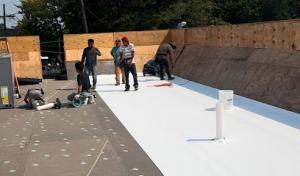
Flat and low-slope roofing stays active locally, especially on mixed-use buildings and aging homes with membrane or coating needs rather than steep-slope replacement. membranes should lay flat without fishmouths or wrinkles, and edge details must shed water toward drainage. In freeze-thaw cycles, ensure there is no ponding, and verify that field seams, penetrations, and penetrations around skylights or vents are sealed. If a coating or membrane shows blisters, delamination, or sudden wear after winter, plan a focused maintenance visit rather than a full roof tear-off.
In spring and fall, check for algae streaks, lost fasteners, and lifted edges at transitions between chimneys, skylights, and the main roof plane. Late winter inspections help catch ice dam repercussions before they creep into the attic. If a leak appears after a heavy thaw, don't delay the diagnostic trace; early pinpointing saves interior damage and simplifies repairs.
Find contractors experienced in skylight installation, flashing, and leak repairs to bring natural light into your home.
Hammer Exteriors
(973) 442-6637 www.hammerexteriors.com
450 Oak Tree Ave, South Plainfield, New Jersey
5.0 from 91 reviews
Garden State Roofing Piscataway
(732) 936-7122 neighborhoodroofingllc.com
Serving
5.0 from 32 reviews
The local market is heavily oriented toward re-roofing and repair, so you should compare contractors based on replacement experience rather than only general exterior work. Look for crews with a track record on aging homes, layered shingles, and local climate cycles that stress ventilation, flashing, and underlayment. A firm that can walk you through a complete roof replacement from tear-off to fresh ventilation setup will likely handle the Middlesex County freeze-thaw pattern more reliably than a general contractor.
Because cleanup is a major local hiring signal, South Plainfield homeowners clearly value debris control and jobsite protection during tear-offs. Ask how they contain dust, protect landscaping, and cover entryways. Confirm they use daily cleanup and sealed-container debris methods. A clean jobsite reduces your risk of nail injuries and attic contamination, and it speaks to long-term reliability.
Quick response and long-established reputation stand out in this market, reflecting homeowner concern about active leaks, scheduling reliability, and trust in older neighborhoods. Inquire about their average response time to leaks, how they prioritize emergency calls, and how they document and communicate progress. A contractor with a steady presence in the area often has better scheduling alignment with weather windows and local inspectors.
During the quote, probe for specifics: how vents will be sequenced with existing attic insulation, and how flashing around chimneys, skylights, and dormers will be integrated with roof-to-wall transitions. Check whether they install a quality underlayment and ensure proper deck preparation for long-term performance.
Request local references, especially homes with similar age and roofing profiles, and ask to visit a completed project if possible. A trustworthy roofer welcomes third-party inspection after installation and keeps detailed project records for you.