Last updated: Apr 19, 2026
In this neighborhood of older Union County homes, a wind-driven hail event can turn a routine afternoon into a roof vulnerability overnight. Wind and hail claims are common after major storms, and for homeowners in Westfield, photo documentation and a sharp contractor scope of work are essential tools to secure protection and proper recovery. When the sky darkens and hail drums the shingles, your first move must be to assess quickly, document thoroughly, and act decisively to prevent interior damage from becoming a long-term headache.
Storms in the spring through autumn bring a volatile mix of hail, wind, and driving rain. A sudden gust can peel back a edge of roofing or loosen shingles, while driving rain finds any tiny opening to chase its way inside. If you notice shingle displacement, lifted flashing, or granule loss, treat it as a red flag. An urgent repair mindset is not optional in this climate; it's the baseline. If accessibility and safety allow, perform a careful exterior check from ground level to identify missing shingles, exposed underlayment, or displaced vents. Do not climb onto a compromised roof that feels unstable or where you hear water running inside the attic. In those cases, tarping becomes a life-saving step to limit further water intrusion until a qualified contractor can arrive.
With wind and hail claims being all too common, you must weaponize documentation. Take clear, dated photos from multiple angles-before and after the storm if possible-showing roof surface, gutters, fascia, and any visible leaks from the attic or ceiling. Photograph damage to nearby features like skylights or vent boots, because a thorough record helps distinguish wind-related damage from preexisting wear. When you call a contractor, demand a scope of work that reflects reality on the roof: replacement or repair of missing shingles, flashing re-sealing, gutter and downspout checks, and any necessary underlayment work. A detailed scope reduces back-and-forth and speeds up the insurance documentation process, which is particularly important after a major New Jersey wind and hail event.
In this market, emergency repair is the strongest specialty. Homeowners frequently need urgent tarping and active leak response rather than only planned replacements. If water is actively entering the living space, prioritize safe containment: place tarps over the exposed area and catchment devices to protect ceilings and belongings. Do not delay contacting an emergency-response contractor who can provide a temporary fix that stops further water intrusion while a full assessment is completed. Once temporary measures are in place, arrange a thorough roof assessment as soon as weather permits. The longer a known leak persists, the greater the risk of attic mold, insulation degradation, and interior damage to walls and ceilings.
Spring through autumn storms in North Jersey create a cycle of hail, wind, and rain that can stress aging roofs quickly. Winter brings snow and freeze-thaw cycles that can widen small storm-created openings into larger leaks. A minor crack or lifted edge may become a significant problem after a few freeze-thaw cycles, so treat early signs with urgency. For homeowners, this means you should keep a ready action plan: document any damage promptly, secure an emergency tarping if needed, and move quickly to obtain a contractor's detailed scope of work for a proper repair or replacement. In this climate, timely response isn't just about mitigating cost-it's about protecting the home's structure, insulation, and interior livability.
Late spring through early fall is the most favorable replacement window period for a home in this townscape of tree-lined streets and older stock. The longer daylight, milder mornings, and generally predictable weather mean roof and skylight crews can work steadily without the freeze-thaw cycles that crack flashing seals or push shingles out of alignment. If a leak is present, this window also reduces the risk of moisture intrusion just as warmer air helps the new sealants cure properly. Plan to align the project with a stretch of dry days so the underlayment and flashing can perform as designed without backtracking for cold snaps.
Summer heat can push interior temperatures up quickly during a roof or skylight replacement, which can affect adhesive-backed underlayment and the timing of sealants. In this climate, a cool morning start and afternoon shade help crews manage heat stress, protect asphalt shingles that may be integrated with the skylight, and reduce the risk of wind uplift during installation. Coordinate with your installer to choose a day when the sun won't peak directly on the roof, and ensure they have a plan for cooling breaks and sufficient hydration. Strong solar exposure also highlights the importance of well-insulated flashing and drip edge, since Westfield homes often feature roof lines that angle toward mature shade trees.
Autumn storms in the region can tighten scheduling before winter, which is why homeowners often face longer lead times after active storm periods. If a wind or hail event has recently occurred, expect more demand for experienced roofers who can integrate a window retrofit with roof work. Communicate a realistic window for material delivery and crew arrival, and confirm that crews will address debris cleanup and gutter protection in the same pass. For storm-prone seasons, consider staggered milestones: material arrival, pre-install inspection, day-of installation, and a post-install water test. Keeping the job small and focused-one skylight or roof window at a time-can help prevent bottlenecks when crews are in high demand.
Choose a roof window that pairs well with your existing roof type and attic layout. In neighborhoods with older Union County homes, you'll often see low-profile skylight options that minimize structural intrusion while preserving attic headroom. Look for reinforced flashing that accommodates seasonal tree debris and occasional hail impact, and select glass or glazing with energy-efficient properties to counteract mid-season heat gain and winter chill. It helps if the window framing is compatible with the home's siding and any overhangs, so installation remains watertight through freeze-thaw cycles.
Prepare a simple photo log of the existing condition-shingle alignment, venting, flashing, and any signs of moisture-before work begins. This makes the post-installation comparisons straightforward for insurance or contractor reviews, should questions arise after a storm. On the day of install, request a clear plan from the crew: protected access to the interior, a dedicated staging area, and a precise sequence for flashing, underlayment, and edge sealant. If any unforeseen wood rot or sheathing issues appear, address them promptly to maintain the window's performance through the next round of storms.
Get a clear picture of your project costs upfront - no commitment required.
Garcia & Sons Roofing Company
(908) 460-8333 garciasonsleakdetection.com
1102 South Ave W, Westfield, New Jersey
4.8 from 75 reviews
Garcia & Sons Roofing Company
(908) 460-8333 garciasonsleakdetection.com
1102 South Ave W, Westfield, New Jersey
4.8 from 75 reviews
Discover our precise leak detection solutions tailored to safeguard your property effectively.
Above & Beyond Exterior Remodelers
828 South Ave W, Westfield, New Jersey
4.9 from 146 reviews
We pride ourselves in being a family-owned and operated business. We only partner with top manufacturers to ensure you have access to the industry’s best performance and warranties. True kindness and compassion fuels our client communication. We actually care about you — our customers. This is demonstrated in our large portfolio of quality projects. We always answer our phone when you call — even if there are challenges on the project. We’re not finished unless you are thrilled with the results of your home remodeling project.
TS Roofing Contractor
(732) 201-6799 tsroofingcontractor.com
Westfield, New Jersey
5.0 from 52 reviews
For quality residential roofing services and affordable roof replacement and roof repair near Avenel, NJ, call the most preferred provider - TS Roofing Contractor which has 20+ years of experience. Call us and get quality roofing service beyond your expectations.
Ak New Jersey Construction
(201) 620-1858 www.aknjconstruction.com
Serving
5.0 from 38 reviews
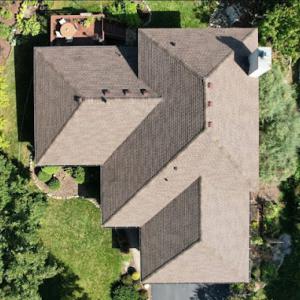
AK NJ Roofing is a family-owned and veteran-owned company dedicated to transforming the roofing industry in North Jersey and surrounding areas. We specialize in high-quality roof installation, replacement, and damage repair, ensuring long-lasting protection for your home. Our team is dedicated to delivering expert craftsmanship, durable materials, and exceptional customer service. Whether you need a new roof or repairs due to storm damage, leaks, or wear and tear, AK NJ Roofing is your trusted local roofing contractor near you.
ABC Contractor
(201) 281-7727 abccontractorllc.net
Serving
5.0 from 77 reviews
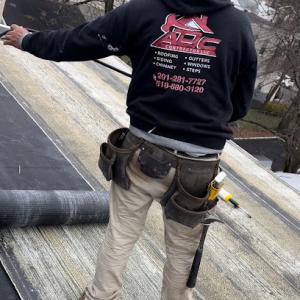
ABC Contractor is a company specializing in roofing, roof repair, flashing, and chimney work in and around New Jersey. We have a professional and experienced team focused on providing high-quality work, long-lasting solutions, and honest service. We perform leak repairs, shingle installation, flashing replacement, chimney maintenance, and all types of residential roofing work. Our commitment is to complete every project right and ensure customer satisfaction. Main Services • Roof Repair • Shingle Installation and Replacement • Chimney Flashing • Leak Sealing and Repairs • Chimney Maintenance and Repair • Roof Inspection • Emergency Leak Services
Argyle Roofing
Serving
4.9 from 57 reviews
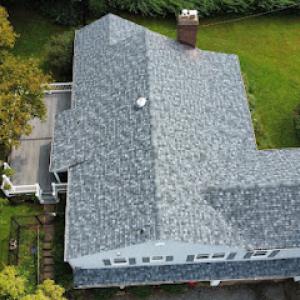
We are a full service, licensed and insured roofing company serving NJ for over 49 years. We are certified installers for GAF, the largest roof shingle manufacturer in North America, and pride ourselves on using only high-quality roofing materials but also highly skilled workmanship for your roof replacement and any of your other roofing needs.

Herts Roofing & Construction
(908) 206-4240 hertsroofingnj.com
Serving
4.9 from 114 reviews
Located at 20 Commerce Drive Suite 135, Herts Roofing & Construction is your trusted local roofing contractor, specializing in comprehensive roofing services. Whether you need expert roof repair, seamless roof replacement, or efficient new roof installation, our skilled team ensures exceptional quality for every project. We cater to both residential roofing needs, offering affordable new roof costs and detailed roof inspections. Our experience extends to various materials, including durable metal roofing and versatile flat roofing, adeptly addressing any roofing challenge. For urgent needs, our emergency roof repair services are always ready. Choose Herts Roofing & Construction for unrivaled craftsmanship and reliability.
Global Home Improvement
(908) 987-3147 www.globalhomeinc.com
Serving
4.8 from 127 reviews
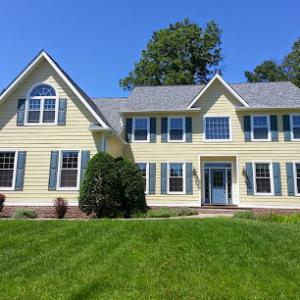
Global Home Improvement services offers the best home improvements throughout Atlantic County, Bergen County, Burlington County, and the surrounding areas of North and Central NJ. We feature high quality products such as James Hardie Siding, Marvin Windows and Metal Roofing. Our lifetime exterior home improvements come with a lifetime material and labor warranty giving homeowners piece of mind with every install. If you're looking for Roof Replacements, Replacement Windows, Replacement Doors, Gutter Installation, and or Siding give us a call for a free no-obligation estimate of our services.
Maximum Roofing
(732) 397-8201 sites.google.com
Serving
4.9 from 30 reviews
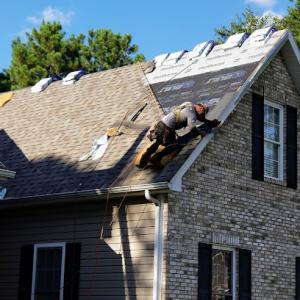
Maximum Roofing is a trusted roofing contractor serving New Jersey and New York, providing top-quality residential and commercial roofing solutions. We specialize in installations, repairs, and maintenance, ensuring long-lasting protection and durability. Businesses, builders, and property managers rely on us for cost-effective, large-scale roofing systems, while homeowners trust us for energy-efficient, weather-resistant roofs that enhance curb appeal. With honest pricing, expert craftsmanship, and premium materials, we deliver maximum quality, maximum durability, and maximum value—every time.
Aaron Blake Commercial Roofing
(732) 669-7545 aaronblakecommercialroofing.com
Serving
5.0 from 52 reviews
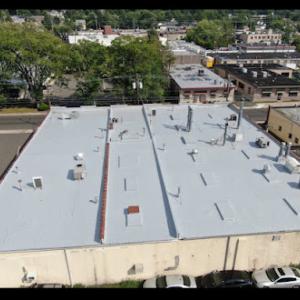
Why choose us? We take pride in our work and offer quality at a competitive price. We take the time to explain the issues you are having, what caused them, how to fix them, and what to do to prevent them in the future. Most roofers will usually tell you a replacement is your best option, when most of the time it isn’t needed, We offer thorough inspections and troubleshooting and offer the best solution for you! Whether it would be long-term repairs, restorations, or replacement!
Select Roofing & Construction
(201) 757-6016 selectroofingnj.com
Serving
5.0 from 98 reviews
Select Roofing & Construction provides expert roofing, gutter, chimney, and siding services. We specialize in high-quality exterior home improvements designed to protect and enhance your property. Our experienced team is committed to delivering reliable craftsmanship and exceptional results for all your roofing and construction needs.
Midpoint Roofing
(973) 834-7570 midpointroofing.com
Serving
5.0 from 111 reviews
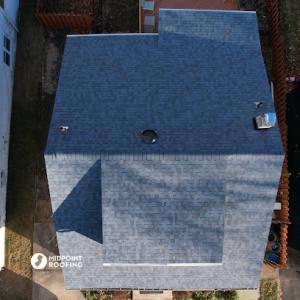
Midpoint Roofing is a premier roofing contractor in Union, NJ. We specialize in roof replacement, roof repair, and a wide range of roofing services. We are located at 2204 Morris Ave Suite 302b, Union, NJ 07083 and service clients in many different areas of New Jersey, including Union County, North and Central NJ. Our team of experienced professionals has lead the roofing industry for 10+ years. We are fully dedicated to providing top-notch workmanship and exceptional customer service. We offer the best prices on roof repairs and roof replacement around and work with insurance and do all the work for you! Trust Midpoint Roofing to handle all your roofing needs with integrity and quality. Contact us today for a free estimate or inspection!
Asphalt shingles dominate the local market, but metal, clay tile, concrete tile, wood shakes, and synthetic shingles are all active material categories locally. That mix reflects the era of homes ranging from early-mid 20th century bungalows to more recent architect-designed builds, with some houses preserving original details while others lean into a modern look. Each material carries a different profile for appearance, weight, and replacement options. When you're considering a change, the surrounding streets and your home's architectural cues matter as much as the weather, because matching replacement shingles to existing rooflines can preserve curb appeal and resale value.
Freeze-thaw cycling and moisture are key lifespan drivers in Westfield, so material selection has to account for repeated winter expansion and contraction rather than heat alone. In practice, that means prioritizing materials with robust expansion tolerance, reliable sealing at edges and penetrations, and proven performance under wet, cold conditions. Asphalt shingles are forgiving for typical suburbia, but heavier options like clay or concrete tiles demand structural checks to ensure your roof deck can carry the load after years of freeze-thaw cycles. Metal roofing can handle moisture well and sheds ice and snow efficiently, yet fasteners and sealants must be chosen with cold-weather reliability in mind. Wood shakes offer warm, natural aesthetics but require meticulous maintenance to prevent moisture intrusion and rot in damp winters. Synthetic shingles aim to blend resilience with lower weight and flexible installation, which can be advantageous where trees cast lingering shade moisture on a roof's surface.
The presence of both tile and cedar-shake specialists in the market suggests there are Westfield homes where architectural style and replacement matching matter more than in purely tract-built suburbs. If your house features distinctive tile profiles or a cedar-shake pedigree, retaining a contractor who understands historical or stylistic fidelity can help you achieve a seamless upgrade. Even when you stay with a familiar shingle type, you'll encounter local crews who are skilled at feathering new material to existing edges, chimneys, or hip-and-valley transitions to maintain a cohesive look.
In older neighborhoods with mixed stock, the underlying deck and penetrations often drive long-term performance as much as the roof material itself. Proactive concerns include ensuring valley and ridge lines are properly sealed, gutters and downspouts are functioning to address moisture flow, and flashings around chimneys and vents are intact. When replacing a roof, you may encounter varying degrees of deck exposure or localized rot, especially in shaded or mature-tree environments. Working with a local pro who knows typical Westfield failure patterns can help prioritize repairs that protect both structure and aesthetics.
Full re-roofs in Westfield commonly require permits filed with the Westfield Building Department. Before any shingle tear-off or roof deck work begins, confirm that the project is within permitable scope and that the timing aligns with the department's schedule. The Building Department often requires updates if the scope changes mid-project, so keep the communication loop open with the permit office to avoid delays. A typical re-roof project should have clear documentation of the site address and the intended scope, including any ventilation or flashing upgrades that impact code compliance.
When preparing the permit filings, expect the submission to document the site address, the exact scope of work, and contractor license information. The license thread should be current and match the contractor performing the work. In Westfield, the local amendments to the Uniform Construction Code can influence details such as ventilation requirements, roof-to-wall flashing, and attic hatch access. Photographs or drawn elevations may be requested to illustrate how the new roof will integrate with existing chimneys, skylights, or vent stacks. If the project involves replacing deck boards or soffits as part of the roofing work, include notes on those elements as well. Submitting complete, accurate information helps prevent back-and-forth exchanges that can stall inspections.
Inspections are conducted during and after the project to verify compliance with the New Jersey Uniform Construction Code and local amendments. Plan for at least one interim inspection while the roof is open, and a final inspection once the new roofing material is installed and all penetrations are sealed. If an inspection reveals a non-conforming detail-such as improper flashing at a wall transition, insufficient ventilation, or a misaligned chimney cricket-address it promptly. Keeping a neat, accessible site with labeled roof vents, flashing, and drainage zones speeds up the inspector's review. During the process, maintain open channels with the contractor and the Building Department regarding any changes to the approved plan so inspections reflect the actual installation.
Cost planning should start with local material ranges per square: asphalt shingles 350 to 700, metal 700 to 1200, clay tile 1400 to 2800, concrete tile 1200 to 2400, wood shingles or shakes 450 to 900, and synthetic or composite shingles 450 to 900. For a typical 1,000-square-foot section (a common roof size measured in squares), you're looking at a wide spread depending on the chosen material and the complexity of the roof lines. Asphalt remains the baseline for residential repair and replacement, with the cheaper end well-suited for steady-weather homes. Metal roofs sit at a higher midrange but bring longer life and lighter weight. Clay or concrete tiles can dramatically increase the budget, but they're popular on certain Westfield homes with Mediterranean or craftsman styling, where the look matters as much as longevity. Wood shingles or shakes and synthetic shingles fall into mid to upper ranges, depending on thickness, warranty, and installation specifics. In practice, material choice should align with expected wind performance, hail resistance, and the house's architectural language, all weighed against the local price bands.
Storm-driven demand spikes in New Jersey can push scheduling pressure and pricing after hail and wind events, especially in a market where emergency repair and re-roofing are highly active. In Westfield neighborhoods, a hail event often concentrates work into a short window, which can compress lead times for materials, crew availability, and on-site logistics. When storms hit, plan for a faster-than-usual pace of decision-making: selecting a material within the local cost bands, scheduling a first-row inspection, and aligning delivery times with crew calendars. If a storm has affected multiple homes in a section of town, expect price variance as supply lines tighten-particularly for clay or concrete tile which depend on batch availability and regional shipments. Keeping some flexibility on color, style, and underlayment can help manage both timing and budget without sacrificing performance.
Start with a quick material map based on the house style and long-term goals: durability vs. upfront cost, wind resistance, and maintenance expectations. For a typical Westfield street, asphalt is a reliable default, with steel or aluminum options fenced in for importance of longevity and weight. If the roof has a custom look or a historic flare, clay or concrete tile may be tempting, but verify structural readiness and budget implications. In any case, maintain a buffer for storm season-allow extra days for material arrival and a backup plan for scheduling. A well-documented comparison using the local ranges above will smooth out surprises when the crew arrives and the weather turns.
Don't let upfront costs delay a critical repair - these contractors offer payment plans to fit your budget.
Garcia & Sons Roofing Company
(908) 460-8333 garciasonsleakdetection.com
1102 South Ave W, Westfield, New Jersey
4.8 from 75 reviews
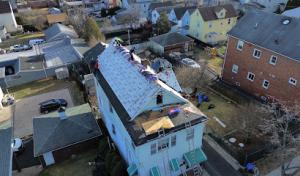
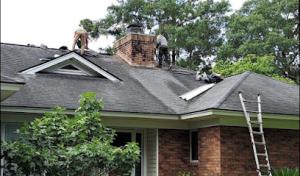
The storm season in this area brings wind-driven shingles, hail impact, and seasonal freeze-thaw cycles that stress aging roofs. In this environment, adjusters often request roof photos and a contractor's written scope to verify the damage and the proposed remedy. If a cluster of storms hits, the local carriers may juggle more emergency claims at once, which can slow the review process even as you're trying to protect your home. Understanding that timing varies by carrier helps you stay prepared and focused on documentation rather than frustration.
From day one, exterior damage should be photographed systematically: shingles lifted or displaced, granule loss, cracked vent flashing, and any visible hail scars. Interior leaks, especially around ceilings, walls, or attic spaces, should be recorded with dates and affected areas. A written scope from a trusted contractor makes your case clearer: outline the proposed repair steps, the expected sequence, and any temporary protective measures like tarping or drainage precautions. Keep receipts for temporary fixes and note weather conditions that worsened damage. In this neighborhood, where roofs endure seasonal stress, consistent, dated records will be more persuasive than scattered notes.
Claim timelines can hinge on carrier review and local weather patterns, which matter when storms cluster and contractors juggle many urgent calls. It is prudent to maintain ongoing contact with the adjuster, supply requested photos promptly, and provide the contractor's scope without delay. Some carriers scrutinize documentation more rigorously; thus, complete, clear submissions reduce back-and-forth. Remember that the goal is to establish a clear record of damage, causation, and the sequence of temporary protections leading to a permanent fix. Keeping a steady cadence of updates helps prevent miscommunication as both homeowner and adjuster work through the file.
Connect with contractors who help homeowners navigate the claims process from damage assessment to final approval.
Garcia & Sons Roofing Company
(908) 460-8333 garciasonsleakdetection.com
1102 South Ave W, Westfield, New Jersey
4.8 from 75 reviews

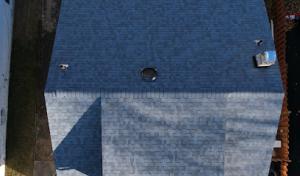
Skylight service is unusually active in the Westfield market, signaling that leak troubleshooting around roof penetrations is a common homeowner concern. When moisture found around a skylight, start with the flashing, then inspect the curb and sealant. In this climate, winter moisture can creep into the flashing and freeze, expanding and stressing the seal. A slow drip during a heavy rain or after a rapid thaw is a red flag that the glazing or sealant needs attention. Don't assume a simple reseal will hold for long; damaged flashing can create a hidden path for water to travel along the rafter line and show up far from the original leak.
Chimneys are a frequent focus for local contractors, which fits older North Jersey homes where flashing transitions can become recurring leak points. Look for stained brickwork, loose or cracked flashing, and worn chimney cap details. The transition from chimney to roof is a natural failure zone if the counter-flashing or step-flashing has shifted over time. In many cases, the problem isn't just the chimney crown but the surrounding flashing that has degraded due to seasonal shifts. If you notice staining on ceilings or walls near a chimney, treat it as a warning sign rather than a nuisance.
Freeze-thaw conditions in Westfield make flashing details around skylights and chimneys more vulnerable when moisture enters and repeatedly expands in winter. Small gaps can become channels for infiltration, especially on older homes with mixed roofing materials. Pay attention to any wind-driven rain that seems to target corners and joints around these penetrations. A common mistake is delaying repairs until a larger problem surfaces; once ice forms behind flashing, the damage can extend into deck boards and sheathing.
When a leak appears, photograph the affected area, dry the interior surface promptly, and avoid relying on temporary tarps alone in freezing weather. If the water path runs along rafter tails or into attic vent gaps, treat those routes as potential leaks rather than isolated drips. For persistent issues around skylights or chimneys, a targeted inspection by a seasoned local roofer who understands how pairing flashing materials with older sheathing behaves in cold snaps is worth arranging sooner rather than later.
Find contractors experienced in skylight installation, flashing, and leak repairs to bring natural light into your home.
Garcia & Sons Roofing Company
(908) 460-8333 garciasonsleakdetection.com
1102 South Ave W, Westfield, New Jersey
4.8 from 75 reviews
Above & Beyond Exterior Remodelers
828 South Ave W, Westfield, New Jersey
4.9 from 146 reviews
Flat-roof specialization is meaningfully present in Westfield, suggesting many homes and additions include low-slope sections even though pitched roofs dominate the town overall. This mix means you may encounter a roof that blends traditional shingles with a flatter perimeter or a dedicated low-slope platform above garages, sunrooms, or extensions. Understanding where these areas meet the main roof helps you plan for drainage, material compatibility, and future repair work without surprises when you pull back existing membranes or schedule a restoration.
Low-slope sections in this area are exposed to the same snow load, freeze-thaw, and moisture conditions that can magnify drainage and membrane problems. In winter, trapped moisture and ice damming on a flat or nearly flat surface can push water toward seams and penetrations, while spring thaws intensify sheet runoff that can overwhelm edge details. In Westfield, a careful assessment of where water tends to pond and how edges are flashed is essential. Planning around snow drainage patterns and ensuring proper slope or positive drainage away from walls reduces the risk of standing water finding its way under the membrane.
Roof coating appears as a smaller but active specialty locally, indicating some Westfield owners pursue restoration on low-slope sections instead of full tear-off. Coatings can extend the life of a mature membrane or help seal tiny blisters and micro-cracks, but they require clean, dry substrates and compatible products. When a low-slope area shows recurring leaks or roofline penetrations that are difficult to reseal, you may evaluate targeted coating maintenance or a partial restoration rather than a full system replacement. This approach often works best on sections with accessible edges and solid substrate, while keeping an eye on overall membrane health.
Seasonal inspections are practical, especially after storms or heavy snowfall. Focus on seams, flashing around skylights, vent pipes, and transitions to the pitched roof. Look for signs of algae, mold, or texture changes that hint at moisture intrusion. Addressing small issues promptly - such as resealing a deteriorated edge or re-flashing a seam before it leaks - pays off in lower repair complexity later. Maintain clear drainage paths by removing debris from around parapets and ensuring gutters adjacent to flat or low-slope areas stay free of obstruction.
Find specialists in TPO, EPDM, and built-up flat roofing systems for residential and commercial properties.
Garcia & Sons Roofing Company
(908) 460-8333 garciasonsleakdetection.com
1102 South Ave W, Westfield, New Jersey
4.8 from 75 reviews
TS Roofing Contractor
(732) 201-6799 tsroofingcontractor.com
Westfield, New Jersey
5.0 from 52 reviews
You convert a re-roof project into a solar-enabled upgrade by thinking ahead about panel layout, rafter spacing, and roof deck integrity. In this market, solar roofing is a smaller specialty, so plan for future panel work rather than forcing panels on now. Favor roof areas with South- or West-facing exposure and clear shading, and check that the existing roof can safely support the added weight and penetrations without compromising wind or ice dam protection. Check roof geometry for rail spacing, and verify gutter clearance for panel hardware, so installation can proceed smoothly when solar is added.
Material selection matters when future penetrations are expected. On Westfield homes with freeze-thaw cycles, choose a roofing option that offers compatible flashing around penetrations and long-lasting sealants. Asphalt shingles pair well with standard mounting rails, while metal roofs can simplify certain attachment methods; more premium tile options demand careful flashing planning at the penetrations. Ensure the chosen finish can accommodate future sealant performance around flashing details. Talk with the installer about load paths and fasteners, to avoid surprises when attachments go in.
Because full re-roofs often require permits, align the re-roof timing with solar planning early. Have a clear plan for panel mounting locations, flashing transitions, and vent or skylight handling documented in a roof plan. This helps with later solar permits and reduces back-and-forth. Keep supplier specifications on hand for future rail systems and sealants. Keep copies of product warranties and a simple as-built sketch showing proposed penetrations and sealant transitions.
Close attention to flashing around vents, chimneys, and ridge lines matters now more than ever. Use compatible sealants and backer materials to resist freeze-thaw stress after installation. A well-detailed layout reduces the risk of leaks once panels are added and helps maintain wind uplift resistance. Also plan for edge closures and ice-guard placement where panels align with eaves or overhangs.
Find contractors who integrate solar panels or solar shingles into your roof for long-term energy savings.