
Last updated: Apr 19, 2026
In a town with a dense stock of older attached homes and mixed-use buildings, low-slope and flat-roof leak management sits at the front line of homeowner worry. Parapet walls, edge flashing, and drainage points are not just details-they're the first places storms push water indoors when storms come bearing strong winds and rain. The geometry of Newark properties concentrates runoff and exposes weak seams to repeated exposure, making every heavy shower feel like a test of the roof's integrity. When rain hits these surfaces, even small weaknesses become pressure points that can cascade into larger problems if left unchecked.
Low-slope roofs in these aging buildings collect and shed water differently than steep ones, and that difference matters every storm season. On Newark structures, ponding areas near drains and along parapets can sit unnoticed until a rain event drives water under flashing or into joints. Wind-driven rain is unkind to edges and corners, where fascia, drip edges, and parapet terminations flex and crack over time. If a shop set or multi-unit building shares a roof deck, a single failing seam or compromised membrane can channel leaks across a wide footprint, sneaking into walls, ceilings, and electrical boxes.
Winter freeze-thaw cycles turn small membrane splits and flashing gaps into active leaks with alarming speed. In Newark's climate, that means a spring thaw can reveal damage that looked minor in late fall, just as a Nor'easter unloads a bruising rainfall. Summer humidity doesn't hide the problem either: heat softens membranes and accelerates deterioration near edge details and around drains. Storm-driven leaks don't announce themselves with just a single drip; they follow a pattern of seepage along joints, around vent penetrations, and into attic spaces that feed into the living areas during the next cold spell.
If a leak appears, act quickly to minimize interior damage. Catch water with clean containers and protect belongings from advancing moisture. Photograph the area from multiple angles, noting any changes after each rain event. Inspect the most-accessible roof zones first-drains, scuppers, and the perimeter flashing-but don't overlook parapets and vent flashings where damage often hides. If the roof hatch to the attic is accessible, check for signs of moisture staining, warped decking, or musty odors that point to hidden leaks. Create a simple water map: sketch where water enters, where it travels, and what areas feel damp in the ceiling or walls. This information helps prioritize the most urgent fixes and communicates the scope to a professional.
A practical approach centers on reinforcing vulnerable edge details, resuming proper drainage, and mitigating ponding. Priorities include repairing or replacing compromised flashing, resealing transitions between roof membranes and parapet terms, and restoring smooth flow toward drains with cleanouts that remain clear during heavy rain. Regular, proactive inspections after storm season-with particular attention after Nor'easters and spring storms-can catch small issues before they become widespread interior leaks. On older buildings where multiple units share a roof terrace or common deck, coordinating a unified maintenance plan helps ensure the entire envelope remains watertight, reducing the risk that a single weak point exposes the whole structure to water intrusion.
Typical Newark material pricing runs about $400-$700 per square for asphalt shingles, $800-$1,500 for metal, $1,400-$2,800 for clay tile, $1,000-$2,100 for concrete tile, $700-$1,400 for wood shingles or shakes, and $500-$900 for synthetic or composite shingles. On older rowhouses and multi-tenant blocks, those numbers can bounce based on how the roof is framed and whether the deck needs extra work after tearing off the old layers. In tight urban blocks, every square foot of material cost matters because there's less room to maneuver a crane, a dumpster, or a staging area. Expect some variation from lot to lot, but use these ranges as your rough budgeting guide when you're comparing bids.
Costs in Newark are often pushed up by tight lot lines, attached structures, limited staging space, and debris handling challenges on dense urban blocks. A typical flat or low-slope roof on older stock can require careful sequencing to protect neighboring facades and avoid splitting staging into multiple trips. That means crews may charge more for extra trips, careful access, and controlled debris containment. If a contractor has to use a smaller, hand-fed lift or work around adjacent walls, those logistics show up as additional line items in the bid. For roofs with multiple levels or offset decks, a careful plan to stage materials and dispose of debris without scratching the property becomes part of the price tag.
Older Newark homes frequently add labor for chimney flashing, layered tear-offs, decking repairs, and ventilation corrections discovered only after removal. Chimneys and parapets often require specialty flashing to seal against storm-driven leaks, and custom flashing pieces can extend the job. Layered tear-offs-where multiple old roofing layers exist-mean more labor time, and sometimes decking behind the existing roof shows signs of rot once the old coverings are removed. Ventilation corrections are common in older structures: if soffits or ridge vents aren't balanced, you'll pay for upgrading or adding vents to keep attic temperatures and moisture in check. Expect these items to appear as add-ons or line items once the old roof is exposed.
When you're estimating, start with the material price range for your chosen roof type, then add a contingency for deck repair and flashing work that's likely to surface once the old roof is peeled away. If your building has chimneys or multiple penetrations, allocate extra in the bid for flashing details and weatherproofing around those features. Because staging space is tight, plan for slightly longer timelines and possible extra charges for debris handling and disposal. In the end, a realistic Newark roof estimate will layer material costs with the practical realities of dense blocks, older construction, and post-teardown repairs that only reveal themselves after the first cut.

Lema's Roofing & Siding
(862) 910-4588 lemasroofingandsidingcorp.com
30 Cortland St, Newark, New Jersey
4.9 from 63 reviews
At Lema’s Roofing & Siding, we provide expert services in roofing installation and repair, damage assessments, skylight and gutter installation and maintenance, as well as professional siding work. We serve both residential and commercial clients throughout key areas of New Jersey, including Newark, Elizabeth, Jersey City, Edison, and surrounding communities. With over 15 years of experience and a highly certified team, we ensure durable, efficient solutions using top-quality materials. Contact us today for your free estimate and discover why we're the trusted choice for roofing and siding services near you.
Penn Roofing
(973) 481-9319 www.pennroofingnj.com
134 Chapel St, Newark, New Jersey
4.8 from 63 reviews
At Penn Roofing, we are proud to be the preferred New Jersey roofing contractor locals depend on.We have been around since 1984 and have over 40 years worth of industry-related experience, all of which we intend to put to work to make the most of your roofing project. Give us a call today and let us show you what makes one roofer different from another!
Hayes Family Roofing
(862) 660-7900 hayesfamilyroofing.com
Serving
4.8 from 60 reviews
Experience the difference with our skilled team and durable roofing services Trust us to enhance the appearance and durability of your roof
A1 Quality Roofing-Roof Repair & Replacement
(866) 766-3370 www.a1roofingnj.com
Serving
4.8 from 81 reviews
A1 Quality Roofing–Roof Repair & Replacement provides premium residential roofing services throughout Essex, Union, and Bergen County. We specialize in roof leak repair, full roof replacement, skylight replace, siding, gutters, soffit & fascia, chimney flashing, emergency storm repair, and complete exterior remodeling. With lifetime material warranties, 20-year workmanship coverage, and five-star reviews, A1 delivers workmanship you can trust. Every project is completed using certified materials including Owens Corning, Velux skylights, CertainTeed siding, and seamless 5” & 6” gutters We proudly serve NJ, If you need a fast, reliable, same-day roofing expert, A1 Quality Roofing stands behind your home with unbeatable honesty
Raidex construction
(973) 380-4652 www.raidexconstructionllc.com
Serving
4.8 from 116 reviews
Raidex Construction is a family-owned roofing and exterior services company with over 15 years of experience. We specialize in roof replacements through insurance claims, affordable roof repairs, siding repair, and gutter services. Locally based and highly rated with 4.5-star reviews, we focus on quality over quantity and offer easy financing options to help homeowners improve and protect their homes with confidence.
Peter Contractor
(347) 992-4144 petercontractor-llc.com
Serving
5.0 from 445 reviews
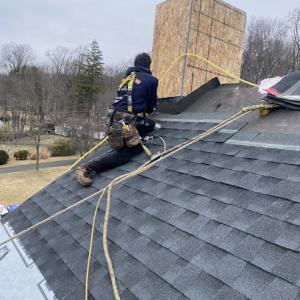
At Peter Contractor, we offer expert construction, remodeling, and roofing services across New Jersey and New York. With over 21 years of experience, we specialize in new roofs, repairs, and full exterior and interior renovations for residential, commercial, and industrial clients. As a GAF Certified, fully licensed and insured contractor, we provide top warranties and reliable, high-quality work. From roofing and siding to concrete and brickwork—we do it all, at the best price and with care.

One Call 24-7 | Roofing & Restoration – Anytime. Anywhere. We’re There.
Serving
4.7 from 109 reviews
Peter’s General Construction dba One Call 24-7 brings over 25 years of trusted, licensed, and insured experience serving homeowners and property owners across New Jersey. We provide comprehensive home restoration and construction services, including: Roof repair & full roof replacement Gutter cleaning, repair & replacement Siding repair & replacement Windows & soffit repair or replacement Skylights installation & repair Chimney services Storm & water damage restoration Retail and insurance claim support for repairs and replacements Emergency services available 24/7 — from sudden roof leaks to storm damage, fallen trees, or water intrusion, our expert crews respond immediately to protect your home and prevent further damage.
Garden State Roofing Flat Roof Specialist
(551) 253-3004 www.gardenstateroofs.com
Serving
5.0 from 128 reviews
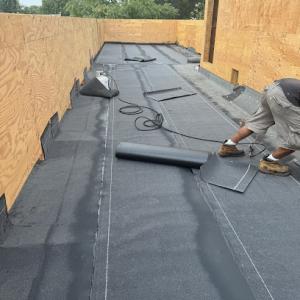
Garden State Roofing is New Jersey’s trusted Flat Roof Specialist, delivering top-quality new roofs, re-roofs, and full repairs for Industrial commercial and residential properties. We combine expert craftsmanship with durable materials to ensure long-lasting protection and flawless performance on every project. Reliable service, premium work, and flat-roof solutions built to last — that’s Garden State Roofing.
Quality Roofing
(201) 283-2875 www.qualityroofer.net
Serving
4.7 from 78 reviews
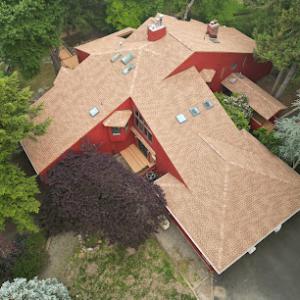
Quality Roofing is committed to delivering unparalleled craftsmanship and customer service as one of New Jersey's leading roofing contractors. With over a decade of experience in the industry, our skilled team specializes in providing high-quality roof repair, metal roofing, and roof replacement services to the North Jersey region. Known for our unwavering dedication to excellence and unwavering commitment to ensuring complete customer satisfaction, we stand proudly as the top roofing contractor in NJ. Experience unparalleled roofing services with Quality Roofing and allow your property to shine with the protection it deserves.
LGM Roofing Contractors
(973) 707-2154 www.lgmroofing.com
Serving
4.9 from 108 reviews
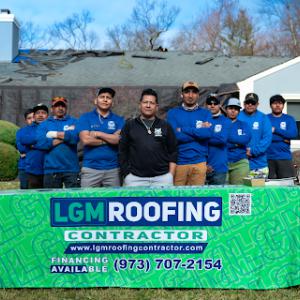
LGM Roofing Contractors is New Jersey’s trusted roofing, siding, gutter, and flat roof specialist. We provide roof repair, roof replacement, and full exterior services for homeowners and commercial properties. As a family-owned, second-generation company, we’re known for honest communication, transparency, and smart problem-solving. With 45+ years of experience and 1,000+ projects completed, our GAF Master Elite team delivers high-quality installations, durable materials, and industry-leading warranties. Request a free quote today.
R & G Roofing
(973) 324-9461 rghomeservices.com
Serving
4.9 from 290 reviews
R and G Roofing is one of the Best roofing companies in New Jersey Essex County providing Roofing, Home Improvement, Roof Repair, Roof Replacement, Roof Installation, Roof Maintenance, Shingle Roofs, Flat Roofs, Commercial Roofing, Roofing Prices, Siding Installation, Vinyl Siding, Vinyl Siding Repair, asphalt, GAF, CertainTeed, Owens Corning, roof, roofer, gutter, gutters, gutter repair, gutter installation, gutter covers, leaf protection and any Skylight work replace or repair. Roofing Family Business serving all surround areas. We are the Top Contractor in Essex county committed to highest customer service in workmanship quality.
Montclair Roofing & Contracting
(973) 604-2501 montclairroofingcontracting.com
Serving
5.0 from 150 reviews
2 decades of providing professional roofing services, including free estimates, repairs, replacements, inspections, and maintenance. Proudly serving the Tri-State area, we deliver durable, long-lasting solutions with unmatched craftsmanship. Montclair Roofing & Contracting is your trusted roofing expert. With over 20 years of experience, our licensed and insured team delivers durable, reliable roofing solutions with locally sourced, high quality materials. We offer free estimates, fast service, and unmatched craftsmanship. Protect your property and boost its value—call Montclair Roofing & Contracting today for a free quote!
A full roof replacement in Newark typically requires a permit through the municipal Building Department rather than being treated as informal maintenance. If a contractor tries to quick-step a replacement or calls it a minor repair, that shortcut will likely surface as a problem later-potentially delaying the project and complicating any future claims after a storm. The permit process is not a box to check once; it's a formal step that ensures the plan aligns with local drainage, fire codes, and the character of older rowhouses and multifamily buildings common here. Expect a review of venting, flashing, and overall roof system compatibility as part of that permit.
Inspections are generally part of the Newark process during and after project completion, so scheduling and sign-off affect project timing. The inspector's visit can reveal discrepancies between the planned scope and what's actually installed, especially on low-slope or flat sections where storm-driven leaks tend to surface first. If a roof is showing signs of multiple leaks after a heavy storm, the inspection timeline may stretch as the team addresses each issue to satisfy code requirements. Plan for a few adjustments or a re-inspection if moisture intrusion and venting details diverge from the approved plan.
Projects that change venting details or use certain materials may trigger added review beyond a straightforward same-material replacement. Altering vent placements, caps, or exhaust routing can prompt a more involved review to confirm proper attic ventilation and roof-penetration integrity. Similarly, switching to an alternative roofing material with different weight, fire rating, or wind resistance can prompt additional code checks. In dense neighborhoods with older stock, this extra scrutiny is not unusual and can affect permit timelines and scheduling. Talk through potential changes with both the contractor and the Building Department early, so contingencies for inspections and approvals are built into the project plan.
Coordinate your project timeline around permitting windows and anticipated inspection days, especially in late fall and early spring when weather can collide with tight schedules. Keep records of all communications with the Building Department and ensure contractor notes reference required venting and material specifications. If a storm suddenly exposes vulnerabilities during replacement, know that an inspection will reassess the completed work to confirm it meets Newark's standards. Facing an emergency leak? Treat the permit and inspection steps as part of the fix, because proper approvals are what keep a repaired roof from becoming a recurring problem.
New Jersey's frequent storm and hail activity makes Newark a documentation-heavy roofing claim environment. When a claim is opened after a storm, the insurer will expect a clear set of photos and notes that show the condition before any work begins, the storm-related damage, and a detailed scope that matches the final repair or replacement plan. Gather pictures of the roof from multiple angles, attic observations if there's any hidden leakage, and close-ups of damaged flashing, coping, or decking. Keep a dated timeline: the storm date, when the claim was reported, when an adjuster visited, and when contractors started work. This sequence helps prevent disputes about what happened and when.
Insurers commonly expect photo evidence of pre-existing conditions, storm-related damage, and a detailed scope that aligns with the final repair or replacement work. For rowhouses and older flat-roof sections common in the area, small pre-existing issues-moss buildup, previous patchwork, or minor leaks-can be mistaken for storm damage if not clearly documented. A careful, room-by-room or elevation-by-elevation walk-through with a trusted, experienced local roofer can help distinguish what was present before the event from what the storm caused. Keep photos of any prior repairs that affect the claim narrative, so the adjuster can see a continuous history rather than isolated snapshots.
A detailed scope that matches the final repair or replacement work is essential. In practice, this means the contractor's estimate should map to a logical sequence of repairs-deck replacement or repair if rot exists, flashing and parapet work, and the correct treatment for any wind-driven uplift on low-slope sections. When damage is disputed, having a line-by-line correlation between the insurer's adjustment and the contractor's scope helps. Include notes about material continuity, compatibility with existing curb units, and the rationale for replacing rather than repairing in areas showing compromised air or water barriers.
Storm events in the area can create crowded claim queues and rushed assessments. If an adjuster questions a storm link to a leak or disputes the scope, respond with a concise narrative and a supplemental photo packet that shows the progression from weather event to visible damage to recommended repairs. Keeping communication organized-names, dates, and the specific roof area referenced in each photo-reduces back-and-forth. When a contractor estimate is involved, ensure the estimate aligns with the inspecting adjuster's findings and the documented condition of the roof structure.
Choose a local roofer who understands how Newark's older building stock interacts with flat and low-slope roof systems. A neighborly recommendation often translates into faster response times and more precise documentation, which helps the claim move forward without unnecessary delay. If there's a dispute about wind, hail, or leak damage, a cooperative approach that presents a unified narrative from both the contractor and the insurer tends to yield the clearest path to resolution.
Connect with contractors who help homeowners navigate the claims process from damage assessment to final approval.

Penn Roofing
(973) 481-9319 www.pennroofingnj.com
134 Chapel St, Newark, New Jersey
4.8 from 63 reviews
A1 Quality Roofing-Roof Repair & Replacement
(866) 766-3370 www.a1roofingnj.com
Serving
4.8 from 81 reviews
Newark's mix of aging rowhouses, multifamily blocks, and brick-commercial corridors creates a demanding backdrop for roof choices. The practical selection balances the weather cycles-freeze-thaw winters, humid summers, and storm-driven leaks-with the reality of older structures and often flat or low-slope sections. Asphalt shingles stand out as a practical fit for much of the residential stock, aligning with typical pitched roofs and providing a predictable performance in this climate. For flat or nearly flat sections, consider how a chosen material responds to ponding water and rapid temperature shifts, since those conditions are common near historic blocks and mixed-use buildings.
Asphalt shingles remain a straightforward choice for homeowners dealing with Newark's weather. They install relatively quickly, tolerate seasonal temperature swings, and pair well with existing roof geometry on many older homes. When leaks pop up after heavy storms, asphalt can be more forgiving to seal or replace in sections without disrupting nearby joints. For houses with limited attic ventilation or older insulation, ensure the shingle selection includes improved UV resistance and a compatible underlayment to minimize frost-related backing and edge failures. While not a perfect shield against long-term ponding on low-slope portions, asphalt shingles are usually the simplest path to restore a weather-tight surface after a storm event.
Metal can perform well against snow shedding and temperature shifts, offering durability that meets Newark's demand for rapid dry-out after wet seasons. However, urban installation complexity matters: shuffled footprint on crowded rooftops, the need for precise flashing at parapets and dormers, and careful integration with existing drainage can add to the effort. If a metal system is installed with robust seam detailing and a compatible curb- or parapet-flashing strategy, it can resist wind-driven leaks and freeze-thaw stress better than some alternatives. Consider the vibration and movement typical of older buildings during weather transitions, and plan flashing details with that motion in mind.
Clay tile and concrete tile bring a long lifespan and distinctive curb appeal, but suitability hinges on structure load and maintenance tolerance. Their weight requires a verified structural assessment to avoid hidden stress on aging framing. Freeze-thaw exposure challenges are amplified if water enters joints and porous surfaces, so a meticulous underlayment and moisture management approach is essential. Wood shakes offer unique character, yet they demand regular maintenance to prevent rot and insect ingress in humid periods. Synthetic products can bridge weight and maintenance concerns, but their performance still depends on correct substrate preparation and compatible flashing. In Newark's climate, these options should be weighed against load capacity, the ability to manage moisture, and how well they shed or shed-and-drain in storm conditions. In practice, select a system that fits the home's structure and the local maintenance tolerance, ensuring that the chosen material can handle repeated freeze-thaw cycles without compromising the envelope.
The most popular roofing material in the US. Find pros who install, repair, and replace asphalt shingles.
Penn Roofing
(973) 481-9319 www.pennroofingnj.com
134 Chapel St, Newark, New Jersey
4.8 from 63 reviews
A1 Quality Roofing-Roof Repair & Replacement
(866) 766-3370 www.a1roofingnj.com
Serving
4.8 from 81 reviews
Chimney-related roof work is unusually relevant in Newark because many older homes and multifamily properties still have masonry chimney penetrations that complicate flashing. The stack often ties into a low-slope or flat roof, where traditional step flashing doesn't hold up against freeze-thaw cycles and humid storms. Inspect where the brickwork meets the deck surface: look for old tar seams, rusted flashing, and deteriorated counter-flashing that can channel water into the interior. In practice, treat any cracked mortar, spalling blocks, or loose chimney caps as a warning sign. A targeted flashing upgrade around the base, with properly integrated counter-flashing into the chimney itself, reduces the most stubborn leak paths. If a chimney is paired with a parapet or a sidewall, verify that the intersection has a continuous, well-sealed weather barrier behind it to prevent water from migrating down into any interior soffit or ceiling lines.
Skylight repairs are a meaningful specialty in this market, reflecting how curb flashings and aging seals become recurring leak points during storms. Start with the curb flashing: check for corrosion, loose fasteners, and any compression that has caused the curb to tilt or gap. Replace sealing gaskets around the skylight frame and reseal the perimeter with a compatible elastomeric sealant. When a skylight rests on a low-slope roof, the transition from curb to deck must be watertight, or water will follow the shortest path to interior ceilings. Pay attention to interior condensation, which often signals micro-leaks that have traveled along the glazing or frame channels. Consider upgrading to a curb with a slightly higher sill and a more robust sealant line, especially on roofs that endure repeated storm surges.
On older Newark roofs, transitions around chimneys, skylights, parapets, and low-slope tie-ins often fail before the main field of roofing does. Inspect the edges where the deck meets any vertical projection: look for lifted shingles, torn underlayment, and insufficient drip edges. In practice, reflash any flaky joints with a continuous bead of sealant that remains flexible through winter freezes. Ensure parapets have a proper cap and a rain-shedding detail that directs water away from seam lines. For any tie-in where a flat segment meets a pitched detail, verify that the water flow remains directed toward the proper drainage plane and not into the interior wall cavity. Regular checks after a heavy storm help catch these failures before interior damage occurs.
Find contractors experienced in skylight installation, flashing, and leak repairs to bring natural light into your home.

Lema's Roofing & Siding
(862) 910-4588 lemasroofingandsidingcorp.com
30 Cortland St, Newark, New Jersey
4.9 from 63 reviews
Penn Roofing
(973) 481-9319 www.pennroofingnj.com
134 Chapel St, Newark, New Jersey
4.8 from 63 reviews
Spring storm season can reveal hidden weaknesses in older, flat, or low-slope roofs, and that exposure often comes with tight contractor calendars after widespread damage. The timing decision needs to balance catching weather windows with avoiding the worst backlog. If the goal is to minimize emergency leaks, plan for a replacement starting after the heaviest spring storms pass but before summer heat and humidity set in. This approach helps the crew address deteriorating flashings and deck conditions when they're dry and accessible, reducing the risk of post-work leaks during the late spring deluge period.
Winter freeze-thaw cycles are a real constraint for shingle work in the region, especially on aging assemblies with brittle components. Cold mornings slow adhesive cures and make handling brittle materials riskier, particularly with low-slope or membrane-adjacent details. If work spills into late fall or early winter, expect slower progress and potential scheduling hiccups due to frost, snow, and wind. A practical path is to target late summer through early fall for critical replacement on older stock, so installation days occur in milder temps and the crew can wrap up before the first hard freeze.
Late summer through fall is a strategic window because it avoids the harsher winter conditions while getting ahead of nor'easter season. By planning ahead, you reduce the chance of weather-driven delays that collapse timelines, and you position the project to be weather-tiled rather than storm-driven. Prioritize projects with added ventilation checks, insulation, and flashing upgrades before the leaf-fall rush strains scheduling. This prep helps ensure that when autumn storms arrive, the new roof is fully protected rather than contending with lingering deck moisture or compromised underlayment.
During the interval between decision and completion, implement temporary protections on exposed areas to minimize interior damage from wind-driven leaks. Use durable drainage planning on flat sections to prevent standing water that can stress memory materials during warm spells. Confirm access routes and material laydown that avoid neighborhood disruption, especially along narrow rowhouse paths or shared alleys, so crew momentum isn't slowed by logistics.
Coatings are locally relevant in Newark because many low-slope roofs are candidates for restoration rather than immediate full tear-off. A coating can extend life on a flat or gently sloped roof, but only if the roof hasn't already crossed key failure points. If the surface has opened seams, persistent ponding, or saturated insulation, a coating alone is unlikely to prevent leaks long term. The goal is to buy time and improve drainage where possible, not to pretend a worn roof is brand new.
Suitability depends on whether drainage paths are fundamentally compromised. Chronic ponding that doesn't drain within minutes, open or failed seams, and parapet-related water entry are red flags. In those cases, coatings may mask symptoms without addressing the underlying causes. If insulation beneath the roofing is wet or compressed, coatings won't restore R-value or stop heat-driven leaks. Treat coatings as a targeted fix, not a cure-all for structural or insulation problems.
For Newark owners of older low-slope buildings, restoration decisions should be tied to drainage condition and leak history rather than surface appearance alone. A roof that has performed steadily for years may respond well to a well-applied coating, while one with a history of leaks around planters, vents, or parapets may require more involved repairs. Don't let aesthetic improvements obscure the real condition beneath.
Document leak histories with dates, locations, and rainfall patterns, and map chronic trouble spots. Have a trusted roofer assess whether seams are salvageable and whether insulation remains dry. If you proceed with coating, insist on a thorough surface cleaning, proper seam treatment, and a coating system rated for your climate and traffic. This city's roofs reward measured, condition-driven decisions over quick cosmetic fixes.
Extend the life of your existing roof with reflective or waterproof coatings that protect against UV and moisture.

Warranty value matters in Newark because storm exposure, winter movement, and leak-prone penetrations can make installation quality as important as material choice. The city's climate produces freeze-thaw cycles, humid summers, and frequent storm-driven leaks on older roofs. A solid warranty can shift peace of mind from "temporary fix" to lasting protection, especially on flat or low-slope sections where water sits and migrates if details aren't sealed correctly. Understanding what covers weather-related stress and where gaps exist helps you gauge whether a warranty truly supports your roof over time.
Manufacturer-backed coverage is especially relevant when Newark projects involve full-system replacement rather than patchwork repairs on aging roofs. Material warranties protect the shingles, panels, or membranes themselves, while workmanship promises address how those materials were installed. On complex roofs with chimneys, skylights, or low-slope sections, workmanship warranties become a critical safety valve against leaks from installation flaws. A reputable contractor should offer both, with clear terms about what triggers coverage and how long each protection lasts after completion.
Storm-driven leaks often reveal problems beyond surface damage, such as failed flashing, improper nail spacing, or overlooked penetrations. In Newark, where storms can push water through seams and joints, a certified installer's warranty should explicitly cover flashing, underlayment, and sealant integrity in addition to the primary roofing material. If the project involves replacing an aging roof rather than merely patching, the warranty should reflect the increased demand on the system as a cohesive whole. Ensure the warranty specifies who handles repairs, response times, and whether coverage transfers if you move.
Homes with multiple penetrations, venting arrangements, and low-slope transitions demand meticulous attention to detail. Chimneys, skylights, and transitions around dormers are common failure points if installation is rushed. Look for a warranty that ties coverage to correctly installed flashing, proper slope adherence, and dew-point considerations to prevent condensation and ice dams. A thorough, documented inspection prior to signing can reveal overlooked details that a robust workmanship warranty will address.
Ask for written documentation that itemizes coverage for materials and workmanship, including exclusions, limitations, and maintenance requirements. Request contact paths for warranty claims, expected response timelines, and proof of a trained technician for any repairs. In Newark, where storm events test roofs repeatedly, having a transparent, neighborly agreement with a certified installer makes a real difference when the next leak drive hits.