
Last updated: Apr 19, 2026
Cold winters bring snow, then thawing periods that repeatedly stress shingles, flashing, and roof penetrations. When water seeps into tiny gaps and freezes, it expands, widening cracks and loosening fasteners. In this area, those cycles are not rare events but a seasonal pattern that slowly undermines the roof's weatherproofing. Even roofs that look solid can hide micro-fractures along the edges of shingles and at the flashing, ready to leak once the next thaw returns. Year-round precipitation compounds the problem: rain and damp shoulder seasons keep surfaces wet longer, allowing moisture to wick into seams and joints. The consequence is not a single dramatic failure but a creeping vulnerability that shows up as damp spots, stains, or musty attic air long after the last snowfall.
The borough's older housing stock means recurring leak points around chimneys, valleys, and aging flashing. Chimney-to-roof transitions are notorious for failing seals after multiple freeze-thaw cycles, especially where mortar has cracked or flashing has sagged. Valleys-the intersections where two roof planes meet-are cool, damp magnets for ice damming and water backup. Aging roof-to-wall flashings can corrode or pull away, creating small but persistent drip lines that show up during thaw cycles or after spring rains. In Flemington, even a modest porch roof or dormer flashing can become a leak hotspot if snow piles against it or if paint and sealant have begun to fail. Recognize that a leak may not manifest as a dramatic roof collapse; it often begins as a slow, creeping seep that finds its way into attic rafters or ceiling corners.
Start with a focused inspection of high-risk areas. Look for loose or missing shingle tabs, lifted edges, or granule loss at the eaves-these signal worn protecting layers that invite moisture deeper into the roof. Check flashing at chimneys and valleys for gaps, rust, or bending that could allow water to bypass seals. In the attic, inspect for signs of moisture or condensation around penetrations, and feel for cold spots on the ceiling after a thaw-these can indicate hidden leaks. Clean gutters and downspouts to prevent ice damming and ensure roof drainage works as intended. Clear debris from roof surfaces where meltwater can pool and refreeze, and ensure attic ventilation remains unobstructed to regulate moisture.
During winter, keep an eye on roof areas where snow tends to accumulate, especially near chimneys and along valley lines. After a thaw, re-check flashing and seals in those same locations, because moisture intrusion often follows a temperature swing. In spring, inspect after heavy rains for signs of dampness inside and on exterior walls. Maintain a proactive schedule: a targeted seasonal walk-around of the roof and flashings, plus a simple attic moisture check after any significant event (heavy rain, rapid thaw, or new ice buildup). If any suspect areas are found-cracks that extend beyond surface shingles, loose flashing, or persistent damp spots-address them promptly. Delays can turn a minor leak into widespread interior damage, especially on older structures where boards, insulation, and ceilings bear the brunt of ongoing moisture.
In this New Jersey market, wind-related roof claims are common enough that homeowners should expect insurers to ask for photo documentation, contractor estimates, and adjuster site visits. For Flemington homes, that means a fast, organized response is not optional-it's expected. Weather patterns here bring sudden gusts and micro-bursts that can expose underlying vulnerabilities in aging roofs and flashing. When a claim is filed, the timeline can hinge on how clearly damage is shown, how complete the accompanying paperwork is, and how quickly a professional impression is established at the site. Delays or gaps in information can slow everything from initial assessment to final settlement.
Because claim handling can depend heavily on policy endorsements and wording, Flemington homeowners need roof condition records before storms, not just after damage appears. A well-kept baseline makes it possible to demonstrate preexisting wear, which helps differentiate wear-and-tear from storm-driven damage. This is especially vital on older borough-era homes that face repeated freeze-thaw stress and seasonal precipitation. Photos of shingles, flashing around chimneys and vents, and the condition of chimney caps and attic access can be the difference between a smooth claim and a protracted back-and-forth with adjustments. Keeping a dated folder of these records creates a reliable point of reference when a spring storm or autumn wind event hits.
Spring storms and autumn wind events are locally relevant because they can lift shingles, damage flashing, and turn minor defects into active leaks in Flemington's wet climate. The combination of freeze-thaw cycles, moisture, and high winds can exploit even small gaps or lifted edges. This means proactive monitoring after heavy rains and windy days is critical. If shingles appear loose, flashing seems lifted, or gutters are pulling away from the fascia, treat those signs as urgent precursors rather than cosmetic issues. In this market, those early indicators often drive the speed and direction of a subsequent insurance response.
Capture and preserve the sequence of events around a wind event. Take clear, high-resolution photos of roof surfaces from ground level and, if safe, from the ladder at representative angles. Photograph flashing, vent boots, chimney intersections, and any noticeable gaps or lifted shingles. Schedule a licensed roofer to document conditions and provide a written estimate promptly after a storm, even if damage isn't obvious yet. Maintain a simple, dated log of symptoms: attic condensation, new interior stains after precipitation, or ice dam formation along eaves. When filing a claim, present both the baseline condition records and the post-event documentation to support a faster, more accurate adjustment.
Insurers will look for a coherent narrative backed by imagery and expert assessment. Include a detailed list of observed vulnerabilities-roof age, visible wear on the shingle edges, flashing around dormers and skylights, and any signs of prior repairs. Attach contractor estimates that specify scope, materials, and timelines. If an adjuster must visit, ensure access to the attic and exterior roof lines, and provide the roofer's contact information for coordination. In practice, a proactive approach with robust pre-storm records and immediate post-storm documentation can turn a stressful process into a manageable one, even when Flemington weather tests a roof's resilience.
Find local contractors experienced in assessing and restoring roofs after hail, wind, and severe weather events.
King Quality Roof Repair & Replacement
(609) 665-2745 kingqualityroofrepairandreplacment.com
272 US-202 31 n, Flemington, New Jersey
5.0 from 101 reviews
King Quality Roof Repair and Replacement, we are committed to providing our customers with the highest level of service and quality workmanship. Our team of certified professionals has years of experience and training in their respective fields, and we use only the best materials and equipment to ensure that every project we undertake is completed to the highest standards.
Caribbean Roofing & Home Remodeling
(908) 297-8218 caribbeanroofingnj.com
131 Main St, Flemington, New Jersey
5.0 from 18 reviews
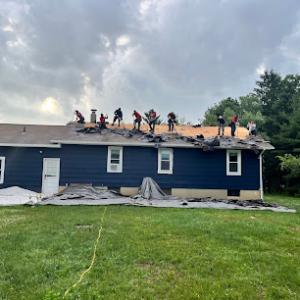
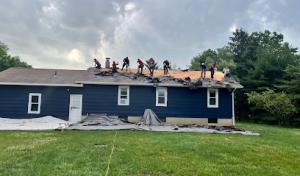
Since 2017, Caribbean Roofing and Home Remodeling has been dedicated to transforming houses into homes of distinction. Their team of skilled artisans specializes in a wide range of services, including expert roofing, custom deck building, gutter solutions, siding installation, and precise window replacements. Committed to meticulous craftsmanship and using the finest materials, they ensure every project is completed to the highest standard. Caribbean Roofing and Home Remodeling offers a seamless and comprehensive approach to home improvement, making them the ideal partner for enhancing your home’s beauty and function.
Fox Chase Contracting
(908) 271-8423 www.foxchasecontracting.com
12 Minneakoning Rd 110 A, Flemington, New Jersey
4.5 from 17 reviews
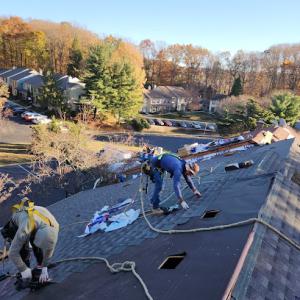
Fox Chase Contracting provides roof installation & repairs, specialized roofing services, deck & balcony installation & repairs, siding installation, and gutter installation & protection to New Jersey and Eastern Pennsylvania.
Fast Campos
(908) 395-9077 www.fastcamposroofing.com
435 US-202, Flemington, New Jersey
5.0 from 6 reviews
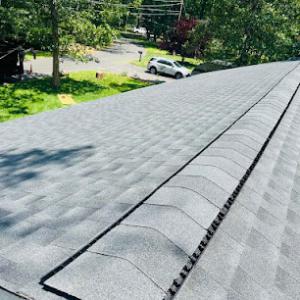
Since 1999 Fast Campos Roofing has been providing top of the line roofing installations and repairs for home and businesses all over New Jersey and Eastern Pennsylvania. Being a family owned and operated business, we take pride on our high-quality, and affordable roofing services. Whether you are looking for shingle, rubber, wood shake, etc. Our group of experts will help you find the right fit for your pitched or flat roof. From new roof installations to small repairs, we have you covered. Fully insured and Licensed
Al's Roofing & Siding
(908) 684-0186 alsroofingsiding.com
Serving
4.8 from 108 reviews
Al's Roofing & Siding is your trusted partner for comprehensive exterior home improvements. Specializing in professional roofing and siding, they bring years of experience to every project. Their skilled team also provides expert gutter cleaning, repair, and seamless window installations, ensuring your home is both beautiful and well-protected. Committed to quality craftsmanship and exceptional service, Al's Roofing & Siding delivers reliable solutions to enhance your home's durability and curb appeal.
Euro Construction Group
(609) 245-6046 euroconstructiongrp.com
Serving
4.9 from 68 reviews
For over two decades, Euro Construction Group has been building a legacy of excellence in New Jersey and Pennsylvania. Specializing in roofing, siding, skylights and decks. Our skilled team blends time-honored European standards with modern expertise. Euro Construction Group consistently delivers remarkable results, transforming visions into reality and exceeding expectations with every project. Discover the difference experience and dedication make.
Strober Roofing & Maintenance
(908) 399-3618 stroberroofingandsolar.com
Serving
5.0 from 97 reviews
We specialize in residential and commercial roofing. We are always on call for repairs and will give you a prompt and accurate proposal. We will explain in detail the different solutions for each project to ensure we leave with a fully educated customer.

Golden Master
(201) 456-7857 goldenmasterroofing.com
Serving
5.0 from 105 reviews
Golden Master Roofing is a certified roofing contractor proudly serving New Jersey, New York, and Pennsylvania. We specialize in residential and commercial roofing, including asphalt shingle installation, roof repairs, full roof replacements, and flat roofing solutions. Homeowners and businesses choose us for our reliable workmanship, industry-leading warranties, and affordable financing options. Experience the difference with your trusted roofing experts — “Do it faster, trust the master.” Call today for your free estimate!
Payless Roof Repair & Replacement
(551) 231-3188 paylessroofrepairandreplacement.com
Serving
4.9 from 75 reviews
At Payless Roof Repair and Replacement, we believe your home deserves the best protection. That’s why we work with top-rated materials to deliver durable, weather-resistant roofs that stand the test of time. Our attention to detail ensures every shingle, tile, or panel is perfectly placed for maximum performance and visual appeal.
Oscar Construction
Serving
5.0 from 18 reviews
We are offering precision job at affordable pricing.
Arctic Roofing & Restoration
(888) 352-7284 arcticroofing.org
Serving
5.0 from 56 reviews
Arctic Roofing & Restoration is a top-rated roofing contractor based in Bridgewater, NJ, serving Somerset, Burlington, Monmouth, Middlesex, Ocean, and Mercer Counties. We specialize in roof replacement, roof repair, and storm damage restoratioN. We offer roof inspections, honest estimates, and insurance claim assistance. Our services include asphalt shingle roofing, flat roofing, siding, gutters, remodeling, & water mitigation. Whether you're paying out of pocket or filing a claim, Arctic Roofing ensures quality work and code-compliant solutions.
Alte Exteriors
(908) 526-2111 alteexteriors.com
Serving
4.8 from 239 reviews
Our team has a vast knowledge of all roofing products ranging from slate, cedar, metal, copper, skylights, flat and standing seam metal. While being deeply educated in our craft, we have one goal with each customer, that is to offer a customer experience with excellence without exception.
Asphalt shingles are the dominant practical choice locally, but freeze-thaw cycling and persistent moisture make underlayment, flashing quality, and ventilation more important than brand alone. In this area, a good roof isn't just about a stylish surface; it's about the system that sits underneath, especially where winter temperatures swing and moisture lingers after storms.
For most Flemington homes, asphalt shingles offer reliable performance when paired with a solid underlayment, well-sealed flashing, and ample attic ventilation. The key is treating shingles as part of a broader system rather than a finished product. Ensure that the underlayment chosen can handle moisture movement and that flashing around chimneys, vents, and dormers is continuous and properly integrated with the roof-to-wall transition. In older borough-era homes, where roof lines may be complex, a careful assessment of valley configurations and pipe penetrations helps prevent hidden leaks that show up after a freeze-thaw cycle.
Slate, clay tile, concrete tile, wood shakes, and copper all appear in this market, reflecting the area's older and more architecturally varied homes rather than a one-material housing stock. These materials bring distinct benefits and challenges. Slate and clay or concrete tile can resist moisture well, but they demand precise framing, solid structural support, and careful installation. Wood shakes deliver character and good insulation value but are vulnerable to moisture if not properly treated and vented. Copper brings longevity and a distinctive look but requires a skilled installer to manage expansion, flashing, and transitions with other materials. For Flemington homes with historic charm or irregular rooflines, these heavier options may be favored for their architectural impact, yet they shift maintenance toward structural checks and the availability of qualified craftspersons.
Heavy materials such as slate and tile matter more in Flemington because replacement planning often intersects with older framing conditions and specialized labor availability in central-west New Jersey. When choosing a heavier roof system, verify that the existing framing can carry the load or plan a retrofit with a structural engineer. Expect longer lead times for qualified crews, and budget accordingly for higher installation cost and more intricate flashing details. Even with the best materials, the surrounding woodwork, gutters, and vents must be compatible to avoid cold-season leaks.
Start with the attic. Ensure the space is well-ventilated and free of moisture buildup that can gather behind heavier roofing materials. Inspect flashing around chimneys and vent stacks for gaps or corrosion, and seal with the appropriate materials to preserve watertight seams through freeze-thaw cycles. During inspections, pay attention to areas where rooflines intersect with walls, dormers, and skylights; these zones are common leak points after winter storms. For older homes, periodic checks of the roof deck and any visible fasteners help catch aging components before small leaks become larger problems. If a roof transition uses multiple materials, verify that expansion joints and weather sealing accommodate movement without creating a channel for water entry.
In Flemington, a full re-roof typically requires a permit submitted to the local Building Department with project details before work begins. This process helps ensure that the chosen materials, ventilation, flashing, and edge details meet local code and the neighborhood's historic and weather-driven needs. When planning, confirm the scope before changing materials or replacing more than a minor repair area. Project-specific questions are common, and clarifying them upfront avoids delays once the contractor is ready to start.
Roof inspections here are scheduled during and after the work, with particular attention to installation quality, flashing, and venting rather than just the finished shingle surface. Inspectors look for proper step and counter-flashing around chimneys and walls, adequate attic ventilation, and correct valley and drip edge details to guard against winter freeze-thaw stress. Mid-project inspections help catch misalignments or flashing gaps early, which is especially valuable for older homes that face repeated freeze-thaw cycles.
Because permit review is local and project-specific, the scope matters a lot when changing materials. If the plan involves replacing more than a minor repair area, or switching to a material with different installation requirements (for example, moving from shingles to tiles or metal), you should verify how the Building Department wants the scope described. Some Flemington homes retain older roof lines and features that demand precise flashing and edge details to maintain curb appeal and performance. If a design change is contemplated, bring preliminary drawings or product data to the permit review to avoid back-and-forth during scheduling.
Winter weather adds complexity to the permit and inspection timeline. Freeze-thaw cycles can reveal weaknesses in flashing and ventilation that aren't obvious on a dry afternoon. Plan inspections to align with stages of deck removal, underlayment installation, and flashing integration, so issues are identified before shingles or tiles are fully installed. A careful sequence-underlayment, flashing, venting, then shingles or tiles-helps protect the interior from moisture during Flemington's typical precipitation patterns and seasonal temperature swings.
Connect early with the Building Department to confirm required documentation and any neighborhood-specific considerations. Gather roof plans, material specifications, and ventilation details to present a cohesive permit package. Expect that inspections will assess more than the visible surface; focus on flashing continuity, venting adequacy, and adherence to the approved scope to ensure a durable, leak-resistant roof that stands up to local climate realities in Flemington.
In this market, you'll see a broad spread from asphalt shingles at about 450 to 900 USD per square up to copper roofing that runs roughly 2,500 to 6,000 USD per square. Slate and concrete tiles sit in the high-cost middle to premium range, with clay and concrete tile typically heavier on the budget than copper but still well above basic asphalt. This spread reflects both material durability and the way local homes were originally built, blending older borough-era designs with newer additions in surrounding Hunterdon County stock. When planning, you'll want to compare not just the sticker price, but the long-term performance you expect from each option under repeated winter freeze-thaw cycles.
Costs in Flemington can rise when older homes require decking repairs, chimney flashing work, or careful tear-off around legacy materials common in established neighborhoods. If your roof deck is dry and solid, you'll save time and labor; if not, expect a stepped cost increase for replacement of rotted boards or adding drainage considerations. Legacy materials, such as aged underlayment or historic flashings, demand careful removal and reinstallation to prevent leaks, which pushes both crew time and waste disposal charges higher. In practical terms, anticipate higher costs on those projects that reveal hidden damage once the old roof comes off or when a chimney chase needs resealing.
Weather-driven demand spikes after storms and during short spring and fall scheduling windows can affect labor availability and replacement timing in this market. A major rain event can generate a backlog of emergency repairs, while the narrow shoulder seasons can throttle crew calendars. If you're budgeting for a retrofit during these windows, you should expect potential short-term price pressure and a tighter window to secure skilled local crews who understand the region's mix of historic and modern roof lines.
With asphalt shingles starting around 450-900 USD per square and copper at 2,500-6,000 USD per square, Flemington projects fall along a cost curve shaped by deck and flashing needs, legacy materials, and seasonal labor ebbs. Plan for a little extra if you suspect hidden damage, and align replacement timing with favorable weather to minimize both risk and disruption.
Get a clear picture of your project costs upfront - no commitment required.
Caribbean Roofing & Home Remodeling
(908) 297-8218 caribbeanroofingnj.com
131 Main St, Flemington, New Jersey
5.0 from 18 reviews
Chimneys in Flemington frequently present leak risks due to masonry penetrations and aging transitions where the brick or stone meets the roof deck. The contractor market here often encounters chimney work because older Borough homes rely on masonry cores and uneven chimney flashing. If a chimney transition isn't dressed with proper kick-out flashing and a clean seal against the shingle line, water finds a path down into ceilings and walls long before the main roof shows trouble.
Skylight repairs are a meaningful specialty in local contracting, so you'll see a lot of options and opinions. Failures commonly show up as failed curb flashing, loose fasteners, or seal transitions around the skylight base. In a climate with snow, rain, and humidity, those vulnerabilities often become leaks at the first freeze-thaw cycle after a heavy rain. If the curb or surrounding seal is cracked or displaced, water can creep between the skylight frame and the roof deck, tracking along rafters to create hidden rot.
Inspect the roof edge where the chimney and skylight meet the field. Look for hairline cracks in mortar joints near the chimney, peeling step flashing, or dark staining on interior ceilings near these penetrations. Pay attention to stubbed vent stacks and any deck damage around the skylight curb. In Flemington's winter, a small failure at a penetration tends to worsen quickly with freezing moisture, so timely attention matters.
Schedule a routine inspection after heavy storms and before the deep winter sets in, focusing on chimney transitions and skylight seals. Request that the contractor verify proper flashing along both the skylight curb and the chimney chase, including kick-out flashing and membrane integration at the roof edge. If you notice damp spots or persistent condensation around these areas, address them promptly to avoid costly interior damage.
Find contractors experienced in skylight installation, flashing, and leak repairs to bring natural light into your home.
Caribbean Roofing & Home Remodeling
(908) 297-8218 caribbeanroofingnj.com
131 Main St, Flemington, New Jersey
5.0 from 18 reviews
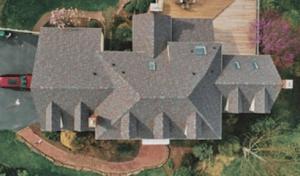
Flat and low-slope roofing is active enough in the local market to matter, especially on additions, porches, and mixed-roofline homes rather than only on commercial buildings. In this climate, water sits longer on the surface and migrates toward seams and edge details. The additions in Flemington often connect older structures to newer sections, so ensuring a continuous, properly flashed transition is essential.
Year-round precipitation makes drainage and seam integrity especially important on low-slope sections that hold water longer than steep main roofs. Start with a thorough assessment of deck drainage, scuppers, and edge metals before any install. Plan for a slight positive slope and confirm that internal drains or scuppers are free of debris and that flashing around penetrations stays continuous through seasonal freeze-thaw cycles.
Summer heat and humidity can affect installation pace and material handling on low-slope systems, while spring rain can delay dry-in schedules. Schedule critical impermeable work for cooler mornings if possible, and have a contingency for mid-day heat to protect both crew and products. Ensure roofers use dedicated roll-off space for heat-sensitive materials and maintain clean walk paths to reduce damage to adjacent historic or aged surfaces.
On Flemington homes, pay extra attention to transitions where the low-slope addition meets steeper roofs. Use integrated flashing that bridges both surfaces and verify that any chimney, vent, or skylight penetrations are sealed with membranes extending onto the higher main roof. Regular maintenance after installation-checking seam tapes, edge laps, and drainage outlets-helps prevent leak cycles tied to freeze-thaw stress.
Find specialists in TPO, EPDM, and built-up flat roofing systems for residential and commercial properties.
Fast Campos
(908) 395-9077 www.fastcamposroofing.com
435 US-202, Flemington, New Jersey
5.0 from 6 reviews
Because Flemington roofs face both winter movement and wet-season leak exposure, workmanship around flashing and ventilation is as important as the material warranty itself. A solid material warranty can help with manufacturing defects, but if flashing around chimneys, dormers, and valley intersections isn't installed or sealed properly, leaks often show up first after a thaw- freeze cycle or heavy rain. Look for a warranty that explicitly covers both the material itself and the installation work, so you're not left chasing a leak with a separate contractor down the line.
Warranty offerings are present but not universal in this market, so homeowners should verify whether coverage is contractor-backed, manufacturer-backed, or both. A manufacturer-backed warranty tends to provide assurance for the product quality over time, but the installer's workmanship still determines whether the warranty remains valid. Conversely, a contractor-backed warranty protects you if the roofer's team makes an installation mistake, yet it may hinge on the contractor staying in business. In Flemington, where long-established local contractors are a meaningful part of the market, a warranty backed by a reputable installer can offer practical callback reliability, especially when winter conditions test roof seams year after year.
Long-standing local contractors matter when homeowners want a company likely to still be around for callback work after several winters. In a town with older borough-era homes and a mix of surrounding Hunterdon County stock, proven performance on adjusting to freeze-thaw stress is a strong signal. Ask for references close to your neighborhood, and confirm how past projects performed under winter movement and wet-season exposure. A company with a durable local presence is more likely to stand by its warranty when a leak or flashing issue arises after a seasonal shift.
Carefully read exclusions that could affect leak-related claims, such as coatings, gutter adjustments, or subsequent structural changes. Some warranties require annual inspections or documented maintenance to stay in effect, which can be reasonable given Flemington's exposure to moisture and temperature swings. Ensure you understand what constitutes a claim, the process for filing, and the expected timeline for response, so a warranty truly serves as a safety net rather than a source of frustration.