
Last updated: Apr 19, 2026
Storms here bring a rapid shift from freezing nights to humid days, and that cycle turns even small flashing gaps or shingle lift into active leaks fast. When wind-driven rain or ice-related debris strikes, don't wait for a drip to become a flood. Safety first: avoid climbing on a slick roof, but do get a flashlight and a sturdy ladder set on dry ground to check soffits, vent stacks, and the edge of the roof from the ground or a secure deck view. If you notice water entering the attic or drywall staining inside, treat it as urgent and start documenting right away. Take clear photos from multiple angles, including the interior ceiling and the exterior roof edge, to track the progression and assist a claim later. Keep a simple log of when the issue started, what weather you had, and any temporary mitigation you apply.
Head outside and inspect for obvious punctures, lifted shingles, exposed nails, or flashing that looks loose at valleys, chimneys, or roof-to-wall transitions. In this climate, ice and thaw cycles can loosen fasteners and permit wind-driven water to creep under even intact shingles. If you see flashing corrosion, algae staining, or granule loss in gutters, flag it as high priority. If you're comfortable climbing safely, cover any exposed sections with a sturdy tarp and weighted edges to buy time until a professional can seal the area. If tarping isn't feasible, arrange a temporary leak stop method directed by a trusted local contractor-this is common practice here to minimize interior damage while the storm window closes. Remember to protect interior belongings and move furniture away from potential drip zones.
The local contractor market leans toward emergency repair and storm-damage response, so the first call after wind or rain often ends with tarping, leak tracing, and a post-storm assessment rather than an immediate full replacement. You should expect rapid on-site triage: a quick leak map, pinpointing the highest-risk sections, and a plan for short-term mitigation. Insurers recognize the volatility of New Jersey weather, and documentation matters: photographically capture roof conditions before and after any temporary fixes, record roof-age history and prior maintenance notes, and keep a dated file of all communications with your contractor. If a claim is involved, insist on a clear scope that differentiates temporary repairs from permanent fixes, with a timeline you can monitor.
After stabilization, request a thorough assessment of ventilation, flashing integrity, and attic insulation in the same session. Poor ventilation and intermittent condensation can mimic or amplify storm leaks in late spring and early fall when humidity spikes. Use this inspection to plan a reliable, staged repair that aligns with the home's structure and the typical Lawrence weather pattern, ensuring you have a documented baseline for the roof's condition and a record of proactive maintenance to share with insurers if another event occurs.
Asphalt shingles remain the practical backbone of most homes in this area, reliably pairing with a wide range of existing underlays and roof pitches. The typical cold-winter and humid-summer cycle emphasizes keeping ventilation robust, so ensure the attic space has adequate intake and exhaust vents and that the underlayment is rated for freeze-thaw conditions. When damage hits, asphalt roofs are often quickest to inspect and seal, but flashing around valleys, chimneys, and vent penetrations must be tight to stop leaks during spring thaws.
Metal roofs show up often enough to be a real option for homeowners looking for long-term durability. In this climate, metal shines when paired with a tight underlayment and well-executed ridge ventilation, as well as precise flashing at roof-to-wall joints. A metal roof can handle temperature swings, but frame and deck compatibility matters-confirm that the substrate is prepared for the added weight and that fasteners are corrosion-resistant. For storm events, metal's seamless appearance can mask minor dents, so a thorough inspection after a hail or high-wind impulse is worth scheduling promptly.
Clay tile brings a distinctive look and strong resistance to UV, but it changes the project scope in town where many homes rely on lighter assemblies. Clay and concrete tiles add substantial weight, which can affect rafters and digital scanning during replacement. Ventilation and ridge/soffit balance become critical to prevent condensation in humid summers. Flashing needs careful detailing where tiles intersect with chimneys and skylights to avoid slow leaks that accumulate in the valleys after heavy rain.
Concrete tile provides similar aesthetics to clay but often offers more cost efficiency and greater impact resistance. In this market, the heavier system demands a careful structural assessment before replacement proceeds, especially on aging frames. Ventilation strategies should be re-evaluated with concrete tiles to address potential heat retention in attics. Metal detailing or compatible flashing at edges and penetrations helps mitigate cracking and water intrusion when winter freezes relax into spring thaws.
Wood brings traditional charm but requires attention to moisture cycles and insect pressure common in humid summers. The deck and underlayment must be properly insulated to handle freeze-thaw events, and ventilation should be robust to prevent wood from absorbing excess moisture. Flashing around chimney stacks and dormers is particularly vulnerable, so plan for proactive maintenance and potential refinishing intervals. If replaced, consider a longer-lasting sealant and insect defense plan compatible with local humidity.
Synthetic options can mimic traditional looks while delivering improved impact resistance and lighter weight. In this climate, ensure the product's underlayment compatibility and verify that ventilation and flashing details are tuned for rapid thermal changes. They can offer consistent performance across a range of pitches, but select a product with proven performance in humidity and freeze-thaw cycles. Post-storm inspections should verify that fasteners remain secure and that any visible seams or transitions hold against seasonal movement.
In Lawrence Township, full replacement is typically best scheduled from spring through fall to avoid freeze-thaw installation problems and winter weather delays. The longer daylight and moderate temperatures of these seasons help crews pace tear-off and installation without the risk of rapid temperature swings that can split shingles or glue. Plan for a window that avoids the peak heat of mid-summer, when shingles are more brittle and ventilation needs are higher. If you're coordinating multiple trades, aim for a mid-season start date when crews have predictable weather patterns and can maintain steady progress.
Summer heat and humidity can affect shingle handling and crew pace, while spring and fall storms can interrupt tear-off schedules and expose decking if timing is poor. A practical approach is to schedule critical stages-stripping, decking inspection, and nail-fastening sequences-during cooler morning hours in hot months, with protective measures for exposed decking if a storm rolls through. In other words, you want a dry, gentle sequence: tear-off first, then decking inspection and repair as needed, followed by roof installation while avoiding overlapping heavy rain periods that can stall progress.
Because weather windows narrow during colder periods in central New Jersey, homeowners in Lawrence often need to book earlier when widespread storm damage increases regional demand. If recent storms have produced incidental damage across your neighborhood, anticipate potential backlog for materials and crews. Before committing to a date, confirm you have a clear path for access and that any nearby obstructions-trees, cables, or landscaping-won't impede a careful tear-off. When timeframes tighten, you may consider a phased approach: small sections completed first to secure vulnerable areas, then full replacement completion as weather cooperates.
First, conduct a candid walk-around with a trusted roofer to identify high-priority areas and any decking concerns. Second, assemble a storm-response plan with your contractor so temporary protection and quick repairs can be deployed if a severe event occurs during replacement. Third, align the schedule with local forecasts and your own calendar to minimize gaps that expose the interior to weather. Finally, confirm that interior protections-tarps, downspout adjustments, and ventilation considerations-are integrated into the plan so leak risk stays low during installation.
Get a clear picture of your project costs upfront - no commitment required.
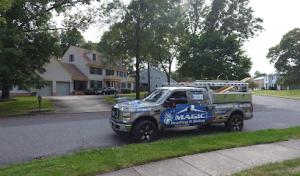
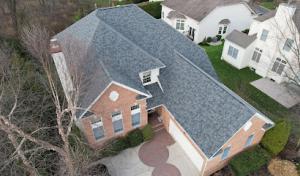

A full roof replacement typically triggers a building permit through the township Construction Department. In practice, you'll be navigating a process that starts with documenting the scope of work and the roofing material details, then submitting through the township portal or in person at the building department. The goal is to establish that the project meets local wind, fire, and structural standards while aligning with the way newer and older homes were built in the area. Expect requests for drawings or notes that clarify vent locations, flashing material, and any attic insulation adjustments tied to the replacement. Keep in mind that the township's permit review can surface questions about roof penetrations, drip edges, and the compatibility of the new roof with current venting configurations and attic ventilation strategies.
Inspections are not a single step but a sequence that runs during and after the project. Early checks often verify that the framing and ventilation paths are sound before shingles, tiles, or metal are installed in earnest. In practice, inspectors will confirm that venting and flashing are planned and installed to prevent ice damming and moisture intrusion, which are common concerns after freeze-thaw cycles. Later inspections focus on overall code compliance, confirming that the chosen roofing material and underlayment meet performance requirements for the region's humid summers and seasonal weather swings. Because many homes in the area use older roof lines or lookouts for attic access, expect questions about ridge and soffit venting, drip edge placement, and the compatibility of fasteners with sheathing and existing eave details.
After a storm, having the permit paperwork organized helps with insurance documentation and claim review. Gather the permit approval letter, the approved scope of work, and any approved plan amendments that show how venting and flashing will be upgraded or preserved. If a prior leak or damage exists, include photos and notes that demonstrate the origin of the damage and how the new installation will address it-especially around chimneys, skylights, and transitions to dissimilar materials. During inspections, keep records of any changes mandated by the inspector, since those adjustments can affect insurance claims and future maintenance. Ultimately, the permit and inspection trail provides a concrete record that the project was completed to code and with attention to drainage, venting, and weather resilience.
In this area, you'll notice a clear spread by material. Asphalt shingles run about 350 to 700 per square, a common baseline for older suburban homes with standard detailing. If metal appeals, expect 650 to 1200 per square, which reflects sturdier panels and faster installation in some storm-resilient configurations. Clay tile often lands between 1000 and 2500 per square, with concrete tile from 900 to 1500 per square offering a durable option for homes with deeper roof lines or higher wind resistance. Wood shingles or shakes cluster around 500 to 900 per square, while synthetic or composite shingles sit between 450 and 900 per square. These ranges reflect the practical realities of Lawrence's mix of mid-century and newer builds, plus the local preference for performance over price in storm-prone years.
When a Nor'easter, strong wind event, or heavy rain sweeps through central New Jersey, scheduling tightens quickly. Contractors juggle emergency repairs, inspections, and material lead times, and that pressure often shows up as higher bids or expedited timelines. In Lawrence, those conditions can push the bottom-line price a bit higher than the calm-season baseline, particularly for replacements that require quick mobilization or extended crew availability. If a storm leaves visible leaks or attic moisture, be prepared for a faster decision cycle to avoid longer-term damage, which can translate into higher overall project costs.
Certain details make a meaningful dent in the final number. Penetrations around skylights, chimneys, and vent stacks require careful flashing and waterproofing work-areas where quality workmanship matters and costs can rise accordingly. The existing roof geometry also matters: steeper pitches, complex ridges, or multiple valleys demand more labor and specialized equipment, which nudges prices up. Material choice beyond the basics affects long-term value too; while premium shingles or metal may cost more upfront, they can offer better wind resistance and fewer maintenance calls after heavy rain. If your plan includes upgrading underlayment, ventilation, or attic insulation as part of the replacement, expect those items to add to the total.
Accurate Roofing & Siding
(609) 599-1632 www.accurateroofing.com
220 Lawrenceville Rd, Lawrence Township, New Jersey
4.9 from 301 reviews
Top-rated roofing and siding contractor serving New Jersey and Pennsylvania homeowners and businesses. We offer roof, gutters, siding and trim installation and repairs, and windows, skylights and door replacement. Since 1987 our family-owned and managed company has been delivering on our promise of quality workmanship and dedicated customer service.
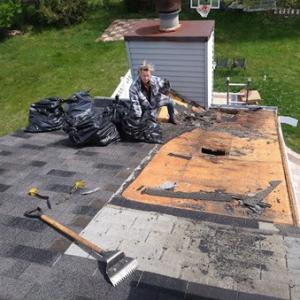
Mercer Roofing & Siding
(609) 414-6369 mercerroofingandsiding.com
1735 Brunswick Ave, Lawrence Township, New Jersey
4.9 from 55 reviews
We are a New Jerseys well known and respected roofing contractor. We specialize in roofing repair and replacement, skylights and chimneys. No job is too small or too big for our talented mater roofers.
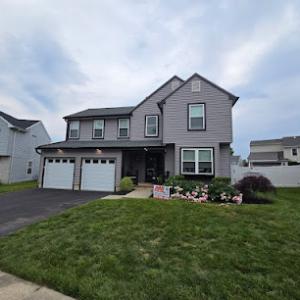
AD Roofing
(609) 540-2983 www.adroofinginc.com
Serving
5.0 from 212 reviews
AD Roofing provides services for roofing, siding, gutters, windows, doors, kitchen remodeling, and bathroom remodeling in New Jersey and Southeast Pennsylvania.
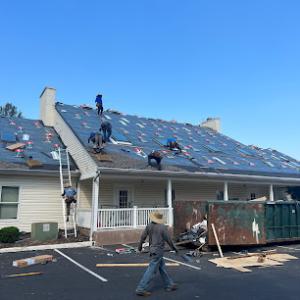
Legacy Roofing
(609) 955-1097 www.legacyroofingllc.us
Serving
5.0 from 129 reviews
Family owned company offering replacement and repairs of Shingles Roofing, flat roofs, TPO, EPDM, Rubber roofs, roof coating, Vinyl Siding, Seamless Gutters and Gutter guards windows replacement services and more
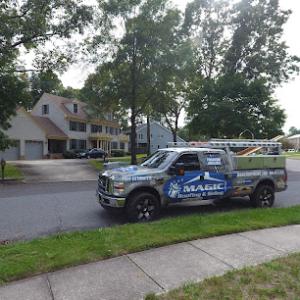
Magic Roofing & siding
(888) 314-2793 www.magicroofingllc.com
Serving
4.7 from 560 reviews
Magic Roofing & Siding is a roofing contractor / roofer serving the Trenton, NJ area. Services include Roofing, Roof Repair, Roof Installation, Roof Replacement, Roof Maintenance, Commercial Roofing, Shingle Roofs, Tile Roofs, Metal Roofs, Flat Roofs, Siding Installation, Vinyl Siding, Vinyl Siding Repair and Gutters & Downspouts.
Roof Wizards
(609) 394-9273 roofwizards.com
Serving
4.9 from 175 reviews
Roof Wizards is your trusted local roofing contractors; a GAF Master Elite Roofer. Your roof is one of the most important parts of your home; it protects you and your family from the elements and plays a major role in your property’s curb appeal. That’s why we’re dedicated to providing top-quality roofing services to residents in Trenton, NJ, Mercer County, NJ, Levittown, PA, and Bucks County, PA. We are a family-owned and operated business with over 25 years of experience in the roofing industry. We’re a local roofing company you can trust to provide expert advice and exceptional service.
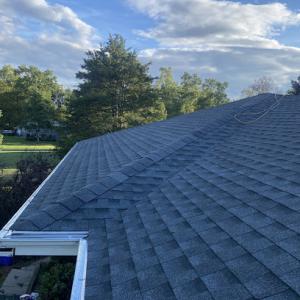
Fern Family Roofing
(609) 222-1308 fernfamilyroofing.com
Serving
5.0 from 73 reviews
Fern Family Roofing is the neighborhood roofing company you are looking for. Providing contracting services in New Jersey & surrounding areas. We're a family-owned business with over 25 years of experience in the roofing industry. We tailor ourselves to our clients and aim to provide a great experience. We want to create a relationship with the customer in which you will feel glad to call us years down the line.

Avany Contractors
(888) 959-8883 www.avanyroofingllc.com
Serving
5.0 from 22 reviews
We're specialist in roofs, siding, gutters, decks, windows, doors & more.
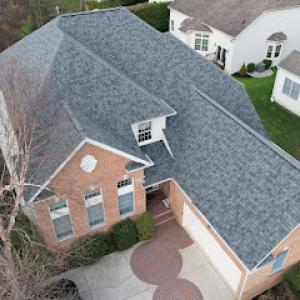
Eleven Exterior
(201) 800-5856 www.elevenexterior.com
Serving
5.0 from 24 reviews
Family-owned and local, Eleven Exterior is a GAF-Certified, Google Guaranteed contractor—licensed, insured & bonded for total peace of mind. Since 2006 we’ve served Highland Park, Edison, and all Middlesex County. Our mission: deliver humane, honest service that deliver value to customer and builds long-term, win-win relationships. Searching for roofers in Highland Park? Factory-trained crews finish most roof, siding, gutter, and storm-damage jobs in one day, installing architectural shingles, James Hardie or Ply Gem siding, and copper/aluminum seamless gutters. Enjoy a free 30-minute inspection, photo report, and transparent quote—no upsells. Backed by 50 + five-star reviews and strong workmanship warranties for lasting confidence.
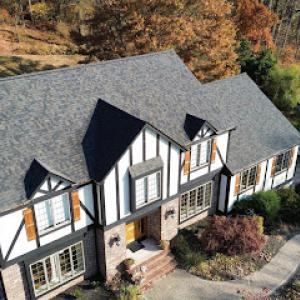
Unique Roofing & Restoration
(609) 245-8364 www.uniqueroofingrestoration.com
Serving
5.0 from 51 reviews
Welcome to Unique Roofing & Restoration, your premier destination for exceptional roofing and restoration services. With years of experience and a commitment to excellence, we take pride in providing top-notch solutions tailored to meet the unique needs of every client. Whether it’s a minor repair, a complete roof replacement, or a comprehensive restoration project, our team of skilled professionals is dedicated to delivering superior quality and unmatched craftsmanship. We understand that your home is your sanctuary, and we strive to protect and enhance it with our reliable, efficient, and affordable services.

M&R Roofing
(609) 414-1228 mrroofingllc.com
Serving
4.9 from 304 reviews
M&R Roofing is a premier exterior remodeling company headquartered in Trenton, NJ, dedicated to enhancing the beauty, durability, and value of homes across the region. With a steadfast commitment to quality craftsmanship, customer satisfaction, and attention to detail, M&R Roofing has earned a reputation as the go-to partner for all exterior renovation needs. Ready to transform your home's exterior? Contact M&R Roofing today to schedule a consultation with one of our experts. Let us bring your vision to life and make your home the envy of the neighborhood with our unmatched craftsmanship and dedication to excellence.

Dream Home Roofing
Serving
4.9 from 361 reviews
Dream Home Roofing is a trusted, top-rated roofing company serving New Jersey, Eastern Pennsylvania, New York, and Connecticut. Since 2018, we’ve specialized in residential roof replacement, roof repair, siding installation, gutter solutions, solar panel removal and reinstall, and storm damage restoration. Our licensed and insured team is known for honest service, expert craftsmanship, and reliable results. We’re committed to protecting your home with high-quality, affordable exterior solutions and exceptional customer care. Contact us today to schedule your free roof inspection and get the professional service your home deserves.
New Jersey is a frequent storm-claim environment, so your adjuster may ask for dated photos, measurements, roof age, and prior maintenance records. In practice, this means gathering evidence quickly after a storm: take clear photos from multiple angles, note the date on each image, and keep repair receipts or service reports that show what was done before the event. Having a concise timeline helps you tell a coherent story about what happened and when.
Some carriers may limit coverage on older roofs or be stricter about upgrade requests, which makes pre-loss documentation especially valuable before a storm hits. If you've kept a record of recent maintenance or upgrades, share that with your insurer. Documenting a brick-by-brick history of the roof's condition can support a claim for necessary repairs rather than a total replacement, especially when shingles or flashing show signs of wear consistent with age or prior weather exposure.
Because local weather often causes mixed damage patterns, homeowners should document shingles, flashing, skylights, and interior leak evidence together rather than only obvious exterior damage. A leak can travel and present as staining or mold in ceilings far from the visible roof line. Capture interior evidence such as stains, soft spots, or attic condensation, and note any prior water intrusion you've noticed. This holistic record helps distinguish fresh storm-related damage from pre-existing conditions and supports a clearer claim narrative.
Connect with contractors who help homeowners navigate the claims process from damage assessment to final approval.
Accurate Roofing & Siding
(609) 599-1632 www.accurateroofing.com
220 Lawrenceville Rd, Lawrence Township, New Jersey
4.9 from 301 reviews

In this area, attic ventilation and the way vent pipes tie into the roof line show up as predictable weak spots after every big thaw or heavy rain. You'll hear about condensation in the attic, frost or ice damming near soffits, and flashing that looks fine from the ground but leaks where the nail line meets the valley. When you inspect, focus on any signs of uneven attic airflow, sagging or discolored decking near vents, and whether the flashing around vents and exhausts has been sealed with a consistent bead and proper counter-flashing. If a contractor neglects the transition details, heat and moisture can chase you back to leaks that feel "new" after every season change.
Chimney work comes up often in this market and is a common source of ongoing leaks. Look for missing or cracked mortar joints, gaps where the flashing meets the chimney photo line, and rust on the metal step flashing that travels up the chimney side. The real danger is cumulative water intrusion: a small drip at the base can wick into brick and wood, widening gaps over time. When you're evaluating, ask specifically about the chimney cricket or saddle, the alignment of crown or cap, and how the flashing is integrated with the roof plane to keep water from traveling down the side of the chimney.
Skylights are a frequent diagnosis puzzle because leaks can originate in several areas at once. You'll want to separate whether it's glazing failure, a curb that's cracked or settling, or flashing that has pulled away from the surrounding field roof. The surrounding shingles can also curl or lift first, masking the true source. Inspect the curb for gaps, confirm the flashing lap along the skylight is tight, and trace any damp spots to their highest point to see if the seal around the skylight itself or the vertical siding near the opening is letting water in. This is one of those issues where a small initial drip often hints at a larger, gradual failure if left unchecked.
Find contractors experienced in skylight installation, flashing, and leak repairs to bring natural light into your home.
Accurate Roofing & Siding
(609) 599-1632 www.accurateroofing.com
220 Lawrenceville Rd, Lawrence Township, New Jersey
4.9 from 301 reviews
Mercer Roofing & Siding
(609) 414-6369 mercerroofingandsiding.com
1735 Brunswick Ave, Lawrence Township, New Jersey
4.9 from 55 reviews