Last updated: Apr 19, 2026
When a storm hits, the strongest signal in this market is emergency repair. A rapid containment plan can keep attic, ceiling, and drywall damage from spiraling. If water is actively dripping, move quickly: stay off wet decking and avoid standing under active leaks. Set up a dry work area inside the attic or upstairs room by placing tarps or plastic sheeting over exposed rafters and sealing large gaps with duct tape or specialty leak tape. If you have a utility sink or bucket nearby, place it under the dripping spot to manage ongoing water until a professional arrives. Time matters because the longer water flows, the more structural and insulation damage can occur, especially during freeze-thaw cycles that tighten and fracture shingles. Have a reliable tarp readily available or a temporary cover kit on hand, and know the safest route to access the roof so you don't risk a later fall or further damage.
Seasonal risk here often comes from fall wind storms, which push sticks, shingles, and other debris onto vulnerable roofs. After a wind event, inspect for missing or torn shingles, lifted flashing, and damaged soffits. If you notice shingles curling or tabs blown loose, treat that as an active leak risk even if you can't see water inside yet. For a homeowner, the priority is securing a durable temporary cover that stays put in gusts. Secure tarps with battens or weighted boards along the edges and, when safe, pin them with roofing nails or wood lag screws through the tarps into the roof deck from the overhanging edge where possible. Do not over-tighten-you want the tarp to shed wind rather than act like a sail. If a tall ladder is needed, have a helper steady you; never attempt to work alone in windy or slippery conditions. Document wind- and debris-related damage with photos from multiple angles for both your records and any insurance claim.
Regional claim activity spikes after big storms, so homeowners often face urgent mitigation needs alongside paperwork. Start a storm file: dated photos, a log of observed leaks, and a record of any temporary fixes you've implemented. Notify your insurer or adjuster promptly and ask for guidance on preferred contractors or preferred tarping methods. When you contact a roofer for a temporary patch, provide your claim number and the date of the storm so they can coordinate as part of your post-storm mitigation. Keep receipts for materials used in tarping, and take note of the time-sensitive nature of post-storm claims, which often hinges on showing proactive damage control and a clear path to a permanent repair once conditions improve. A quick, organized response now can prevent more extensive damage and smooth the path to a proper, weather-timed roof replacement later.
Spring in this market brings warmer days, but reliable rainfall can pause tear-offs and slow progress on a re-roof. In Somerset, the combination of frequent spring showers and lingering moisture means you should plan for a longer installation window than you might expect. If old roofing is removed early in spring, be prepared to address decking moisture promptly; hidden rot or exposed plywood often shows up only after the old layer comes off. A practical approach is to stage the work so the crew can react to wet weather without leaving large openings exposed, and to schedule the bulk of the work during sunny, drier stretches when possible. Target weeks with forecasted low precipitation and moderate temperatures to minimize heat-related decking stress and edge material shrinkage. If a storm hits mid-tear-off, protect the interior with tarps and ensure ventilation is adequate to prevent condensation buildup in attic spaces.
Autumn offers a favorable balance in this area, but it comes with a tight window before the first frosts. In Somerset, dry, cooler days help sealants and underlayment perform as intended, while a calm fall reduces the risk of mid-project weather delays. The timing strategy is to complete the tear-off and inspection of decking early in the season, then finish with shingles or panels once temperatures remain comfortably above freezing at night. Fall also allows any incidental repairs to be finished before winter sets in, reducing the chance of a late-season call for emergency leaks. Pay attention to late-season rain, which can still interrupt progress, and coordinate with the crew to keep the roof dry and the house protected.
New Jersey's freeze-thaw cycles are specifically noted as shortening some roof lifespans, making winter installation windows less forgiving in Somerset. If winter work becomes unavoidable, expect shorter days and higher risk of ice dams and moisture infiltration. The preferred approach is to avoid full re-roofs in the coldest portion of winter unless a critical emergency forces the issue. If winter work is necessary, ensure the sheathing is dry to begin, use appropriate underlayment, and schedule wind-free, above-freezing conditions to minimize material contraction and expansion issues. The challenge in winter is keeping fasteners, membranes, and sealants performing reliably, so a cautious, staged plan with ample time buffers is essential.
Think ahead to a window when spring rains subside and late fall dryness aligns with your project timeline. Start with a thorough decking inspection as soon as old material is stripped away; address any soft spots before they escalate. Prioritize seasonal comfort and material performance: complete the bulk of work in moderate spring or fall conditions, use dry-cutting practices, and maintain attic ventilation during and after installation to prevent condensation. When storms threaten, have a contingency plan to tarp exposed areas and protect interior spaces, then resume promptly when the weather clears.
Spartan Roofing
(973) 938-2776 www.spartanroofing-nj.com
2150 Amwell Rd, Somerset, New Jersey
5.0 from 97 reviews
New Jersey's Most Trusted Roofing Company. Serving all of North Jersey and Central Jersey Areas!

Home Genius Exteriors
(732) 624-6442 homegeniusexteriors.com
399 Campus Dr Ste 311, Somerset, New Jersey
4.8 from 651 reviews
Elevate your home with Home Genius Exteriors, setting the standard in New Jersey by offering full-service solutions for roofing, siding, windows, doors, gutters and insulation. We support our veterans and communities by supporting local and national charitable organizations through our Home Genius Cares initiative. With an Owens Corning® Platinum Preferred designation, we also offer flexible payment options, industry leading warranties and a wide range of premium products tailored for your home. It’s time for a different experience, entrust your next home project to a genius and schedule your free inspection today!
Fisher Roofing
(732) 640-4318 roofingcompanysomerset.com
17 Bartle Rd, Somerset, New Jersey
4.2 from 28 reviews
Established in 2012, Fisher Roofing is a trusted, family-owned roofing contractor serving the Somerset community. Specializing in a wide range of services from new roof installations to comprehensive repairs, they handle both residential and commercial projects. Their expertise includes shingle and TPO roofing systems, ensuring quality craftsmanship for every job. With a strong commitment to honesty and integrity, Fisher Roofing delivers reliable and experienced service, ensuring every project is completed with meticulous attention to detail and a thorough cleanup.
Best Choice Roofing
(908) 933-0033 bestchoiceroofing.com
Serving
5.0 from 61 reviews
Best Choice Roofing is your trusted roofing expert and the Best Choice when it comes to choosing a Jersey Shore roofing company with a commitment to impeccable customer service and expert roof replacement, roof repairs, and custom roofing services. In business since 2009, Best Choice Roofing’s industry-leading contributions to the roofing industry include a customer-first mentality, a dedication to top-quality products and a leadership team focused on the growth of its people. Because of this framework, we have created a loyal base of customers all over the United States.

Lifetime Construction
Serving
5.0 from 74 reviews
Since 2015, Lifetime Construction has been the premier choice for homeowners in Middlesex County, NJ. As a fully licensed and insured roofing and construction company, we specialize in a range of services, including expert roof replacement, emergency repairs, siding, and comprehensive storm damage restoration. Our commitment to excellence is evident in every project, where we combine high-quality materials with superior craftsmanship for results that are both durable and aesthetically pleasing. We are dedicated to providing fast, reliable, and professional service, ensuring your peace of mind from the initial estimate to the final inspection.
Truss Pro Construction
Serving
5.0 from 47 reviews
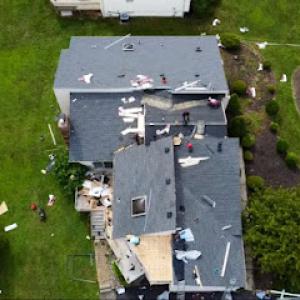
A construction and roofing company specializes in building, repairing, and maintaining structures, with a primary focus on the roof chimney siding gutters systems of buildings. The services include a range of activities related to the construction, installation, and upkeep of roofs, chimneys, siding, gutters which are essential for protecting a building from weather, maintaining insulation, and ensuring structural integrity.
Lincoln Roofing
(908) 307-1116 lincolngeneralconstruction.com
Serving
5.0 from 182 reviews
Lincoln Roofing is North Brunswick’s trusted roofing contractor for fast, reliable, and long-lasting roof solutions. We specialize in roof repairs, full roof replacements, leak detection, storm-damage restoration, and high-quality shingle, flat, and metal roofing. Our team delivers same-day inspections, fair pricing, and workmanship backed by warranty — all designed to keep your home safe, dry, and protected year-round. We proudly serve North Brunswick, South Brunswick, East Brunswick, New Brunswick, Edison, Somerset, and nearby Middlesex County. Call today for emergency repairs or a free estimate.

Double D Construction
(732) 981-0800 www.doubledconstructionnj.com
Serving
4.9 from 198 reviews
Transform your home inside and out with home improvement services from Double D Construction. We have many satisfied customer referrals in your area, demonstrating our ability and long-term commitment to providing you the best price, product, and service experience available.

Accurate Contractors II
Serving
4.6 from 18 reviews
Specializing in Residential Roofing, Installation, Repairs, Siding and Gutters! As a locally-owned and operated roofing company, Accurate Contractors ensures that we provide exceptional and quality exterior services to all of our clients in the New Jersey, Pennsylvania, and Delaware tri-state area. When searching for roofing contractors near me, look no further than Accurate Contractors. We have almost 25 years of experience in the roofing industry, which gives you peace of mind knowing that we have the knowledge to take care of your next roofing project. Give us a call today for your free estimate at609-847-1501.
J&M Roofing
(732) 797-8646 jmroofingindustries.com
Serving
4.8 from 72 reviews
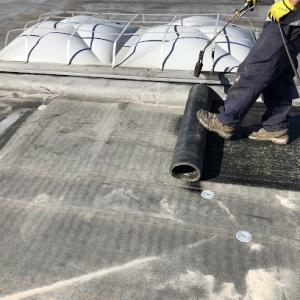
J&M Industries is a leading commercial roofing company serving New Jersey and New York. Known for our expertise and reliability, we offer a comprehensive range of roofing services, including installation, maintenance, and repair. With a commitment to quality and customer satisfaction, J&M Industries uses top-grade materials and the latest industry techniques to ensure durable and efficient roofing solutions for Commercial, Industrial and Residential Properties.
Aura Home Exteriors
(833) 498-0928 www.auraroof.com
Serving
5.0 from 104 reviews
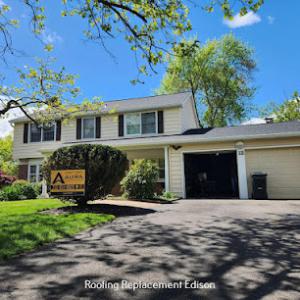
Aura Home Exteriors in Edison, NJ, specializes in professional roofing services, providing tailored solutions for roof replacement, repair, and installation. As a veteran-owned business, we emphasize transparency, accountability, and direct communication. Our team of skilled contractors uses top-quality materials from GAF, Owens Corning, Drexel, and CertainTeed to ensure durable and aesthetic results. We also offer siding, window, door, and gutter services to enhance your home's functionality and curb appeal. With a focus on safety, efficiency, and client satisfaction, we consistently deliver excellence and reliability, making us a trusted partner for your home improvement needs.
MLM Renovations
(908) 887-6414 www.mlmrenovations.com
Serving
4.9 from 57 reviews
MLM Renovations provides quality roofing and gutter installation & repairs to Middlesex and Monmouth County NJ and the surrounding areas. Contact us today to schedule a free estimate.
Asphalt shingles remain the dominant material for repairs and re-roofs in this area. They fit the broad mix of standard suburban construction, are familiar to local crews, and install quickly between rain storms. For annual weather swings-late snow, spring showers, and hot late summers-there is a practical balance of cost, ease of repair, and a solid warranty profile. If the house features modest roof pitches or older sheathing, asphalt shingles are often the most forgiving option, with a straightforward installation that minimizes disruption to nearby landscaping and outdoor living spaces.
For the larger, more characterful homes that dot the hillside neighborhoods and river-adjacent streets, the material range broadens. Slate and synthetic slate deliver exceptional long-term durability and a refined curb appeal that can withstand the region's freeze-thaw cycles with proper detailing. Clay tile brings a Mediterranean influence and robust weather resistance, but requires a careful assessment of roof structure to handle the weight and a reliable underlayment system. Cedar shakes provide a textured, traditional look and solid insulating properties, yet demand attention to moisture and potential decay in shaded or poorly ventilated areas. In Somerset, these higher-end options create a wider material decision range than many New Jersey towns, so choosing between them depends on the home's architectural style, the expected maintenance window, and the long-term vision for the property.
Metal roofing appears here and there, offering notable durability and a sleek, contemporary appearance. It tends to be chosen for its wind resistance and potential energy savings, but the upfront cost is higher and installation requires precise detailing, especially at valleys, penetrations, and transitions to gutters. In a climate with frequent rain and freeze-thaw stress, metal can be a strong long-term performer when installed correctly. Somerset homeowners weighing metal against traditional options should consider how the profile, color, and panel type complement the existing roofline and how the system will shed snow and water across multiple seasons.
Spring is a critical window for storm-driven leaks, so aligning material choice with the local weather pattern matters. Larger, heavier materials-tile, slate, and shakes-often benefit from a reinforced roof deck and careful spacing to prevent moisture infiltration during heavy rain. For modest suburban properties, pairing asphalt shingles with high-quality underlayment and venting remains a reliable strategy to manage condensation and freeze-thaw stress. Regardless of choice, ensure the installation includes attention to flashing at chimneys, skylights, and roof-to-wall connections, as these junctions are common leakage pathways during spring storms.
In this area, storm-driven leak calls spike after significant weather events, and that surge can push project timelines and pricing in unpredictable ways. When a major Nor'easter or strong spring hail hits, replacement demand can outpace crews, leading to shorter notice and higher labor bids. The local market shows a broad spread-from budget re-roofs to premium replacements-reflecting both aging suburban stock and newer, higher-end installations. That means your timing and planning should account for potential delays and price shifts tied to weather-driven demand.
Provided local pricing ranges run from 350 to 600 USD per square for asphalt shingles up to 1500 to 3200 USD per square for slate, showing a broad Somerset market from budget re-roofs to premium replacements. For other materials, you'll notice similar wide spreads influenced by labor intensity and disposal costs. Metal roofing tends to sit higher, often 700 to 1200 USD per square, with clay tile and synthetic slate occupying mid-to-high ranges. Cedar shakes land in the mid-range but can swing higher where labor or specialty finishing is required. When storms hit, the low end can tighten quickly as crews become scarce, while premium systems may see a more pronounced bump due to fewer nearby installers and longer material lead times.
Somerset's mix includes standard shingles and labor-intensive premium systems like slate, tile, and cedar. That mix can widen labor and disposal costs from one neighborhood to another, especially where properties have unique rooflines, multiple dormers, or historically sensitive installations. A key practical step is to price not just the material but the finish and edge work: attic ventilation, underlayment upgrades, and flashing around chimneys and skylights can add a noticeable amount to the bill. In addition, storm-related demand can alter both scheduling and unit costs, so it's prudent to build a contingency for weather-driven changes and to request itemized bids that separate material costs from labor and disposal.
Don't let upfront costs delay a critical repair - these contractors offer payment plans to fit your budget.

Home Genius Exteriors
(732) 624-6442 homegeniusexteriors.com
399 Campus Dr Ste 311, Somerset, New Jersey
4.8 from 651 reviews
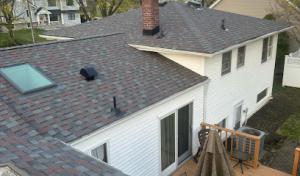
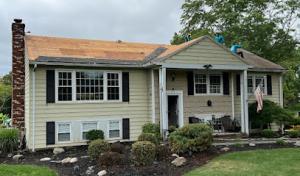
In this region, a building permit is typically required for a full re-roof, and this applies to most homes with aging or storm-damaged roofs. The permit ensures that materials, methods, and workmanship meet current code requirements and that roof replacements resist the freeze-thaw cycles that stress local shingle lines and underlayment. Because the local climate features sudden spring storms and rapid temperature swings, going through the permit process helps prevent leaks that could emerge after a quick, ad-hoc repair. A full re-roof is treated as a structural and weatherproofing upgrade, not just cosmetic improvement, so addressing ventilation, attic insulation, and proper underlayment details is part of what the permit review looks for.
The local building department handles permit submission and inspections for roofing work in Somerset. This means starting with the planning and submitting documents, rather than chasing permits through a private process. The department will require project details, including scope of work, roof area, attic ventilation changes if any, and the chosen roofing system. Typical documents include a job site plan, material specifications, and evidence of contractor licensing and insurance. The goal is to ensure that the installation aligns with current fire ratings, wind uplift requirements, and drainage considerations important for storm-driven leaks and high-wind events that can accompany late-spring storms.
After approval, an inspection is usually scheduled once roofing is installed. The first inspection verifies that the roof deck, underlayment, flashing, and penetrations meet code requirements and that attachment methods align with the specified roofing system. If any aspects fall short, a follow-up inspection is scheduled after corrective work is completed. The final inspection confirms code compliance and ensures all elements-from eave edge metal to ridge vent placement-are installed to withstand Somerset's typical storm patterns and freeze-thaw cycles. It is important to coordinate with the contractor so that access is available for inspectors and that any temporary weather protection is removed in time for the final check. The goal of the final inspection is to certify that the roof installation will perform reliably under the local climate, including heavy rains and temperature swings common in spring and fall.
Plan to initiate the permit early in a project, especially when weather windows are tight. Keep documentation organized, including product data sheets and installation manuals that reflect the chosen system's requirements. Communicate with the contractor about inspection readiness-on the day of inspection, ensure that access to the roof and attic is clear and that any temporary coverings do not obscure critical components. Note that timely inspections reduce the risk of weather-related delays and ensure that a storm-driven leak response plan remains aligned with a properly permitted and code-compliant installation. Since a building permit is typically required for a full re-roof, securing approval before work begins saves potential rework and surprises during the final check.
The regional New Jersey insurance market sees periodic storm-related roofing claims, which directly affects Somerset homeowners after major weather events. That reality means the day after a storm can bring more questions than clear answers, and an insurance adjuster may arrive with expectations shaped by recent claim history across town. The decision to replace a roof can become intertwined with what the carrier will cover, not only what the roof needs for long-term protection. A careful homeowner surveys the damage, but understands that the insurer's view of age, wear, and warranty status can steer the outcome as much as the physical damage itself.
Insurers commonly require photos, documentation, and a contractor estimate, so Somerset homeowners need to document damage before temporary repairs hide evidence. Take clear photos from multiple angles, including close-ups of shingles lifted by wind, granule loss, and any interior staining visible on ceilings or attic spaces. Keep a dated record of storms and the dates of any temporary tarping or shingle replacements, and save all receipts for materials or services related to immediate protection. When reporting a claim, present a concise summary of the storm's timing, the extent of visible damage, and how conditions in the following days worsened the issue. A well-documented file reduces back-and-forth with the insurer and helps ensure the adjustment reflects reality on the roof.
Coverage and underwriting may change based on roof age and warranty, making replacement timing in Somerset partly an insurance decision rather than only a maintenance decision. The weather realities, especially spring and autumn freeze-thaw cycles, can amplify damage quickly after a storm, so the choice to move to full replacement should weigh how much deterioration is likely over the coming season against what the policy will authorize. Stay proactive: if the claim process signals a likely fit for replacement, aligning with a trusted contractor and the insurer early can curb escalation from a lingering leak to structural risk.
Connect with contractors who help homeowners navigate the claims process from damage assessment to final approval.

In this area, skylight work is one of the strongest specialty signals that leak-prone penetrations are a recurring concern for homeowners. If a ceiling shows a damp spot directly under a skylight, start with the flashing and seal around the curb, not just the glass. The frequent rain in this region makes watertight flashing around skylights a top priority, especially where the roof plane meets the curb or flashing up into a valley. When planning maintenance, verify that the skylight flashing is continuous, the sealant beads are intact, and the head and jam flashing sit firmly against the surrounding roofing surface. For aging skylights, consider resealing or replacing the curb with factory-tested components, and ensure the shingle-to-flash transition is properly integrated to avoid capillary wicking at the fasteners.
Chimney-related work is also highly prevalent in the local contractor market, which points to flashing and masonry-adjacent roof details as recurring trouble spots. Start by inspecting the base flashing where the chimney meets the roof deck; look for gaps, rust staining, or popped nails. Step flashings should extend up the sides and be tucked under shingles with proper overlaps to shed water away from the masonry joints. If brick or stonework shows mortar deterioration, address that along with the flashing, because moisture can travel laterally and find its way behind the flashing. In colder seasons, freeze-thaw cycles magnify any tiny gaps, so timely resealing and re-flashing is a wise move to prevent chimney leaks from becoming interior rot.
Because rain is common, plan a two-part check: after a heavy storm and before winter. Visually inspect protrusions in areas with repetitive drip lines to identify potential flashing failures. On the interior side, look for staining along ceilings adjacent to skylights or chimneys, and listen for unusual drip sounds during steady rain. When you hire a local roofer, emphasize enhanced flashing around skylights and chimneys, and ask for a targeted plan that aligns with the house's age and masonry condition. This approach helps keep roofs tight through the spring storms and the variable weather that follows.
Find contractors experienced in skylight installation, flashing, and leak repairs to bring natural light into your home.
Spartan Roofing
(973) 938-2776 www.spartanroofing-nj.com
2150 Amwell Rd, Somerset, New Jersey
5.0 from 97 reviews
Fisher Roofing
(732) 640-4318 roofingcompanysomerset.com
17 Bartle Rd, Somerset, New Jersey
4.2 from 28 reviews
Flat-roof work is a notable specialty in this area, with many additions, porches, and mixed residential-commercial buildings featuring low-slope sections. That local focus means you'll encounter contractors who understand the challenges unique to Somerset's climate and housing stock, from dew-heavy mornings to rapid response after a storm. The everyday reality is that these low-slope areas often set the tone for overall roof performance, especially in neighborhoods with older homes that have undergone additions over the years.
Spring moisture is a real concern for decking when low-slope sections trap water longer than steep-slope counterparts. In practice, that means you should pay closer attention to the condition of underlayment and plywood in any flat area after winter and during early spring rains. Regular inspections in late winter through early spring can catch minor leaks before they migrate, and you'll want to monitor transitions between low-slope zones and adjoining steeper sections, where water flow patterns can change quickly as the seasons shift.
Roof coating is a notable part of the local specialty mix. For aging low-slope portions, coatings can provide a restoration-friendly path that buys additional life without a full roof replacement. When considering coatings, look for products designed to resist ponding water, UV degradation, and temperature swings, and verify compatibility with existing membranes or deck surfaces. This approach is especially practical on porches and small flat add-ons that don't carry the same load as main roof decks.
In practice, establish a routine that includes a targeted visual check after heavy rains or wind-driven storms. Look for pooled water, blisters, or membrane edge lift along seams and perimeters. Maintain clear attic ventilation to reduce condensation that can condense on cold mornings and contribute to moisture-related decking problems. For existing flat or low-slope sections, keep an eye on flashing around vents and skylights, where leaks often begin.
Seek a local roofer with flat-roof specialization who can explain how Somerset's spring moisture patterns and freeze-thaw cycles influence your specific structure. A proven track record with low-slope assemblies, coatings, and timely storm-response work will be especially valuable in this market.
Find specialists in TPO, EPDM, and built-up flat roofing systems for residential and commercial properties.
Fisher Roofing
(732) 640-4318 roofingcompanysomerset.com
17 Bartle Rd, Somerset, New Jersey
4.2 from 28 reviews