
Last updated: Apr 19, 2026
North Brunswick roofs endure sharp winter swings: cold snaps followed by thawing events that push shingles, flashing, and underlayment to the limit. Freeze-thaw cycling accelerates premature aging, causing brittle shingles, hairline cracks, and micro-movements at joints. When snow sits on the roof, ice can form at eaves and in valleys, then expand with each freeze, stressing the vulnerable edges and fasteners. This means a roof that looked sound after last summer storms may hide creeping vulnerabilities that flare up with the first heavy temperature swing. Look closely at areas where shingles have lifted slightly, where granules have begun to shed unevenly, and at flashing along transitions such as chimneys, vents, and skylights. The signal to act is immediate: small defects left unaddressed become larger leaks after a tough winter.
Winter snow and ice damming are a recurring local risk, especially where attic heat loss and ventilation problems allow meltwater to refreeze at eaves. When warmth rises from the living space into the attic, melting snow travels down the roof and refreezes at the colder edge, creating an ice dam that can back up beneath shingles and into eaves, fascia, and walls. The consequences include peeled shingles, water intrusion, and hidden mold growth in attic rafter bays. The telltale signs are damp ceilings near exterior walls, stained insulation in the attic, and a persistent musty odor after storms. To blunt this pattern, you need consistent attic ventilation and a properly insulated roof deck. If attic vents are blocked by insulation, or soffit vents are obstructed, doom follows in the form of repeated leaks after storms. Action is to identify and correct heat leaks and to ensure a balanced venting strategy across the attic floor and along the ridge.
Frequent summer thunderstorms in inland Middlesex County create a second major damage pattern: wind-lifted shingles, flashing displacement, and leak events after heavy rain. A thunderstorm can overturn loose edges, peel back tabs, or shift metal flashings that protect roof penetrations. In this climate, asphalt shingles may start to curl or buckle along the edges after several seasons, while metal flashings can develop loose joints or corrosion if not sealed properly. The risk compounds when gutters clog or drainage is poor, allowing water to back up onto the roof surface during downpours. After a blast of wind or a heavy rain, inspect exposed ridge caps, step-flashings at dormers, and the intersection where roof planes meet walls. The faster the issue is spotted, the less interior damage will occur.
Spotting problems early is vital in this climate. Regular inspections should focus on the most vulnerable zones: valleys where two roof planes meet, around chimneys and vents, and along eaves where ice dams form. After a storm or a severe freeze-thaw cycle, look for loose shingles, lifted tabs, and damp or stained decking from the attic side. If any staining or damp spots appear on ceilings after heavy rain, assume water has penetrated and perform a cautious interior check for signs of mold or insulation saturation. Do not delay repairs when a single shingle is torn or flashing shows gaps. The cost of delay compounds quickly through escalating interior damage and more extensive roof work.
Immediate steps include validating attic insulation levels and ensuring an unobstructed airflow from soffits to ridge vents. Clear gutters and downspouts so winter meltwater does not pool near the roof edges. Seal any visible penetrations with corrosion-resistant flashing and ensure all fasteners are tight, not corroded or protruding. In high-wind conditions, consider reinforcing vulnerable edge areas with quality sealant and, where warranted, upgrading to more wind-resistant shingles or appropriate flashing materials. Schedule a professional roof health check at least once per year, preferably after the peak winter and before the peak storm season, to catch and correct issues before they escalate into interior damage.
In North Brunswick, replacement timing hinges on the swing between winter freeze-thaw stress and summer humidity. The goal is to avoid heavy work during peak freeze-thaw periods and when prolonged heat and humidity can accelerate aging of exposed materials. Practically, that means aligning major roof work with milder, drier seasons. Spring and fall are the most practical planning windows because they offer a buffer before the next round of winter or summer stress, and because attic and roof ventilation can be addressed in calm weather without the spike in humidity that follows the hottest days.
Spring storm activity can reveal damage that winter wear has quietly started, but there's a window before the long dry spells set in. After the last thaw, and before soil moisture drops, inspect for hidden issues around valleys, dormers, and eaves where ice dams tend to form. If the winter left soft wood or shingles cupped along the edges, plan an evaluation with a qualified roofing professional. The plan should distinguish between necessary repairs and a full replacement, because choosing repair when widespread damage exists can trap you in a cycle of patchwork that fails again with the next freeze-thaw cycle. A thorough spring assessment helps you time investments wisely, ensuring attic ventilation and drip edge alignment are ready to perform under warm conditions.
Autumn leaf accumulation from established neighborhood tree cover can conceal shingle loss and trap moisture near valleys and gutters before winter sets in. This is not just an aesthetic issue; buried debris and clogged eaves accelerate moisture retention at critical seams. In practice, schedule a late-summer to early-fall inspection that specifically checks under ridges and around roof penetrations. Clear gutters and ensure downspouts slope properly to move water away from the fascia before the first hard freeze. If a contractor flags widespread granule loss or accelerated aging around valleys, valley flashing, or chimney transitions, factor in timing that allows for preparation work-sealants, underlayment checks, and ventilation upgrades-without committing to the most humid days of late summer.
Start with a professional inspection in early spring to document damage from the previous winter and to verify ventilation adequacy. If spring findings point to isolated repairs, you can schedule those promptly to keep the roof watertight through the spring storms; if multiple areas show aging, begin planning for a full replacement window with a crew that can complete before the next summer's humidity peaks. In early fall, arrange a follow-up evaluation to confirm that no new issues have developed from leaf debris or late-season moisture. If the chimney, vents, or valleys show signs of significant wear, set up a replacement plan that targets those high-risk zones first, while coordinating with any ventilation upgrades that improve performance across the entire roof system. This approach minimizes the risk of cold-season moisture intrusion and supports a durable, code-resilient installation when performed in the optimal seasonal pocket.
Get a clear picture of your project costs upfront - no commitment required.
Truss Pro Construction
Serving
5.0 from 47 reviews
A construction and roofing company specializes in building, repairing, and maintaining structures, with a primary focus on the roof chimney siding gutters systems of buildings. The services include a range of activities related to the construction, installation, and upkeep of roofs, chimneys, siding, gutters which are essential for protecting a building from weather, maintaining insulation, and ensuring structural integrity.
Lincoln Roofing
(908) 307-1116 lincolngeneralconstruction.com
Serving
5.0 from 182 reviews
Lincoln Roofing is North Brunswick’s trusted roofing contractor for fast, reliable, and long-lasting roof solutions. We specialize in roof repairs, full roof replacements, leak detection, storm-damage restoration, and high-quality shingle, flat, and metal roofing. Our team delivers same-day inspections, fair pricing, and workmanship backed by warranty — all designed to keep your home safe, dry, and protected year-round. We proudly serve North Brunswick, South Brunswick, East Brunswick, New Brunswick, Edison, Somerset, and nearby Middlesex County. Call today for emergency repairs or a free estimate.
Best Choice Roofing
(908) 933-0033 bestchoiceroofing.com
Serving
5.0 from 61 reviews
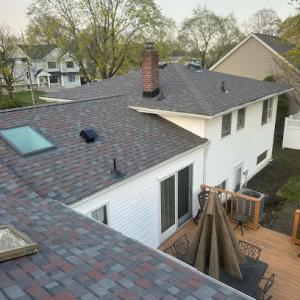
Best Choice Roofing is your trusted roofing expert and the Best Choice when it comes to choosing a Jersey Shore roofing company with a commitment to impeccable customer service and expert roof replacement, roof repairs, and custom roofing services. In business since 2009, Best Choice Roofing’s industry-leading contributions to the roofing industry include a customer-first mentality, a dedication to top-quality products and a leadership team focused on the growth of its people. Because of this framework, we have created a loyal base of customers all over the United States.

Lifetime Construction
Serving
5.0 from 74 reviews
Since 2015, Lifetime Construction has been the premier choice for homeowners in Middlesex County, NJ. As a fully licensed and insured roofing and construction company, we specialize in a range of services, including expert roof replacement, emergency repairs, siding, and comprehensive storm damage restoration. Our commitment to excellence is evident in every project, where we combine high-quality materials with superior craftsmanship for results that are both durable and aesthetically pleasing. We are dedicated to providing fast, reliable, and professional service, ensuring your peace of mind from the initial estimate to the final inspection.
MLM Renovations
(908) 887-6414 www.mlmrenovations.com
Serving
4.9 from 57 reviews
MLM Renovations provides quality roofing and gutter installation & repairs to Middlesex and Monmouth County NJ and the surrounding areas. Contact us today to schedule a free estimate.
Asch Roofing
(732) 238-9917 www.aschroofing.com
Serving
4.7 from 144 reviews
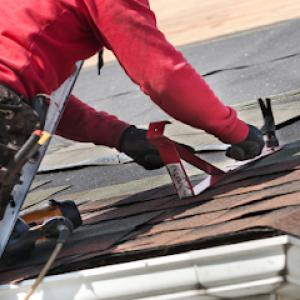
Asch Roofing has been the cornerstone of reliable roofing & siding services in Monmouth Junction, New Jersey. For over six decades, our family-owned and operated business has been dedicated to protecting your home with quality craftsmanship and unparalleled expertise. We understand the importance of a sturdy, dependable roof, and we're committed to providing solutions that stand the test of time.

WeatherSeal Roofing & Gutters
(732) 576-3899 weathersealnj.com
Serving
5.0 from 324 reviews
At WeatherSeal Roofing we pride ourself in providing outstanding customer service with unbeatable quality. Whether you are replacing an existing roof or gutter system, or installing on a new building, we always offer FREE inspections and estimates on all our services. We will always stand behind our products and do anything it takes to achieve 100% customer satisfaction!
Fisher Roofing
(732) 640-4318 roofingcompanysomerset.com
Serving
4.2 from 28 reviews
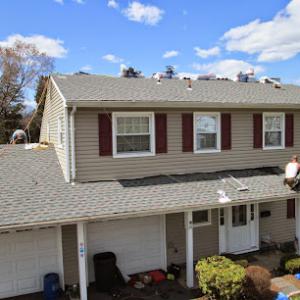
Established in 2012, Fisher Roofing is a trusted, family-owned roofing contractor serving the Somerset community. Specializing in a wide range of services from new roof installations to comprehensive repairs, they handle both residential and commercial projects. Their expertise includes shingle and TPO roofing systems, ensuring quality craftsmanship for every job. With a strong commitment to honesty and integrity, Fisher Roofing delivers reliable and experienced service, ensuring every project is completed with meticulous attention to detail and a thorough cleanup.
T. Barkocy
(201) 841-0073 skylightspecialist.com
Serving
4.6 from 46 reviews
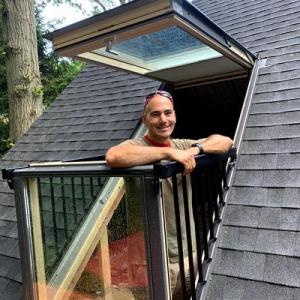
T. Barkocy offers superior roofing services. Being a second generation roofer with 30+ years, I noticed a market for roof repairs and skylight installations/repairs/replacements. I specialize in repairing existing roofs. Whether it be metal, slate, wood, tile or asphalt, I am well versed to repair your home's roof. I am also versed in flat roofing materials, such as EPDM and modified bituminous. Many residential roofing contractors are not trained on how to properly install roof flashings, etc. I am second gen. taught by my father. I offer a 5 year guarantee for all of the work that I complete. Along with roof repairs, I am also a VELUX certified Skylight Specialist. Whether it be a new install, repair or replacement, I can assist you.
Property Management General Contracting
Serving
5.0 from 19 reviews
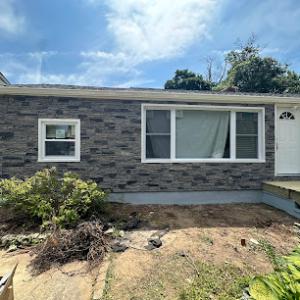
Located in East Brunswick, NJ, Property Management General Contracting (PMGC) is a trusted name in full-service residential remodeling and construction. With 36+ years of experience, we specialize in roofing, siding, windows, kitchens, bathrooms, basements, decks, additions, home remodeling, and demolition. Known for quality craftsmanship, clear communication, and reliable project management, we serve homeowners and property managers across Middlesex and Monmouth counties with a commitment to safety, satisfaction, and lasting results.
Spartan Roofing
(973) 938-2776 www.spartanroofing-nj.com
Serving
5.0 from 97 reviews
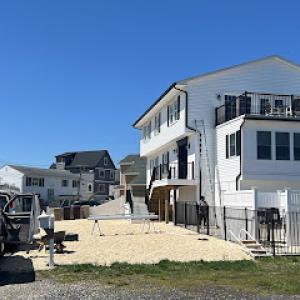
New Jersey's Most Trusted Roofing Company. Serving all of North Jersey and Central Jersey Areas!

Amore Homes Roofing & Siding
(732) 648-2195 amorehomesllc.com
Serving
5.0 from 69 reviews
Amore Homes Roofing & Siding is your trusted, full-service roofing and siding contractor based in Monroe Township, NJ. With over 20 years of experience serving homeowners across Monmouth and Middlesex Counties, we specialize in roof replacements, repairs, vinyl siding installations, double as home remodeling contractors. Our team is fully GAF-certified, licensed and insured ensuring top-tier workmanship and lasting results. We offer free, no-pressure estimates, competitive pricing, and fast turnaround times and as proud members of the community, we stand by our work and are committed to delivering honest service, quality craftsmanship, and real value on every job. With over 20 years of experience, we are confident in any home project!
Asphalt shingles are the dominant fit for this housing stock, and for good reason. They're familiar to local crews, widely supported by contractors, and well suited to the typical re-roofing projects that come through the township. In North Brunswick's freeze-thaw cycles, asphalt shingles with a higher asphalt stiffness and fortified granules tend to resist cracking and granule loss better than older, lighter configurations. The broad compatibility with underlayment systems helps during wet springs and sudden afternoon storms, when moisture infiltration can expose vulnerable edges. If a home needs a straightforward, cost-effective upgrade that aligns with available local labor, asphalt remains the most predictable choice. When selecting shingles, look for products with good wind resistance and durable granules that minimize granule shedding after a sharp freeze.
Metal roofing shows up in the market around here, yet it does not usually replace asphalt as the default choice. The appeal lies in durability and standout weather resistance, particularly against storm-driven impacts and local temperature swings. Metal panels or shingles can shed snow more predictably and resist the memory of ice damming better in some configurations. However, installation and panel choice matter greatly for long-term performance in this climate. A metal roof that's properly vented and integrated with appropriate underlayment and flashing will typically outperform in wind events and in years with heavy thaw cycles. For a homeowner weighing options, metal becomes a strong candidate when the plan includes extended service life, a desire for a lighter roof profile, or a preference for a modern look that still respects the surrounding neighborhood aesthetics. Expect variations in cost and weight that influence how the existing structure handles the retrofit, and ensure the finished system matches the local climate realities.
Tile options (clay or concrete) and wood shakes find a niche in North Brunswick, but their use is more selective. Tile brings excellent longevity and a distinctive curb appeal, yet the township's typical re-roofing activity often favors the faster, more installer-ready asphalt approach. Clay and concrete tiles can also be heavier, requiring structural verification and careful installation to cope with freeze-thaw cycles and the seasonally driven moisture load. Wood shakes and synthetic shingles offer visual variety and improved insulation when paired with proper ventilation, but they demand more maintenance and higher upfront care in the face of humidity and storm-washed debris. Synthetic composites provide a middle ground-resilience with lower maintenance-but local contractor portfolios tend to skew toward asphalt-based applications unless the homeowner has a specific design goal or historical home need. In practice, these materials are best reserved for homes with particular aesthetic goals or reconstruction plans that align with contractor capability and neighborhood styling norms.
When evaluating options, consider how each system handles ice dam risk and wind-driven rain. The interplay between roof slope, attic ventilation, and insulation is central to minimizing freeze-thaw damage. North Brunswick homes with moderate to steep pitches tend to benefit from systems that maintain edge protection during snow events and provide reliable sealant performance around penetrations. Aesthetics should meet the neighborhood character while ensuring that the chosen material and its installation method stand up to seasonal deluges and icy buildup. In the end, the right choice balances familiar local contractor support, expected maintenance, and the home's architectural language, delivering a roof that ages gracefully through Central New Jersey winters.
When you plan a roof replacement or major repair, use the per-square ranges shown for North Brunswick's market. Asphalt shingles typically sit at the lower end of the local spectrum, while tile systems push toward the higher end. For a standard 10-by-10 foot square of roofing (that's 100 square feet), the numbers translate to roughly $3,500-$7,500 for asphalt shingles, and about $9,000-$21,000 for clay tile, depending on quality and features. Metal roofing tends to land in the middle-to-upper part of the scale, often $6,000-$12,000 per square. Concrete tile sits between clay and metal, generally $8,000-$17,000 per square. Wood shingles or shakes carry a mid-to-high range, roughly $6,500-$13,000 per square, and synthetic or composite shingles hover around $4,50-$9,00 per square. These figures are your anchor for budgeting and comparison.
North Brunswick experiences freeze-thaw cycles that accelerate aging and increase the likelihood of hidden damage. Ice damming, especially on steeper or lower-slope sections, can elevate preliminary inspection costs and spur more extensive underlayment and ventilation work. In summer, humid storms bring wind-driven rain and hail exposure that stress edge flashings and ridge caps. In practical terms, that means your project may shift from a straightforward material swap to a more comprehensive package: upgraded underlayment, enhanced ventilation, and targeted deck repairs. Expect these adjustments to move the total well above material-only pricing, particularly if damaged sheathing or missing attic ventilation is discovered during the work.
During or just after a heavy storm, local crews can be in high demand, which may create a spike in response times and labor costs. Emergency leak work and rapid temporary fixes can extend the timeline and drive up short-notice labor charges before a full replacement is scheduled. If you're coordinating a replacement to minimize downtime during peak storm periods, consider advance scheduling and a flexible window for the project to reduce the impact of hourly labor surcharges and crew availability.
Ventilation improvements are a common necessity when a replacement is planned in this area, especially if an older home lacks proper intake and exhaust balance. If the project triggers ventilation upgrades or code-correction work, those costs sit outside the base material pricing and can add meaningfully to the overall bill. Planning for this ahead of time helps keep the project within your budget and avoids sticker shock when the crew identifies needs during the on-site assessment.
Don't let upfront costs delay a critical repair - these contractors offer payment plans to fit your budget.
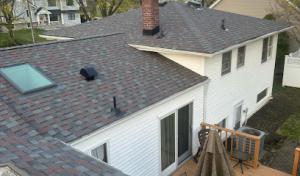

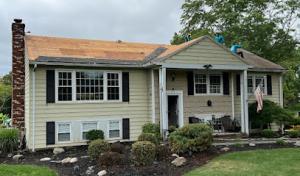
A full roof replacement in North Brunswick typically requires a building permit issued by the North Brunswick Township Building Department. This isn't just a regulatory box to check; it's a safeguard that connects ventilation, attic air flow, and proper venting to the overall life of the roof. If the job plan skims over attic ventilation or draft management, the permit decision will reflect that gap. The process emphasizes not only the visible roofing surface but the hidden systems that keep your home dry and energy-efficient through freeze-thaw cycles.
The local process generally includes permit application, plan review when required, permit issuance, and scheduled inspections during and after the work. The application packet should document roof scope, venting layout, and any changes to existing attic or crawlspace ventilation. Plan review is more likely to occur for larger or more complex replacements, especially if new roof vents or mechanical equipment are proposed. Expect a timeline that aligns with township schedules and weather, and be prepared for a few rounds of paperwork if the plans don't yet reflect code expectations for ventilation performance.
Township inspections are used to verify code compliance and to confirm venting and draft-related requirements, making ventilation details especially important on replacement jobs. In practice, this means the inspector will look for properly sized soffit and ridge vents, baffles where needed, and sealed attic access that does not impede air movement. Poor ventilation in a replacement can lead to moisture buildup, accelerated aging of decking, and increased ice dam risk during the winter. Plan for a ventilation strategy that aligns with the roofing system chosen and the attic's current configuration.
Inspections typically occur at key milestones: before the new roof coverings go on, during installation, and after completion to verify everything from nailing patterns to flashing and vent integrity. Inspection results can introduce required adjustments before the project proceeds, and failing a stage can delay subsequent work. If weather or material delays push the schedule, coordinate with the Building Department to maintain compliance windows and ensure the completed roof will pass final inspection without costly remakes.
After a harsh winter and spring storm season, you'll notice that coverage terms in this market tighten up, and approvals for replacement can be delayed or deferred. This isn't about a lack of concern for safety-it's a tightening that affects whether a roof is repaired or fully replaced. In practice, carriers scrutinize whether the claim aligns with the roof's age, the observed weather impact, and what the home's structure needs to stay compliant and weather-tight.
When the next storm passes, expect insurers to request detailed photo documentation, contractor scopes, and precise damage descriptions. Your photos should clearly show shingle edges, flashing around chimneys and vents, gutters, and any interior signs of water intrusion that began at the roof line. Include dates, weather notes, and any immediate temporary measures you took to prevent further damage. A written contractor scope that itemizes each area of concern-ventilation, decking, underlayment, and flashing-helps the adjuster connect what is visible with what might be hidden but necessary for a full assessment.
Underwriters want to see how visible damage intersects with the roof's age and overall condition. Documenting prior wear, uneven granule loss, and any prior repairs helps demonstrate whether a repair is a short-term fix or a full replacement is warranted to restore long-term performance. If storm impact compounds existing vulnerabilities, your notes should explain how a code-related ventilation or insulation need is triggered by the age of the roof and the current climate realities.
Create a concise narrative that ties photos to a dated timeline, then attach the contractor's scope and a summary of observed conditions (decking integrity, underlayment status, and ventilation adequacy). The goal is to provide the insurer with a coherent story: visible damage, age-related wear, storm effects, and the practical reason a replacement may be the prudent path for reliable, long-term protection.
Connect with contractors who help homeowners navigate the claims process from damage assessment to final approval.

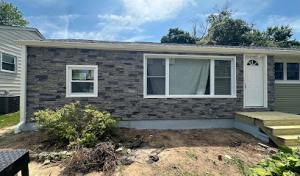
Skylight leaks are a meaningful specialty in the local market, signaling that penetrations and surrounding flashing are frequent homeowner concerns. In this climate, wind-driven rain during storms, plus snow and ice, tests the seal where the skylight meets the roof deck. The edge flashing and curb can fail or degrade over time, letting water travel horizontally before it drips into the attic. Expect a mix of pinhole leaks near the perimeters and larger seepage spots along the skylight flange, especially after a thaw followed by a fresh layer of cold air.
When water appears, isolate whether the entry is through the skylight, the flashing around it, or a nearby roof-plane seam. Begin by inspecting the skylight curb from inside for condensation, staining, or mold, then slide outside and check the sealant bead and corner miter joints. Move to the surrounding flashing where metal or roofing cement shows wear, gaps, or lifted edges. Do not assume a single source; North Brunswick homes commonly blend skylight, chimney, and roof-plane channels, so a careful tracing from the interior leak point to the exterior penetration is essential.
Address skylight leaks first by resealing or replacing the curb flashing and re-flashing the perimeter with heat-warden-compatible sealant. If the skylight itself shows a compromised seal, consider replacing the unit or installing a more robust curb with proper flashing integration. Ensure the valley and rake lines adjacent to the skylight are protected, and verify that any venting or insulation around the skylight maintains a dry, breathable gap. For persistent leaks, a targeted fix that reinforces transitions at the skylight-to-roof junction often exceeds simple field shingle repairs.
Chimney-related leaks are a frequent confounding factor in North Brunswick, so verify that repairs to the skylight do not overlook adjacent chimney flashing. Seasonal movement can re-stress the flashing after a freeze-thaw cycle, so recheck several days after a storm. A careful, layered approach-flashings, sealants, and, if needed, a rebuilt curb-tends to yield the most durable results in this market.
Find contractors experienced in skylight installation, flashing, and leak repairs to bring natural light into your home.
Although pitched residential re-roofing dominates North Brunswick, the local contractor market shows enough flat-roof activity to justify a separate low-slope section. In this area, snow retention, ponding after thunderstorms, and humid summers put extra stress on membranes and seams. A low-slope roof needs thoughtful detailing at edges, penetrations, and transitions to brighter days of spring. In practice, snow events often reveal a need for interior attic ventilation checks alongside surface repairs.
Popular choices for low-slope homes include built-up membranes, modified bitumen, and single-ply systems. In the Central New Jersey climate, you may see EPDM and TPO options, with data-backed performance for sun exposure and seasonal moisture. The right system depends on deck quality, insulation, and the roof's exposure to trees and wind. When choosing, consult a local roofer who understands how seasonal humidity affects sealants and ballast on these systems.
Freeze-thaw cycles can push water into seams in low-slope designs. Ice dam risk is present where roof-to-wall interfaces meet. High humidity in summer can accelerate chemical aging of seals and edge detail exposure. A membrane with a robust seam system and a well-vented edge detail helps resist these forces. Weather patterns here can create repetitive thermal cycling, so inspect membrane edge detailing and fasteners at least twice yearly.
Ventilation and insulation play a major role in flat roofs here, tying to the township's expectations for code-compliant ventilation and inspection. Ensure proper slope and drainage to reduce ponding, and specify wind uplift ratings suitable for storm-driven gusts. Choose flashings that integrate with parapets, curbs, and penetrations. Consider a dedicated walkable membrane area for service access during storm season to minimize disruption.
Roof coatings and restoration are present but secondary in this market, suggesting they are a niche option rather than the default recommendation for most township homeowners. Regular inspection after winter thaws and summer storms catches early pileups of debris, micro-cracks, and fastener issues. Schedule a professional roof-coating or membrane refresh as a niche option, with clear expectations about lifespan and performance under our humidity and heat cycles. A proactive approach reduces long-term risk of sudden leaks and keeps the house attic tight during freeze-thaw cycles. Schedule an annual check with a reputable local contractor. It builds lasting awareness too.
Find specialists in TPO, EPDM, and built-up flat roofing systems for residential and commercial properties.