
Last updated: Apr 19, 2026
Princeton's cold winters regularly bring freezing temperatures followed by thaws, a pattern that accelerates shingle brittleness, flashing movement, and underlayment stress. Each freeze snaps the outer layer of asphalt or composite shingles, while daytime sun during brief warm spells softens the surface just enough to promote micro-cracks when temperatures drop again. Over multiple seasons, those micro-cracks invite moisture to seep under seams, around nails, and into the roof deck. That repeated stress compounds faster than in milder climates, where dramatic temperature swings are less common. The result is a roof that's more vulnerable to wind-driven damage, hail impacts, and accelerated aging around roof penetrations such as chimneys, skylights, and vent stacks.
Snow loads and ice dams are a practical roofing concern in winter and can delay active replacement work or force temporary leak-control measures. As snow piles up, the weight on the roof increases, stressing sheathing and fasteners. When warmer afternoons cause roof sections to thaw and refreeze, meltwater can back up at the eaves, refreezing into ice dams that push against flashing and gutters. The consequence is not only surface staining or damp patches indoors, but also compromised ventilation paths and increased risk of interior leaks after a thaw cycle. These conditions demand a careful, proactive approach: keep critical penetrations sealed, manage meltwater routes with proper flashing and gutter maintenance, and anticipate short windows when temperatures allow for safe, code-compliant repairs without being delayed by winter conditions.
The city's warm, humid summers then compound moisture-related aging after winter damage, making seasonal timing more important here than in milder New Jersey coastal markets. Summer humidity keeps wood and underlayment damp longer, which slows drying after any winter intrusion and encourages mold or mildew growth on attic spaces. If a roof is marginal after a harsh winter, the subsequent humid season can tip it into noticeable leaks or accelerated deterioration. That means proactive planning matters: identifying vulnerable areas before the harshest cold arrives, and scheduling critical fixes in late fall or early winter when conditions are still workable, while leaving non-urgent replacements to dry, stable periods.
A homeowner should pay attention to shingle edges that appear curled or curled-up, especially near valleys and penetrations. Look for granule loss on shingles in gutters and downspouts after a thaw-freeze cycle, which signals a weakened surface. In the attic, check for signs of moisture, dark staining, or a musty odor, which can indicate hidden leaks or compromised decking. Near the chimney chase or skylights, inspect flashing for movement or gaps after freeze-thaw events. Any recurring damp spots on ceilings or along interior walls warrants prompt inspection, as delayed action can invite structural deterioration and more costly repairs.
Prepare by ensuring attic insulation meets recommended R-values and that soffit vents, ridge vents, or B-vents are not obstructed, preserving a consistent roof temperature and minimizing ice dam formation. Maintain and clear gutters and downspouts so meltwater has a direct path away from the eaves. Consider upgrading flashing around penetrations and ensuring sealants are fresh and flexible to accommodate movement. If winter storms bring heavy snow, use safe removal practices to prevent sudden roof loading, and arrange temporary leak-control measures with a contractor if active replacement cannot proceed immediately due to weather. When spring arrives, revisit the roof to address any winter-driven vulnerabilities with a targeted repair plan before the next cycle of freeze-thaw stress begins. These steps help extend roof life in a climate where winter weather and summer moisture relentlessly push aging processes.
Asphalt shingles remain the common, practical choice across a wide mix of Princeton homes. They're versatile enough to pair with chimneys and skylights without overpowering traditional rooflines. In older homes, the ability to integrate strong flashing around penetrations is key, since leaks often show up where stacks, vents, or valley locations intersect. When planning replacement, consider a shingle with additional algae resistance for humid summers and a heavier nailing pattern to withstand winter wind-driven rain.
Metal roofs hold up well in freeze-thaw cycles and can shed snow efficiently, which matters on steeper Princeton roofs or homes with tall skylights. They pair nicely with modern-look sections of re-roof projects and can be a durable upgrade on outbuildings or additions. Metal's edge is long-form flashing details, especially where old chimneys meet the roof, so precise installation around penetrations reduces ice dam risk at the eaves and around vents.
Clay tiles offer a distinctive, durable option for homes with a more traditional or Mediterranean flavor, and they resist water intrusion well when installed correctly. The weight demands often require structural assessment, particularly on older houses where rafters and supports may be a touch aged. Clay tile excels in a climate with seasonal freeze-thaw cycles, but proper underlayment and flashing around dormers or skylights is essential to protect against leaks that can follow long winter periods.
Concrete tile brings similar benefits to clay but with broader affordability and a wider variety of profiles. It handles Princeton winters adequately when installed with the right underlayment. Pay attention to valley and chimney flashing, as the wider exposure of concrete tiles can reveal flashing gaps first after a cold snap. If the roof has multiple penetrations, a well-sealed transition around those points helps minimize ice dam formation at the eaves.
Wood shingles or shakes deliver a classic look that suits many in-town homes and can complement chimneys with visible character. They demand careful maintenance, especially where moss, humidity, and repeated freeze-thaw cycles interact with flashing and edge detailing. If a skylight is present, ensure the wood plank seams near openings are well-sealed to prevent moisture intrusion during heavy winter storms.
Synthetic or composite shingles offer flexibility in style while resisting curling and delamination in Princeton's humid summers and cold winters. They can mimic the aesthetic of wood or slate while providing consistent performance around skylights and chimneys. The key remains matching their installation to robust flashing details and correct underlayment, so seasonal temperature swings don't compromise seals at penetrations.
Skylight work is a meaningful local specialty, indicating that leak risk around roof openings is a recurring issue. When replacing any roof with openings, plan for reinforced flashing and high-quality sealants around skylight flanges and curb mounts. Older homes with chimneys demand meticulous attention to step and counter-flashing where the roof deck meets masonry, as improper transitions are a frequent source of winter leaks. In all cases, verify that the chosen material's weight, loading, and insulation compatibility align with the home's existing structure to minimize future maintenance and mitigates ice dam risk.
In Princeton, the freeze-thaw cycle is a real factor that shapes when a roof should be replaced. Winter brings freezes, snow, and ice that can pause roofing projects or limit work to emergency stabilization rather than a full replacement. That means planning must account for the possibility that crews will pause, boards may warp a bit from cold, and ventilation tasks could be constrained by ice dams and limited daytime temperatures. In practice, that translates to building a window for replacement in a stretch when overnight freezes are less frequent and daytime highs regularly stay above the mid-40s. If a project starts in late winter, anticipate interruptions and align downstream work, like underlayment and attic ventilation changes, to a warmer, dryer slot.
Spring storms and heavy rainfall commonly create scheduling backlogs in the area's roofing calendars. Flooded gutters, saturated decks, and recurring showers can push crews and material deliveries behind. The prudent approach is to target a spring window when the ground is dry enough for material staging, and weather forecasts show a dry spell of at least several days. Build in buffer days to account for thunderstorm risk and potential hail events that can threaten exposed underlayment. Early spring often brings the most consistent workdays before the heavy late-spring humidity gains traction; that window can help maintain a steady pace and avoid back-to-back weather delays.
Summer heat and humidity can affect installation pace and material handling, while seasonal temperature swings can stress newly installed shingles and underlayment. In a Princeton roof job, high daytime temperatures can cause shingles to become soft and difficult to handle, while everything cools at night and tightens in the morning. Plan for cooler morning starts and longer mid-day breaks during peak heat, especially on slopes facing direct sun. Ensure crews have shade, hydration, and a clear plan for sequencing roof components so that warm-weather days aren't wasted waiting for favorable drying conditions or airflow. If a roof must be completed in late summer, allow for extra drying time and inspect underlayment seams after hot, humid spells when condensation can form.
Autumn offers a reliable window when temperatures settle and rain is less frequent, but Princeton's early frost can arrive sooner than expected. Target a completion phase that finishes before the first hard freeze, ensuring any flashing, vent booting, and drip edge are fully secured against early winter winds. Use the lull between late summer and early fall to perform final inspections, ensure attic ventilation changes are balanced with the new roof, and address any lingering hail or wind marks from a late-season storm. A careful sequencing plan helps prevent backtracking in November and protects new installations from abrupt temperature swings.
Get a clear picture of your project costs upfront - no commitment required.
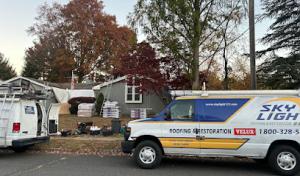
Skylight Roofing & Restoration
(732) 992-3090 skylight123.com
475 Wall St, Princeton, New Jersey
4.9 from 150 reviews
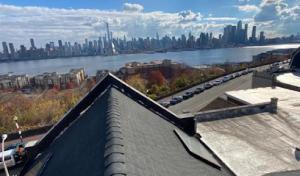
Elite Work Home Improvement & Roofing
(201) 699-7959 eliteworkhomeimprovement.com
Serving
4.9 from 104 reviews
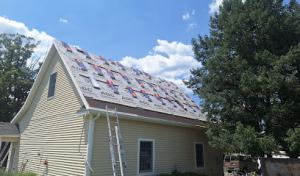
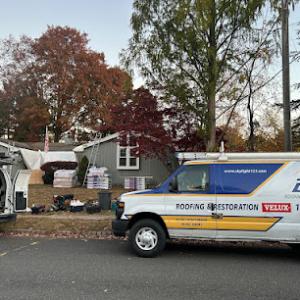
Skylight Roofing & Restoration
(732) 992-3090 skylight123.com
475 Wall St, Princeton, New Jersey
4.9 from 150 reviews
20+ years of experience providing quality roofing, storm damage, skylight, and exterior services to home and business owners in and around Princeton, NJ.
Right Service Roof Repair & Roofing
(640) 224-8132 rightserviceroofrepairandinstallationnj.com
47 Hulfish St, Princeton, New Jersey
5.0 from 33 reviews
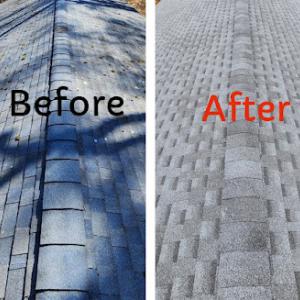
Right Service Roof Repair and Roofing. All aspects of roofing, including installations, repairs, and upgrades, are the specialty of our expertise. From flat commercial systems to steep-slope shingle roofs, we provide dependable solutions that are catered to your requirements and financial constraints. Our dedication to quality guarantees that every roof satisfies the strictest requirements for durability and safety.
Elite Work Home Improvement & Roofing
(201) 699-7959 eliteworkhomeimprovement.com
Serving
4.9 from 104 reviews
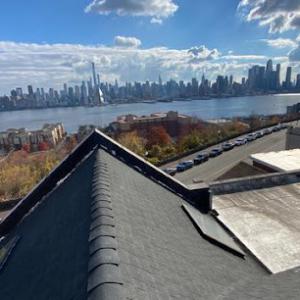
Since 2005, Elite Work Home Improvement & Roofing has been the trusted name for homeowners in Clifton and beyond. With a wide range of services, including expert roofing, professional deck building, and meticulous chimney services, they are dedicated to enhancing your home's exterior. The skilled team also specializes in siding and window installation, ensuring every project is completed with a commitment to quality and craftsmanship. From the roof down to the last detail, Elite Work Home Improvement & Roofing provides comprehensive solutions for all your home improvement needs. Call us now for a FREE Estimate!
Princeton Roofing & Siding
(609) 540-0698 princetonroofingandsiding.com
Serving
5.0 from 26 reviews
Princeton Roofing And Siding is Princeton's number 1 roofing contractor. We take pride in our work from replacing a couple of shingles to installing a new full synthetic 40 year roof. Your neighbors trusted us for over 25 years, now its time for you to join us in the movement to make Princeton great again!
Smart Fit Roofing
Serving
5.0 from 33 reviews
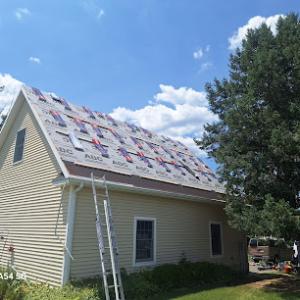
Smart Fit Roofing provides roofing services in Sicklerville, NJ. Call us now for a free estimate!
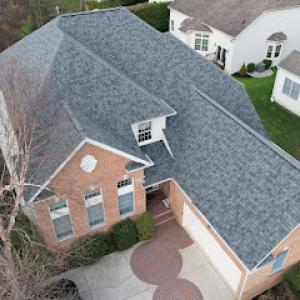
Eleven Exterior
(201) 800-5856 www.elevenexterior.com
Serving
5.0 from 24 reviews
Family-owned and local, Eleven Exterior is a GAF-Certified, Google Guaranteed contractor—licensed, insured & bonded for total peace of mind. Since 2006 we’ve served Highland Park, Edison, and all Middlesex County. Our mission: deliver humane, honest service that deliver value to customer and builds long-term, win-win relationships. Searching for roofers in Highland Park? Factory-trained crews finish most roof, siding, gutter, and storm-damage jobs in one day, installing architectural shingles, James Hardie or Ply Gem siding, and copper/aluminum seamless gutters. Enjoy a free 30-minute inspection, photo report, and transparent quote—no upsells. Backed by 50 + five-star reviews and strong workmanship warranties for lasting confidence.
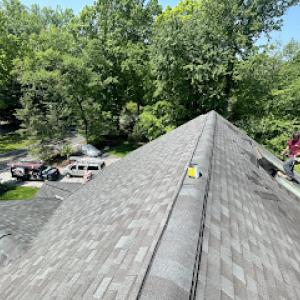
Lita Construction
(201) 540-7772 litaconstructionllc.com
Serving
4.9 from 70 reviews
Welcome to Lita Construction—your go-to specialists for roofing, siding, chimney, and masonry projects. With our focus on quality and precision, we deliver top-tier construction services tailored to your needs. From fixing roofs to enhancing exteriors, restoring chimneys, and perfecting masonry, we excel in every aspect. Count on us for reliable, efficient, and cost-effective solutions. Choose Lita Construction for all your construction needs and experience unmatched professionalism and expertise.
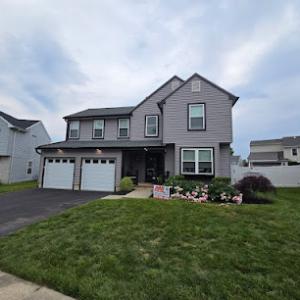
AD Roofing
(609) 540-2983 www.adroofinginc.com
Serving
5.0 from 212 reviews
AD Roofing provides services for roofing, siding, gutters, windows, doors, kitchen remodeling, and bathroom remodeling in New Jersey and Southeast Pennsylvania.

C&C Family Roofing & Siding
(609) 303-2186 www.candcfamilyroofing.com
Serving
4.9 from 92 reviews
With over 30 years of trusted experience, C&C Family Roofing proudly serves Pennington, NJ, and surrounding areas including Princeton, Trenton, Hamilton, Mercerville, and Lambertville. As a family-owned business, we specialize in expert roofing, siding, and gutter installation backed by quality workmanship and dedicated customer care. We’re a GAF Master Elite Contractor offering lifetime warranties on new roofs, 24/7 emergency services, and trusted support recognized by our BBB accreditation and industry awards. From roof repairs and replacements to seamless gutters and siding, contact us for a free consultation and see why so many homeowners trust C&C Family Roofing.

Dream Home Roofing
Serving
4.9 from 361 reviews
Dream Home Roofing is a trusted, top-rated roofing company serving New Jersey, Eastern Pennsylvania, New York, and Connecticut. Since 2018, we’ve specialized in residential roof replacement, roof repair, siding installation, gutter solutions, solar panel removal and reinstall, and storm damage restoration. Our licensed and insured team is known for honest service, expert craftsmanship, and reliable results. We’re committed to protecting your home with high-quality, affordable exterior solutions and exceptional customer care. Contact us today to schedule your free roof inspection and get the professional service your home deserves.
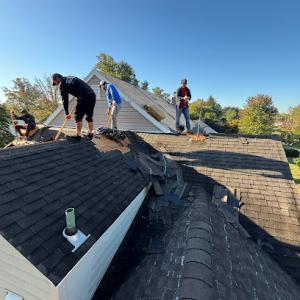
Yukor Roofing & Construction
(609) 516-6573 homeimprovementewing.com
Serving
5.0 from 42 reviews
Yukor Construction is a professional roofing contractor in New Jersey with over 15 years of experience. We specialize in: Metal roofing installation and repair Asphalt shingle roofing EPDM & TPO flat roofing Balcony waterproofing Vinyl siding installation Fiber cement siding installation Soffit and fascia installation We also provide deck building and gutter installation services. Serving Ewing Township and surrounding areas: Ewing, Pennington, Lawrenceville, Hopewell, Princeton, Plainsboro, West Windsor, Hamilton, Robbinsville, Bordentown, Allentown, East Windsor, New Hope, Montgomery, Belle Mead, Monroe, Burlington, Florence, Chesterfield, Cranbury, East Amwell, West Amwell, North Hanover, Millstone, Springfi

Accurate Roofing & Siding
(609) 599-1632 www.accurateroofing.com
Serving
4.9 from 301 reviews
Top-rated roofing and siding contractor serving New Jersey and Pennsylvania homeowners and businesses. We offer roof, gutters, siding and trim installation and repairs, and windows, skylights and door replacement. Since 1987 our family-owned and managed company has been delivering on our promise of quality workmanship and dedicated customer service.
Costs start with Princeton's common material ranges: asphalt shingles at 450 to 800 USD per square, metal at 700 to 1200, clay tile at 900 to 1800, concrete tile at 800 to 1400, wood shingles or shakes at 600 to 1100, and synthetic or composite shingles at 550 to 900. Those numbers reflect houses ranging from older in-town layouts with chimneys and skylights to larger suburban homes that require broader roofing footprints. When a roof project lines up with a more architecturally prominent home, expect a modest uptick driven by the need for neater detailing and longer-lasting flashing around prominent edges.
The freeze-thaw cycle in this area accelerates wear on edges, valleys, and flashings. A roof that's already showing bare spots or granular loss can degrade quickly after a cold snap, making timely replacement more valuable to avoid repeat interior damage. In practice, you'll find asphalt shingle projects sit in a wide middle range, while heavier materials like clay or concrete tiles push the job higher, especially on homes with complex rooflines. On older houses, the cost lift isn't only the material-it's the extra flashing work needed around chimneys, skylights, and built-in dormers to prevent recurring leaks.
If weather-driven delays push a job into the shoulder seasons, those delays can add labor costs and short-term financing penalties. For a home with extensive chimney work or difficult skylight detailing, plan for higher total costs compared with a straightforward, single-slope roof. Metal roofs, while more durable in winter muck, come with a higher upfront price but may offset future ice-dam risk due to their better load response and seamless panels. Synthetic or composite options often balance durability and price, performing reasonably well in freeze-thaw cycles without the premium of tile materials.
In Princeton, final pricing can drift with spring storm activity and the aftermath of winter damage. A project that begins in late winter or early spring might encounter a rush period as crews shift to urgent repairs elsewhere, subtly squeezing availability and possibly increasing material handling costs. If the house requires extra support around edges or longer lead times for specialty flashing, expect the price to reflect those logistical realities alongside the chosen material.
Don't let upfront costs delay a critical repair - these contractors offer payment plans to fit your budget.

A full re-roof in Princeton typically requires a building permit through the municipal Building Department. The contractor or homeowner generally files the permit application, so homeowners should confirm who is responsible before work is scheduled. If a permit isn't secured, work may be stopped, and any warranty or insurance claims could be jeopardized. Knowing who handles the paperwork helps avoid last-minute scrambles when weather windows narrow.
The permit process ensures that the roof replacement aligns with local building codes and safety standards. In practice, this means the project must address ventilation in the attic, proper underlayment placement, and adequate nailing patterns for the chosen material. Given Princeton's freeze-thaw cycles and winter ice dam risk, the permit review often prompts attention to how ventilation ties into the roof's overall performance. Skipping these checks can leave you more exposed to moisture problems and ice-related damage down the line.
After the new roof goes on, Princeton requires a final inspection to confirm code compliance. Inspectors look at ventilation adequacy, underlayment installation, flashing details around chimneys and skylights, and other critical components that affect durability in cold months. Plan around processing times and potential scheduling delays. If the project isn't ready for inspection when requested, you risk further delays and possible rework to meet the issued requirements.
Winter temperatures and the region's seasonal freeze-thaw cycles can tighten timelines, so understanding permit processing time and related fees helps set realistic expectations for replacement timing. Coordinate with the installer to align start dates with the building department's review cadence and the planned weather window. A well-timed permit and inspection cycle reduces the chance of weather-driven setbacks that can accelerate ice-dam risk during the late fall and early winter months. In practice, paved timelines often hinge on clear communication between you, the contractor, and the Building Department.
In Princeton, standard New Jersey homeowners coverage generally remains available for roof replacement scenarios, without a broad state-wide insurer retreat shaping routine decisions. The reality is many policies will hinge on the condition history of the roof, not just whether a storm caused visible damage. Expect insurers to want a clear trail of prior damage records, updated roof photos, and confirmation that replacement materials will be compatible with the existing system. When documenting, focus on a steady history: year-by-year wear, prior leaks, and any previous repairs that might affect claim outcomes.
Insurers may request updated roof photos taken from multiple angles, a run-down of roof age, and notes on any structural or decking concerns observed by contractors. In a climate with winter ice and freeze-thaw cycles, insurers often treat aging shingles, flashing, and sealants as material risk factors. The better your documentation - including photos captured after different seasons and any professional assessments - the more credible the claim package becomes. Hail and wind claims do surface in this region, but the emphasis tends to rest on documentation quality and a documented condition history rather than an automatic storm payout.
Keep a detailed file that includes purchase dates for replacement components, photos from the most recent seasons, and a log of any temporary measures taken after weather events. When you replace or repair, choose materials compatible with the existing system and document their specification and installation notes. If a prior leak existed, have a professional note its location, age, and whether underlying decking or insulation was affected. This isn't about fear of denial; it's about presenting a thorough, orderly case that aligns with how claims are evaluated after a harsh winter season.
If a payout is approved, ensure the settlement aligns with the actual scope of work needed, including concealed damage that may not be evident from the ground. The winter cycle can reveal or accelerate deficiencies once the new material is in place, so plan for post-installation inspections and a follow-up photoset to document the completed project. In Princeton, careful, well-supported documentation often translates to smoother adjustments and fewer surprises as the replacement work proceeds.
Connect with contractors who help homeowners navigate the claims process from damage assessment to final approval.
Skylight Roofing & Restoration
(732) 992-3090 skylight123.com
475 Wall St, Princeton, New Jersey
4.9 from 150 reviews

Flat and low-slope roofing is an active specialty in this neighborhood, especially on additions, porches, and mixed-roof homes rather than only on commercial buildings. You'll see membranes and built-up systems on rear extensions with skylights and chimneys, where winter moisture tests the seam details and flashing more than on a simple gable. In Princeton's climate, those compartments often lead to distinct failure modes separate from the main steep-slope roof.
Freeze-thaw cycles and standing water on low-slope sections amplify ice dam risk and accelerate membrane wear. When water refreezes at flashing laps or edge details, you may notice lifting in the membrane or micro-leaks around skylight curbs. The rear low-slope area can hide water during a winter storm, then show up as damp spots in a dining room or closet-far from the leak source.
Homes with both steep-slope main roofs and low-slope rear sections need replacement planning that treats each roof area as a different system. The materials, installation methods, and flashing details vary, and the seasonal timing of maintenance can differ between the two. Your plan should map the low-slope portion for independent inspection, drainage review, and curb flashing checks separate from the primary roof.
In practice, address additions with a cohesive water-management strategy: use a matched membrane system that accounts for anticipated movement where the porch meets the house, ensure slope toward proper scuppers, and tie the edge flashing into the main roof assembly with a compatible flashing boot. Periodic snow removal from these areas and timely gutter maintenance help reduce winter backlog and extend service life.
If a retrofit becomes necessary, consider staged replacement for the low-slope portion and the main roof, so the two systems aren't forced into a mixed timeline. This approach helps maintain interior comfort, leverages material choices appropriate for cold, damp winters, and respects Princeton's skyline structures where a skylight or chimney can dictate flashing details.
Find specialists in TPO, EPDM, and built-up flat roofing systems for residential and commercial properties.
Right Service Roof Repair & Roofing
(640) 224-8132 rightserviceroofrepairandinstallationnj.com
47 Hulfish St, Princeton, New Jersey
5.0 from 33 reviews
Princeton homeowners benefit from a sizable pool of established and manufacturer-certified contractors, making it practical to compare workmanship coverage against the material warranties offered by the manufacturer. Look for a clear statement of both components, with specifics on what each covers and for how long. In this market, the strongest plans provide transferable workmanship guarantees and a solid backing from the material maker, which helps during neighborhood comparisons after a harsh winter. Expect a written detailing of what qualifies as a fault, what requires remediation, and how long a claim typically takes to process.
The local emphasis on thorough cleanup and prompt response after work is a real differentiator. A reliable contractor will finish with a meticulous debris removal plan and a defined punch-list process that captures any issues discovered right after installation. In Princeton's freeze-thaw cycles, post-install service should include timely return visits to address any nail pops, flashing adjustments, or minor repairs that become evident as temperatures fluctuate. Confirm how service calls are prioritized and what documentation you receive to track progress.
For homes with skylights, chimneys, or mixed-material roofs, warranty clarity on flashing and accessory details matters as much as the field roofing material. Ask for explicit language about flashing around chimneys, skylights, valleys, and transitions between materials. Ensure the warranty covers potential ice dam related issues, particularly where flashing interfaces with shingle or tile edges. A practical warranty note in Princeton should specify who handles failure points caused by improper flashing details and how those situations are remedied during mid-winter conditions.
If the winter cycle presents frequent freeze-thaw days, the warranty should address routine maintenance that prevents damage from ice dams and water intrusion. Look for guidance on annual inspections, gutter and downspout care, and recommended remediation timelines after heavy snows. A local warranty that aligns with Princeton's climate will outline these steps, helping homeowners feel confident in long-term roof performance.