
Last updated: Apr 19, 2026
East Brunswick experiences four distinct seasons, and local reroof planning is heavily influenced by cold winters, warm summers, and repeated freeze-thaw cycling. That cycle is not merely inconvenient; it takes a toll on shingles, underlayment, and flashing. In late winter and early spring, residual moisture coupled with fluctuating temperatures can stress materials that were installed the previous fall. That means follow-up inspections after every major thaw are worthwhile, especially if a winter storm dumped significant moisture or ice damming occurred on the eaves. When the thermometer swings from below freezing to above, sealants and flashing can shift, exposing vulnerable edges to further wear. The seasonality here also means a longer daylight window during spring and fall helps crews complete jobs before the next weather switch.
Spring and fall are the go-to windows for a reroof locally. Spring brings milder temperatures and more predictable dry spells, which reduce the risk of heat-related installation issues and help maintain shingle integrity during the setting period. Fall offers a similar advantage with cooler days that keep felt and underlayment from drying too quickly and stressing underlayment seams as the crew sequences multiple roof sections. In practice, planning a project for late spring or early fall minimizes the chance of weather-induced pauses and allows for steady progress without the heat or moisture extremes of summer or winter. If timing slips into late spring, it is still workable as long as long-range forecasts project a dry stretch. Early fall needs to be monitored for early frosts, but the longer daylight hours often offset this risk.
Late spring and early summer hail and storm activity can shift homeowners from planned replacements into damage-driven scheduling. Storms may expose underlying issues that were not yet visible, such as compromised decking or weakened flashing linings. When hail or strong winds hit, a roof inspection should be scheduled promptly to assess the extent of damage and determine whether a replacement, or a partial repair, is warranted. If hail hits are suspected, document with photos and contact a local roofer who can assess lifting, granule loss, and visible punctures. A quick assessment helps prevent delay-driven complications, such as deteriorating decking or interior leaks that become more costly to repair. In such cases, the project may move up into a tighter window, but the contractor should still aim to complete work during a dry, moderate-temperature stretch to ensure proper shingle seating and flashing integration.
First, set a tentative calendar based on regional climate patterns: target late spring or early fall for a standard reroof, with a contingency for a late spring storm or an early fall cold snap. Second, monitor extended forecasts for dry spells of at least 3-5 days. Third, schedule an on-site inspection ahead of the desired window to verify roof condition, decking integrity, and flashing status; address any decking repairs or reinforcing needs before the main installation begins. Fourth, prepare for a potential pause if a heat wave or heavy rain is forecast during a planned installation day; discuss options with the contractor for rescheduling without sacrificing the roof system's performance. Fifth, coordinate access and material delivery during favorable weather to minimize exposure of underlayment and exposed decking to moisture. By aligning with the shoulder seasons and maintaining flexibility around storm activity, the reroof can advance with fewer interruptions and more predictable progress. Finally, maintain a simple pre-install checklist: confirm attic ventilation is adequate to manage condensation, verify slope and drainage items are in good order, and ensure protective tarping during intermittent rain is arranged to protect new underlayment and recently installed shingles.
In this town, winter ice and snow don't just melt away quietly; they circulate through attics, gutters, and roof penetrations and often reveal themselves as active leaks long before a full roof replacement can be scheduled. Freeze-thaw cycles cause shingle edges to crack, flashings to lift, and fasteners to loosen, creating pressure points where water can force its way in. If you notice damp ceilings, stained drywall, or dripping from kneewalls during or right after a thaw, treat it as an urgent warning. The first step is to separate the source from the living space. Carefully locate the most active leak, avoid swelling the problem by spreading tarps haphazardly, and place a sturdy container to catch water. Then contact a local roofing pro who can prioritize temporary stabilization and staged repairs that keep your home dry while you plan a longer-term fix.
Spring storms in this area bring heavy downpours and gusty winds that aggressively stress roof edges, vents, and flashing around chimneys and skylights. Weak flashing that held up through dry months can fail once batten caps lift or sealant dries out, letting rain race under shingles and into fascia or underlayment. The outcome is fast-moving leaks that may appear in rooms far from the original storm entry point. If you hear rain pounding on the roof during a storm and suddenly notice a new damp spot, act quickly. Do not wait for a perfect sunny day to check. A temporary tarp, properly anchored, can buy critical time while a contractor assesses whether the issue is isolated flashing or a broader roofing weakness that requires more extensive repair. In East Brunswick, storm-response services are common, so you should expect a contractor to offer rapid on-site containment and stabilization as a priority.
The local contractor market has a noticeable emphasis on emergency response. After bad weather, homeowners frequently need fast leak control to prevent further interior damage, especially during the wetter seasons when rain can keep falling for hours. When you call for help, expect a quick triage: assessing active leaks, identifying compromised roof areas, and proposing a plan for immediate stabilization (tarps, boards, temporary seams) followed by a scheduled repair window. To minimize disruption, document the leak with photos before any temporary fixes, share them with the responder, and ask for a written stabilization plan with a timeline. If you have a history of recurrent leaks in a particular corner of the house, tell the contractor up front; that pattern helps them focus on flashing continuity, ridge ventilation, and shingle alignment that often plague mid-20th-century suburban homes.
Keep a reliable tarp system ready for quick deployment during heavy rain or wind events. Have spare elevated buckets and towels to manage drips while you arrange professional help. Inspect exterior edges for loose gutters, missing shingles, or displaced flashing at least after every major storm, paying attention to valleys and penetrations around chimneys, vents, and dormers. When a leak starts, prioritize stabilizing the area above the living space and clearing the path for airflow to dry the attic and ceiling. In this climate, rapid response is not just advisable; it's essential to prevent interior damage that can compound the cost and complexity of a full reroofing project.
When you can't wait, these contractors offer fast response times to stop leaks and prevent further damage.

Neighborhood Roofing East Brunswick
(732) 656-8985 neighborhoodroofingllc.com
139 Rues Ln, East Brunswick, New Jersey
5.0 from 45 reviews

WeatherSeal Roofing & Gutters
(732) 576-3899 weathersealnj.com
646 NJ-18 #209, East Brunswick, New Jersey
5.0 from 324 reviews
At WeatherSeal Roofing we pride ourself in providing outstanding customer service with unbeatable quality. Whether you are replacing an existing roof or gutter system, or installing on a new building, we always offer FREE inspections and estimates on all our services. We will always stand behind our products and do anything it takes to achieve 100% customer satisfaction!
Property Management General Contracting
25 Hudson Rd, East Brunswick, New Jersey
5.0 from 19 reviews
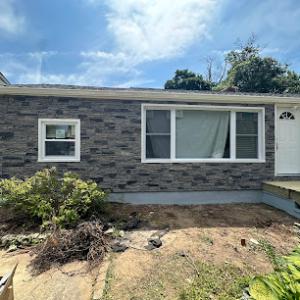
Located in East Brunswick, NJ, Property Management General Contracting (PMGC) is a trusted name in full-service residential remodeling and construction. With 36+ years of experience, we specialize in roofing, siding, windows, kitchens, bathrooms, basements, decks, additions, home remodeling, and demolition. Known for quality craftsmanship, clear communication, and reliable project management, we serve homeowners and property managers across Middlesex and Monmouth counties with a commitment to safety, satisfaction, and lasting results.
MLM Renovations
(908) 887-6414 www.mlmrenovations.com
Serving
4.9 from 57 reviews
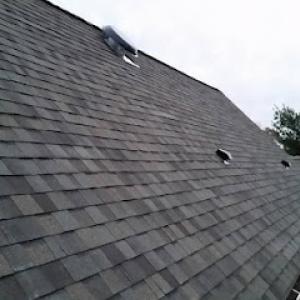
MLM Renovations provides quality roofing and gutter installation & repairs to Middlesex and Monmouth County NJ and the surrounding areas. Contact us today to schedule a free estimate.
Biondo Contracting-Roofing Specialists
(732) 257-2926 biondoroofing.com
Serving
4.9 from 54 reviews
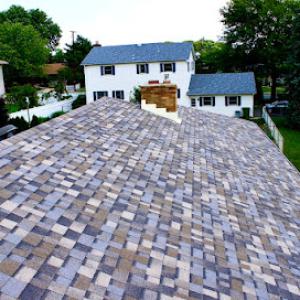
Welcome to BIONDO CONTRACTING - Your Trusted Roofing Experts in Monroe Township, NJ! Specializing in roof repair, replacement, installation, and skylight replacement, our team of experienced roofers is dedicated to providing high-quality roofing services that exceed your expectations. As one of the top roofing contractors in Monroe Township, NJ, we take pride in our craftsmanship and attention to detail. At BIONDO CONTRACTING, we understand that your roof is a crucial element of your home or business, and that's why we are committed to delivering reliable and affordable roofing solutions tailored to your specific needs. For all your roofing needs, trust BIONDO CONTRACTING to deliver exceptional results. Contact us today for a free estimate.

Lincoln Roofing
(908) 307-1116 lincolngeneralconstruction.com
Serving
5.0 from 182 reviews
Lincoln Roofing is North Brunswick’s trusted roofing contractor for fast, reliable, and long-lasting roof solutions. We specialize in roof repairs, full roof replacements, leak detection, storm-damage restoration, and high-quality shingle, flat, and metal roofing. Our team delivers same-day inspections, fair pricing, and workmanship backed by warranty — all designed to keep your home safe, dry, and protected year-round. We proudly serve North Brunswick, South Brunswick, East Brunswick, New Brunswick, Edison, Somerset, and nearby Middlesex County. Call today for emergency repairs or a free estimate.

Amore Homes Roofing & Siding
(732) 648-2195 amorehomesllc.com
Serving
5.0 from 69 reviews
Amore Homes Roofing & Siding is your trusted, full-service roofing and siding contractor based in Monroe Township, NJ. With over 20 years of experience serving homeowners across Monmouth and Middlesex Counties, we specialize in roof replacements, repairs, vinyl siding installations, double as home remodeling contractors. Our team is fully GAF-certified, licensed and insured ensuring top-tier workmanship and lasting results. We offer free, no-pressure estimates, competitive pricing, and fast turnaround times and as proud members of the community, we stand by our work and are committed to delivering honest service, quality craftsmanship, and real value on every job. With over 20 years of experience, we are confident in any home project!

Truss Pro Construction
Serving
5.0 from 47 reviews
A construction and roofing company specializes in building, repairing, and maintaining structures, with a primary focus on the roof chimney siding gutters systems of buildings. The services include a range of activities related to the construction, installation, and upkeep of roofs, chimneys, siding, gutters which are essential for protecting a building from weather, maintaining insulation, and ensuring structural integrity.
Best Choice Roofing
(908) 933-0033 bestchoiceroofing.com
Serving
5.0 from 61 reviews
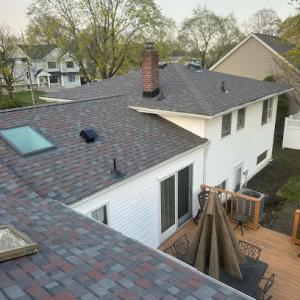
Best Choice Roofing is your trusted roofing expert and the Best Choice when it comes to choosing a Jersey Shore roofing company with a commitment to impeccable customer service and expert roof replacement, roof repairs, and custom roofing services. In business since 2009, Best Choice Roofing’s industry-leading contributions to the roofing industry include a customer-first mentality, a dedication to top-quality products and a leadership team focused on the growth of its people. Because of this framework, we have created a loyal base of customers all over the United States.

Lifetime Construction
Serving
5.0 from 74 reviews
Since 2015, Lifetime Construction has been the premier choice for homeowners in Middlesex County, NJ. As a fully licensed and insured roofing and construction company, we specialize in a range of services, including expert roof replacement, emergency repairs, siding, and comprehensive storm damage restoration. Our commitment to excellence is evident in every project, where we combine high-quality materials with superior craftsmanship for results that are both durable and aesthetically pleasing. We are dedicated to providing fast, reliable, and professional service, ensuring your peace of mind from the initial estimate to the final inspection.
Thomas Bartley A to Z Contracting
(732) 991-2909 a-zcontractingllc.net
Serving
5.0 from 52 reviews
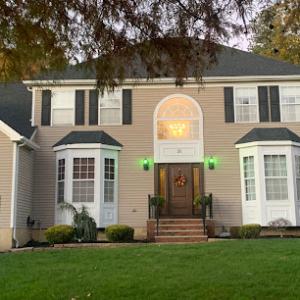
Thomas Bartley A to Z Contracting is a veteran-owned roofing and remodeling company with 35+ years of experience. We now focus on more selective, hands-on projects where quality, communication, and craftsmanship always come first. We specialize in roofing, siding, kitchens, bathrooms, basements, decks, and targeted interior renovations. As GAF Certified roofers, we offer the System Plus Manufacturer’s Warranty with up to 50 years of non-prorated coverage. Tom brings Marine Corps Drill Instructor discipline and precision to every project, supported by skilled, detail-driven craftsmen. NJ licensed and insured, HIC #13VH06985200.
Villas Group Roofing
(732) 857-1687 villasgrouproofing.com
Serving
5.0 from 35 reviews
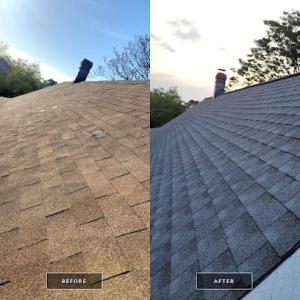
We are a family owned business offering our roofing, siding & gutter services through New Jersey & Pennsylvania. We value each community that we service & take pride in providing top-notch service in each interaction and project. When you choose Villas Group Roofing you are receiving a personalized experience with a dedicated team. We focus on our core values of Excellence, Trust & Honesty starting from the nucleus of our business and encompassing everywhere we go! We are fully licensed, bonded & insured to provide you with added protection & peace of mind.
Dynamic Home Improvement
(855) 446-6887 dynamichomeimprovements.org
Serving
5.0 from 109 reviews
Dynamic Home Improvements is a trusted provider of roofing, gutter, siding, chimney, and masonry services. Our experienced professionals use only top-quality materials and advanced techniques to deliver outstanding results that enhance the functionality and appearance of your home. We pride ourselves on our exceptional customer service, personalized solutions, and competitive prices. Contact us today for a consultation and discover why homeowners in New Jersey trust us for their home improvement needs.
In this Inland Central New Jersey area, winter ice, spring thaw cycles, and spring storms shape how roofs hold up year after year. The typical home stock is pitched and suburban, so the roof system is a primary line of defense against moisture and wind-driven rain. When choosing a material, think not only about curb appeal or initial appearance but also how the roof will perform over a range of temperatures, from freezing nights to thawing days, and how well it sheds moisture during a heavy spring shower. The right roof should resist the rapid contraction and expansion that comes with freeze-thaw cycles and maintain good granule retention or surface integrity through multiple seasons.
Asphalt shingles are a dominant choice in East Brunswick and fit the area's large stock of suburban pitched-roof homes, making them the baseline comparison for most replacements. The locally common roof geometry-slope, overhang, and attic ventilation-pairs well with standard asphalt products that come in a wide range of colors and profiles. When evaluating options, you can expect asphalt to handle freeze-thaw exposure reasonably well if installed with proper nail patterns, adequate underlayment, and a solid attic venting plan. Maintenance considerations include limiting moisture intrusion at roof edges, ensuring good drip-edge coverage, and addressing any granule loss that can accompany seasonal weather fluctuations. In a neighborhood with frequent seasonal shifts, the quick return to dry angles and clean drainage is a practical advantage of asphalt, especially if a homeowner wants a straightforward, serviceable reroofing path.
Metal roofing, clay tile, concrete tile, wood shakes, and synthetic/composite shingles are all present in this market, but their performance has to be judged against the region's freeze-thaw exposure and seasonal precipitation. Metal can offer excellent longevity and hail resistance, but it demands careful detailing at transitions, fastener choices, and insulation compatibility to prevent thermal movement or condensation issues. Clay and concrete tiles bring a timeless look and strong weather resistance, yet their weight requires structural confirmation and tighter construction coordination; in this climate, their performance is excellent under proper substrate support, but they invite longer lead times and specialized installation. Wood shakes deliver a rustic, textured appearance but require diligent maintenance to resist moisture and insect damage in damp springs. Synthetic or composite shingles aim to mimic natural textures while enhancing durability and wind resistance, presenting a balanced option for those seeking low maintenance without stepping too far from the familiar asphalt experience.
Heavier systems such as clay and concrete tile are less common decision paths in this part of New Jersey than asphalt, so homeowners considering them need to weigh structural suitability and contractor availability more carefully. If the home's framing and attic structure are not already reinforced for a heavier roof, an analysis by a qualified contractor is essential before pursuing these routes. For many suburban homes, a well-installed asphalt system remains the most predictable choice, with a straightforward installation window and a predictable performance profile across the freeze-thaw cycle and spring precipitation. When considering alternative materials, plan for longer lead times, more extensive site planning, and coordination with local crews who understand the seasonal weather patterns typical of this area.
Typical local pricing runs about 350 to 700 USD per square for asphalt shingles, 650 to 1200 for metal, 900 to 1700 for clay tile, 700 to 1200 for concrete tile, 900 to 1400 for wood shingles or shakes, and 600 to 1000 for synthetic or composite shingles. When you're planning a reroof, you'll notice these ranges reflect not only material cost but how easily each option performs through freeze-thaw cycles and spring storms. Asphalt remains the most common choice for first-time replacements due to its balance of cost and durability, while metal offers long life and strong wind resistance that can matter after a rough winter. Clay and concrete tiles bring distinct aesthetics and excellent longevity, but they incur higher weight and freight considerations, which show up in the price.
In this climate, spring wind and hail events can bottleneck availability for both labor and materials. After a big storm, scheduling tends to compress quickly as crews book up and suppliers adjust lead times. If you're aiming for a reroof, you'll find the window tightens in the weeks following severe weather, and that can push costs upward slightly due to labor demand and expedited material delivery. Plan ahead on timing to avoid the pressure spike that follows a coastal or inland storm season.
The most reliable window tends to be late summer into early fall, when temperatures moderate and the region has finished its peak storm cycle. This timing minimizes exposure risk during the coldest months and aligns with steady crew availability after the summer rush. If you've had a mid-winter freeze-thaw crackle, consider early spring as a secondary option, but you'll want to be mindful of residual moisture and potential late-season storms. In any case, coordinating a reroof so the deck and underlayment are installed during a dry stretch helps protect the new roof from early moisture exposure and helps ensure a smoother final inspection.
When budgeting, add a modest contingency for possible price shifts tied to storm-driven demand. A few hundred dollars can cover delivery delays, extra fasteners, or an expedited staging plan. If you're choosing a premium material like clay or concrete tile, factor in heavier handling and potential reinforcement needs, which can add to both labor and freight. For asphalt, plan for standard underlayment and flashing that matches the local climate's freeze-thaw demands, and don't skimp on attic ventilation details to avoid long-term performance issues.
Get a clear picture of your project costs upfront - no commitment required.

WeatherSeal Roofing & Gutters
(732) 576-3899 weathersealnj.com
646 NJ-18 #209, East Brunswick, New Jersey
5.0 from 324 reviews
A full roof replacement in East Brunswick typically requires a permit issued through the municipality's Construction Department. That means you can't just sign a contract and start tearing off shingles on the next sunny weekend. The permit serves as a formal record that the work will meet local structural and safety standards, especially when dealing with the region's freeze-thaw cycles and storm patterns. Before any contract is signed, have a clear talk with your roofer about who applies for the permit, who handles plan submissions, and what documents will be needed. If the contractor says "we'll take care of it," insist on written confirmation of responsibility and a timeline to avoid delays.
The township inspection process usually includes a final inspection after completion to verify code compliance, with particular attention to flashing and ventilation. Flashing around chimneys, skylights, and vent stacks must be integrated so that moisture does not intrude into the eaves or interior walls after winter swings. Ventilation is critical in this climate, where rapid changes in temperature can lead to condensation within the attic and potential ice dam concerns in tilt-up winters. Your job is not finished when the last shingle is nailed down; the inspector will confirm that the roof deck, underlayment, flashing, and ventilation meet local standards. Prepare to provide inspection access and keep the site tidy so the final review goes smoothly.
Because East Brunswick follows a formal permit-and-inspection path for reroofing, timing matters. The aim is to avoid gaps between teardown and completion that could strain attic ventilation or expose roof deck to sun and moisture during spring thaws. Coordinate with the contractor to align delivery of materials, scaffold setup, and staging with the time window the Construction Department indicates for each permit. If a storm event interrupts work, document the interruption and communicate promptly with both the roofer and the inspector so you don't trigger a needless reinspection or a delay in final approval.
Because the township requires permit issuance, homeowners should confirm permit responsibility before work starts rather than assuming a contractor can proceed immediately after contract signing. Ask for a written outline of who files, who pays, and who schedules the required inspections, including the final check. If a contractor proposes substitutions or waivers for any permit step, request a formal amendment and a clear impact timeline. Knowing who owns the permit path reduces the risk of a hold-up that could stretch into a season's end and create avoidable stress during a sensitive freeze-thaw period.
In this area, insurers commonly ask East Brunswick homeowners for documentation of pre-existing roof condition, photos, and a thorough evaluation before approving storm-related claims. The more detail you can provide-shingle condition prior to the event, any pre-existing flashing issues, and dated weather reports-the better your claim traceability. A concise record helps reduce back-and-forth and speeds the process when the next storm hits.
Claims are common after storms in this region, but replacement approval can vary significantly by policy language and deductible, so East Brunswick homeowners need to review timelines and coverage details early. Some carriers push for expedited damage assessments or require contractor statements, while others flag certain roof ages or materials as less favorable for full replacement. Knowing your policy language ahead of time keeps decisions from becoming surprise hurdles after the weather breaks.
Because hail and wind events can trigger clustered claims in Central New Jersey, prompt documentation after a storm is especially important for East Brunswick households. Photograph damage from multiple angles, keep dated notes, and track each day's weather impact. When multiple neighbors report similar damage, insurers may reference regional storm activity, making timely, organized records even more valuable. If a claim looks likely, coordinate with a trusted local contractor who can provide a written assessment that supports your documentation without delaying the claims process.
Storm-driven damage often reveals itself across the roof line, gutters, and flashing, sometimes revealing leaks only after several freeze-thaw cycles. In this town, where winters test roofs repeatedly, having a clear trail of conditions before and after each event helps you navigate both repairs and any potential disputes with adjusters. Stay vigilant, document consistently, and communicate early with your insurer to protect your home's defenses through the next season.
Connect with contractors who help homeowners navigate the claims process from damage assessment to final approval.
Property Management General Contracting
25 Hudson Rd, East Brunswick, New Jersey
5.0 from 19 reviews
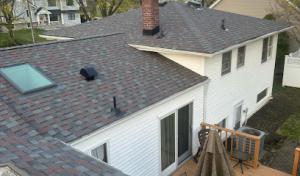

In this market, final inspections commonly zero in on flashing details around chimneys, vents, and skylights. The long runs of cold, then warm days in winter and early spring create stress at transitions, so a solid roof-to-wall seal matters more than the average pitched roof in drier climates. When planning a reroof, pay close attention to step flashing where the roof deck meets the side of any chimney or vent collar, plus counter-flashing over those edges. The goal is a continuous, friction-fit seal that won't rely on a single bead of tar. If a contractor suggests skim-coating flashing or "quickly tacking" it in, push back and ask for full replacement of vulnerable sections rather than a patchwork fix.
Freeze-thaw cycles push moisture into penetrations and cause tiny cracks to widen between flashing laps and under shingles. Expect leak complaints to cluster around roof penetrations rather than field shingles alone. Before reroofing, verify that the roof deck has solid, dry underlayment beneath the flashing and that attic ventilation remains capable of moving any condensation away from those critical joints. On installation day, ensure the seal around every penetrant is brushed clear of debris, then properly bedded with a compatible sealant that remains flexible through temperature swings. A good counter-flashing approach keeps water from migrating behind the roof plane where it's hardest to detect.
Skylight openings are a common focus in local reroofs. The contractor market here shows steady activity around these roof openings, signaling frequent repairs or replacements of skylight seals, flanges, and curb details. If a skylight is being replaced or resealed, insist on removing old flashing and reinstalling new, with a continuous seal to the curb and proper drainage away from the glazing. When replacing a skylight, consider high-performance glazing and a curb that integrates with the roof plane to minimize future seal pressure from wind-driven rain and freeze-thaw movement.
Plan the reroof to allow meticulous detail work at penetrations, not just the field. Have the crew demonstrate the flashing's reach beyond the plain course of shingles and confirm that all vent and chimney tapes are fully integrated with counter-flashing. For skylights, request a complete curb flash and a test of drainage paths to ensure water never sits at the edge of the opening. In this climate, a thorough, edge-to-edge flashing strategy pays off with fewer call-backs after the first thaw.
Find contractors experienced in skylight installation, flashing, and leak repairs to bring natural light into your home.
WeatherSeal Roofing & Gutters
(732) 576-3899 weathersealnj.com
646 NJ-18 #209, East Brunswick, New Jersey
5.0 from 324 reviews
Neighborhood Roofing East Brunswick
(732) 656-8985 neighborhoodroofingllc.com
139 Rues Ln, East Brunswick, New Jersey
5.0 from 45 reviews
In this market, flat or low-slope roofs aren't the headline act, but they show meaningful demand on additions, porches, and homes with mixed roof lines. When a project touches more than one plane, or the attic space is being repurposed, a careful assessment of drainage, flashing transitions, and material compatibility becomes essential. Start with a precise measurement of existing slopes and drainage to avoid surprises after a winter thaw.
For additions, choose a low-slope that matches the adjoined roof deck for a cohesive look and predictable performance. In the region's freeze-thaw climate, details like continuous curb flashings and properly integrated scuppers matter to prevent ice dams at transitions. On porches, ensure the under-deck area is vented and moisture is managed to minimize rot and mold risk. Mixed-roof homes benefit from a unified edge treatment and color transition plan so the roof's silhouette reads cleanly from the street.
Roof coatings appear in the local service mix, but they are typically a secondary solution rather than the main reroofing approach. When coating, consider a product compatible with the existing substrate and temperature history, and plan for re-coats as part of maintenance. If a retrofit involves a true low-slope panel, ensure the chosen membrane system offers reliable ponding resistance and strong adhesion to the substrate underneath. In all cases, verify that flashings at expansion joints, skylight penetrations, and chimney terminations remain robust through freeze-thaw cycles.
The spring swing is a practical window for addressing low-slope work because storm activity tends to cluster, and you can coordinate with the finishing touches of any pitched roofing project nearby. If solar-integrated roofing is part of the plan, keep expectations grounded: it's present but niche, and compatibility with standard roofing layers should be validated before installation.
For a home with a mixed roof profile, a proactive plan that sequences additions, porches, and any low-slope segments helps prevent cascading leaks. When you're selecting a contractor, ask for references on low-slope projects in similar microclimates and confirm the installer's experience with integrated drainage and ventilation.
Find specialists in TPO, EPDM, and built-up flat roofing systems for residential and commercial properties.
Neighborhood Roofing East Brunswick
(732) 656-8985 neighborhoodroofingllc.com
139 Rues Ln, East Brunswick, New Jersey
5.0 from 45 reviews