
Last updated: Apr 19, 2026
Monroe Township's inland New Jersey climate brings both winter freeze-thaw cycling and spring storm activity, creating a two-season pattern of flashing, sealant, and shingle damage. That means roofs endure repeated expansion and contraction, followed by wind-driven rain and hail that can lift or bruise edges, expose fasteners, or pry flashing away from walls and chimneys. In practical terms, a small leak this spring often traces back to edge flashing, vent booting, or a loose shingle from a winter thaw or a windy, stormy day. The urgency is real: every storm increases the risk of a breach that spreads quietly until a neighbor notices interior staining or damp ceiling spots.
The local contractor signal mix strongly favors emergency repair and storm damage work, indicating that leak response after wind-driven rain and seasonal events is a primary homeowner need here. When a storm hits, roof damage can be subtle at first-shingle tab lift, a displaced underlayment layer, or a flashing seam that separates just enough to let water cascade behind the fascia. After a few hours of wind-driven rain, that slow drip can become a rapidly worsening leak in an attic corner or family room ceiling. Homeowners should treat any new damp spot after a storm as an immediate red flag, not a cosmetic issue. Quick action limits interior damage, prevents mold growth, and reduces the likelihood of a larger patchwork job later on.
Because Monroe is not a shore market, roof failures are more often tied to repeated precipitation, temperature swings, and debris impact than to salt-air corrosion or hurricane storm surge. The winter cycle forces shingles and seals to work through freeze-thaw stress, while spring storms bring gusts that peel back flashing and fling branches that can puncture or crack roofing materials. This combination sets up a pattern: persistent moisture in the attic from small leaks, followed by accelerated wear on the surface where UV exposure and thermal movement are constant companions. The practical consequence is clear: routine inspections after every major storm and after the worst freezes are not optional-they're essential to catching damage before it compounds.
What to do right after a storm or a noticeable leak begins
Begin with a cautious interior check. Look for damp spots in the attic, warped plywood, or staining along the ceiling lines that align with roof geometry. If you see daylight through the attic roof or hear dripping, stop any further water intrusion by placing a temporary barrier, such as a tarp, only if it can be done safely from a ladder or with a partner on the ground. Do not attempt to reseal large flashing gaps yourself; temporary tarps are for limited protection until a professional can seal the path properly. Document the damage with clear photos from inside and outside, focusing on flashing seams, vent boots, and the eaves where sectioning often fails after storms.
Engage a roofer who specializes in storm damage and seasonal transitions. Look for a contractor who can quickly assess flashing integrity, sealant condition, and shingle edge security, then prioritize repairs that restore a continuous water barrier. Expect a thorough on-site check that includes attic ventilation assessment, underlayment condition, and the status of debris on the roof deck. Seek repairs that address the root cause-whether that's re-securing loose flashing, resealing vent penetrations, or replacing damaged shingles-so a repeat event doesn't become a yearly trap for your home's interior.
Prevention now pays off later. Schedule a mid- to late-spring inspection after the heavy storms, and again after the peak winter thaw period, to verify that flashing remains sealed and that sealants haven't degraded under temperature swings. Keep gutters clean so water exits away from fascia and soffits, and trim overhanging branches that could strike the roof during wind events. By treating each storm as a test of the roof's weather sealing, a homeowner can stay ahead of leaks, limit interior damage, and extend the life of the roof through Monroe's two-season cycle.
Find local contractors experienced in assessing and restoring roofs after hail, wind, and severe weather events.

Amore Homes Roofing & Siding
(732) 648-2195 amorehomesllc.com
207 Old Forge Rd, Monroe Township, New Jersey
5.0 from 69 reviews
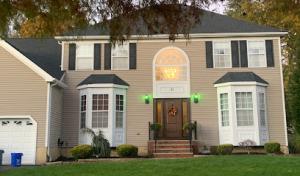
Thomas Bartley A to Z Contracting
(732) 991-2909 a-zcontractingllc.net
559 Spotswood Englishtown Rd, Monroe Township, New Jersey
5.0 from 52 reviews
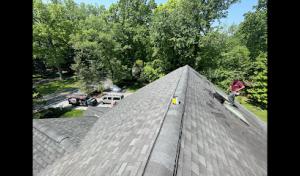
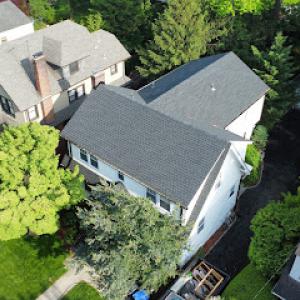
Dynamic Home Improvement
(855) 446-6887 dynamichomeimprovements.org
Monroe Township, New Jersey
5.0 from 109 reviews
Dynamic Home Improvements is a trusted provider of roofing, gutter, siding, chimney, and masonry services. Our experienced professionals use only top-quality materials and advanced techniques to deliver outstanding results that enhance the functionality and appearance of your home. We pride ourselves on our exceptional customer service, personalized solutions, and competitive prices. Contact us today for a consultation and discover why homeowners in New Jersey trust us for their home improvement needs.

Amore Homes Roofing & Siding
(732) 648-2195 amorehomesllc.com
207 Old Forge Rd, Monroe Township, New Jersey
5.0 from 69 reviews
Amore Homes Roofing & Siding is your trusted, full-service roofing and siding contractor based in Monroe Township, NJ. With over 20 years of experience serving homeowners across Monmouth and Middlesex Counties, we specialize in roof replacements, repairs, vinyl siding installations, double as home remodeling contractors. Our team is fully GAF-certified, licensed and insured ensuring top-tier workmanship and lasting results. We offer free, no-pressure estimates, competitive pricing, and fast turnaround times and as proud members of the community, we stand by our work and are committed to delivering honest service, quality craftsmanship, and real value on every job. With over 20 years of experience, we are confident in any home project!
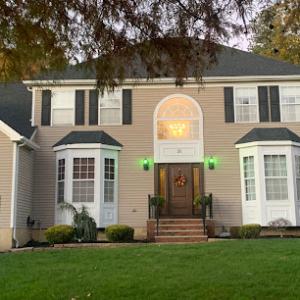
Thomas Bartley A to Z Contracting
(732) 991-2909 a-zcontractingllc.net
559 Spotswood Englishtown Rd, Monroe Township, New Jersey
5.0 from 52 reviews
Thomas Bartley A to Z Contracting is a veteran-owned roofing and remodeling company with 35+ years of experience. We now focus on more selective, hands-on projects where quality, communication, and craftsmanship always come first. We specialize in roofing, siding, kitchens, bathrooms, basements, decks, and targeted interior renovations. As GAF Certified roofers, we offer the System Plus Manufacturer’s Warranty with up to 50 years of non-prorated coverage. Tom brings Marine Corps Drill Instructor discipline and precision to every project, supported by skilled, detail-driven craftsmen. NJ licensed and insured, HIC #13VH06985200.
Biondo Contracting-Roofing Specialists
(732) 257-2926 biondoroofing.com
38 Spotswood Ave, Monroe Township, New Jersey
4.9 from 54 reviews
Welcome to BIONDO CONTRACTING - Your Trusted Roofing Experts in Monroe Township, NJ! Specializing in roof repair, replacement, installation, and skylight replacement, our team of experienced roofers is dedicated to providing high-quality roofing services that exceed your expectations. As one of the top roofing contractors in Monroe Township, NJ, we take pride in our craftsmanship and attention to detail. At BIONDO CONTRACTING, we understand that your roof is a crucial element of your home or business, and that's why we are committed to delivering reliable and affordable roofing solutions tailored to your specific needs. For all your roofing needs, trust BIONDO CONTRACTING to deliver exceptional results. Contact us today for a free estimate.
Lita Construction
(201) 540-7772 litaconstructionllc.com
Serving
4.9 from 70 reviews
Welcome to Lita Construction—your go-to specialists for roofing, siding, chimney, and masonry projects. With our focus on quality and precision, we deliver top-tier construction services tailored to your needs. From fixing roofs to enhancing exteriors, restoring chimneys, and perfecting masonry, we excel in every aspect. Count on us for reliable, efficient, and cost-effective solutions. Choose Lita Construction for all your construction needs and experience unmatched professionalism and expertise.
Fairway Exteriors - Siding & Roofing
(908) 670-6273 www.fairwayexteriorsnj.com
Serving
5.0 from 13 reviews
Siding and Roofing Contractor located in Central, NJ. Servicing Monmouth, Middlesex, Mercer, & Ocean Counties
Property Management General Contracting
Serving
5.0 from 19 reviews
Located in East Brunswick, NJ, Property Management General Contracting (PMGC) is a trusted name in full-service residential remodeling and construction. With 36+ years of experience, we specialize in roofing, siding, windows, kitchens, bathrooms, basements, decks, additions, home remodeling, and demolition. Known for quality craftsmanship, clear communication, and reliable project management, we serve homeowners and property managers across Middlesex and Monmouth counties with a commitment to safety, satisfaction, and lasting results.
MLM Renovations
(908) 887-6414 www.mlmrenovations.com
Serving
4.9 from 57 reviews
MLM Renovations provides quality roofing and gutter installation & repairs to Middlesex and Monmouth County NJ and the surrounding areas. Contact us today to schedule a free estimate.

WeatherSeal Roofing & Gutters
(732) 576-3899 weathersealnj.com
Serving
5.0 from 324 reviews
At WeatherSeal Roofing we pride ourself in providing outstanding customer service with unbeatable quality. Whether you are replacing an existing roof or gutter system, or installing on a new building, we always offer FREE inspections and estimates on all our services. We will always stand behind our products and do anything it takes to achieve 100% customer satisfaction!
GSC Manalapan Roofing & Siding
(732) 941-5816 roofingcontractormanalapantownship.com
Serving
5.0 from 39 reviews
GSC Manalapan Roofing has 20+ years of experience, and Siding provides top-quality roofing contractor services in the Manalapan Township NJ area. For more information about our pricing, feel free to give us a call.
Lincoln Roofing
(908) 307-1116 lincolngeneralconstruction.com
Serving
5.0 from 182 reviews
Lincoln Roofing is North Brunswick’s trusted roofing contractor for fast, reliable, and long-lasting roof solutions. We specialize in roof repairs, full roof replacements, leak detection, storm-damage restoration, and high-quality shingle, flat, and metal roofing. Our team delivers same-day inspections, fair pricing, and workmanship backed by warranty — all designed to keep your home safe, dry, and protected year-round. We proudly serve North Brunswick, South Brunswick, East Brunswick, New Brunswick, Edison, Somerset, and nearby Middlesex County. Call today for emergency repairs or a free estimate.

Lightning Construction
(862) 972-3610 lightningconstructionnj.com
Serving
4.9 from 246 reviews
Lightning Construction, a preferred contractor of Decra Metal Roof, offers a modern take on the classic metal roof that combines elegance and durability. Take advantage of our affordable, one-of-a-kind roofing solutions and discover our high-quality laminated architectural shingles. These heavyweight shingles offer weather protection in vibrant, high-definition colors and feature copper-coated granules that prevent unsightly algae stains
Asphalt shingles remain the practical backbone of most roofs in this area, but you will notice a steady presence of metal, tile, wood, and synthetic options as well. That mix isn't just about style; it reflects real differences in weight, longevity, and installation needs. When you're choosing, compare side-by-side how each option handles your specific lot - from tree cover and wind exposure to the way your attic vents and gutters are set up. A conventional suburban roof might lean asphalt, while a high-end home could tilt toward metal or tile due to weight, insulation, and future replacement complexity. Your decision should balance immediate fit with long-term maintenance, not just curb appeal.
Central New Jersey experiences persistent freeze-thaw cycles, and that matters most for flashing details and how a roof system drains. In practice, that means paying extra attention to the joints around chimneys, skylights, vent stacks, and dormers. Choose flashing with robust corrosion resistance and ensure it's tied into solid underlayment that can shed water even when ice forms along the eave line. Underlayment that remains pliable in cold weather helps keep leaks at bay as temperatures swing above and below freezing. Drainage design should prioritize smooth, unobstructed flow, with clear paths for water to reach gutters and downspouts. In homes with heavier roof systems, confirm the structure can handle the extra load, and coordinate with the installer on fastener patterns and edge detailing that won't loosen with shifting due to frost.
The local market includes both tile and metal specialists, which signals a range of structural considerations in Monroe. Tile, whether clay or concrete, introduces substantial weight, requiring careful assessment of roof framing and attic support - and potential reinforcement if you're converting or re-roofing an older house. Metal options bring durability and lighter-than-tile performance, but still demand precise fastener choices and ventilation planning to prevent thermal movement damage. Wood shingles or shakes offer a traditional look but require meticulous maintenance and moisture control in this climate. Synthetic or composite shingles provide a balanced path for homeowners seeking durability with more predictable weight. For a homeowner with a mix of conventional and higher-end homes in the neighborhood, it's wise to discuss with a contractor who has experience in both standard re-roofs and more complex replacements, ensuring the chosen system aligns with your house's structure and long-term needs.
Start by listing your priorities: ease of installation, weight tolerance, and expected longevity. If curb appeal and cost are top concerns, asphalt remains a solid starting point; verify you're selecting a product with a proven wind and freeze-thaw performance. For existing structures or larger homes, invite quiet conversations with local installers who can evaluate attic ventilation, flashing, and drainage details tailored to your roof's shape and exposure. If tile or metal is in the plan, arrange a structural assessment early to confirm framing can support the chosen system and that insulation and ventilation meet the house's needs. In all cases, request a side-by-side comparison of products, focusing on how each option handles ice buildup, wind gusts, and seasonal cycles typical for this inland stretch of Middlesex County.
The most popular roofing material in the US. Find pros who install, repair, and replace asphalt shingles.

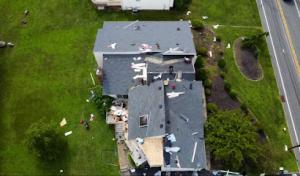
When planning a re-roof, you will be dealing with the Township's Construction Office, not treating it as informal maintenance. This isn't paperwork to tuck away for later; it's a formal process that confirms the project meets local safety and structural standards. The permit must be pulled before any material comes off or new layer goes on, and it should be posted on the job site so everyone can see it. If the permit isn't visible, you risk delays, rework, or penalties that slow down a project you were hoping to complete on time.
Inspections in this area are typically scheduled at rough-in and final stages. A common pitfall is assuming a single post-and-sip visit will suffice. Your contractor should coordinate both checkpoints so that the framing, underlayment, flashing, and final installation all align with what the inspector expects for a complete, weather-tight roof. If the contractor only plans one site visit, you'll likely encounter a hold or rework that could have been avoided with proper scheduling. Confirm in writing that both rough-in and final inspections are on the calendar before the work starts, and keep a copy of the appointment confirmations accessible on site.
During the project, you can verify the permit is posted and that the contractor has visible proof of the approved plan and any required amendments. Ask for the permit number and the issuing date, and keep a record of it. If you notice a lag between the work progress and the inspection schedule, contact the contractor immediately to avoid a situation where a repair or retiming is needed after a failed inspection. When rough-in is complete, check that the roof deck, underlayment, and starter courses are aligned with local code expectations for your climate, especially given freeze-thaw cycles and wind events. After final, ensure all flashing around chimneys, skylights, and vents shows clean workmanship and that any required test-cut or drainage verification has been documented.
Ask for a copy of the permit and the inspection milestones, and request direct confirmation that both rough-in and final inspections are scheduled and will be coordinated. If the contractor cannot provide documentation or schedules, pause work and reach out to the Construction Office. A correctly managed permit and dual inspections not only comply with code but also protect your roof investment against delayed approvals and weather-driven setbacks.
Replacement timing often works best in spring or fall because summer heat and winter cold can complicate installation conditions and scheduling. In this area, crews can hit a tighter window after heavy storm seasons, when the demand for quick turnarounds spikes. By planning a spring or fall project, you minimize heat-related material handling issues, reduce the risk of weather-driven delays, and align your project with typical local availability of crews and materials.
Local pricing pressure can rise after regional storm events because Monroe sits in the same central New Jersey labor and insurance-response market that sees periodic hail and wind claims. That dynamic can lift project quotes, especially for anything beyond standard asphalt systems. If a storm hits, you may see a surge in both material costs and labor charges, along with potential scheduling constraints from insurer-approved crews. Understanding this cycle helps you set a realistic budget and build in a contingency for unplanned delays.
Cost differences in Monroe are not just material-driven; they also reflect permit handling, inspection coordination, and the complexity of replacing anything beyond standard asphalt systems in a market where multiple premium materials are actively installed. For example, metal roofing or concrete/clay tile options carry higher base prices per square compared with asphalt, and they tend to require longer lead times for scheduling. In practice, a switch away from basic shingles can raise the overall project price due to installation intricacies, underlayment needs, and their impact on ventilation and attic access. When you're budgeting, consider both the material cost per square and the added labor related to installation, flashing, and sequencing with any venting or skylight work.
Start with a spring or fall bid window to minimize weather-risk and align with typical local crew availability. Get at least three written estimates that break out material costs, labor, removal, and any extra add-ons like ice-dam barriers or upgraded underlayment. Ask contractors to itemize potential weather-related delays and explain how they handle scheduling with insurance-adjusted timelines. Finally, factor in a modest contingency for potential permit-related coordination and inspection coordination, recognizing that premium materials carry both higher upfront cost and more complex scheduling in this market.
Get a clear picture of your project costs upfront - no commitment required.
Dynamic Home Improvement
(855) 446-6887 dynamichomeimprovements.org
Monroe Township, New Jersey
5.0 from 109 reviews
Amore Homes Roofing & Siding
(732) 648-2195 amorehomesllc.com
207 Old Forge Rd, Monroe Township, New Jersey
5.0 from 69 reviews
Biondo Contracting-Roofing Specialists
(732) 257-2926 biondoroofing.com
38 Spotswood Ave, Monroe Township, New Jersey
4.9 from 54 reviews
In the typical inland Middlesex County suburban block, the roof endures more than its share of freeze-thaw cycles and seasonal wind events. Storms can spark sudden claims, but the real impact often shows up later as scrutiny from carriers increases with age and prior condition history. This environment means the timing and quality of documentation matter as much as the storm itself.
Carriers may ask for pre-loss photos, maintenance history, and wind-damage documentation to separate age-related wear from new damage. Monroe homeowners benefit from building a reliable record before storm season hits, not after a leak appears. A well-organized set of photos of shingles, flashing, valleys, and skylights taken when the sun is calm can help establish a baseline. Retain receipts for routine maintenance, gutter work, or small repairs, and note any recurrent problem spots such as chimney intersections or vent pipes. This proactive habit reduces guesswork during a claim and can prevent disputes over what portion of an issue is covered.
New Jersey summers deliver hail and wind events that can leave subtle roof signs behind. A routine inspection after a heavy gust or hail storm helps identify potential damage early, when repairs are straightforward and costs stay manageable. In practice, this means keeping a log of observed issues, even cosmetic ones, and matching them to visible storm markers-granule loss, cracked shingles, or lifted overlays. Small, untreated problems can cascade into leaks once winter returns, especially after back-to-back freeze-thaw cycles.
Because local contractors actively market insurance-claims help, claim navigation is a real part of the Monroe roofing process rather than a rare edge case. It is common to encounter contractor consultations that include documentation guidance, scope estimation, and even direct liaison with the insurer. If a claim is filed, expect the process to involve a coordinated exchange of photos, inspection reports, and repair or replacement plans. Being prepared with clear, dated records helps protect the integrity of the file and your timeline.
Start a dedicated roof file before the next storm season. Photograph each elevation from multiple angles, focusing on trouble spots such as vents, chimneys, and roof-to-wall transitions. Keep an ongoing maintenance log, noting work done by you or a professional. After a storm, document any new damage promptly with fresh photos, and compare them to the pre-loss baseline. When speaking with an adjuster, present the timeline of wear and recent weather events to frame the request for appropriate coverage and a fair scope of work. This disciplined approach reduces surprises and supports a smoother recovery process.
Connect with contractors who help homeowners navigate the claims process from damage assessment to final approval.
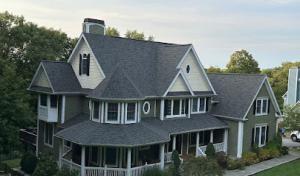
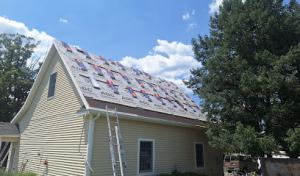
Skylights are a common source of leaks in the local housing stock, where flatter roof planes and older flashing can fail after freeze-thaw cycles. In Monroe, skylight penetrations tend to show up as we head into late winter and early spring, after several cycles of thawing and refreezing. Expect contractors to emphasize proper flashing around the curb, flashing shims, and sealant performance around the skylight flange. When evaluating a project, check that the flashing transitions are integrated with the surrounding roof surface, not just tacked on. In practice, a thorough repair or replacement should include cleaning and resealing the curb, inspecting the valley and drip edge near the skylight, and ensuring the flashing saddle is securely anchored to resist wind-driven rain. If a full roof replacement is underway, insist on coordinating skylight work with the overall roof plan so that flashing transitions align with the new roofing material and underlayment.
Chimney work is a frequent topic for local contractors, making flashing transitions around masonry a practical Monroe concern during both repairs and replacements. Masonry presents its own challenges: crumbling mortar, brick spalling, and imperfect wall penetrations can all push water inward if flashing isn't properly integrated. The best approach is to treat the chimney boot and counter-flashing as a continuous system that overlaps the chimney-to-roof transition. In cold seasons, look for hairline cracks along the mortar joints and ensure the step flashing at the base of the chimney is continuous and well sealed. If a masonry crown is cracked or deteriorating, plan for crown repair or replacement as part of the project, so water flow remains directed away from the interior.
Freeze-thaw conditions in central New Jersey make penetrations and flashing details more vulnerable over time than broad field shingle areas alone. Pay particular attention to transitions where the roof meets vents, pipes, and the chimney, as these areas accumulate micro-movement from temperature swings. A practical checklist: verify that kickout flashing directs water away from siding, confirm that pipe collars are properly sealed and re-sealed as needed, and inspect vent boot granules for deterioration after winter. In colder seasons, consider upgrading to reinforced or self-sealing flashing materials at high-risk penetrations to reduce the chance of water intrusion across multiple winters. Regular monitoring after heavy winds or storms helps catch seal failures early, before they allow moisture to travel into the attic space.
Find contractors experienced in skylight installation, flashing, and leak repairs to bring natural light into your home.
Dynamic Home Improvement
(855) 446-6887 dynamichomeimprovements.org
Monroe Township, New Jersey
5.0 from 109 reviews
Amore Homes Roofing & Siding
(732) 648-2195 amorehomesllc.com
207 Old Forge Rd, Monroe Township, New Jersey
5.0 from 69 reviews
Thomas Bartley A to Z Contracting
(732) 991-2909 a-zcontractingllc.net
559 Spotswood Englishtown Rd, Monroe Township, New Jersey
5.0 from 52 reviews
In this part of Middlesex County, you'll notice a notable share of low-slope sections on additions, porches, garages, and some mixed residential-commercial properties. That flat-roof specialization means choosing materials and systems that perform well under constant drainage demands and seasonal temperature shifts. When a roof is mostly horizontal, the edge details, penetrations, and transitions to vertical walls carry extra importance. A contractor with experience in flat-roof assemblies can help you select a system that integrates well with your existing structure and reduces long-term risk.
Regular precipitation combined with winter freeze-thaw cycles makes drainage performance on low-slope roofs a top concern. Water should shed toward established drains or scuppers, not pool on the surface. Check for properly pitched contours, even if the slope is modest, and verify that seam tapes or sealants maintain continuity across long runs. In Monroe, aging or accelerated wear at seams, flashings, and penetrations is common due to temperature fluctuations. Schedule proactive inspections after winter thaws and spring rain events to catch minor leaks before they become material damage.
The local market includes roof coating services, offering restoration options for qualifying low-slope systems. Coatings can extend life on certain 1:12 or flatter roofs by improving reflectivity and sealing surface micro-leaks. For flat or low-slope additions and porches, ask about substrate compatibility, cure times, and warranty terms on coatings. If a roof has deteriorated substrates or failed prior coatings, a restoration may still be viable, but proper surface preparation and drainage assessment are essential to avoid trapping moisture.
When selecting a low-slope roof or attached system, prioritize engineered details that address wind uplift and seasonal loading. Look for reinforced edge detailing, robust seam materials, and compatible insulation that maintains thermal performance across seasonal cycles. For Monroe properties with mixed use or visible flat sections, warranty scope should cover both material performance and drainage-related failures. Regular, targeted inspections focusing on penetrations, flashings, and terminations will help maintain a leak-resistant envelope through freeze-thaw cycles and wind-driven storms.
Find specialists in TPO, EPDM, and built-up flat roofing systems for residential and commercial properties.

Neighborhood Roofing East Brunswick
(732) 656-8985 neighborhoodroofingllc.com
Serving
5.0 from 45 reviews
The Monroe market is crowded with contractors emphasizing quick response, cleanup, and re-roofing, so homeowners here are sorting through many similar service claims rather than a shortage of providers. Look for firms that clearly distinguish themselves with documented processes for storm damage, inspections after high wind events, and a stated plan for follow-up service.
Long-established firms have a strong presence in this market, which matters in Monroe because permit follow-through, warranty support, and post-storm callback reliability are practical concerns. Check how long the company has been in business, and whether they routinely handle your preferred material type through complete installations, not just quick replacements.
Manufacturer-certified, licensed, and insured positioning appears often enough locally that Monroe homeowners should verify those claims when comparing bids, especially for premium materials and warranty-sensitive installs. Ask for current certifications, the exact materials they are authorized to install, and proof of insurer coverage and licensing in good standing. Clarify who holds responsibility for warranty claims and whether the contractor will be the direct point of contact for the manufacturer during the life of the warranty.
A solid contractor provides a written scope of work with milestones, a communication schedule, and a plan for storm-damage scenarios such as wind-driven leakage or freeze-thaw stress on seals. In this climate, ensuring a thorough inspection, precise moisture assessment, and confirmed drainage and ventilation details helps prevent future leaks.
Post-storm callback reliability is practical in this market. Ask how the company tracks service requests, response times after severe weather, and how they handle leaks that appear after a storm. Favor firms that commit to a transparent process for diagnostics, repairs, and follow-up visits, even after the initial project concludes.