
Last updated: Apr 19, 2026
New Brunswick homeowners face nor'easters, heavy rain, and winter ice events that can turn small roof defects into active interior leaks quickly. In a city with older mixed housing stock and tight, attached or closely spaced homes, storm-driven leaks travel fast through limited gaps and shared walls. When wind lifts shingles or flashing fails, the window for preventing interior damage narrows in a hurry. This section guides you to act fast, protect possessions, and reduce the risk of widespread interior water intrusion during storm events.
During a nor'easter or a heavy rain surge, watch for sudden damp spots on ceilings, bubbling paint, and staining near exterior walls or chimneys. If the gusts push beneath shingles or blow back flashing at the roof's edge, interior rooms beneath the leak may experience rapid moisture intrusion. The clock starts when you first notice moisture at a seam, vent, or chimney chase. Prioritize tarping over the area where water is entering and securing any loose shingles or flashing to limit further water ingress. In tightly spaced homes, a single failed flashing detail can feed through to multiple rooms or an adjoining unit, so treat every suspicious edge as a potential trouble spot.
Fast tarping is not decorative; it's functional defense. Lay a sturdy, UV-resistant tarp over the affected roof area, extending beyond the leak line by at least a foot in every direction. Use basic roof cement or stepping stones to secure the tarp along the edges if nails won't hold in wet or icy decks. If wind is aggressive, weight tarps with sandbags or heavy objects at the lower edge to prevent billowing. For attic access, place a clean bucket or bin beneath active drips and lay drip towels along any visible seams to manage ongoing water while you arrange for a professional inspection. In older, attached homes, verify that tarping helps protect both units and the shared attic or soffit spaces where moisture might travel.
If the problem appears near a vent pipe, chimney, or edge flashing, inspect from a safe, dry area only. Do not climb on wet roofs or exposed icy surfaces. If you can reach the flashing from a stable ladder on dry ground, gently secure any loose metal with non-corrosive fasteners and apply a temporary sealant rated for exterior use to bridge small gaps. Remove any debris clogging gutters and downspouts to improve drainage toward the street. For interior remediation, place towels or towels-lined containers at the leak source to protect flooring and possessions until a roofer arrives.
Spring and winter weather in central New Jersey often creates the worst timing for emergency repairs because rain, snowmelt, and freeze-thaw cycles can overlap. When a roof shows even minor signs of wear, schedule a targeted inspection after the storm and before the next freeze. Prioritize the areas most exposed to wind-driven rain, such as roof-to-wall transitions, skylights, and vent flashings. A swift, proactive response minimizes interior damage and preserves the integrity of adjacent units in older, closely spaced neighborhoods.
In this town's older roofs, the trouble rarely starts with the field shingles themselves. When roofs have stood through Nor'easters and repeated freeze-thaw cycles, the joints where flashing meets masonry, pipes, and chimney bases are what give first. Around chimneys on aging homes, mortar joints settle and metal or lead flashings can corrode or lift. The result is moisture tracking down through valleys and into ceilings long before a single shingle shows a bad day. A careful eye for condition around those penetrations-especially where brick or stucco meets roof planes-pays dividends. In practice, that means inspecting the transition areas with a flashlight after a storm and looking for white mineral deposits, rust halos, or a hairline weep at the base of flashing. If moisture sits at the chimney crown or along step-flashing corners, expect slow leakage that worsens with every thaw cycle.
Skylight leaks matter locally because many contractors in this market actively advertise skylight repair, signaling recurring homeowner demand. In dense neighborhoods, skylights are often installed into already complex rooflines with multiple layers of flashing, curb flashing, and curb-to-roof transitions. If the curb appears to flex or the sealant around the skylight shows weathered lines, a slow seep can become a torrent during a nor'easter. The takeaway is practical: treat skylight seals as wear items. Regularly inspect the rubber boot and curb packing, test water intrusion with a controlled push of water around the edge during a dry day, and keep flashing joints clean of debris that holds moisture. When a skylight leaks, the fastest fixes typically involve resealing perimeters and re-flashing, rather than waiting for a larger roof overhaul. A small, timely repair can prevent widespread interior damage in a home with plaster ceilings or historic wood trim.
Dense neighborhoods and older rooflines common in this part of Middlesex County often mean multiple flashing details, valleys, and masonry interfaces that need close inspection. Each valley intersection compounds potential failure points, especially where two roof slopes meet and where metal and masonry meet asphalt or composite coverings. In practice, this translates to a methodical, section-by-section check after every major storm. Look for loose granules in gutters near the ridge, micro-cracks at the edge of shingles next to chimney flashing, and any discoloration along mortar joints that butt against the roof edge. Because roofs were built in phases, an old surface may have mismatched flashings, caulking that has broken down, or incompatible materials showing their age when water travels along a seam rather than directly over a shingle. The safer approach is to reflash or reseal suspect joints before winter pressure hits, rather than chasing leaks after a storm has soaked the attic.
Begin with a targeted walk-around after the first major thaw and again after the next heavy rain. Focus on penetrations: chimneys, vent stacks, skylights, and the intersections where masonry meets the roof deck. If moisture staining appears along a chimney crown or at the base of a skylight curb, treat it as urgent, not cosmetic. Carry a can of high-quality sealant suitable for flashing and curb joints, plus a caulking gun sized for roof work, and keep a spare roll of flashing metal on hand for quick tempos. For those with dense, multi-flashpoint roofs, consider an annual top-to-bottom inspection with emphasis on transition details, so a small issue doesn't become a larger one before the next spring. The pattern here is clear: early detection around penetrations reduces the chance of water traveling into living spaces during a harsh season.
Find contractors experienced in skylight installation, flashing, and leak repairs to bring natural light into your home.

Lifetime Construction
299 Powers St, New Brunswick, New Jersey
5.0 from 74 reviews
Best Choice Roofing
(908) 933-0033 bestchoiceroofing.com
409 Joyce Kilmer Ave #316, New Brunswick, New Jersey
5.0 from 61 reviews

Lifetime Construction
299 Powers St, New Brunswick, New Jersey
5.0 from 74 reviews
Since 2015, Lifetime Construction has been the premier choice for homeowners in Middlesex County, NJ. As a fully licensed and insured roofing and construction company, we specialize in a range of services, including expert roof replacement, emergency repairs, siding, and comprehensive storm damage restoration. Our commitment to excellence is evident in every project, where we combine high-quality materials with superior craftsmanship for results that are both durable and aesthetically pleasing. We are dedicated to providing fast, reliable, and professional service, ensuring your peace of mind from the initial estimate to the final inspection.
Best Choice Roofing
(908) 933-0033 bestchoiceroofing.com
409 Joyce Kilmer Ave #316, New Brunswick, New Jersey
5.0 from 61 reviews
Best Choice Roofing is your trusted roofing expert and the Best Choice when it comes to choosing a Jersey Shore roofing company with a commitment to impeccable customer service and expert roof replacement, roof repairs, and custom roofing services. In business since 2009, Best Choice Roofing’s industry-leading contributions to the roofing industry include a customer-first mentality, a dedication to top-quality products and a leadership team focused on the growth of its people. Because of this framework, we have created a loyal base of customers all over the United States.
Lincoln Roofing
(908) 307-1116 lincolngeneralconstruction.com
Serving
5.0 from 182 reviews
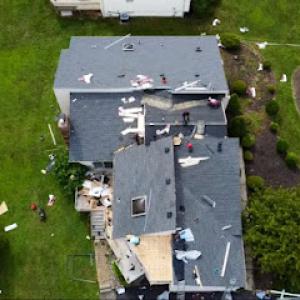
Lincoln Roofing is North Brunswick’s trusted roofing contractor for fast, reliable, and long-lasting roof solutions. We specialize in roof repairs, full roof replacements, leak detection, storm-damage restoration, and high-quality shingle, flat, and metal roofing. Our team delivers same-day inspections, fair pricing, and workmanship backed by warranty — all designed to keep your home safe, dry, and protected year-round. We proudly serve North Brunswick, South Brunswick, East Brunswick, New Brunswick, Edison, Somerset, and nearby Middlesex County. Call today for emergency repairs or a free estimate.
Truss Pro Construction
Serving
5.0 from 47 reviews
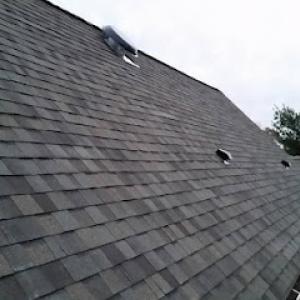
A construction and roofing company specializes in building, repairing, and maintaining structures, with a primary focus on the roof chimney siding gutters systems of buildings. The services include a range of activities related to the construction, installation, and upkeep of roofs, chimneys, siding, gutters which are essential for protecting a building from weather, maintaining insulation, and ensuring structural integrity.
MLM Renovations
(908) 887-6414 www.mlmrenovations.com
Serving
4.9 from 57 reviews
MLM Renovations provides quality roofing and gutter installation & repairs to Middlesex and Monmouth County NJ and the surrounding areas. Contact us today to schedule a free estimate.

WeatherSeal Roofing & Gutters
(732) 576-3899 weathersealnj.com
Serving
5.0 from 324 reviews
At WeatherSeal Roofing we pride ourself in providing outstanding customer service with unbeatable quality. Whether you are replacing an existing roof or gutter system, or installing on a new building, we always offer FREE inspections and estimates on all our services. We will always stand behind our products and do anything it takes to achieve 100% customer satisfaction!
Aura Home Exteriors
(833) 498-0928 www.auraroof.com
Serving
5.0 from 104 reviews
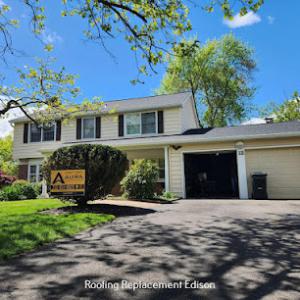
Aura Home Exteriors in Edison, NJ, specializes in professional roofing services, providing tailored solutions for roof replacement, repair, and installation. As a veteran-owned business, we emphasize transparency, accountability, and direct communication. Our team of skilled contractors uses top-quality materials from GAF, Owens Corning, Drexel, and CertainTeed to ensure durable and aesthetic results. We also offer siding, window, door, and gutter services to enhance your home's functionality and curb appeal. With a focus on safety, efficiency, and client satisfaction, we consistently deliver excellence and reliability, making us a trusted partner for your home improvement needs.

Double D Construction
(732) 981-0800 www.doubledconstructionnj.com
Serving
4.9 from 198 reviews
Transform your home inside and out with home improvement services from Double D Construction. We have many satisfied customer referrals in your area, demonstrating our ability and long-term commitment to providing you the best price, product, and service experience available.
Certified Roofing Commercial Roofing
(201) 243-7575 www.certifiedroofingnj.com
Serving
5.0 from 22 reviews
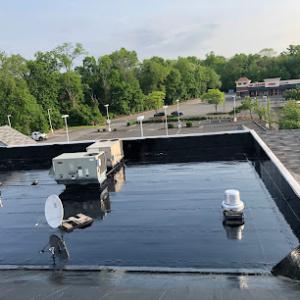
Certified Roofing & Gutters Is Your Premier Commercial Industrial & Residential Roofing Contractor Specializing In All Roofing Systems Certified Roofing Has Been In Business For Over 30+ Years Providing Excellent Services To Business & Home Owners Certified Roofing is family owned & Operated & We Offer Such Great Pricing & Affordable Roofing Systems For Either Repairs Or New Installation Contact Certified Roofing Today For Free Estimate Certified Roofing commercial Flat Roofing specialist EPDM TPO PVC Also specialist for roof Coatings Silicone Aluminum Gaco Epdm Coatings As Well
Property Management General Contracting
Serving
5.0 from 19 reviews
Located in East Brunswick, NJ, Property Management General Contracting (PMGC) is a trusted name in full-service residential remodeling and construction. With 36+ years of experience, we specialize in roofing, siding, windows, kitchens, bathrooms, basements, decks, additions, home remodeling, and demolition. Known for quality craftsmanship, clear communication, and reliable project management, we serve homeowners and property managers across Middlesex and Monmouth counties with a commitment to safety, satisfaction, and lasting results.
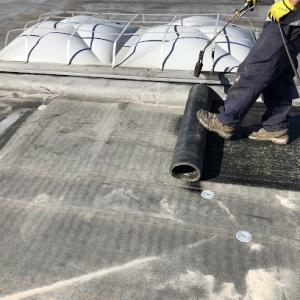
J&M Roofing
(732) 797-8646 jmroofingindustries.com
Serving
4.8 from 72 reviews
J&M Industries is a leading commercial roofing company serving New Jersey and New York. Known for our expertise and reliability, we offer a comprehensive range of roofing services, including installation, maintenance, and repair. With a commitment to quality and customer satisfaction, J&M Industries uses top-grade materials and the latest industry techniques to ensure durable and efficient roofing solutions for Commercial, Industrial and Residential Properties.
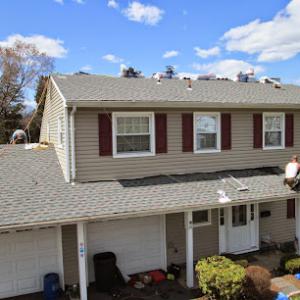
Fisher Roofing
(732) 640-4318 roofingcompanysomerset.com
Serving
4.2 from 28 reviews
Established in 2012, Fisher Roofing is a trusted, family-owned roofing contractor serving the Somerset community. Specializing in a wide range of services from new roof installations to comprehensive repairs, they handle both residential and commercial projects. Their expertise includes shingle and TPO roofing systems, ensuring quality craftsmanship for every job. With a strong commitment to honesty and integrity, Fisher Roofing delivers reliable and experienced service, ensuring every project is completed with meticulous attention to detail and a thorough cleanup.
New Brunswick's mix of older, multi-story homes and bungalows around the Raritan River translates to roofs with varied pitches, mixed fascia details, and ornamental flashings. The Northeast climate-freeze-thaw cycles, humidity, and nor'easter winds-puts a premium on materials that can shed moisture quickly, resist wind uplift, and resist rapid deterioration at seams. Among common options, asphalt shingles fit the average roof form and the local contractor base is well-practiced with re-roofs in this area. Other choices can work, but require careful planning for the typical older homes and their flashing details.
Asphalt remains the practical backbone for most New Brunswick homes. For older roofs, a re-roof with asphalt shingles is usually the most straightforward path, with an established supply chain and prompt storm-response support from local crews. When selecting asphalt, choose architectural or laminated profiles for better wind resistance and a thicker underlayment system to handle freeze-thaw movement. In dense neighborhoods, venting and attic insulation play a crucial role: ensure soffit, ridge, and gable vents are unobstructed so moisture does not linger and ice damming risk is reduced. If a roof edge is already showing uplift or curling, replacing with a quality multi-tab reinforcement can lower ongoing maintenance while preserving the home's curb appeal.
For homeowners prioritizing snow shedding and long-term durability, metal roofing is a solid option. It handles humid summers and winter freeze-thaw cycles well and tends to excel where snow load and wind exposure are concerns. In this climate, a standing-seam metal roof with a robust flashing system reduces the risk of leaks at valleys and penetrations. Metal panels should be installed with appropriate underlayment and backer rods at penetrations to accommodate thermal movement. Keep in mind that color and profile choices influence solar gain and attic temperatures, especially near heat-prone attic spaces.
Clay tile, concrete tile, wood shakes, and synthetic products do appear in the market, but they demand careful structural and flashing planning on older homes common in and around New Brunswick. Clay and concrete tiles add beauty and longevity, yet their weight requires structural evaluation and, often, temporary support during installation. Wood shakes offer traditional aesthetics but require meticulous maintenance to prevent rot in humid summers and moisture-prone periods. Synthetic composites can balance weight and appearance, but the flashing and roofing deck must still be assessed for compatibility with older roof lines.
In storm-prone seasons, prioritize systems that minimize leaks at seams and penetrations. A roof with solid underlayment, properly sealed flashings, and appropriate ventilation helps prevent moisture intrusion during nor'easters and rapid thaw cycles. For older homes, plan roof upgrades with attention to matching flashing details at dormers, chimneys, and edge joints to reduce fast-leak pathways during a storm.
This city's mix of older homes, tighter lot conditions, and access constraints can slow tear-off, delivery, and debris handling. That reality affects both contractor scheduling and material transport windows after a storm. When a major wind and rain event hits central New Jersey, the demand for quick leaks fixes spikes, and pricing can push higher as crews juggle emergency repairs with regular work. For a homeowner, this translates into planning for a shorter window between evaluation and repair, especially if the roof is mid-life and has multiple weak spots from prior storms.
Costs in this area span from asphalt shingles at 350 to 550 USD per square up to clay tile at 1000 to 1700 USD per square, with metal and synthetic options clustered in the middle to upper range. Asphalt remains the most common, especially on mid- to older-era homes where roof planes may need rapid triage after a nor'easter. Metal roofs offer faster repairability and longer life in wind-prone sections, but installation complexity on tight lots can raise both cost and timeline. Synthetic or composite shingles provide a durable middle ground with easier handling in tight spaces. Clay and concrete tiles, while attractive and long-lasting, are heavier and more sensitive to structural conditions, so they often require a careful assessment before quick storm repairs.
In practice, expect prices to fluctuate after major wind events when crews are in high demand. If a leak is detected after a nor'easter, prioritize temporary mitigation-tarps or sealing patches-while arranging a rapid assessment. Older roofs near the river corridor may show accelerated wear in valleys, flashing, and around chimneys, making the timing of repairs critical. When choosing materials, think about weight, wind resistance, and ease of hauling debris given tighter yards and alley access. If a full tear-off is necessary, coordinate with the contractor to stage material delivery and waste removal in smaller, frequent loads to minimize disruption and keep the project moving through winter-like freezes and thaw cycles.
Get a clear picture of your project costs upfront - no commitment required.

For a full re-roof in this area, homeowners should expect to work through the local building department under New Jersey's municipal permit framework rather than treating replacement as informal maintenance. In practice, that means submitting a permit application before any work begins, with accurate project scope that covers tear-off, decking condition, and replacement materials. The review will look for compliance with current codes, including roof load, ventilation, and eave protection, and may require plans or notes on any fixes to underlying decking. The process is designed to ensure that a long-lasting job stands up to the city's freeze-thaw cycles and the frequent Nor'easter-driven wind events.
The typical process in this region includes a permit application before work begins and municipal inspections that may occur during the project and again at final completion. Inspections can be staged to verify safety during tear-off, verify decking and anchors, and confirm proper installation of insulation, ventilation, and underlayment. Expect inspectors to check that flashing details around chimneys, dormers, and ventilation penetrations are correctly integrated with the new roof. In denser neighborhoods, inspectors may pay particular attention to work performed on multi-story structures and to any impact on adjacent units or shared walls.
Because this city is built up with many older structures, permit review can matter more when decking repairs, structural concerns, or major material changes are discovered after tear-off. If rot, delamination, or insect damage is found in the plywood or OSB sheathing, the permit may require remediation before proceeding. Switching to heavier or different roof systems, such as transitioning from shingles to tile or metal, might trigger additional structural analysis or reinforcement requirements. The review aims to ensure that any retrofit aligns with existing framing and that wind uplift and seismic considerations meet current standards.
Before submitting, gather documentation of the existing roof's condition, including photos of damaged decking and any prior repairs. Have a clear plan for ventilation and attic insulation, plus a detailed material specification for the proposed roof, including underlayment and flashing methods. If your project includes alterations to dormers, skylights, or gutters, outline those changes and how they will be integrated with the roof. Communicate any known structural concerns up front to minimize back-and-forth during the review period.
When a Nor'easter lashes central New Jersey and the Raritan corridor, your roof faces a harsh mix of wind-driven rain and freeze-thaw cycles. Insurers often scrutinize whether damage is a sudden storm loss or the result of long-developing wear on an older roof. The distinction can shape whether a claim is approved and how much is covered.
Understand that New Jersey insurers commonly ask homeowners to document roof age, current condition, and storm-specific damage before approving larger claims. If the roof has undergone prior repairs or shows signs of aging, adjusters may question whether the storm alone caused the failure or if preexisting wear contributed. Honest, contemporaneous documentation helps guard against surprises in settlement.
After wind and rain events in central New Jersey, adjusters may look closely at whether damage is sudden storm loss or long-developing wear on an older roof. That means a quick, organized response matters. For example, note any new leaks, fallen branches, lifting shingles, or displaced flashing. A pattern of minor leaks in the days after a Nor'easter can signal ongoing deterioration rather than a single event.
Photo documentation immediately after a nor'easter or winter storm is especially important in this market because claim timing and maintenance history can affect coverage decisions. Take clear images from ground level and from attic spaces to show both exterior impressions and interior water intrusion. Keep a dated record of weather conditions and any temporary repairs, and share that with your adjuster promptly to support the claim review.
Connect with contractors who help homeowners navigate the claims process from damage assessment to final approval.
Lifetime Construction
299 Powers St, New Brunswick, New Jersey
5.0 from 74 reviews
Best Choice Roofing
(908) 933-0033 bestchoiceroofing.com
409 Joyce Kilmer Ave #316, New Brunswick, New Jersey
5.0 from 61 reviews
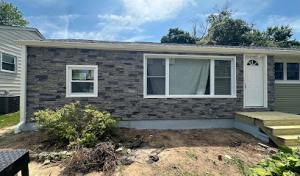
In this city, flat and low-slope roofing matters because the mix of older urban and mixed residential-commercial blocks concentrates drainage challenges. Humid summers and heavy rain can overwhelm over-popped drains and create standing water on porch roofs, rear sections, and former additions. You should inspect edge terminations, scuppers, and gutters after every heavy rain, and clear debris promptly. Regularly test roof drains by pouring a bucket of water toward the downspout to confirm flow paths remain open. If ponding persists after a storm, plan a targeted inspection to identify fast-moving edge leaks that feed through the parapet or seam joints.
Older flat sections in this market tend to age unevenly because additions and porches introduce different substrate materials. Check the membrane where deck transitions meet flashing at penetrations. Nor'easter-driven wind-driven rain can push moisture into seams that look sound from a distance. Look for verursacht buckling, blisters, or edge peel around vent stacks, skylights, and curbs. Create a simple moisture map by marking damp spots after a rain and tracking their size over 48 hours. If you detect bubbling or edge lift, treat it as a priority repair rather than a cosmetic fix.
Plans for rear renovations or rear porches often add low-slope areas that age differently. Inspect flashing where new sections tie into the original roof line, especially near parapets and wall penetrations. Ensure these junctions carry proper drainage and have compatible, UV-stable membranes. Maintain clear separation of older and newer membranes to avoid bridging moisture between layers.
Freeze-thaw cycles stress membranes and flashings most when rain is frequent. After a storm, perform a quick roof walk to identify lifted edges, hail damage, or loose ballast. If you observe any moisture intrusion or new damp spots, prioritize a temporary leak seal and schedule a professional assessment promptly. Proactive short-term fixes shield interior finishes during late-winter nor'easters and spring thaws.
Find specialists in TPO, EPDM, and built-up flat roofing systems for residential and commercial properties.
Best Choice Roofing
(908) 933-0033 bestchoiceroofing.com
409 Joyce Kilmer Ave #316, New Brunswick, New Jersey
5.0 from 61 reviews

Neighborhood Roofing East Brunswick
(732) 656-8985 neighborhoodroofingllc.com
Serving
5.0 from 45 reviews
In this city's older mixed housing stock near the Raritan River, roof systems have endured decades of freeze-thaw cycles and occasional storm impact. Replacement projects tend to perform best when the roof is still structurally sound but no longer offers reliable leak resistance. Aim to align replacement with a calm period in the calendar rather than waiting for a leak to drive the decision. A solid plan takes advantage of predictable weather windows and minimizes stress on interior spaces.
Spring and early fall are usually the most favorable replacement windows because they avoid the worst winter freeze-thaw stress and peak summer humidity. Those shoulder seasons allow crews to complete under ideal conditions, with reduced risk of adhesive or underlayment issues caused by extreme temperatures. Winter replacements in central New Jersey can be complicated by ice, brittle shingles, and weather delays, while summer projects can expose underlayment to prolonged heat and moisture. Aligning work with moderate temperatures helps ensure long-term performance.
Homes in denser neighborhoods often carry limited staging space for material care and stricter access considerations. In older structures, decking and flashings may show uneven settlement or corrosion from nightly exposure to humidity and wind-driven rain. If the roof has multiple layers or shows signs of widespread flashing corrosion, replacement timing becomes more urgent, especially when a storm season approaches and the risk of rapid water intrusion rises.
Homeowners near the end of roof life often schedule proactively before storm seasons rather than waiting for a leak during a nor'easter or spring rain cycle. Planning ahead reduces the chance of weather-induced delays and helps ensure attic ventilation and insulation are properly coordinated with the new roof. A measured replacement window also minimizes the disruption to busy urban calendars and school cycles.
In a crowded contractor market, you won't go far without confirming three things up front: how fast they respond, what their cleanup looks like after each day's work, and whether the company has a long-standing local footprint. Ask for a real timeline for initial response, a written plan for daily cleanup, and at least three references from nearby projects that are similar in age and complexity to yours. A local crew that has worked on older houses near the river tends to understand how masonry and roof lines interact on hip-and-valley systems, which saves back-and-forth during storms.
Many roof issues in this area hinge on masonry intersections. When you vet bids, prioritize roofers who demonstrate proven chimney and brick-masonry integration skills. The right contractor will assess flashing, crown, and counter-flashing, and will note how chimney cap and chimney breast settling can affect leak paths. Ask specifically how they handle joints where brick or stone meets shingles, and request photos from recent chimney-related repairs in nearby blocks.
In a market with lots of affordable re-roof options, manufacturer certifications and written warranties are a meaningful way to compare bids. Ask for the exact certification details for the materials proposed and for the contractor's installation warranty. Read the warranty language: who covers what, for how long, and what constitutes a valid claim. Ensure that the bid includes a clear schedule of materials, fasteners, underlayment, and flashing products tied to the manufacturer's installation instructions. If a bid seems lighter on documentation, press for specifics before signing.
Storm-driven leak risk means you want a crew that commits to follow-up quickly if a problem appears after a nor'easter. Confirm the process for addressing urgent leaks and the expected response times, so a fast repair timeline is in place when winter returns.