
Last updated: Apr 19, 2026
The cold months bring a harsh edge to shingles, underlayment, and flashing, and that matters for timing. Freeze-thaw cycles in Edison winters put extra stress on flashing details and underlayment transitions, making small leak points worsen between seasons. If a roof is in rougher shape, winter installation can compromise sealant beds and vent flashing, leading to more complex fixes when crews return in milder weather. In practice, homeowners who must choose around winter weather look for windows when overnight temperatures are reliably above freezing for at least several days, plus a dry forecast. If a roof must be started in late winter, expect more careful scheduling for ice and moisture mitigation, and plan for potential patchwork rather than a full teardown-and-replace in one go. The goal is to avoid a cold snap that freezes newly set underlayment or drives excess moisture into attic spaces.
Spring in this area brings noticeable volatility. Spring rain and hail risk in Central New Jersey can delay tear-offs and also trigger homeowner demand spikes after storm events. If a new roof is scheduled too early, lingering wet conditions slow down decking preparation and may push crews to divide the job into smaller phases, which can extend project calendars. A practical approach is to align replacement with a stretch of dry weather, ideally with moderate temperatures that keep shingle adhesion steady and allow adequate curing of sealants. After a winter that stressed flashing, inspectors often find minor adjustments are needed during spring tear-offs, so be prepared for a brief inspection-based pause before the full installation proceeds. Having a predictable window-two to three weeks of anticipated dry weather-helps limit interruptions from sudden showers.
Summer offers reliable daylight and typically thorough drying conditions, but it brings its own challenges. You should plan ahead for high humidity and heat that can affect asphalt shingles and synthetic products, especially during the peak sun hours. In Edison, summer heat can accelerate certain sealants but may also magnify surface temperatures, impacting worker comfort and safety. A practical sequence is to begin with decking and underlayment checks early in the day, reserving loft-area work for cooler portions of the afternoon if attic temperatures climb. Storms still occur, so a contingency plan for brief rain delays remains essential, but long stretches of dry weather are common enough to keep a replacement on pace when crews are not stalled by weather fronts.
Fall presents a favorable balance for many projects, offering cooler conditions yet enough warmth for materials to cure properly. If summer overran into autumn, you may still catch a window of dry, moderate days before winter's grip tightens again. Fall timing benefits from longer nights that reveal any lingering moisture issues through visible leaks or condensation in the attic, allowing final adjustments before winter. In Edison, the hatch criteria for progressing with the finish work-shingle alignment, nail placement, and sealing-are best met when temperatures stay above the lower threshold that keeps adhesives and sealants stable. As the season shifts, aim for a steady, well-coordinated sequence: deck verification, underlayment finalization, shingle installation, and meticulous flashing checks to seal transitions before the first freeze risk returns.
Fresh spring storms and the harsh winter cycle bring a higher chance of leaks that look minor at first but can expand quickly as freeze-thaw cycles set in. In this market, insurers routinely review wind and hail exposure when a claim hits, and Edison homeowners are often asked for roof age, photos, and replacement cost documentation after storm-related damage. The sequence matters: wind-driven rain can force water into unseen gaps, and an attic inspection may reveal moisture migrating from a roof deck through insulation and into living spaces. Acting fast to identify weak spots-especially around flashing, chimneys, vents, and valley intersections-reduces the risk of hidden damage turning into costly structural issues.
After a storm, gather clear evidence that speaks to the roof's condition before and after the event. Photos from multiple angles, close-ups of hail impacts, and a dated timeline showing when shingles appeared to lift or water appeared in the attic are invaluable. New Jersey insurers commonly review wind and hail exposure, so Edison homeowners are often asked for roof age, photos, and replacement cost documentation after storm-related damage. If a claim is filed, expect a request for the roof's age and recent maintenance history, plus any prior repair notes. Keeping these records organized helps the adjuster assess whether the damage is isolated or part of broader wear compounded by severe weather.
In this market, adjusters frequently coordinate with roofers for pre- and post-project documentation. That collaboration matters when leak damage appears after spring storms or winter weather. An adjuster may visit the property, take their own measurements, and request specific contractor details before an estimate is issued. A trusted local roofer can provide essential pre-inspection records, moisture readings, and a written assessment of hail impact or wind-driven damage. When the documentation aligns with observed leakage, the path to a smoother claim review becomes clearer. Stay prepared for questions about the roof's age, the number of layers present, and any previous repairs that might influence coverage decisions.
Coverage terms can change as carriers respond to regional weather losses, so homeowners need current policy language before assuming full replacement will be covered. It's common for carriers to implement temporary adjustments after a sequence of severe storms or a harsh winter. This means what was previously included in a plan may be limited or require additional endorsements. Read the policy language carefully and identify sections on wind and hail exclusions, depreciation, and umbrella coverage for secondary structures. If questions arise, contact the insurer promptly to confirm which components are eligible for replacement and under what conditions.
Act quickly if a leak is detected after a storm to prevent water damage that can worsen with freeze-thaw cycles. Start with a temporary, weather-tight fix to minimize intrusion while you gather photos and establish a damage timeline. Contact your insurer with a concise summary plus your documentation package, including roof age and any recent repairs. Engage a respected local roofer to perform a pre-claim assessment when appropriate to document observable damage and identify areas that may be overlooked in an initial inspection. By coordinating evidence, timing, and professional input, the claim process becomes more predictable and less stressful during the busiest part of the year.
Connect with contractors who help homeowners navigate the claims process from damage assessment to final approval.
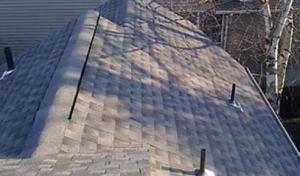
Nivelo Construction
(732) 200-9520 www.niveloconstruction.com
34 Lydia Ln, Edison, New Jersey
4.9 from 31 reviews
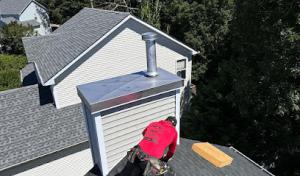
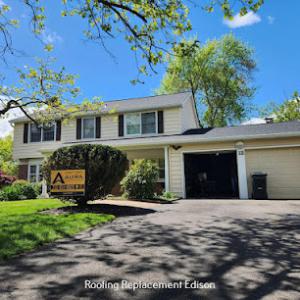
Aura Home Exteriors
(833) 498-0928 www.auraroof.com
180 Talmadge Rd, Edison, New Jersey
5.0 from 104 reviews
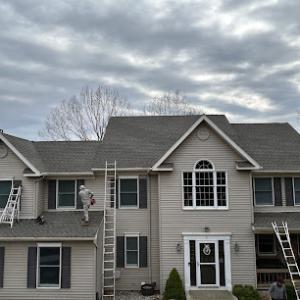
Aura Home Exteriors in Edison, NJ, specializes in professional roofing services, providing tailored solutions for roof replacement, repair, and installation. As a veteran-owned business, we emphasize transparency, accountability, and direct communication. Our team of skilled contractors uses top-quality materials from GAF, Owens Corning, Drexel, and CertainTeed to ensure durable and aesthetic results. We also offer siding, window, door, and gutter services to enhance your home's functionality and curb appeal. With a focus on safety, efficiency, and client satisfaction, we consistently deliver excellence and reliability, making us a trusted partner for your home improvement needs.
All Trade Construction
(201) 561-3672 alltradeconstructionllc.com
Edison, New Jersey
5.0 from 40 reviews
At All Trade Construction, we are dedicated to providing top-notch roofing, siding, chimney, masonry, and gutter services throughout New Jersey. Although our company is newly established, founded just one month ago, our team comprises seasoned professionals with years of experience in the construction industry. We bring fresh energy and modern techniques to every project, ensuring your home’s exterior is both beautiful and durable.
Certified Roofing Commercial Roofing
(201) 243-7575 www.certifiedroofingnj.com
35 National Rd, Edison, New Jersey
5.0 from 22 reviews
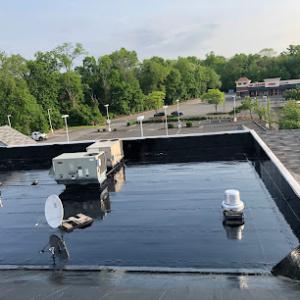
Certified Roofing & Gutters Is Your Premier Commercial Industrial & Residential Roofing Contractor Specializing In All Roofing Systems Certified Roofing Has Been In Business For Over 30+ Years Providing Excellent Services To Business & Home Owners Certified Roofing is family owned & Operated & We Offer Such Great Pricing & Affordable Roofing Systems For Either Repairs Or New Installation Contact Certified Roofing Today For Free Estimate Certified Roofing commercial Flat Roofing specialist EPDM TPO PVC Also specialist for roof Coatings Silicone Aluminum Gaco Epdm Coatings As Well
Nivelo Construction
(732) 200-9520 www.niveloconstruction.com
34 Lydia Ln, Edison, New Jersey
4.9 from 31 reviews
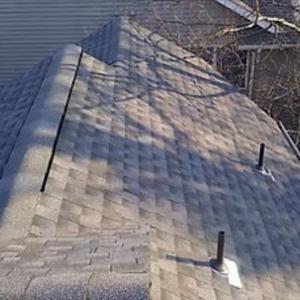
If you are looking for a right roofing contractor in Edison New Jersey to repair, replacement or installation. sure you are in a right place, just trust us and give us an opportunity to show you, what your decision was the best choice to get right roofing company. Our experienced roofers team provide superior quality roofing, siding, skylight, chimney, gutter repair and installation services in your area. We use the highest quality materials to ensure your roof is durable and long-lasting. We also offer a variety of options to meet your specific needs and budget. Our technicians are highly trained and certified to provide you with a safe and efficient rofing repair or installation service. Contact us today for any roofing needs.
A-1 USA Construction,LLC
(732) 522-5252 a1usaconstructionllc.com
Edison, New Jersey
4.9 from 28 reviews
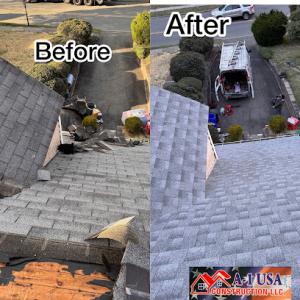
We specialize in Roofing,siding,Chimney brick repair , Gutters and Masonry services. Our highly-trained team is here to help you with all your construction needs. We provide a stress-free service and stick to the budget. And after all work is completed our team makes sure we clean up any post-construction debris. We specialize in: Roofing Services Gutters repair and installation Masonry Service Chimney Repair and installation
Bayshore Roofing
(732) 853-5153 bayshoreroofing-llc.com
Serving
5.0 from 58 reviews
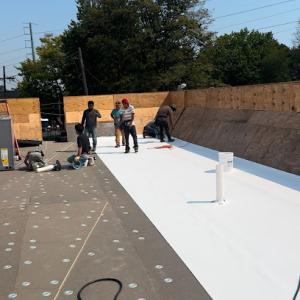
Bayshore Roofing has been delivering trusted roofing services since 1987, helping homeowners and businesses protect their properties with quality workmanship. Specializing in residential roofing, commercial roofing, roof repair, leak repair, flat roof installation, roof replacement, shingle repair, and flat roof repair, the team focuses on durable materials and proven installation methods. With decades of hands-on experience, Bayshore Roofing is known for reliable service, clear communication, and long-lasting roofing solutions designed to withstand harsh weather and everyday wear.
A1 Dependable NJ Roofing Chimney Gutter Masonry
(201) 290-2289 a1dependablenj.com
Serving
4.9 from 75 reviews
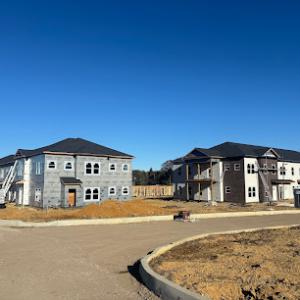
With nearly three decades of dedicated service since 1996, A1 Dependable NJ Roofing Chimney Gutter Masonry stands as a cornerstone of reliability. They are a premier contractor in Metuchen, specializing in a full spectrum of exterior home solutions. Their experienced team provides expert craftsmanship in roofing, chimney, masonry, and gutter services. From meticulous repairs to complete installations, A1 Dependable ensures the structural integrity and aesthetic appeal of your home with a steadfast commitment to quality.

Elite Roofing & Restoration
(908) 338-0782 njtrustedroofers.com
Serving
4.9 from 172 reviews
Elite Roofing Solutions is all about peace of mind, we specialize in roofing replacements, siding, windows, doors, decks and gutters. The quality of our workmanship is superior and our customer service is outstanding, this way we can guarantee peace of mind through out your entire project and for years to come.
Hammer Exteriors
(973) 442-6637 www.hammerexteriors.com
Serving
5.0 from 91 reviews
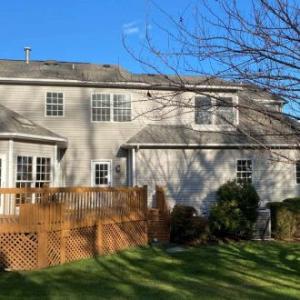
At Hammer Exteriors, we are proud to be a trusted Roofing Contractor in South Plainfield, New Jersey. Our team is dedicated to keeping your home safe and secure by providing expert roof repairs, replacements, and inspections. We know how important it is to protect your family from the elements, which is why we use high-quality materials and pay close attention to detail. Whether you need a small patch or a full roof upgrade, we will work with you to find the best solution for your home. As members of the South Plainfield community, we treat every project with the care it deserves. Call Hammer Exteriors today for reliable, friendly service you can count on.
L&B General Contractor
(973) 866-7190 www.landbgeneralcontractor.com
Serving
5.0 from 36 reviews
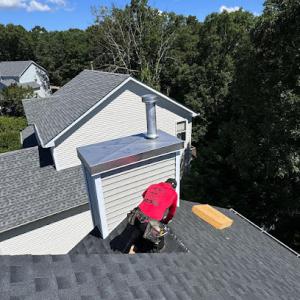
License number: 13VH12305300 L&B General Contractor was built with the commitment to ensure cost-effectiveness and high-quality in every home improvement project we are hired to work on for the community of Orange, NJ and the surrounding areas. Our company was founded under the great values of: • Professionalism • Commitment • Diligence • Cost-Effectiveness Contact our team today and get a free estimate for any of the services that we offer. We are more than ready to start working on your projects, our goal is to exceed your expectations and always provide you with the best quality. Contact our professional and reliable company today to save time and money on your upcoming home improvement project!
Penyak Roofing Since 1960
(908) 753-4222 penyakroofing.com
Serving
4.8 from 925 reviews
Since 1960, Penyak Roofing has been the go-to certified roofing contractor in Central NJ. We are a family-owned business, priding ourselves on providing the best roofing services. Whether you need residential or commercial roofing, our experienced team of roofers is equipped to handle roofs of all types. We’re not just another company; we’re your neighbors, offering top-notch roof repair and siding services. Trust us to protect your home or business.
Revive Home Remodeling Group
(908) 844-8447 www.revivehrg.com
Serving
5.0 from 66 reviews
We’re more than just a home improvement company, we’re a team of passionate experts dedicated to transforming your vision into reality. Founded by industry veterans who witnessed the shortcomings of both small, unreliable companies and large, impersonal powerhouses, we knew there had to be a better way. Our mission is to bridge the gap, offering you the best of both worlds: the personalized service of a small business with the expertise and reliability of a large firm.
Asphalt shingles stand out in the local market as the practical workhorse for most homes. They hold up well under year-round precipitation and are familiar to local roofing crews, which helps with predictable installation timelines. In this climate, the summer heat and UV exposure can age the asphalt faster, while winter cycling stresses seal lines and penetrations. That means periodic inspections after the hottest and coldest seasons are especially important, focusing on exposed fasteners, sealant joints around vents, and any granule loss along the eaves. If you choose asphalt, consider a higher-quality shingle line with improved UV resistance and a robust warranty, and plan for occasional accelerated wear in shaded or tree-covered sections of the roof. Local homes with moderate slopes tend to benefit from shingles that balance wind resistance and ease of maintenance, reducing the chance of wind-driven lift during seasonal storms.
Metal can perform well against the constant moisture and seasonal precipitation that characterize the area. A metal roof often handles freeze-thaw cycles better than some other materials, but the real payoff depends on proper detailing around flashing, joints, and vent penetrations. In this climate, flashing around chimneys, skylights, and dormers needs meticulous sealing and careful integration with potential ice dams. The fastener pattern and sealant choice matter just as much as the metal itself; improper fastening or inadequate underlayment can lead to leaks that are hard to diagnose from the attic side in winter. When considering metal, look for systems with a proven track record in mixed climates and insist on a comprehensive flashing plan that accounts for seasonal temperature swings and wind-driven precipitation. Regular maintenance to check for loose panels and sealant degradation around penetrations will help sustain performance.
Clay tile, concrete tile, and wood shingles or shakes can offer distinctive curb appeal and long lifespans, but they come with climate-sensitive requirements. In an environment with moisture exposure and autumn leaf debris, tile systems demand careful roof deck assessment and a sturdy, well-ventilated underlayment. Clay and concrete tiles are excellent for heat resistance and long service life when the structure can support the weight, but installation must account for movement and potential freeze-thaw induced cracking, especially along edges and areas with venting. Wood shingles and shakes bring a natural look, yet wood is particularly reactive to moisture and temperature shifts; periodic treatment and monitoring for rot or insect activity become essential. For all these, ensure the roof structure is evaluated for load-bearing capacity and that fastener corrosion is minimized with appropriate hardware for the local climate. Debris from autumn leaf drop can trap moisture if gutters and valley details aren't kept clear, so establish a maintenance routine that targets debris removal and inspection after leaf season.
In this market, your roof's longevity hinges on proactive care aligned with seasonal patterns. Each material presents its own maintenance cadence, but all benefit from a disciplined routine: targeted inspections after winter and after the height of summer, prompt attention to any signs of moisture intrusion, and a clear plan for addressing flashing, penetrations, and eaves. When choosing a material, prioritize compatibility with existing roof geometry, chimney or vent layouts, and the local storm profile, then pair the selection with a maintenance schedule that respects how Eichler-like seasonal swings stress joints and seals. A well-chosen roof type, installed with attention to local detail and reinforced by a realistic upkeep plan, can stand up to Edison's weather cycles while preserving comfort and property value.
Full roof replacements generally require a building permit through the local construction office rather than being handled as permit-free maintenance. This means your project will follow the same approvals process as other substantial home improvements on the block. The permit path starts with a plan review, so having a complete set of drawings and scope notes helps move things along more predictably, especially during busy spring-to-fall windows.
The contractor typically submits the permit package, including proposed methods for flashing, ventilation, and venting if those areas are within scope. In Edison, approved plans or later amendments can affect project start dates, so it's important to align expectations with the contractor and the building department. If the plan changes-say, a different venting strategy or a revised roof-line layout-the permit may need to be amended before work can proceed. This is not unusual in a neighborhood with aging homes and common re-roof strategies.
Weather can push timelines, especially with the region's freeze-thaw cycles. Permit timing interacts with weather gaps, and delays in plan approval can ripple into when crews can safely mobilize. If your house requires additional structural or ventilation work as part of the permit package, those changes can add days or weeks to the timeline. Keeping a realistic buffer helps prevent the surprise of a compressed installation schedule when a window opens.
Inspections usually include a final check after completion to verify code compliance and workmanship. Some Edison properties may also receive interim inspections tied to flashing, ventilation, or venting work depending on scope. The inspector will confirm proper flashing details around the ridge and eaves, verify attic ventilation is staged to meet current standards, and ensure venting systems are correctly sized and installed. If anything fails to meet code during a mid-project check, the contractor will need to address it before a pass is issued.
Coordinate closely with the contractor to schedule inspections, commonly aligning with key milestones such as roof deck installation, flashing, and vent installation. Confirm the township's typical review timelines and any required re-inspection fees in advance. Maintaining open dialogue with the building office helps minimize downtime due to administrative holds, and it keeps your project moving with the seasonal weather constraints in mind.
Local pricing is affected by permit processing and inspection coordination in Edison, especially when township workload slows approvals during busy seasons. This means the sticker price you see in a brochure can drift as crews stack jobs or pause for inspections. For a typical residential reroof, material choice drives most of the cost swing, with ranges that reflect local market dynamics. Asphalt shingles sit in the 350 to 900 USD per square range, making them the most budget-friendly option if year-to-year cost is the priority. Metal roofing runs higher, roughly 600 to 1100 per square, offering durability and lighter weight but a steeper upfront outlay. Clay tile can pull 1000 to 1800 per square, followed by concrete tile at 900 to 1600 per square, which are favored for longevity and distinctive curb appeal but require structural consideration. Wood shingles or shakes typically run 800 to 1500 per square, delivering a classic look with comparatively higher maintenance needs. Synthetic or composite shingles sit between 450 and 900 per square, offering a balanced option that mimics more expensive materials while usually costing less to install.
Storm-driven demand surges in Central New Jersey can tighten scheduling and labor availability, pushing replacement pricing higher after active weather periods. In practical terms, that means a sudden hail event or a quick windstorm can shift a project's start date by days or weeks and raise material and labor costs due to higher demand. During late spring and early fall, when crews are most active, projects may queue up behind other customers. Planning ahead for a potential weather window can help keep a project closer to the lower end of the pricing spectrum, since last-minute scheduling often invites expedited work with premium trades and limited crew availability.
Material choice matters sharply here, with the provided market ranges illustrating that you get more than aesthetic value for the higher price bracket. If the home's roof pitch, expected lifespan, and local snowfall or ice exposure are factored, heavier tile systems, for example, may demand structural checks and potential reinforcement, influencing both upfront and long-term costs. Asphalt remains a reliable all-around choice for cost-conscious upgrades, while synthetic shingles offer a middle path with better impact resistance and a quicker install in many cases. For homes with historical character or distinctive architecture, clay or concrete tile may deliver the look you want, but be prepared for longer lead times and potential structural adjustments in older builds. In Edison, your best approach is to match material performance with the home's design intent and a realistic plan for scheduling within the town's seasonal workflow.
Get a clear picture of your project costs upfront - no commitment required.
Certified Roofing Commercial Roofing
(201) 243-7575 www.certifiedroofingnj.com
35 National Rd, Edison, New Jersey
5.0 from 22 reviews
A1 Dependable NJ Roofing Chimney Gutter Masonry
(201) 290-2289 a1dependablenj.com
Serving
4.9 from 75 reviews
In Edison, freeze-thaw cycles relentlessly test the seams where flashing meets siding, shingles, and vent pipes. Movement from repeated freezing and warming can open vulnerable joints over time, allowing water to creep under shingles and into the attic. This isn't a dramatic failure all at once, but a slow, cumulative problem that shows up as small drips after rain or a musty attic odor after a cold snap. The lesson is simple: prioritize robust flashing details during any re-roof, and insist on proper sealant and backer materials at every transition. In practice, that means checking the integrity of step and counter-flashings where the roof meets chimneys, vents, and skylights, and avoiding shortcuts that leave vulnerable gaps.
Chimneys are a frequent stress point on local roofs. The combined weight of brick or stone, plus movement from wind, settling, and winter moisture, creates a higher risk of flashing failure at the base and along the sides. Contractors in this market often focus extra attention on chimney-related exterior work, because even small gaps there can channel water straight into ceilings and walls. If the chimney apron or cricket isn't correctly integrated with the roof deck, you might see recurring staining, damp patches, or peeling interior paint years after a re-roof. Expect a thorough inspection of chimney step flashing, counter-flashing, and the sealant line at all points of contact.
Autumn leaf debris in this area increases gutter backup risk, which can hold water at roof edges and worsen leak conditions during later cold-weather cycles. Clogged gutters push water to back up under drip edges and fascia boards, accelerating wood rot and ice dam risk. A proactive approach means regular, seasonally timed cleaning and the installation of proper gutter guards where appropriate. Pay attention to roof-edge water flow in late fall and early winter, when trapped moisture is most likely to refreeze and penetrate vulnerable edges.
Many homes in the area have aging roofs with modest overhangs and older vent placements. That combination elevates the chance of edge leaks after heavy spring rains or mid-winter thaws. When planning maintenance or replacement, scrutinize edge seals, kick-out flashing at wall intersections, and the condition of the roof deck near eave lines. A cautious, targeted repair now can prevent larger, more disruptive leaks later.
Find contractors experienced in skylight installation, flashing, and leak repairs to bring natural light into your home.
Nivelo Construction
(732) 200-9520 www.niveloconstruction.com
34 Lydia Ln, Edison, New Jersey
4.9 from 31 reviews
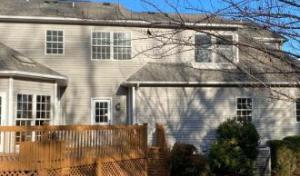
In Edison, flat-roof additions are a recognizable feature of aging homes, and they require a practical approach to repair and replacement. Drainage behavior on low-slope sections matters year-round, since water can linger longer than on steeper surfaces. This makes attention to deck drainage, scuppers, and edge details essential for long-term performance.
Year-round precipitation means you should prioritize dry-season inspections as windows for work. Interim checks often center on flashing where flat sections meet walls or penetrations, plus venting details that can trap moisture. Track any signs of ponding, blistering, or мемbrane movement after heavy rain or freeze-thaw cycles. If you spot standing water near penetrations or at transitions, plan targeted improvements rather than a full teardown.
Start with a surface-level assessment of the membrane or roofing layer, then verify the integrity of flashings and termination bars. Address minor flashing leaks promptly to prevent bigger problems down the line. When replacement becomes necessary, align the new low-slope system with reliable edge details and proper drainage gradient. Prioritize materials with proven performance for winter conditions and consider resealing any joints as part of a staged upgrade.
Because flat-roof projects often tie into existing structures, coordinate timing with surrounding renovations and seasonal weather windows. Aim for a stretch with moderate temperatures to support adhesive and sealant performance, avoiding periods of heavy rainfall if possible. In practice, plan for a phased approach that minimizes exposure of underlying substrate to moisture during transitions.
Find specialists in TPO, EPDM, and built-up flat roofing systems for residential and commercial properties.
Certified Roofing Commercial Roofing
(201) 243-7575 www.certifiedroofingnj.com
35 National Rd, Edison, New Jersey
5.0 from 22 reviews
Century Roofing
(732) 938-0575 www.centuryroofnj.com
180 Talmadge Rd, Edison, New Jersey
4.9 from 31 reviews