
Last updated: Apr 19, 2026
Rahway homeowners face a rocky mix of cold winters with snow and sudden thaws. That cycle presses shingles, flashing, and seals beyond what a calm season would ever demand. Shingle cracking accelerates when ice dams form or when thawing water seeps into edge areas, then refreezes at night. Flashing movement involving valleys, chimneys, and roof-to-wall transitions undermines seals, creating small leaks that spread through the attic and decking if left untreated. This isn't a slow burn; it's a fast-moving failure pathway that most commonly shows up as damp spots on ceilings after a storm or a thawing spell ends.
Hot, humid summers in this market don't pause after a winter that already damaged the roof. Moisture trapped under compromised shingles and flashing can push into the deck and attic during the hottest days, turning a tiny spring leak into a full-blown interior moisture issue by mid-summer. You'll notice musty smells, dark staining, or higher indoor humidity. When that happens, the problem isn't just a cosmetic drip-it's a signal that decking boards, underlayment, and ventilation pathways could be deteriorating from repeated cycles of moisture and heat. Acting quickly helps prevent mold growth and insulation loss that drive up future repair complexity.
The local contractor signal mix shows emergency repair and storm damage work are highly prevalent here, which means homeowners often need fast response after weather events rather than purely planned replacements. That urgency can force you into decisions about temporary fixes versus long-term solutions. Expect a rush of service calls after a violent afternoon storm or a heavy thaw that floods gutters and overwhelms vulnerable flashing. The right move is to have a reliable contractor in your corner who can seal leaks to keep interior damage from spreading while evaluating the roof's overall health.
Begin with a rapid exterior inspection after any thaw or storm, focusing on exposed edges, valleys, and around penetrations like chimneys. If you see cracked shingles, displaced flashing, or staining near joints, plan for a professional assessment promptly. A targeted repair-such as securing loose flashing, resealing seams, or replacing a handful of damaged shingles-can stop a small leak from turning into decking or attic trouble. Be prepared for a storm event by ensuring your gutters are clear, attic vents aren't blocked, and insulation around crawlspaces isn't sagging. When a leak appears, don't assume it's only a surface issue; investigate whether water has traveled along rafter bays or through underlayment, which can worsen quickly with freeze-thaw cycles.
In this market, your choice isn't only about a full roof replacement; it's about resilience against repeat cycles. Ask for a diagnostic that includes shingle integrity, flashing performance, underlayment condition, and ventilation effectiveness. If damage is localized to the upper third of the roof or to flashing around key penetrations, a targeted repair-plus-seal approach may buy time and reduce risk of mid-summer interior damage. If multiple sections show wear or you've faced repeated leaks during thaw periods, a more comprehensive plan may be warranted to restore continuous protection against both winter and summer stress. The goal is to minimize future emergency calls and keep your home dry through successive freeze-thaw events and storm seasons.
Asphalt shingles are the dominant practical choice in Rahway, fitting the area's common reroofing market and balancing cost against the city's winter-summer temperature swings. They're straightforward to install on older housing stock without overwhelming existing structures, and they respond well to typical Rahway weather cycles, including freeze-thaw stress. Look for a dimensional, heavier shingle with good wind rating to stand up to storm-driven winds. When choosing, prioritize a product with a strong warranty and a decent hail resistance rating, since storms can be a recurrent concern in the local climate.
Metal roofing is present locally and can appeal where homeowners want better snow shedding and longer service life, but detailing matters in a humid climate with seasonal expansion and contraction. In older Rahway homes, ensure the roof deck and eave edges are solid enough to support metal panels and that fastener corrosion is minimized with corrosion-resistant clips and proper sealants. Panel profiles that shed snow efficiently help reduce ice dam risk on steeper pitches, yet a precise installation is essential to manage expansion gaps during hot summers and cold winters. If choosing metal, plan for a careful flashing plan around chimneys, skylights, and vent stacks to prevent leak paths through the junctions common on older structures.
Clay tile, concrete tile, slate, and fiber cement are all seen in the broader regional material mix, but their weight and repair complexity matter more on older Rahway structures than on newer suburban builds. Clay and concrete tiles deliver distinctive curb appeal and long life, yet their weight demands a reinforced structure and careful attachment details to accommodate freeze-thaw cycles. Repairs can be invasive on older sheathing and framing, so anticipate more extensive inspections when damage is found. Slate offers exceptional durability but brings substantial weight and expensive repairs; fiber cement provides a lighter, more budget-friendly option with decent resilience to temperature swings, though it still requires careful fastening and sealant work at penetrations and transitions.
On an aged roof deck, the choice often comes down to balancing weight, repairability, and the ability to manage moisture ingress during thaw cycles. In humid conditions with seasonal expansion and contraction, detailing around dormers, valleys, and vents becomes critical regardless of material. If a homeowner desires a low-maintenance approach with strong storm resilience, metal can be compelling with meticulous installation. For traditional aesthetics and compatibility with existing roof lines, asphalt shingles remain a reliable workhorse, while tiles and fiber cement offer longer life with attention to structural support and precise flashing. The decision should align with the roof's pitch, the original framing, and the anticipated severity of seasonal temperature shifts.
When budgeting a reroof in this market, the local price ranges are a solid starting point. Asphalt shingles typically run from 350 to 600 USD per square, metal from 600 to 1100, clay tile from 900 to 1500, concrete tile from 850 to 1400, slate from 1200 to 2600, and fiber cement shingles from 450 to 800 per square. These figures reflect Rahway's mix of older homes and modern contractor availability, with pricing shifting based on roof complexity, material choice, and the scope of work beyond a simple replacement.
Rahway's humid Northeast climate with freeze-thaw cycles accelerates wear on roof edges, joints, and flashing. In practice, that means projects often overshoot basic tear-off estimates when moisture damage is uncovered mid-tear-off. Older homes frequently feature chimney intersections and multiple flashing points; these add labor and material costs, especially if flashing needs upgrading or re-sealing. A straightforward shingle swap can become a larger project if decay or hidden leaks are found behind old underlayment or near dormers.
The active reroofing market in this region spikes after major weather events. Scheduling can tighten quickly, and prices may push upward as crews rush to secure material, weather windows narrow, and emergency response becomes a priority. Planning ahead for the shoulder seasons can help stabilize both timing and cost, but be prepared for shorter windows to coordinate tear-off, disposal, and installation when a storm hits.
Shingle and tile choices drive a large portion of the budget, but the knock-on effects matter too. Clay and concrete tiles, while durable, require more intricate mounting and heavier structural support in some older Rahway homes, which raises both labor and delivery costs. Slate, while premium, compounds these factors with specialized installation techniques. Fiber cement offers a middle path, balancing durability and cost, but still requires careful edge and ornament work around chimneys and skylights.
Rahway's strong presence of chimney and reroofing contractors can shorten scheduling gaps, yet it can also create pricing pressure after storms, as demand signals attract more crews into the same timeframes. If hidden moisture damage is found during tear-off, expect adjustments in the estimate to cover new underlayment, flashing, and potential repair of framing or sheathing. A thorough, itemized quote helps track these contingencies and avoid surprises.
Argyle Roofing
Serving
4.9 from 57 reviews
We are a full service, licensed and insured roofing company serving NJ for over 49 years. We are certified installers for GAF, the largest roof shingle manufacturer in North America, and pride ourselves on using only high-quality roofing materials but also highly skilled workmanship for your roof replacement and any of your other roofing needs.
Right Service 08 Roof Repair & Replacement
(848) 216-0923 rightsroofrepair.com
Serving
4.9 from 40 reviews
Backed by over two decades of industry experience, Right Service 08 Roof Repair and Replacement excel in flat and shingle roofing, skylight repairs and installations, chimney maintenance, and comprehensive roof services. Our skilled team is dedicated to providing exceptional, long-lasting solutions for both residential and commercial clients.
Revive Home Remodeling Group
(908) 844-8447 www.revivehrg.com
Serving
5.0 from 66 reviews
We’re more than just a home improvement company, we’re a team of passionate experts dedicated to transforming your vision into reality. Founded by industry veterans who witnessed the shortcomings of both small, unreliable companies and large, impersonal powerhouses, we knew there had to be a better way. Our mission is to bridge the gap, offering you the best of both worlds: the personalized service of a small business with the expertise and reliability of a large firm.

Herts Roofing & Construction
(908) 206-4240 hertsroofingnj.com
Serving
4.9 from 114 reviews
Located at 20 Commerce Drive Suite 135, Herts Roofing & Construction is your trusted local roofing contractor, specializing in comprehensive roofing services. Whether you need expert roof repair, seamless roof replacement, or efficient new roof installation, our skilled team ensures exceptional quality for every project. We cater to both residential roofing needs, offering affordable new roof costs and detailed roof inspections. Our experience extends to various materials, including durable metal roofing and versatile flat roofing, adeptly addressing any roofing challenge. For urgent needs, our emergency roof repair services are always ready. Choose Herts Roofing & Construction for unrivaled craftsmanship and reliability.
Aaron Blake Commercial Roofing
(732) 669-7545 aaronblakecommercialroofing.com
Serving
5.0 from 52 reviews
Why choose us? We take pride in our work and offer quality at a competitive price. We take the time to explain the issues you are having, what caused them, how to fix them, and what to do to prevent them in the future. Most roofers will usually tell you a replacement is your best option, when most of the time it isn’t needed, We offer thorough inspections and troubleshooting and offer the best solution for you! Whether it would be long-term repairs, restorations, or replacement!
Top Supreme Construction Roofing & Decking
(201) 749-7627 topsupremeconstruction.com
Serving
5.0 from 57 reviews
Top Supreme Construction is your trusted source for affordable roofing and construction services in New Jersey. We offer a variety of services, including roof leak repairs, chimney repairs, seamless gutter installations, masonry restoration, stoop and step repairs, retaining wall installations, and custom deck building. We pride ourselves on quality craftsmanship and outstanding customer service, providing free estimates and 24/7 roof repair services, which includes roof leak repair, collapsed chimneys, and roof tarp installation.
L&B General Contractor
(973) 866-7190 www.landbgeneralcontractor.com
Serving
5.0 from 36 reviews
License number: 13VH12305300 L&B General Contractor was built with the commitment to ensure cost-effectiveness and high-quality in every home improvement project we are hired to work on for the community of Orange, NJ and the surrounding areas. Our company was founded under the great values of: • Professionalism • Commitment • Diligence • Cost-Effectiveness Contact our team today and get a free estimate for any of the services that we offer. We are more than ready to start working on your projects, our goal is to exceed your expectations and always provide you with the best quality. Contact our professional and reliable company today to save time and money on your upcoming home improvement project!
New Amerimex Roofing
(347) 213-6756 www.newamerimex.roofing.com
Serving
5.0 from 100 reviews
new amerimex roofing llc was founded in 2019 it is a family business that seeks to please each of its clients by providing them with an excellent job you can call robert at 347 213 6756 to make your appointment we make free estimates we are experts in shingles tpo epdm slatestone and rn all types of flat roofing .... in advance we thank you for the support and confidence you give us in doing the work
Alpha Home Roofing
Serving
5.0 from 94 reviews
Alpha Home Roofing We have over 16 years of experience in the roofing business. We love what we do and always pay close attention to everything we do. Making sure that the Customer is always satisfied with the finished work.

Elite Roofing & Restoration
(908) 338-0782 njtrustedroofers.com
Serving
4.9 from 172 reviews
Elite Roofing Solutions is all about peace of mind, we specialize in roofing replacements, siding, windows, doors, decks and gutters. The quality of our workmanship is superior and our customer service is outstanding, this way we can guarantee peace of mind through out your entire project and for years to come.
Nunez Home Improvement
(908) 992-9261 www.nunezhomepro.com
Serving
4.9 from 142 reviews
Nunez Home Improvement is a licensed and insured roofing contractor serving Elizabeth, Union County, and surrounding areas in New Jersey. We specialize in roof replacement, roof repair, storm damage roofing, and emergency roof repairs. Our team provides free roof inspections, honest estimates, and high-quality workmanship using top-grade materials. Whether your roof has leaks, wind damage, or needs a full replacement, we deliver reliable and professional service every time. Call today for a free roof inspection and También atendemos en español. Ofrecemos inspecciones gratuitas de techos, reparaciones, reemplazo de techos y trabajos por daños de tormenta en Elizabeth y Union County
TS Roofing Contractor
(732) 201-6799 tsroofingcontractor.com
Serving
5.0 from 52 reviews
For quality residential roofing services and affordable roof replacement and roof repair near Avenel, NJ, call the most preferred provider - TS Roofing Contractor which has 20+ years of experience. Call us and get quality roofing service beyond your expectations.
A full reroof in Rahway typically requires a permit through the city Building Department rather than being treated as a no-paperwork job. That means your project will move through a formal process with official documentation, not just a local handyman approach. You should plan for the paperwork to reflect the scope of work, the materials you intend to use, and the methods your contractor will follow to protect the home during the job.
Rahway's process commonly involves permit issuance followed by inspections before, during, and after the roofing work. The "before" check ensures the plan meets code and site specifics, including eaves, ventilation, and attic setup. The "during" inspections track progress and material compliance as layers go down, flashing is installed, and anything that affects structural integrity is addressed. The final inspection confirms the roof is completed to the permit's terms and that leaks, ventilation, and drainage are up to standard. Understanding this rhythm helps you avoid surprises that can delay the project or trigger additional work.
Homeowners may need contractor license details and material specifications as part of approval, so scope and product choices should be settled before filing. Your contractor should be prepared to provide licensing evidence, product data sheets, accuracy in deck or sheathing counts, underlayment type, and details about ice-dam protection. If you change shingle type, metal, or tile after filing, expect the approval to require another review. This is not just bureaucratic fuss; it's about ensuring the roof stands up to Rahway's freeze-thaw cycles and storm events, with proper installation that survives the region's demanding weather. Plan ahead so the permit and inspections proceed with as little back-and-forth as possible.
For Rahway homeowners navigating a storm or leak event, the insurance process tends to follow familiar lines, but with local nuance. In New Jersey's generally stable insurance market, homeowners should still expect carriers to ask for photos, roof age information, and storm-date documentation after a loss. Quick, clear records help the adjuster sort between repair needs and broader wear patterns on older roofs, reducing the chance of a protracted claim or surprise denials.
Coverage decisions can be influenced by recent storm activity, which matters in Rahway because local contractor demand signals show storm damage work is a meaningful part of the market. When a derecho, high-wind event, or heavy rainfall hits the area, the pool of available roofers surges and timelines shorten. That demand can affect both response times and the characterization of damage, so it pays to have a documented narrative ready that ties the event to visible, weather-related damage on the roof and attic.
Adjusters may scrutinize whether damage is sudden storm loss or long-term wear, so Rahway homeowners benefit from documenting conditions quickly after wind or heavy rain events. Immediate photos from around the time of the event, notes about missing shingles, and signs of granule loss or lifted flashing can support a clear link to a storm incident. Conversely, roofs that show chronic deterioration without a discernible storm trigger may be treated differently, underscoring the importance of timely, event-specific documentation.
When a storm warning has passed, conduct a rapid, methodical walk of the roof and eaves to capture obvious failures, loose nails, and potential interior signs of leakage. Store the images with dates and a brief description, then share them promptly with the insurer if a claim is filed. If a contractor is called in, insist on contemporaneous notes that distinguish repairs prompted by the storm from preexisting issues. This disciplined record-keeping helps ensure the claim reflects what truly occurred and supports a fair evaluation under Rahway's climate realities.
Connect with contractors who help homeowners navigate the claims process from damage assessment to final approval.

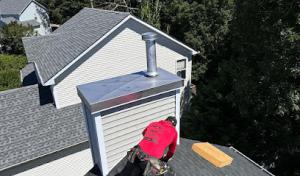
Chimney-related roof work is notably common in Rahway's contractor market, pointing to frequent leak issues where masonry and roofing meet on older homes. Freeze-thaw movement around flashing and masonry joints is a particular concern in this climate, especially after winter snow and spring rain. You will often see cracked mortar, loose flashing, and misaligned step flashing where the brick or stone shoulder meets the roof plane. These spots tend to fail quietly until a moderate rain becomes a big leak.
Water follows the path of least resistance, and that means the weakest link is usually the transition from masonry to shingle or cladding. Look for gaps in chimney cricket or missing sealant at the top of the flashing. The chimney cap itself can shift with freeze-thaw cycles, allowing water to back up under shingles. Skylight service is also strongly represented locally, suggesting Rahway homeowners often need repairs at penetrations rather than only field-shingle replacement. If you notice damp spots near the chimney interior, inspect the flashing first.
On a dry day, climb carefully to inspect the roof line around the chimney. Check metal flashing for corrosion, lifting, or gaps where it overlaps masonry. Probe mortar joints for cracking with a gentle tap and look for mortar dust on shingles-a sign that joints are deteriorating. Examine the counter-flashing behind the chimney cap for proper sealant and continuity. If any arching or misalignment is visible, plan for a professional assessment before a heavy rain.
In Rahway, the most durable fixes combine masonry adjustments with updated flashing. Repointing cracked joints, resealing around the flashing, and ensuring a tight, continuous seal with wrinkle-free counter-flashing reduce recurring leaks. When snow loads or spring rain stress the chimney area, a new cricket and properly angled flashing can markedly improve drainage away from the penetration. If a skylight accompanies the chimney, address both penetrations as a coordinated repair to prevent future failures.
Find contractors experienced in skylight installation, flashing, and leak repairs to bring natural light into your home.
Right Service 08 Roof Repair & Replacement
(848) 216-0923 rightsroofrepair.com
Serving
4.9 from 40 reviews
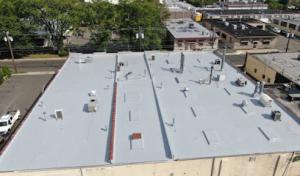
Flat-roof specialization is meaningfully present in Rahway, indicating a real local need beyond standard pitched-house reroofing. This section focuses on how low-slope sections behave in a humid Northeast climate that experiences spring rains and summer humidity, and why drainage, ponding control, and seam integrity deserve special attention during both design and maintenance.
Low-slope roofs in this area collect and shed water differently than steep-pitched roofs. The frequent spring downpours and summer humidity can encourage standing water on low-slope surfaces, which accelerates membrane wear and seam failures. Before choosing a material, assess the roof deck's slope and confirm that the internal drainage plan-drains, scuppers, and downspouts-matches the actual runoff pattern. Look for proper slope toward drainage points and verify that gutters and downspouts are sized to handle the heaviest rain events typical of the region. In addition, ensure surface transitions around parapets, penetrations, and roof-to-wall junctions are properly flashed to prevent water ingress during heavy storms.
On additions, porches, and mixed-roof homes, low-slope sections often connect to steeper main roofs, creating multiple planes and potential failure points. During inspection, isolate these zones and scrutinize seam integrity, flashing around HVAC units, skylights, and vent pipes, as well as any backup counterflashing. A common Rahway-specific risk is seam separation from freeze-thaw stress and wind-driven rain during storms; plan for reinforced seam configurations and lap details that resist wind uplift and water infiltration. Use compatible sealants and mats specified for flat or low-slope systems, and confirm that penetrations are properly sealed with redundant flashing where feasible.
Low-slope areas on additions, porches, and mixed-roof homes can fail differently from the main shingle roof, so they should be scoped separately during inspection. Treat these zones as a focused project with its own ventilation, insulation continuity, and drainage checks. When planning repairs or improvements, consider whether extending a unified moisture barrier and insulation strategy across all low-slope sections reduces future differential movement and leak risk. A targeted assessment of these areas helps address the unique performance challenges they present under Rahway's climate.
Find specialists in TPO, EPDM, and built-up flat roofing systems for residential and commercial properties.
Right Service 08 Roof Repair & Replacement
(848) 216-0923 rightsroofrepair.com
Serving
4.9 from 40 reviews
Aaron Blake Commercial Roofing
(732) 669-7545 aaronblakecommercialroofing.com
Serving
5.0 from 52 reviews
In Rahway, spring offers a practical window for replacement because it avoids the worst of winter snow exposure and peak summer humidity. Start scheduling as soon as soils thaw and temperatures stay above freezing consistently. A mid- to late-spring installation minimizes the risk of sudden freeze events that can stress new decking and underlayment. Prepare for a modest amount of spring rain by planning protective measures for the roof deck during work.
Summer scheduling can still work, but heat and humidity increase the importance of ventilation planning and moisture management during installation. In this climate, aim for work during cooler diary hours and ensure temporary shading or ventilation strategies keep both crews and the installed system from overheating. Accelerated material conditioning may be necessary, and attention to sealants and fasteners is essential as they respond to heat.
Fall is a natural fit for Rahway because it steps in after July's humidity and before the first freezes. Plan to complete critical weatherproofing before the first steady cold snaps. A fall replacement benefits from milder daytime temperatures and more predictable outdoor conditions, helping to reduce the need for extended protective coverings and rework if an early frost arrives.
Winter work in Rahway can be complicated by freeze-thaw conditions and snow load concerns, especially when active leaks require temporary protection before full replacement. If winter is the only option, coordinate rapid temporary protection for vulnerable sections and target a plan that allows for a quick follow-up to finalize the roof once temperatures stabilize and snowfall wanes.
In Rahway, homeowners facing a leaky roof during a rough late-winter thaw or after a storm expect the contractor to show up fast and leave the yard clean. Quick response isn't only about getting the crew on site; it's about how the team handles debris and disposal after the job. A real differentiator here is post-job debris management: plastic, nails, and torn shingles should be removed promptly and safely, with a careful sweep to prevent later complaints from neighbors and pets.
Long-established, family-owned firms have a visible footprint in the local market, and that matters when warranty follow-up is needed years down the line. You'll notice these outfits by regular truck activity in your neighborhood, familiar faces at home visits, and a willingness to revisit a project to address lingering concerns. That continuity pays off when callbacks are required after harsh seasonal cycles or freeze-thaw stress on older homes.
Manufacturer-certified, licensed, and insured signals appear in the market but are less prevalent than rapid response and affordability. Don't assume credentials-verify. Request current licenses and insurance certificates, and ask for product certifications or manufacturer programs the installer is enrolled in. Cross-check references from Rahway neighbors who had similar weather-driven reroofs and ask specific questions about warranty handling after severe storms.
When you call, describe the exact weather-related issues you're seeing and ask about on-site evaluation timelines. Prioritize contractors who can demonstrate a clear cleanup plan and a reliable callback mechanism for post-install concerns. Check reviews and references focused on Rahway projects, and request proof of licenses and insurance upfront, along with a straightforward warranty outline and a point of contact for future service.