
Last updated: Apr 19, 2026
In central Suffolk County, the cold-season window is the tightest for roof work. The winter freeze-thaw cycles create a hard truth: small cracks in shingles or flashing can propagate through the season and show up as leaks by late winter. Snow, ice, and wind can complicate access and safety, so repairs that might be quick in milder weather can stretch into longer projects with higher risk. The half-frozen surface isn't friendly to fastenings, and attic condensation can ruin freshly sealed areas before contractors can finish the job. If a roof needs attention before the ground thaws but the temperature won't cooperate, expect scheduling conflicts and longer lead times. This pattern is common in Commack, where inland central Long Island weather swings drive a strategic shift away from cold-weather installation.
Spring brings workable temperatures, but that same spring crowding matters. After winter, decking and underlayment often require inspection and sometimes minor repair before any full replacement proceeds. Shingle granules flush from winter wear can complicate staging and cleanup, so it's wise to plan for a thorough clean-out of gutters and valleys before you begin. If moisture lingers on shaded sections or under tree cover, signs of mold or algae may appear early, signaling a need to address these growths before they jeopardize the new materials. The best approach is to schedule a dry spell window in late March or April, when temperatures are steady enough for sealants and underlayment to perform as intended and crews can work without sunrise frost delaying start times. You want a dry, wind-sheltered day for the initial teardown and for the critical phase of flashing installation.
Humid summers accelerate asphalt aging and invite moss or algae on shaded roof surfaces. In areas with pedigree tree cover, moisture lingers longer and damp patches undermine surface cleaning and the bonding of shingles or panels. If a replacement is planned, consider staggering the work so the most heat-sensitive steps-like adhesive cures or sealant applications-occur during cooler mornings. Shade-protected portions of the roof will reveal the true pace of aging-sun-exposed slopes may wear faster, while shaded sections show moss buildup. Summer is also the season when gutters should be cleared and downspouts checked, as clogged channels amplify water infiltration risk during and after installation. Practically, you want a window when the sun isn't at its peak and rain chances are lowest, so you can maintain a dry work zone and ensure proper drying times between coats and flashing fixes.
Fall offers favorable temperatures for coating, sealing, and final inspections, with fewer heat stress concerns and less humidity than midsummer. This is the time to complete any remaining flashing work and to verify attic ventilation while the roof is exposed but not overwhelmed by heat. A careful autumn schedule helps avoid the sudden cold snap that can complicate late-season installations. If a project runs long, a solid fall window gives you a buffer before winter returns, reducing the risk of weather-driven delays and rework. Long Island weather can surprise you, but a well-timed fall plan minimizes exposure to harsh conditions and helps ensure the installation performs well through the next cycle of freeze-thaw and humidity.
Start with a thorough inspection of the roof's condition as soon as temperatures are consistently above freezing and there's a dry forecast for at least several days. Block out the sun with an orientation that keeps sensitive applications out of peak heat when possible. Prioritize critical flashing and underlayment work during shoulder seasons to reduce the chance of late-winter leaks. Coordinate a cadence that allows for drying time after sealants and for gutter and valley cleaning before any major material replacement begins. This season-by-season approach aligns with Commack's inland central Long Island climate, helping you pick a safe, durable replacement window.
Nor'easters sweep through inland central Long Island with wind-driven rain, wet snow, and prolonged moisture loading rather than brief storm events. This means roofs sit in a tug-of-war between seasonal freeze-thaw cycles and extended soaking, which accelerates deterioration in ways that small leaks don't reveal on a calm day. The shingles, underlayment, and flashing endure repeated cycles of expansion and contraction, while severe gusts test ridge lines and edge detailing. For a home with a pitched roof and typical suburban builds, the risk isn't isolated to a single storm; it's the cumulative effect of many cycles that shortens the roof's life and raises chances of interior intrusion during a storm week.
Winter storm snow and ice on Long Island often expose weak valleys, chimney flashing, and older underlayment before homeowners notice any problem in fair weather. Ice damming, backed-up gutters, and sagging eaves can create hidden leaks that appear only after a few days of meltwater and re-freeze. Valleys and transitions-where two planes meet-are particularly vulnerable to ice buildup that wrenches flashing and loosens fasteners. If a roof has seen prior cold snaps or has aged flashing, the next nor'easter can turn a minor seep into a noticeable attic or ceiling stain within hours. You owe it to your insulation, ceiling drywall, and interior finishes to heed signs early, because the weather is unforgiving and often unforgiven until it's too late.
Because storm-related roof calls are common in this market, fast tarping and leak containment matter when interior water intrusion starts during a multi-day storm cycle. If water appears in the attic or drips through a ceiling during a sustained event, deploy a temporary tarp or tarp-enabled cover over the affected area as soon as safe access allows. Do not rely on gravity and weather to hold back the flow; secure tarps with stiffeners and heavy-duty fasteners to prevent wind lift. Document the damage with photos for later work, and protect valuables by moving them away from the leak path. A delayed response can turn a manageable drip into widespread ceiling damage, compromised insulation, and expensive remediation. In these conditions, prompt containment buys critical time for a proper assessment and safe, effective permanent repairs once the storm subsides.
Find local contractors experienced in assessing and restoring roofs after hail, wind, and severe weather events.
Eagle Roofing Contractor
(877) 258-5454 eagleroofingcontractorinc.net
340 Veterans Memorial Hwy, Commack, New York
4.8 from 525 reviews
Eagle Roofing Contractor, based in Commack, NY, is your trusted partner for reliable roofing and exterior services across Queens, New York City, Brooklyn, and Westchester. As expert roofing contractors, we specialize in commercial roofing, window installation, gutter installation, siding installation, and more. Our commitment to excellence ensures we use only high-quality materials and innovative solutions tailored to your needs. With a focus on customer satisfaction, Eagle Roofing Contractor delivers durable, top-tier results for every project. Choose us for unmatched professionalism and expertise.
Roofing Time
(631) 316-9230 roofingtimelongisland.com
Serving
4.9 from 95 reviews
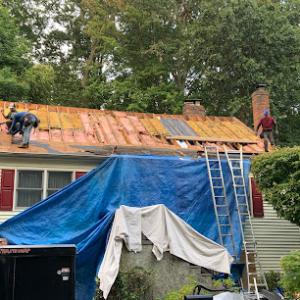
The first choice for residential homeowners, Roofing Time installs any type of roof system for any type of building in Islip. Trust our experienced specialists to provide peace of mind and solid protection with advanced roofing systems and reliable and friendly customer service. We provide honest assessments and complete each roofing project on time, and on budget. Flexible enough to handle entirely new installations for a simple residential roof leak repair, Roofing Time is a one-stop shop for all roofing and exterior maintenance needs.
GNP Roofing & Siding
Serving
5.0 from 125 reviews
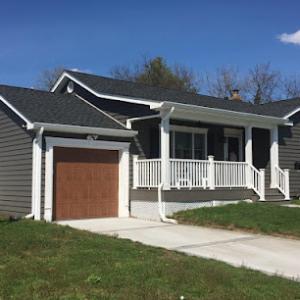
GNP Roofing & Siding On Long Island is a fully licensed and insured contractor that has been serving Long Island for over 30 years. We pride ourselves on being fair, honest, and are family-owned and operated. Our commitment to quality contractor services at a fair price has sets us apart from others in the field. All work is done by GNP with no sub-contractors. Contact us today to for a FREE estimate for all of your Roofing, Siding, Windows & Gutter needs. We service Nassau & Suffolk County Long Island. New York.
Roof Maxx of Huntington, NY
Serving
5.0 from 26 reviews
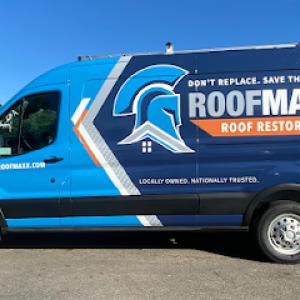
Roof Maxx® is a scientifically formulated, and 100% safe, plant-based roof rejuvenating spray treatment that was developed by renowned scientists at the world’s largest private research and development company. Roof Maxx of Huntington, NY services Suffolk and Nassau counties.
Roof Repair Long Island
(631) 459-4254 roofrepairinlongisland.com
Serving
5.0 from 27 reviews
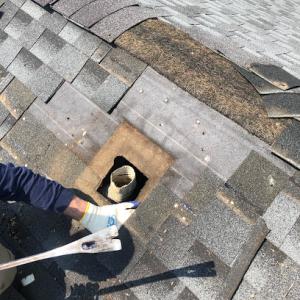
Welcome to Roof Repair Long Island your local one stop shop company for any Home Improvement project you might need. Get started today with a Free Estimate Appointment. Available 24/7 for any Roofing Emergency.
Roof Pro
(800) 766-3773 www.nyroofpro.com
Serving
5.0 from 54 reviews
We are a family own business since 1994, helping everyone in Long Island New York. We are a Residential and Commercial Roofing company. We are proud members of the GAF Master Elite program and the Roofing & Solar Reform Alliance (RSRA).

American Side Home Improvement
(631) 961-0404 www.americansidehomeimprovements.com
Serving
5.0 from 33 reviews
At American Side Home Improvement, Inc., we bring quality roofing, siding, remodeling, and construction services right to Long Island. Our skilled team is dedicated to providing lasting results, whether it’s durable roofing for reliable protection, stylish siding that boosts curb appeal, or full-scale remodeling that transforms your living spaces. We work closely with you to ensure every project aligns with your vision and stands the test of time. Plus, we’re proud to offer free estimates to get your project started with ease. Choose American Side Home Improvement, Inc., and experience the commitment to quality that sets us apart on Long Island.
Long Island Roof Repair
(631) 495-2891 www.liroofrepair.com
Serving
4.9 from 71 reviews
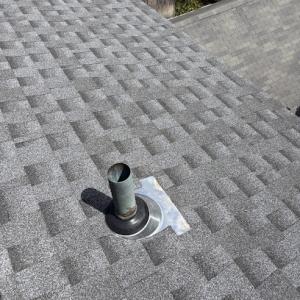
Long Island roofing and roof leak repairs for commercial & residential roofs. A trusted Nill in roofing on Long Island for over 65 years! Roof leak repairs Long Island NY. Leak free roof systems! Roof maintenance is key to a leak free roof! Don’t replace rejuvenate! Free estimates!
All Island Pro Roofing & Chimney
(631) 953-2333 www.allislandpro.com
Serving
4.9 from 34 reviews
All Island Pro Roofing and Chimney is Long Island’s premier choice for roofing, chimney, and gutter solutions. Our skilled team delivers expert workmanship with high-grade materials to safeguard and enhance your home. From installations and repairs to inspections and maintenance, we uphold the highest standards at every step. Whether you need a full roof replacement or a chimney tune-up, trust us for reliable, timely service. We’re committed to outstanding results, transparent communication, and your peace of mind—ensuring our work stands the test of time.
Medina Gutters
Serving
5.0 from 15 reviews
Medina Gutters is a family-owned company that was established 20 years ago in Bay Shore, NY. Our company was built with the commitment to ensure cost-effectiveness and high-quality in every Gutters project, we are hired to work on for the community of Bay Shore, NY and the surrounding areas. Our company was founded under the great values of: Professionalism Commitment Diligence Cost-Effectiveness Contact our team today at 631-278-6207 and get a free estimate for any of the services that we offer. If you hire us to do the job we will work hard and smart until your expectations are exceeded. Contact our professional and reliable company today to save time and money on your upcoming Gutters project!
Clearview Roofing Northport
(631) 262-7663 www.longislandroofs.com
Serving
4.9 from 15 reviews
Roofing Contractor
Quick Roof & Siding
(877) 524-2159 www.quickroofandsiding.com
Serving
5.0 from 28 reviews
Welcome to Quick Roof and Siding, a reputable family-owned home renovation company based in Deer Park, New York. With over 50 years of collective experience in home renovation and contracting, our licensed and insured specialists are dedicated to delivering exceptional results. Our core values of speed, accuracy, and integrity guide us in approaching every project, regardless of its size. Specializing in roofing, siding, windows, and doors, Quick Roof and Siding takes pride in being an Owens Corning Preferred Roofing Contractor and an Anderson Certified Contractor. These esteemed affiliations enable us to offer you the industry's finest warranties, ensuring your peace of mind. Your home is your most valuable asset, and we are here to help
Asphalt shingles remain the dominant fit for the area's large stock of pitched suburban homes and serve as the baseline against which most local replacement bids are compared. The familiar profile, widespread availability, and broad installer experience make asphalt a practical, reliable option for Commack's climate swings. In the market, these shingles hold up well to the freeze-thaw cycles that stretch winter days into unpredictable weeks, and they handle the humidity of hot summers without demanding specialized maintenance beyond regular inspection. When a contractor talks about value over long years, they're often pointing to asphalt as the predictable reference point, especially for uniform roof heights and standard attic ventilation.
In practice, the key to longevity with asphalt here is proper underlayment, accurate nailing, and a solid seal against wind-driven rain. Winters that alternate between thaw and frost push moisture into seams and nail heads; a well-sealed, properly ventilated attic helps minimize interior condensation and the risk of blistering or edge curl. Summer heat can accelerate granule loss and cause minor thermal damage if the shingles aren't installed with attention to expansion and contraction. Your best bet is to prioritize a quality, weather-rated shingle line and ensure a competent crew lays down solid drip edges and high-quality flashing around valleys, chimneys, and skylights. Asphalt remains forgiving for amateur-friendly repairs and quick spot fixes, which matters on homes that see routine seasonal transitions.
Metal roofing appears in Commack occasionally, but it's a smaller specialty compared with asphalt. Because metal panels and exposed fasteners introduce a different set of installation details, installer experience becomes a critical factor. A metal roof can deliver superb durability in a climate withicy winters and humid summers, but it requires precise panel alignment, appropriate sealant choices, and careful integration with existing ventilation and attic space. If choosing metal, seek out a proven installer with recent Long Island experience and a portfolio that shows long-term performance on similar roof pitches and eave configurations. The right metal system can resist wind uplift and provide excellent reflection in hot months, yet the payoff depends heavily on how well the system is planned for movement, thermal expansion, and moisture at seams.
Tile options, including clay or concrete, offer distinct aesthetics and durability, but their weight and moisture behavior demand closer scrutiny in this market. The heavier systems require structural verification and an exacting installation to handle winter movement and summer humidity, where poor detailing can lead to cracking, adhesion failures, or uplift at edges. Cedar shakes provide a traditional look and natural insulating properties but are sensitive to moisture cycles and can be more maintenance-intensive in coastal climates where humidity and precipitation patterns differ by season. Synthetic or composite shingles present versatile styling and reduced maintenance compared to natural products, yet they still respond to the same seasonal forces. In practice, the best outcomes come from installers who explicitly address Long Island movement patterns, ensure proper ventilation and drainage, and select materials rated for our freeze-thaw exposure. When evaluating these options, scrutinize panel or shingle compatibility with existing fascia, venting systems, and flashing details to minimize the risk of moisture intrusion during the year's boundary weeks.
The cost landscape for a roof replacement in Commack is best read per square, not per roof. Synthetic or composite shingles and asphalt sit at the lower end of the ranges, while tile systems push toward the top. In practice, you'll see asphalt shingles typically in the 450-700 USD per square range, and metal roofing in the 800-1200 USD per square band. Clay tile can run from 1200 to 2600 USD per square, with concrete tile a common middle-to-upper option (950-1800 USD per square). Wood shingles or shakes sit around 650-900 USD per square, and synthetic options typically land between 420-800 USD per square. These figures frame the order of magnitude you should expect when shopping locally.
Seasonal demand and labor competition shape pricing in this suburb-wide market. Commack projects pull more pricing pressure from spring through fall, when weather windows are most favorable and crews are in high demand across Suffolk County. That dynamic can narrow the window for scheduling and, in turn, affect bids for a given material. If timing is flexible, you may notice modest differences between a winter bid and a peak-season bid, though the actual work climate remains best in the milder shoulder seasons.
Roof complexity common on Long Island homes moves most Commack projects toward the higher end of the material ranges. Penetrations such as chimneys, skylights, and vents add to the labor and flashing costs, especially on steeper pitches or multi-level roofs. A large dormer or intricate ridge line can nudge an installed price a step higher, regardless of whether asphalt or tile is chosen. Expect the most predictable pricing when the roof is a straightforward, single-slope design with minimal penetrations.
To translate these ranges into a practical plan, start with the material you prefer and then layer in local conditions. For a typical house with a few penetrations, a mid-range asphalt replacement might come in around the lower-to-mid end, while a clay or concrete tile installation will skew higher even before seasonal bidding is folded in. Gather bids, compare warranty terms, and map your timing to the seasonal rhythm of Commack's contractor market.
Get a clear picture of your project costs upfront - no commitment required.
Eagle Roofing Contractor
(877) 258-5454 eagleroofingcontractorinc.net
340 Veterans Memorial Hwy, Commack, New York
4.8 from 525 reviews
Commack homeowners generally deal with the Town of Smithtown building department for roof replacement permitting because Commack is a hamlet within that town. The typical path starts with submitting a plan set for review, followed by issuance of a permit before any shingle removal or replacement begins. The review looks at structural implications, drainage, and ventilation details to ensure the project aligns with local code and existing conditions of the home. While it may feel routine, a small mismatch in the plan can stall the entire project, especially when the weather window is tight.
A full roof replacement in this area typically requires a building permit, with plan review before issuance and inspections during the work plus a final inspection at completion. The plan review stage is more than a formality: it can surface questions about attic venting, chimney flashing, and eave detailing that matter for long-term performance. Inspections occur at key milestones-sometimes after decking and underlayment are in place, and again when shingles are nearly finished. The final inspection confirms compliance with approved plans and codes. These steps are not optional add-ons; skipping them invites delays that are hard to recover once crews are already on site.
Permit planning matters because the local review process can affect scheduling during the already-busy Long Island re-roof season. Winters may present different constraints, but mid-spring through late fall is the peak window when many projects compete for the same inspector time and permit staff capacity. To minimize holdups, align your contractor's timeline with the permit calendar early: submit drawings promptly, respond to feedback quickly, and pre-book inspections when possible. A thoughtful lead time helps ensure your replacement proceeds smoothly, even as typical weather swings and storm events press for earlier starts.
In this area, the decision to replace a roof is increasingly driven by how claim reviews separate sudden storm damage from the wear that accumulates year after year. When a hail event or a nor'easter leaves marks on siding and shingles, adjusters will closely weigh whether the roof's current state reflects normal aging or a distinct, weather-driven failure. The result can shape everything from accepted repair plans to the timing of a full replacement.
In Commack, carriers may ask for maintenance records, dated photos, and evidence of prior roof condition, which is especially important after Long Island winter storms and summer thunderstorm events. A file that shows regular inspections, documented shingle condition, and any prior repairs can tilt the process toward a fair assessment rather than a surprise denial. Keep a simple, dated log of inspections and any professional notes, and store weather-related photos that capture the roof before a recent event.
Some insurers may request updated information on wind-rated underlayment or attic ventilation during the claim process, making contractor documentation more important in Commack replacements. If a claim arises, your contractor should be prepared to discuss whether the underlayment and ventilation systems meet current expectations for wind resistance and moisture management. Having installation details, product specs, and contractor attestations ready can streamline negotiations and support a solid replacement plan rather than a partial, incremental fix.
Concrete steps you can take now include maintaining a clear archive of roof-related documents, photographing condition after major wind or hail events, and coordinating with your roofer to verify that attic ventilation and underlayment choices align with current guidance. In the end, transparent records help protect your home, the replacement will stand up to the region's swings, and the claim process stays practical rather than punitive.
Connect with contractors who help homeowners navigate the claims process from damage assessment to final approval.
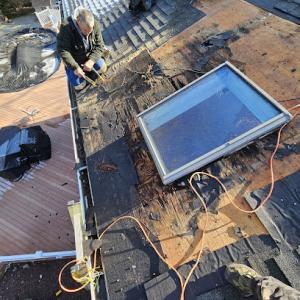
Skylights in Commack homes are a frequent source of moisture intrusion, especially after winter thaw and spring storms. The combination of inland humidity and heavy Nor'easter winds pushes water toward flashing joints and sealants. When assessing a skylight, start with the curb and flashing-look for loose or deteriorated integration with the roof deck, degraded sealant, and any pea-sized gaps around fasteners. In real-world terms, expect the worst failures at the corners where the flashing meets vertical surfaces. A careful dry fit and reseal during mild weather can prevent wet seasons from turning a small drip into a bigger leak.
Chimneys are a prime trouble area in suburbia Long Island homes. Freeze-thaw cycles push against chimney gaps, and humid summers amplify any seepage through imperfect counter-flashing. Inspect the step flashing along the chase and where it ties into the roof plane. Look for powdery mortar, hairline cracks, or displaced flashing. The crown should shed water away from the roof, not pool on top. If you notice granular wear on nearby shingles or staining on interior ceilings near the chimney, plan a targeted flashing refresh and crown repair. When replacing, ensure the chimney apron flashing is integrated with proper sealant and corrosion-resistant fasteners to tolerate seasonal temperature swings.
Even on pitched roofs, flat or low-slope sections show up as a meaningful specialty in this market. Those tie-ins to porches, additions, or mixed roofs commonly found in suburban layouts are particularly vulnerable to humid moisture. Inspect the transitions where low-slope sections meet the main roof for seam integrity, proper drip edges, and waterproof membranes. In cold snaps, ice build-up can force water under marginal seals, so confirm there is continuous drainage and that gutters are free of debris. For a proactive fix, reflash, reseal, and re-seal again at least at two critical joints: around skylights and where low-slope sections meet the main plane.
Find contractors experienced in skylight installation, flashing, and leak repairs to bring natural light into your home.
Eagle Roofing Contractor
(877) 258-5454 eagleroofingcontractorinc.net
340 Veterans Memorial Hwy, Commack, New York
4.8 from 525 reviews
Commack's contractor market leans heavily toward re-roofing rather than niche new-construction work. When evaluating replacement teams, prioritize those with a proven track record doing complete roof replacements on pitched suburban homes similar to yours. Look for projects completed on homes with similar slopes, ventilation setups, and attic insulation levels. The goal is to find crews that understand how the local freeze-thaw cycle can stress asphalt, metal, or tile systems and who can coordinate under Town of Smithtown expectations without delays.
Local hiring signals show homeowners strongly value quick response, cleanup included, affordability, and established companies. A practical approach is to test responses to inquiry calls or emails within a business day and to confirm what happens after the roof comes off: surface debris removal, disposal, and a final cleanup sweep. Favor firms with a steady mix of referrals and a visible project list that reflects consistent performance. In this area, long-standing operations with a local service footprint tend to stay on the job longer and provide the follow-through that matters after the last shingle is set.
Manufacturer certification and warranty offerings are present but not universal in Commack, so warranty terms and installer credentials should be verified rather than assumed. Ask for written confirmation of any manufacturer-required installation methods, and request a copy of the installer's credentials or certification documents. If a warranty requires annual inspections or specific venting configurations, make those expectations clear in the contract. A reputable crew will provide documentation and stand behind workmanship for the life of the chosen system.
Freeze-thaw winters and humid summers drive corrosion, membrane wear, and rapid material aging, so plan replacements for drier shoulder seasons when possible. Avoid the coldest weeks and the height of summer heat when shingles and underlayment can contract or distort during installation. A well-timed project respects material acclimation and allows for a thorough inspection of flashing, drip edge, and attic ventilation once the new roof is in place.