
Last updated: Apr 19, 2026
Spring storm activity, fall wind events, and winter freeze-thaw cycles stress roofs enough to turn minor flashing gaps or loose shingles into active leaks within hours. A wind-driven shingle edge can unravel a patch of underlayment, and a sudden downpour with hail can force water into small gaps that seemed harmless after summer's quiet days. In this market, those leaks don't wait for a perfect window to schedule a full roof replacement; they demand stabilization now to prevent interior damage, mold growth, and costly downstream repairs. If you notice damp spots on ceilings after a windy storm, dripping around chimney flashing, or staining near vent pipes, treat it as an active leak until proven otherwise.
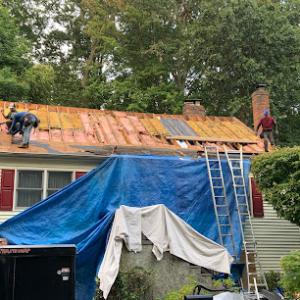
Time matters. The goal is to slow intrusion within hours, not days. Start by making the area safe: move furniture and valuables away from affected ceilings and walls, and keep children and pets clear from the affected room. If you can access the roof safely, place a sturdy tarp over the affected area, working from the high side down to shed water off the roof edge. Secure the tarp edges with heavy weights such as bricks or sandbags along the perimeter, and add a second layer if wind exposure is high. For long-term protection, use plywood boards under the tarp if a visible gap exists to prevent wind from lifting it. Do not climb onto a roof that is slick or structurally questionable; slip-and-fall risk is real in a late-season thaw or after a heavy rain.
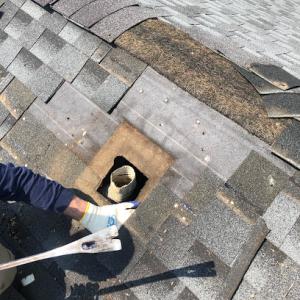
Emergency responders and local contractors alike emphasize a rapid stabilization plan: seal the likely water entry points first (valleys, flashing seams, vent openings), then protect any exposed underlayment to minimize further infiltration. If a temporary solution cannot cover a flashing seam fully, prioritize covering the seam with a wide tarp and weigh down the edges until a licensed pro can reseal or replace. Keep a simple log of where water is entering and when it occurs, so the next contractor can pinpoint the critical areas quickly without reopening walls or ceilings unnecessarily.
Brentwood's market shows a strong prevalence of emergency repair and quick-response service, reflecting the community need for immediate leak stabilization rather than waiting for a full replacement schedule. Contact a contractor who advertises 24/7 response or same-day assessment after a major storm. Ask for references who can confirm prompt on-site stabilization, accessible communication, and clear timetables for the next steps. A trusted pro will inspect for obvious flashing defects, loose shingles, and visible gaps around penetrations, then outline a rapid plan to secure the roof and a follow-up repair window.
Once temporary protection is in place, arrange for a thorough evaluation as soon as feasible. The focus should be on sealing flashing joints, re-calking gaps, and addressing any compromised underlayment. In winter, cold-season weather can widen existing gaps, so plan follow-up repairs promptly to prevent recurring leaks after freeze-thaw cycles. In spring and fall, anticipate additional storm activity and schedule preventive checks of valley flashing and vent pipes to minimize the chance of reoccurrence. A dependable contractor will prioritize a rapid, decisive return visit to transition from stabilization to a durable, long-term fix.
Asphalt shingles dominate the local re-roofing market, fitting the area's steady stream of home refreshes. The humidity, summer heat, and winter freeze-thaw cycles stress the roof assembly, so ventilation and underlayment are not afterthoughts. When planning a replacement, prioritize a well-ventilated attic and a high-quality underlayment that can handle rapid temperature swings. In practice, that means selecting a breathable vent layout, sealed gaps at penetrations, and an underlayment rated for moisture resistance. A proper nailing pattern and an adequate attic intake balance protect against wind uplift and interior condensation. For homeowners targeting a longer service life, consider an architectural shingle profile that offers thicker shoulders and better dimensional stability, which helps resist heat softening and reduces premature granule loss after seasonal cycles.
Metal roofing is present locally and can appeal when the goal is strong performance through seasonal weather swings. The main advantage here is durability and a cleaner, longer-lasting edge against rain-driven leaks. However, installation quality around flashing transitions matters a lot in a market where storm-driven water intrusion remains a recurring concern. When choosing metal, look for a system with a well-sealed roof-to-wall interface, continuous flashing under the metal panels at rake edges, and properly integrated gutter and valley terminations. A quality sealant at joints and a careful roof-to-chimney or vent-penetration flash is essential. If a home has complex geometry, ensure a seasoned contractor designs concealed fastener or standing-seam details to minimize potential leak points during a fast freeze-thaw cycle.
Clay tile, concrete tile, wood shakes, and slate are all used in the broader market, but their weight, repair complexity, and weather response make material choice highly dependent on the home's structure and maintenance tolerance. Clay and concrete tiles bring durability and a distinct look, yet they require a sturdy deck structure and can be brittle in cold snaps or rapid temperature shifts if not properly installed. Wood shakes offer a traditional aesthetic but need vigilant maintenance to prevent moisture intrusion and rot, especially after heavy humidity or storm events. Slate combines exceptional longevity with a refined appearance but demands a robust substructure and professional, precise installation due to its weight and sensitivity to substrate defects. In this climate, brief, intense wind-driven rain followed by freezing temperatures can exploit minor gaps at flashing or underlayment seams, so ensure the roof system is staged for thorough inspection after storms. If choosing these materials, align expectations with ongoing maintenance needs and a structural assessment that confirms the deck can bear the load, especially for tile or slate options.
In this area, replacement pricing should be framed around the per-square ranges provided for common materials. Asphalt shingles tend to sit at the lower end of the local market, while slate sits at the high end. When you're planning a replacement, use the base ranges as your starting point: asphalt shingles roughly 350 to 600 USD per square, metal roofing around 700 to 1,300 USD per square, clay tile 900 to 1,800 USD per square, concrete tile 800 to 1,500 USD per square, wood shingles or shakes 650 to 1,300 USD per square, and slate 1,400 to 3,000 USD per square. This spread reflects typical Brentwood conditions, including inland humidity, winter freeze-thaw cycles, and the labor market's capacity to install higher-end coverings.
Storm periods drive a noticeable uptick in both supply needs and urgency. Costs here can rise when quick-response crews are in high demand after a heavy storm, and that pressure often translates into faster timelines and higher labor surcharges. If a storm sequence hits, you'll see faster mobilization from local teams, but the price may reflect the premium for near-immediate weather guarantees and the ability to secure materials on tight schedules. In practice, a replacement project that would normally take a few days can stretch into a week or more if crews are juggling multiple storm-related repairs in the same neighborhood.
A tear-off scope matters more than people expect. If you're replacing with a new roof over the same footprint, you'll still encounter significant labor for removing old material, inspecting the decking, and addressing any signs of moisture damage. Underlayment and flashing are critical in this climate, where humidity and freeze-thaw cycles can hide weaknesses. If hidden moisture damage is found during replacement, pricing can move upward quickly, because decking replacement or repairs and re-sealing around penetrations demand additional materials and labor.
Ventilation upgrades and flashing corrections are common adjustments that affect total cost. In Brentwood, addressing attic ventilation to prevent future condensation and ice dam risks is a practical step, particularly with older homes that may have insufficient intake or exhaust. When you plan for replacement, budget for potential upgrades to ensure long-term performance, especially if the job uncovers insufficient soffit vents or inadequate ridge ventilation.
Choosing a roofing material isn't only about initial cost. Asphalt brings predictable, budget-friendly pricing, while slate offers enduring beauty and decades-long life at the higher end. If you expect frequent seasonal weather swings, balance upfront cost with the long-term maintenance implications. Slate may deliver longevity, but it demands a premium from the outset and a skilled crew to install correctly. The final price reflects not just the material, but the quality of the installation, the condition of the underlying structure, and the readiness of the site to handle a storm-impacted schedule.
Roofing Time
(631) 316-9230 roofingtimelongisland.com
Brentwood, New York
4.9 from 95 reviews
The first choice for residential homeowners, Roofing Time installs any type of roof system for any type of building in Islip. Trust our experienced specialists to provide peace of mind and solid protection with advanced roofing systems and reliable and friendly customer service. We provide honest assessments and complete each roofing project on time, and on budget. Flexible enough to handle entirely new installations for a simple residential roof leak repair, Roofing Time is a one-stop shop for all roofing and exterior maintenance needs.
Roof Repair Long Island
(631) 459-4254 roofrepairinlongisland.com
26 1st Ave, Brentwood, New York
5.0 from 27 reviews
Welcome to Roof Repair Long Island your local one stop shop company for any Home Improvement project you might need. Get started today with a Free Estimate Appointment. Available 24/7 for any Roofing Emergency.

Vanegas Roofing Construction
(631) 522-9630 www.vanegasroofing.com
30 Churchill Dr, Brentwood, New York
4.6 from 10 reviews
Serving all of Long Island, Vanegas Roofing Construction delivers top-quality roofing and construction services with a personal touch. 🏠 We treat every customer like family, ensuring reliable craftsmanship and exceptional care. We’ve got you covered!

American Side Home Improvement
(631) 961-0404 www.americansidehomeimprovements.com
Serving
5.0 from 33 reviews
At American Side Home Improvement, Inc., we bring quality roofing, siding, remodeling, and construction services right to Long Island. Our skilled team is dedicated to providing lasting results, whether it’s durable roofing for reliable protection, stylish siding that boosts curb appeal, or full-scale remodeling that transforms your living spaces. We work closely with you to ensure every project aligns with your vision and stands the test of time. Plus, we’re proud to offer free estimates to get your project started with ease. Choose American Side Home Improvement, Inc., and experience the commitment to quality that sets us apart on Long Island.
Medina Gutters
Serving
5.0 from 15 reviews
Medina Gutters is a family-owned company that was established 20 years ago in Bay Shore, NY. Our company was built with the commitment to ensure cost-effectiveness and high-quality in every Gutters project, we are hired to work on for the community of Bay Shore, NY and the surrounding areas. Our company was founded under the great values of: Professionalism Commitment Diligence Cost-Effectiveness Contact our team today at 631-278-6207 and get a free estimate for any of the services that we offer. If you hire us to do the job we will work hard and smart until your expectations are exceeded. Contact our professional and reliable company today to save time and money on your upcoming Gutters project!
Keenridge Construction
(631) 609-0409 keenridgeconstruction.com
Serving
5.0 from 24 reviews
Keenridge Construction is a Roofing and Siding business that serves residential and commercial property owners all across Long Island. Our company provides all Roofing, Siding, Window and Framing services at the most professional level possible. We are fully licensed and insured, and strive for 100% customer satisfaction. Here at Keenridge, our objective is to change the home improvement experience. We help busy homeowners, property owners and businesses avoid the pain of working with a bad contractor or getting a low quality product. We are committed to providing you with the best home improvement experience possible.
Roof Pro
(800) 766-3773 www.nyroofpro.com
Serving
5.0 from 54 reviews
We are a family own business since 1994, helping everyone in Long Island New York. We are a Residential and Commercial Roofing company. We are proud members of the GAF Master Elite program and the Roofing & Solar Reform Alliance (RSRA).
Tony the Roofer
(631) 300-7870 www.facebook.com
Serving
5.0 from 34 reviews
Commercial and Residential Affordable Quality Roofing Installation
Quick Roof & Siding
(877) 524-2159 www.quickroofandsiding.com
Serving
5.0 from 28 reviews
Welcome to Quick Roof and Siding, a reputable family-owned home renovation company based in Deer Park, New York. With over 50 years of collective experience in home renovation and contracting, our licensed and insured specialists are dedicated to delivering exceptional results. Our core values of speed, accuracy, and integrity guide us in approaching every project, regardless of its size. Specializing in roofing, siding, windows, and doors, Quick Roof and Siding takes pride in being an Owens Corning Preferred Roofing Contractor and an Anderson Certified Contractor. These esteemed affiliations enable us to offer you the industry's finest warranties, ensuring your peace of mind. Your home is your most valuable asset, and we are here to help
All Island Pro Roofing & Chimney
(631) 892-6313 www.allislandprobayshoreny.com
Serving
5.0 from 16 reviews
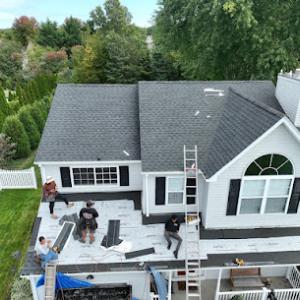
All Island Pro Roofing and Chimney is a premier contractor serving Long Island with expert roofing, chimney, and gutter services. With years of experience, we specialize in installations, repairs, inspections, and maintenance—ensuring lasting quality and peace of mind for our customers. Our dedicated team uses top-notch materials and craftsmanship to protect your home and enhance its appearance. Count on us for reliable service, honest assessments, and a commitment to keeping your property safe and beautiful.
Eagle Roofing Contractor
(877) 258-5454 eagleroofingcontractorinc.net
Serving
4.8 from 525 reviews
Eagle Roofing Contractor, based in Commack, NY, is your trusted partner for reliable roofing and exterior services across Queens, New York City, Brooklyn, and Westchester. As expert roofing contractors, we specialize in commercial roofing, window installation, gutter installation, siding installation, and more. Our commitment to excellence ensures we use only high-quality materials and innovative solutions tailored to your needs. With a focus on customer satisfaction, Eagle Roofing Contractor delivers durable, top-tier results for every project. Choose us for unmatched professionalism and expertise.
Premium Roofing & Siding
(631) 281-1850 www.premiumroofingandsiding.com
Serving
5.0 from 39 reviews
Welcome to Premium Roofing & Siding, Inc.! We are the experts when it comes to residential roofing & siding repairs. Our reputation for quality work, responsiveness, and competitive pricing has been the primary factor in our success. We are committed to client satisfaction in which we serve the client from the developmental stages of a project to final completion. By early involvement in the conceptual phase of a roofing project, we can explore all installation design possibilities with the client to assist in obtaining the best balance of aesthetics and budget covering all aspects. We bring the latest innovations in roofing products for your consideration to assure you of any current offerings for all of your project needs with our ongoing
Replacement projects in this area follow the Town of Islip building department process, and a full roof replacement is typically treated as a permit-requiring job rather than simple maintenance. That distinction matters for scheduling, inspections, and ensuring the work meets Long Island climate demands, including venting and underlayment standards that protect against winter freeze-thaw cycles.
A plan review is usually part of the local process. You should prepare to show roof ventilation strategy, flashing details around chimneys and vents, and the type of underlayment that will be installed to code. Inspections point to ensuring venting is adequate for attic moisture control, flashing is continuous and properly sealed, and the underlayment meets current building code. Gather any manufacturer installation guides and product data that demonstrate compliance.
After installation, a final inspection confirms the project matches the plan and code requirements. Inspectors will verify that the attic vents are not blocked, that flashing integrates with siding and other materials, and that the roof assembly is consistent with code-forced underlayment and proper nailing patterns for the local climate. Expect questions about roof slope, drainage, and any penetrations that require flashing.
Permit timing varies with project value and complexity, so you should coordinate scheduling with the contractor and the building department early in the process. The right sequence minimizes rework and delays, especially when weather windows narrow for work that must be completed before seasonally harsh periods. Plan for a plan review window, a potential re-submittal if adjustments are requested, and a final inspection appointment after the replacement is complete.
Keep the contractor's ventilation and flashing details clear in the submission, and ensure product selections address inland Long Island humidity and winter stress. In Islip processes, inspectors scrutinize venting, flashing, and underlayment compliance; having those elements clearly documented helps prevent back-and-forth and keeps the project moving. Build in extra days for permit processing and inspection scheduling to avoid weather-driven delays.
In Brentwood, roof claim activity becomes more pronounced after major storms, making post-event documentation especially important for homeowners deciding between repair and replacement. The pattern here is clear: weather swings can reveal concealed damage, but insurers still want evidence that stands up to scrutiny. You should start with a dated, thorough record right after the storm-photos of the entire roof, close-ups of missing shingles or lifted flashing, and any interior signs of water intrusion. Use a simple, consistent method: photograph every elevation from ground level, then capture wide shots of each plane, followed by tight shots of any delamination, staining, or sagging eaves. Keep a log of weather conditions and any immediate actions you took, such as tarp placement or temporary leaks containment. Clear, chronological records help separate wear from weather-driven events and prevent later claims from getting tangled in disputes.
Insurers in this region commonly ask for photos and evidence of prior roof condition, and adjusters may schedule site visits before approving storm-related work. Prepare for a visit by organizing your documentation in a folder you can share digitally or in person. Include recent maintenance notes, prior repair receipts, and a simple, dated narrative describing what changed since the last inspection. If you've had previous leaks or shingle failures, be ready to show where those issues existed before the storm and what the latest event added. Avoid relying on verbal descriptions alone; visuals and a concise timeline carry far more weight. If an adjuster arrives and you aren't sure about an observation, ask for a written note or a second opinion in writing. The goal is to establish a transparent, auditable trail that clearly links the loss to the event, not to ambiguous memory.
Because wear and weather damage are both part of the local roofing conversation, Brentwood homeowners need clear records showing what changed after a storm. Maintain a folder that includes the most recent evaluation, notes from any contractors, and copies of all correspondence with the insurer. After a storm, resist the urge to rush any decision; timing matters, and the right documentation can steer you toward a decision rooted in fact rather than fear. If you must proceed with temporary repairs, photograph those steps and note who performed them and when, so the file remains complete for any subsequent review.
Connect with contractors who help homeowners navigate the claims process from damage assessment to final approval.
Clearview Roofing & Construction Babylon
(631) 827-7088 longislandroofs.com
Serving
5.0 from 50 reviews
Local inspections specifically verify venting, which matters in a climate with hot humid summers and cold winters that can trap moisture in poorly balanced roof systems. If attic air isn't moving freely, condensation digs in where it's least expected, and that moisture can travel via decking and shingles, accelerating wear. In practice, that means you should look for balanced intake and exhaust, unobstructed soffit vents, and properly sized attic fans that don't pull conditioned air from living spaces. When a roof is tight on ventilation, you'll notice a higher tendency for damp rafters and musty attic odors after summer storms or muggy spells. Under a humid season, even small gaps become channels for moisture to linger, inviting hidden rust on flashing and premature granule loss on shingles.
Freeze-thaw conditions in winter can worsen preexisting gaps, so flashing details and underlayment continuity are not just code items but common failure points in this area. Water that infiltrates through even tiny breaches expands as it freezes, prying apart seams and flashing that protect valleys, penetrations, and roof-to-wall transitions. If underlayment has compromised edges or is torn around vent pipes and skylights, the repeated cycles of thawing and refreezing deepen leaks well before a storm shows obvious signs. Pay attention to any damp patches near the chimney, dormers, and roof penetrations after cold snaps or heavy rainfall, because that's where the problem tends to start and spread.
Humidity-driven attic moisture and seasonal temperature swings make finished homes more vulnerable to shortened shingle life when ventilation is undersized or blocked. A hot, moisture-laden attic can push moisture into the attic floor and decking, leading to rot, mold, or warped boards that stress roofing joints. Shingles respond to these shifts with accelerated aging: curling, granule loss, and reduced hail resistance show up sooner than expected. Regular checks during clear-weather days-looking for musty air, damp insulation, or staining-can catch trouble before a leak becomes a stain on ceilings.
Skylight penetrations are a common concern in the Brentwood market, where moisture and temperature swings stress roof edges and seals. When a leak shows up after a heavy spring rain or a cold snap, look first at the skylight curb, flashing, and the seal around the glass. Pay attention to the transition from skylight membrane to surrounding roofing, and plan replacements that reveal a solid, continuous underlayment and properly secured flashing.
Chimney flashing is another frequent task for local contractors, especially as Long Island's wet springs and freeze-thaw winters take their toll. Inspect the step flashing along the chimney sides and the cap flashing where it meets the chimney crown. Any sign of rust, lifting, or gaps invites leaks. Regular maintenance here often resolves longer-term leak paths, and correct flashing details can prevent repeated freeze-thaw damage at the base of the chimney.
In Brentwood, inspectors zero in on flashing when assessing replacement projects, and that emphasis often means a longer window for getting details corrected. If a roof replacement is on the horizon or a storm has exposed weak spots, schedule a targeted flashing inspection for skylights and chimneys first. Expect the focus to be on sealing the transitions where roof meets vertical penetrations, and on ensuring the underlayment remains continuous under those details.
Between larger projects, prioritize preserving the seal around skylights and chimneys. Clean debris from the flashing channels, reseal exposed joints, and replace any degraded step flashing promptly. When a temp fix is needed, use a durable, weather-resistant sealant and ensure that the sealant bonds to both metal flashing and roofing materials without creating ponding areas that can worsen leaks during a thaw.
Local crews understand that skylights and chimneys represent recurring leak-prone details for Brentwood homes. Expect careful evaluation of ventilation, flashing, and underlayment during any replacement to correct long-standing weaknesses. The goal is a durable, integrated finish where skylight and chimney penetrations sit cleanly against a sound roof plane.
Find contractors experienced in skylight installation, flashing, and leak repairs to bring natural light into your home.
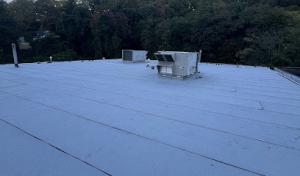
The flat-roof market here features a meaningful share of homes and attached structures that rely on low-slope systems. In the local climate, water tends to linger after storms, so drainage performance and membrane condition matter more on these sections. Look for visible ponding that lasts more than 48 hours after a rain event, and note any blisters, wrinkles, or loose edges on the membrane. Regular checks after the longest heat spells help catch trouble before it spreads.
Winter freeze-thaw cycles exploit small membrane openings, so early intervention is key. If you notice seam separations, edge wrinkling, or fastener issues near penetrations, address them promptly. In practice, a quick dry-out after a heavy rain, followed by a targeted inspection of seams and flashing, can stop leaks from migrating to attic spaces or interior rooms. Keep an eye on drainage outlets and scuppers for debris that creates standing water.
Schedule seasonal inspections with a flat-roof specialist and pair that with a simple home check that you can do yourself. Clear debris from drains, ensure crossover transitions remain sealed, and verify flashing around skylights or HVAC curbs is intact. Pay attention to membrane patches or repairs done in the past; older patches can fail when ponding persists through storms or winter cycles.
If ponding persists, seams show signs of movement, or flashing loosens after a storm, call for a quick assessment. A local expert understands how Long Island humidity and seasonal swings stress these membranes and can propose targeted repairs rather than full replacement when appropriate.
Find specialists in TPO, EPDM, and built-up flat roofing systems for residential and commercial properties.
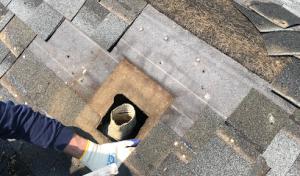
Roof Repair Long Island
(631) 459-4254 roofrepairinlongisland.com
26 1st Ave, Brentwood, New York
5.0 from 27 reviews
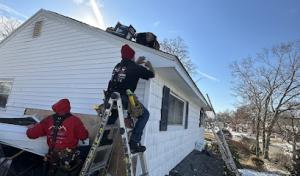
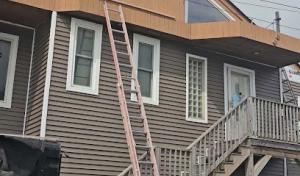
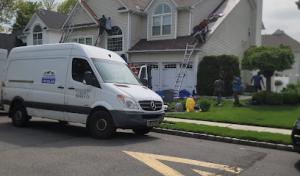
Homeowners look for re-roofing teams that include cleanup and fast response after a storm. The goal is to finish the job cleanly and quickly, not living with a bare underlayment through the cold snap. Look for crews that document daily cleanup and have a plan for weather-related delays today.
Long-established, family-owned firms are common, and reputation matters. Ask neighbors who did recent work and request references from families in your block. A contractor who has stayed busy for decades often handles seasonal swings better and knows how to stage a jobsite so driveways stay clear and safe for your family and pets.
Manufacturer-certified, licensed, and insured signals are present but not dominant in this market. Verify credentials directly with the contractor rather than assuming every bidder offers the same documentation. Check that licenses are active, and ask for proof of insurance and a recent workers' comp certificate during the bid walk.
Start with a written scope that lists venting, flashing, and underlayment specifics. Request a storm-response plan listing target repair times after a leak is spotted, and confirm the crew cleans the site by the end of each day. For Islip-area jobs, ensure the bid notes how debris will be contained and disposed of properly.
When Long Island weather swings, the crew should show a plan for rapid tarping, temporary sealing, and secure storage of materials between rain events. A good bidder will walk the roof after a storm, point out vulnerable bays, and outline how they prevent further leaks during waits for favorable conditions.
The local market prioritizes execution and jobsite handling over sales-heavy positioning, so expect crews to treat driveways, landscaping, and sidewalks with care. If you notice debris or tools left overnight, address it calmly in writing so the next rain or freeze doesn't compound the issue.