
Last updated: Apr 19, 2026
Huntington's position on Long Island's North Shore means roofs take a steady dose of wind-driven rain and gusts rolling off the Sound. That moisture hits ridge lines, rake edges, and flashing with particular pickiness, exploiting even minor weaknesses. Shingle laps and corner details that seem fine on a calm day often reveal their vulnerabilities after a sharp wind gust, especially where roof planes meet chimneys, hips, or dormers. In these coastal sessions, the roof isn't just bearing rain; it's contending with push and pull from repeatedly shifting air pressure. The result can be accelerated wear on sealant beads, loosening of fasteners, and creeping movement at flashing joints. This neighborhood reality makes durable flashing and properly secured edge details a non-negotiable priority.
Late-fall and winter storms don't respect a homeowner's calendar, and in this market, heavy precipitation paired with wind can directly delay tear-offs or push projects into narrow storm windows. A rushed replacement or imperfect scheduling leaves a roof vulnerable to a next event-when the winds return with a vengeance and rain pressure tests every seam. If work starts too close to a storm window, the roof is exposed during critical hours when the most destructive conditions can arrive. Planning around a realistic, stable window for tear-off and re-cover becomes a safety and performance decision, not merely a convenience. The goal is to finish in a single, controlled sequence, with dry indoor conditions for underlayment and flashing work, and a wind-resilient finish that won't be undone by the first Nor'easter.
After a coastal storm, the inspection routine in this area goes well beyond counting missing shingles. Flashing around chimneys is a notable local service pattern; movement there can betray a lapse in sealant, counter-flashing, or starter courses that a casual eye might miss. Ridge lines and rake edges often reveal subtle lift, especially where wind-driven rain has tested the transitions between roof planes and vertical walls. A thorough check should confirm that shingle tabs remain firmly seated, but the emphasis should be on flashing integrity: the metal around chimneys, sidewall intersections, vents, and any step flashing along walls. Look for gaps, polishing or bending at flashing corners, hairline tears in sealant beads, and any signs that water has found a path into the attic or along the fascia.
Schedule a fall inspection focused on flashing movement and edge details before the first heavy Nor'easter, and align your calendar to avoid tight windows that could force a rushed job. If a storm has just passed, arrange for an immediate post-event assessment, prioritizing chimney flashing, rake and ridge connections, and any areas where gutter runoff aggravates edge areas. Ask for a detailed written report that documents the condition of flashing around chimneys and wall intersections, plus a clear map of any needed resealing or re-flashing. When contractors discuss repairs, insist on a plan that reinforces critical seams with durable sealants and ensures flashing is properly integrated with the roofing underlayment. In this coastal climate, preventive checks and well-sequenced work are just as crucial as the materials themselves.
In this coastal climate, roof performance hinges on wind resistance, moisture management, and the ability to handle freeze-thaw cycles. The Long Island Sound exposure means coastal storms and nor'easters push wind across neighborhoods and test flashing and edge details. Your roof needs to resist uplift, shed moisture effectively, and tolerate wide temperature swings without cracking or leaking. The mix of housing stock-from village-adjacent, older homes to larger, custom properties-means there is no single "best" answer. Instead, you balance performance, aesthetics, and structural compatibility with the house style and its roof deck.
Asphalt shingles are the dominant practical choice in this market, and they handle Huntington's mix of conditions reasonably well when selected with wind- and moisture-aware details. Look for heavy-rated, architectural shingles with stringent wind-resistance ratings and robust sealants along ridges and eaves. In older, smaller homes with tighter rooflines, you'll want reinforced nailing patterns and secure edge metal to keep wind uplift from progressing under the tabs during a blow. For larger, modern or North Shore-influenced homes, ensure the shingle profile and color complement the structure while the underlayment and flashing around chimneys, valleys, and skylights are upgraded to minimize moisture intrusion after winter thaws and spring rains.
Metal roofing shows up in Huntington's mix where appearance and longevity matter, particularly on higher-end or more contemporary facades. A standing-seam metal system can offer excellent wind uplift resistance and long service life with proper installation and fasteners rated for salt exposure. Cedar shakes convey a classic look for village-style homes but require meticulous maintenance: wind-resistant fasteners, sealed micro-splash details, and treatment to slow rot in damp coastal air. Clay and concrete tiles bring durable, long-lasting performance and a distinctive silhouette that suits larger properties; however, they demand a solid deck and careful flashing around walls and penetrations to manage weight and moisture. Synthetic or composite shingles blend ease of installation with weather resilience and a broader design palette, often striking a balance between looks and practicality for varied Huntington homes.
The local material conversation is not one-size-fits-all because Huntington includes varied housing styles from village-adjacent older homes to larger custom properties, which changes structural load tolerance and aesthetic expectations. For older homes with shallower rafters or smaller footprints, lighter options with strong wind performance can be advantageous to avoid overloading the structure. Larger or newer custom houses may tolerate heavier tile or metal systems, provided the deck is rated for it and the flashing is executed with extra care at transitions between roof planes. In any case, the selection should harmonize with the existing appearance-whether you aim for a traditional look or a contemporary edge-while prioritizing secure installation details that hold up through coastal winds and seasonal moisture.
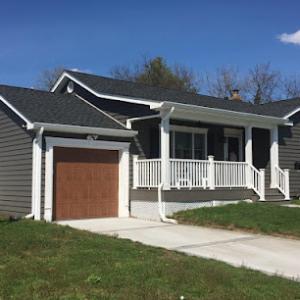
GNP Roofing & Siding
7 Chester Ct, Huntington, New York
5.0 from 125 reviews
GNP Roofing & Siding On Long Island is a fully licensed and insured contractor that has been serving Long Island for over 30 years. We pride ourselves on being fair, honest, and are family-owned and operated. Our commitment to quality contractor services at a fair price has sets us apart from others in the field. All work is done by GNP with no sub-contractors. Contact us today to for a FREE estimate for all of your Roofing, Siding, Windows & Gutter needs. We service Nassau & Suffolk County Long Island. New York.
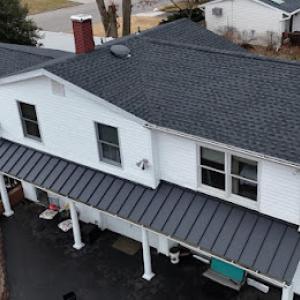
Safeway Roofing & Chimney Huntington
419 New York Ave, Huntington, New York
5.0 from 31 reviews
Safeway Roofing and Chimney is proud to serve Huntington and the surrounding areas as a trusted, family-owned and operated Long Island roofing, siding, gutter, and chimney company. With over 20 years of experience, we specialize in providing top-quality services, including roof repair, roof leak repair, skylight repair, chimney repair, chimney cleaning, chimney liner installation, gutter cleaning, and siding repair. We are fully licensed and insured, offering expert solutions for both residential and commercial properties across Suffolk County and Nassau County, NY. Our skilled technicians are committed to maintaining the highest standards, delivering reliable and long-lasting results for every project.
Unified Home Remodeling
(888) 631-2131 www.unifiedhomeremodeling.com
373 W Jericho Turnpike, Huntington, New York
4.1 from 33 reviews
Family-owned exterior home improvement specialists now serving the Huntington area. Since 1989, we've delivered exceptional roofing, windows, siding, doors, masonry, and concrete services with 99.6% customer satisfaction. As licensed, certified installers, we bring craftsmanship and precision to every project, using premium materials from brands like Andersen, Owens-Corning, and CertainTeed while offering competitive pricing and financing options. Our team understands Long Island's unique weather challenges and provides tailored solutions for Suffolk County homeowners. Transform your house into the home of your dreams with our free estimate: specialists in quality, reliability, and customer-focused service.
Roof Maxx of Huntington, NY
Serving
5.0 from 26 reviews
Roof Maxx® is a scientifically formulated, and 100% safe, plant-based roof rejuvenating spray treatment that was developed by renowned scientists at the world’s largest private research and development company. Roof Maxx of Huntington, NY services Suffolk and Nassau counties.

Imagine Remodeling
(516) 398-6595 imagineremodelinginc.com
Serving
5.0 from 130 reviews
Imagine Remodeling has provided Long Islanders with exceptional customer service and high quality craftsmanship for over 18 years. Our main focused trades are roof replacement, siding replacement and repair, Jame Hardie siding installation and repair, bathroom renovation and kitchen renovation. We are a GAF Master Elite roofing installer, James Hardie Preferred siding installer and a Certainteed 5 Star certified siding installer. We service all of Nassau county, NY USA and Suffolk county, NY USA Customer satisfaction is our number one priority here is Imagine Remodeling, give us a call today and see why Don't forget to ask us about our special 0% interest free financing for 72 month program on All purchases!
Engelmann Construction
(631) 246-1415 bigecoatings.com
Serving
4.5 from 14 reviews
Commercial and residential liquid applied coatings, waterproofing, and roofing company
David General Contractors
(917) 295-5598 davidgeneralcontractors.com
Serving
4.9 from 115 reviews
With over 20 years of experience, David General Contractors INC is your trusted partner for high-quality residential and exterior remodeling work across Long Island and New York City. We specialize in roofing, siding, blacktop and concrete driveways, extensions, dormers, and full interior renovations. Our skilled team is known for fast response, reliable service, and superior craftsmanship on every job. Whether you’re planning a small upgrade or a major renovation, we bring professionalism, transparency, and results you can count on. Contact us today for a free estimate , We do not accept advertising or marketing calls. All solicitation will be ignored.
County Roofing Systems
(631) 400-7663 countyroofingsystems.com
Serving
4.9 from 95 reviews
Established in 1987, County Roofing Systems is a licensed contractor offering comprehensive roofing solutions for residential and commercial properties across Suffolk and Nassau Counties, . services include Roof replacement, siding, and window installation, Dormers and extensions exterior work.
All Weather Pro
(917) 633-6121 allweatherprony.com
Serving
5.0 from 20 reviews
All Weather Pro, Inc is a Remodeling contractor / roofer serving the NY Metro and Long Island area focused on bringing you quality services that dont break the bank. Our services include Roofing for Residential and Commercial Properties, Replacement Vinyl Windows, Roof Installation, Commercial/ Flat Roof Waterproofing, Flat Roof Repairs, Vinyl Windows Installation, Roof Inspection, Storm Damage, Shingle Roofs, Rubber Roofs, Roof Coating and of course Free Roofing Price Estimates. Our Expert team offers a variety of cost-effective Home Improvement services for homeowners. Financing also available upon request. Contact us today or Book a Free Estimate appointment at your convenience"
SW Roofing Of Huntington
(631) 991-9107 huntingtonroofingandchimney.com
Serving
4.9 from 44 reviews
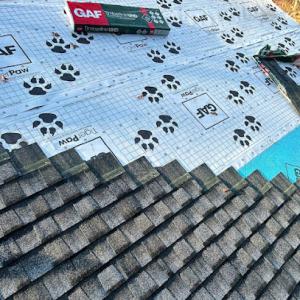
SW Roofing Of Huntington is a local Family Owned & Operated Melville NY Roofing Company!
Safeway Roof Repair Long Island
(631) 646-5497 www.safewayroofrepair.com
Serving
5.0 from 16 reviews
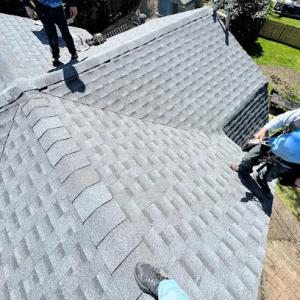
Fast, Reliable & Quality Roof Repair and Roof Leak Detection Service Guaranteed. Family and locally owned and operated, Safeway Roofing has been installing and repairing roofs in Long Island, and the surrounding area for over 25 years. Our licensed, bonded, and insured professionals install and service a wide variety of roof types quickly and efficiently.
Will Testa Home Remodeling
(631) 802-7663 www.gowilltesta.com
Serving
5.0 from 15 reviews
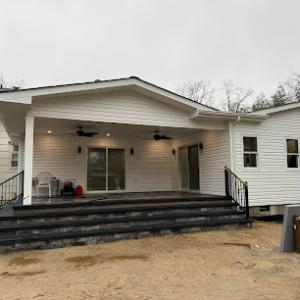
We are a full-service, award-winning home improvement contractor proudly serving all of Long Island with over 25 years of hands-on experience. Our team has won multiple awards for our kitchen and bath remodels, but can also handle your dormer, extension, basement, roof, or siding project - no matter how intricate the design! We are a turn-key solution for your next remodel endeavor, and will help in all aspects of planning and design along the way.
In the area around Long Island Sound, cold winters and shoulder-season freeze-thaw cycles make flashing details especially vulnerable where water enters small gaps and then expands as temperatures drop. Shallow joints, mismatched sealants, and aging metal flashing can all become weak points when the moisture inside those joints freezes and expands. You'll notice that even minor seepage at a roof edge or around a vent becomes aggravated after a few cycles of freezing nights and thawing days, especially in corners where two planes meet. This isn't a dramatic failure overnight, but a slow creep of moisture that invites rot and deck- or ridge-penetration if left unchecked.
Flashings are the rain gutters of the roof's interior system-they guide water away from vulnerable intersections. In this climate, small gaps in chimney flashings, step flashings along walls, and thinnish sealants around vents are more than cosmetic concerns. When water can seep in through a barely noticeable slit and then freezes, the resulting pressure lifts the flashing edge just enough to widen the leak. The problem compounds when moss or algae traps moisture, pushing heat and humidity toward wood decking and sheathing. The end result is a drip that you feel more than see until it worsens after a few storms. The advice is practical: inspect after the heaviest wet snows melt away, poke at joints from a safe vantage, and watch for damp stains that show up away from the obvious drip line. In Huntington, where weather swings are common, even seemingly solid flashing should be treated as a living detail that needs seasonal attention rather than a one-time fix.
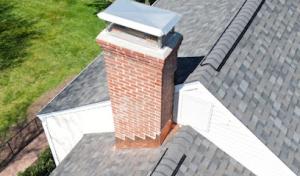
Chimney-related roof work is unusually visible in the local contractor market, matching the prevalence of older homes where masonry intersections are a common leak point. The joint between brick or block and the roof deck often carries a heavier load of sealant wear, and cap or counter-flashings can corrode or crack with repeated freeze-thaw cycles. Because chimney lines cross multiple planes, a small failure there can translate into a noticeable interior stain or damp attic spot that sits right above a family room ceiling. In practice, this means when you see staining or feel a draft near a chimney, treat the issue with the same urgency you'd give a leak under a skylight. It is not just about a cosmetic fix; it is about maintaining the integrity of roof sheathing and the interior living space.
Spring and fall are favored replacement windows in Huntington partly because they reduce the installation risks tied to frozen substrates, brittle materials, and heat-stressed shingle handling. Scheduling work during milder shoulder seasons minimizes the chance that cold or heat will accelerate sealant hardening or material fatigue during the process. If a flashing or chimney repair is needed, plan for a window where temperatures are moderate enough to allow proper curing of sealants and reliable installation of counter-flashings. When frost is a real concern, postponing certain exterior work can prevent an apparent fix from turning into a recurring problem after the next cold snap. A practical approach is to couple a careful inspection after each major storm with a targeted maintenance plan that prioritizes flashing intervals and chimney joints, so water intrusion does not quietly widen its reach.
When you can't wait, these contractors offer fast response times to stop leaks and prevent further damage.
Safeway Roof Repair Long Island
(631) 646-5497 www.safewayroofrepair.com
Serving
5.0 from 16 reviews
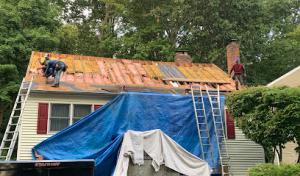
In this area, a full roof replacement is not treated as simple maintenance. The Town of Huntington Building Department typically requires a formal building permit for a complete roof overhaul, with the permit anchored to the project value and scope. That means you should expect to file for approval before any shingles come off and before a single nail is driven for the new roof. The department treats this as a building project rather than a casual, paperwork-light task, so readiness to complete the application accurately is essential.
Once you apply, plan for a municipal review window that depends on current staff workload and the specifics of the project. Expect reviewers to confirm that the proposed materials, flashing details, and ventilation meet local codes and the coastal exposure realities-wind resistance and moisture considerations are top of mind in this climate. If any plans or specifications are unclear, the Huntington staff will likely request clarifications, so having a clear, site-specific roof plan and material selections ready speeds things up.
Because the town is the permitting authority, scheduling and closeout should be planned around municipal review timing rather than assuming immediate capability to start after contract signing. Contractors may need to adjust start dates to align with permit issuance, inspections, and any required revisions. This can mean waiting periods between contract execution and actual project kickoff, especially during busy seasons or after storms when review queues lengthen.
A typical process ends with a final inspection once the work is complete. The inspector will verify that the installed system conforms to the approved plans, that flashing and waterproofing are solid, and that all components function as intended under local wind and moisture conditions. If deficiencies are found, scheduling a follow-up inspection after corrections is necessary before the permit can be closed out. Keeping the project documentation organized-drawings, material certifications, and any change orders-helps avoid delays during closeout.
Keep the permit number handy and maintain open lines of communication with both the contractor and the Building Department. Being proactive about documenting changes, weather-related considerations, and installation specifics helps ensure the project proceeds smoothly through Huntington's permitting process.
When planning a replacement, you'll see the most meaningful spread comes from the material you choose. Asphalt shingles typically run about 450 to 700 USD per square. Metal roofing sits higher, roughly 700 to 1200 USD per square. If clay tile or concrete tile is in the mix, expect 900 to 1800 USD per square for clay and 800 to 1500 USD per square for concrete. Wood shingles or shakes are commonly 600 to 1100 USD per square, while synthetic or composite shingles land between 500 and 900 USD per square. These figures reflect ordinary Huntington homes and provide a practical starting point for budgeting.
Costs in Huntington can rise on steeper or more architecturally detailed homes common along the North Shore. Valleys, dormers, chimneys, and premium material expectations push labor time higher and can raise the total price beyond the raw material quote. If your roofline includes multiple angles or complex intersections, expect a noticeable uptick in both material waste and labor, which is reflected in the final bid. The more surface area and details the roof has, the more you should plan for a realistic contingency.
Storm-driven demand spikes after nor'easters and coastal wind events can tighten contractor availability in Huntington and push pricing or scheduling pressure higher than in calmer periods. If a replacement becomes urgent after a coastal storm, be prepared for tighter calendars and possibly higher rush charges. Conversely, in the off-season you may see more flexibility and negotiation room, but not at the expense of wind- and moisture-resilience work. On a practical timeline, align your project with shoulder seasons when possible, and maintain a short list of preferred contractors to smooth scheduling during busy windows.
Start with a material choice that balances wind resistance, moisture control, and cost. For coastal exposure, prioritize durable flashing and wind-rated underlayment, which can influence long-term warranty terms and the roof's performance during Nor'easters. Get three detailed written bids that break out materials, labor, and any required edge work or flashing upgrades. If your home has premium architectural features, request a combined package that covers valley, dormer, and chimney work to avoid surprise add-ons later. Finally, factor in a modest contingency (5-10%) for weather delays and material substitutions that sometimes happen when coastal conditions are factored into planning.
Get a clear picture of your project costs upfront - no commitment required.
GNP Roofing & Siding
7 Chester Ct, Huntington, New York
5.0 from 125 reviews

Unified Home Remodeling
(888) 631-2131 www.unifiedhomeremodeling.com
373 W Jericho Turnpike, Huntington, New York
4.1 from 33 reviews
In the local insurance environment, carriers commonly want clear documentation that separates storm-created damage from pre-existing wear, a distinction that matters in an older-housing market with characterful roofs and aging flashing. When a claim arises after coastal storms or freeze-thaw cycles, keep a careful record that shows what happened during the event versus what was already deteriorating. Photos taken both immediately after a incident and over time can help demonstrate the change, and written notes about visible wear on shingles, valleys, and vents provide context for adjusters who may not see the same daylight as on-site crews.
Wind-related claim questions are especially relevant, because some policies use wind or hail endorsements that affect whether replacement is approved and how much is covered. Expect questions about wind direction, wind-driven shingle lift, and the extent of damage to fascia and flashing. Documentation should address whether corroborating wind damage is present on multiple elevations, and whether debris impact patterns line up with a known storm event. If a claim hinges on these endorsements, precise notes about what failed and why provide a clearer path to coverage decisions.
Homeowners should preserve photos, contractor findings, and warranty paperwork because adjusters may review both the project scope and the exact materials installed after a claim. Preserve before-and-after imagery of shingles, underlayment, and flashing, along with product warranty cards and installation receipts. Contractor findings-such as lift at rakes, inadequate attic ventilation, or compromised underlayment-should be organized with dates and notes that tie to the event. Warranty paperwork helps establish material quality and installation standards, which can influence whether the claim covers replacement rather than repair. Keeping this bundle ready reduces delays and supports a stronger negotiation when the inspection happens.
Connect with contractors who help homeowners navigate the claims process from damage assessment to final approval.
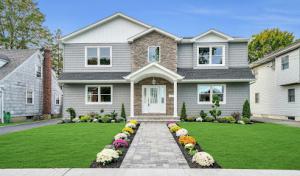
Flat-roof sections and skylight penetrations are a meaningful local service need, shown by the prevalence of mixed rooflines on Huntington homes. The coastal exposure means heavy precipitation followed by rapid temperature drops can stress seals and flashing. In neighborhoods with additions or inconsistent pitches, leaks often trace to where two planes meet or where a skylight curb sits against a counter-flashing drum or parapet. Expect more service calls around storm season when wind-driven rain rides up under edge details and into low-slope transitions.
When a leak appears, start at the most vulnerable transitions: skylight curbs, roof-to-wall interfaces, and the junctions where a low-slope area meets a higher plane. Look for hairline cracks in sealant, uplifted flashing, or deteriorated curb corners after a nor'easter. If you have a metal edge cap, confirm it is seated and sealed along its entire length; a missed fastening or seam can channel water into a crawl space or attic. For you, the clue is moisture that travels along penetrations rather than a single spot on a flat surface.
Schedule inspection after the first good freeze-thaw cycle of late fall, then again after winter storms. Inspect skylight flashing from both interior and exterior angles and re-caulk with a primer if you see settling cracks. Inspect flat sections for ponding and smooth any hail-damaged vent collars. If a skylight is original, consider resealing or upgrading to a curb-adjusted unit with a broader seal line to handle rebound from freeze-thaw. Ensure internal baffles and drainage paths remain clear to avoid water pooling on low-slope zones.
High-risk areas include transitions from flat to pitched sections, curb-mounted skylights, and any penetration through a parapet. In many homes, leaks originate not at the skylight itself but at the intersection where flashing meets the deck material. Inspect around the perimeter of every skylight and the roof-to-wall turn, especially after coastal storms that push salt-laden air into brittle sealants.
Find specialists in TPO, EPDM, and built-up flat roofing systems for residential and commercial properties.
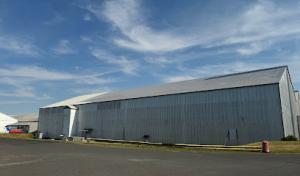
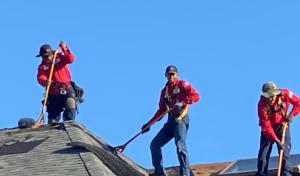
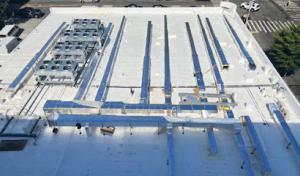
Replacements are commonly scheduled in spring or fall because those seasons better balance installation conditions against summer heat and winter storm disruption. In neighborhoods with older village-center housing stock, choosing these shoulder seasons helps crews manage moisture, wind exposure, and fastening details more reliably. Planning a spring or fall project also aligns with typical weather patterns along the Sound, reducing the risk of sudden indoor moisture buildup or heat-related material handling challenges.
Summer humidity can affect asphalt shingle handling and raises the importance of attic ventilation planning in warm-season conditions. If a roof is slated for summer, confirm that the attic has adequate venting to prevent trap cooling and condensation that can compromise underlayment or the roof deck once shingles heat up. Coordinate with the crew to store materials out of direct sun, stagger tear-off and install phases to avoid heat exposure, and verify that drip edges and flashing can be installed with calm winds rather than gusty afternoons.
Starting too late in the year increases the chance that nor'easters or early cold snaps interrupt tear-off, underlayment exposure, or final inspection timing. Late-season work can expose exposed roof decks to freezing temperatures or sudden storms, which complicates sealing and wind-resistant detailing. If work must occur in late fall, ensure contingency plans for weather delays, and discuss with the contractor how they'll protect exposed areas and complete flashing and attic vent connections before the first hard freeze.
Coordinate timing with typical regional storm patterns and prioritize projects that maximize daylight and dry, calm windows. For neighborhoods with mature trees or coastal winds, stagger material deliveries to minimize site clutter and secure temporary weather protection during mid-season thaws. Confirm that the chosen window allows for wind-resistant fastening milestones and a thorough final inspection on a day with stable conditions.
In this market, contractors flock to re-roofing jobs, and bids often differ on cleanup, response time, and leak follow-up. When you compare bids, target a clear scope: debris removal, disposal, protection of landscaping and driveways, and a concrete plan for addressing any incidental leaks during the project. Ask for a written schedule with promised response times if a leak is reported after a storm. Don't assume all bids cover the same post-work follow-through.
Long-established, family-owned firms are notably present in this town, and that matters for warranty follow-through and post-storm service availability. Check how long the company has been operating, who will manage your project, and whether a dedicated supervisor remains on site. A stable crew is more likely to stay on task through challenging weather windows and to honor warranty items when needed after a harsh season.
Because chimney work appears frequently alongside roofing, verify who is responsible for flashing and masonry-adjacent details before signing. Confirm whether the contractor handles chimney flashing as part of the roof replacement or if a mason must be contracted separately. Clear delineation avoids gaps in waterproofing where wind-driven rain and freeze-thaw cycles can exploit weak seams.
Coastal exposure makes timely post-storm follow-up a practical necessity. Inquire about how the contractor prioritizes emergency leaks, who staffs after hours, and how quickly a temporary fix becomes a permanent repair if needed. Your goal is a firm that stays reachable and accountable when weather tests the roof.
Get a clear picture of your project costs upfront - no commitment required.
GNP Roofing & Siding
7 Chester Ct, Huntington, New York
5.0 from 125 reviews
Unified Home Remodeling
(888) 631-2131 www.unifiedhomeremodeling.com
373 W Jericho Turnpike, Huntington, New York
4.1 from 33 reviews