
Last updated: Apr 19, 2026
Winter in this area brings repeated ice-dam risk at eaves and valleys on the pitched roofs common across local neighborhoods. When snow builds up, warm roof sections melt and refreeze at the colder edges, creating ice dams that push water under shingles and into the attic. In this climate, Nor'easters can deliver wind-driven rain or snow combined with freezing temperatures, turning already fragile roof edges into open pathways for leaks. The combination of persistent cold with thaw cycles means active leak response is a top homeowner concern during and after heavy winter storms.
Heavy winter snow loads followed by melt events frequently expose weak flashing, aging shingle tabs, and vulnerable roof-to-chimney transitions that are common on older homes in the area. Eaves, skyline valleys, and flashing around chimneys are the most likely failure points when ice dams form or when a Nor'easter pushes moisture into the roof stack. If gutters are clogged or misaligned, meltwater has nowhere to shed properly, compounding the risk. In older construction, vent flashings and step-flashings can loosen after freeze-thaw cycles, creating small entry points that worsen after each storm.
If a Nor'easter is arriving or you're already hearing dripping from the ceiling, act quickly. Start by clearing gutters and downspouts as much as safely possible from the ground to prevent new water channels along fascia boards. Inspect visible flashing from the exterior only if it's safe to do so-look for loose metal, lifted shingles, or dark wet spots along eaves and around chimneys. Inside, locate the first signs of moisture-stains, peeling paint, or damp insulation in the attic-and note the location relative to roof penetrations. In the event of active leaking, place a bucket under the drip and place towels or a tarp to minimize interior damage while you arrange professional help. Do not climb onto a snow-covered roof in winter storms; the risk of collapse or a hidden ice layer is too high.
Effective prevention hinges on targeting the vulnerable edges where ice dams start. Ensure attic insulation and ventilation are balanced to keep the roof deck from warming unevenly during cold snaps. Seal any gaps around penetrations and vents to reduce warm air escaping into the attic, which contributes to ice dam formation. For homeowners with aging shingles or compromised flashing, schedule a proactive roof health check before the heart of winter arrives. Pay particular attention to roof-to-chimney transitions, where flashing wear or misalignment is common after multiple freeze-thaw cycles. In neighborhoods with older roof lines, proactive reinforcement of these transitions can prevent cascading leaks during and after storms.
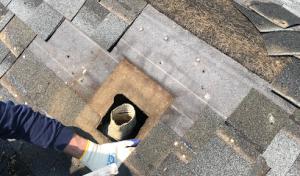
Once the wind dies down and the roof is safe to inspect from the ground, re-evaluate the eaves and valleys for signs of new ice dam formation or water intrusion. Check for shingle tabs that appear cracked or loose, and look for discolored patches on interior ceilings that indicate ongoing seepage. If you notice persistent dripping or damp attic insulation, contact a local roofer promptly for a detailed inspection. Quick escalation matters: addressing weak flashing, torn vent boots, or compromised chimney transitions early can prevent more extensive interior damage and shorter-term repairs once spring weather returns. In this climate, a timely, targeted response to ice dam activity and Nor'easter-driven leaks is not just maintenance-it's protection for the home's structure and its energy efficiency.
In this part of the North Shore, the rhythm of the year pushes roofing decisions toward two recurring pressures: heat and storms. The warm, humid summers can accelerate asphalt shingle aging and degrade sealant performance, making late-life roofs more vulnerable after heat waves. That means a roof that looked fine in spring can show accelerated wear by late summer, with sealants less able to hold against the next freeze-thaw cycle. Understanding that sequence helps you pick a replacement window that minimizes moisture intrusion and reduces the risk of mid-winter damage that compounds when temperatures swing. The practical takeaway is to align replacement with periods when the HVAC and attic environments are least stressed, so the new layers can perform as intended from day one.
Spring is not your only option, but it is the most predictable window for Smithtown. Spring storm season on Long Island brings hail and high winds that can loosen or crease shingles before the next winter cycle. Starting a project as soon as weather permits after those storms helps you prevent the small, post-storm damages from becoming larger leaks once cold weather returns. Conversely, late fall offers a dry run before winter, but you must weigh the risk of early snow or sudden freezes that complicate shingle installation. In practice, aim for a calm, dry stretch of weeks with modest wind and no imminent temperature plunge. This balance reduces the chance of post-installation shrinkage or hidden installation flaws that only reveal themselves after the first winter.
Look for signs that a roof is nearing the end of its useful life without jumping into a full replacement at the first sign of trouble. Curling edges, loose granules in gutters, and patches of exposed underlayment during a light inspection after a storm are red flags you should not ignore. When heat waves repeatedly bake asphalt shingle surfaces, you may notice loss of flexibility and accelerated granule loss, signaling that waiting too long risks increased damage during a harsh winter. If you notice ice dam patterns forming sooner in the season, that can indicate the roof is reaching the limit of its protective ability and a replacement window should be prioritized before the next cold snap.
Replacement timing in Smithtown is often planned around avoiding both peak winter emergency conditions and post-storm contractor demand surges. The winter period tightens schedules, and storm aftermath tends to pull crews in different directions, sometimes delaying critical repairs. By choosing a shoulder season-late spring or early fall-you increase the likelihood of securing a reliable crew, receiving thorough workmanship, and finishing before the full weight of winter pressure arrives. Use this pacing to coordinate with any interior work that will accompany the roof change, such as attic ventilation checks or insulation upgrades, so the whole system is aligned for the coming season.
Get a clear picture of your project costs upfront - no commitment required.
Universal Builders Group Roofing & Chimney
(631) 772-2221 www.universalbuildersgroup.com
49 Landing Ave, Smithtown, New York
5.0 from 7 reviews
Universal Builders Group Roofing & Chimney
(631) 772-2221 www.universalbuildersgroup.com
49 Landing Ave, Smithtown, New York
5.0 from 7 reviews
UniversalBuilders Group is a family owned and operated business serving Long Island. We can provide you with the long-lasting roof that your home needs for proper protection from the wind, rain, or snow. Proper roofing is essential for each homeowner to establish a strong, healthy home. We are here to provide you with the high quality workmanship that your house deserves. We can help you with anything from a roof repair to a new roof installation and Chimney or Siding needs. We have been helping people for over 20+ years and have references available upon request.
AMC Roofing
(631) 266-7663 rooflongisland.com
34 E Main St Suite 263, Smithtown, New York
4.7 from 6 reviews
Roofing Contractor located in Smithtown/Saint James NY. Residential and commercial roofing contractor specializing in all roofing systems. Other services provided: Siding and Windows.
Long Island Roof Repair
(631) 495-2891 www.liroofrepair.com
Serving
4.9 from 71 reviews
Long Island roofing and roof leak repairs for commercial & residential roofs. A trusted Nill in roofing on Long Island for over 65 years! Roof leak repairs Long Island NY. Leak free roof systems! Roof maintenance is key to a leak free roof! Don’t replace rejuvenate! Free estimates!

RK Seamless Gutters
(631) 969-0036 www.rkseamlessgutters.com
920 W Jericho Turnpike, Smithtown, New York
3.6 from 8 reviews
Initially a gutter company now also an exterior contractor, supply, custom craftwork. 5", 6" and 7" seamless gutters. PVC, Cedar, and Mahogony Trim Work. All Sidings and Roofing Systems.
All Island Pro Roofing & Chimney
(631) 953-2333 www.allislandpro.com
Serving
4.9 from 34 reviews
All Island Pro Roofing and Chimney is Long Island’s premier choice for roofing, chimney, and gutter solutions. Our skilled team delivers expert workmanship with high-grade materials to safeguard and enhance your home. From installations and repairs to inspections and maintenance, we uphold the highest standards at every step. Whether you need a full roof replacement or a chimney tune-up, trust us for reliable, timely service. We’re committed to outstanding results, transparent communication, and your peace of mind—ensuring our work stands the test of time.
Mici Construction
(631) 882-2255 miciconstruction.net
Serving
5.0 from 76 reviews
Protect your largest investment with our reliable roofing services. We are a locally owned and operated roofing company currently serving Smithtown, NY and surrounding communities. If you want to make your roof last as long as possible, it is vital that you never put off a roof repair. Small issues with roofing become big issues in a hurry. No matter how major or minor the repair you need, we are here to help. We offer roofing services, roof repair and roof installation. Roof repair Construction
Eagle Roofing Contractor
(877) 258-5454 eagleroofingcontractorinc.net
Serving
4.8 from 525 reviews
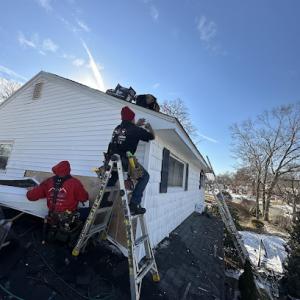
Eagle Roofing Contractor, based in Commack, NY, is your trusted partner for reliable roofing and exterior services across Queens, New York City, Brooklyn, and Westchester. As expert roofing contractors, we specialize in commercial roofing, window installation, gutter installation, siding installation, and more. Our commitment to excellence ensures we use only high-quality materials and innovative solutions tailored to your needs. With a focus on customer satisfaction, Eagle Roofing Contractor delivers durable, top-tier results for every project. Choose us for unmatched professionalism and expertise.
Chief Cornerstone Roofing
(516) 273-6428 chiefcornerstonecontractorsinc.com
Serving
5.0 from 80 reviews
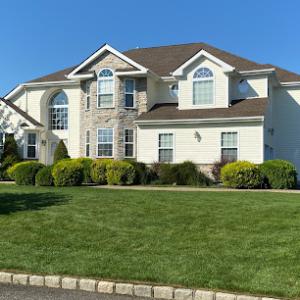
Chief Cornerstone has had the same goal and vision...to be the best roofing business on Long Island it can be while serving its customers and clients at the highest level. Our goal is to provide an incredible experience to our Long Island employees, customers and friends. From the buying process to the installation and completion, we guarantee quality and friendliness along the entire way. Thank you to the community, Nassau County and Suffolk County, and to our customers for helping us grow into a company we are today. From foundational work to home inspections and roofing, Chief Cornerstone has you covered..
Viking Builders
(631) 796-1139 www.vikingbuildersllc.com
Serving
4.8 from 17 reviews
Viking Builders is a licensed and insured contractor serving Long Island, NY, and Florida. We specialize in roofing, emergency repairs, storm damage restoration, remodeling, home additions, and full construction projects. Our experienced local teams provide fast, reliable service with free inspections, same-day estimates, and flexible financing options. Trusted by homeowners and businesses across Nassau, Suffolk, and Florida’s communities. Call today to start your project!
Roofing Time
(631) 316-9230 roofingtimelongisland.com
Serving
4.9 from 95 reviews
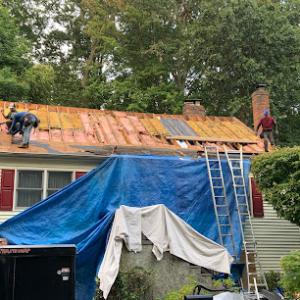
The first choice for residential homeowners, Roofing Time installs any type of roof system for any type of building in Islip. Trust our experienced specialists to provide peace of mind and solid protection with advanced roofing systems and reliable and friendly customer service. We provide honest assessments and complete each roofing project on time, and on budget. Flexible enough to handle entirely new installations for a simple residential roof leak repair, Roofing Time is a one-stop shop for all roofing and exterior maintenance needs.
Roof Repair Long Island
(631) 459-4254 roofrepairinlongisland.com
Serving
5.0 from 27 reviews
Welcome to Roof Repair Long Island your local one stop shop company for any Home Improvement project you might need. Get started today with a Free Estimate Appointment. Available 24/7 for any Roofing Emergency.
K&K Construction Solutions
(631) 553-8903 kandkchimneys.com
Serving
4.9 from 111 reviews
K&K Roofing is a leading home improvement company that has been providing quality roofing services for over 20 years. Our experienced team of roofers are knowledgeable and skilled in all aspects of roofing and siding work committed to providing the best home solutions for every budget. We strive to exceed expectations with every job. . From roofing repair and replacement to siding replacement or repair, we have the solution that fits your needs. We are proud to offer competitive pricing, reliable service, and a 100% satisfaction guarantee as we strive to provide a hassle-free experience for each of our customers.
In this area, asphalt shingles are the dominant practical choice because they fit the large stock of pitched residential re-roof projects and the broad contractor availability across Long Island. The freezing winters and spring thaw cycles put a premium on a roof system that can shed ice and manage moisture without excessive weight or complex installation. When selecting asphalt, look for a product with good sealing granules and a stiff micro-foam backing to resist wind uplift on exposed ridges and treed streets where drifting snow is common. Field ventilation matters as much as the shingles themselves: adequate intake and exhaust venting helps manage condensation and minimizes the risk of ice dam formation on long, sloped runs. In Smithtown, you will often see homeowners pairing asphalt with continuous drip edge detailing and properly aligned underlayment to improve performance during Nor'easters and heavy snows. To maximize durability through multiple freeze-thaw cycles, choose asphalt shingles with proven granule retention and a dense adhesive band that reduces uplift during winter storms.
Metal roofing is present locally and can perform well against snow shedding and wind exposure, but detailing matters on Long Island homes with chimneys, skylights, and complex rooflines. When considering metal in Smithtown, pay particular attention to panel seams, fastener types, and the integration around penetrations. Snow tends to slide off metal surfaces, which can be beneficial for reducing pile-up on low-slope segments, yet it also pushes moisture toward eave lines if soffits and gutters are not properly sealed and vented. For homes with tall chimneys or skylights, rain channels and flashing need to be meticulously flashed to prevent ice dams at transitions. In areas with Nor'easters, the wind can drive snow into valleys and creases; a well-planned metal installation uses continuous eave flashing, wind-rated fasteners, and careful sealing at rake edges to maintain a dry interior under freeze-thaw stress. Structural support should be assessed for metal systems in homes with older framing or existing roof loads that have seen years of freeze-thaw cycling. If choosing metal, consider a profile that provides a bit of insulation backing and a finish that resists corrosion from coastal humidity while preserving snow-shedding benefits.
Slate, clay tile, concrete tile, and synthetic/composite products appear in the market but require attention to structural load, fastening, and freeze-thaw durability in the winter climate. These materials typically introduce higher dead loads; ensure the underlying structure can handle the added weight without compromising the attic space or deck integrity. Freeze-thaw cycles can impact fasteners and mortar joints, so attention to proper anchorage and sealant selection is essential around perimeters, dormers, and chimneys. Clay and concrete tiles rely on uniform support and rigid clips or nails; any misalignment or improper spacing can lead to cracking under snow drift or ice accumulation. Synthetic or composite options aim to balance weight and resilience, but still demand compatible underlayments and precise fastening schedules to resist wind uplift and ice dam formation. For homes with pitched roofs popular in Smithtown, attention to the eave overhangs, gutter integration, and valley flashing is critical, since these areas are common initiation points for freeze-thaw damage. Regardless of the material, sustained performance through winter requires a combination of appropriate underlayment, solid fastening patterns, and compatible sealants that remain flexible during cold snaps.
In this area, full-roof pricing is driven by high re-roof demand, with tear-off, disposal, and site cleanup being common expectations in the contractor market. When you're replacing a roof in Smithtown, you're often paying for the extra labor to manage waste, haul away worn shingles, and restore curb appeal without leaving debris on driveways or lawns. That means the per-square cost you see on a bid is not just for new material and labor, but also for the logistics of clearing an older roof system from a suburban lot with mature landscaping, multiple vehicles, and close neighbors. Asphalt shingles are the most cost-efficient entry point, but even these bids reflect the full-service cycle that local roofers run during busy seasons.
Asphalt shingles: For a standard re-roof in a typical Smithtown home, you should expect a price range around 350 to 700 USD per square for asphalt, including tear-off, disposal, and cleanup. If your roof has higher complexity-steeper pitches, multiple dormers, or several skylights-the cost edges toward the upper end. Synthetic or composite shingles offer similar service dynamics but can push your bid into the mid-to-upper range due to material performance in winter and the need for tighter flashing details around chimneys and skylights.
Metal roofing: Metal options run higher, reflecting material and specialized installation. Per square, you're looking at roughly 1,000 to 2,000 USD. In Smithtown, snow load considerations and prolonged freeze-thaw cycles can justify premium metal systems, especially if you're replacing an older roof that already shows signs of ice damming or wind-driven damage. Expect higher costs where the roof carries extra weight or requires careful integration with gutters and downspouts to prevent ice buildup.
Clay and concrete tiles: Clay tile typically lands around 1,100 to 2,600 USD per square, with concrete tile in the 900 to 1,900 USD range. Both carry significant weight and often demand additional framing or reinforcement. In neighborhoods with stone chimneys, dormers, or elevated skylight footprints, the bids reflect extra flashing, underlayment, and precise, weather-tight detailing needed to combat Nor'easter-driven leaks.
Synthetic/composite shingles and slate: Synthetic shingles hover near 520 to 1,000 USD per square, while slate climbs from 1,600 to 3,500 USD. In Smithtown, slate is frequently selected in higher-end remodels or homes with historic detailing that requires meticulous flashing around chimneys and dormers, particularly after a harsh winter or a windy spring.
Storm-driven scheduling pressure after Long Island winter events or spring wind damage can affect labor availability and replacement timing. When crews are tied up rushing to complete repairs before more winter weather, you may see faster turns on small, straightforward jobs, while more complicated re-roofs sit in queue. If you have steep pitches, multiple dormers, or a chimney flashing project, plan for longer lead times and possible bid adjustments as crews balance storm recovery with routine work. In these cases, the cost you're quoted should explicitly cover removal, disposal, and site cleanup as standard components, not surprises later in the project.
Don't let upfront costs delay a critical repair - these contractors offer payment plans to fit your budget.

In this area, a full re-roof is treated as a formal project rather than informal maintenance. Smithtown typically requires a building permit for that work, reflecting how critical roof assemblies are to resist winter ice dams, snow load, and Nor'easter-driven leaks. If a contractor tells you it's a quick patch or cosmetic update, push back and verify the scope with the town before any materials move onto the property. A proper permit ensures the roof design and installation meet local wind, fire, and structural standards that matter during harsh New York winters.
The town building department will review the roofing scope, issue the permit, and set the framework for inspections. That review aims to confirm that the chosen roofing system, underlayment, ventilation, and structural support align with local codes and climate realities. Because Smithtown homes often face freeze-thaw cycles and heavy snowfall, the review focuses not just on the surface layer but on attic ventilation, overflow protection, and proper fastener schedules. Expect an explicit outline of the work, timelines, and required inspections tied to the stages of construction.
Inspections occur at two pivotal moments: rough-in and final. Rough-in checks verify that roof decking, underlayment, support members, flashing details, and ventilation pathways are correctly installed before the outer coverings go on. This is the moment to catch misalignments that could contribute to ice dam formation or leakage once the snowpack builds. The final inspection confirms everything is properly finished, sealed, and weather-tight, including chimney and vent terminations, skylights, and edge detailing. Missing any step can trigger delays or rework, especially when winter arrives and the roof needs to perform under pressure from freezing temperatures and drifting snow.
Contractors working in Smithtown should ensure the permit is posted on site during the project. This visibility helps adjacent homeowners, inspectors, and even municipal staff verify compliance if questions arise during winter storms. If the permit isn't visible, or if inspections are missed or rescheduled, the risk of non-compliance grows quickly, potentially delaying critical work and leaving the roof vulnerable to ice-related problems.
Ask the contractor for the exact permit scope and a written inspection timetable before any shingle is removed. Keep a copy of the permit on site for quick reference, and confirm the inspector will sign off at each stage. Given Smithtown's climate realities, make sure the plan explicitly addresses ventilation, ice-dam protection, and load considerations so the project stands up to winter conditions long after the crews have left.
In New York, roof claims are commonly evaluated after storms, so homeowners benefit from dated photos and condition reports before and after Nor'easters or spring wind events. Start a simple rhythm: photograph the roof from multiple angles after a major storm, then again after a thaw or melt. Keep a dated log of notable ice dam activity, snow depth on the roof, and any interior signs of leaks. This local pattern helps avoid a mismatch between what is seen now and what was already deteriorating.
Replacement decisions can be influenced by nearby storm history and local code requirements, which matters in a market with recurring winter and coastal storm exposure. When reviewing a claim, an adjuster will weigh visible storm impact against existing wear. If a lane of tiles or shingles shows sudden displacement or flashing failure alongside long-standing granule loss or weathered siding, documentation that ties the damage to a specific event strengthens the case.
Because Smithtown sees both sudden storm damage and gradual winter deterioration, separating old wear from new storm impact is important during adjuster review. Focus on the timing of damage relative to the latest Nor'easter or sustained freeze-thaw cycle. Note whether leaks begin at penetrations, valley intersections, or eave lines, and distinguish breaches caused by wind-driven rain from long-term material fatigue. Clear before-and-after comparison helps authorities see what changed.
Keep a binder or digital folder with event dates, weather summaries, and labeled photos. Include reports from neighbors if the roof looks worse after a shared storm. A concise narrative of observed changes aligned with storm chronology can streamline the review and support a fair assessment of what happened and when.
Connect with contractors who help homeowners navigate the claims process from damage assessment to final approval.
GY Construction INC Roofing & Siding
(631) 452-6584 gyconstructioninc.com
Serving
5.0 from 45 reviews
In this area, chimney-related roofing work shows up frequently in contractor schedules, so roof-to-chimney flashing is a recurring leak source. Skylight service is also common, with curb flashings and surrounding shingles bearing the brunt of freeze-thaw cycles and wind-driven rain. On roofs that juggle multiple penetrations, leaks often trace transitions rather than the field shingles alone. A careful, systematic check that includes flashing transitions around chimneys and skylights is essential.
Begin by inspecting the chimney flashing where it meets the roof, then follow the flashing up and over the chimney chase as well as any step or counter-flashing that overlaps vents or dormers. Check skylight curb flashing for lifted flashing, gaps, or degraded sealant. Move to the area where the skylight frame meets shingles; look for missing nails, cracked shingles, or sealant failure at the curb. If multiple penetrations share a common run of water, map the drainage path inside the attic to distinguish a chimney or skylight issue from a damaged field shingle near a valley or ridge.
In winter, ice damming often hides a leakage path that starts at a flashing transition rather than the glass itself. Look for staining along the ceiling near the chimney chase or skylight and pay attention to any dripping that aligns with wind-driven rain events or heavy snowfall. Freeze-thaw cycles can lift flashing slightly, so a once-sealed joint may fail after a few cycles even if it looked fine in milder weather.
Tighten or replace flashing where corrosion or lifting is evident, and reseal where the curb meets the roof with roof-grade sealant appropriate for flashing joints. For skylights, ensure the curb is properly supported and that shingles overlap the curb edges to shed water effectively. If water is tracking along transitions from multiple penetrations, prioritize addressing the flashing transitions first, then re-check the surrounding shingles. In homes with several penetrations, a targeted reflash of the conflict zone often yields the quickest, most durable improvement.
Find contractors experienced in skylight installation, flashing, and leak repairs to bring natural light into your home.
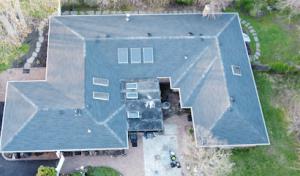
Flat-roof specialization exists but is not dominant in Smithtown, so low-slope sections are usually additions, porches, or portions of some commercial properties that must work in concert with a main pitched roof. This makes understanding how these areas interact with the primary roof crucial, since a leak here often signals issues that extend beyond the flat surface. The aim is to keep the low-slope portion drainage-friendly while ensuring transitions to the pitched sections remain watertight through seasonal shifts.
Winter ponding is a common challenge, particularly on low-slope sections attached to pitched roofs. Proper drainage design matters more than on flat commercial roofs because meltwater can refreeze at the eave line and back up into the ridge and joints. In Smithtown's freeze-thaw cycles, surface textures that promote runoff and edges that shed water efficiently help minimize ice dams forming near transitions. Prioritize roof deck drainage patterns that encourage water to move toward designated outlets, with attention to scuppers, gutters, and downspouts that remain unobstructed through snow events.
Leak points often occur where a flat roof meets a pitched roof. In renovations or repairs, ensure the joint is treated as a critical seam rather than a secondary detail. Flashing at these transitions should be continuous and compatible with both roof textures and materials. Consider using flexible transition membranes and compatible sealants designed for exposure to cold cycles and salt air if located near coastal pockets. Insulation and vapor barriers should maintain continuity across the change in plane to prevent warm cavity condensation from finding a path into the attic or wall areas.
Routine inspections should specifically target low-slope sections after winter thaws and heavy snows, looking for ponding, seam separation, or blistering around penetrations. When planning a main re-roof, coordinate any low-slope repairs so that membrane laps, flashing, and edge details align with the primary roof system. This coordination reduces the risk of future leaks at the transition locations and supports longer-term durability, especially on homes where additions or porches rely on the same drainage network as the original roof.
Find specialists in TPO, EPDM, and built-up flat roofing systems for residential and commercial properties.
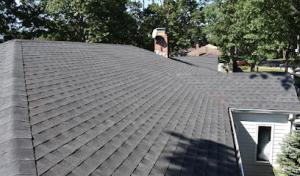
In this market, homeowners value quick response, solid cleanup, and affordable re-roofing over premium systems. When you call a candidate, ask how fast they can mobilize after a leak or storm event and how they prioritize debris removal and site protection. Look for firms that routinely handle North Shore winter conditions and have a backlog of local projects, not out-of-town crews that don't understand our freeze-thaw cycles and Nor'easter timing.
Long-established, family-owned firms are common in the area, and those relationships matter. Check how long the company has been operating in your neighborhood and which locals recommend them. A bid from a contractor with a long local footprint usually correlates with dependable scheduling, predictable crews, and accountability that neighbors recognize.
Your roof needs to handle winter ice dams, snow load stress, and Nor'easter-driven leaks. Screen for a crew that demonstrates experience with pitched roofs typical here and the ability to stage work quickly after a storm, protect landscaping and driveways, and manage debris at a scale appropriate for single-family homes. Ask for recent projects on similar homes and weather patterns, and request photos or references from neighbors on the same street or cul-de-sac.
Clear communication matters when winter brings rapid changes in weather. Inquire about how the crew communicates scheduling, what the typical cleanup plan includes, and how they arrange post-work follow-up for any lingering concerns. Verify they provide a single point of contact during the project and that the crew adheres to neighborhood standards for noise, waste, and street clutter.
Before work begins, confirm who handles permit paperwork and inspection scheduling, and ensure that the contractor will coordinate these steps. This reduces last-minute delays and clarifies responsibility if adjustments are needed during the project.