Last updated: Apr 19, 2026
East Northport homeowners typically get the best replacement window from late spring through early fall because Long Island winters bring snow, ice, and freeze-thaw conditions that complicate tear-off and sealing. A well-timed project during these milder months minimizes the risk of ice dam formation during the work and helps ensure attic and roof deck temperatures stay in a workable range for fast, secure enclosure. If you push past mid-fall, you start running into shortened daylight, fewer workable days, and the first hints of cold snaps that can stress underlayment and sealants. Timing matters because a solid, dry roof installation sets the stage for a long-lasting seal and proper ventilation-both of which are scrutinized by local inspectors during the process.
Spring and fall on Long Island often bring wind-driven rain, which is especially disruptive during open-roof tear-off stages in East Northport neighborhoods. If a replacement begins while a storm system is riding through, you can see sheets of rain drive under tarps, slow progress, and potential interior moisture intrusion. Plan for weather buffers: schedule the most exposed portions of tear-off for days with calmer forecasts, and allow for extra drying time after a rain event before applying underlayment and flashing. In other words, pick stretches of several dry days in a row when a portion of the roof can be resealed, then move to the next section. Early fall, after scorching summer heat has cooled but before early winter, is often ideal for limiting wind-driven delays and for securing all openings before the next round of cold air.
Summer heat and humidity in this part of Suffolk County affect asphalt shingle handling and make attic ventilation performance a bigger concern during replacement planning. Shingles can become brittle in extreme cold and curl when exposed to high heat, so staging and transporting materials during the coolest parts of the day reduces waste and damage. Hot attic spaces intensify the need for continuous ventilation during installation to prevent heat buildup that can degrade sealants and shorten the lifespan of the ridge cap and hip components. If a crew starts in the heat of July, ensure there is a clear plan for frequent hydration breaks, shaded staging areas, and temporary ventilation strategies to maintain a healthy working environment. A well-ventilated attic helps the new roof settle evenly and reduces the risk of repetitive blinking or buckling as the shingles lie flat.
Neighborhoods in East Northport often share mature tree canopies and similar roof pitches, which helps when coordinating a block-wide replacement window. If a street experiences a single storm cluster or a heatwave, align neighboring jobs to minimize traffic disruptions and truck parking conflicts. A practical approach is to group roof sections by street segment where crews can finish one side before moving to the next, avoiding multiple entry points and reducing heat exposure for crews. This strategy also minimizes the chance of weather interruptions forcing re-work on already completed sections.
Because inspection emphasis includes ventilation and installation details, timing should allow for a complete attic vent assessment and any required through-roof or soffit vent adjustments before the new roof goes on. If a contractor identifies inadequate ventilation, schedule the corrective work early in the project window to prevent moisture buildup under new materials. In late spring or early fall, the milder air helps the attic reach a steady temperature more quickly, facilitating proper shingle alignment and secure flashing around chimneys, vents, and skylights. Arranging these fixes ahead of the main tear-off reduces the risk of rework and speeds up the overall replacement timeline.
A sudden wind-driven rain after a storm can turn an ordinary roofing day into an urgent, soaked mess fast. In this area, roof-related claims tend to follow the region's typical wind and storm-damage pattern rather than the hail-driven losses seen elsewhere. That means the first sign of trouble often isn't a dramatic gash in the roof deck, but a stubborn, actively leaking ceiling or dripping along a seam after a gusty rain. Plan for rapid response, because every hour of delay can widen the damage and complicate later repairs.
When a storm ends and you see active leaks, tarping the roof becomes the top priority to limit interior damage. A proper tarp is weight-tested, securely anchored, and trimmed to shed water away from vulnerable valleys, vents, and chimney flashing. If you don't know how to secure it safely, call a local emergency repair crew with a track record of chasing leaks and providing immediate tarps. East Northport homes-with their pitched layouts and human-scale attic spaces-tend to leak first at roof-to-wall intersections, flashing laps, and near roof penetrations after spring and fall storms. Acting fast preserves insulation, prevents mold, and buys you time before a full replacement decision.
Small flashing or shingle failures show up as active leaks rather than dramatic structural damage, especially after spring and fall storms on Long Island. Look for damp spots along overhead vents, chimney crickets, and along the edges where gutters meet the roof. A blinking edge or seam that's loose, corroded, or missing a sealant bead can become a leak channel with every heavy wind. If you notice moisture migrating under shingles during light rain, don't wait for a larger visible hole-address the flashing first, then reassess the shingle integrity after the next dry spell or wind event.
The local contractor market shows unusually strong prevalence for emergency repair and quick response, indicating homeowners here frequently prioritize immediate leak control after storms. When you call, ask for a rapid tarping option and a concise plan for temporary containment. In many cases, a trained crew can hot-stamp and reseal vulnerable flashing to stop a drip within hours, buying precious time for a proper diagnostic and a longer-term repair strategy. If you feel unexpected delays or vague timing, reach out to a second crew with documented storm-repair experience to ensure you're not left exposed during the next weather cycle.
After water is controlled, document the affected areas with photos and notes on where leaks occurred, the exact storm event, and any prior known vulnerabilities. This creates a clear trail for the subsequent assessment, whether you proceed with a patch, a roof-over, or a full replacement. Keep tarps in place until a qualified roofer inspects the roof, confirming whether the flashing, shingles, or underlying decking need attention, and ensure the scope aligns with East Northport's typical coastal-and-wind exposure.
When you can't wait, these contractors offer fast response times to stop leaks and prevent further damage.
Roof Maxx of Huntington, NY
Serving
5.0 from 26 reviews
Roof Maxx® is a scientifically formulated, and 100% safe, plant-based roof rejuvenating spray treatment that was developed by renowned scientists at the world’s largest private research and development company. Roof Maxx of Huntington, NY services Suffolk and Nassau counties.
GNP Roofing & Siding
Serving
5.0 from 125 reviews
GNP Roofing & Siding On Long Island is a fully licensed and insured contractor that has been serving Long Island for over 30 years. We pride ourselves on being fair, honest, and are family-owned and operated. Our commitment to quality contractor services at a fair price has sets us apart from others in the field. All work is done by GNP with no sub-contractors. Contact us today to for a FREE estimate for all of your Roofing, Siding, Windows & Gutter needs. We service Nassau & Suffolk County Long Island. New York.
Engelmann Construction
(631) 246-1415 bigecoatings.com
Serving
4.5 from 14 reviews
Commercial and residential liquid applied coatings, waterproofing, and roofing company
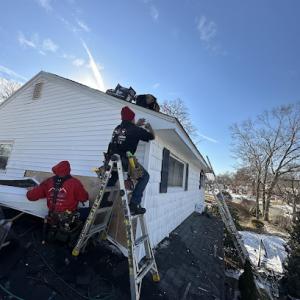
Eagle Roofing Contractor
(877) 258-5454 eagleroofingcontractorinc.net
Serving
4.8 from 525 reviews
Eagle Roofing Contractor, based in Commack, NY, is your trusted partner for reliable roofing and exterior services across Queens, New York City, Brooklyn, and Westchester. As expert roofing contractors, we specialize in commercial roofing, window installation, gutter installation, siding installation, and more. Our commitment to excellence ensures we use only high-quality materials and innovative solutions tailored to your needs. With a focus on customer satisfaction, Eagle Roofing Contractor delivers durable, top-tier results for every project. Choose us for unmatched professionalism and expertise.
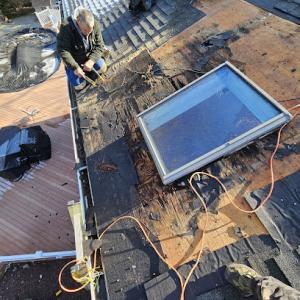
Clearview Roofing Northport
(631) 262-7663 www.longislandroofs.com
Serving
4.9 from 15 reviews
Roofing Contractor
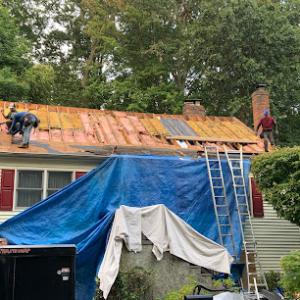
Roofing Time
(631) 316-9230 roofingtimelongisland.com
Serving
4.9 from 95 reviews
The first choice for residential homeowners, Roofing Time installs any type of roof system for any type of building in Islip. Trust our experienced specialists to provide peace of mind and solid protection with advanced roofing systems and reliable and friendly customer service. We provide honest assessments and complete each roofing project on time, and on budget. Flexible enough to handle entirely new installations for a simple residential roof leak repair, Roofing Time is a one-stop shop for all roofing and exterior maintenance needs.
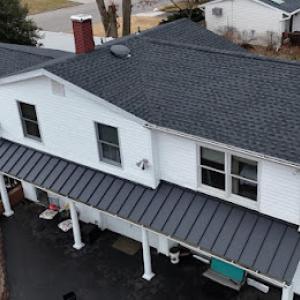
Safeway Roofing & Chimney Huntington
Serving
5.0 from 31 reviews
Safeway Roofing and Chimney is proud to serve Huntington and the surrounding areas as a trusted, family-owned and operated Long Island roofing, siding, gutter, and chimney company. With over 20 years of experience, we specialize in providing top-quality services, including roof repair, roof leak repair, skylight repair, chimney repair, chimney cleaning, chimney liner installation, gutter cleaning, and siding repair. We are fully licensed and insured, offering expert solutions for both residential and commercial properties across Suffolk County and Nassau County, NY. Our skilled technicians are committed to maintaining the highest standards, delivering reliable and long-lasting results for every project.
Long Island Roof Repair
(631) 495-2891 www.liroofrepair.com
Serving
4.9 from 71 reviews
Long Island roofing and roof leak repairs for commercial & residential roofs. A trusted Nill in roofing on Long Island for over 65 years! Roof leak repairs Long Island NY. Leak free roof systems! Roof maintenance is key to a leak free roof! Don’t replace rejuvenate! Free estimates!
Roof Pro
(800) 766-3773 www.nyroofpro.com
Serving
5.0 from 54 reviews
We are a family own business since 1994, helping everyone in Long Island New York. We are a Residential and Commercial Roofing company. We are proud members of the GAF Master Elite program and the Roofing & Solar Reform Alliance (RSRA).
Imagine Remodeling
(516) 398-6595 imagineremodelinginc.com
Serving
5.0 from 130 reviews
Imagine Remodeling has provided Long Islanders with exceptional customer service and high quality craftsmanship for over 18 years. Our main focused trades are roof replacement, siding replacement and repair, Jame Hardie siding installation and repair, bathroom renovation and kitchen renovation. We are a GAF Master Elite roofing installer, James Hardie Preferred siding installer and a Certainteed 5 Star certified siding installer. We service all of Nassau county, NY USA and Suffolk county, NY USA Customer satisfaction is our number one priority here is Imagine Remodeling, give us a call today and see why Don't forget to ask us about our special 0% interest free financing for 72 month program on All purchases!
Roof Repair Long Island
(631) 459-4254 roofrepairinlongisland.com
Serving
5.0 from 27 reviews
Welcome to Roof Repair Long Island your local one stop shop company for any Home Improvement project you might need. Get started today with a Free Estimate Appointment. Available 24/7 for any Roofing Emergency.

American Side Home Improvement
(631) 961-0404 www.americansidehomeimprovements.com
Serving
5.0 from 33 reviews
At American Side Home Improvement, Inc., we bring quality roofing, siding, remodeling, and construction services right to Long Island. Our skilled team is dedicated to providing lasting results, whether it’s durable roofing for reliable protection, stylish siding that boosts curb appeal, or full-scale remodeling that transforms your living spaces. We work closely with you to ensure every project aligns with your vision and stands the test of time. Plus, we’re proud to offer free estimates to get your project started with ease. Choose American Side Home Improvement, Inc., and experience the commitment to quality that sets us apart on Long Island.
In East Northport, which is in the Town of Huntington, a full roof replacement typically requires a building permit rather than being treated as a no-paperwork maintenance item. This distinction matters because a permit isn't a bureaucratic hurdle you can skip; it's the framework that ensures the work complies with local code, safety standards, and the specific weather challenges of the North Shore. Before you lift the first shingle, you need to know that the project is expected to move through the proper channels, and that your contractor has experience navigating Huntington's permit requirements. Skipping this step can lead to delays, fines, or the need to redo work to meet code.
The Town permitting process generally involves submitting plans to the local building department before work begins. Plans don't merely exist for decorative purposes; they document underlayment types, ventilation details, nail patterns, and the chosen roofing system. Expect to provide information about roof pitch, attic ventilation, any attic baffles, and the method of disposal for tear-off material. Once submitted, the department will review for compliance with structural and fire-safety codes, as well as adherence to local amendments. If your home is an older build or has unusual features, the review can take longer, so plan accordingly and engage a contractor who is comfortable coordinating with the town.
Inspections are commonly scheduled during tear-off and again after installation, with attention to underlayment, ventilation, nail patterns, code compliance, and licensed contractor verification. The tear-off inspection confirms that old material is removed to the deck, that no concealed damage is left untreated, and that the sheathing is in sound condition. The final inspection checks that all components-underlayment, drip edge, flashing, and ventilation-are installed per code and manufacturer guidelines. A licensed contractor's certification may be requested to verify proper installation practices. If issues are found, repairs may require re-inspection, which can extend timelines and affect the project's weather window.
Coordinate early with a contractor who is familiar with Huntington's process, not merely with local material suppliers. Ask for a detailed permit package that includes venting calculations, nailing schedules, and a written plan for tear-off containment and debris removal. Schedule the permit review with a buffer for potential questions, and align your project timeline with permissible weather windows, since inspections and approvals can be weather- and season-dependent. Remember that a well-documented, code-compliant plan often translates into smoother inspections and a faster path to a completed, reliable roof.
Typical East Northport roof projects fall within the provided local range of about $11,000 to $55,000 depending on scope and material choice. In practice, a simple asphalt shingle replacement on a modest, pitched three-bedroom home might land toward the lower end, while premium materials or larger layouts push costs higher. The difference often centers on roof footprint, complexity of the design, attic space, and the chosen roofing system. If venting upgrades or overfasces are included, expect the price to rise accordingly. For homeowners weighing material options, the decision isn't only about upfront cost-durability against freeze-thaw cycles and humidity matters for long-term performance here.
Costs in East Northport can rise when storm periods create demand spikes for emergency work and re-roofing across Long Island. When a late winter storm or summer rain surge hits, crews can tighten schedules and charge for expedited service. If a roof needs immediate attention due to wind damage or sudden leaks, labor availability and material delivery can push estimates upward. Planning ahead to avoid peak storm windows helps keep prices steadier. If timing isn't flexible, ask your contractor to itemize any rush premiums and explain how they apportion the extra costs for quicker material pickup, on-site crew arrival, and inspection-ready installations.
Town of Huntington inspection scheduling and code-focused installation details such as ventilation and fastening verification can add time and administrative cost compared with simple patch work. A standard replacement may require additional attic ventilation assessment, proper underlayment, and a confirmed fastening pattern to withstand the freeze-thaw cycles typical of the inland North Shore. Expect longer project timelines if the crew must coordinate multiple trades for ventilation, insulation, or flashing. This careful sequencing adds value by reducing the risk of future leaks or ice damming, but it also translates into higher labor and material costs than a basic repair. Planning for these steps helps you avoid surprise add-ons at the end of the project.
Get a clear picture of your project costs upfront - no commitment required.
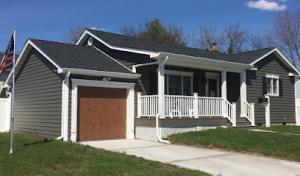
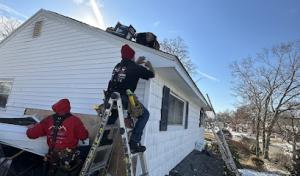
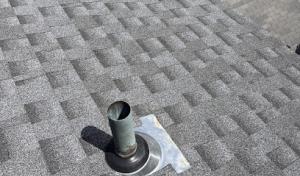
In this community, the contractor signal mix points to asphalt shingle roofing as the dominant residential specialty, with flat-roof capability also meaningfully present for low-slope sections and additions. Most homes rely on conventional three-tab or architectural shingles that balance price, aesthetics, and performance for suburban rooftops. For owners building new or re-roofing, this preference translates into familiar supply chains, common warranty terms, and straightforward maintenance routines that local crews know how to execute on North Shore homes.
On Long Island, warm humid summers and frequent rain make ventilation and moisture management especially important on asphalt systems installed on pitched-roof houses. Proper attic ventilation helps avert moisture buildup that can lead to mold, condensation in insulation, and reduced shingle life. In practice, that means ensuring a balanced intake-exhaust setup, considering soffit vents, ridge or high vents, and dehumidification considerations in attics with limited space. When replacing roofs, pay attention to attic access for inspection of baffles, vapor barriers, and insulation depth, all of which influence long-term performance in this climate.
Low-slope roof sections in this area need to be evaluated differently from the main pitched roof because ponding and membrane wear risks do not behave like standard shingle failures. Flat or near-flat interfaces on additions, porches, or transitions demand careful assessment of drainage paths and roof membrane choice. In practice, a small misstep on a low-slope zone can create persistent dampness and accelerated wear, even if the adjacent high-pitched roof looks pristine. For these areas, many local contractors favor tried-and-true membrane systems with robust flashings and reinforced detailing at transitions, ensuring joints remain watertight under seasonal freeze-thaw cycles and heavy rains.
Given East Northport's mix of weather patterns, the interplay between main roof surfaces and low-slope sections becomes a regular maintenance topic. Inspections should routinely verify shingle granule loss, edge seal integrity, and vent cap security, while low-slope areas get extra scrutiny for surface wear, ponding depth, and membrane seam integrity after winter thaws. Homeowners benefit from understanding that a roof is not a single plane here; it is a small ensemble where shingles do most of the visible work, but membranes and flashings carry crucial responsibility in the shoulder seasons and during storms. This integrated view helps ensure a durable, weather-resilient roof that stands up to the town's climate and daily life.
In East Northport, the market shows strong local demand for skylight work, so leak investigations often involve roof penetrations rather than field shingles alone. Skylights can corrode seals or develop drips around the curb, especially after a heavy rain or a freeze-thaw cycle. Chimneys are another hot spot; flashing transitions around mortar joints tend to age and shift, creating slow leaks that track down into ceilings. Wind-driven rain adds pressure at these points, pushing water under seals where the rest of the roof surface still looks solid. Pay attention to any staining or peeling paint at ceiling corners near these features, and don't assume a dry attic means the roof is leak-free.
Start at the highest point where water enters the living space and trace along the ceiling into the attic. Look for damp insulation, dark staining, or mineral-shistle odors near skylights, chimneys, and vent pipes. In the attic, check flashing around penetrations for loose or lifted edges, missing nails, or coppery verdigris from weathered metal. Inspect skylight seals and curb details for gaps or softened caulk. Check chimney flashing along the brick or stucco transition; gaps here often widen with wind or shifting foundations. If attic ventilation is poor, warm, humid air can condense on the underside of the roof deck and mimic leaks-verify the intake and exhaust balance.
Keep penetrations protected with intact boot covers, clean skylight drains, and fresh sealant where needed. When a leak is suspected at a chimney, prioritize flashing integrity and proper step-flashing transitions into the sidewalls. Regular storm-season inspections after heavy rain or high winds help catch weak points early, before interior damage accumulates. If multiple penetrations show signs of trouble, it is often more effective to address flashing and seals comprehensively rather than chasing isolated drips.
Find contractors experienced in skylight installation, flashing, and leak repairs to bring natural light into your home.
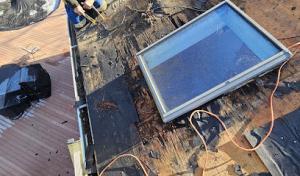
Roof claims in this area often follow regional storm and wind events. When the weather turns ugly, shingles can go missing, flashing can lift, and interior staining may appear after a heavy rain. Temporary tarping is common in the immediate aftermath, but delays in securing permanent repairs can compound damage. You should document all of these signs as soon as it's safe to do so.
Long Island carriers handling this market typically ask for clear photos, detailed contractor estimates, and often an adjuster visit before any major roof work is approved. If you've just weathered a storm, gather images from multiple angles showing shingles, edges, and any flashing. Keep repairs and estimates organized so the adjuster can see scope and cause. Delays in supplying documentation can slow or jeopardize approval.
Because the local process values verification, you'll want to keep comprehensive records. Preserve photos that show pre- and post-storm conditions, notes on the date of events, and any temporary tarping you applied. Include all contractor estimates and the contact information for the company performing the work. If a licensed contractor is involved, their license number and company details should be easy to reference when the claim moves through the process.
A surge in claims after a big wind event can overwhelm adjusters, leading to partial approvals or denials if the documentation isn't complete. Do not rely on memory for timing or cause; match photos to weather reports and local event dates. If there's any dispute about damage origin-whether it's wind uplift versus wear-document notes from professionals you've consulted and keep that correspondence with the file.
As soon as it's safe, initiate a claim with the insurer and submit the photos, estimates, and contact details for your contractor. Track the claim's progress and request any missing items promptly. Keeping permit records and contractor documentation with the claim file helps the process stay smooth through Huntington's review timeline.
Connect with contractors who help homeowners navigate the claims process from damage assessment to final approval.