
Last updated: Apr 19, 2026
Long Island storm patterns bring routine wind-driven rain and winter weather that commonly expose weaknesses at flashing, ridge areas, and roof penetrations rather than causing only obvious missing-shingle damage. In Huntington Station, that means you may not see a bare, peeled-back shingle after a Nor'easter, but you will notice water tracing along kitchen ceilings, attic ridge lines, or around dormers and vents. The first signs are often subtle: damp drywall, stained ceilings near peak or valleys, and moisture-darkened insulation. Keep a close eye on those transition areas after every storm, and treat any emerging leakage as a roof system issue, not a single shingle problem.
Insurance activity in this region reflects recurring claims from Nor'easters and summer storms, so Huntington Station homeowners need date-stamped photos of shingles, flashing, ceilings, and attic moisture before temporary repairs begin. Photograph the broader roof area to capture flashing joints, vent penetrations, and ridge lines, not just the visible surface. If moisture is present in the attic, take ceiling and insulation photos as well, including any signs of mold or grainy mineral wool. This documentation helps determine whether a quick tarping is enough or if a more substantial repair is warranted under the claim. When temporary fixes are necessary, store and label the photos with date and storm name if available, so the history is clear to adjusters and contractors alike.
Because many local projects are scheduled from late spring through early fall for better drying conditions, storm damage that happens outside that window often starts with emergency tarping and staged repairs before full replacement. If a Nor'easter hits in winter or early spring, expect a rapid sequence: secure tarping, initiate temporary flashing seals, then reassess after the ground dries and contractors return for full repair. The tarps must cover exposed roof valleys, penetrations, and any visibly vulnerable flashing. Plan for staged work that prioritizes stopping the leak first, then addressing the underlying flashing and ridge vulnerabilities in a follow-up session when weather permits.
After a heavy rain or wind event, verify that attic vents remain functional and that any ceiling stains align with a roof area rather than a distant wall. If water is actively penetrating, place a temporary tarp over the most vulnerable section and secure it with proper fasteners and roof-compatible tape. Photograph the tarp installation from multiple angles and note the date and storm name. Contact a local roofing professional who specializes in storm-driven leaks and flashing work, and share the photo chronology to guide a targeted, durable repair plan. In the interim, avoid relying on cosmetic fixes around penetrations; focus on sealing the explicit leak path and protecting interior contents.
In this area, homes often combine an older main roof with rear additions, porches, dormers, and garage sections. Those transition points are where flashing failures show up more often than field-shingle failures. If you own a house with multiple roofline levels, map each seam, chimney intersection, and edge detail. Start by noting where two roof areas meet, where a dormer joins a main deck, and where a porch roof ties in. Those are the spots to check after a Nor'easter or a heavy wind event, because the problem is usually not a single broken shingle but a failed transition.
When you have a hybrid system, your first move after a leak diagnosis is to confirm the flashing is sound at all transition points. Chimneys, masonry corners, and where low-slope sections meet steeper pitches are common culprits. Inspect the step flashing along sidewalls and around the chimney stack, and check for loose or missing sealant along the masonry-to-roof junctions. If the leak appears to track along a seam rather than a single shingle blow-off, focus on the flashing and edge details rather than a full roof replacement. In practice, a small repair at a transition can stop a larger leak for years.
Many homes here have flat or near-flat additions that drain poorly if membranes crack or seams separate. Expect more storm-driven leaks at these flat sections, especially where they butt into steeper roof planes. For these areas, look for blistering, ponding, or granule loss at the membrane edge. A quick fix often involves re-sealing the edge with compatible, weather-appropriate sealant and re-fastening or resurfacing failing edge metal. If the membrane shows signs of aging or punctures, plan a careful patch or overlay with the same or compatible solution used on the rest of the system, to maintain a cohesive water barrier.
Chimney work dominates local needs because old homes frequently have brick or stone chimneys that interfacing with the roof creates a high-leak potential during freeze-thaw cycles. Inspect chimney cricket or saddle details, chase tops, and flashing where mortar joints meet metal or shingle roofing. Repointing mortar and resealing the chimney apron can prevent recurring leaks. If flashing around the chimney shows corrosion or movement, address it promptly with careful, weather-appropriate flashing replacement and sealant to restore a continuous water barrier.
After a Nor'easter or strong wind event, start with a careful external inspection from the ground using binoculars if needed: check all flashing lanes, edge metal, and chimney flashing for obvious displacements. If you spot active leaking inside, place a temporary tarp or plastic over the affected area, secure it with boards and weighted anchors, then call a local roofer to schedule a targeted repair. For residents with multiple roofline levels, staggered repairs that address each transition point separately often yield the most reliable long-term results, reducing the chance that a single patched area shifts water to a new joint. Keep gutters clear and drainage unobstructed to minimize water loading on low-slope sections during storms.
Find specialists in TPO, EPDM, and built-up flat roofing systems for residential and commercial properties.
Built Right Commercial Roofing Long Island
(631) 646-2681 www.builtrightcommercialroofing.com
Serving
4.9 from 55 reviews
GNP Roofing & Siding
Serving
5.0 from 125 reviews
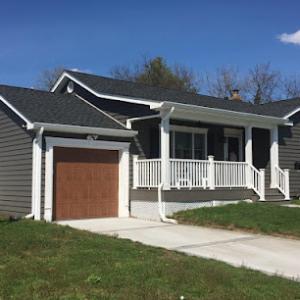
GNP Roofing & Siding On Long Island is a fully licensed and insured contractor that has been serving Long Island for over 30 years. We pride ourselves on being fair, honest, and are family-owned and operated. Our commitment to quality contractor services at a fair price has sets us apart from others in the field. All work is done by GNP with no sub-contractors. Contact us today to for a FREE estimate for all of your Roofing, Siding, Windows & Gutter needs. We service Nassau & Suffolk County Long Island. New York.
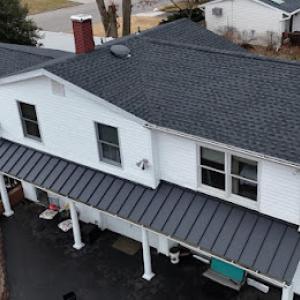
Safeway Roofing & Chimney Huntington
Serving
5.0 from 31 reviews
Safeway Roofing and Chimney is proud to serve Huntington and the surrounding areas as a trusted, family-owned and operated Long Island roofing, siding, gutter, and chimney company. With over 20 years of experience, we specialize in providing top-quality services, including roof repair, roof leak repair, skylight repair, chimney repair, chimney cleaning, chimney liner installation, gutter cleaning, and siding repair. We are fully licensed and insured, offering expert solutions for both residential and commercial properties across Suffolk County and Nassau County, NY. Our skilled technicians are committed to maintaining the highest standards, delivering reliable and long-lasting results for every project.
Roof Maxx of Huntington, NY
Serving
5.0 from 26 reviews
Roof Maxx® is a scientifically formulated, and 100% safe, plant-based roof rejuvenating spray treatment that was developed by renowned scientists at the world’s largest private research and development company. Roof Maxx of Huntington, NY services Suffolk and Nassau counties.
Unified Home Remodeling
(888) 631-2131 www.unifiedhomeremodeling.com
Serving
4.1 from 33 reviews
Family-owned exterior home improvement specialists now serving the Huntington area. Since 1989, we've delivered exceptional roofing, windows, siding, doors, masonry, and concrete services with 99.6% customer satisfaction. As licensed, certified installers, we bring craftsmanship and precision to every project, using premium materials from brands like Andersen, Owens-Corning, and CertainTeed while offering competitive pricing and financing options. Our team understands Long Island's unique weather challenges and provides tailored solutions for Suffolk County homeowners. Transform your house into the home of your dreams with our free estimate: specialists in quality, reliability, and customer-focused service.

Imagine Remodeling
(516) 398-6595 imagineremodelinginc.com
Serving
5.0 from 130 reviews
Imagine Remodeling has provided Long Islanders with exceptional customer service and high quality craftsmanship for over 18 years. Our main focused trades are roof replacement, siding replacement and repair, Jame Hardie siding installation and repair, bathroom renovation and kitchen renovation. We are a GAF Master Elite roofing installer, James Hardie Preferred siding installer and a Certainteed 5 Star certified siding installer. We service all of Nassau county, NY USA and Suffolk county, NY USA Customer satisfaction is our number one priority here is Imagine Remodeling, give us a call today and see why Don't forget to ask us about our special 0% interest free financing for 72 month program on All purchases!
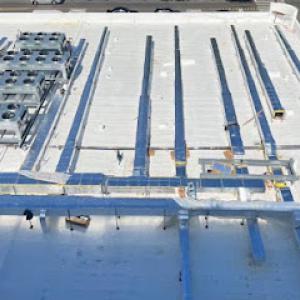
All Weather Pro
(917) 633-6121 allweatherprony.com
Serving
5.0 from 20 reviews
All Weather Pro, Inc is a Remodeling contractor / roofer serving the NY Metro and Long Island area focused on bringing you quality services that dont break the bank. Our services include Roofing for Residential and Commercial Properties, Replacement Vinyl Windows, Roof Installation, Commercial/ Flat Roof Waterproofing, Flat Roof Repairs, Vinyl Windows Installation, Roof Inspection, Storm Damage, Shingle Roofs, Rubber Roofs, Roof Coating and of course Free Roofing Price Estimates. Our Expert team offers a variety of cost-effective Home Improvement services for homeowners. Financing also available upon request. Contact us today or Book a Free Estimate appointment at your convenience"
David General Contractors
(917) 295-5598 davidgeneralcontractors.com
Serving
4.9 from 115 reviews
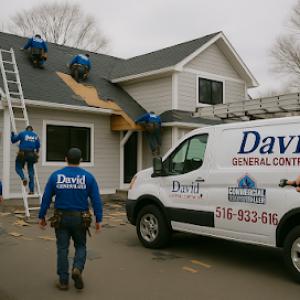
With over 20 years of experience, David General Contractors INC is your trusted partner for high-quality residential and exterior remodeling work across Long Island and New York City. We specialize in roofing, siding, blacktop and concrete driveways, extensions, dormers, and full interior renovations. Our skilled team is known for fast response, reliable service, and superior craftsmanship on every job. Whether you’re planning a small upgrade or a major renovation, we bring professionalism, transparency, and results you can count on. Contact us today for a free estimate , We do not accept advertising or marketing calls. All solicitation will be ignored.
County Roofing Systems
(631) 400-7663 countyroofingsystems.com
Serving
4.9 from 95 reviews
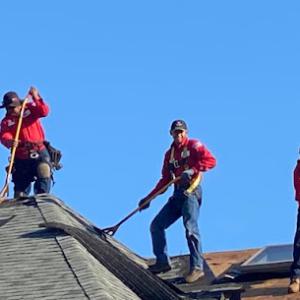
Established in 1987, County Roofing Systems is a licensed contractor offering comprehensive roofing solutions for residential and commercial properties across Suffolk and Nassau Counties, . services include Roof replacement, siding, and window installation, Dormers and extensions exterior work.
SW Roofing Of Huntington
(631) 991-9107 huntingtonroofingandchimney.com
Serving
4.9 from 44 reviews
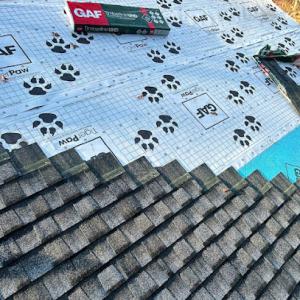
SW Roofing Of Huntington is a local Family Owned & Operated Melville NY Roofing Company!
Will Testa Home Remodeling
(631) 802-7663 www.gowilltesta.com
Serving
5.0 from 15 reviews
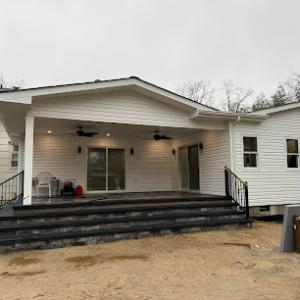
We are a full-service, award-winning home improvement contractor proudly serving all of Long Island with over 25 years of hands-on experience. Our team has won multiple awards for our kitchen and bath remodels, but can also handle your dormer, extension, basement, roof, or siding project - no matter how intricate the design! We are a turn-key solution for your next remodel endeavor, and will help in all aspects of planning and design along the way.
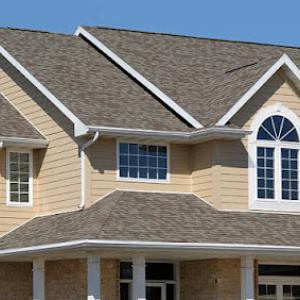
Klein Contracting
(516) 259-4444 klein-contracting.com
Serving
4.9 from 29 reviews
Long Island's #1 Trusted Home Improvement Company. Licensed and Insured with Over 30 Years Experience. Exterior Services Include: Roofing, Siding, Windows, Gutters, Chimneys, Decks & Porches, Masonry, Waterproofing and Painting. Interior Services Include: Basement Waterproofing and Refinishing, Bathrooms, Carpentry, Flooring, Closets, and Painting.
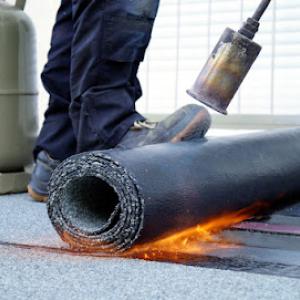
Built Right Commercial Roofing Long Island
(631) 646-2681 www.builtrightcommercialroofing.com
Serving
4.9 from 55 reviews
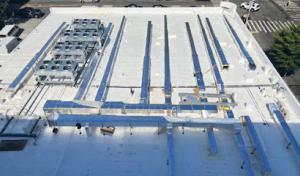
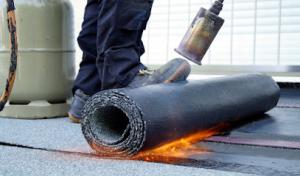
Built Right Commercial Roofing provides commercial flat roof repair, restoration, and replacement across Long Island, Nassau County, Suffolk County, and all NYC boroughs. We specialize in TPO, EPDM, and silicone roof coating systems for warehouses, shopping centers, office buildings, schools, and multifamily properties. Our team responds quickly to active roof leaks, storm damage, and emergency repairs, helping property owners prevent costly interior damage. We also offer maintenance programs, roof inspections, and full system upgrades designed for long-term durability and energy efficiency. Commercial-only roofing. Fast response. Strong warranties. Call now for a free inspection.
Asphalt shingles dominate replacements because they fit the common pitched residential roofs and are easier to phase or repair after storm events than heavier tile systems. In this climate, the aging process hinges on how well the underlayment and attic details handle moisture and temperature swings. You'll want a high-quality underlayment with good moisture resistance and a roof deck that's dry and well-ventilated before shingles are installed. Regular attic ventilation helps minimize ice dam risk in winter and reduces heat buildup in summer, which slows shingle aging and helps sealants and fastening systems stay effective through Nor'easters and windy storms. Look for shingles with a robust wind rating and a weather-tight seal, and ensure the adhesive tabs are loaded for strong sealing during rapid temperature changes. In practical terms, when choosing asphalt, prioritize a system that accommodates an air-permitting installation and a continuous ridge vent or balanced soffit vents to maintain consistent attic comfort.
Metal roofing offers standout performance during seasonal winds and freezing cycles, with fast installation and excellent durability. In this market, metal moves with temperature changes, so proper expansion gaps at eave edges and around any roof penetrations are essential. A well-sealed metal roof that uses compatible sealants and flashing reduces the chance of wind-driven leaks after a Nor'easter. Metal's reflective surface also helps mitigate heat buildup in humid summers, but it can be sensitive to improper underlayment choices beneath synthetic materials. If you're pairing metal with new decking or re-roofing, confirm that the underlayment and fasteners are designed to perform in long Island humidity and freeze-thaw cycles. A careful installation around valleys, chimneys, and skylines matters more here than in shallow-pitched or flat additions.
Clay and concrete tile are available in this market but are less typical for Huntington Station homes, so homeowners considering them need to account for structural suitability and the smaller pool of tile-focused contractors compared with shingle crews. Tile systems are heavier, so roof framing must be evaluated to handle the load, especially on older homes. In addition, delicate underlayment and precise flashing details are critical to prevent moisture intrusion at fasteners and joints. If tile is on the radar, a qualified tile installer should assess roof geometry, attic space, and the ease of accessing drain paths for storm runoff. Expect to encounter more limited availability for tile-focused maintenance and repair services in this area, which can affect response time after Nor'easters and high-wind events.
Across all materials, the backbone of storm resilience is thorough underlayment compatibility and a well-ventilated attic. In inland Long Island winters, freeze-thaw cycles demand underlayments that resist wicking and allow for vapor diffusion without trapping moisture. Attic ventilation reduces condensation and helps maintain contiguous dry decking after heavy soaking rains. Fastening details-screw patterns, sealant use, and corrosion-resistant hardware-determine long-term performance during wind gusts and rapid temperature changes. For any roof system in this area, coordinating these elements with the chosen roofing material ensures the system can hold up through Nor'easters and seasonal wind events.
Late spring through early fall is the preferred replacement window in Huntington Station because warmer, drier conditions improve deck drying, adhesive performance, and inspection scheduling. If you're evaluating a roof in autumn, plan for a window that stretches into early summer next year, and build in extra drying time for any new decking or underlayment. This timing matters because Long Island summers can bring humidity that slows curing and makes moisture traps more likely behind shingles or under battens. Keeping to a solid mid-late spring to early fall schedule minimizes storm interference and reduces the chances of weather-driven delays.
Winter freeze-thaw cycles in this region can turn small flashing or decking moisture issues into larger leaks, so roofs that seem serviceable in autumn may fail noticeably by late winter. If a roof shows any visible flange or step-flashing gaps, or if decking feels spongy after a warm spell, that is a strong signal to investigate before the next freeze. In Huntington Station, snow and wind can drive moisture under eaves and through loosened seams, so a late-season inspection should not be your only check. Plan a thorough assessment after the first thaw in spring to confirm bite-size repairs won't cross into full replacement territory.
Variable rainfall on Long Island affects tear-off timing and exposed-deck risk, making moisture checks more important here than in consistently dry climates. A rainier spring can push a tear-off later in the season, but it also raises the risk of deck moisture and adhesive setbacks. If you've had a sequence of storms, you'll want to inspect for damp plywood, cupped decking, or rust on starter strips before committing to a full tear-off. Use extended dry days to complete inspections and plan repairs rather than rush a job during a wet spell.
A roof showing widespread shingle curling, loss of granules on multiple areas, or persistent leaking after targeted repairs should prompt a replacement consideration. If flashing at vents, chimneys, and valleys remains intermittently compromised despite reseating, that pattern often signals a broader system failure. For older pitched homes and low-slope additions common in the area, accumulated wear from Nor'easters and seasonal wind events can compound over years, making replacement the more reliable option rather than repeated patching.
Develop a replacement plan that aligns with the ideal window and accounts for the typical Long Island storm cycle. Schedule inspections after the main winter and after the first few warm, dry weeks of spring. Keep an emergency plan for temporary protection-tarps and resealing patches-in place if a leak is detected while waiting for a scheduled replacement. In a neighborhood with a mix of old, pitched roofs and newer additions, a coordinated approach with a trusted local contractor helps ensure flashing details and deck conditions are addressed in harmony with the overall roof system.
Extend the life of your existing roof with reflective or waterproof coatings that protect against UV and moisture.
Built Right Commercial Roofing Long Island
(631) 646-2681 www.builtrightcommercialroofing.com
Serving
4.9 from 55 reviews
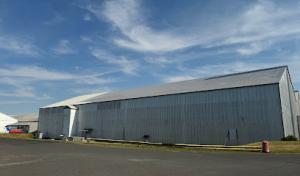
In this area, prices reflect a mix of straightforward suburban gable roofs and more complex older rooflines with dormers, chimneys, attached garages, and low-slope sections. Those low-slope areas mean additional flashing and careful detailing to prevent leaks, especially after Nor'easters and heavy wind events. When planning replacement, you'll notice that the simpler homes tend to follow the standard per-square ranges, while complex roofs push labor time and material handling up, which shows up in the final bill.
Material choice matters more here than in many nearby markets because specialty installation crews are less prevalent than general shingle crews. Asphalt shingles remain the most budget-friendly option, but if a homeowner is weighing long-term durability against upfront cost, metal, clay tile, or synthetic systems require careful scheduling and experienced crews to handle unique flashing and penetrations around dormers, chimneys, and low-slope transitions. In practice, selecting a higher-end option can reduce storm-related repairs down the road, but it often comes with a longer lead time during peak demand.
Long Island experiences notable spikes in demand after Nor'easters and during busy summer storm seasons. Those surges can tighten scheduling and labor availability, nudging Huntington Station replacement pricing toward the upper end of local ranges. If you're aiming for a timely project, expect potential delays during peak windows and be prepared for staggered material delivery or longer lead times for specialty products.
Begin with a candid assessment of the roof's complexity-count dormers, chimneys, and any low-slope sections that demand extra flashing. Get two or three written bids from crews with verifiable local experience on similar homes. Ask for a detailed breakdown showing material choice, square footage, waste disposal, and flashing emphasis around transitions. If timing is flexible, consider scheduling replacements just before the typical storm peak to avoid price spikes and ensure availability of crews familiar with coastal weather patterns.
Get a clear picture of your project costs upfront - no commitment required.
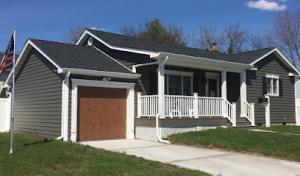

When a full roof replacement is on the schedule, the job typically goes through the Town of Huntington rather than being treated as a no-paperwork project. This is especially true for homes with older pitched roofs or recent lower-slope additions where flashing and ventilation need careful coordination with local codes. Understanding that the permit is not optional can prevent delays that ripple into storm repairs or post-storm leak work, which can linger if missing paperwork trips up the project.
The local process generally involves submitting project details, contractor information, and proof of insurance before work proceeds. It is essential to have a plan that aligns with the town's requirements, including scope of work, types of materials, and any structural considerations for wind and freeze-thaw cycles. Oversights here can stall a replacement and invite additional inspections or rework, especially after Nor'easters or heavy wind events that stress old flashing and joints.
Inspections commonly include an initial stage and a final inspection after completion to verify code compliance. Homeowners should confirm who is responsible for scheduling each visit, and whether the contractor handles it or if the homeowner must coordinate directly with the building department. With storm-driven leaks and rapid weather shifts, timely inspection windows matter to keep the project on track and protect against weather-related delays or uncovered deficiencies.
A frequent sticking point is unclear responsibility for inspection scheduling, which can lead to gaps in oversight and missed issues with flashing, venting, or underlayment. Ensure the permit listing and the contractor's license match the project scope, and keep copies of all correspondence and inspection reports. If a second round of visits is needed, having a clear point of contact helps avoid confusion and reduces the chance of a leak-prone gap during the transition between phases.
Coordinate early with the contractor to align the permit timeline with material delivery and weather forecasts. Confirm required documentation well in advance, and keep a contact list handy for quick communication with the town's building department during storms and after. A well-documented permits-and-inspections plan minimizes surprises when storms test the roof's resilience.
Storm events in this area regularly test roofs with Nor'easters and windy late-summer days. When you file, adjusters commonly request photos of existing conditions, storm-date evidence, and documentation of interior leak paths. Having clear, dated images of the roof surface, flashing joints, skylights, and attic entry points can help move a claim along and reduce back-and-forth. In Huntington Station-style homes, leaks often show up first at flashing details, transitions to low-slope sections, or around skylights, so capture these areas thoroughly even if they look dry from the ground.
Regional handling frequently centers on whether venting and underlayment were included as part of prior repairs. If those components aren't up to the expectations of a modern or re-roofed system, coverage discussions can become complicated after a new loss. Document any prior work on the roof that touches vents, underlayment, or flashing, especially around chimneys and porch-roof connections. A clear log of repairs and remembered dates helps the adjuster determine if current damage stems from a new event or an older, unaddressed condition.
Many leaks begin at the seams rather than the main shingle field. In this market, you should note accessories with equal care as the shingles themselves: flashing around chimneys, skylights, transitions to low-slope sections, and soffit or vent openings. Take close-up photos of flashing joints, sealant lines, and any worn or loose components. Keep a simple map of interior leak paths in the affected rooms, showing how water travels from the roof into ceilings and walls. This detail makes it easier to trace the source quickly and can influence how the claim is assessed and processed.