
Last updated: Apr 19, 2026
Cold winters, hot summers, and regular precipitation create a timing trap for roofs in this area. The repeated wetting, freezing, and thawing cycle accelerates aging, especially on asphalt shingles, but no roof type is immune to the seasonally brutal shifts. You'll notice a spike in leaks after a few heavy freezes followed by sudden thaws, when ice damming and hidden damage become obvious. In a climate like this, waiting for a "perfect" November lull can let small problems grow into urgent failures once the thaw arrives and mid-winter storms hit again.
Winter storms and ice can delay active roofing work and create access problems. In practice, many full replacements get pushed toward spring through fall, when conditions cooperate enough to safely haul materials and crews across driveways and up ladders. If you suspect broader damage in late winter or early spring, plan for a faster, more decisive spring inspection window so you aren't chasing leaks from a delayed project once more winter weather rolls in. Delays aren't just inconvenient; they raise the risk of interior water intrusion during the toughest storm periods.
Spring thaw and heavy rainfall on Long Island can uncover leaks that were hiding under tarps and shingles all winter. If you see dark spots on ceilings after a warmer day, or notice accelerated staining along interior walls near vents, chimneys, or attic openings, treat it as a warning flag. Leaks that appear only during a melt cycle usually indicate compromised flashing, damaged ridge lines, or gaps where shingles have lifted from wind-driven events. In Central Islip, where exposure to heat amplifies aging, a seemingly minor drip may reflect more extensive roof deck saturation than it first appears.
When a storm hits, your first move is a rapid external check: inspect around transitions where skylights, vents, and chimneys meet the roof, and look for loose granules or lifted edges. If you see active leakage, bring in a professional promptly; temporary tarps or shields can slow further intrusion, but do not rely on them as a fix. Plan ahead for the spring window by coordinating a full evaluation that prioritizes attic insulation and ventilation as part of the replacement timetable, since better airflow reduces moisture buildup and future wear. In this climate, the fastest path from leak detection to a reliable roof is a clear, early plan that aligns with the spring-to-fall windows when conditions are safest for removal, installation, and long-term performance.
Asphalt shingles are the dominant roofing material in Central Islip, making shingle wear, flashing failure, and ventilation performance the most common homeowner concerns. In a freeze-thaw climate like inland Long Island, those issues show up quickly after a few harsh winters: curled edges, lifted tabs, and granule loss that clouds gutters and downspouts. The practical path is to pair shingles with solid flashing systems around chimneys, vents, and valleys, and to verify attic ventilation before any replacement. If the attic is close to moisture saturation in late summer, consider addressing soffit vents and ridge or mid-roof vents to curb heat buildup that accelerates shingle aging.
Metal, wood shake, synthetic/composite, clay tile, and concrete tile are all present in the local market, but contractor signals show far stronger day-to-day demand for asphalt work than for tile or specialty systems. That means you'll find more readily available installers, faster scheduling, and more intact supply chains for asphalt-based roofs. However, that does not rule out opportunities for a different look or longer warranty options if you're balancing appearance with durability. When a tile or metal option is chosen, the roof deck and underlayment must be inspected more carefully for compatibility with freeze-thaw movement and is often paired with higher-grade underlayment to resist early wear from Atlantic humidity and winter moisture penetration.
Because a mixed suburban housing stock characterizes the area, homeowners often compare practical re-roofing options rather than luxury systems when balancing lifespan, appearance, and replacement cost. A straightforward asphalt shingle roof can reproduce a clean, traditional profile that blends with a wide range of homes, from modest ranches to multi-family units. If the goal is a stronger mechanical hold against wind gusts and bulk water intrusion, a heavier shingle with a higher wind rating, plus upgraded edge details and accurate attic ventilation, tends to outperform lower-end choices in this climate. For those seeking a different aesthetic without venturing into high-maintenance materials, synthetic or composite shingles offer a mid-range look with potential improvements in impact resistance and flexibility during winter freezes.
First, inspect the roof line for consistent shingle alignment and a clean drip edge along the fascia. If flashing around chimneys or vent stacks shows any lifting, plan a targeted flashing upgrade during the re-roofing project, since those weaknesses often become leaks first after storms. Second, check attic ventilation: ensure there are enough intake and exhaust points so that warm, moist air can escape during humid summers and cooler, drier winters don't over-condense on the underside of roofing materials. If a prior installation left old underlayment in place, consider upgrading to a modern synthetic underlayment that handles dampness and provides a better moisture barrier. Third, assess structural support in areas with older decks or signs of sagging. A roof that is not adequately supported will age unevenly, and upgrades to decking or additional bracing can extend overall system life.
Set up a proactive maintenance cadence that targets the most common trouble spots: moss and algae buildup in shaded sections, granule loss after heavy storms, and sealant integrity around flashings. In Central Islip's climate, proactive cleaning and timely resealing of joints can deter early deterioration and preserve the roof's appearance for a longer period. Keep an eye on drainage through gutters and downspouts; a clogged system invites standing water and ice dams during winter, which accelerates wear on asphalt shingles and flashing. If you are weighing a switch from asphalt to another material, prioritize compatibility with existing roof geometry and the local wind regime, especially on exposed or higher-visibility elevations.
In Central Islip, cost planning should begin with the local per-square ranges for each common roof type: asphalt, metal, clay tile, concrete tile, wood shingles or shakes, and synthetic or composite shingles. Asphalt shingles typically fall in the lower end of the spectrum, while metal sits higher on a per-square basis, and tile options push toward the upper end. Understanding these ranges helps you set realistic expectations for a replacement in a neighborhood that features a mix of aging single-family homes and modest multi-plexes. When you estimate, translate the "per square" numbers into the 10-foot-by-10-foot square measure your project uses, then multiply by the 100-square-foot unit to compare options clearly with a contractor.
Costs in this area can rise when winter damage compresses spring scheduling, because the preferred replacement season is generally spring through fall. If a leak is detected in February or March, the window to secure warm, dry weather for tear-off, inspection, and re-sheathing or underlayment can compress quickly, driving labor availability and potentially surge pricing. Plan ahead by surveying the roof during the milder days of late winter and early spring; scheduling earlier in the season helps avoid weather-driven delays that push the project into peak demand months and can inflate both material and labor costs.
Asphalt shingles remain the most common choice for cost-conscious homeowners, with a typical range that enables a straightforward comparison against metal, clay or concrete tile, wood shingles or shakes, and synthetic or composite options. Metal roofs command higher initial material costs but may offer longer service life and faster installation in some microclimates. Clay and concrete tiles bring notable durability and a distinctive look but carry substantially higher per-square prices and weight considerations that influence structural checks. Wood shingles or shakes provide a traditional appearance with moderate to high maintenance, while synthetic or composite shingles aim to blend durability with lower long-term upkeep. Use the local per-square ranges as anchors to estimate ballpark totals for each option, then discuss with a contractor how these choices align with your home's structure and existing attic ventilation.
Workmanship quality and flashing detail, especially in a climate with freeze-thaw cycles, can affect total project scope beyond raw material pricing. Inspectors and experienced crews tend to zero in on flashing transitions, roof-to-wall interfaces, and proper ventilation to prevent ice dam formation and moisture intrusion. In practical terms, that means you should budget for thorough nailing patterns, underlayment quality, and accurate installation of drip edges and vent boots. A good crew will document these items and anticipate potential scope creep if existing soffits, fascia, or attic bents require repair or upgrading to meet age-related needs. Planning for a thorough, done-right installation pays dividends in winter leak resistance and long-term performance.
K&K Construction Solutions
(631) 553-8903 kandkchimneys.com
Serving
4.9 from 111 reviews
K&K Roofing is a leading home improvement company that has been providing quality roofing services for over 20 years. Our experienced team of roofers are knowledgeable and skilled in all aspects of roofing and siding work committed to providing the best home solutions for every budget. We strive to exceed expectations with every job. . From roofing repair and replacement to siding replacement or repair, we have the solution that fits your needs. We are proud to offer competitive pricing, reliable service, and a 100% satisfaction guarantee as we strive to provide a hassle-free experience for each of our customers.
Tri-State General Construction
(718) 600-8416 www.tristategc.org
Serving
4.9 from 28 reviews
Financing available $0 out-of-pocket expense, 0% interest available depending on terms & conditions. We are GAF and Owens Corning Certified Roofers. Our mission is to provide premier craftsmanship and professional service to the New York, New Jersey and Connecticut area for our Roofing services. We bring our Skills, Excellence, Commitment and Dedication to every project. No project is too big or too small. Call for free estimates.
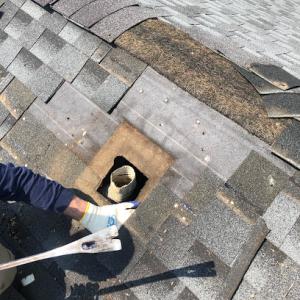
Roof Repair Long Island
(631) 459-4254 roofrepairinlongisland.com
Serving
5.0 from 27 reviews
Welcome to Roof Repair Long Island your local one stop shop company for any Home Improvement project you might need. Get started today with a Free Estimate Appointment. Available 24/7 for any Roofing Emergency.
Long Island Roofing & Siding
(631) 766-7745 liroofingandsiding.com
Serving
5.0 from 673 reviews
We have you covered for all your Roofing, Siding, Windows, Doors and Gutter needs! We use the best quality products at the best prices. We also have the industry leading warranties on all of our work. Call us today for a free quote!
Keenridge Construction
(631) 609-0409 keenridgeconstruction.com
Serving
5.0 from 24 reviews
Keenridge Construction is a Roofing and Siding business that serves residential and commercial property owners all across Long Island. Our company provides all Roofing, Siding, Window and Framing services at the most professional level possible. We are fully licensed and insured, and strive for 100% customer satisfaction. Here at Keenridge, our objective is to change the home improvement experience. We help busy homeowners, property owners and businesses avoid the pain of working with a bad contractor or getting a low quality product. We are committed to providing you with the best home improvement experience possible.
All Island Pro Roofing & Chimney
(631) 953-2333 www.allislandpro.com
Serving
4.9 from 34 reviews
All Island Pro Roofing and Chimney is Long Island’s premier choice for roofing, chimney, and gutter solutions. Our skilled team delivers expert workmanship with high-grade materials to safeguard and enhance your home. From installations and repairs to inspections and maintenance, we uphold the highest standards at every step. Whether you need a full roof replacement or a chimney tune-up, trust us for reliable, timely service. We’re committed to outstanding results, transparent communication, and your peace of mind—ensuring our work stands the test of time.
Mici Construction
(631) 882-2255 miciconstruction.net
Serving
5.0 from 76 reviews
Protect your largest investment with our reliable roofing services. We are a locally owned and operated roofing company currently serving Smithtown, NY and surrounding communities. If you want to make your roof last as long as possible, it is vital that you never put off a roof repair. Small issues with roofing become big issues in a hurry. No matter how major or minor the repair you need, we are here to help. We offer roofing services, roof repair and roof installation. Roof repair Construction
Triple Crown Exteriors - Roofing & Siding
(631) 682-5572 www.triplecrownext.com
Serving
5.0 from 111 reviews
Triple Crown Exteriors is a roofing, siding, and exterior home improvement company based on Long Island. We specialize in providing high-quality services such as roof repairs and replacements, siding installations, and gutter services. Being known for our attention to detail and customer satisfaction, we ensure durable and aesthetically appealing results to enhance the protection and curb appeal of homes across Long Island.
Top Pros Construction
(516) 879-0466 topprosconstructionny.net
Serving
5.0 from 57 reviews
Long Island roofing company Emergency roofing services Near you.
King Quality Roofing & Siding
(631) 817-4359 www.kingquality.com
Serving
4.9 from 2897 reviews
Since 1990, King Quality’s team of award-winning contractors has been transforming Long Island homes into castles fit for a king or queen. Trust us for expert installation of roofing, siding and windows for your home. Serving Nassau and Suffolk Counties on Long Island, New York, King Quality installs industry-leading roofing, siding and window products to ensure your home looks beautiful and is protected against damage from bad weather. Get peace of mind for a lifetime with exceptional protection provided by quality products backed by lifetime warranties. We also offer low monthly payment options. King Quality's dedication to personalized service will make your experience exceptional. Call 631-573-0642 to schedule a free consultation.
Safeway Roofing & Chimney
(631) 651-1990 www.safewayroofingandchimney.com
Serving
5.0 from 52 reviews
Safeway Roofing and Chimney is a local Family Owned & Operated Long Island Roofing, Siding, Gutter and Chimney Company, and is here to take care of all your Roof Repair, Roof Leak Repair, Skylight Repair, Chimney Repair, Chimney Cleaning, Chimney Liner Installation, Gutter Cleaning and Siding Repair needs. We believe in maintaining the highest standards of quality without ever compromising. We are a full-service, licensed and insured company Serving Long Island, Suffolk County NY and Nassau County NY for over 20 years.

American Side Home Improvement
(631) 961-0404 www.americansidehomeimprovements.com
Serving
5.0 from 33 reviews
At American Side Home Improvement, Inc., we bring quality roofing, siding, remodeling, and construction services right to Long Island. Our skilled team is dedicated to providing lasting results, whether it’s durable roofing for reliable protection, stylish siding that boosts curb appeal, or full-scale remodeling that transforms your living spaces. We work closely with you to ensure every project aligns with your vision and stands the test of time. Plus, we’re proud to offer free estimates to get your project started with ease. Choose American Side Home Improvement, Inc., and experience the commitment to quality that sets us apart on Long Island.
A full roof replacement in this area is not something a contractor can simply stamp and start on a whim. The Town of Islip building department oversees the process, and the permit is issued only after plan review. That means you should factor in time for paperwork and review before any tear-off or installation can begin. Skipping this step risks delays, fines, or having to undo work to bring it into code compliance. In a climate with freeze-thaw cycles, proper planning helps prevent leak-driven surprises once winter returns.
Once plans are submitted, the department reviews for flashing details, ventilation adequacy, and other workmanship standards that impact long-term performance in Central Islip's moisture and temperature swings. Expect administrative lead time before any physical work starts. That lead time varies with season and workload, so coordinating with your roofing contractor about permit timing is essential. If there are any requested changes, the review cycle can extend, so alignment between your contractor and the town reviewer is key to avoiding setbacks.
Inspections are built into the process to verify that flashing, ventilation, and overall workmanship meet Town of Islip standards. Inspections are scheduled during the tear-off, the installation, and finally after completion. The final inspection is required for approval to close out the project. When planning, set aside time for these inspections and be prepared to provide access, contractor contact information, and any required documentation. If an inspection fails, you will need to address the cited items and reschedule, which can add days to the project timeline.
Work with a licensed local contractor who understands Islip's permit nuances and the climate's impact on roofing details. Start the permit process early in the project, and maintain clear communication with both the contractor and the building department. Expect a structured timeline rather than a door-to-door quick turnaround, and plan contingency time for weather-related holdbacks. This approach helps ensure the replacement proceeds smoothly through the town's oversight while protecting your home from future storm-driven leaks.
In Central Islip, insurers keenly scrutinize roof-related payouts, especially when documents show an aging roof, prior claims, or gaps in contractor estimates. After a damaging event, you should gather clear, dated records: photos of the roof and interior staining, a professional assessment, and a detailed estimate from a licensed contractor. Having those pieces ready can help prevent delays or misinterpretations that could hinge on whether the damage is deemed storm-driven or the result of wear over time.
After major storms sweeping across Long Island, adjusters often double-check whether what is reported as storm damage could be linked to age, deferred maintenance, or pre-existing wear. For households with older roofs or visible aging, expect closer questions about pre-storm conditions and maintenance history. Transparent, corroborating documentation becomes your best shield against misunderstandings that delay or reduce coverage, so you should be prepared to explain what existed before the event and what changed as a result of the storm.
Because coverage terms can vary by roof material and roof age, you should document leaks, interior staining, and exterior damage as soon as a storm event occurs. Take timestamped photos from multiple angles, including attic spaces if accessible, and note any temporary mitigation measures you implemented-tarps, boardings, or rapid pinning of loose shingles. Keep records of all contractor communications, timelines, and any temporary fixes you performed to limit further damage. This proactive documentation helps insurers assess whether the loss aligns with storm impact rather than latent wear, and it supports a smoother claim path through the adjustment process.
Connect with contractors who help homeowners navigate the claims process from damage assessment to final approval.
GY Construction INC Roofing & Siding
(631) 452-6584 gyconstructioninc.com
Serving
5.0 from 45 reviews
In Town of Islip inspections specifically verify flashing, which makes flashing quality a bigger practical issue for Central Islip homeowners than cosmetic shingle selection alone. When planning a re-roof, you must prioritize continuous metal counterflashing at chimneys, vents, and skylights, and verify that step flashing meets siding transitions. A quick call to the inspector to confirm preferred flashing details saves back-and-forth later.
Local contractor signals show unusually strong demand for chimney-related roofing work in the Central Islip market, pointing to chimney intersections as a common leak area on area homes. When you notice damp spots near the chimney or hear drip sounds after a rain, inspect the joint where brick meets the roof line. Have flashing replaced or resealed first, before deciding on a full roof section. Consider a cricket or diverter if the chimney sits high on the slope.
Skylight service is also meaningfully active in Central Islip, so homeowners with roof windows should pay close attention to curb flashing, surrounding shingles, and leak staining after heavy rain or winter weather. Inspect the curb flashing for corrosion, missing sealant, and shingle lifting around the base. In severe winters, freeze-thaw cycles push water under poorly sealed curb flashing, so plan a proactive reseal or flashing upgrade during the next roof work window.
After winter thaws or late-spring rain, take a careful look along eaves where gutters attach and at any flat intersections around dormers. Central Islip homes with older asphalt or metal roofs often show leaks first at flashing laps, where angles change and sealant ages. Track any stain, peeling paint, or mildew on interior ceilings and address promptly with targeted flashing repairs.
In the inland freeze-thaw climate, you typically schedule flashing work for late spring or early fall when temperatures stay above freezing overnight. This minimizes ice dam risk during installation and helps seal joints before the next winter. Coordinate with nearby shingles to avoid rework.
Find contractors experienced in skylight installation, flashing, and leak repairs to bring natural light into your home.
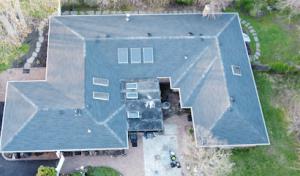
Flat-roof specialization exists here but is not the dominant path for roofing projects. For many homes and mixed-use buildings, low-slope sections matter, especially on porches, additions, garages, and rear elevations. Regular precipitation and spring moisture can turn slow drainage into persistent leaks if seams, joints, or flashing aren't solid. When planning a replacement, expect a practical mix of flat and low-slope work rather than a one-size-fits-all approach.
In this area, the seam and flashing details around parapets, skylights, and edge boards are the usual fault lines. Inspect after winter thaws and spring rains for damp spots at seams and at transitions between low-slope and vertical surfaces. Leaks often show up first along drainage scuppers, interior corners, and at penetrations like vents or vent stacks. Address slow drainage by ensuring proper slope, clean gutters, and properly installed internal drains. If a leak persists after a rain, trace it to the closest low-slope section and re-seal with materials rated for cold storage and freeze-thaw cycles.
Because a sizable commercial contractor presence exists, homeowners with additions or low-slope rear sections should not assume every roofer is equally versed with those assemblies. Verify experience with your specific configuration, including edge details, transitions to higher slopes, and any insulation or vapor-retarder layers tied into the roof system. Request a detailed plan that covers drainage, flashing material, and warranty scope so the project stands up to harsh winters and hot, humid summers.
Find specialists in TPO, EPDM, and built-up flat roofing systems for residential and commercial properties.
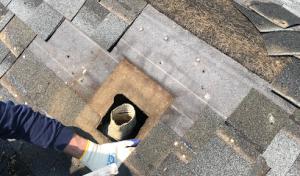
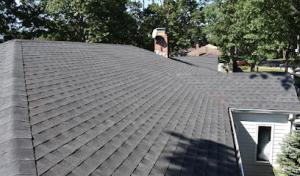
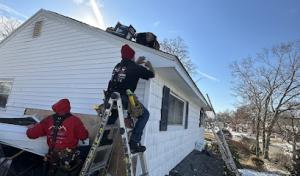
The Central Islip market for re-roofing is one where quick response times and solid cleanup practices can matter as much as the exact roofing system chosen. Homeowners commonly judge providers by how fast they can respond after a storm, how reliably they protect your property during work, and how clearly they explain the project scope and cleanup plan. In practice, you'll see a mix of long-standing, family-owned crews and faster-turnaround operators, all competing for traffic on busy local streets and in busy neighborhoods.
Long-established, family-owned firms are visible alongside manufacturer-certified teams, giving you a real choice between trusted neighborhood names and shops that promise rapid completion. When evaluating options, consider not only the tonality of a salesperson's pitch but also the crew's daily workflow: do they protect landscaping, materials, and driveways; how do they handle tarps and debris; and can they provide local references who can attest to reliability during harsh winters and humid summers? In Central Islip, where home shapes range from ranches to two-story colonials, the right crew adapts their approach to the roof's layout and the storm-season realities of inland Long Island.
Before signing, confirm who manages critical steps such as paperwork, inspection scheduling, site cleanup, and final project signoff. Because closeouts hinge on successful inspection outcomes, having a clear handoff path reduces delay and confusion. Ask for a written timeline, a cleanup checklist, and a single point of contact for weather-related rescheduling. In this market, clarity on responsibilities saves time and helps you navigate the aftermath of a leak or a sudden hail event with confidence.
Storm-driven leaks demand a plan that prioritizes rapid temporary measures followed by a robust, weather-aware replacement strategy. Look for a contractor who articulates a staged approach: immediate stabilization when leaks are detected, followed by thorough roof replacement or repair tailored to your home's age, framing, and chosen material. In Central Islip, that practical sequence aligns with the realities of freeze-thaw cycles and humid summers, keeping your home protected through every season.