
Last updated: Apr 19, 2026
Spring, summer, and autumn in this area set the pace for roof work in ways that aren't common in milder climates. The hot, humid summers compress installation windows, while winter's freeze-thaw cycles demand careful planning to minimize tear-offs when temperatures drop. Start with a realistic schedule that accounts for the longest stretch of dry, mild days you can find, and remember that rain-heavy springs can force delays just when you want to move quickly. In this climate, the timing rhythm is about avoiding weather-driven setbacks as much as possible, not chasing the calendar.
Spring storms in this part of Long Island bring more than a few quick gusts that can lift loose shingles and expose underlayment. The typical pattern here is wind-driven shingle damage that leads to urgent leak calls and rushed scheduling. If a winter or early spring inspection has flagged any loose tabs or aging flashing, address those issues before the first big spring storm window opens. A proactive roof check in late winter or early spring helps you avoid emergency calls that can disrupt planned replacement windows. When planning, set aside a couple of days on the calendar for weather-ready installations, especially after any high-wind events that might have unsettled edges or left granules on the ground.
The inland humidity and hot summers shorten safe installation windows. High temperatures affect asphalt shingle performance, synthetic products, and the crew's working pace. Materials can expand or soften, and certain roof-venting strategies become more critical to control moisture under the deck. If possible, target early mornings or late afternoons for active work to minimize heat exposure for both crew and surrounding landscaping. Schedule sensible daily targets-avoid pushing through peak afternoon heat-so workmanship remains precise and safety stays at the forefront. In the hottest weeks, consider timing adjustments that keep the roof deck cooler, which also helps sealants and underlayment cure properly.
Autumn is a critical decision point because roofs already grown fatigued by summer humidity and late-season rain face added stress once freeze-thaw conditions begin. The transition period can expose marginal flashing, sealant joints, and vent connections to repeated cycles of moisture and cold. Use early fall to finalize major material orders, confirm warranty coverage for anticipated temperature shifts, and lock in a replacement window that avoids the busiest stretch later in the season. If the roof is nearing end-of-life, a fall installation can take advantage of shoulder-season temperatures that remain comfortable for work and curing, reducing the risk of mid-winter adjustments.
A practical approach is to map a preferred replacement window that aligns with the mild, dry spells typical after autumn storms and before the deepest winter cold. Have a backup plan for an adjacent week should a tropical-storm-adjacent wind event push work into delay territory. For a smooth process, coordinate with both the crew and any suppliers to ensure the chosen material type has predictable delivery timing and adequate acclimatization if needed. Communicate a clear sequence of milestones: pre-inspection, teardown, underlayment, installation, and final inspection. Build in a contingency day or two for unexpected weather, and set expectations with neighbors about noise and daytime activity, especially when replacement involves multiple courses or complex venting systems.
Match material choice to the local climate's demands. Some products perform better in rapid temperature shifts and frequent humidity swings, while others demand more precise installation timing to avoid early shrinkage or warping. Consider the seasonal behavior of fasteners, sealants, and flashing components, and align their installation with periods of stable temperatures and moderate humidity. If a heat wave hits mid-installation, pause exterior work that could risk overexpansion or material overstress, then resume when conditions stabilize. The goal is a durable seam all the way from ridge to eave that stands up to Long Island weather year after year.
Storm-driven leaks can move fast in this inland South Shore climate. High winds and quick-moving thunderstorm cells routinely slam roofs with driving rain, hail, and exposed flashing. Older asphalt shingles lose tabs and lift sooner here, creating weak seams that leak as soon as the rain starts. When a storm hits, you should treat any persistent drip, wet ceiling, or stained spot as a flashing or flashing-to-roof connection failure rather than a minor nuisance. The local contractor market has unusually strong demand for emergency repair and quick-response service, indicating Deer Park homeowners often need active leak control before full replacement can be scheduled. If rain is actively coming through, do not wait to call for help.
In storms, flashing around valleys, chimney sides, and where roof-to-wall transitions meet often fail first. Wind-driven rain can force water under shingles along rake edges or at roof penetrations, creating stringy leaks that appear far from the original problem area. A common scenario here is older roofs that have lost tabs, exposing underlayment and nail lines to wind uplift. If a storm catches a roof with compromised ridge caps or loose metal edging, water finds its way along nail heads and seams, pushing into the attic or between sheathing joints. Storm patterns also stress vents and exhaust stacks, where seals deteriorate and water tracks down behind interior walls. Awareness of these weak spots helps you prioritize triage during a wet spell.
If you notice a leak during or immediately after a storm, act fast. Start by containing the drip with a buckets and towels, then locate the highest keyboard of water entry-often near flashing end points or around penetrations. If safe, perform a temporary tarping or cover exposed roof areas with heavy-duty plastic sheeting, weighted down at the edges to keep wind from lifting it. The goal is to slow progress of water while you arrange a rapid dry-in and permanent fix. Do not risk climbing on a wet, slippery roof; wind and slick surfaces make that dangerous. Contact a local roofer who can respond quickly with tarping supplies, temporary seals, and a plan to restore watertight conditions until replacement can be scheduled. In Deer Park, the window to stabilize a roof after a storm is tight, so timely coordination with a contractor is essential to minimize interior damage and mold risk.
When you can't wait, these contractors offer fast response times to stop leaks and prevent further damage.
Quick Roof & Siding
(877) 524-2159 www.quickroofandsiding.com
88 W Industry Ct, Deer Park, New York
5.0 from 28 reviews
Welcome to Quick Roof and Siding, a reputable family-owned home renovation company based in Deer Park, New York. With over 50 years of collective experience in home renovation and contracting, our licensed and insured specialists are dedicated to delivering exceptional results. Our core values of speed, accuracy, and integrity guide us in approaching every project, regardless of its size. Specializing in roofing, siding, windows, and doors, Quick Roof and Siding takes pride in being an Owens Corning Preferred Roofing Contractor and an Anderson Certified Contractor. These esteemed affiliations enable us to offer you the industry's finest warranties, ensuring your peace of mind. Your home is your most valuable asset, and we are here to help
D & S Roofing
(631) 518-4465 dsroofingny.com
1814 Deer Park Ave, Deer Park, New York
4.7 from 88 reviews
D & S Roofing provides commercial and residential roofing installation and repair, as well as gutter, and skylight services to Suffolk and Nassau, NY counties.
Roof Pro
(800) 766-3773 www.nyroofpro.com
Serving
5.0 from 54 reviews
We are a family own business since 1994, helping everyone in Long Island New York. We are a Residential and Commercial Roofing company. We are proud members of the GAF Master Elite program and the Roofing & Solar Reform Alliance (RSRA).
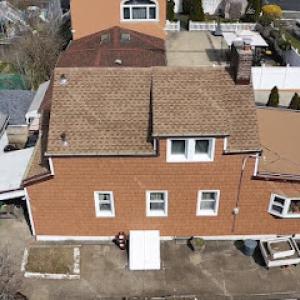
ML Best Construction
(631) 643-1404 mlbestconstruction.com
Serving
5.0 from 309 reviews
With over two decades of experience, ML Best Construction is a trusted name in residential, commercial, and industrial exterior renovations. Since opening in 2000, this family-owned company has provided top-tier craftsmanship for all roofing, siding, and gutter needs. Their skilled professionals also specialize in skylight, window, and door installations, using premium materials to ensure quality and durability. Their commitment to excellence has earned them a reputation for reliable service and superior results.

American Side Home Improvement
(631) 961-0404 www.americansidehomeimprovements.com
Serving
5.0 from 33 reviews
At American Side Home Improvement, Inc., we bring quality roofing, siding, remodeling, and construction services right to Long Island. Our skilled team is dedicated to providing lasting results, whether it’s durable roofing for reliable protection, stylish siding that boosts curb appeal, or full-scale remodeling that transforms your living spaces. We work closely with you to ensure every project aligns with your vision and stands the test of time. Plus, we’re proud to offer free estimates to get your project started with ease. Choose American Side Home Improvement, Inc., and experience the commitment to quality that sets us apart on Long Island.
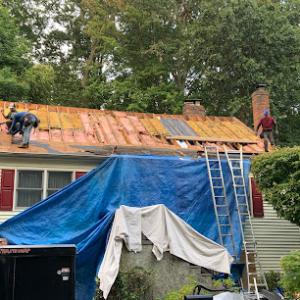
Roofing Time
(631) 316-9230 roofingtimelongisland.com
Serving
4.9 from 95 reviews
The first choice for residential homeowners, Roofing Time installs any type of roof system for any type of building in Islip. Trust our experienced specialists to provide peace of mind and solid protection with advanced roofing systems and reliable and friendly customer service. We provide honest assessments and complete each roofing project on time, and on budget. Flexible enough to handle entirely new installations for a simple residential roof leak repair, Roofing Time is a one-stop shop for all roofing and exterior maintenance needs.
Robert Gerard Contracting
Serving
5.0 from 19 reviews
Whether you need a repair, a complete re-roof of your home or office building, or routine maintenance, we have you covered! Give us a call to schedule a consultation!
Medina Gutters
Serving
5.0 from 15 reviews
Medina Gutters is a family-owned company that was established 20 years ago in Bay Shore, NY. Our company was built with the commitment to ensure cost-effectiveness and high-quality in every Gutters project, we are hired to work on for the community of Bay Shore, NY and the surrounding areas. Our company was founded under the great values of: Professionalism Commitment Diligence Cost-Effectiveness Contact our team today at 631-278-6207 and get a free estimate for any of the services that we offer. If you hire us to do the job we will work hard and smart until your expectations are exceeded. Contact our professional and reliable company today to save time and money on your upcoming Gutters project!
Tony the Roofer
(631) 300-7870 www.facebook.com
Serving
5.0 from 34 reviews
Commercial and Residential Affordable Quality Roofing Installation
J. Great Roofing
(631) 669-6269 www.jgreatroofing.com
Serving
4.9 from 120 reviews
J. Great Roofing & Siding stands behind GAF roofing products, you can count on consistency and the highest quality the industry has to offer. We are a "full service" roofing company and we will handle everything from a new roof installation, restoration and maintenance to re-roofs and repairs. All with the assurance that can solely come with years of experience.
Advanced Roofing
(516) 987-7478 advancedroofer.com
Serving
5.0 from 59 reviews
For all your Roofing ,Siding & Gutter needs. From simple repairs to complete installations. Family owned & operated since 1993.
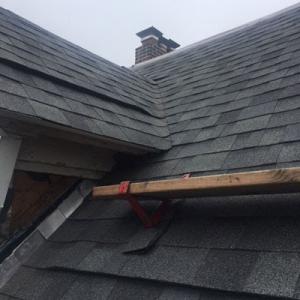
Leak Stoppers Inc - Roof Leak Repair Long Island
(631) 669-1570 leakstoppersinc.com
Serving
4.8 from 35 reviews
Long Island’s Most Reliable Residential and Commercial Roof Repair Specialists! Since 1999, Leak Stoppers has been providing the highest level of roofing and waterproofing services to homes and businesses on Long Island. We specialize in leak analysis and repairs for roofing, skylights, chimneys, windows, and doors to ensure that replacements of these items are only done when absolutely necessary. We save our customers thousands of dollars by prioritizing repairs, and when replacement becomes necessary, we provide lifetime guarantees on solutions that will truly last a lifetime. Call us today and experience The Leak Stoppers Difference!
Asphalt shingles are the dominant practical choice in Deer Park, fitting the area's large re-roofing market and typical detached-home roof forms better than heavier premium systems. For most homeowners, this means a straightforward replacement path with reliable performance through humid summers and chilly winters. When selecting asphalt, focus on architectural or laminated profiles that provide better wind resistance and a thicker feel under the hot sun. The Long Island humidity can soften some materials over time, so look for high-quality granules and UV fade resistance. A well-ventilated attic helps prevent heat buildup that can accelerate shingle aging, so ensure the underlayment and soffit-to-ridge ventilation plan is solid. In practice, this translates to choosing a shingle with a proven track record in coastal climates, and coordinating with a installer who understands common local roof geometries-gable ends, dormers, and low-slope connections-that frequent the area.
Metal roofing is present but less common locally, making it more of a specialty option for homeowners prioritizing durability through humid summers and cold winters. The metal's light weight and excellent resistance to wind are appealing, but it comes with specific considerations in this setting. In the humid season, flashing details must be meticulously sealed to prevent moisture intrusion at valleys, rake edges, and transitions to walls. Cold-weather performance is favorable if the panels and fasteners are rated for freeze-thaw cycles, yet expansion and contraction can influence seam integrity over time. If choosing metal, plan for additional attention to insulation and ventilation to avoid condensation buildup in attic spaces. For homes with existing heavy roof structures or complex layouts, a metal system can be a clean, long-lived upgrade, but it benefits from professional evaluation of structural load, substrate compatibility, and the potential need for a vented metal deck.
Tile, wood shake, and synthetic products exist in the market but require closer attention to structural suitability, ventilation, and moisture behavior under Long Island humidity. Clay and concrete tiles offer excellent longevity and a distinct aesthetic, but their weight often demands a full structural assessment and sometimes reinforcement. In regions with freeze-thaw cycles, improper drainage around hips and valleys can lead to cracking or moisture entrapment if the roof deck isn't vented or sloped correctly. Wood shakes bring a characterful look but are particularly sensitive to humidity and mold growth if ventilation is inadequate or if attic moisture control is weak. Synthetic shingles can mimic other materials with easier installation and improved moisture resistance, yet they still need proper ventilation details to manage heat buildup and humidity. For any of these options, ensure the roof deck is sound, that the ventilation plan supports peak humidity, and that flashing and underlayment choices align with local weather patterns.
Regardless of material, the timing of roof work in this climate must align with moisture behavior and seasonal risk. The humid summer season elevates attic temperatures and humidity, which can accelerate aging and encourage condensation if ventilation is poor. The winter freeze-thaw cycle requires proper deck sealing and reliable underlayment to handle moisture that travels from the interior to the roof surface during cold snaps. Storm-driven leak risk during hurricane season and late-spring nor'easters makes robust flashing, valley protection, and ridge ventilation critical. When evaluating a roof, prioritize an approach that balances material benefits with a proven moisture management plan, ensuring the chosen system can perform across the region's typical temperature swings and wet conditions.
A full roof replacement in Deer Park typically requires a building permit filed with the Town of Babylon building department rather than an independent Deer Park municipal office. This process ensures the work complies with local code, stormwater, and drainage standards that matter for the South Shore's humid summers and winter freeze-thaw cycles. The permit is tied to the project's scope, materials, and proper flashing, ventilation, and drainage details that get scrutinized during inspections. Knowing who handles the filing up front helps avoid delays once the project is underway.
In this market, the contractor usually handles permit filing, but confirm who is responsible for scheduling inspections and obtaining final sign-off before any close-out. The Town of Babylon requires coordinated inspections at critical milestones, so clarity about responsibilities up front saves time and reduces the risk of work stopping mid-project. If the contractor passes the permit and inspection tasks to you, set expectations in writing and keep all paperwork accessible. Jointly agree on a communication plan with the contractor for any inspection rescheduling due to weather or storm-driven leak concerns.
Begin with a clear project description: full roof replacement, type of roofing, underlayment, venting, and drainage plan. Gather supporting documents such as contractor license information, proof of property ownership, and any required stormwater or drainage plans. Submit to the Town of Babylon building department with the required forms and fees, then await plan review. If the inspector requests revisions, respond promptly to avoid delays in pulling the final permit. As soon as the permit is issued, coordinate a start date that aligns with cooler, drier windows when possible to minimize weather-driven complications during the installation.
Local inspections are scheduled during and after the job, with attention to flashing, ventilation, and drainage before the permit can be closed out. Expect an initial framing/underlayment inspection, followed by a mid-job inspection as shingles or other roofing materials are installed, and a final inspection once everything is in place. The inspector will look for properly sealed valleys, starter strips, rake and hip details, chimney and vent flashing, attic ventilation balance, and proper eaves drainage to prevent ice damming in winter. Have the contractor present during inspections to demonstrate compliance and address any notes on the spot.
Before the permit can be closed out, the Town of Babylon requires final sign-off confirming that all work adheres to code and approved plans. Ensure that all warranty-covered components and any manufacturer-recommended ventilation equipment are installed as specified to avoid complications during the close-out. Keep a copy of the final inspection report and any corrective work orders. If weather or supply delays push work toward the late fall or winter, coordinate with the contractor to maintain adequate drainage and flashing integrity until the final sign-off is achieved.
After a storm season, scheduling can tighten quickly and labor availability can lag as contractors adjust to high demand. This means lead times for start dates may stretch and you might encounter small price bumps simply from compressed schedules. In practice, you'll notice this especially when nice weather windows collide with a string of emergency repairs elsewhere in town. The result is a more deliberate planning phase, with a focus on lining up crews and material deliveries to avoid weather-related delays.
Asphalt shingles run about 350 to 650 USD per square locally, while metal roofing runs about 600 to 1000. Clay tile sits at 1200 to 2000, concrete tile 1000 to 1800, wood shingles or shakes 800 to 1500, and synthetic or composite shingles 550 to 900. For a typical home, these ranges cover everything from a straightforward replacement to a more involved retrofit, including longer roof runs or steeper pitches common in the area. If you're weighing a switch from one material to another, the jump in price can be substantial, but the long-term maintenance profile may balance that out over time.
Costs in Deer Park can move upward when chimney flashing work, cleanup expectations, and weather-related rescheduling are part of the project. Storm-driven leaks often prompt sooner cleanups and more extensive flashing details, which adds labor hours and material needs beyond a basic shingle replacement. Plan for a buffer in both schedule and budget to accommodate unexpected weather gaps, additional flashing or vent work, and the possibility of staggered deliveries. Being explicit with your contractor about expected cleanup standards and temporary containment during work helps keep the project aligned with your finances and the neighborhood's rainy-season realities.
Get a clear picture of your project costs upfront - no commitment required.

American Side Home Improvement
(631) 961-0404 www.americansidehomeimprovements.com
Serving
5.0 from 33 reviews
In a climate with humid summers and January chill, keeping good records is not optional. New York insurers commonly want documentation of wind or hail damage, so Deer Park homeowners should photograph missing shingles, lifted flashing, interior staining, and storm dates before temporary repairs hide evidence. When a fast fix is chalked up as "temporary," that can complicate a later claim or a more thorough assessment. A portable date-stamped gallery kept on a phone or drive can save time and prevent disputes after a storm.
Strict underwriting and policy changes in New York can affect replacement timing and material choices, especially when older roofs or ventilation deficiencies are involved. If a script of aging layers and blown-in insulation reveals more than a curb-appeal issue, insurers may push for upgrades or more durable assemblies. The harshest impact tends to appear after multiple seasons of freeze-thaw cycles, when gaps widen and heat loss becomes obvious. This reality nudges homeowners toward considering how roof assemblies perform over the next decade, not just this season.
Because colder-month performance matters in this region, insurers and adjusters may focus on underlayment durability, ventilation, and whether storm damage is distinct from age-related wear. If a hail event or tropical-storm remnants leave behind layered damage, the line between weather-driven impact and gradual decline can blur. Proper ventilation and a robust underlayment become evidence of proactive maintenance. Documented improvements in these areas can streamline claims and reduce the likelihood of denial when the cold sets in and wind-driven leaks reappear.
Before a replacement decision, verify that your attic ventilation meets current expectations, that underlayment looks intact across critical sections, and that any visible damage is photographed with clear dates. Because claim outcomes hinge on this evidence, treat each storm as a potential turning point rather than a routine maintenance item. The goal is a roof that stands up to both summer humidity and winter pressure, with verifiable records to back up any future claim.
Connect with contractors who help homeowners navigate the claims process from damage assessment to final approval.
D & S Roofing
(631) 518-4465 dsroofingny.com
1814 Deer Park Ave, Deer Park, New York
4.7 from 88 reviews
Clearview Roofing & Construction Babylon
(631) 827-7088 longislandroofs.com
Serving
5.0 from 50 reviews
In Deer Park, chimney work is notably common in the local contractor market, so counterflashing and masonry-to-roof transitions are frequent leak points to inspect. Start with a careful top-to-bottom assessment after a heavy rain or wind event. Look for cracked mortar, spalling brick, or gaps where flashing meets the roof surface. Pay particular attention to the transition between the chimney crown and the shingles, and to any rust stains or loose flashing along the sides. If a crown is cracked or the mortar is crumbling, plan for targeted masonry repair before flashing work to prevent recurring leaks. A well-sealed counterflashing that ties into the roof line will reduce wind-driven water intrusion during spring thaws and summer storms.
Skylight service is prevalent enough locally to merit separate attention, especially where aging flashing systems fail during wind-driven rain. Start by inspecting the flashing around the skylight base, the curb, and the sealant joints. Look for uplifted edges after storms, condensation between panes, or dried-out sealant that looks cracked or peeling. When replacing flashing, keep the flashing color and profile compatible with nearby roof details to avoid sharp transitions that trap debris. For aging skylights, consider upgrading to a curb-mounted unit with a proper drainage path to avoid ponding near the flashing.
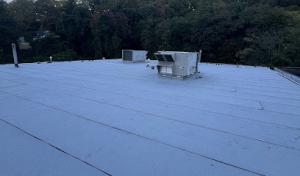
Flat and low-slope roofing is an active specialty in Deer Park, so homeowners with porches, additions, or mixed rooflines need different drainage and membrane expectations than standard steep-slope shingle roofs. Check for ponding areas after rain, seam integrity, and edge detailing along parapets. Confirm that drain outlets are clear and that membranes join at all seams with heat-welded or taped seams as specified by the manufacturer. For porches or additions, ensure a continuous drip edge detail and proper insulation above the membrane to prevent ice dam-like issues during winter freeze-thaw cycles. Regular inspections after winter storms can catch wind-driven damage before it migrates to the main roof.
Find contractors experienced in skylight installation, flashing, and leak repairs to bring natural light into your home.
Quick Roof & Siding
(877) 524-2159 www.quickroofandsiding.com
88 W Industry Ct, Deer Park, New York
5.0 from 28 reviews
D & S Roofing
(631) 518-4465 dsroofingny.com
1814 Deer Park Ave, Deer Park, New York
4.7 from 88 reviews
The local market is crowded with long-established, family-owned, and residential-focused roofers, so you should compare responsiveness and cleanup standards as much as price. In a tight schedule of summer heat and winter freeze-thaw cycles, a contractor's ability to respond quickly to weather windows matters more than a flashy brochure. Look for crews that routinely work on similarly sized homes with standard Deer Park drives and landscaping, so they know how to protect turf, paver walks, and daily family activity areas during a project.
Cleanup is a major local expectation, appearing across a large share of contractor profiles. On suburban properties with driveways, lawns, and active family spaces, you want a crew that leaves no stray debris, nails, or roofing granules behind. Check how they manage daily debris containment and post-project blow-downs, and ask for a near-final walk-through to confirm nothing was missed in hard-to-reach corners. If you have a home with a fenced yard or a pool area, verify that the cleanup plan includes protection for those spaces as well as responsible disposal of old materials.
Because permit filing and inspection coordination are part of the local process, homeowners should favor contractors who routinely handle Town of Babylon paperwork and final closeout. Ask for a concrete timeline that includes permit submission, inspection windows, and the exact point at which the town will close the project. A builder who can articulate the closeout steps-proof of completed work, warranty handoff, and any follow-up items-saves time and reduces the chance of last-minute delays during a busy season. In practice, you'll want a clear point of contact for weather-related adjustments and for coordinating access to your property during inspections.