
Last updated: Apr 19, 2026
West Babylon sits on Long Island's South Shore in the Town of Babylon, a place where coastal storms and nor'easters bring brutal wind-driven rain and spray that can hammer weak spots in a roof. The combination of humid summers and winter ice creates recurring stress on shingles, flashing, and seals. This isn't a hypothetical risk: every harsh spring system or late-winter nor'easter tests the integrity of existing roofs, often exposing leaks that slipped under the radar during milder periods. If your home has a history of slow leaks or mysterious dampness after a storm, the exposure pattern described here is likely at play and demands immediate attention when the next system clouds the forecast.
Spring storm systems and nor'easters don't arrive politely. They arrive with heavy rain, gusty wind, and the kind of moisture that can force roofing projects to stall mid-progress. In West Babylon, crews must contend with wet decking, ice buildup at eaves, and the risk of sudden rain-driven leaks that reopen previously sealed seams. This means you can't reliably rely on a window that looks calm; timing becomes a critical factor. If a leak appears just before or during a storm, delaying repairs can let hidden damage propagate to sheathing, rafters, or interior walls. Plan around the pattern: complete preventative work ahead of peak storm season when possible, and schedule emergency assessments promptly when a leak is detected after a system passes.
The local contractor market shows especially strong demand for emergency repair and storm-damage work, indicating homeowners often act after active leaks or weather events rather than on a long replacement cycle. That reactive pattern creates a cycle where temporary fixes are deployed to buy time, but underlying weaknesses remain unaddressed until a larger event. If you've had a dramatic storm or a recent nor'easter that exposed flashing gaps, loose shingles, or clogged drainage, treat it as a warning: a patch today may not hold against tomorrow's gusts. Rapid triage-covering exposed areas, stabilizing flashing, and drying out/venting the attic-can prevent interior damage while you map out a longer-term strategy.
Start with a quick, honest roof scan from safe ground: look for lifted shingles, torn underlayment, or visible gaps along the ridge and overhangs. Check flashing around chimneys, vents, and skylights, and inspect eaves for signs of ice damming or warped gutters. If you notice active dripping, pinholes in flashing, or damp ceiling stains, you need to involve a roofing professional immediately. Document the leak with dated photos, note the last major rain event, and keep any damaged materials dry to avoid mold growth. For urgent scenarios, temporary tarping or board coverage can limit rain intrusion while arrangements are made for a full fix.
Long-term resilience against nor'easters and winter ice hinges on identifying the weak links early and choosing robust, storm-tolerant materials suited to this climate. In many West Babylon homes, a roof that has endured several seasons of humidity and freeze-thaw cycles benefits from reinforced flashing, improved ventilation, and a strategic retrofit to reduce ice dam risk. When a replacement becomes necessary, prioritize systems with proven wind uplift performance and enhanced underlayment that can withstand rapid heating and cooling cycles. The goal is a roof that not only sheds rain efficiently but also resists the cumulative damage from coastal humidity and sharp winter swings, reducing the chance of repeated emergencies after the next storm.
Asphalt shingles remain the practical backbone of most suburban homes here, aligning with the local housing stock and the reliable presence of dedicated shingle contractors. In this coastal climate, choose architectural or laminated shingles for added durability and better wind resistance. Pair them with a quality underlayment that behaves well in humidity and occasional splash from coastal spray. A tight, multi-layered underlayment combined with proper nail spacing and a solid drip edge helps curb leaks during spring storms and Nor'easters. If roof access is crowded by shade trees or vents, ensure the shingle layers aren't compromised by overhanging debris or blocked ventilation.
West Babylon's active local specialties include metal, tile, cedar shake, and synthetic/composite options. Metal roofs offer strong wind performance and rapid shedding of moisture, but require precisely installed flashing and edge details to handle edge exposure from coastal winds. Tile works well on certain structural setups and can be very durable, yet weight, wind-driven debris, and maintenance of grout joints matter for longevity. Cedar shakes provide a natural look and solid insulation when properly installed, but they demand regular maintenance and can be prone to moisture issues if not kept dry. Synthetic or composite shingles can imitate more expensive materials with lower weight, but ensure the product is rated for sustained humidity and salt exposure. Each alternative hinges on structure, maintenance tolerance, and the home's exposure to coastal wind and moisture.
Humid summers and coastal air amplify the need for good attic ventilation. A balanced intake/exhaust vent plan prevents summer heat from cooking the roof deck and reduces condensation in shoulder seasons. Underlayment should be a high-quality, perforation-resistant layer that stands up to algae growth and wind-driven rain. In this area, a moisture barrier under the deck can help mitigate condensation when warm days meet cool nights. Algae and mold control is practical: select shingles and underlayment with algae resistance, and plan for seasonal cleaning of gutters and vents to keep drainage unobstructed. Regular inspection after heavy rainfall detects soft decking or staining early, before a leak travels far.
Storm-driven leaks tend to reveal themselves around Nor'easters and mid-winter thaws. Prioritize preventive checks after the late fall leaf drop and after any major coastal nor'easter events. Look for lifted shingles, loose flashing, compromised drip edges, and damaged soffits. A biased focus on the eaves and ridges catches wind-driven lift first. If detected, address promptly with professional resealing and, if necessary, targeted replacement of affected shingles or flashing sections. Consider adding ice and water shield along lower edges and in valleys where ice dams form during freezing cycles.
Replacement timing hinges on local exposure history and prior maintenance quality. If the roof shows widespread curling, granule loss, or frequent leaks after storms, develop a replacement plan with a contractor who understands coastal conditions and the common failure modes in this climate. Establish a seasonal inspection cadence-post-storm checks in the spring, a mid-summer vent and insulation audit, and a late-fall pre-winter review-to minimize storm-related damage and extend the roof's life through humid summers and icy winters.
When you start planning a roof replacement, the numbers you'll hear in this area reflect Long Island realities: tear-off work on older homes can add drag and expense, disposal and cleanup expectations are real, and spring through fall weather swings push projects into busier windows. In practical terms, asphalt shingles run per square from $350 to $550, metal from $700 to $1100, clay tile from $900 to $1500, synthetic/composite from $450 to $800, slate from $1200 to $2100, and cedar shakes from $600 to $1000. Those ranges map to well-worn roofs across the neighborhood, where crews often face stubborn underlayment and mixed substrate conditions that drive extra material and labor time. In this town, you'll notice costs skew higher when a tear-off is required on older Long Island homes, and disposal charges reflect the weight and volume of debris, not just the new roof itself.
Your material choice matters as much for long-term performance as for upfront price. Asphalt shingles stay the most common, especially on midcentury homes with standard decks. Metal roofs bring durability through coastal humidity and snow, but the upfront ticket can be steep depending on profile. Clay tile and slate sit at the high end, favored for longevity but sensitive to roof geometry and existing structure-these can require structural checks and specialized installation that push price per square up. Synthetic or composite shingles offer a middle ground with decent resilience against moisture and temperature swings. Cedar shakes bring a warm aesthetic, yet they demand careful maintenance and can incur more frequent refinishing. In this market, a straight line from sheet to deck-without surprises in the attic space or framing-helps keep the project within expected ranges.
Disposal and cleanup expectations aren't afterthoughts here; crews must haul away old shingles, underlayment, and possibly sheathing, which adds to the overall cost. Weather-driven scheduling pressure during the spring-to-fall window can compress calendar timelines and increase demand-driven pricing, especially after a regional storm that leaves contractors with backlogs. The town's storm-driven demand often tightens both pricing and start dates, so you may encounter quicker turnarounds but at a premium if your project coincides with peak season or post-storm windows. If your roof requires extensive tear-off, anticipate more labor hours and potential surprises in substrate conditions that drive up both material and disposal costs.
To keep costs predictable, map out a replacement window that avoids the peak storm aftermath and allows for a clean tear-off and thorough cleanup. Have a contingency for weather delays, which are common in the shoulder seasons when Nor'easters or sudden winter cold snaps can interrupt progress. Get detailed quotes that break out tear-off, disposal, underlayment, flashing, and ventilation work so you can compare apples to apples. In practice, securing a firm start date and a written, phased payment plan helps you manage cash flow during the more volatile spring-to-fall period.
As you compare bids, favor clarity over sheer low price. A well-communicated scope with explicit tear-off handling, disposal baskets, cleanup expectations, and staggered starts during favorable weather reduces the risk of future headaches. Remember these local ranges as a baseline: asphalt $350-$550, metal $700-$1100, clay tile $900-$1500, synthetic/composite $450-$800, slate $1200-$2100, cedar $600-$1000 per square.
Marcor Construction
(631) 321-0593 www.marcorny.com
135 Dale St, West Babylon, New York
4.9 from 381 reviews
Marcor Construction Roofing & More has been providing high-quality home improvement services to Long Island for over 30 years. We provide expert roof repair, roof replacement, siding installation, and more, and we can give you the perfect solution for your home's exterior improvement needs. We have installed thousands of roofs over the years, and we service a variety of roofing materials for both residential and commercial properties. We always put customer service first, and we will work with you to ensure that you are completely satisfied.
Advanced Roofing
(516) 987-7478 advancedroofer.com
316 Old Farmingdale Rd, West Babylon, New York
5.0 from 59 reviews
For all your Roofing ,Siding & Gutter needs. From simple repairs to complete installations. Family owned & operated since 1993.
J. Great Roofing
(631) 669-6269 www.jgreatroofing.com
619 Sunrise Hwy Suite B, West Babylon, New York
4.9 from 120 reviews
J. Great Roofing & Siding stands behind GAF roofing products, you can count on consistency and the highest quality the industry has to offer. We are a "full service" roofing company and we will handle everything from a new roof installation, restoration and maintenance to re-roofs and repairs. All with the assurance that can solely come with years of experience.
JEL Home Improvements
(631) 433-3198 jelhomeimprovements.com
684 Sunrise Hwy, West Babylon, New York
5.0 from 24 reviews
JEL Home Improvement is a family owned and operated business and plans to stay that way as we look to our future in the Home Improvement industry. We take great pride in the quality of our finished products and are confident that our customers will feel the same way about their projects.
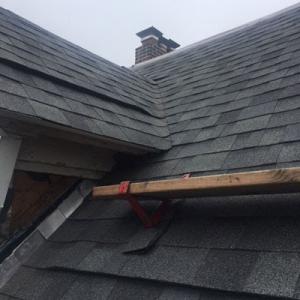
Leak Stoppers Inc - Roof Leak Repair Long Island
(631) 669-1570 leakstoppersinc.com
85 Otis St, West Babylon, New York
4.8 from 35 reviews
Long Island’s Most Reliable Residential and Commercial Roof Repair Specialists! Since 1999, Leak Stoppers has been providing the highest level of roofing and waterproofing services to homes and businesses on Long Island. We specialize in leak analysis and repairs for roofing, skylights, chimneys, windows, and doors to ensure that replacements of these items are only done when absolutely necessary. We save our customers thousands of dollars by prioritizing repairs, and when replacement becomes necessary, we provide lifetime guarantees on solutions that will truly last a lifetime. Call us today and experience The Leak Stoppers Difference!
Robert Gerard Contracting
Serving
5.0 from 19 reviews
Whether you need a repair, a complete re-roof of your home or office building, or routine maintenance, we have you covered! Give us a call to schedule a consultation!
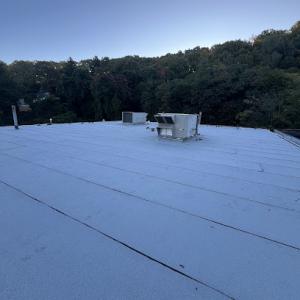
Clearview Roofing & Construction Babylon
(631) 827-7088 longislandroofs.com
Serving
5.0 from 50 reviews
Clearview Roofing in Babylon, NY, offers top-quality roofing services, including installations, roof repairs, and roof inspections for residential and commercial properties. As a trusted "roofer near me," we use premium materials from leading manufacturers like GAF and Owens Corning to ensure durability and reliability. Our services include siding, gutter installations, skylights and emergency roof repairs. With over 60 years of experience, we provide exceptional customer service and fair pricing. Choose Clearview Roofing in Babylon, NY, for professional and reliable roofing solutions. From asphalt shingles to Flat Roofing. TPO and EPDM roofing repair, Clearview Roofing in Babylon, NY, has you covered!
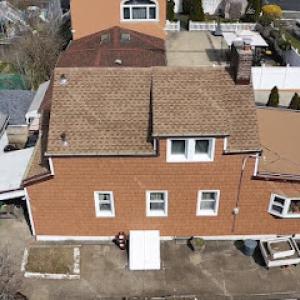
ML Best Construction
(631) 643-1404 mlbestconstruction.com
Serving
5.0 from 309 reviews
With over two decades of experience, ML Best Construction is a trusted name in residential, commercial, and industrial exterior renovations. Since opening in 2000, this family-owned company has provided top-tier craftsmanship for all roofing, siding, and gutter needs. Their skilled professionals also specialize in skylight, window, and door installations, using premium materials to ensure quality and durability. Their commitment to excellence has earned them a reputation for reliable service and superior results.
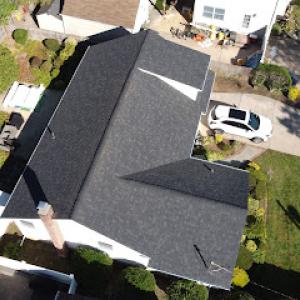
Marvin Construction Services
(631) 639-6419 marvinconstructionservices.com
Serving
4.9 from 250 reviews
If you’re looking for a new roof installation or siding repair for your home, we are the construction company for you! For 15 years Marvin Construction Services has been dedicated to providing superior workmanship that is second to none. We have always been focused on high-quality results, excellent customer service, and reliable work ethic. Customers in Lindenhurst, New York and surrounding areas rely on us for professional roofing, siding, and gutter services. Our team has the experience, skills, and proper equipment to guarantee your home has the best outcome. We ensure all of our customers that we are a trustworthy company and that we always deliver the best results.
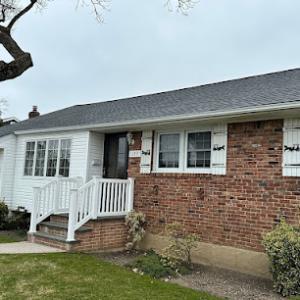
Selective Homes Roofing & Siding
(631) 736-5301 www.selectiveremodeling.com
Serving
5.0 from 20 reviews
Selective Homes Roofing & Siding is Long Island’s trusted exterior remodeling contractor, delivering expert roofing, siding, windows, and complete exterior upgrades that protect your home and elevate curb appeal. As a family-driven company rooted in craftsmanship and transparency, we specialize in roof replacement, roof installation, siding replacement, siding installation, and energy-efficient window installations. Our exterior specialists focus on durable materials, clean workmanship, and a homeowner-first experience—from initial inspection to final walkthrough. Whether you need a full roof replacement, new siding, upgraded windows, or a complete exterior renovation, we provide reliable, long-lasting solutions tailored to Long Island h...
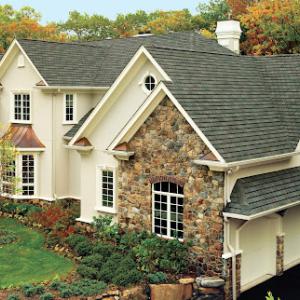
Four Seasons Roofing & Exteriors
(631) 249-3377 fourseasonsroofingny.com
Serving
4.9 from 683 reviews
A Division of Four Seasons Enterprises, Inc.
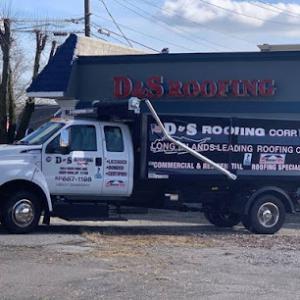
D & S Roofing
(631) 518-4465 dsroofingny.com
Serving
4.7 from 88 reviews
D & S Roofing provides commercial and residential roofing installation and repair, as well as gutter, and skylight services to Suffolk and Nassau, NY counties.
A full roof replacement typically requires a building permit through the Town of Babylon Building Department. The permit process ensures the project complies with local codes, including weatherproofing, ventilation, and load requirements, which are especially important for the South Shore coastal exposure, humid summers, and winter ice risk. The permit record helps protect both the homeowner and neighboring properties, and provides a clear path if any future updates are needed.
The contractor generally submits the permit application with the project scope rather than the homeowner handling a purely informal reroof process. This approach aligns with Town expectations and keeps coordination with inspections straightforward. When reviewing the scope, make sure it covers tear-off and disposal, decking inspection if needed, underlayment type, flashing details, and any venting upgrades that address moisture control and ice dam prevention.
Inspections are staged during roofing activity and again after completion, with a final inspection tied to issuing the certificate of completion. Typical milestones include one inspection after the roof tear-off is complete, another once underlayment, drip edge, and flashing are installed, and a final inspection once the new roofing is secured and weatherproofed. The certificate of completion confirms that all work meets Town requirements and signals that the permit can be closed.
Plan around weather windows crucial for coastal exposure, humidity, and winter ice risk. Ensure access, staging, and debris containment meet the Town's safety expectations, and the contractor coordinates any necessary structural or venting checks during the staged inspections. If issues are flagged, address them promptly to avoid delaying the certificate of completion. Maintain clear communication with the Building Department and confirm that the permit record matches the installed materials, including any upgrades made to address ice dam prevention and moisture management. Expect inspection timing to fluctuate with weather and work pace, and designate a responsive contact at the contractor who can be reached quickly if an inspector flags a concern. Also verify the Town of Babylon online portal or local office for updates on permit status and required documentation before the project begins.
In this coastal-influenced climate, storm-related leaks often trace back to years of wear and tear rather than one dramatic event. Insurance adjusters will scrutinize the age of the roof, the visible condition of shingles or panels, attic insulation, and the presence of prior repairs. For homeowners with a roof that shows sun damage, granule loss, or curling shingles, those signs can shape the claim outcome more than a recent Nor'easter. Gather records of previous maintenance, photos of prior damage, and any interior evidence of moisture. Clear documentation helps the insurer see the full picture beyond a single rainy season.
When a storm hits, the extent of damage and how it interacts with local realities matters. In this area, the replacement paper trail often extends beyond the roof itself. Insurers may request evidence of compatible repairs or upgrades that align with current standards, and those standards can be influenced by Town of Babylon inspection history. If a roof has seen multiple leaks across seasons, or if interior damage touches critical spaces, the claim may be evaluated under a broader restoration lens. Your claim's path can narrow or widen based on how much is visibly failed and how much is hidden behind underlayment and decking.
Some carriers look more favorably on newer roofs, advanced underlayment, or documented warranties. If you have retrofits like a reinforced underlayment, ice-and-water shield, or a manufacturer warranty that covers wind-driven damage, those factors can tilt decisions toward repair or partial repair rather than a full replacement. In practice, that means talks with your agent should center on whether a repair path preserves the benefit of those protections, or if a full replacement better preserves the long-term risk profile against winter ice, humidity, and recurring nor'easters.
To avoid a surprises-driven claim, keep a weather-aware maintenance log and photograph evolving wear after each season. When storms threaten, consider temporary measures such as tarping exposed areas and documenting any urgent repairs with receipts. If a claim becomes likely, assemble a concise dossier: roof age, visible condition, interior moisture patterns, previous repairs, and any warranties. This helps the insurance liaison see a coherent story from the first shingle to the attic insulation, rather than a fragmented tale from one storm.
Cold winters bring snow and ice that quietly pull at shingles, flashing, and roof edges. In Long Island homes, freeze-thaw cycles can loosen fasteners and brittle edge details, while ice damming sneaks in along eaves and overhangs. Access to ridge lines or attic vents can be limited by snow buildup, slowing crews and increasing the chance of missed spots if work is rushed. In typical West Babylon setups, you'll want to plan for extra time during active storms and pre-winter inspections to catch sagging or degraded edge metal before ice forms.
When heat and humidity rise, asphalt-based systems toughen up during handling and trimming, and long days in attics can magnify temperature-related gaps. Humidity can affect sealant cures and ventilation during attic work, making it harder to get consistent, airtight flashing throughout the roof line. In practice, crews may pace deliveries and material transfers to minimize sun exposure at critical seams, so you might notice shorter daily goals but steadier progress in the shade of cooler mornings.
Because of these seasonal patterns, roof replacements are typically scheduled from spring through fall when conditions are more favorable. Spring rains and early summer humidity can still pose challenges, but late-season windows often offer lower storm risk and more predictable drying times for underlayment and coatings. Planning for the shoulder seasons helps maintain steady progress without the emergency pace forced by nor'easters.
After a replacement, you'll want to keep an eye on attic temperature and moisture buildup, especially through humid summers. Ensure proper insulation and a balanced ventilation plan to lessen heat transfer into the roof deck. Regular inspections after big snow events help catch shifting or damaged flashings before winter returns.
In this market, flat and low-slope sections on South Shore homes and mixed-use buildings bear the brunt of standing water and wind-driven rain after Nor'easters. When the surface can't shed water quickly, you'll notice ponding that persists longer than expected, especially after heavy spray from coastal winds. Over time, that stagnation leads to edge deterioration, membrane wear, and invisible leaks that creep toward eaves and interior ceilings. The problem is compounded by aging flashing where roof meets walls or penetrations, a common weak point on older West Babylon stock. If a flat area is corniced or has a low parapet, the risk isn't just roof damage-it's moisture infiltration that compromises insulation and indoor comfort during humid summers and cold snaps.
Skylight penetrations become higher-risk details during nor'easters and winter freeze-thaw cycles, particularly when surrounding flashing wears faster than the main roof surface. In practical terms, that means sealants crack, mastic dries out, and fasteners loosen as temperatures swing from freezing to damp heat. Water finds those gaps, migrating around skylight frames and into interior framing. The vulnerable zone isn't just the glass-it's the surrounding curb, lintel, and counter-flashing. On a windy day, wind-driven rain can lift low-slope seals and push moisture toward interior finishes, turning a small leak into a sizable staining problem within a few cycles of heavy weather.
Because the local signal mix shows meaningful demand for flat-roof and skylight work, recurring problem areas tend to reappear after every major storm season. Focus on proactively resealing edges, retooling flashing at penetrations, and verifying drainage paths on any low-slope sections. When a nor'easter rolls in or a midwinter freeze loosens sealants, address suspected problem spots quickly-delays compound damage and raise the risk of interior damage and insulation loss that's costly to restore.
Find specialists in TPO, EPDM, and built-up flat roofing systems for residential and commercial properties.
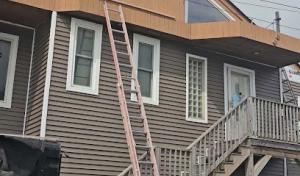
J. Great Roofing
(631) 669-6269 www.jgreatroofing.com
619 Sunrise Hwy Suite B, West Babylon, New York
4.9 from 120 reviews
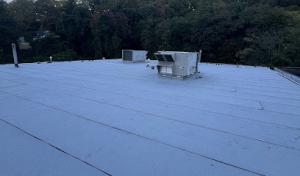
Clearview Roofing & Construction Babylon
(631) 827-7088 longislandroofs.com
Serving
5.0 from 50 reviews
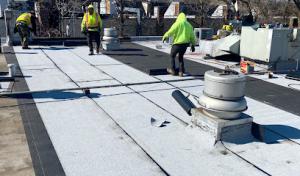
Long Island Flat Roof IslandWide Commercial Roofing
(631) 838-9285 www.longislandflatroof.com
Serving
4.9 from 108 reviews