
Last updated: Apr 19, 2026
In this Buffalo-Niagara weather zone, prolonged cold snaps collide with snow accumulation and repeat thaw-refreeze cycles. Water that melts from a heavy snowpack can back up at eaves and around gutters, then refreeze into ice dams that press against the roof edge. This is not just a nuisance; it creates a wedging effect that can force leaks beneath asphalt shingles and at flashing transitions. The risk compounds in older Western New York housing stock, where attic heat loss and uneven roof temperatures accelerate ice dam formation during lake-effect winter patterns. When the sun finally returns to melt, those dams act like little funnels, directing water under coverings and into soffits, ceiling spots, and the attic itself.
Cold snaps followed by thaw and melt create telltale patterns: icicles hanging heavy from the eaves, shingles that curl or buckle at the lower edge, and wet spots on ceilings near exterior walls. If you notice stained or damp insulation in the attic, you likely have meltwater penetrating through at flashing transitions or along nail heads and ridges where heat concentrates. Pay special attention to gutters and downspouts that become bridged with ice; if water pools and refreezes at the edge, it's a spawning ground for bigger damming and leaks. A roof that feels unusually warm at the top during winter can also indicate attic heat loss feeding the problem.
Begin by clearing any debris from gutters and ensuring downspouts terminate away from the foundation so meltwater flows freely. Rake back overhanging snow from the roof edge to reduce weight and limit surface melt that runs toward the eaves. Inspect attic access and insulation for gaps; sealing drafts around penetrations and adding or improving insulation helps flatten roof temperatures, slowing ice dam formation. If ice dams are present, use a safe roof rake from the ground to break up the dammed ice at the edge carefully, while avoiding contact with the roof itself. For flashing corners and along valleys, inspect for gaps or movement; gaps can create ready-made channels for water to slip under shingles.
If ice damming is persistent or you detect leaks into the attic or living spaces, professional evaluation is essential. An experienced roofer will assess attic ventilation balance, heat loss, and flashing integrity, then tailor solutions to address the root cause rather than just the symptom. In particular, look for signs of uneven roof temperatures and inadequate ventilation that allow pockets of warm air to fuel ice dam growth. Prompt, focused attention now can protect attic structure, prevent mold growth, and preserve the exterior integrity of the roof despite Depew's harsh winter cycles.
Western New York experiences frequent wind and hail activity, and roof claims have become a meaningful part of the local insurance landscape after summer thunderstorms and autumn wind events. Throw in lake-effect snow and the freeze-thaw cycle, and the risk profile shifts quickly from cosmetic damage to structural issues, especially at edges, around flashing, and where attic ventilation is weak. The storms that roll through this region don't just bruise shingles; they can push water under laps, lift tabs, and corrode flashing, creating silent leaks that show up as interior staining later. In Depew, a sharp uptick in claim scrutiny follows severe weather, so you cannot assume a simple DIY fix will pass muster.
Insurers in this market may ask for roof age, material type, hail photos, prior claim history, and access to the attic or roof deck during claim review. The more complete the file, the smoother the process. Before a claim is filed, make sure you can document the baseline: what the roof looked like before the storm, what you observed immediately after, and what changed in the days that followed. If access is granted, be prepared to show the attic ventilation, any signs of condensation, and the underside of flashing around chimneys, vents, and the skylight perimeter. In practice, that means a quick photo trail-from the street view to the attic hatch-so the adjuster can follow the damage path with confidence.
Because claim scrutiny is higher in this region, Depew homeowners benefit from documenting shingle bruising, lifted tabs, flashing damage, and interior leak evidence immediately after storms. Take high-resolution photos of bruised or cracked shingles, any granule loss in eaves or gutters, and edges where ice damming could start. Note any soft spots or sagging in the decking from interior leaks, and photograph attic insulation moisture, staining, and any rusted or compromised metal flashing. Create a dated log of storm events, including wind speeds if you have it from a local weather source, and keep copies of any contractors' inspection notes. The goal is to present a clear, time-stamped narrative that aligns with your claim.
After a major storm, perform a cautious walk-around with a flashlight to look for lifted tabs or curling edges, especially near hips, ridges, and roof-to-wall transitions. If you suspect ice damming, document icicles and melt lines at the eaves from both exterior and interior perspectives. Keep a record of access needs: willing neighbors who can accompany an inspector, or a time window when you can securely grant attic access. If possible, arrange a professional roof inspection within a few days of the event, so you have an expert opinion to pair with your photos and logs. Quick, organized documentation reduces back-and-forth and helps protect your claim's integrity when the weather resumes its assault later in the season.
Find local contractors experienced in assessing and restoring roofs after hail, wind, and severe weather events.

Thrifty Roofs
(716) 577-7777 thriftyroofs.com
3100 Walden Ave, Depew, New York
4.3 from 70 reviews
Thrifty Roofs is a reputable, family-owned roofing company, proudly serving the Buffalo, NY, area for over 35 years. Our team specializes in roofing, siding, and gutter services, focusing on top-notch workmanship and exceptional customer service. Our dedicated team of experienced roofers excels in various roofing services, including but not limited to roof replacement, repair, maintenance, and inspections. At Thrifty Roofs, we prioritize customer satisfaction and aim to exceed expectations on every project we undertake.

Neth & Son
(716) 259-1856 www.nethandson.com
146 Taylor Dr, Depew, New York
4.5 from 24 reviews
Neth & Son is certified installer of all major commercial roofing systems available on the market serving Buffalo, Rochester, NY & Orlando, FL. We are a roofing contractor authorized to install manufacturers' top-line products – many of which require special training and certification. Call us for a free estimate today.
Roof Leopard
(716) 249-9550 roofleopard.com
Serving
5.0 from 74 reviews
At Roof Leopard, we’re dedicated to providing top-notch roofing and siding services with a focus on exceptional customer experience. Roof Replacements and Roof Tune-Ups are what we do! Here's what sets us apart: High Detail site visits and quotes! Exceptional Customer Service: We prioritize clear communication and a smooth process from start to finish. Professional Installation: Our detail-oriented installers respect your property, ensuring quality workmanship. Got flowers and landscaping to protect? We got you Thorough Cleanup: Our motto is "Leave the place better than you found it." We go the extra mile to clean up, ensuring no stray nails are left behind. Visit us today for your instant quote and experience roofing done right!
LJ Construction WNY
(716) 989-9494 www.ljconstructionwny.com
Serving
4.6 from 19 reviews
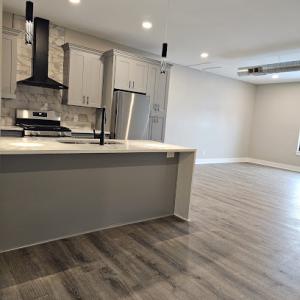
LJ Construction proudly adds to the local landscape by building Western New York custom homes. We provide exceptional customer service for all home remodeling needs - from building your dream kitchen to giving your bathroom a modern look that includes professional tiling and so much more. We don't stop there! LJ Construction also offers services in roofing, HVAC, and plumbing. Call us today for a free quote at (716) 989-9494 and let us help you begin building your dreams.
Buffalo's Best Roofing Company
(716) 276-3673 www.buffalosbestroofing.com
Serving
4.9 from 564 reviews
🏠 Buffalo’s Best Roofing & Concrete – Trusted. Local. Proven. Proudly serving Buffalo and Western New York, we specialize in residential and commercial roofing solutions built to last. Whether it’s a leak, full roof replacement, or seasonal inspection, our licensed, insured team delivers fast, reliable, and high-quality work—every time. ✅ Shingle & flat roof systems ✅ Emergency storm damage repair ✅ Roof inspections & maintenance ✅ Expert concrete, siding, gutters & more With over 100 years of combined experience and thousands of satisfied customers, we’re Buffalo’s go-to choice for durable, dependable roofing. 📞 Call now or message us to schedule your free estimate—your roof deserves the best! #BuffalosBestRoofing #WNYRoofing
716 Brothers Construction
(716) 393-1199 716brothersconstruction.com
Serving
4.9 from 25 reviews
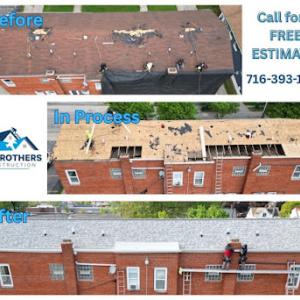
716 Brothers Construction is a BBB accredited Roofing Service located in Lancaster, NY. We offer Roofing Services, Demolition Services, Gutter Services, Deck Installation Services, Renovation Services, Roof Repair, Roof Installation, Roof Replacement, Concrete Repair, and Masonry Repair. At 716 Brothers Construction, we have been helping homeowners in Western New York get a full roof replacement paid by the insurance company! with top-quality roofing, siding, masonry, and renovation services. Specializing in both exterior and interior projects, we are committed to delivering durable and stylish solutions for every home. Trust 716 Brothers for expert craftsmanship and reliable service. Contact us today for a Free Estimate!
Erie Home
Serving
4.7 from 71 reviews
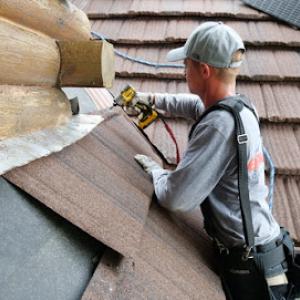
Since 1976, Erie Home has manufactured, supplied, and installed the best-performing roofing on the market. By providing ironclad warranties and convenient financing, we ensure that every homeowner we work with receives top quality service and value for their homes and properties. Erie Home professionals are the roofing company of choice in the greater Buffalo, NY area. Whether you need roof inspections or roof damage repair services, Erie Home has been the go-to roofing contractor for nearly 50 years because of our attention to detail and dedication to making sure our customers are satisfied with their results. Contact us today for a quote and see why we're the trusted roofing company Buffalo counts on.

Besroi Roofing & Siding
(716) 684-0355 besroiroofing.com
Serving
4.8 from 219 reviews
Besroi Roofing & Siding is a complete exterior company. Family-owned and operated since 1960, Besroi has been trusted by home builders, developers, federal contractors, and individual homeowners for over 64 years. We offer every customer the highest quality and service for any size job, including transferable manufacturer and labor warranties. For year-round roofing, siding, and other construction services, call us now!

Highland Contractors
(716) 748-8858 highlandcontractors.com
5070 Broadway, Depew, New York
5.0 from 1 review
Highland Contractors Buffalo provides expert roofing and gutter services you can trust. From roof installation and replacement to repairs, our experienced team uses top-quality materials to deliver long-lasting results. We also specialize in seamless gutters and Gutter Helmet systems to protect your home from water damage year-round. Committed to reliable service and customer satisfaction, we’re here to keep your Buffalo home safe, secure, and looking its best.

Graves Brothers Home Improvement
Serving
4.7 from 487 reviews
Graves Brothers Home Improvement has been locally-owned and operated in Upstate N.Y. since 1977. As one of the fastest growing businesses in the region, they offer their residential and commercial clients Roofing, Siding, Windows, and other Home Improvement services. Graves is a nationally-recognized contractor that has been repeatedly named a Top 100 company in the region as well as one of the top 500 home improvement companies in the United States, annual Angie’s List certification holder, countless product certifications, and more. Graves Brothers services Upstate and Western New York, the Finger Lakes Region and the Capital District from their facilities in Rochester, Buffalo, Albany and Syracuse.
Allen&Jones Roofing
Serving
5.0 from 25 reviews
SERVING WESTERN NY WITH QUALITY WORK.
Roofologists
(716) 870-2574 www.roofologistsny.com
Serving
4.7 from 36 reviews
Providing Quality Roofing Work for All of WNY!
Asphalt shingles dominate the local market because they balance replacement practicality with the climate's winter freeze-thaw cycle and hot, humid summers. In a pattern where snow piles on the roof and then melts quickly, asphalt provides straightforward installation, decent performance at the edges, and a widely available replacement channel. When choosing, look for architectural/profile shingles with good granule adhesion and a sealed nailing line. Pair them with a solid underlayment and a properly vented attic to keep interior temperatures from stress-testing the decking during rapid freeze-thaw swings.
Metal roofs shed snow well, which helps prevent gutter and ice dam buildup. That said, Depew's cold-season temperature swings mean detailing at eaves, fasteners, and condensation control matters a lot. Choose panels designed for residential use with a standing-seam or concealed-fastener system to minimize penetrations where ice can form. Pay attention to flashing around dormers, chimneys, and roof-to-wall transitions, and install a well-sealed underlayment beneath the metal to manage any incidental moisture. Ventilation remains essential; metal roofs can't compensate for a stagnant attic that traps humidity.
Clay and concrete tiles bring long life and a distinct look, but they demand a strong structural substrate and precise installation to handle Western New York snow loads. If a tile option is pursued, confirm the roof structure is designed for the additional weight and that deflection under snow is controlled. Wood shakes and synthetic products offer a different aesthetic, yet they require careful moisture management and attention to edge detailing to resist freeze-thaw damage. In this market, any non-asphalt material should be paired with an experienced installer who can assess live load, span, and proper ventilation to handle humidity and snow accumulation.
Across all materials, a robust attic ventilation strategy helps reduce condensation that can worsen ice damming and edge deterioration. In Depew's humid summers, ensure underlayment choices are compatible with the chosen roof type, especially where condensation or trapped moisture can occur. A well-sealed, breathable system keeps interior temperatures more stable and reduces the risk of moisture migration into the roof deck during rapid temperature swings.
Regardless of material, maintain a clean roof plane and clear eaves of overhanging branches that can drop debris onto ice-prone zones. Regular inspection after heavy snow or warm spells helps identify loose flashing, lifted shingles, or disturbed seals before freeze-thaw cycles amplify damage. For edge protection, prioritize flashing integrity and correct installation details that source water away from the interior and toward proper drainage.
When planning a roof replacement, expect pricing to shift with the local calendar. After harsh winters and summer storms, crews book out across the Buffalo suburbs, and that surge pushes up both material and labor costs. In practical terms, a typical project can move higher on the calendar and into busier weeks, especially if the roof sustains ice damming or long freeze-thaw cycles that demand extra detailing and careful sheathing work. Asphalt shingles remain the most common balance of cost and value, but even these feel the seasonal swing as crews juggle urgent repairs and new installs.
Older homes in Depew often reveal wet decking once a tear-off begins, and that discovery accelerates both time on the roof and the need for plywood or sheathing replacement. Ice-dam deterioration at eaves and flashing work around chimneys are not cosmetic issues here; they drive additional labor and occasional material upgrades. In practical terms, this can push a project from the low end into the mid-range for asphalt or prompt a switch to a more durable option if long-term performance is a priority. When ice damming is evident, expect the crew to allocate extra measures for ventilation and sealing.
The listed cost ranges reflect typical Depew projects, measured per square (100 square feet). Asphalt shingles generally land on the economical side, while metal roofing sits higher but offers longer life in a climate with freeze-thaw stress. Clay and concrete tiles bring premium price and weight considerations that matter on older, lighter structures. Synthetic or composite shingles provide a middle ground with decent durability. Local decisions often hinge on attic ventilation, flashing details, and the condition of existing decking; these factors can nudge the bill by a noticeable margin even within the same material category.
Weather delays are a real factor. Spring rain and thaw cycles can compress the workable window, while humid summer days can slow installation and affect curing times for roof coatings or underlayment. In Depew, those weather patterns collide with village timing pressures and the need to coordinate chimney flashing and edge sealing before winter returns. Expect occasional scheduling friction where crews balance multiple projects, particularly after a damaging winter or a cluster of summer storms.
Get a clear picture of your project costs upfront - no commitment required.
Buffalo's Best Roofing Company
(716) 276-3673 www.buffalosbestroofing.com
Serving
4.9 from 564 reviews
A full roof replacement in Depew typically requires a permit through the village building department rather than being handled informally. The village takes a careful look at how the project is planned and executed, aiming to ensure that new systems meet local codes and match the character of nearby homes. Because inspections are tied to the permit, the job should be visible to the local building office from start to finish, not tucked away or completed without notice. Understanding this framework helps prevent surprises and keeps the project moving smoothly through winter weather and the lake-effect cycle.
Before a single shingle is removed, the village reviews the project scope and plans. Clarity on whether the job is a full tear-off or a re-cover, the type of underlayment, ventilation strategy, flashing details, and any attic insulation improvements matters. In Depew, where freeze-thaw stress and edge wear from humid summer storms are common, the plan should explicitly address ice dam mitigation, insulation upgrades, and proper ventilation to minimize future problems. When submitting, include precise measurements, roof pitch, and a clear sequence for tear-off, deck repair if needed, roof installation, and interior protection. A well-documented scope reduces back-and-forth with the building department and helps crews coordinate materials and access, especially in tight residential lots.
Inspections occur during progress and again at completion to confirm code compliance. Expect the job to be visible to the local building office throughout, with inspections verifying proper installation of underlayment, flashing, ventilation, and shingle attachment. Practical steps to smooth inspections include maintaining access for inspectors, arranging a clear staging area away from driveways and sidewalks, and retaining records of manufacturer specifications for the chosen roof system. If a unique feature is being added-such as a high snow-load valley, enhanced drip edge, or a secondary ice-dam barrier-have those details documented and easily retrievable. Address any noted corrections promptly, as delays can impact weather windows and the village's approval timeline.
Common misunderstandings involve scope creep or ambiguous terms for tear-off depth and new decking conditioning. To avoid this, ensure the permit scope clearly states full tear-off if planned, including deck evaluation notes and any remedial repairs. Workmanship must align with Depew's climate realities: secure flashing at eaves and chimneys, correct attic ventilation, and robust underlayment. Communicate with the building department about anticipated milestones and weather contingencies, so inspections can be scheduled without interruption and the project stays on track through winter conditions.
Depew's hot, humid summers can affect asphalt shingle handling and installation timing even though summer is one of the busiest roofing seasons. High humidity makes some asphalt shingles feel warmer and softer, which can slow down the crew and increase the chance of cosmetic issues if shingles are handled roughly or left exposed too long. Plan for shorter days with steady, early starts to avoid the peak heat window. Keep a shaded staging area and have dew point and humidity considerations discussed with the crew so you don't end up with brittle sealants or misaligned tabs.
Spring and early summer rain in the Buffalo area can delay tear-offs and expose decking to repeated wet-dry cycles if scheduling is not tight. If rain interrupts work, decking may swell and move, creating nail and underlayment challenges at a restart. Build buffer days into the plan and pair rain backups with quick-dry underlayments. A dry window of 24 to 48 hours after a rain event helps the roofers nail in correctly and reduces the risk of wind-driven moisture finding seams.
Autumn is often attractive for replacement work in Western New York, but wind events can create both scheduling pressure and last-minute repair demand. Expect gusts that complicate material staging and edge protection. Have a contingency for wind-related delays and a plan to reseal flashing if sheets are exposed to brisk fall winds. Early autumn starts can minimize heat-related handling issues while avoiding the peak summer rush and spring rain disruptions.
In Depew, leak complaints around the roof often spring from penetrations and transitions rather than bare field shingles, especially around chimneys and skylights. The constant freeze-thaw cycle pushes and pulls at flashing, caulk, and joints, and that stress shows up first where two surfaces meet. If a flare of ice sits at a skylight curb or where a vent pipe penetrates the roof, water can travel horizontally inside the decking long before a stain appears on the ceiling.
Chimney flashing is a notable local concern because many Western New York homes have masonry chimneys that move and weather differently than the roof system around them. Masonry expands and contracts with temperature swings, and the mortar joints can crack. Flexible flashing that can breathe with those movements, plus properly sealed step-flashing on the sides, helps keep water out. If you see staining near a chimney or spalling brick, address it promptly before hidden rot takes hold.
Repeated snow cover, ice buildup, and spring thawing make curb flashing and sidewall details more failure-prone than they appear during dry-weather inspections. Ice damming forces meltwater under the roof edge, where it reaches the curb and the sidewall joints. Curb flashings that are too tight against the deck or that lack a proper dam detail tend to leak first after storms.
Practical steps you can take include performing a careful inspection focusing on transitions around chimneys and skylights, ensuring seals and flashing are intact, and looking for gaps where ice can back up. Keep area around penetrations clear of debris, and consider a professional assessment if you notice recurring drips after thawing. A small maintenance touch now can stop a larger leak after the next round of lake-effect snow. In winter, you might notice uneven shingles near the peaks or creases at the chimney crown; those are flags demand attention before water finds a way inside.
Find contractors experienced in skylight installation, flashing, and leak repairs to bring natural light into your home.
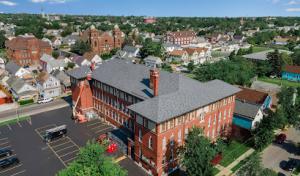
Even on primarily pitched homes in Depew, low-slope sections over porches, additions, and rear extensions can become the first place where ponding and membrane failure show up. These areas collect moisture longer, so ice damming and edge stress tend to start there before spreading to the rest of the roof. The subtle tilt that keeps water moving on the main roof doesn't reliably shed water on a flat or near-flat surface, especially when leaves, snow, and debris accumulate along the parapet and flashing. Expect these zones to demand closer eyes and more proactive attention than you give the main roof.
Snow retention and slow drainage are more problematic on low-slope sections in Western New York because freeze-thaw cycling can repeatedly stress seams and edge details. Each cycle can push a shingle or membrane seam a fraction of an inch, gradually widening gaps where heat escapes and ice can form. The result is a creeping edge leak that often first shows up at flashing junctures, corners, or around penetrations. Keeping these joints clean and ensuring proper edge detailing may save you from more extensive interior damage after a heavy snap or thaw.
These sections often age differently from the main shingle roof, so Depew homeowners should not assume one replacement schedule fits the whole roofline. A low-slope porch roof may look fine yet fail prematurely if the membrane is compromised or if drainage paths become blocked. When evaluating condition, inspect seams, edge boards, and fasteners at least once each winter season. A proactive approach-addressing membrane wear, improving drainage, and upgrading flashing details-can reduce the chance of a slow, unnoticeable failure that interrupts living spaces.
Find specialists in TPO, EPDM, and built-up flat roofing systems for residential and commercial properties.
Buffalo's Best Roofing Company
(716) 276-3673 www.buffalosbestroofing.com
Serving
4.9 from 564 reviews

In this market, the focus is on re-roofing rather than specialty new construction, so you'll most often be comparing contractors on tear-off experience, cleanup practices, and how they handle edge details like flashing and attic ventilation. Quick response matters because winter leaks and post-storm damage can require temporary protection before a full replacement is scheduled. Start by identifying a crew that can commit to a timely plan and a clear sequence from tear-off to finish.
When you call, ask for a project timeline that spells out each phase: mobilization, tear-off, deck inspection, underlayment installation, and final surface installation. Verify that the crew has documented procedures for securing your home during snow events and for protecting landscaping and exterior finishes. Demand concrete details on how they handle edge and chimney flashing, ventilation ties, and any necessary temporary measures if storms roll in between steps.
Choose a crew with a track record on similar housing stock and climate. Houses in this area endure lake-effect snow and freeze-thaw cycles, which punish roof edges and flashing. Favor contractors who can show recent local projects and provide references that can speak to how well the crew managed ice-dam risk, attic ventilation, and moisture control during winter months.
Because many firms compete on affordability, verify what is included in cleanup and what constitutes full scope coverage. Ask who finishes gutters, which penetrations get sealed, and how debris is removed from the property and yard. Confirm warranty terms on both materials and workmanship, and ensure the plan covers ice-dam mitigation measures during installation.
A practical plan includes a priority for rapid on-site assessment after a storm and a clear path to start work if leaks are detected. Confirm who you contact for updates, and establish a reasonable response window for urgent temporary protections if heavy snow or ice is forecast.