
Last updated: Apr 19, 2026
Ossining sits above the Hudson River on varied elevations, so roofs can see wind exposure and moisture patterns that differ between river-facing slopes and more sheltered inland blocks. That means the same roof line can experience both relentless surface drying and sudden cold pockets, with wind-driven spray during storms and lingering damp along eaves. The combination of wind, sun, and shade in these hillside blocks accelerates wear on flashing, underlayment, and decking in ways a flat lot simply won't. When spring thaws arrive, water has already followed a longer, more treacherous path from ridge to eave, and the risk of hidden damage climbs quickly.
The village's cold winters and repeated freeze-thaw cycles make ice dam formation and water backup at eaves a primary roof failure pattern. Ice builds up where heat leaks from living spaces melt snow on the upper roof while lower sections stay frozen. As meltwater refreezes at the overhang, it creates a dam that pushes water under shingles and into attic spaces, often without immediate signs on the exterior. In hillside homes, wind-blown moisture can reach roof edges sooner, aggravating dam formation on river-facing slopes. Expect occasional interior staining, warped sheathing, and softened ceiling spots after a heavy thaw or a brisk storm. The short window between freeze and melt is precisely when failure ripples into attic ventilation and decking problems.
Much of the housing stock predates modern ventilation and ice-barrier practices, so replacement projects often uncover decking, flashing, and ventilation upgrades rather than simple shingle swaps. You might encounter dry-rot on roof boards, rusted or inadequately sealed valley flashing, and inadequate roof ventilation that compounds ice-dam risk. On hillside homes, flashing at chimneys and dormers tends to suffer first, exposed corners see faster edge wear, and ridge vents can be overwhelmed by wind-driven moisture. When contractors peel back the old layers, expect a broader restoration: improved underlayment, enhanced attic intake and exhaust, more robust ice barrier placements at eaves and rakes, and upgraded step flashing where roof-to-wall joints have shifted over years.
Start with a comprehensive roof inspection focused on ice-dam prone areas: eaves, overhangs, valleys, and any spots where heat might escape from the home. Confirm that an ice-and-water shield is installed up the entire eave line and extend it a minimum distance up the roof deck beyond the likely ice dam zone; on hillside slopes, consider extending protection further toward valleys and along wind-exposed edges. Ensure proper ventilation in the attic: balanced soffit intake with adequate exhaust near the ridge, so attic temperatures stay closer to outside conditions in winter. Upgrade to corrosion-resistant flashing at all penetrations and ensure repetitive seams are fully sealed. If decking shows signs of saturation or damage, replace compromised boards and re-secure roofing felt with a continuous, layered approach rather than patching. Plan for improved ridge and venting details that prevent heat buildup, especially around dormers and chimneys that concentrate heat and moisture. Urgency matters: addressing these elements before a heavy melt or mid-winter thaw can stop water from entering living spaces and prevent costly interior damage.
DLM Roofing
(845) 327-7859 www.dlmroofing.com
2 Broad Ave, Ossining, New York
4.2 from 15 reviews
ROOFING REPAIRS. ROOFING LEAKS. ROOFING REPLACEMENT. FLAT ROOFING. EPDM ROOFING. RUBBER ROOFING. SHINGLES. GUTTERS' SERVICES
Miller Roofing
(914) 941-1647 www.millerroofinginc.com
88 Upper Croton Ave, Ossining, New York
5.0 from 3 reviews
Miller Roofing Provides Roofing, Siding and Gutter Service to the Ossining, NY Area.
Infinity Roofing
(845) 587-0193 infinityroofny.com
Serving
4.7 from 30 reviews
Infinity Roofing is a dedicated team of professionals with a passion for excellence in roofing and exterior services. With a decade of experience, we've established ourselves as a reliable and trusted name in Nanuet, NY. Our journey began with a vision to provide homeowners with top-tier roofing, gutter, and siding solutions that ensure both protection and aesthetics. What sets us apart is our commitment to quality, integrity, and customer satisfaction. We go above and beyond to understand your needs and provide tailored solutions that suit your preferences and budget. Our team consists of skilled craftsmen who take pride in their work, ensuring every project is completed to the highest industry standards.
Westchester Roofing Group
(914) 885-7400 westchesterroofing.com
Serving
4.9 from 117 reviews
With over two decades of dedicated service, we specialize in delivering roof and gutter solutions. Our comprehensive services include: Asphalt Shingle Roofs Flat Foam/Single Ply Roofs Metal & Copper Roofs Natural Slate Roofs Traditional Tile Roofs Wood Shake Roofing Chimney Copper Flashing Gutter Installation Gutter Maintenance Roof Heating Cables Built on solutions, experience, and excellence, we provide high-quality roofing services designed for durability and reliability. With expert craftsmanship and a commitment to excellence, we ensure every project meets the highest standards, delivering long-lasting protection for your home or business.
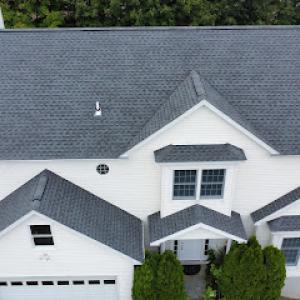
Elite Pro Roofing & Siding NY
Serving
4.9 from 77 reviews
Elite Pro Roofing & Siding NY is an established home improvement company in New Jersey, New York, & Connecticut specialized in roofing, siding, gutters, chimney, masonry & remodeling.Our team is dedicated to working closely with our customers to ensure a personalized experience that results in the perfect outcome: a home they love. When you work with us, you can expect efficiency, expertise and excellence in every job we do. From new residential roofing or commercial roof replacement to chimney repair and house remodeling, our staff will meet all your wants and needs. If you have a project, you’re ready to tackle, give our NY, NJ and CT team professionals a call to request a free no obligation consultation.
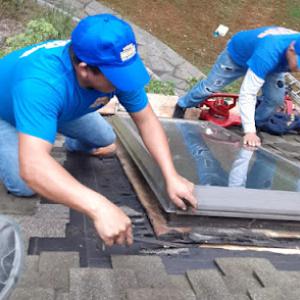
WMZ Contracting
(914) 490-4714 www.wmzcontracting.com
203 Upper Croton Ave, Ossining, New York
5.0 from 1 review
Service: Roofing, Vinyl and Wood Siding, Seamless Gutters, Chimney Flashing.

Tucek & Sons
Serving
4.6 from 31 reviews
Frank J. Tucek & Sons, Inc., specializes in all areas of roofing, siding, gutters and windows for residential and commercial sectors. We are fully licensed and insured and have been serving the community since 1914 with quality services and workmansh
King Quality Roofing & Siding
(914) 901-3910 www.kingquality.com
Serving
5.0 from 302 reviews
King Quality’s team of award-winning contractors has been transforming Westchester homes into castles fit for a king or queen. For over 35 years homeowners have trusted us for expert installation of roofing, siding and windows for your home. Serving Westchester County, King Quality installs industry-leading roofing, siding and window products to ensure your home looks beautiful and is protected against damage from bad weather. Get peace of mind for a lifetime with exceptional protection provided by quality products backed by lifetime warranties. We also offer low monthly payment options. King Quality's dedication to personalized service will make your experience exceptional.
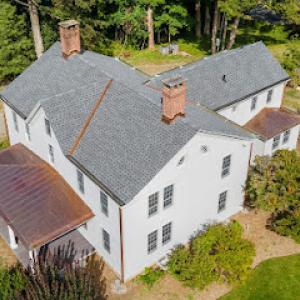
MCAS Roofing & Contracting
(914) 455-0976 mcasroofing.com
Serving
4.9 from 163 reviews
MCAS Roofing and Contracting is a licensed and insured, family owned roofing company serving Westchester, Putnam, and Rockland Counties since 1972. Homeowners choose MCAS for honest guidance, skilled workmanship, and roofs done right the first time. As a GAF Master Elite roofer, MCAS offers access to GAF’s strongest warranties, along with additional manufacturer certifications that allow the right warranty to match each roofing system. The team specializes in residential and commercial roof replacement and repair, chimney repair, skylights, and shingle, slate, flat, and custom metal roofing. No sales pressure. No shortcuts. Just quality work, fully warranted materials and labor, and safe, clean job sites. Request a Free Roof Inspection.
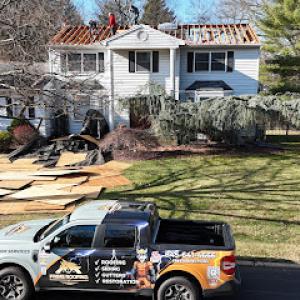
Prime Roofing
Serving
5.0 from 7 reviews
At Prime Roofing, we are a trusted roofing company in Rockland County and Westchester County, we offer affordable roofing solutions without compromising on quality. Our expertise includes flat roof installations, commercial roofing, slat roof installations, cedar shake roofing, storm damage restoration and metal roof installations. Whether you need a durable solution for your home or a reliable roof for your business, our skilled team ensures every project is completed with precision and care. Trust us to protect your property with the best roofing solutions available.
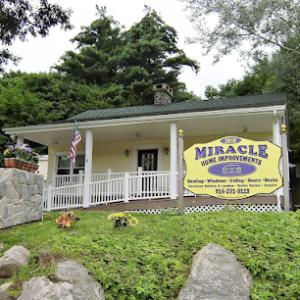
Miracle Home Improvements
(914) 271-9119 www.miraclehomeimprovements.com
Serving
4.9 from 108 reviews
Miracle Home Improvements, a locally owned family business thriving for over two decades, has mastered the art of perfecting home exteriors within Croton-on-Hudson and neighboring areas. Specializing in everything from roofing and siding installations to window replacements, gutter cleaning, and skylight installations, their dedicated team ensures meticulous attention to detail is provided in every project, delivering a truly personalized service and owner supervision on every job. With experienced in-house installation teams, you can rest easy knowing your home improvements are in the hands of expertise. Local services for roofing, roof repair, roof installation, siding, siding repair, & more for your home improvement. Book online or call.
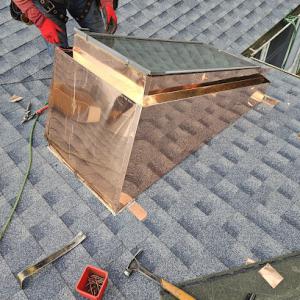
Papa & Sons Contracting
Serving
5.0 from 12 reviews
Roof, gutters and vinyl siding specialists. . Roof replacements & repairs Gutter installs and cleaning. Vinyl siding install and repairs.
Ossining sits along a Hudson River hillside where winter freeze-thaw cycles push moisture into attic and roof assemblies. That pattern makes leak prevention and ice dam control a higher priority than in flatter inland suburbs. The summer sun also takes a toll, especially on darker shingles, which can accelerate aging if attic ventilation isn't robust. Any roof decision should start with how well the attic is ventilated and how the roof line handles snow and ice on steeper slopes found in river villages around here.
Asphalt shingles fit much of Ossining's older single-family housing, and they remain a straightforward, cost-effective option for a traditional roof line. They perform reliably when paired with solid attic ventilation and proper insulation. In this climate, ensure the attic has a continuous baffle system to promote airflow from eave to peak, reducing condensation and helping the shingles resist ice dam formation. If the roof has significant sun exposure, choose a lighter color or a reflective shingle to minimize heat buildup that can speed aging. Regular attention to flashing around chimneys, vent stacks, and skylights remains essential to keep water out during the winter thaw and spring storms.
Metal roofing is relevant locally because snow shedding, durability, and lower maintenance appeal on steeper roofs common in Westchester river villages align well with resident needs. A metal roof can shed snow more predictably, reducing ice dam risk on a steeply pitched slope. It also tends to resist wind-driven rain and hail better than some asphalt systems. The key here is compatibility with your existing structure: verify that fasteners, underlayment, and ridge venting are designed for metal and for the region's freeze-thaw cycles. Since many Ossining homes lean toward steeper profiles, metal can be a natural fit, provided the roof deck and framing are evaluated for the added weight and the correct insulation to prevent condensation beneath the metal layer.
Clay tile and concrete tile appear in the market, along with wood shakes and synthetic products. Heavier systems can trigger structural review on older homes, so a careful assessment of the roof framing, attic space, and ceiling joists is warranted before proceeding. Cedar shakes, in particular, require close moisture management in this climate to avoid warping or mold when freeze-thaw cycles push moisture into the wood. If choosing these options, plan for a thorough ventilation strategy, moisture barriers, and potential changes to ridge and soffit ventilation to maintain interior drying potential during winter and shoulder seasons.
In this area, the best choice is the one that balances roof slope, attic ventilation, and long-term durability against freeze-thaw stress. On many older homes, a well-ventilated asphalt or metal system provides excellent performance with fewer structural changes. Heavier tile systems may deliver long life but require a structural review and careful moisture management to prevent issues tied to the climate. For each option, prioritize robust underlayment, proper flashing details, and a plan for proactive ice dam prevention.
Asphalt shingles sit at the lower end of the spectrum, typically 350 to 700 USD per square, while metal roofs run about 700 to 1200. If you're considering clay or concrete tile, expect roughly 1000 to 1800 or 900 to 1500 per square, respectively. Wood shingles or shakes tend to be 600 to 1000 per square, and synthetic or composite shingles land around 750 to 1200 per square. These ranges reflect the common options homeowners in this area choose for sloped roofs that face harsh winter moisture and exposure along the Hudson River hillside.
Costs in Ossining are often pushed up by tear-offs on older roofs, flashing work around chimneys, and access challenges on tighter village lots and sloped streets. If a roof has multiple layers to remove, or if the existing flashing shows wear, expect higher labor and disposal charges. Tight driveways, narrow alleys, and limited staging space can slow crews and increase time on site, which translates to higher daily rates. When a lift or crane is needed for tall or complicated sections, material and labor costs rise accordingly. Factor these realities into a preliminary budget so you're not surprised by the numbers once a pro starts peeling back asphalt or flashing around a chimney.
Mid-year replacement timing is favored locally because winter snow and spring moisture complicate scheduling. In contrast, peak-season demand can tighten contractor availability and push dates out longer. If you're weighing a replacement, aiming for late spring or early summer often yields a more favorable crew fit and steady progress, without the rush of peak July heat or late fall weather swings. Planning for mid-year start dates can help align with material stock cycles and local crew availability, reducing the risk of weather-driven delays.
Start with a rough materials choice that fits your budget, then reserve a few target dates in late spring or early summer. Ask for a written breakdown that itemizes tear-off fees, flashing work, and access-related charges so you can compare apples to apples across bids. If your current roof has multiple layers or complex chimney flashing, request a preliminary assessment that outlines tear-off scope and disposal needs. Finally, consider temporary protective steps for freeze-thaw periods if a replacement straddles shoulder seasons, to minimize moisture intrusion during the project.
Get a clear picture of your project costs upfront - no commitment required.
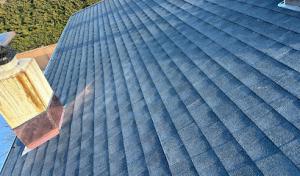
Cuenca Home Improvement
(845) 945-0473 www.roofingsidingcontractorny.com
Serving
5.0 from 35 reviews
Residential roof replacement requires a building permit through the Village of Ossining building department. Before any shingle removal or new roof material goes on, you need to file with the local office and have plans in hand. The department expects a complete picture: who is the contractor, the scope of the project, and detailed plans describing the roofing work, including venting, underlayment, and the proposed roofing material. Submitting these items accurately helps prevent delays once the project is underway, especially when winter's freeze-thaw cycle can complicate inspections.
The permit packet should clearly identify the contractor's contact information, the project address, and a written scope describing the roofing replacement in practical terms. Plans do not need to be overly ornate, but they should show roof dimensions, existing venting layouts, and any changes to attic ventilation, insulation, or ice-dam mitigation measures. In Ossining, the village expects that the chosen materials and installation method align with local climate realities-steady freezing temperatures, moisture migration, and the village's hillside exposure that affects water flow. Having these details in the application helps ensure the project complies with village code and frost-season requirements.
Inspections are conducted during and after installation. A primary goal is to confirm that roof replacement components meet safety and performance standards, especially around attic ventilation, decking condition, underlayment quality, and proper ice-dam protection strategies. A final inspection is used to verify compliance before the job is officially closed out. Prepare for the final walkthrough by ensuring all penetrations are flashed correctly, attic ventilation is balanced, and any new eave or rake detailing aligns with the house's slope and drainage pattern. If issues arise, addressing them promptly minimizes re-inspection time.
Coordinate scheduling with the village early, since winter weather can affect access and safety checks on a steep hillside. Have the permit number, contractor license details, and project scope ready for inspectors to streamline each visit. Keep a ready-to-compare set of plans on-site, including any changes to venting or insulation that impact freeze-thaw performance. For homes showing older roofing substrates, request guidance from the inspector about underlayment choices and ice-dam mitigation that fit Ossining's winter profile.
Spring rains in Ossining bring sharp temperature swings that can reopen weak flashing and seal failures after winter stress. A roof that seemed solid through February can start leaking as soon as temperatures bounce and moisture moves around joints, especially where chimneys, skylights, and dormers meet the deck. That hillside exposure and river humidity can push water into attic spaces and travel along rafters toward plaster ceilings if the membrane stayed compromised through the cold months. Monitor eaves, interior corners, and around chimney intersections closely after the first heavy storm.
Local contractor signals show emergency repair and storm damage work are common, indicating homeowners frequently need leak response rather than only planned replacements. If water appears inside within 24 to 48 hours after a storm, prioritize quick assessment. Moisture can move from a roof leak into attic framing, then into plaster ceilings, and along wall joints near chimneys, creating more extensive damage than the surface leak suggests. In older homes with sloped roofs, the first priority is stopping the intrusion and drying the affected framing before mold or rot takes hold.
Act fast: if you spot staining, listen for dripping, or notice frost-free icicles turned soft and leaking, set up a temporary protective measure to slow infiltration. Safely access the attic to check for moisture trails, damaged flashing, or any pooling near chimneys and vents. Document damage with photos and contact a local roofer who can perform emergency tarp work, seal exposed joints, and prioritize leak containment. Communicate exactly where water is entering and how it travels so the repair can be targeted quickly and the risk to attic framing and plaster ceilings is minimized.
Find local contractors experienced in assessing and restoring roofs after hail, wind, and severe weather events.

Chimney-related work is especially relevant for older homes that line the hillsides around the river, where masonry chimneys can create recurring flashing and counterflashing leak points. In this neighborhood, slight shifts from freeze-thaw cycles tend to reveal itself first at roof penetrations, where mortar joints and flashings are aging or poorly sealed. When a chimney stacks up against a steeply pitched roof, the risk of ice dam seepage climbs quickly if the flashing isn't continuous and the counterflashing isn't properly integrated with the siding and roofing. A cautious eye on these corners can prevent cascading leaks that travel down through ceilings and into living spaces.
Skylight service is a meaningful local specialty, because freeze-thaw movement and seal aging often show up first around roof penetrations. Skylights in Ossining homes frequently sit on mid-slope pitches or at transitions between roof planes, where foam tapes or butyl seals can fail after a few harsh winters. Regular inspection of around-the-flange sealant, the curb, and drain paths is essential. If condensation or frost forms along the interior edge during cold snaps, don't delay addressing the seal; a small defect here can become a stubborn leak that travels along the rafters and into bedrooms or hallways before it's noticed.
Flat and low-slope roofing is also active in this market, reflecting porches, additions, and mixed rooflines common on older homes rather than only fully flat buildings. Low-slope sections demand careful attention to drainage, edge detailing, and valley transitions. Ice and water shield should extend properly up the walls at transitions and around penetrations, and any old ballast or gravel piles should be removed to prevent pooling. When a porch or addition adds to the roof's footprint, ensure flashing knots are compatible with existing materials and that deck-like areas above living spaces shed water promptly rather than backing it up into the structure.
Find contractors experienced in skylight installation, flashing, and leak repairs to bring natural light into your home.
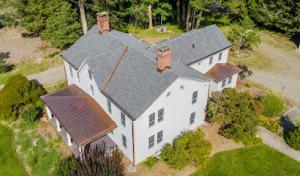
New York insurers commonly ask you for roof age, material type, installation method, and photo documentation when underwriting or renewing coverage. In Ossining's older housing stock, that documentation often comes up at renewal rather than purchase, and a detailed timeline of upgrades can prevent surprises. If a policy is up for renewal after a harsh winter or a heavy fall storm, the insurer will want to see how the roof has performed and how it was installed to minimize future claims friction.
After weather events, adjusters may request a pre-inspection report and detailed photos, so documentation before leaks worsen is especially important. Your attic and roof-line photos should capture flashings, valley intersections, and any repairs you've made. Keep a dated folder of every service note, contractor contact, and material tag. In Ossining, where the mix of steep slopes and freeze-thaw cycles accelerates wear, this evidence helps prove that damage isn't pre-existing or due to improper maintenance.
Coverage terms can shift at renewal after major regional weather losses, making roof condition and proof of compliant installation more important in Westchester than a simple verbal contractor assessment. A history of consistent maintenance, confirmed by receipts and contractor certifications, can reduce friction when insurers review your file. If a claim is necessary, having a prepared narrative of the roof's age, materials, and installation method supports faster processing and clearer outcomes.