
Last updated: Apr 19, 2026
Monsey homeowners deal with cold winters that create freeze-thaw cycling, a major driver of shingle wear, flashing movement, and recurring leak points. Water seeps into tiny gaps when temperatures swing above and below freezing, then refreezes at night, prying shingles and flashing apart. Over a season, this accelerates edge damage, loosens nails, and creates hidden channels for leaks that only show up after a thaw or a heavy storm. In neighborhoods with steep slopes and mixed low-slope sections, the vulnerable transitions-the ridge caps, vent pipes, chimney valleys, and where two roof planes meet-are especially prone to ice-related movement. The result is a cascade of vulnerable spots that can fail quietly until a mid-winter rainstorm pushes a curtain of water into the attic or onto ceilings.
Winter storms in the Monsey area bring both snow load and ice buildup, which can worsen roof condition and delay active repair scheduling. Heavy, compacted snow can press against eaves and overhangs, loading gutters and fascia beyond their design, while ice damming forms along the lower edge of the roof. When meltwater cannot drain freely, it backs up under shingles, flashing, and underlayment, finding paths toward interior ceilings and walls. This is a particularly urgent concern on homes with partial flat or low-slope sections where drainage is slower and snow accumulates in corners and valleys. The risk increases after storms that leave prolonged ice sheets along roof edges, because the same ice acts like a dam that forces water back under the roofing system. Expect delayed repair scheduling to translate into longer exposure to active leaks and greater interior damage, especially if attic ventilation is inadequate or insulation is thin.
Because local replacement work is commonly pushed into late spring through early fall, emergency stabilization during winter is especially relevant in this market. Stabilization means preventing further water intrusion and halting ice buildup that can drive deeper damage. Immediate measures include tarping vulnerable roof sections during a storm to reduce water ingress, sealing obvious gaps around penetrations, and securing loose flashing that can lift with wind or shifting snow. Keep clear access to attic spaces so moisture can be vented and monitored during a thaw. When ice dams form, do not chisel them aggressively; disturbing a thick dam can push water under shingles. Instead, use a roof rake from the ground to remove fresh snow, and apply de-icing products only where appropriate and safe. If a leak is detected, address it with temporary fasteners or sealants that are designed for exterior use, and arrange for professional assessment as soon as conditions permit.
If you notice damp spots on ceilings after a thaw or snow melt, or you hear water dripping in the attic, contact a roofing professional who understands Monsey's climate. A local roofer will assess ice dam risk, ventilation, insulation gaps, and flashing integrity, prioritizing prevention of further interior damage. Expect a thorough inspection of roof-to-attic connections: valleys, step and toe-nail flashing, vent flashings, and chimney transitions. The goal is to establish a plan that reduces active leaks now and minimizes freeze-thaw damage later. In winter, scheduling may be constrained by weather and access; insist on a stabilization plan that secures vulnerable areas, keeps interior spaces dry, and documents all observed damage for a clear path to permanent repair when weather improves.
Keep gutters clear of ice and debris so meltwater can drain away from the eaves, reducing dam risk. Improve attic ventilation near soffits and ridge lines to balance temperatures and slow condensation that can contribute to ice buildup on the roof deck. Inspect for missing or loose shingles, especially along eaves, valleys, and around penetrations, and address any gaps promptly with temporary protection if a full repair is not yet possible. If you have a standing- or low-slope section, ensure that beneath the roofing there is adequate insulation to minimize heat transfer that feeds ice dam formation. Finally, document repeated leak points with photos so the next inspection can quickly pinpoint recurring failures and prioritize the most vulnerable areas for winter stabilization.
In this area, roof claims after wind or storm events are common enough that adjuster site visits and detailed contractor estimates are a routine part of the process. That means when a storm hits, a prompt, well-documented response matters. Shingle blow-offs, talus of granules in gutters, lifted flashing, and shingled valleys are not just cosmetic issues; they can become pathways for leaks once winter returns. Winters in this climate amplify unaddressed damage, so the window between storm and repair should not be treated as optional time.
New York insurers serving this area generally expect documentation of roof age and condition, so Monsey homeowners benefit from keeping installation records and dated photos before damage occurs. A simple folder of receipts, material specs, and contractor notes will help when a claim is filed after a wind event or freeze-thaw cycle. If shingle tabs are curling or neighbors report similar issues on their homes, having a dated photo trail showing the roof's baseline condition can streamline conversations with adjusters and prevent misinterpretations about preexisting wear. In practice, a quick routine of seasonal photo updates and saved product literature pays dividends if a claim is needed later.
Some carriers have tightened underwriting in parts of the New York market, which can affect how older roofs in Monsey are evaluated for renewal, replacement cost, or claim scrutiny. The result is that an aging roof may face closer inspection, higher scrutiny of wear patterns, or more conservative depreciation notes during a claim review. That reality underscores the importance of honest, proactive maintenance records and candid discussions with any contractor about the roof's true condition prior to a storm. When a severe weather event occurs, being able to demonstrate a well-maintained history can influence how quickly a claim moves from evaluation to repair.
Keep a durable, organized file of roof-related documents: purchase receipts, installation dates, warranty terms, and contractor notes. Photograph the roof twice a year from multiple angles, especially after storms, and store the images with timestamps. If damage is spotted after a wind event, contact a licensed roofer promptly for a written assessment and an itemized estimate that clearly differentiates existing wear from new storm damage. A cautious approach that pairs prompt inspection with solid documentation helps protect claim outcomes and keeps the repair process on track through the long winter season.
Connect with contractors who help homeowners navigate the claims process from damage assessment to final approval.

Gomez Construction & Roofing
(914) 906-0845 www.gomezconstructioninc.com
Serving
4.8 from 31 reviews
Segelman Shaw Roofing, Siding & Gutters
(845) 364-8200 www.letsroof.com
Serving
5.0 from 73 reviews
Segelman Shaw Roofing, Siding & Gutters is Rockland County’s trusted local roofing contractor since 1998. We specialize in roof repair, roof replacement, siding installation, gutter cleaning, gutter repair, skylight repair, and chimney services. Our team has installed hundreds of new roofs and completed thousands of roof repairs across Rockland County and surrounding New York areas. Whether you need an emergency roof fix, a full siding replacement, or seasonal gutter maintenance, our experienced professionals deliver quality workmanship that protects your home year-round. We’re known for reliable service, honest pricing, and long-lasting results. Speak to one of our home exterior services professionals today!

Emerald Roofing & Siding
(845) 377-5255 emeraldroofingusa.com
Serving
5.0 from 263 reviews
Emerald Roofing and Siding has been serving Rockland County and the entire state of new jersey for years with one goal in mind; to provide superior customer service and the highest level of quality workmanship. Emerald Roofing has been providing custom options and solutions to fit any style and budget. From residential and commercial roofing systems to siding, gutters and more. From new construction to repairs, re-roofs and exterior maintenance. Emerald Roofing and Siding is here to work with you!

JCL Home Improvement 2
(845) 608-3620 www.jclhomeimprovement2inc.com
Serving
5.0 from 24 reviews
JCL Home Improvement 2 Inc was built with the commitment to ensure cost-effectiveness and high-quality in every home improvement project we are hired to work on for the community of Spring Valley, NY, and the surrounding areas. Our company was founded under the great values of: Professionalism Commitment Diligence Cost-Effectiveness Contact our team today and get a free estimate for any of the services that we offer. We are more than ready to start working on your projects, our goal is to exceed your expectations and always provide you with the best quality. Contact our professional and reliable company today to save time and money on your upcoming home improvement project!
A & J Reliable
Serving
4.9 from 255 reviews
At A & J Reliable we have some of the best and most experienced roofing specialists in New York, New Jersey and Connecticut. From the design phase to the installation phase, all of our team members work together in a spirit of collaboration to tackle all the challenges of your construction project. We are highly trained in all aspects of our business – commercial roofing and residential roofing; from gutter cleaning to installing rubber roofing. We are knowledgeable about our products, and installed products such as Gutter Topper and Deck Bottom USA, and are professional in our approach.

Power Exteriors
(914) 506-2545 powerexteriorscorp.com
Serving
5.0 from 25 reviews
Power Exteriors . When it comes to protecting your home from Rockland county, Orange county, and Westchester County, you can trust we have the expertise. Our strategically sized operation enables us to give you the personal relationship you deserve and the quality workmanship that you require. Power Exteriors, specializes in commercial & residential, roofing, Siding, Windows, Seamless gutters, Skylights, and more. From our initial visit we will always give you an honest opinion
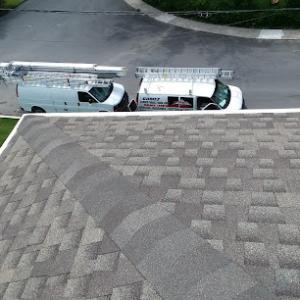
Gomez Construction & Roofing
(914) 906-0845 www.gomezconstructioninc.com
Serving
4.8 from 31 reviews
When you’re looking for top quality roofing & remodeling services, Gomez construction inc ,is here to help. Our team of professionals is available to provide a wide range of customizable options, all guaranteed to meet and exceed expectations. Contact our office today to learn more about this and our other available services. From start to finish, our team will work with you to ensure your satisfaction every step of the way. offers an array of services for your home renovation needs. From kitchen and bathroom renovations to whole-house makeovers – we have you covered! Our experts do all work with years of experience in all types of projects, including quality brands.
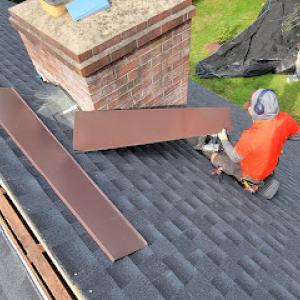
Muicela's Roofing
(845) 290-7219 muicelasroofing.com
Serving
5.0 from 18 reviews
Muicela's Roofing is your trusted partner for all your roofing needs, serving homeowners with high-quality roofing solutions. We specialize in roof installations, repairs, and maintenance, ensuring your home is protected with durable and reliable materials. In addition to our expert roofing services, we offer professional gutter installations and chimney repairs, keeping your home safe from top to bottom. Our skilled team is committed to doing every job the right way, delivering exceptional workmanship and customer satisfaction. At Muicela's Roofing, we treat every home as if it were our own. Contact us today for a free quote and experience roofing done right.
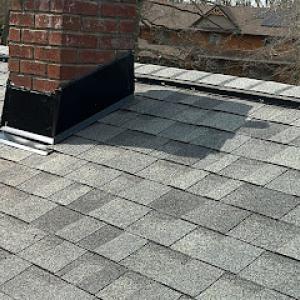
Impact General Construction
(845) 494-2399 impactgeneralconstruction.com
Serving
5.0 from 20 reviews
Our company's goal is to do the project correctly and provide a seamless procedure between our customers and contractors. We take great pride in each job we work on and hope to make a lasting impression on your house.
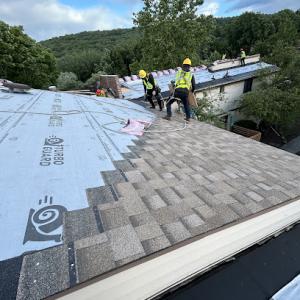
Approved Contractors
(845) 671-6692 www.approvedcontractorsny.com
Serving
5.0 from 114 reviews
Approved Contractors, Inc. has been successfully improving residential and commercial properties in Rockland County, Orange County, Westchester County, and the Hudson Valley for many years. We have been supplying the highest quality residential and commercial roof replacements, roof repair, siding, and gutter systems. Our team is committed to achieving the highest standards in the industry. Contact Approved Contractors, Inc. for all your roofing needs. We offer free, no-obligation consultations for roof repairs, new roof installations, siding, and gutter systems. Contact us for an honest assessment of your property’s needs.
Geo Roofing & Exterior
Serving
4.1 from 13 reviews
Reparación de roofing Reparación de siding Instalación Demolition Flat roof EPDM Limpieza de canaletas Windows
Cuenca Home Improvement
(845) 945-0473 www.roofingsidingcontractorny.com
Serving
5.0 from 35 reviews
Cuenca Roofing & Siding Reliable and Affordable Roofing Solutions! We specialize in residential and commercial roofing services, including repairs, installations, inspections, and maintenance. Our team uses top-quality materials and expert craftsmanship to protect your property from the elements. Whether you need a new roof, emergency repairs, or regular upkeep, we’ve got you covered. Contact us today for a free estimate! Serving New York and surrounding areas.

Rockland Roofing
(845) 203-4231 roofinginrockland.com
Serving
5.0 from 23 reviews
Rockland Roofing is a roofing contractor servicing Rockland County including New City, Spring Valley, Stony Point, Suffern, Nyack, West Nyack and Pearl River. Trusted since 1998, we have repaired and installed thousands of roofs. We pride ourselves on honest pricing, transparent communication and going the extra mile on every project. Additionally, we have affordable annual maintenance packages that include gutter cleaning, clean roof of debris, roof and chimney inspections, minor repairs to your gutter system and more! Call your Rockland roofing company TODAY to get your roof repaired or speak to one of our experts about a new installation.
In this neighborhood, rooftops aren't a one-material story. The dominant mix includes asphalt shingles, metal roofing, clay tile, concrete tile, wood shingles or shakes, and synthetic or composite shingles. That variety reflects a broad spectrum of house styles-from steep-sloped ridge lines to gentler low-slope sections-and a readiness to handle heavy wet snows and sharp temperature shifts. When you're planning a upgrade or a repair, treat it as a system choice rather than a single-surface decision. Factor in how the current roof composition interacts with attic ventilation, underlayment, and flashing details that tie the entire roof together.
Winter cycles are the real test. Freeze-thaw conditions are especially relevant for brittle or heavy systems because repeated winter cycling can expose underlayment, flashing, and fastening weaknesses over time. If a home is mostly steep-slope asphalt or synthetic shingles, look for granular loss, curling edges, or loose fasteners after thaw cycles. Clay and concrete tile bring their own stress: freeze-thaw can cause individual tiles to crack while heavy snow adds weight that tests fasteners and eave overhangs. Wood shingles and shakes respond differently again, losing moisture balance and potentially warping if ventilation isn't balanced. A keen eye after storms helps you decide whether to reseal flashing, replace a few damaged tiles, or re-saddle valleys before more water penetrates.
Warm summers in Monsey also matter for material movement and installation pace, especially on darker roofs and metal systems that expand in heat. Dark asphalt or synthetic shingles absorb more heat, which can accelerate aging edges and accelerate thermal cycling. Metal roofs expand and contract noticeably with temperature swings, so installation must account for adequate fastener clearance and panel spacing. Clay and concrete tiles, while heavier, respond to heat with expansion too, demanding precise bedding and adequate support structure to avoid micro-movement that invites cracking or mortar failure at ridges and hips. Wood shingles can dry out in heat, changing bite and nailing patterns if fasteners aren't set with proper sink depth. Plan for a careful, staged installation that respects these movement patterns so fasteners stay secure through seasons.
Your choice should align with both the home's architectural language and Monsey's climate realities. A steep-slope clay tile home benefits from excellent longevity and snow shedding, but requires a robust support frame and careful installation to handle freeze-thaw cycles. A modern asphalt or synthetic roof can offer rapid water shedding and easier maintenance in deeper snow but must be checked regularly for granule loss and sealant integrity around flashings. If the roof blends wood elements with heavy overhangs, ensure venting and moisture management support a long-term balance between drying cycles and winter moisture control. In every case, coordinate the material with a resilient underlayment, proper flashing details, and a ventilation strategy that keeps cold-season moisture out of the attic.
In Monsey, the local contractor market shows meaningful demand for flat-roof work, indicating that many homes or additions here include low-slope sections that age differently from the main pitched roof. The biggest risk in winter is ice damming and slow drainage, which turn small roof edge issues into interior leaks after a freeze-thaw cycle. When evaluating a flat section, start with a careful surface assessment: look for ponding spots, surface blistering, and any blunted edges where water can collect. If a low spot exists, address it with a proper slope correction or a compatible membrane system that can handle the local snow load without cracking. Pay attention to joints and terminations at parapets, transitions to steeper pitches, and valley areas where debris can trap meltwater. In cold weather, even small membrane seams can become leak paths; ensure all seams are heat-welded or properly sealed with materials rated for freeze-thaw cycles. When planning a repair, coordinate with the existing main roof system so that flashing, detailing, and drainage converge smoothly rather than fighting two separate systems. The goal is a unified surface that sheds snow and melts water efficiently through the winter months.
Skylight-related roofing work is notably active in this market, making curb flashing and surrounding leak diagnosis a recurring Monsey homeowner concern. Start with a tight curb install and verify that flashing boots extend correctly around the skylight perimeter. In winter, temperature swings contract and expand flashing, so look for hairline gaps around fasteners and corners. If the skylight is old or the surrounding shingles have deteriorated, consider re-flashing the curb with a compatible material and replacing compromised shingles in a two-step sequence to avoid creating a leak path during rework. For leak diagnosis, trace water intrusion to the skylight edge first, then work outward to adjacent flashing. Keep penetrations tidy and sealant choices compatible with cold weather exposure, ensuring a durable seal that won't crack with repeated freeze-thaw cycles.
Chimney work is also highly prevalent among local contractors, which points to flashing intersections as a common repair focus on Monsey homes. Inspect the chimney chase and brick or stone veneer for cracks that admit water. Flashing where the chimney meets the roof must shed water away from the joint; if you see rusted or loose flashing, plan a careful reseal or replacement. Pay special attention to step flashing along the intersection and to any mortar deterioration that can expose metal to moisture. In winter, accumulated snow around the chimney cap can back up moisture into the flashing, so ensure the cap and cricket (if present) direct flow away from the roof plane. When replacing flashing, match materials to the existing roof surface to minimize differential movement and ice dam development at the chimney line.
Find specialists in TPO, EPDM, and built-up flat roofing systems for residential and commercial properties.

In this area, a full roof replacement typically requires a building permit through the local building department. The process is handled by the Ramapo- area authorities that oversee Monsey projects, and the permit path is not something to skip or shortcut. Start with the local department early in the planning stage, and make sure the scope of work is clearly defined on the permit application. A straightforward replacement, with standard slope and materials, generally follows the expected sequence, but unusual design features or nonstandard roof geometry can trigger additional review steps.
Applicants do not rely on informal approvals; submissions go directly to the local department for formal review. The department will typically require basic project details plus any necessary drawings or specifications for the chosen roofing system. Inspections are scheduled during the work and again after completion, rather than handled on a casual, drop-in basis. Planning around the inspection calendar helps avoid delays, especially during cold snaps when weather windows are tight. If a contractor proposes deviations from the approved plan, the authority may request revisions or clarifications before continuing.
The permit is expected to be visible on site. A clearly posted permit card or documentation near the work area signals compliance and expedites any on-site checks. In Monsey, where storm events and freeze-thaw cycles can stress roofs quickly, visibility of the permit helps inspectors verify that the project aligns with Ramapo's standards for safety and energy efficiency. If a roof layout is particularly complex-such as multiple low-slope transitions, dormers, or unusual ridge configurations-closer departmental scrutiny can occur. Having labeled plans or a one-page summary on site can smooth the review process and reduce the chance of rework.
Winter conditions heighten the importance of timely permit and inspection alignment. Schedule inspections with the department so that weather delays do not push critical steps into hazardous freeze-thaw periods. If winter storms create access challenges, coordinate with the permit office and the contractor to adjust timelines without compromising compliance. The goal is to keep the project moving while maintaining a clear trail of documentation that the local authority can verify at every stage.
Keep a copy of the approved plan and permit on the job site, along with contact information for the local building inspector. Before bidding, ask contractors how they handle permit notices, plan reviews, and post-work inspections, and request a written checklist aligned with Ramapo's expectations. On completion, ensure the final inspection report and any required approving signatures are stored with other home records for easy reference during future maintenance or potential storm-related reviews.
Winter freeze-thaw cycles and snow buildup are part of the local rhythm, and late-winter or early-spring rush for replacement work can tighten crews for a few weeks. When a leak or storm damage pushes a replacement into late spring through early fall, you may see prices edge up as demand climbs and crews juggle schedules. Local pricing ranges run from about 350 to 650 USD per square for asphalt shingles, 700 to 1100 for metal, 900 to 1600 for clay tile, 950 to 1500 for concrete tile, 800 to 1200 for wood shingles or shakes, and 500 to 900 for synthetic or composite shingles. Material choice plus roof complexity, accessibility, and weather windows all shape final totals.
Asphalt shingles remain common and budget-friendly, but in the Ramapo-adjacent climate, the short-term savings can become longer-term repairs if wind-driven debris or ice damming hits a low-slope section. Metal holds up well against freeze-thaw cycles and heavy snow but comes with higher upfront costs. Clay and concrete tiles bring durability and a distinct look, yet their weight and installation stakes often require structural checks and careful scheduling. Wood shingles or shakes offer classic character but demand regular maintenance in winter moisture. Synthetic or composite shingles blend resilience with cost efficiency, making them a practical middle ground for many Monsey homes.
Preparation matters: expect longer timelines if the roof layout is unusual or if you're coordinating multiple trades for insulation, ventilation, or attic access. In practice, a straightforward replacement with standard slope and accessible eaves tends to stay closer to the lower end of the price ranges, while steeper pitches, complex layouts, or second-story entries push costs higher. If timing is flexible, targeting a non-peak window can help secure preferred crews and reduce soft costs associated with rush scheduling.
Think through expected winter damage patterns and how quickly a leak might worsen with a fresh onset cold snap. Build a budget that allows for weather-related delays, potential extra materials for a tricky ridge or vent situation, and a contingency for stone ballast or underlayment upgrades if needed. A solid plan aligns material choice with Monsey's winter realities, balancing upfront investment against long-term performance in a climate defined by freeze-thaw cycles.
Get a clear picture of your project costs upfront - no commitment required.
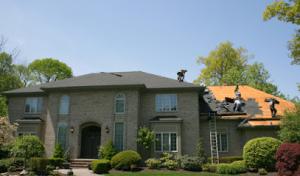
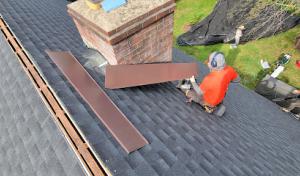
You're dealing with a winter climate that loves to test roofs with freeze-thaw cycles and sudden storms. In Ramapo oversight areas, projects tend to drift toward late spring through early fall, because cold-weather conditions make installation quality and scheduling more unpredictable. If you start too early in the year, you risk moisture exposure during the tear-off and dry-in phases, which can back traffic and shade scheduling windows. That means planning around the coldest, wettest months helps keep gaps tight and work days productive.
Spring in this area brings persistent rain and repeated thaw cycles, so moisture management becomes the main bottleneck. Tear-off crews need solid dry days to prevent shingles from lifting and to keep underlayment from buckling. Dry-in windows-when shingles are fully secured and the roof is weather-tight-are shorter than homeowners expect, and rain events can push them back. If you're coordinating a replacement, expect some days to shift due to muddy access and the need to protect interior spaces from winter-driven moisture that lingers in soffits and valleys.
Autumn leaf litter is a practical local issue during replacement because debris management becomes harder as gutters, valleys, and staging areas collect falling leaves. You'll want to establish a robust cleanup plan that includes frequent debris removal and protection of attic vents and chimney areas from leaf-blocked drainage. Scheduling should anticipate shorter daylight periods and the need to wrap up before early winter storms, so align crew shifts with clear, dry forecasts and keep staging zones free of leaf piles that can hide hazards or cause trips.
Aim to install when temperatures are moderate and forecasts show several dry days in a row. Prioritize roof areas with the highest water exposure first, then complete accessory work like vents and flashing while the weather remains favorable. Build in buffer days for unexpected spring or fall rain events, and coordinate with gutters and landscaping to minimize backtracking.
In this market, the proof you retain at project closeout matters almost as much as the work itself. Because Rockland County insurers often ask for roof age and condition records, you should prioritize before-and-after photos, permit paperwork, and material documentation. Keep a clear, dated log of any repairs, notable flaws found, and what was done to address them. That pile should travel with the home's records so you're not scrambling after a storm when a claim arrives.
Warranty discussions matter locally because insurer scrutiny and storm claims can make proof of installation date and product type more important than in a low-claim market. When you select shingles or panels, insist on a clearly written warranty that lists the exact start date, scope of coverage, and transferability. Have the installer stamp and sign a simple statement confirming the product type installed and the year, and store this with your property files. If a claim arises after harsh weather, your documentation will be weighed alongside the warranty terms, and the difference between a smooth process and a headache can hinge on those details.
Cleanup is a major hiring priority in Monsey's contractor market, so disposal plans and site protection should be treated as part of the scope rather than an afterthought. Ensure the project contract specifies daily cleanup expectations, protection of landscaping and driveways, and proper disposal of old roofing material. A reputable crew will stage anchors and tarps to prevent snow or ice from creating new hazards during winter. After the job, verify that all debris is removed, metal cuttings are accounted for, and any protective membranes are removed to avoid later maintenance surprises.