Last updated: Apr 19, 2026
In this mountain-adjacent corner of Rockland County, cold-air drainage and shaded roof planes keep snow and ice hanging around longer than in open, lower-elevation neighborhoods. The strong freeze-thaw swings that come with the humid continental winter hammer flashing, sealants, and individual shingle tabs, not just a single heavy snow load. That means a roof can look solid after a storm, then leak weeks later as a tiny crack reopens with daily temperature swings. Homes in the village center often stack complex rooflines, dormers, and chimneys, and many suffer uneven attic insulation. That mix raises ice-dam risk precisely where people notice it most-at eaves and around penetrations.
Snow that sits on a shaded, cool roof may remain frozen and heavy for days. When daytime sun or a warm attic pushes the roof surface just above freezing, the snow at the top melts and water runs toward the colder eaves. If heat leaks from the attic or around chimneys and dormers, the meltwater refreezes at the overhang, forming an ice dam. The dam then blocks drainage, causing water to back up under shingles and behind flashing. In Suffern, this cycle repeats year after year, stressing sealants, flashing joints, and even sturdy shingle tabs. The effect is incremental deterioration-small leaks that show up only after a few thaws, not a single dramatic storm event.
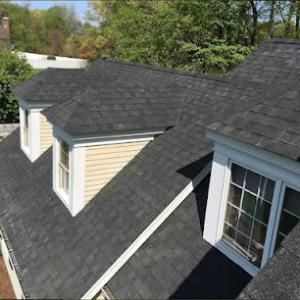
Older houses in and around the village center frequently combine irregular rooflines with multiple penetrations-chimneys, dormers, eyebrow vents, and skylights-in surfaces that may not have been perfectly aligned with modern ventilation schemes. Uneven attic insulation is a frequent culprit: warm pockets drift toward eaves through soffits or around poorly sealed penetrations, while other zones stay unusually cold. Those conditions keep sections of the roof warmer than others, creating hot spots that accelerate aging of sealants and allow ice to form irregularly along eave lines. When snow sits on a dormer or chimney flashing, meltwater has extra places to get trapped, increasing the chance of leaks inside the attic and ceiling. This is not a one-time worry-for many houses, it becomes a seasonal pattern.
Begin with a focused attic check. Look for uneven insulation, obvious gaps around penetrations, and any signs of heat leaks into the attic from living spaces. Seal leaks around chimneys, attic hatches, and around dormer-to-roof junctures where warm air can escape. Improve attic insulation where it's thinnest, aiming for consistent coverage across all roof zones, especially near eaves and overhangs. Ensure soffit vents are clear and that roof vents and exhausts aren't blocked by insulation or debris. If you have dormers, check the flashing where they meet the roof for gaps or corrosion, and consider reinforcing with appropriate sealants or flashing materials. A tidy, well-ventilated attic reduces the warm roof patches that feed ice-dam formation.
During winter, keep pathways safe and reduce risk by removing snow from overhangs where feasible, using a roof rake from ground level. If ice damming appears or leaks begin to show inside, address the problem promptly rather than letting it linger. Water intrusion behind flashing or under shingles can escalate quickly, and delayed action often means more extensive repairs down the line. When in doubt about flashing integrity or sealing around complex roof areas, consult a trusted local professional who understands the specific quirks of Suffern's heating patterns and older housing stock.
When you can't wait, these contractors offer fast response times to stop leaks and prevent further damage.
Segelman Shaw Roofing, Siding & Gutters
(845) 364-8200 www.letsroof.com
1 Executive Blvd Unit 105B, Suffern, New York
5.0 from 73 reviews
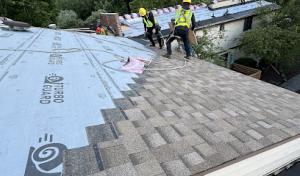
Spring and fall rainstorms are a meaningful local scheduling issue in Suffern, where active leak calls often compete with planned replacements during the same weather windows. The narrow window between stubborn winter cold and early summer warmth can push projects into tight timelines, leaving homes vulnerable to sudden leaks as storms roll through. If a roof has any lingering ice dam remnants or compromised flashing from winter, a spring system can push moisture further into attic spaces and decking before a contractor can swing a full replacement. Plan for rapid response when a storm hits and be prepared to prioritize urgent fixes that prevent longer-term damage.
Because this village is dense, with mature trees and closely spaced homes, wind-driven rain and branch impact can create localized damage that is easy to miss from the ground. A gusty afternoon can push rain sideways under shingles, around chimney flashing, or along vent collars, and a single compromised seam can drip into multiple channels. The result is a mosaic of tiny leaks that add up quickly if not addressed. Regular roof line checks after a heavy wind or storm are essential, especially on older structures where flashing and nail seals may have aged. Don't rely on a single tell-tale drip-inspect the attic for elevated humidity or damp decking after a storm, even if the exterior looks intact.
Quick temporary dry-in matters locally because repeated wetting during humid warm periods can worsen decking and attic moisture before a full replacement slot opens. A fast barrier-temporary roofing cement, emergency tarps, or boot-and-flashing seals-can buy time between storms and the scheduled full repair. The goal is to keep water off the attic floor, out of insulation, and away from electrical conduits. If you notice active dripping after a rain, identify the highest source possible and seal around flashing or penetrations only as a stopgap, then arrange a professional assessment within 24 to 48 hours. Delays longer than that invite wood rot, mold growth, and higher repair costs down the line.
Act quickly when a storm front approaches. Trim overhanging branches that could strike the roof during windy rain events, and clear gutters to prevent backup from ice-prone eaves. After a storm, document the leakage with photos and note locations of drips, then schedule an emergency inspection if moisture penetrates into the attic or reveals staining on drywall. In Suffern's climate, a proactive stance-addressing flashing, nail pops, and shingle lift promptly-saves both comfort and structural integrity when the next spring storm arrives.
Find local contractors experienced in assessing and restoring roofs after hail, wind, and severe weather events.
Segelman Shaw Roofing, Siding & Gutters
(845) 364-8200 www.letsroof.com
1 Executive Blvd Unit 105B, Suffern, New York
5.0 from 73 reviews
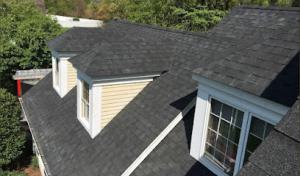
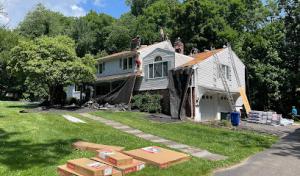
The Great American Roofing Company
(201) 825-2955 thegreatamericanroofer.com
Serving
4.9 from 150 reviews
Segelman Shaw Roofing, Siding & Gutters
(845) 364-8200 www.letsroof.com
1 Executive Blvd Unit 105B, Suffern, New York
5.0 from 73 reviews
Segelman Shaw Roofing, Siding & Gutters is Rockland County’s trusted local roofing contractor since 1998. We specialize in roof repair, roof replacement, siding installation, gutter cleaning, gutter repair, skylight repair, and chimney services. Our team has installed hundreds of new roofs and completed thousands of roof repairs across Rockland County and surrounding New York areas. Whether you need an emergency roof fix, a full siding replacement, or seasonal gutter maintenance, our experienced professionals deliver quality workmanship that protects your home year-round. We’re known for reliable service, honest pricing, and long-lasting results. Speak to one of our home exterior services professionals today!

Home Improvement HB
680 NY-306, Suffern, New York
5.0 from 4 reviews
Gutter Cleaning Gutter Instalation Gutter Replace Roof Instalation Roof Replace and more
Geo Roofing & Exterior
77 N Airmont Rd, Suffern, New York
4.1 from 13 reviews
Reparación de roofing Reparación de siding Instalación Demolition Flat roof EPDM Limpieza de canaletas Windows
Erie Home
Serving
4.6 from 75 reviews
Since 1976, Erie Home has manufactured, supplied, and installed the best-performing roofing on the market. By providing ironclad warranties and convenient financing, we ensure that every homeowner we work with receives top quality service and value for their homes and properties. Erie Home professionals are the roofing company of choice in the greater Mahwah, NJ area. Whether you need roof inspections or roof damage repair services, Erie Home has been the go-to roofing contractor for nearly 50 years because of our attention to detail and dedication to making sure our customers are satisfied with their results. Contact us today for a quote and see why we're the trusted roofing company Mahwah counts on.
Grand Roof Repair & Replacement
(551) 217-9056 grandroofrepairandreplacement.com
Serving
5.0 from 39 reviews
Grand Roof Repair and Replacement specialize in providing high-quality roofing services for both residential and commercial properties. With years of industry experience, our team is dedicated to delivering expert roof installations, repairs, and maintenance that ensure the safety, durability, and aesthetic appeal of your home or business. Whether you need a complete roof replacement, a minor leak fixed, or routine inspections, we offer affordable and reliable solutions tailored to meet your needs. We use only top-grade materials and employ the latest techniques to ensure that every project is completed to the highest standards. Our customer-first approach guarantees your satisfaction from start to finish.
Fonseca & Sons Roofing
(551) 296-7500 fonsecasonsroofing.com
Serving
4.8 from 74 reviews
Trust our team for top-quality residential roofing installations, repairs, and maintenance.

Emerald Roofing & Siding
(845) 377-5255 emeraldroofingusa.com
Serving
5.0 from 263 reviews
Emerald Roofing and Siding has been serving Rockland County and the entire state of new jersey for years with one goal in mind; to provide superior customer service and the highest level of quality workmanship. Emerald Roofing has been providing custom options and solutions to fit any style and budget. From residential and commercial roofing systems to siding, gutters and more. From new construction to repairs, re-roofs and exterior maintenance. Emerald Roofing and Siding is here to work with you!

The Great American Roofing Company
(201) 825-2955 thegreatamericanroofer.com
Serving
4.9 from 150 reviews
We are a full service roofing company and we will handle everything from a new roof installation, restoration and maintenance to re-roofs and repairs. All with the assurance that can solely come with years of experience. Quality craftsmanship and design are key - and we go beyond the basics with innovative maintenance programs, extended warranties and great customer service, ensuring our customers' satisfaction and their roof's long term performance.
Riedel Contracting
(201) 236-9063 riedelcontractingnj.com
Serving
4.4 from 20 reviews
Riedel Contracting has a team of experienced and professional roofing contractors in Mahwah, NJ who will be glad to work for you. Call us now!
Approved Contractors
(845) 671-6692 www.approvedcontractorsny.com
Serving
5.0 from 114 reviews
Approved Contractors, Inc. has been successfully improving residential and commercial properties in Rockland County, Orange County, Westchester County, and the Hudson Valley for many years. We have been supplying the highest quality residential and commercial roof replacements, roof repair, siding, and gutter systems. Our team is committed to achieving the highest standards in the industry. Contact Approved Contractors, Inc. for all your roofing needs. We offer free, no-obligation consultations for roof repairs, new roof installations, siding, and gutter systems. Contact us for an honest assessment of your property’s needs.
A & J Reliable
Serving
4.9 from 255 reviews
At A & J Reliable we have some of the best and most experienced roofing specialists in New York, New Jersey and Connecticut. From the design phase to the installation phase, all of our team members work together in a spirit of collaboration to tackle all the challenges of your construction project. We are highly trained in all aspects of our business – commercial roofing and residential roofing; from gutter cleaning to installing rubber roofing. We are knowledgeable about our products, and installed products such as Gutter Topper and Deck Bottom USA, and are professional in our approach.
Carlson Bros
(888) 882-2757 carlsonbrothers.com
Serving
4.2 from 49 reviews
Carlson Bros is a family run roofing contractor that has been in business for over 30 years. We specialize in both residential and commercial roof projects. As a certified Owens Corning Platinum roofer we use the highest quality roofing materials and labor to protect each property owner during the worst storms.
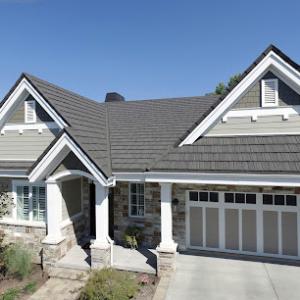
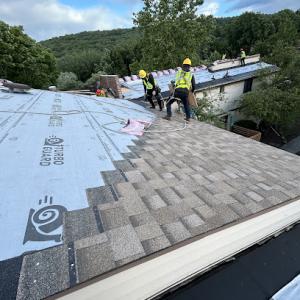
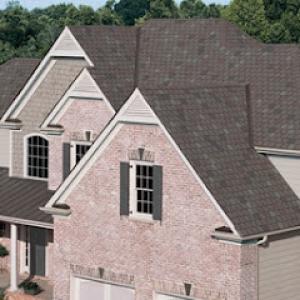
Asphalt shingles fit much of the town's existing housing stock and budget range, making them a sensible default for many Suffern roofs. When choosing a line, look for products that emphasize long-term weather resistance and a solid algae-resistant finish to handle humid summers. Winter conditions demand a tab-sealing strategy to keep joints and edges watertight against freezing cycles. Consider an upgrade in 3-tab or architectural profiles that provide better wind resistance and a fuller look on steeper village streets. Pair shingles with a robust underlayment and proper flashing at valleys, chimneys, and dormers to minimize ice dam risk as temperatures swing from thaw to deep freeze.
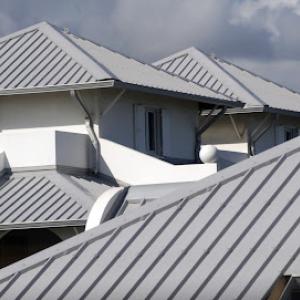
Metal roofing is locally relevant for shedding snow and standing up to repeated freeze-thaw exposure, which is a common pattern in the Ramapo foothills. The payoff comes when installation pays close attention to snow guards, proper attic ventilation, and precise valley and chimney transitions. On steeper village homes, the detailing around transitions and edges matters more than on gentler slopes. Choose a profile that suits the roof line and a finish that resists staining from winter salt and mineral deposits. A metal roof demands a trustworthy seam seal and anti-corrosion treatment in the flashings around tall chimneys and intricate roof intersections to prevent ice backup along the eaves.
Slate, clay tile, concrete tile, and synthetic alternatives appear in this market because of older Northeast architecture and nearby high-end homes. Weight becomes a primary consideration: some Suffern structures may require structural evaluation or reinforcement to carry heavier tile loads. Flashing complexity rises with intricate roof lines common on older properties, making professional detail work essential at chimneys, skylights, and bay dormers. Synthetics offer a lighter, often more affordable path while trying to mimic the look of natural tile or slate; however, performance under sustained freeze-thaw cycles and in humid conditions should be tested against long-term exposure to salt and pine debris. For any of these materials, flashing around chimney transitions and at valley intersections should be planned with a detailed installer's plan to minimize leak pathways during mid-winter thaws.
Regardless of material choice, the local climate-cold snaps, intermittent snow, and summer humidity-shapes actual performance. For steep village roofs, the attention to snow retention details, proper attic insulation, and ventilation becomes a decisive factor in extending life and reducing ice dam formation. A roof plan that prioritizes effective drip edges, clean valleys, and continuous underlayment will help any material weather Suffern winters more reliably. When evaluating bids, prioritize installers who demonstrate a track record with the chosen material in similar northeast conditions and who can articulate a careful approach to flashing around chimneys and valleys on steeper roofing.
Chimney-related roofing work is unusually relevant in Suffern because many homes in this older Rockland County village still have masonry chimneys that create recurring flashing and cricket issues. The combination of freeze-thaw cycles and snow buildup around joints means flashing often wears sooner than shingles. Crickets-those small saddle-shaped against-chimney supports-can fail or sag, directing meltwater right toward the roof deck. If you notice rusted or loose flashing, or a chimney base that feels damp after a thaw, treat it as a warning sign. In these older structures, replacing flashing without addressing the underlying movement of the structure or the chimney chase simply invites the same problem to return.
Skylight leak risk rises locally when freeze-thaw movement and wind-driven rain work against aging curb flashing and surrounding shingles. In Suffern, where gusts from the mountains carry more than ordinary moisture, weathered curb flashing around a skylight can develop micro-cracks that let water migrate downward. Aging shingles near a skylight are more prone to lifting when wind hits the unit, creating small gaps that expand with repeated cycles. If you notice staining along a skylight trim or damp spots near the interior ceiling after a windy storm, inspect the sealant around the base and the condition of the curb flashing. Replacement or resealing should target both the skylight unit and its immediate roof interface, not just the visible glass.
Complex intersections on older homes near the village core make leak tracing harder, so homeowners often need contractors comfortable with repair diagnostics rather than replacement alone. In practice, that means hiring a roofer who can trace the water path through layered flashing and around chimneys, dormers, and skylight curbs. Look for a contractor who uses moisture meters, infrared imaging, and, when needed, a careful step-by-step confirmation of whether leaks originate at the chimney crown, the flashing seams, or the curb itself. The goal is to pinpoint the exact failure mode-cracking, shifting, or improper sealant-before choosing a remedy.
Given Suffern's climate and historic housing stock, plan seasonal seal checks for chimney flashing and skylight curbs. Re-seal old cement or asphalt-based mastics that have dried and cracked, and replace deteriorated shingle shoulders immediately around these features. A proactive approach-addressing small gaps before winter storms-reduces the chance of water tracking into attic spaces, which can otherwise lead to insulation saturation and more extensive interior damage. Consider scheduling a targeted inspection after the peak freeze-thaw period and after any severe wind event to stay ahead of emerging leaks.
Find contractors experienced in skylight installation, flashing, and leak repairs to bring natural light into your home.
Segelman Shaw Roofing, Siding & Gutters
(845) 364-8200 www.letsroof.com
1 Executive Blvd Unit 105B, Suffern, New York
5.0 from 73 reviews
Grand Roof Repair & Replacement
(551) 217-9056 grandroofrepairandreplacement.com
Serving
5.0 from 39 reviews
Late spring through early fall is the preferred replacement window here. The warm, dry days help sealants cure properly and give you a more predictable build. In this climate, summer humidity can slow production, so scheduling with your contractor for early to mid-season dates avoids slowdowns and keeps projects moving. If you're weighing a full-roof replacement, aim for that window and plan a few weeks of lead time so crews can line up material deliveries and crew rotations without competing with peak storm seasons.
Heavy snow and ice in late fall and winter can make safe roof access a problem, and municipal inspections (when needed) are more likely to be delayed by weather. End-of-season work carries extra risk, since freezing temperatures can affect sealant performance and shingle adhesion. If a storm has just passed and you're weighing a roof refresh, treat the situation like a storm surge: verify dry, forecast-friendly days and be prepared for short-notice rescheduling. In Suffern, the next thaw is often the window that clears ice dams and lets crews work safely without creaking equipment or slipping hazards.
Stormy periods drain the local repair queue quickly, and demand for re-roofs tends to surge at the same time. Homeowners in this area often discover that the next available slot is farther out than expected after a major storm. If you've had a damaging season, contact a reputable contractor early, explain your urgency, and secure a tentative timeline before the rush. A proactive approach minimizes the risk of weather-related delays overlapping with peak labor demand.
You'll know it's time to consider replacement when you see widespread shingle deterioration, frequent leaks after heavy rain, or visible signs of deck rot and sagging in attic spaces. In Suffern, where the roof bears snow load and freeze-thaw cycles, minor issues can become serious quickly. If repair costs begin to climb or the same area leaks after new storms, a full replacement may be the more economical, durable solution to protect the home's structure and energy performance.
Get a clear picture of your project costs upfront - no commitment required.
Grand Roof Repair & Replacement
(551) 217-9056 grandroofrepairandreplacement.com
Serving
5.0 from 39 reviews

When planning a replacement for an older Suffern home, use local ranges per square to estimate project costs. Asphalt shingles typically run from 450 to 900 USD per square. Metal roofing sits around 700 to 1200 USD per square. Clay tile projects commonly fall between 900 and 1800 USD per square, while concrete tile spans 800 to 1400 USD per square. Synthetic or composite shingles usually sit 600 to 1000 USD per square, and slate is 1200 to 2600 USD per square. These figures reflect the foothill climate, the village's mature stock, and the extra considerations that come with dormers and chimneys.
Costs in Suffern can rise on older homes with multiple dormers, chimneys, steep pitches, and tighter access typical of established village neighborhoods. Those features complicate material handling, fastener placement, and flashing work, which adds labor time and increases waste. A steep roof or a tight yard can push a project toward the upper end of the per-square range even before material costs, so plan for a modest cushion in both schedule and budget.
Demand spikes after regional storm periods and the short preferred replacement season in Rockland County can tighten scheduling and labor availability, especially for repair-first calls that turn into full replacements. If a contractor suspects a full replacement, expect potential sequencing constraints and a tighter window for material delivery. Consider aligning with local crews early after a storm, and keep a contingency for weather-driven delays that are common in this foothill climate.
In this jurisdiction, a full roof replacement typically requires a permit rather than being treated as a no-paperwork job. The local roofing project should not be treated as a routine update that skips regulation; the permit process helps ensure that the work stands up to Ramapo Mountain weather, snow loads, and the everyday wear on older homes in the village.
In Suffern, the reroof plan is reviewed by the local building department before any permit is issued. This matters especially when homeowners switch roofing systems or plan to use heavier products than what was originally installed. A change from asphalt shingles to metal, or the addition of heavier clay or concrete tiles, often prompts additional review or conditions to meet structural and ventilation requirements. Expect the plan to address not just the shingles, but the entire system: underlayment type, attic ventilation strategy, and flashing details around chimneys, vent pipes, and roof-to-wall transitions.
Inspections are typically performed at rough-in and final stages. The rough-in inspection focuses on the roof deck, underlayment installation, and flashing methods before the new surface is layered on. The final inspection confirms that ventilation is adequate, flashing around penetrations is sound, and the underlayment, drip edges, and starter courses meet code requirements. Even if the finished shingle surface looks correct, a fail at rough-in or final can reflect issues with attic ventilation balance, soffit intake, ridge or turbine vents, and proper sealing of roof-to-wall interfaces. In a village with significant freeze-thaw cycles, ensuring continuous and balanced attic ventilation during inspections is essential to preventing moisture problems and ice dam risk down the line.
Coordination with the contractor helps keep the process smooth. Prepare to provide the permit number, material specifications, and a clear sequence of the work to the inspector. If a heavier roof system is involved, expect the department to request structural notes or a simple calculation confirming framing capacity. Planning ahead for these checks not only avoids delays but supports a durable, weather-ready roof that sustains the neighborhood's winter demands.
In this region, insurance generally covers wind and hail-related roofing losses, but claim activity tends to rise and fall with seasonal storm cycles rather than constant catastrophe exposure. For homeowners facing a mid-winter thaw or a late-season ice event, understanding this rhythm helps set expectations for timing and the adjuster's priorities. Quick, decisive reporting after a storm improves the odds of capturing damage before it migrates into deeper, more costly problems, such as interior leaks or compromised attic ventilation.
Carriers may scrutinize very old roofs more closely in older housing stock, so age, maintenance history, and prior repairs can affect claim outcomes and replacement timing. If shingles have curled, flashing shows signs of prior sealant failures, or there are known freeze-thaw cycles recorded in maintenance notes, the adjuster may view the roof as nearing its end of life even when surface damage looks minor. Having a clear record of when maintenance was performed, plus any previous repairs, helps establish a realistic path for repair versus full replacement. The adjuster's assessment may hinge on whether pre-existing wear contributed to the current damage or if a new event created the need for expensive remediation.
Photos, invoices, and prior damage records help local homeowners move adjuster reviews faster when storm damage is mixed with pre-existing wear from freeze-thaw seasons. Collect images showing both the new damage and the underlying roof condition, especially around chimney flashing, joints, and edge details. Keep copies of receipts for temporary protections-tarps, boards, or fasteners used to prevent further leakage. Be prepared to relay recent weather patterns and any interior signs of water intrusion. Clear, organized documentation can reduce back-and-forth with the insurer and help decisions about expedited repairs versus temporary shoring while a full assessment is scheduled.
Connect with contractors who help homeowners navigate the claims process from damage assessment to final approval.
While pitched roofs dominate here, flat and low-slope sections still show up on additions, porches, garages, and mixed residential-commercial buildings near the village center. In Suffern's winter pattern, snowmelt waters the membrane edge and sits where there's leaf buildup from mature trees. Repeated winter ponding accelerates edge flashing failures and invites slow leaks that creep along the tie-in between old house and new addition. Expect chilly mornings to reveal frost on the membrane and occasional damp spots along the perimeter after a thaw.
These low-slope areas are especially vulnerable because the leak sources often originate where an older addition meets the original structure. Treat the low-slope tie-in as a distinct "hot spot" during inspections. Pay particular attention to the transition from vertical walls to the edge of the flat roof, where improper slope, damaged flashing, or missing sealant can allow water to migrate into attic and wall cavities. Do not assume the main roof will catch every drip; the junctions are usually the first to fail in Suffern's freeze-thaw cycle.
Keep the flat roof free of debris, especially leaves, needles, and pine cones that can obstruct drainage and hold moisture against the membrane. After heavy snows, carefully remove compacted snow from the roof edge rather than the center; focus on the parapet and drip edge to prevent ice dams from backing up under flashing. Inspect flashing at all perimeter parapets and along any sidewall penetrations. If you notice cracking sealant, blistered membrane, or staining on the interior ceiling near the tie-in, schedule a check promptly.
Choose a robust slope for proper drainage without sharp low points. Ensure edge detailing includes a continuous ice and water barrier over the full width of the flat section, plus formed metal or penetration flashing where it meets the existing house. Use compatible materials at the tie-in to avoid differential movement that can loosen seals during freeze-thaw cycles. Insulation beneath the flat roof should limit condensation and heat loss into the attic, reducing risk of interior leaks during cold snaps.
In late fall, pre-winter inspections focusing on the tie-in and flashing can prevent mid-winter leaks. After heavy storms or rapid thaw events, recheck the perimeter sealants and drainage paths. Maintain a routine with a local roofer who understands Suffern's specific snow and ice patterns so those low-slope sections stay resilient through multiple winters.
Find specialists in TPO, EPDM, and built-up flat roofing systems for residential and commercial properties.